Got Hibiscus? 9 Critical Things Arizona Gardeners Must Do This Fall For Dinner-Plate Blooms
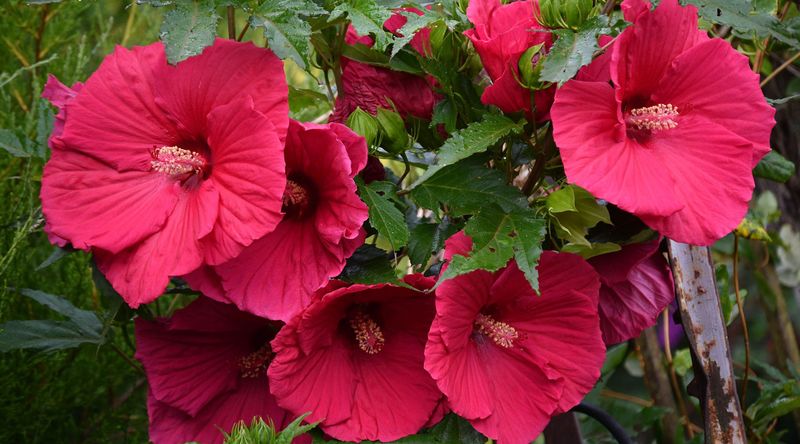
If you want hibiscus flowers as big as a dinner plate, fall is when the real work happens in Arizona. Our low-desert heat, alkaline soils, and surprise winter frosts make hibiscus care here very different from cooler, wetter places.
The good news is that a few smart moves right now can set your plants up for a jaw-dropping bloom show. Let’s walk through the nine steps that matter most for Phoenix and Tucson gardeners.
1. Select the Right Arizona Hibiscus Variety
Picking the wrong hibiscus in the low desert is like signing up for a summer of babysitting a thirsty plant. The variety you choose decides how much water, shade, and fuss you’ll deal with all season.
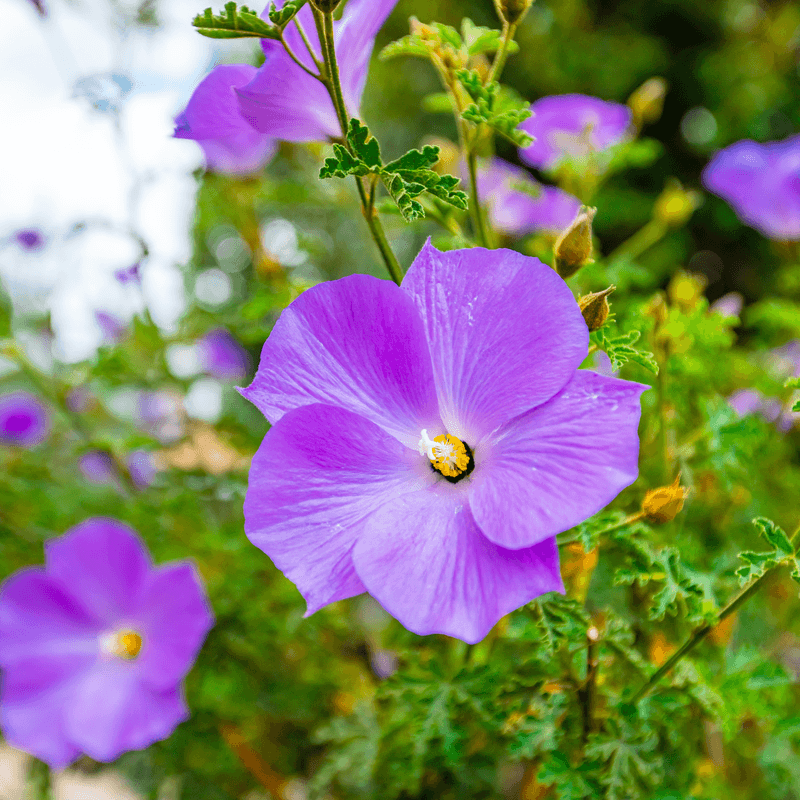
For water-wise wins, Blue Hibiscus (Alyogyne huegelii) and San Marcos Hibiscus (Gossypium harknessii) are standouts once established, tossing out big showy flowers without begging for a drink. Arizona Rosemallow (Hibiscus biseptus) is a true native that shrugs off arid conditions and rewards you with reliable color.
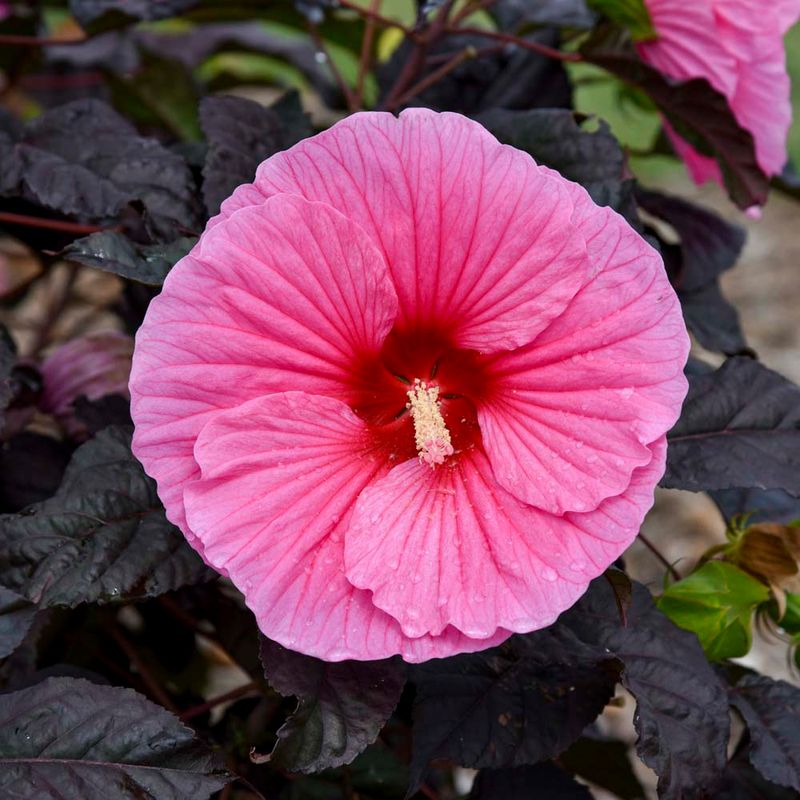
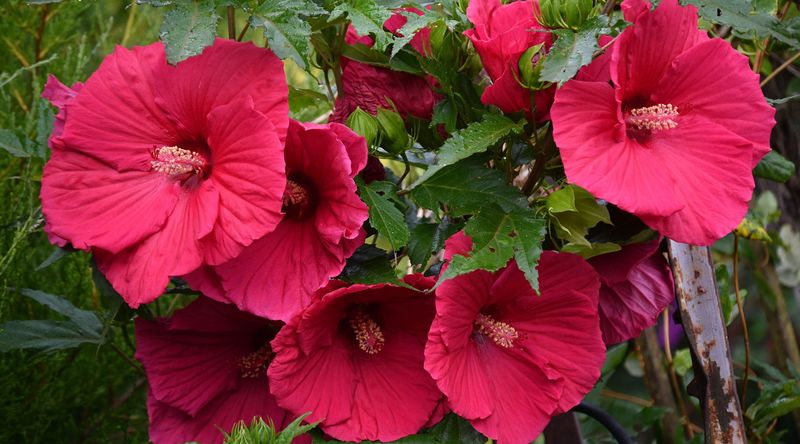
If your heart is set on classic tropical hibiscus (Hibiscus rosa-sinensis), choose heat-tolerant cultivars and accept that they drink heavily in our extreme heat. Those famous dinner-plate blooms, running 8 to 12 inches across, come mostly from Hardy Hibiscus, also called Rose Mallow.
Just know those giants are heavy drinkers, so plan your watering budget before planting. Matching the plant to your patience and your water bill is the smartest fall decision you’ll make.
Choose wisely now, and everything else on this list gets easier.
2. Ensure Proper Arizona Sun Exposure
Our desert sun does not mess around, and even sun-loving plants can get scorched here. Where you place a hibiscus can be the difference between glossy leaves loaded with buds and a crispy, stressed-out shrub.
Tropical hibiscus varieties usually appreciate a break from the brutal western afternoon rays. An east-facing spot works beautifully, delivering plenty of gentle morning sun while shielding the plant when the heat peaks in the afternoon.
That afternoon shade keeps foliage attractive and encourages prolific flowering instead of heat sulking. Not every hibiscus is so delicate, though.
Desert-adapted picks like Blue Hibiscus thrive in full sun and can even handle reflected heat bouncing off walls and driveways.
Before you dig, watch how light moves across your yard during the day. Notice where shadows fall in late afternoon and where heat radiates from block walls or pavement.
Placing the right variety in the right pocket of light means less stress on the plant and far more of those big, dramatic blooms you’re after this coming season.
3. Implement Deep and Thoughtful Arizona Watering
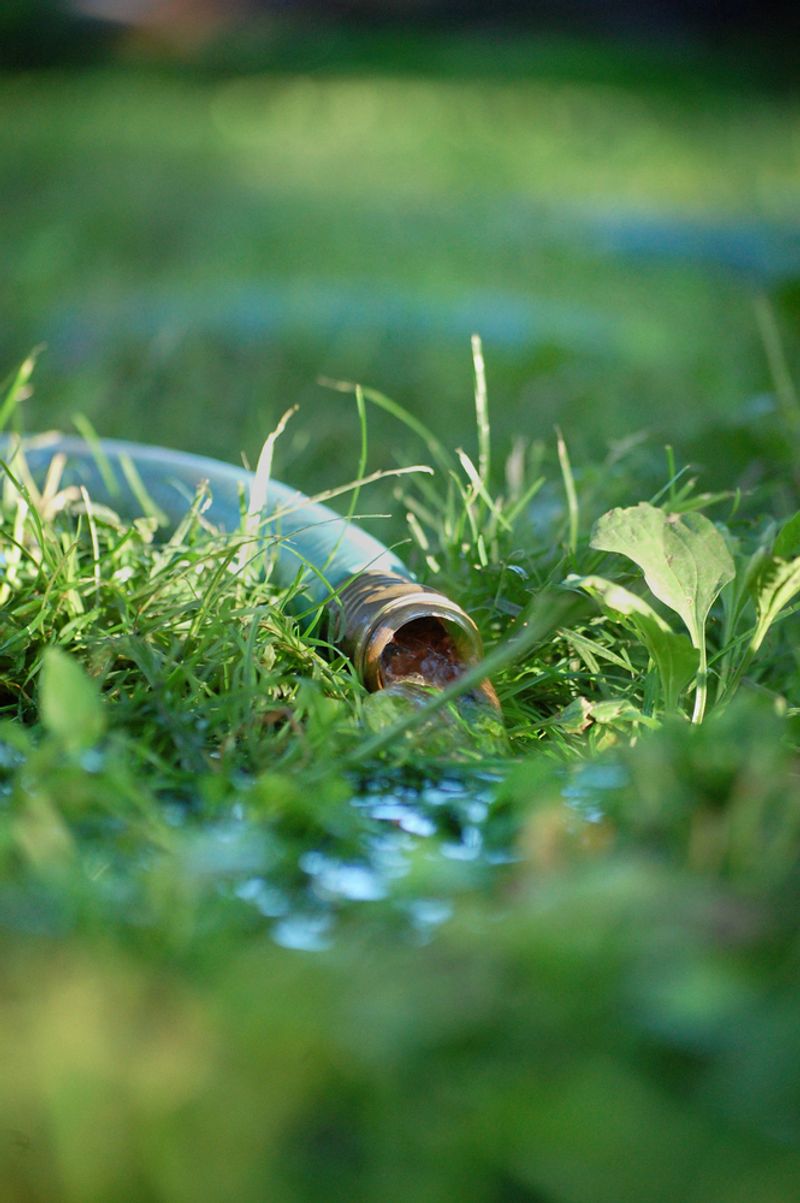
Watering hibiscus in the low desert is less about frequency and more about depth. A quick daily splash trains roots to stay shallow, right where the soil bakes hottest.
Deep watering encourages roots to reach far down, giving your plant a sturdy foundation and better heat resistance. During brutal summers, some tropical hibiscus in containers may need water once or even twice a day, but fall’s milder temperatures let you ease off that pace.
Your Arizona Garden Changes Every Week. Your Plan Should Too.
Gardening in Arizona changes quickly throughout the season. Every Friday you’ll receive a simple weekly plan showing exactly what to plant, prune, fertilize, harvest, and protect so you never miss the right timing.
Instead of guessing, check the top few inches of soil with your finger. When it feels dry or just slightly damp, water thoroughly so the entire root system gets fully saturated, not just the surface.
Consistent moisture matters most during warm spells, and it pays off in more ways than blooms. Well-hydrated hibiscus stand up better to cold snaps and are more resistant to pests moving in.
As fall cools things down, adjust your schedule rather than sticking to a summer routine. A little attention to soil moisture now keeps roots healthy and sets the stage for those show-stopping flowers.
4. Optimize Arizona Soil Conditions for Hibiscus
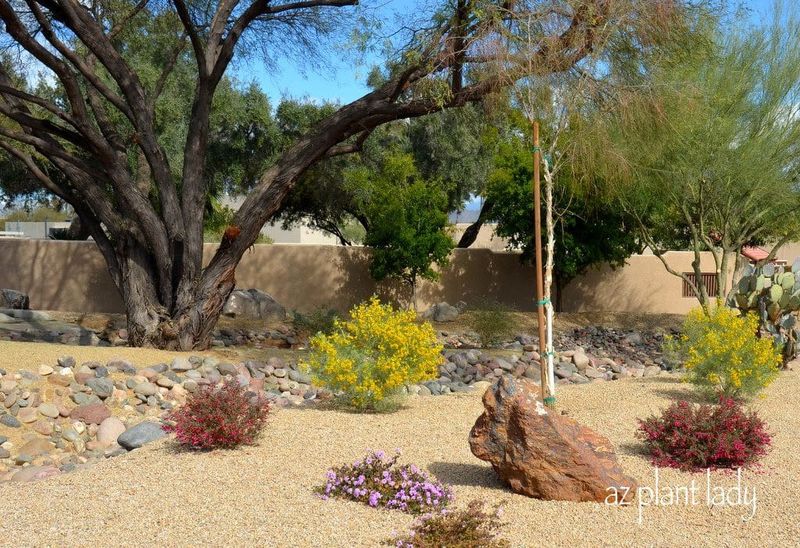
Anyone who has hit a rock-hard layer of caliche while digging knows Arizona soil has opinions. Hibiscus wants rich, well-draining ground, and our native dirt doesn’t always cooperate.
Blue Hibiscus is the easygoing exception, adapting naturally to caliche soils once it settles in. For most other varieties, though, you’ll want to give the soil a serious upgrade before those roots move in.
Heavy clay traps water and can drown roots, while pure sand drains too fast to hold nutrients. Mixing in generous amounts of compost fixes both problems, improving drainage and boosting the soil’s ability to feed your plant.
Organic matter also supports beneficial soil life that keeps roots happy over time. Aim for a soil pH somewhere between 5.5 and 7.8, which is slightly acidic and ideal for nutrient absorption.
Many Arizona soils lean alkaline, so testing your pH before planting is a smart, low-effort step. Get the foundation right this fall, and your hibiscus can actually use the water and fertilizer you give it, turning effort into enormous blooms.
5. Fertilize Arizona Hibiscus Strategically in Fall
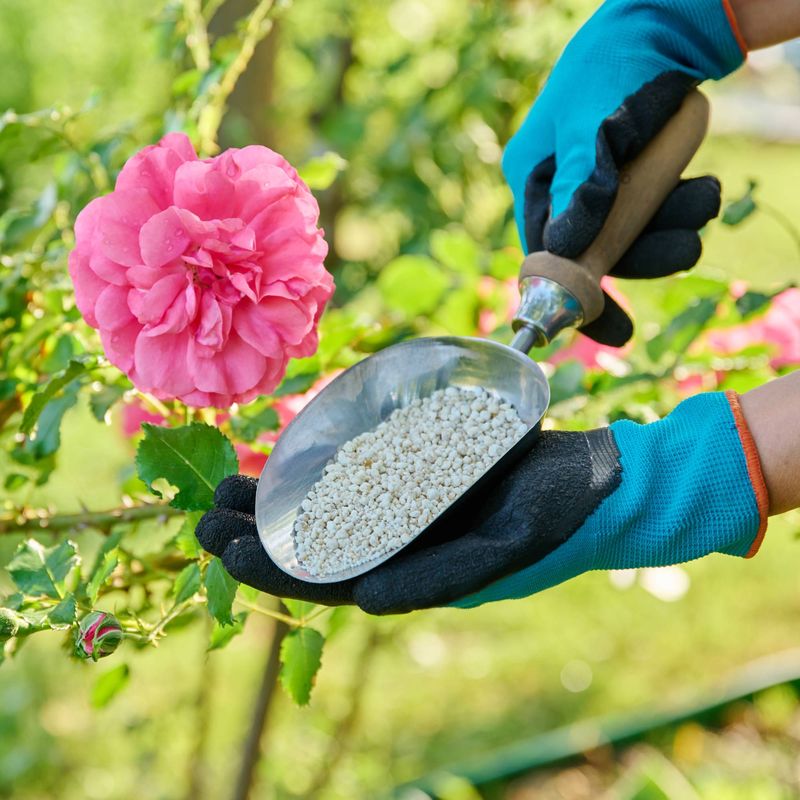
Hibiscus are hungry plants, and feeding them right in fall shapes next year’s flower power. Skip it entirely and you may end up with lush leaves but disappointing blooms.
During the active growing season, a balanced fertilizer like 10-10-10 or 20-20-20 works well, though many growers prefer a low-phosphate formula such as 7-2-7. Look for trace elements too, including iron, copper, and boron, which our alkaline soils often lack.
Potted hibiscus appreciate a gentler touch, so try a half-strength water-soluble feed roughly every four weeks through fall and winter. As the season shifts, timing becomes just as important as the formula you choose.
Switching to a potassium-rich fertilizer in late summer or early fall helps toughen up the plant for winter resistance. When the coldest two months arrive, gradually reduce or stop feeding altogether so you’re not pushing tender growth into frost.
Think of fall fertilizing as banking energy for a spectacular spring and summer. Feed smart now, ease off as temperatures drop, and your hibiscus will store up strength for those coveted dinner-plate flowers.
6. Prune Arizona Hibiscus for Fall Health and Future Blooms
Grabbing the shears at the wrong moment can cost you an entire season of flowers. In Arizona, hibiscus pruning depends heavily on your variety and your local frost risk.
For tropical hibiscus in very warm zones where frost rarely visits, a late fall trim can spark branching and more flowers the following summer. But if your area sees occasional freezes, hold off until spring so tender new growth isn’t nipped by cold.
Hardy hibiscus play by different rules since they die back naturally. Cut their dead material down to 8 to 12 inches in fall, then finish the job by pruning to ground level in spring.
No matter the type, always remove dead, damaged, or diseased branches whenever you spot them. Trimming back about one-third of the overall growth encourages strong new branches, and more branches mean more blooms.
Think of pruning as steering the plant’s energy toward flowers instead of tired old wood. Time it to your frost reality, keep your cuts purposeful, and you’ll reward yourself with a fuller, more floriferous hibiscus next year.
7. Protect Arizona Hibiscus from Winter Chill
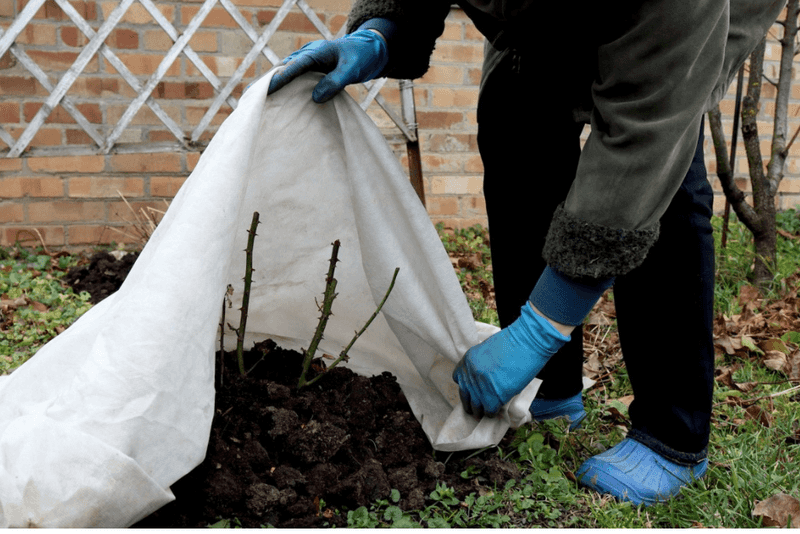
Arizona winters look mild on paper, but a single freezing night can wreck a tropical hibiscus. Protecting these tender plants is a fall chore that saves heartbreak later.
If you’re growing tropical hibiscus in pots, plan to move them indoors to a warm, sunny spot when nighttime lows dip below 50 degrees. Container plants are easy to rescue, so take advantage of their portability before the first real chill hits.
Ground-planted tropicals need more creative defense in frost-prone areas. Pile a thick layer of mulch around the base and drape the plant in frost cloth when cold threatens.
Some clever gardeners tuck old-fashioned outdoor Christmas lights beneath the cloth for a gentle bit of warmth on the coldest nights. Hardy hibiscus, by contrast, can stay outside without drama.
After they die back to the ground, blanket the base with an 8 to 12 inch layer of mulch to insulate the roots through winter. A little preparation now keeps your investment alive and ready to explode with growth once warm weather returns.
8. Manage Arizona Hibiscus Pests Naturally
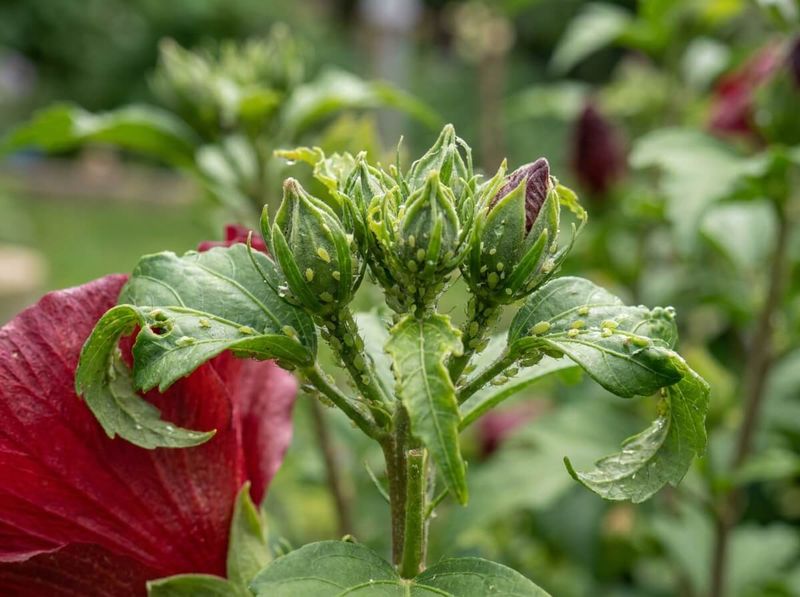
Big, juicy hibiscus leaves are basically a buffet sign for garden pests. Aphids, whiteflies, mealybugs, spider mites, and scale all love to move in on Arizona plants.
Your best weapon is simply paying attention, so inspect your hibiscus regularly for early signs of trouble. Catching an infestation small means you can handle it with the gentlest methods first.
A strong stream of water often knocks pests right off the plant, no chemicals required. Pruning out heavily affected stems and foliage removes trouble spots and keeps problems from spreading.
Nature also offers free help in the form of beneficial insects. Encouraging lady beetles and parasitic wasps turns your yard into its own pest-control crew, which is exactly the kind of working garden desert homeowners love.
When you need a bit more muscle, neem oil and insecticidal soaps are effective organic options that can reduce pest numbers. Steer clear of broad-spectrum insecticides, since they wipe out the good bugs along with the bad.
Lean on these gentle tactics and your hibiscus stays healthy without harming the helpful wildlife around it.
9. Provide Adequate Air Circulation for Arizona Hibiscus
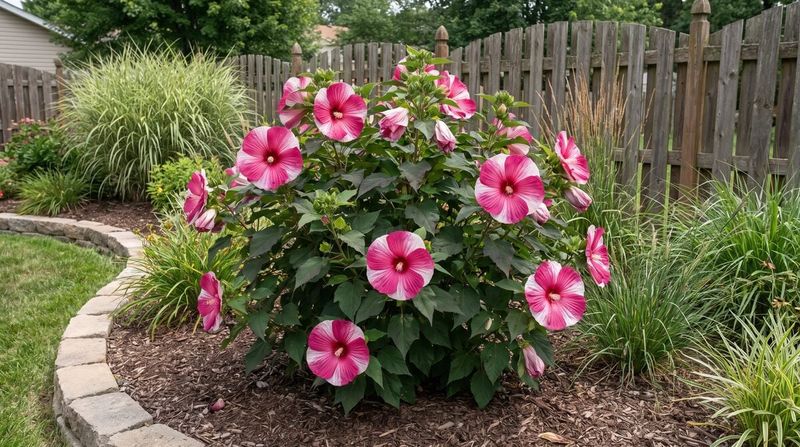
Crowded, dense hibiscus create the kind of stuffy, shaded interior that fungus and pests adore. Good airflow is a quiet secret that keeps plants healthier all season long.
When you prune, aim to open up the canopy so sun and heat can reach the inner branches. That extra light and warmth do more than brighten the plant.
Certain pests, including Black Scale, struggle to reproduce in high heat and bright sunlight, so an open shrub becomes a less welcoming home for them. Air moving freely through the branches also helps foliage dry quickly, which can deter fungal issues before they take hold.
Spacing matters too, and it starts at planting time. Give each hibiscus enough room so mature plants aren’t jammed against neighbors or walls, choking off the breeze.
Combining thoughtful spacing with a regularly thinned canopy pays off in sturdier, more disease-resistant plants. In Arizona’s climate, working with our abundant sun and heat rather than against it is often the smartest move.
An airy, well-lit hibiscus channels its energy into those enormous, healthy blooms you’ve been chasing.