The Brown Patches Spreading Across Washington Lawns Come From Something Underneath
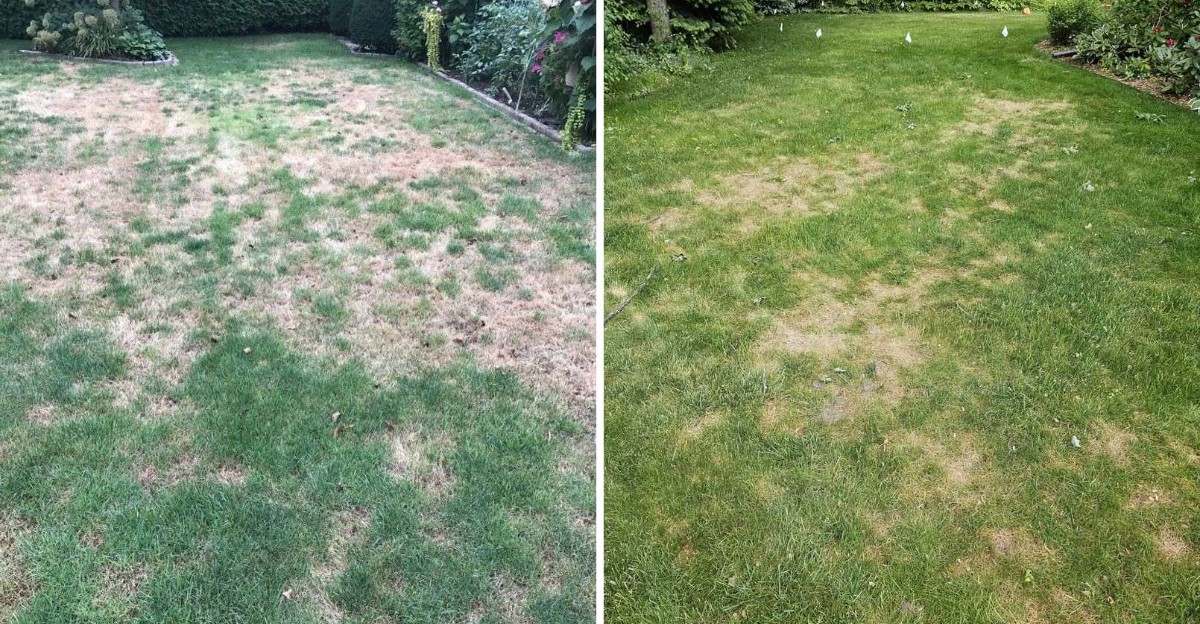
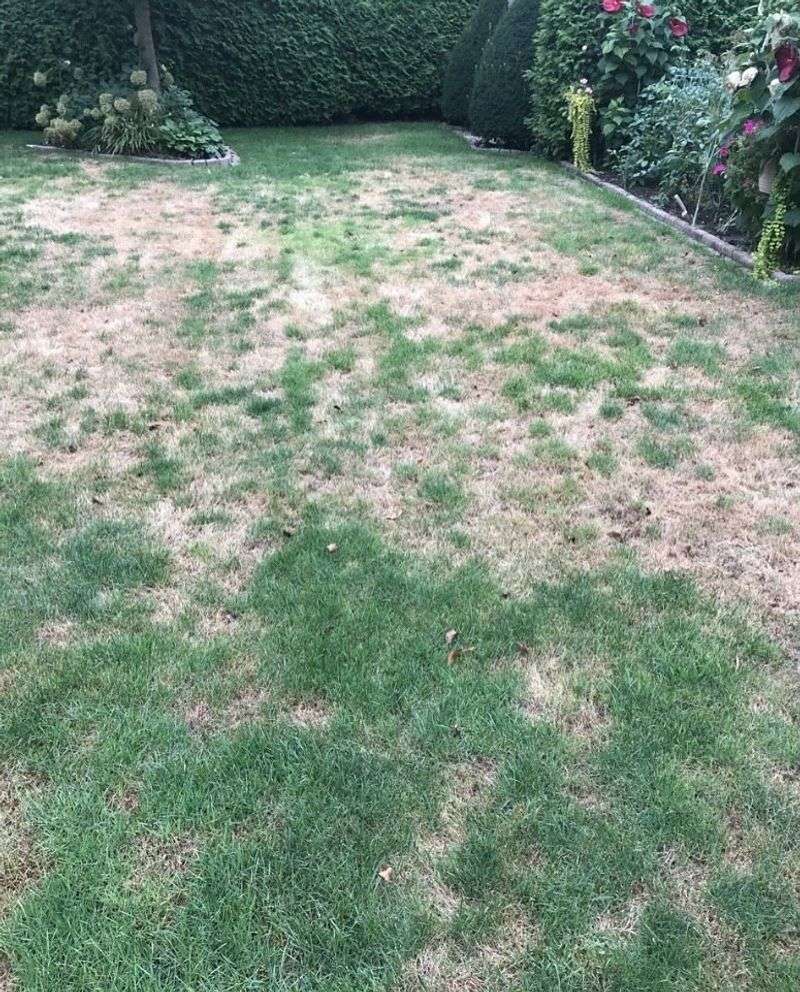
Your lawn looked strong and green all through July, with nothing to suggest trouble. Then September rolled in and painted ragged tan blotches across the whole front yard.
The patches spread fast, and the turf peels back like old carpet whenever you tug on a corner. Crows and starlings arrive at dawn, working your yard like a free breakfast buffet line.
You water more, fertilize twice, and nothing changes, because the real trouble sits well below the surface. Something down there has been feeding since late summer, and it is clearly not finished yet.
Peel up a loose corner of sod and the cause becomes obvious right away. Your grass did not give up on you, it simply got evicted from far down below.
Root-Feeding Larvae Hidden Under The Turf
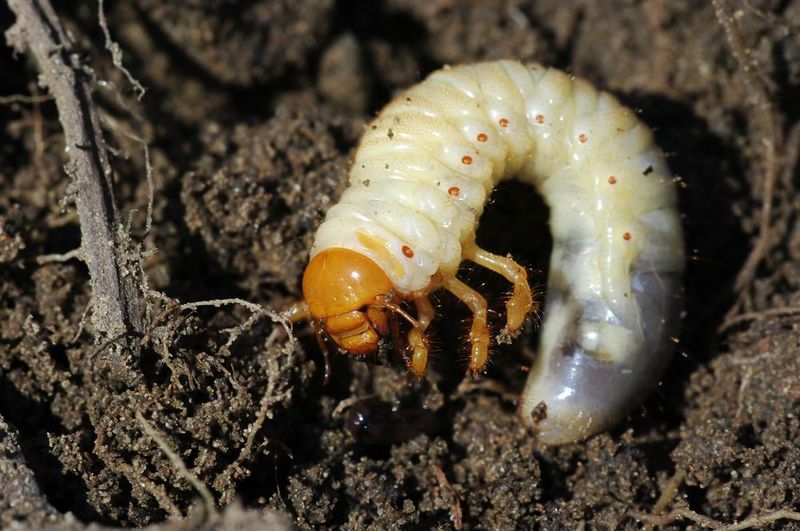
Pull back a brown patch and you may find pale, C-shaped grubs curled in the soil. Those are European chafer larvae, and they have been chewing grass roots all summer long.
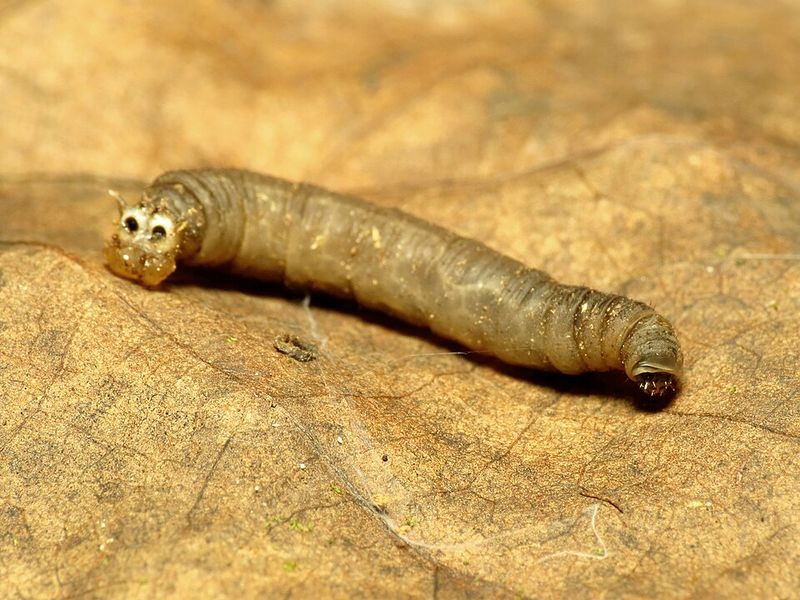
Crane fly larvae look different, more like gray-brown leathery tubes with no legs at all. Lawn folks in Washington call them leatherjackets, and they feed on roots and crowns.
Both pests do the same basic damage, cutting grass off from water and nutrients. The blades above stay green for a while, then fade to straw in warm weather.
A healthy lawn can handle a few larvae without showing any stress at all. Trouble starts when counts climb past roughly ten chafer grubs per square foot in an average lawn, though well-kept Washington turf can handle more.
Crane fly numbers matter too, and many experts worry once counts top twenty-five per square foot. Counting takes two minutes with a shovel and a little patience.
Cut a square flap of sod about six inches across and four inches deep. Fold it back like a book, then sift the loose soil with your fingers.
Knowing which larva you have matters, because the timing of treatment differs between them. Chafers hatch in midsummer, while crane flies hatch in fall after adults swarm.
Washington lawns sit in prime territory for both pests, thanks to mild, damp weather. West of the Cascades, the combination shows up in yard after yard each season.
Identification beats guessing, since the wrong product at the wrong time wastes money. Five minutes of digging tells you more than any guess from the porch.
September Feeding Season In Western Washington
Around Labor Day, hidden damage finally goes public across lawns from Everett to Olympia. Chafer grubs reached full size over the summer, and their appetite peaks as soil cools.
Warm September afternoons stress grass that has already lost half its root system underground. Patches that looked like dry spots in August turn tan and crispy overnight.
Crane flies enter the story now, since adults emerge and mate in late summer. Females drop eggs into moist turf, often within a few feet of where they emerged.
Your Washington Garden Changes Every Week. Your Plan Should Too.
Gardening in Washington changes quickly throughout the season. Every Friday you’ll receive a simple weekly plan showing exactly what to plant, prune, fertilize, harvest, and protect so you never miss the right timing.
Those eggs hatch within two weeks, and tiny leatherjackets begin feeding on roots. They keep eating through the wet winter, then hit the grass hard in spring.
Fall rain matters more than most homeowners expect, and it shapes how both pests thrive. Moist soil helps eggs survive, and September showers around Puget Sound rarely disappoint.
Raccoons, skunks, and crows add insult to injury during September and October nights. They roll back sod in search of protein, leaving the yard looking torn apart.
Timing your response to the calendar beats reacting to whatever the lawn happens to look like. Early fall is the window when young larvae sit near the surface and feed.
Once soil cools below fifty degrees, grubs burrow deeper and treatments lose punch. Acting in September and early October gives you the best odds by far.
Marking the calendar helps, because the same window comes around every autumn here. Many Washington yards run on a predictable schedule once you learn the pattern.
Common Missteps That Make The Damage Worse
The instinct to water a brown lawn harder is understandable, and it rarely helps here. Damaged roots cannot absorb the extra moisture, so the water just feeds weeds.
Heavy nitrogen in fall is another popular mistake around Puget Sound yards. Pushing top growth on a rootless lawn is like asking a patient to sprint.
Plenty of homeowners reach for milky spore, which works on Japanese beetle grubs. European chafer shrugs it off, so the money and effort go nowhere.
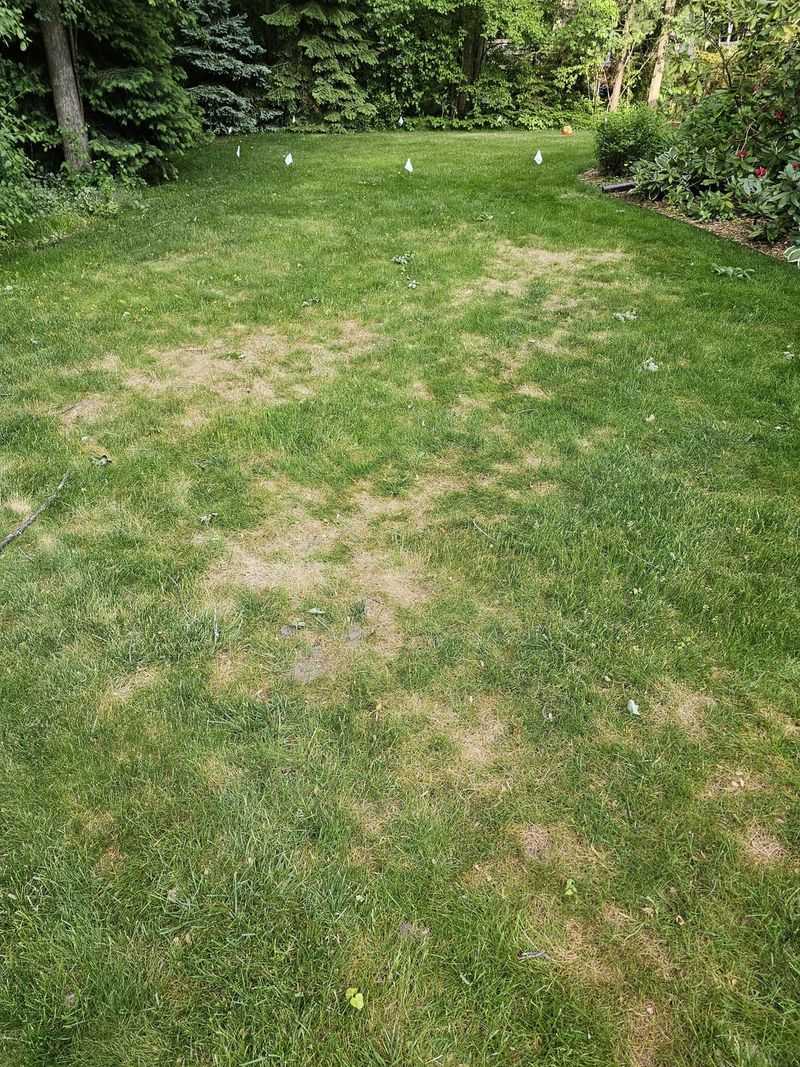
Guessing the culprit leads to fungicide purchases when the real issue is chewing insects. Fungal patches usually show rings or spots, while grub patches lift up loose.
Reseeding too early frustrates a lot of people in September. New seedlings get eaten before they root, and you repeat the whole job in October.
Mowing short during recovery shaves away the leaf area that feeds struggling roots. Raising the deck to two and a half inches helps the lawn hang on.
Blanket spraying the whole yard wastes product when damage sits in two corners. Treat where counts run high and leave healthy turf alone.
Waiting until the grass looks bad in spring is the costliest misstep of all. By then the larvae are large, tough, and nearly finished with your roots.
Skipping the shovel test ranks high on the list too, since guesses get expensive. Two minutes of digging saves a whole afternoon of pointless spraying.
Birds tearing at the turf are messengers, not the problem, so shooing them solves nothing. The crows noticed your yard before you did.
Treatment Options That Actually Work On Grubs
Beneficial nematodes are the workhorse choice for gardeners who prefer a gentle approach. These microscopic roundworms seek out larvae in the soil and leave plants untouched.
Heterorhabditis bacteriophora affects chafer grubs, while Steinernema carpocapsae suits crane fly larvae better. Both need moist soil, cloudy weather, and an evening application to survive the trip.
Water the lawn before and after spreading them, then keep it damp for two weeks. Washington autumn usually handles that part without help from your hose.
Chemical options exist, and chlorantraniliprole has the best safety profile among them. It works as a preventer, so it belongs on the calendar for spring or early summer.
Curative products containing trichlorfon act faster on larger grubs already feeding in fall. Read the label twice, because rates and pollinator warnings vary by product.
Water any granular treatment in with half an inch of irrigation right away. Product sitting on dry blades does nothing for the pests eight inches down.
Spot treating beats treating the entire yard, both for cost and for beneficial insects. Earthworms, ground beetles, and pollinators share that soil with the pests you’re treating for.
WSU Extension publishes free guidance tailored to local conditions and current regulations. A quick look at their fact sheets beats advice from a random forum thread.
Hand removal works in small yards, especially when you are already lifting damaged sod. Toss what you find to the chickens or the birds waiting nearby.
Patience helps, since no single application clears every larva from the soil. Knocking populations below the damage threshold is the realistic goal.
Lawn Recovery After The Larvae Move On
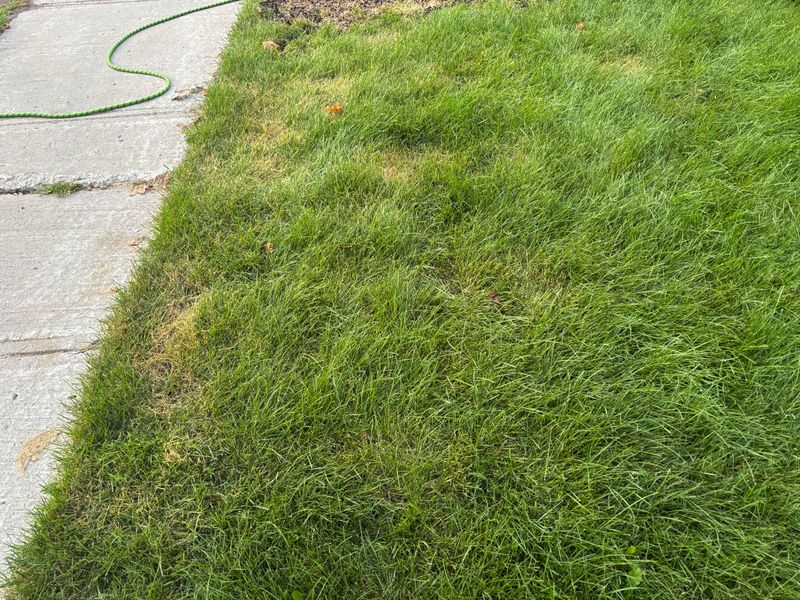
Repair work in Washington has one big advantage, since fall is prime seeding season here. Cool nights, warm soil, and steady rain give new grass an easy start.
Rake out the loose, damaged turf first, because it peels away with almost no effort. Underneath you will find bare soil that needs loosening before seed goes down.
Perennial ryegrass germinates in about a week and handles Puget Sound winters well. Mix in fine fescue if your yard sits under big firs or maples.
Spread a quarter inch of compost over the seed to hold moisture and warmth. Light, frequent watering beats one heavy soak during the first two weeks.
Small patches often fill in on their own once the root feeding stops. Grass spreads sideways through tillers and stolons, given a fair chance.
Larger bare areas, anything wider than a dinner plate, deserve seed or sod. Sod gives instant coverage, though it costs far more per square foot.
Expect the lawn to look patchy through October and much better by April. Roots rebuild slowly in cold soil, so progress hides below the surface.
Hold off on heavy foot traffic while new seedlings anchor themselves. Kids and dogs can undo a weekend of work in about ten minutes.
A fall application of a balanced starter fertilizer supports root growth without forcing blades. Skip the high nitrogen bag until the lawn has recovered next spring.
Keep an eye on the repaired spots, since larvae sometimes return to the same soil. A second shovel test in late October settles the question quickly.
Building A Tougher Lawn For Next Year
The cheapest insurance any Washington homeowner can buy is a thick, healthy stand of grass. Dense turf makes egg laying harder and hides the small damage that still happens.
Mow high, around two to three inches, and leave the clippings where they fall. Longer blades grow deeper roots, which means more buffer when larvae show up.
Overseed every fall, even during years with no visible trouble at all. A yearly handful of ryegrass seed keeps thin spots from ever opening up.
Chafer adults swarm at dusk in June, gathering in trees and around porch lights. Switching outdoor bulbs off during those two weeks makes your yard less inviting.
Dry soil in early summer lowers egg survival for both pests noticeably. Cutting back irrigation in late June is a free, surprisingly effective tactic.
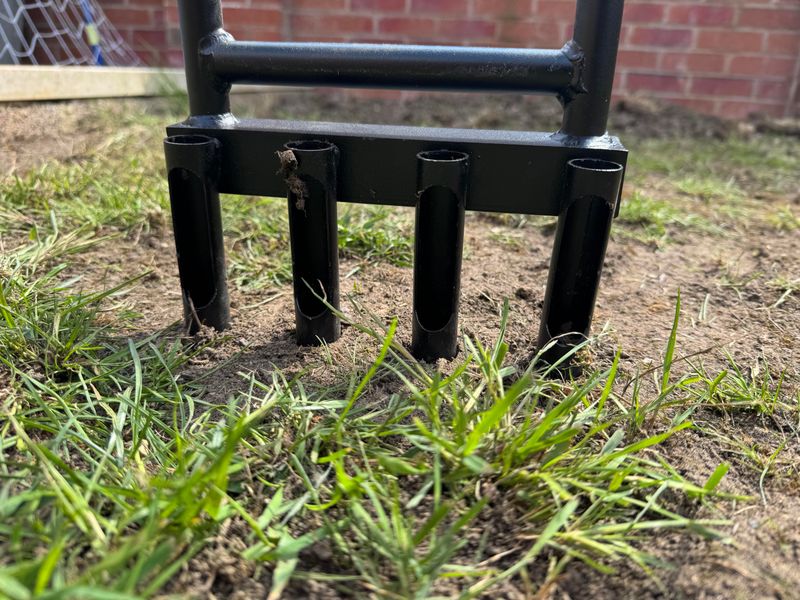
Core aeration each fall opens compacted ground and helps roots reach deeper moisture. Thatch thicker than half an inch gives larvae a cozy place to settle.
Annual nematode applications in early fall keep populations low before they build. Many local gardeners treat this as routine maintenance, like cleaning the gutters.
Tolerance matters too, because a handful of grubs per square foot causes no harm. Chasing perfection in a lawn costs more than the lawn is worth.
Keep a simple record of when patches appeared and what you applied. Notes from one season make next September far less mysterious.
Neighbors matter as well, since chafer adults fly easily between nearby yards. Coordinating treatment on your street works better than going it alone.