Why This Week Matters More Than Any Other For New Jersey Lawns
Cooler mornings arrive quietly, but your lawn responds actively underground. Dew collects on your mailbox while your roots stir beneath the surface. Grass across New Jersey signals that your yard just changed gears.
Summer stress leaves your turf ready for real recovery. Soil temperature drops into a zone your grass loves. Timing decides whether your effort actually pays off. Plenty of homeowners across New Jersey let this window slip past you.
Roots grow faster now than the surface shows. Weeds weaken while your turf quietly gains ground. Foot traffic scars start healing once you act now. Rules and best practices meet during your narrow window.
Habits you form now shape next summer’s outcome. Waiting costs you more than you probably realize. Missing this window makes next season’s recovery harder.
Understanding what happens underground changes how you treat your lawn. Your next move decides whether next summer forgives you.
1. Soil Temperatures Hit The Sweet Spot
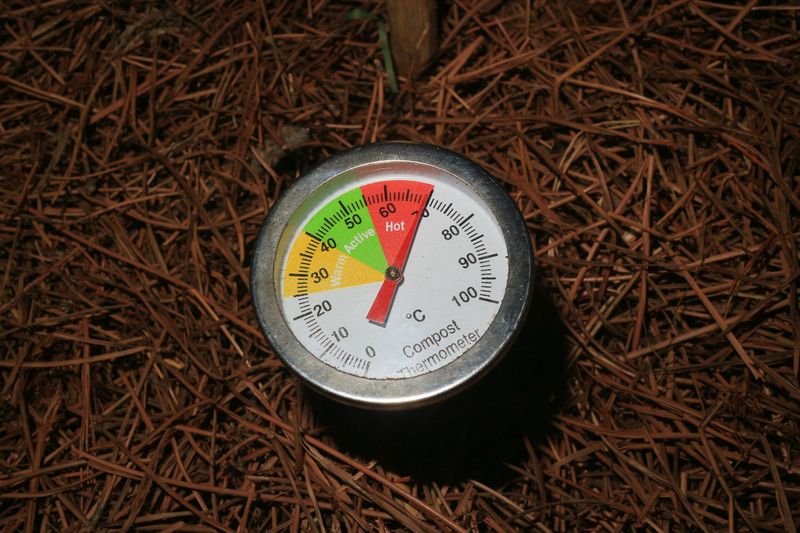
Stick a cheap probe thermometer into your yard right now and you might be surprised. Mid-September soil across New Jersey usually sits somewhere between 60 and 70 degrees.
That range is close to ideal for fescue, bluegrass, and ryegrass roots. Warm ground speeds up germination while cooler air keeps young blades from drooping.
August soil often runs hotter than seedlings prefer, which is why late summer seeding can disappoint. By the third week of September, the heat has eased but the ground still holds plenty of stored warmth.
You can track all of this with a ten dollar soil thermometer from any garden center. Push it about two inches down, check in the morning, and jot the number on your phone.
Once readings slide under 55 degrees, seed tends to sit and wait rather than sprout quickly. In north Jersey that shift often arrives in mid-October, and along the shore it comes a bit later.
Shady back corners under oaks cool off sooner than open front lawns baking in afternoon sun. Check both spots and start your work in the warmer area.
Clay-heavy soil in central Jersey holds heat a little longer than sandy ground near the coast. Small differences like that can shift your timing by a week.
Knowing your own numbers beats guessing from a calendar printed in another state. Two yards on the same street can differ by several degrees depending on shade and slope.
Treat that thermometer reading as your starting gun for the weeks ahead. It turns fall lawn work into something closer to a real plan.
2. Cool-Season Grass Wakes Back Up
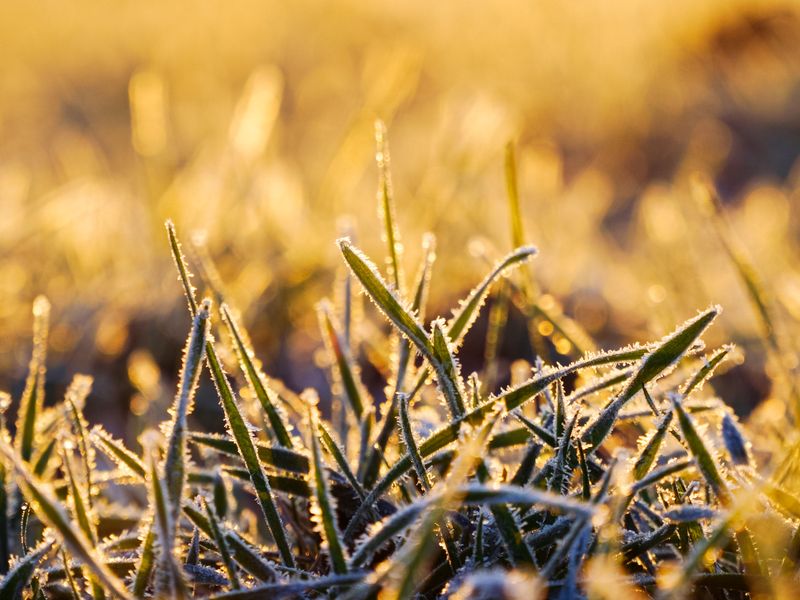
Summer is rough on New Jersey turf, and by Labor Day plenty of lawns appear thin and stressed. Then something shifts, and the grass starts pushing again.
Cool-season grasses do their heaviest root growth in autumn rather than spring. Shorter days and mild nights signal the plant to store energy below the surface.
The blades you see above ground are only part of the picture. Roots can reach six inches or deeper when fall conditions cooperate.
Your New Jersey Garden Changes Every Week. Your Plan Should Too.
Gardening in New Jersey changes quickly throughout the season. Every Friday you’ll receive a simple weekly plan showing exactly what to plant, prune, fertilize, harvest, and protect so you never miss the right timing.
That underground push is what carries a lawn through next July. Deeper roots find moisture that shallow ones cannot, so heat spells feel less severe.
Warm-season weeds like crabgrass begin fading now while your turf gains ground. That trade lets thin patches close in on their own.
Your job this month is mainly to support the effort already underway. Steady moisture, a sharp mower blade, and a light feeding go a long way.
Go easy on heavy foot traffic in recovering areas, especially near soccer goals and trampolines. Compacted lanes take much longer to fill back in.
Here is a fun bit of history. Bluegrass arrived with European settlers and has long benefited from typical Northeast autumn weather.
If your lawn looked rough in August, hold off on drastic decisions. Give it three or four weeks of fall growth and judge it then.
Plenty of homeowners rip out turf in late summer that would have bounced back on its own. Patience during this stretch saves both money and weekend hours.
3. Seed Timing Has A Short Window
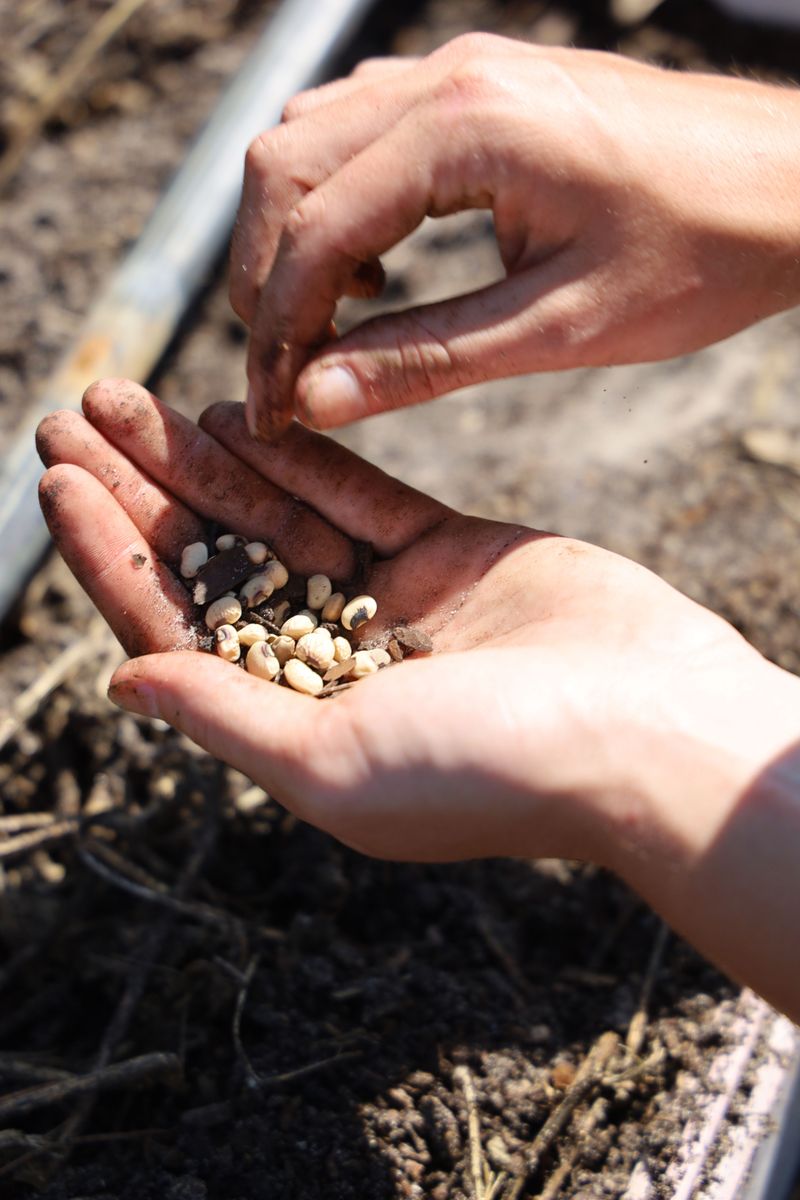
Most New Jersey landscapers recommend this stretch of September for spreading seed. The tenth probably wishes he had started sooner.
Seedlings need roughly six to eight weeks of mild growing weather before the ground turns cold. Counting backward from late November puts your ideal start right about now.
Sow too late and young plants head into winter with thin roots. They often struggle through the freeze and thaw cycles of February.
Good seed-to-soil contact matters more than how much you throw down. Rake lightly, use a slit seeder, or top the area with a thin layer of compost.
Read the bag before you buy, since bargain mixes often carry filler and weed seed. Look for tall fescue blends or a fescue and bluegrass mix for sunny Jersey yards.
Keep the top inch damp for two solid weeks, which usually means short watering sessions twice a day. Once blades appear, water longer and less often.
Hold off on crabgrass preventer in newly seeded areas, because it blocks grass seed too. Write the seeding date on a calendar so spring products do not undo your work.
Mow the existing lawn shorter than usual before seeding to let light reach the soil. Bag those clippings once so they do not smother tiny sprouts.
The first mow on new grass can wait until it reaches about three inches tall. Use a sharp blade and take off only the top third.
4. Aeration Opens Up Compacted Ground
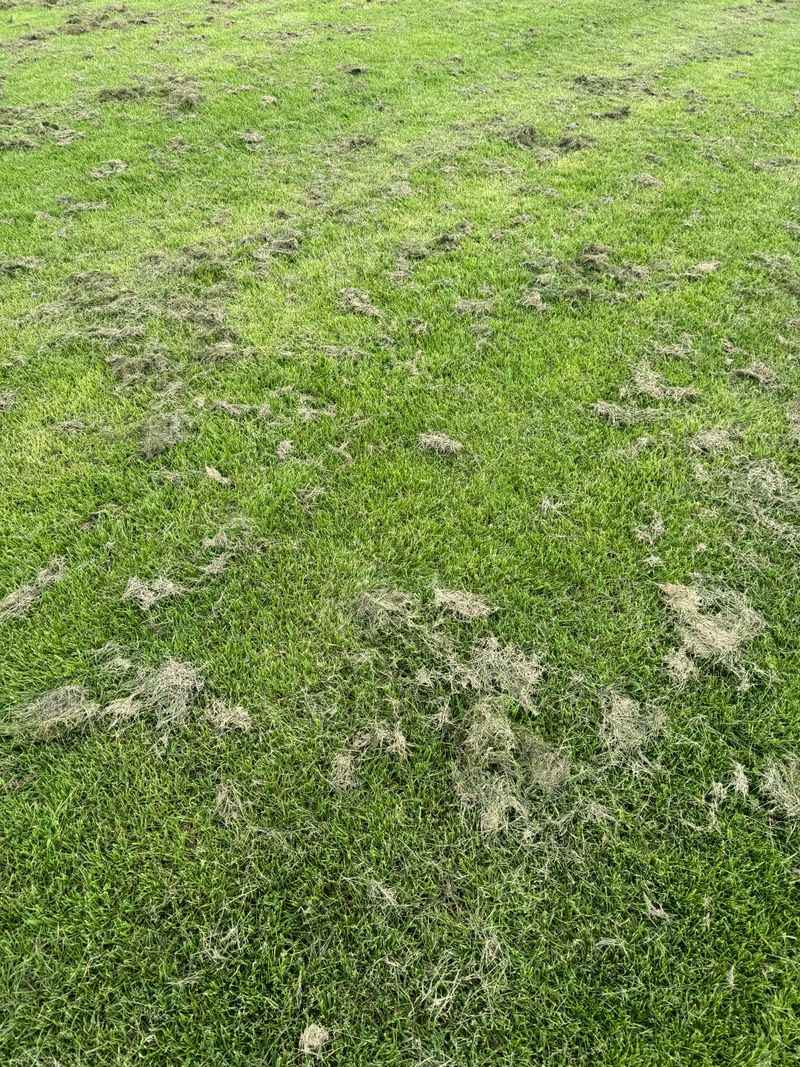
Pull a plug of soil from a well-used backyard and it may feel like a brick. Years of mowing, kids, and Jersey clay will do that.
Core aeration removes finger-sized plugs and leaves channels for air, water, and fertilizer. Roots follow those openings downward instead of spreading sideways near the surface.
September pairs aeration with peak recovery, so the holes close quickly with fresh growth. Spring aeration can invite weed seed into freshly opened soil instead.
Rent a machine for a Saturday morning or split the cost with a neighbor. Two passes in different directions beat one lazy lap around the yard.
Water the day before so the tines reach two to three inches down. Dry clay bounces the machine along the surface and reduces the value of the rental.
Leave the plugs where they land and let rain break them down over a week or two. Dragging them around only adds work to your afternoon.
Aerating right before seeding is a smart combination for tired lawns. Seed drops into the holes where moisture lingers a little longer.
Spike shoes and strap-on sandals look fun but press soil tighter rather than removing it. Hollow tines are the ones doing real work here.
Flag sprinkler heads, invisible fence wire, and shallow cable before you start. Five minutes of prep saves an expensive repair call later.
Yards built on construction fill often see noticeable improvement, since that soil was packed by heavy equipment. One fall pass can meaningfully improve how water soaks in.
5. Fall Feeding Builds Roots For Next Spring

Many turf professionals argue that one well-timed autumn feeding outperforms several spring applications. New Jersey weather makes a decent case for it.
Fertilizer applied now feeds root storage rather than pushing tall, floppy top growth. That stored energy shows up as early green next April.
State rules matter here, since New Jersey limits lawn fertilizer dates and phosphorus content. The homeowner window closes on November 15, and earlier is better anyway.
A slow-release nitrogen product around mid-September suits cool-season turf well. Follow the bag rate, because doubling up wastes money and can scorch blades.
Sweep stray granules off the driveway and sidewalk back onto the grass. Anything left on pavement heads toward a storm drain and eventually a stream.
A soil test through Rutgers Cooperative Extension costs little and removes the guesswork. Results tell you about pH, potassium, and whether lime would help.
Many Jersey lawns sit on acidic soil, where grass struggles to use nutrients you paid for. Lime works slowly, so autumn is a sensible time to spread it.
Water lightly after spreading to move nutrients toward the root zone. A quarter inch is plenty when rain is not in the forecast.
Go gentle on brand new seedlings with nitrogen, since tender roots handle a starter formula better. Look for a product labeled specifically for new lawns.
Keep a small notebook of dates, products, and rates you used. Next September you will thank yourself for the head start.
6. Weeds Are Easier To Handle Now

Dandelions and clover look sleepy in September, but underground they are busy stockpiling food. That habit is exactly what you can use to your advantage.
Broadleaf weeds pull sugars down into their roots this time of year. Anything applied to the leaves rides along the same route.
Fall treatments therefore reach root systems that shrug off summer sprays. Ground ivy, violets, and plantain all respond better now than in June.
Spot spraying with a small pump sprayer beats blanket coverage across a whole yard. You use less product and protect the grass you actually want.
Air temperatures between 60 and 80 degrees give you the best results. Cool mornings slow plant activity, so aim for mid-morning on a calm day.
Hand pulling still works for scattered offenders, especially after a soaking rain. Grab low, twist gently, and bring up the taproot.
Wait three to four weeks after seeding before treating new grass. Young seedlings are sensitive, and the product label will say so.
Thick turf remains the cheapest long-term weed plan money can buy. Bare soil is an open invitation, and September is your chance to close those gaps.
Read labels carefully for rules near wells, ponds, and vegetable beds. Some products drift farther than people expect on a breezy afternoon.
Note which weeds keep returning and where they show up, since patterns hint at drainage or mowing issues. Moss and violets often point toward shade and damp soil.
7. Grub Damage Shows Up This Month
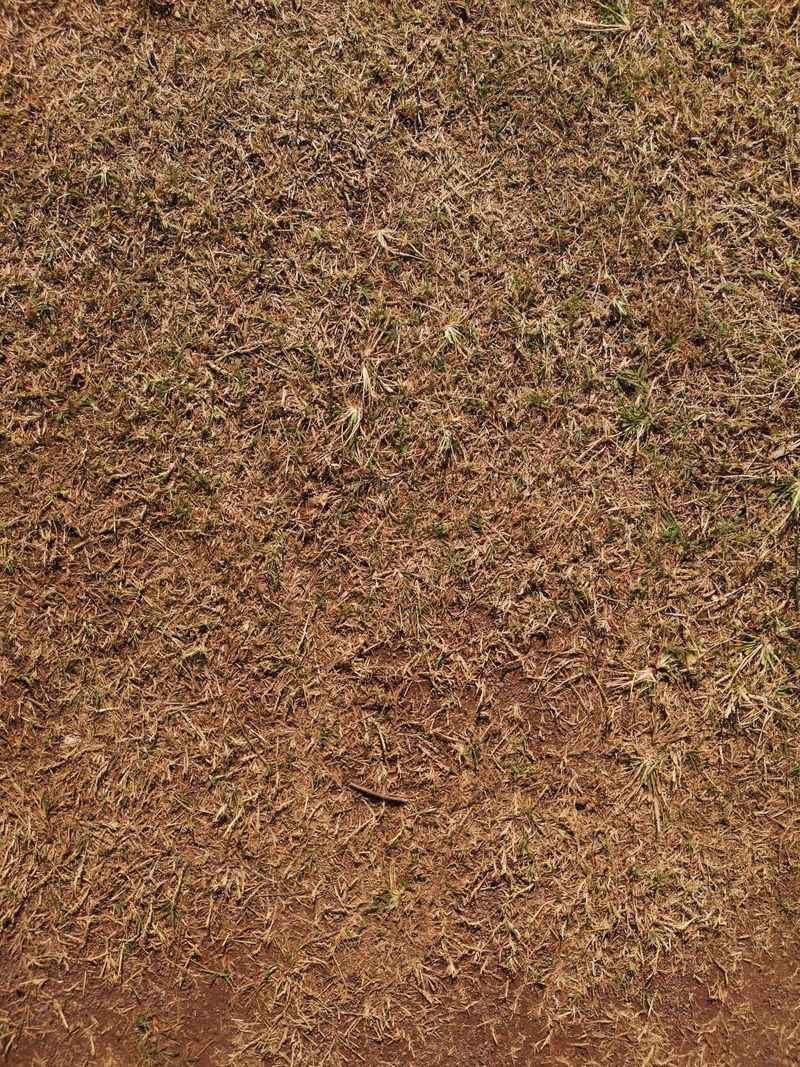
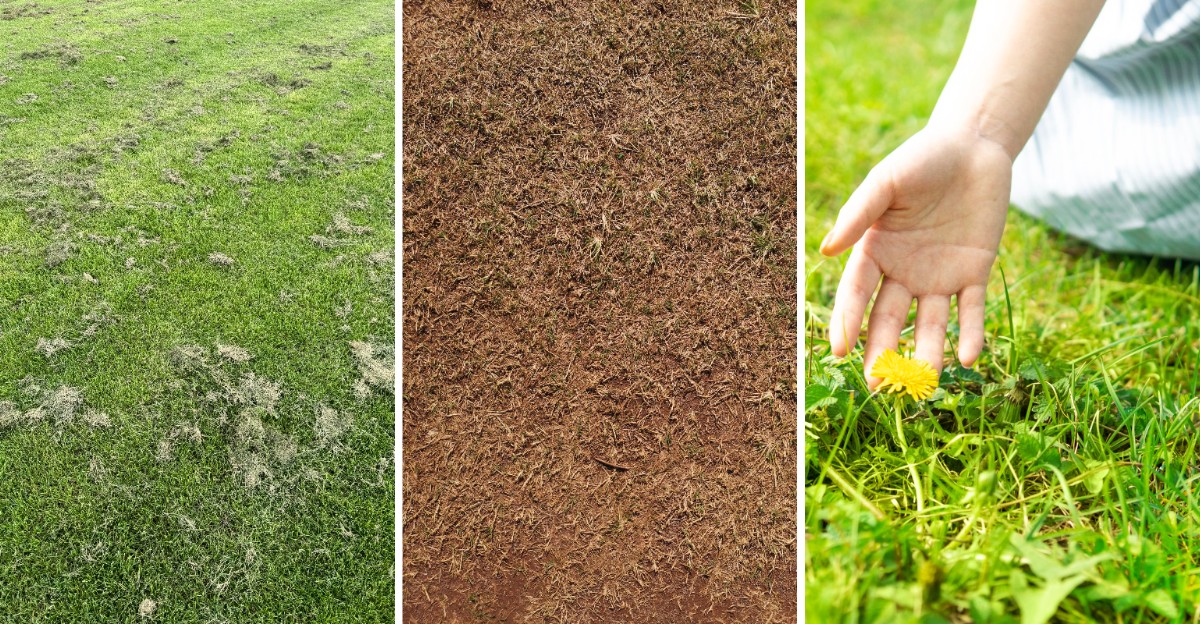
Homeowners often call about a mysterious brown patch that rolls back like loose carpet. Skunks and crows digging at night usually confirm the suspect.
Japanese beetle larvae and their relatives feed on grass roots through late summer and early fall. Feeding peaks while the insects are still small and close to the surface.
Tug on a suspicious area and see whether it lifts with little resistance. Then flip a square foot of turf and count the curled white larvae underneath.
Somewhere around six to ten per square foot is where visible thinning tends to begin. Fewer than that, and healthy turf usually shrugs it off.
Curative products with trichlorfon or carbaryl are the September choice, since preventive ones work earlier in summer. Water them in right after application.
Skunks and moles are chasing the grubs rather than causing the patches themselves. Handling the food source usually settles the nightly digging.
Thin spots need reseeding too, because chewed roots cannot rebuild on their own. Combine that repair work with your seeding plans for the month.
Beneficial nematodes offer a gentler route for gardeners who prefer them. Apply on a cloudy evening and keep the soil moist for about a week.
Raise your mowing height a notch over recovering spots. Shaded soil stays cooler and holds moisture while roots rebuild.
Keep notes on which sections were hit, since beetles often return to sunny, irrigated turf. Next June you can act before trouble starts.
8. Watering Habits Need A Reset
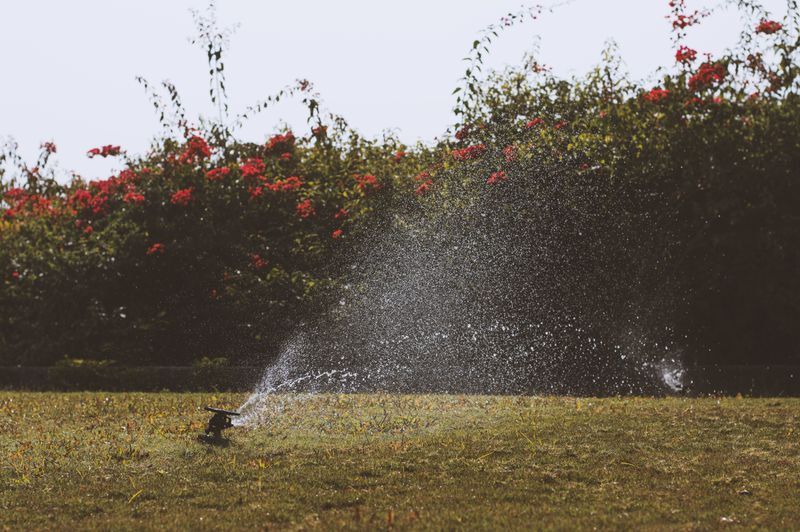
Sprinkler timers set back in July are probably wrong for September. Cooler nights and heavier dew change the whole equation.
Established lawns generally want about an inch of water a week, rainfall included. A tuna can or rain gauge tells you what your system actually delivers.
New seed is the exception and prefers light, frequent sips. Two short cycles a day keep the surface damp without creating puddles.
Morning watering, ideally before nine, gives blades time to dry out. Evening sessions leave grass damp overnight and encourage fungal problems.
Watch for signs you are overdoing it, like squishy ground and mushrooms popping up. Pull back a day and see how the lawn responds.
Autumn rain in New Jersey can be generous one week and absent the next. A simple rain sensor or five-minute weekly check keeps you honest.
Deep, less frequent soaking encourages roots to chase moisture downward. Shallow daily sprinkling trains them to loiter near the surface.
Slopes shed water faster than flat ground and may want a second short cycle. Watch where runoff heads and adjust before it reaches the sidewalk.
Hand watering small repair patches with a hose-end sprayer works fine. Keep a cheap kitchen timer in your pocket so sessions stay even.
Plan to shut down and blow out irrigation lines before the first hard freeze, often mid to late October up north. Mark that date now while the subject is fresh.