A Rare Purple Wildflower Is Blooming Along New Jersey’s Salt Marshes As Summer Fades
You have strolled past a flower that releases salt through its leaves. It thrives in New Jersey marshes that only high tides reach. Tiny glands on the foliage push excess salt back outside.
Look closely and you can spot white crystals sparkling on the surface. Botanists know it by a Latin name worth discovering. Locals use a nickname that borrows from a kitchen herb.
Blooms open in late summer and linger into October. Decades ago, pickers harvested vast patches to sell dried stems for wreaths.
Those purple sprays hold vivid color for months indoors. That staying power fueled high demand from collectors. Today, conservationists in New Jersey ask you to leave the stems rooted.
Bees, flies, and butterflies depend on its late nectar. Herons wade beside it while fiddler crabs tunnel beneath its roots. Now you finally learn its name.
Carolina Sea Lavender, The Purple Haze Of The Marsh Edge
Botanists call it Limonium carolinianum, but shore locals often just call it sea lavender or marsh rosemary. It is the purple wildflower now blooming along New Jersey’s salt marshes.
Despite its name, the plant is not related to the lavender in your grandma’s soap. Real lavender belongs to the mint family, while this marsh dweller belongs to the leadwort family.
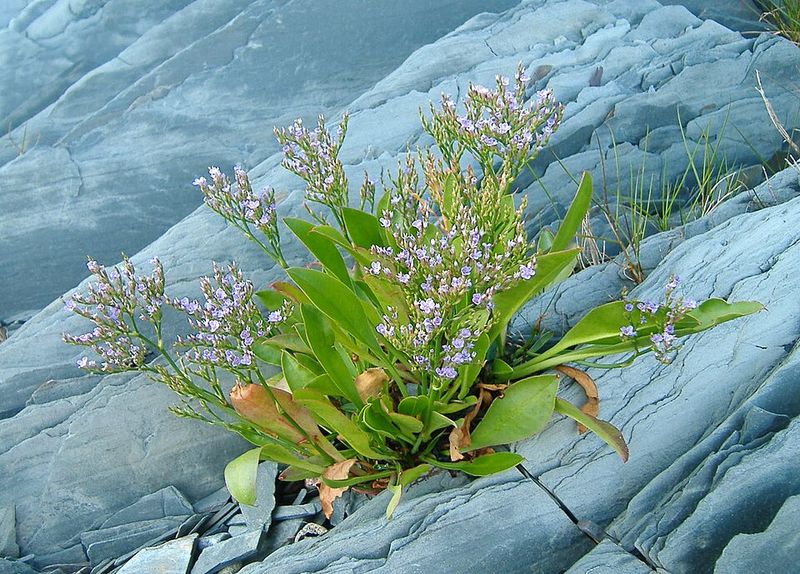
Picture a low clump of leathery, spoon-shaped leaves sitting flat against the mud. From that clump, a wiry stem shoots up one to two feet and branches like a tiny tree.
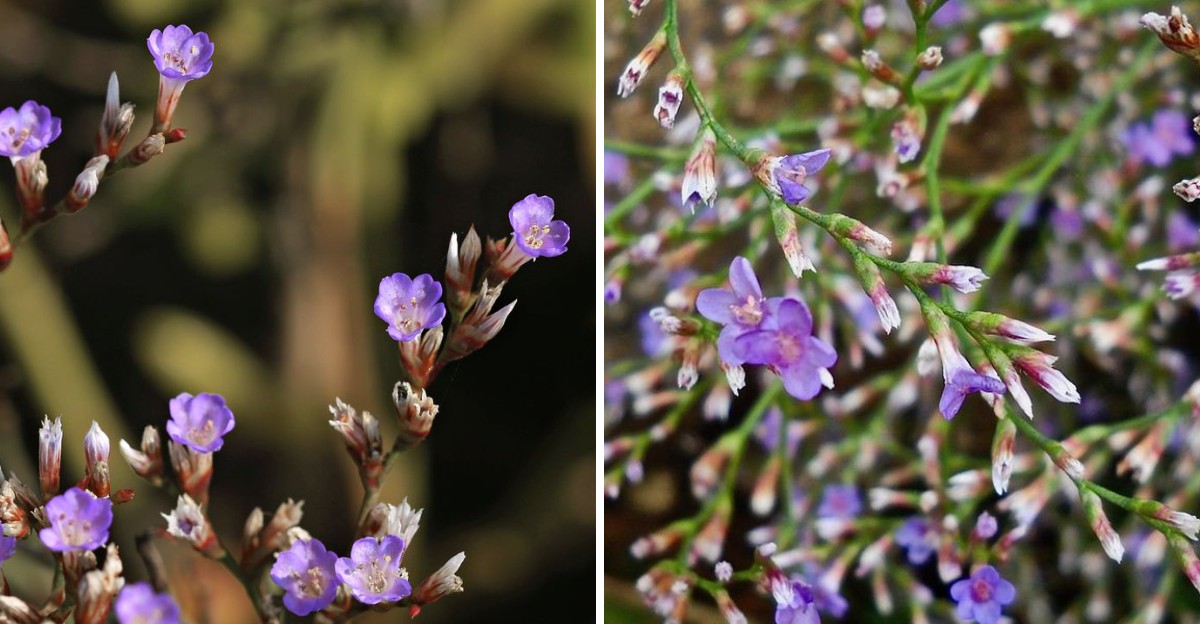
Every little branch ends in rows of pale purple flowers, each about an eighth of an inch wide. Seen from a distance, all those blossoms blur together into a soft, smoky cloud.
You will usually find it in the high marsh, the zone that floods only during the highest tides. Look where the short grasses meet sandy patches, just before the land turns into dunes or woods.
The plant grows along the Atlantic coast from Canada down to the Gulf. Heavy picking has thinned patches in parts of the East Coast, which makes each sighting feel special.
Good spots to search include Island Beach State Park, Sandy Hook, and the Forsythe refuge near Atlantic City. Cape May’s marsh trails can also put on a lovely purple show in September.
Once your eyes learn the shape, you will start spotting it everywhere along the edges. Just be warned that friends may get tired of hearing you shout, there it is!
The Salty Secret Behind A Tough Little Flower
Imagine getting soaked in seawater during the highest tides and still looking fresh afterward. Carolina sea lavender pulls off that trick whenever the biggest tides roll in.
Salt is rough on most plants because it pulls water out of their roots and leaves. Most garden roses would struggle to survive in this marsh.
Sea lavender handles the problem with tiny salt glands scattered across its leaves. The glands push extra salt out through the leaf surface, a bit like sweating after gym class.
Your New Jersey Garden Changes Every Week. Your Plan Should Too.
Gardening in New Jersey changes quickly throughout the season. Every Friday you’ll receive a simple weekly plan showing exactly what to plant, prune, fertilize, harvest, and protect so you never miss the right timing.
On a dry afternoon, you might even see little white salt crystals sparkling on the leaves. Rain and tides wash them away, and the whole process starts again.
Underground, the plant anchors itself with a thick, woody taproot that reaches deep into the mud. That root stores food and keeps the plant steady when storm waves crash across the marsh.
Its leathery leaves help too, since their thick, protective surface slows water loss under the hot sun. Few other flowers could survive a home that swings between flooded and baking dry.
Late timing likely helps as well, since the marsh gets quieter by September. Blooming late means fewer flowers compete for the bees, wasps, and butterflies still buzzing around.
Limonium comes from an ancient Greek word for meadow, a nod to its grassy home. Long ago, some coastal families also boiled its roots into a bitter tea for sore throats.
So next time you spot that purple cloud, give it some respect. It is basically a desalination plant with really good fashion sense.
A September Window For The Best Blooms
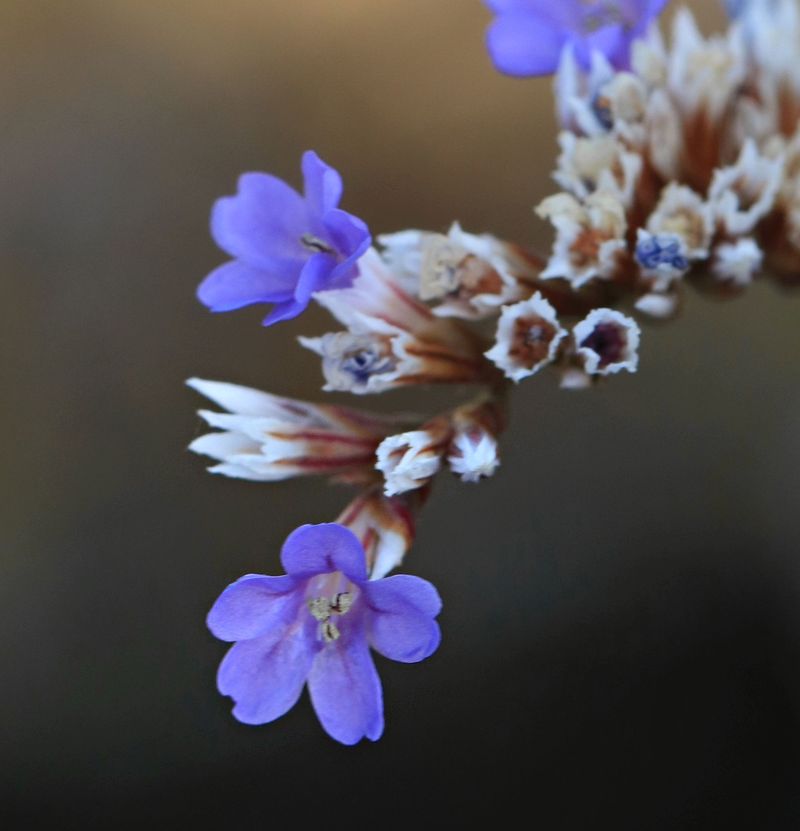
Mark your calendar, because the marsh keeps a tight schedule. Sea lavender starts opening in late July, then hits its purple peak from late August through September.
By mid-October, most flowers fade to a papery tan, though the stems often stay standing into winter. That means right now is the sweet spot for seeing the color at its brightest.
September also brings some sneaky bonus perks for marsh visitors. The nasty greenhead flies that bite all July are mostly gone, and the air feels cooler.
Tides matter too, so check a tide chart before you head out. Low or middle tide exposes more of the high marsh, making the plants easier to see from trails.
Time of day changes the whole experience. Early morning light makes the flowers glow soft pink, while late afternoon sun turns them a deeper violet.
Pack bug spray anyway, since mosquitoes still hang around the marsh in September. Waterproof shoes are smart too, because even the high marsh can turn squishy after rain.
Weekdays usually mean empty parking lots and quiet boardwalks at most state parks. You might have a whole stretch of purple shoreline to yourself, with just the gulls for company.
Migrating monarch butterflies also pass through the Jersey coast in September, especially near Cape May. Catching one near a patch of sea lavender is a real late-summer jackpot.
Wait too long, and you will be staring at brown stems wondering where the party went. Go soon, while the marsh is still wearing its fanciest purple outfit.
The Picking Habit That Hurts The Marsh
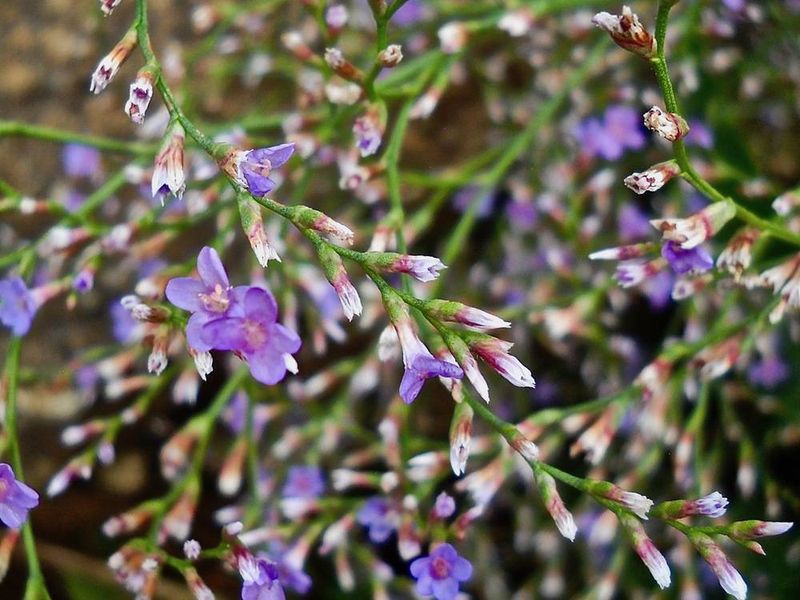
A few purple sprigs in a vase look harmless, right? Sadly, that exact thought has helped thin out sea lavender along parts of the East Coast.
The flowers hold their color for months after drying, so florists and crafters love them. For decades, people cut huge bundles for wreaths, bouquets, and roadside stands.
Cutting the flowers means the plant cannot make seeds that season. Over time, fewer seeds mean fewer young plants to replace the older ones.
Pulling is even worse, because a yank can rip the taproot right out of the mud. Without that root, the plant has no way to sprout again next summer.
Sea lavender also grows slowly and spreads mostly by seed, not by runners like some marsh grasses. A patch that took years to form can disappear after just a few careless visits.
Birds and bugs lose out too when the flowers disappear. Bees, flies, and tiny wasps depend on those late blooms for a final sugary meal before fall.
Conservation groups along the coast have urged people to stop harvesting the plant. Picking plants inside New Jersey state parks, national wildlife refuges, and National Park Service sites like Sandy Hook is against the rules too.
Trampling causes harm as well, even when nobody means any. Stepping off the trail crushes young rosettes that are hard to see among the grasses.
Nobody is a villain for wanting to take a little beauty home. The fix is simply choosing a souvenir that leaves the marsh just as purple as you found it.
Camera Shots And Garden Plants Instead Of Bouquets
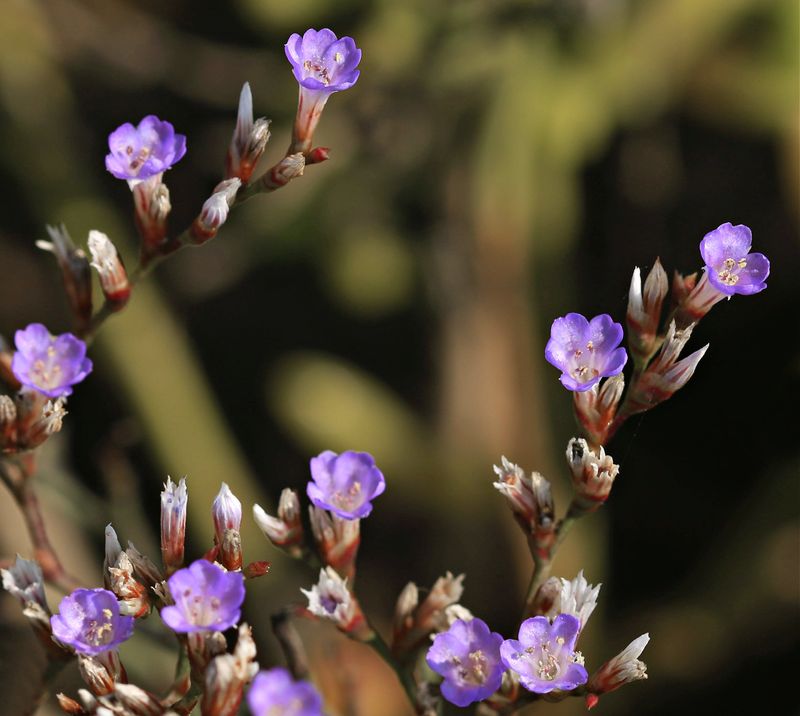
Here is the good news for anyone itching to bring the purple home. A camera, a sketchbook, and a local nursery can do the job without harming a single plant.
Start with photos, since the flowers are surprisingly photogenic. Get low, close to the stem height, and let the blue sky or water fill the background.
A phone’s portrait mode can blur the grasses and make the tiny blossoms pop. For even better shots, try a clip-on macro lens that costs about as much as pizza.
Sketching works wonders too, even if your drawings look more like purple broccoli. Slowing down to draw helps you notice the five tiny petals on each flower.
Want a purple patch of your own at home? Some native plant nurseries along the coast may carry sea lavender grown from responsibly collected seed.
It likes sandy, well-drained soil and full sun, so a sunny seaside yard suits it well. Skip the rich potting mix and fertilizer, because this tough plant prefers a lean diet.
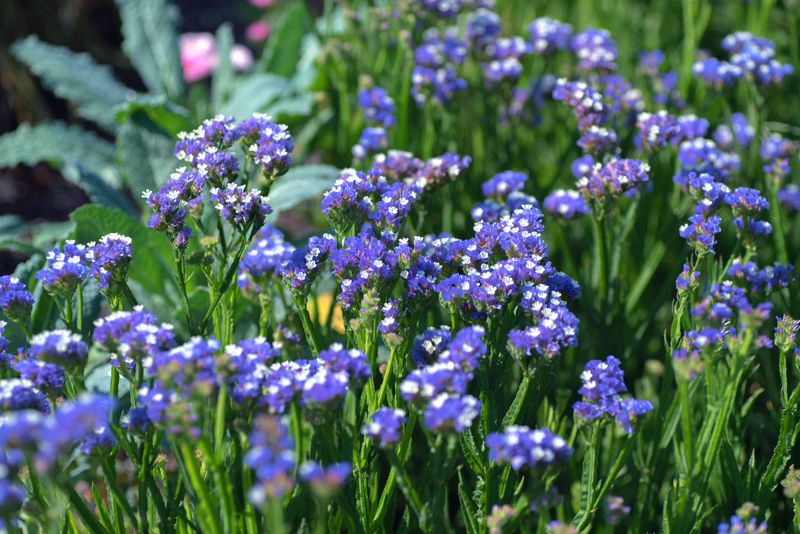
Craving a dried bouquet for the kitchen table anyway? Try statice, a garden cousin in the same genus, sold cheaply at craft stores and farmers markets.
Sharing your photos online can spread the word as well. Add a quick note asking friends to look, snap, and leave the flowers standing.
Citizen science apps like iNaturalist let you log each sighting for real researchers. Your vacation snapshot could help scientists track where sea lavender still thrives in New Jersey.
Protection Plans For Many More Purple Septembers
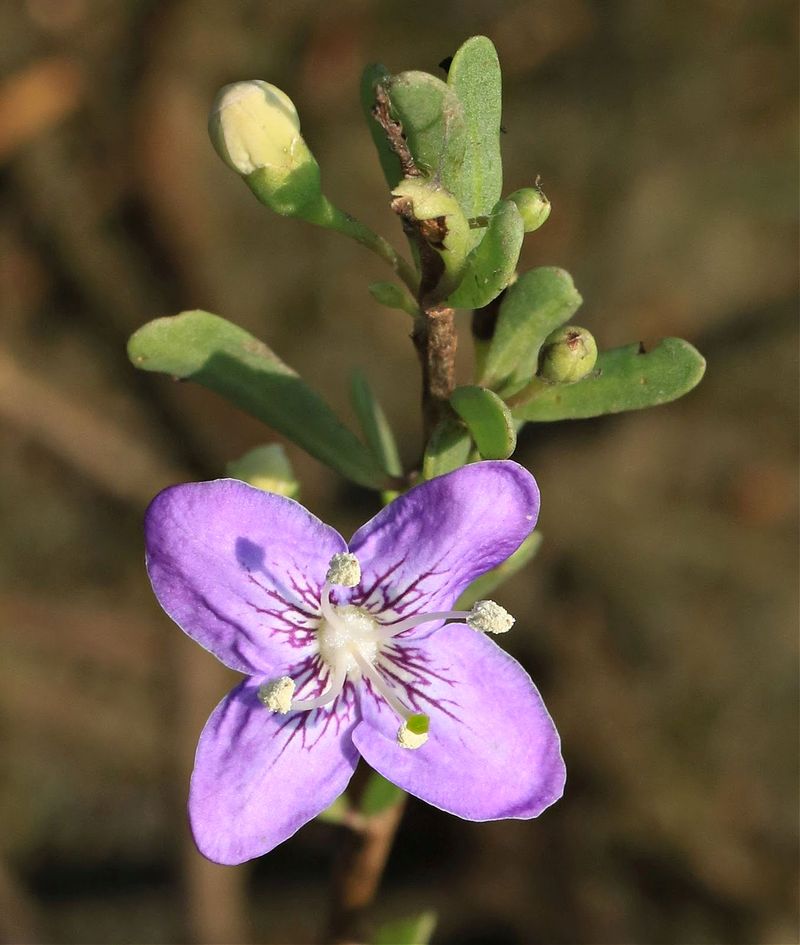
Ten years from now, will kids still spot purple clouds along the Jersey marshes? The honest answer depends a lot on the choices people make today.
Scientists see rising seas as one of the biggest long-term challenges for sea lavender’s home. As water creeps higher, the high marsh gets squeezed between the tides and roads, houses, or seawalls.
Scientists call this problem coastal squeeze, and New Jersey is working hard to ease it. Some projects spread thin layers of sediment to lift marshes, while others protect land farther inland.
Regular folks can help too, and it starts with simple trail manners. Stay on boardwalks and marked paths so fragile rosettes and nesting birds stay safe.
Litter is another quiet troublemaker in the marsh. Plastic bags and bottles snag on plants, block sunlight, and slowly break into tiny bits that fish swallow.
Joining a beach or marsh cleanup is an easy way to help, and many happen in early fall. Back home, lawn chemicals can wash through storm drains and end up in the marsh.
Using less fertilizer and planting native gardens keeps that runoff to a minimum. The payoff reaches far beyond one pretty flower. Healthy marshes shelter baby fish and crabs, filter polluted water, and soften storm surges before they hit towns.
Protecting sea lavender really means protecting all of that good stuff at once. Pretty good deal for a flower smaller than your pinky nail, right?