Native Alternatives To Invasive Yellow Flag Iris In Oregon Wet Spots
Oregon’s wet corners have a peculiar way of stealing the show every single soggy June morning. Something bright and bold usually claims the muddy spotlight long before the rest of us wake.
Roadside ditches, pond edges, and slow brown creeks can look wonderfully cheerful from a moving car window. Up close, some of that cheer is quietly shoving every single neighbor straight out of the mud.
Meanwhile, our own homegrown marsh plants keep waiting politely for a turn in the good wet dirt. They offer blooms, seeds, and hiding places that local frogs and bees already know by heart.
Trading one showy troublemaker for local talent can make a swampy yard feel alive again. Your boots will still fill with cold water, but at least they fill with honor.
1. Western Blue Flag Iris For Sunny Pond Edges
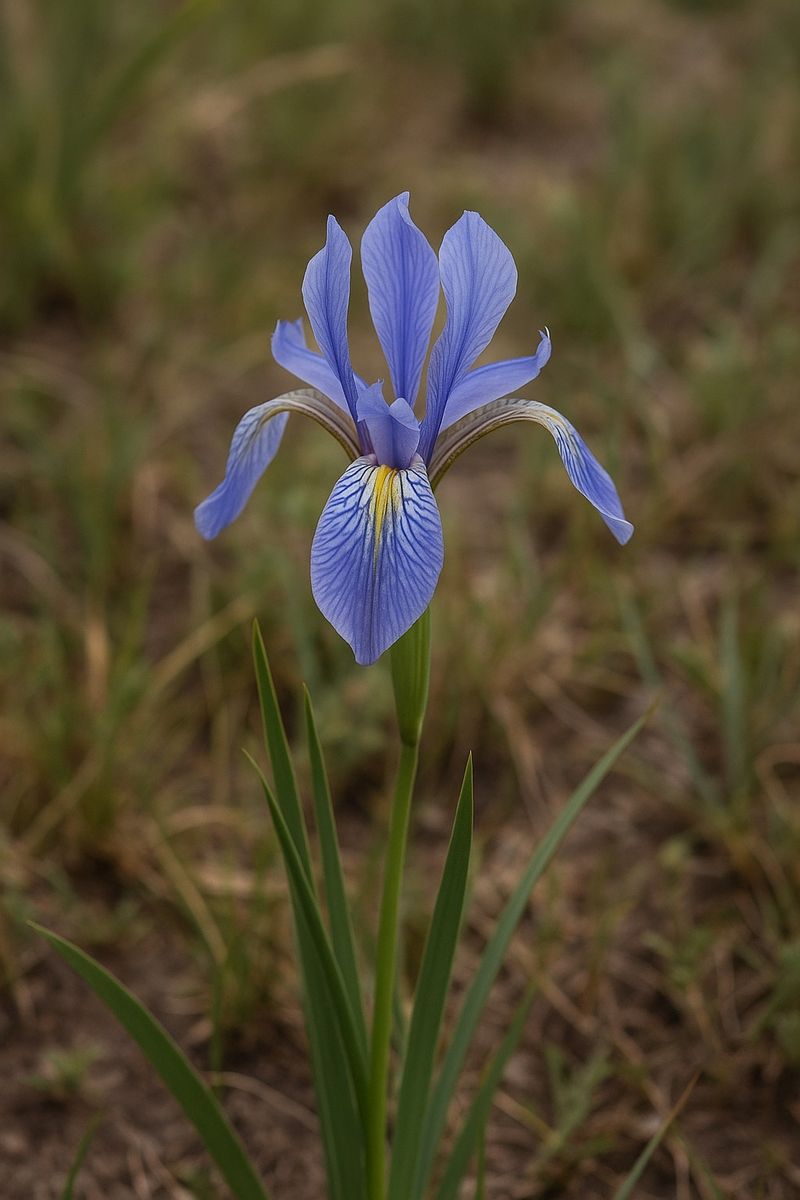
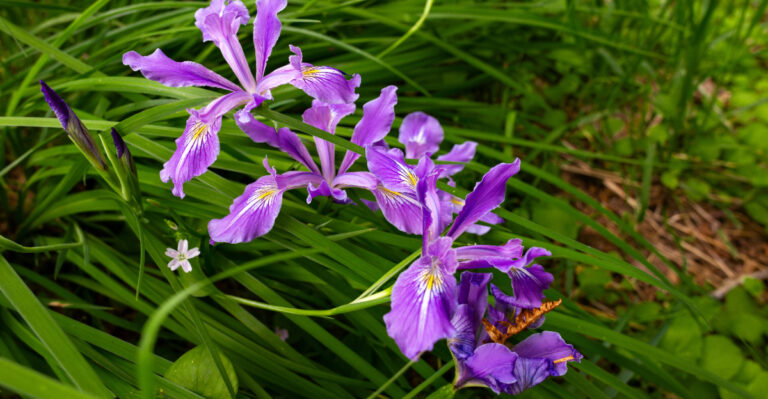
Picture a violet-blue flower standing tall in a soggy Oregon meadow just east of the Cascade crest. Western blue flag iris claims that muddy spotlight without shoving every single neighbor out of the way.
Blooms open from May into July on sturdy stems that rise roughly twenty inches above the mud. Pale blue petals carry darker purple veins that work like runway lights for visiting native bees.
Plant rhizomes in full sun where soil stays wet through spring and dries slightly by August. Seasonal flooding suits it fine, which makes pond edges and shallow swales an easy match.
Clumps spread slowly, so you get a tidy patch instead of a takeover crew. Divide crowded rhizomes in early fall and hand the extras to a curious neighbor.
Livestock tend to leave the leaves alone, which is handy near pasture ditches and stock ponds. Deer usually skip it too, so your flowers actually get to finish the season.
Fun fact: Indigenous peoples once used the rhizomes to treat wounds and infections. That’s a reminder this plant is for looking at, not eating.
Pair it with tufted hairgrass, camas, and small willows for a layered wet meadow look. The combination gives frogs cover and keeps bare mud from inviting weedy invaders in.
Buy nursery-grown plants or seed rather than digging wild clumps from public land anywhere. Local native plant sales across Oregon often stock it each spring at friendly prices.
2. Western Skunk Cabbage For Shady Forest Seeps
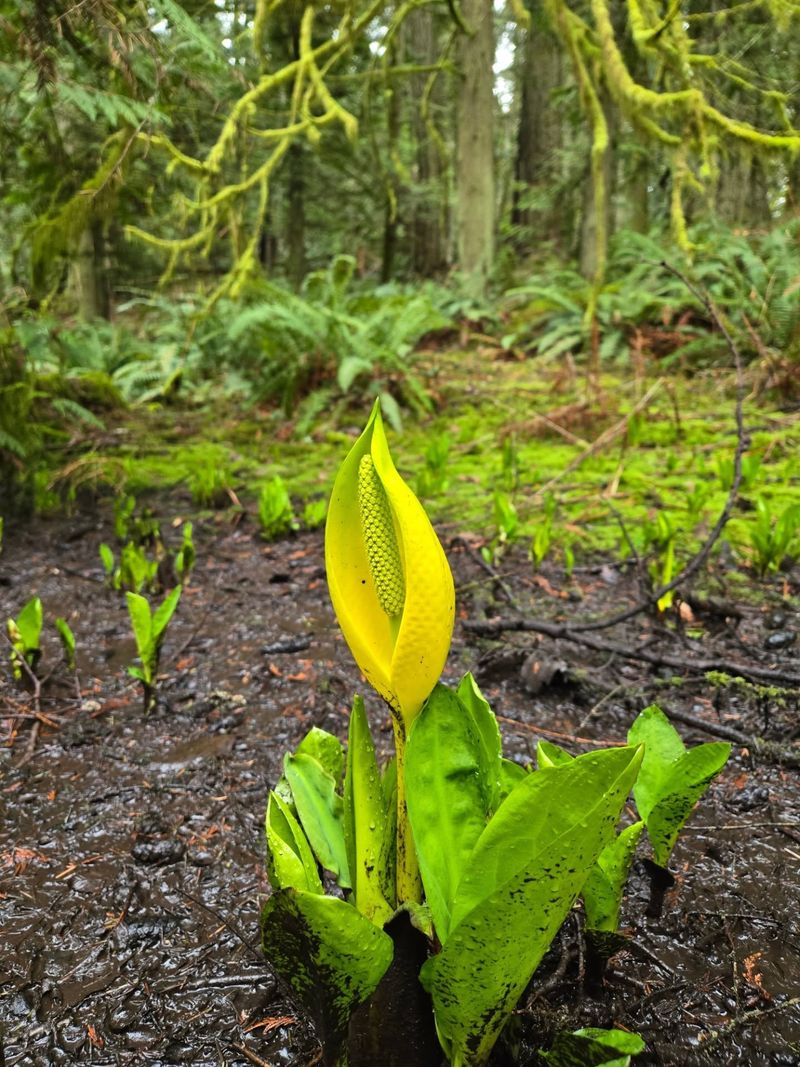
Yes, the name sounds unfortunate, and yes, that April smell earns every syllable of it. Western skunk cabbage still delivers the boldest yellow hood found in any shady Oregon seep.
A waxy golden spathe wraps a green flower spike and glows against dark forest mud. Beetles and flies show up first, pulled in by a musky scent carrying many yards.
Leaves can stretch three feet long, giving swampy ground a prehistoric feeling. Black bears in the Coast Range dig up the roots after winter.
Site it in part shade where groundwater seeps all year and the soil stays spongy. Alder bottoms, ditch edges, and spring-fed hollows suit it far better than sunny front lawns.
Your Oregon Garden Changes Every Week. Your Plan Should Too.
Gardening in Oregon changes quickly throughout the season. Every Friday you’ll receive a simple weekly plan showing exactly what to plant, prune, fertilize, harvest, and protect so you never miss the right timing.
Set crowns level with the mud surface, then resist every urge to relocate them later. Roots drive deep quickly and sulk badly when disturbed after their first growing season.
Growth runs slow, so begin with two or three plants and bring plenty of patience. Seed-grown plants can need four or five years before showing that famous glowing yellow.
Keep the patch well away from patios, because the spring aroma travels farther than expected. Twenty feet of buffer spares guests from asking polite questions about your septic system.
Skip any harvest ideas found online, since raw tissue holds sharp calcium oxalate crystals. Admire it, photograph it, and let beetles handle the tasting duties instead.
Pair it beside lady fern, false lily-of-the-valley, and slough sedge for a lush seep planting. The mix shades out weedy invaders and keeps salamanders happily damp through summer.
3. Yellow Monkeyflower For Splashy Creek Banks
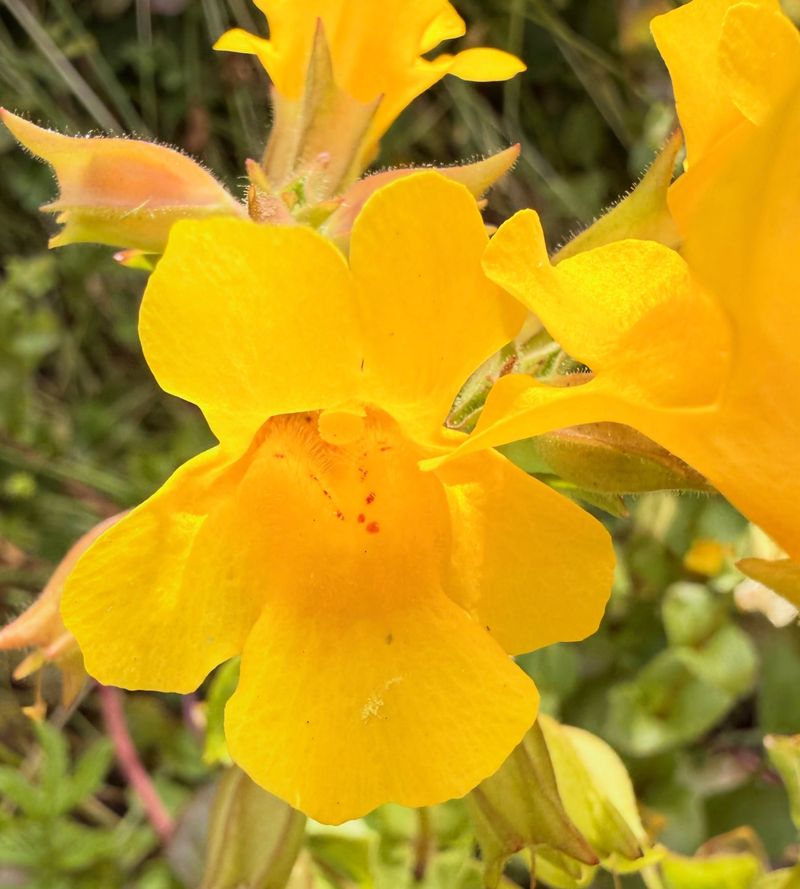
Few native plants match yellow flag for pure brightness, but seep monkeyflower comes close. Its snapdragon-shaped blooms carry rusty red freckles splashed across a buttery yellow throat.
Wet gravel bars, spring seeps, and creek splash zones rank among its favorite addresses. Bumblebees pry the flowers open and leave with pollen dusted across their fuzzy backs.
Plants grow one to three feet tall and bloom from April through August. Cool, moving water keeps them flowering longest, so streamsides beat still ponds every time.
Some populations behave like annuals while others return each year from creeping horizontal stems. Either way, self-sown seedlings fill gaps fast after winter high water scours things.
Scatter seed across wet mud in fall and press it down gently without burying it. Light and moisture trigger germination, so skip the thick mulch over that area.
Cuttings root easily in a jar of water on a windowsill within two weeks. That trick lets a single nursery pot become an entire creek bank by June.
Hummingbirds stop by occasionally, though bumblebees handle most of the heavy pollination work here. Cut spent stems back in midsummer for a second flush of fresh yellow blooms.
Scientists have studied this species for decades to learn how flowers adapt to pollinators. Your muddy ditch essentially hosts a plant that’s a minor celebrity in biology textbooks.
Combine it with slough sedge and small-fruited bulrush for a stable, living streambank. Roots knit loose gravel together and slow erosion during heavy winter rain events.
4. Slough Sedge For Muddy Pond Shorelines
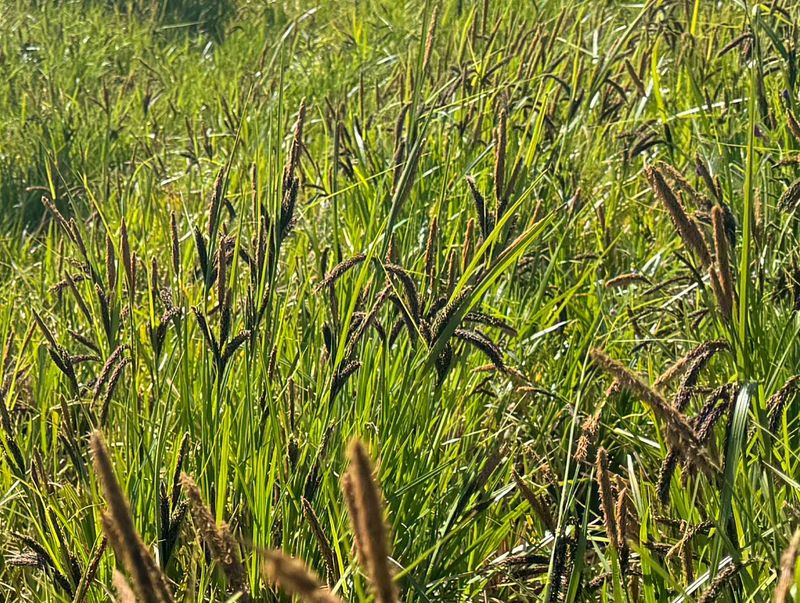
Workhorse plants rarely get applause, and slough sedge might be the most underappreciated example. Arching green blades hold shorelines together while flashier flowers quietly take all the credit.
Dark brown seed spikes nod above the foliage in late spring and early summer. Waterfowl and songbirds pick at those seeds well into the soggy fall months.
Clumps reach three to five feet tall and tolerate standing water for weeks at a time. Full sun or dappled shade both work, which makes placement forgivingly simple.
Restoration crews across western Oregon plant it by the thousands along rivers and sloughs. Dense roots grab silt, slow runoff, and hold banks together during winter floods.
Plugs establish faster than seed, so buy small pots in fall or early spring. Space them two feet apart and expect a solid green mat within two seasons.
Evergreen leaves keep structure through winter when most other wetland plants have gone brown. Cut old foliage in late winter if the patch starts looking tangled and tired.
Frogs, garter snakes, and nesting songbirds use those clumps as cover and nurseries. Basket weavers have long prized the long, flexible blades for tight coiled work.
Pair it with Douglas spirea, red osier dogwood, and native irises for layers. The sedge fills gaps that invasive reed canarygrass would otherwise claim within months.
Avoid fertilizer, since rich soil mostly encourages aggressive weeds around your new planting. Plain wet mud is about all this hardworking plant asks from you.
5. Common Camas For Spring Wet Meadows
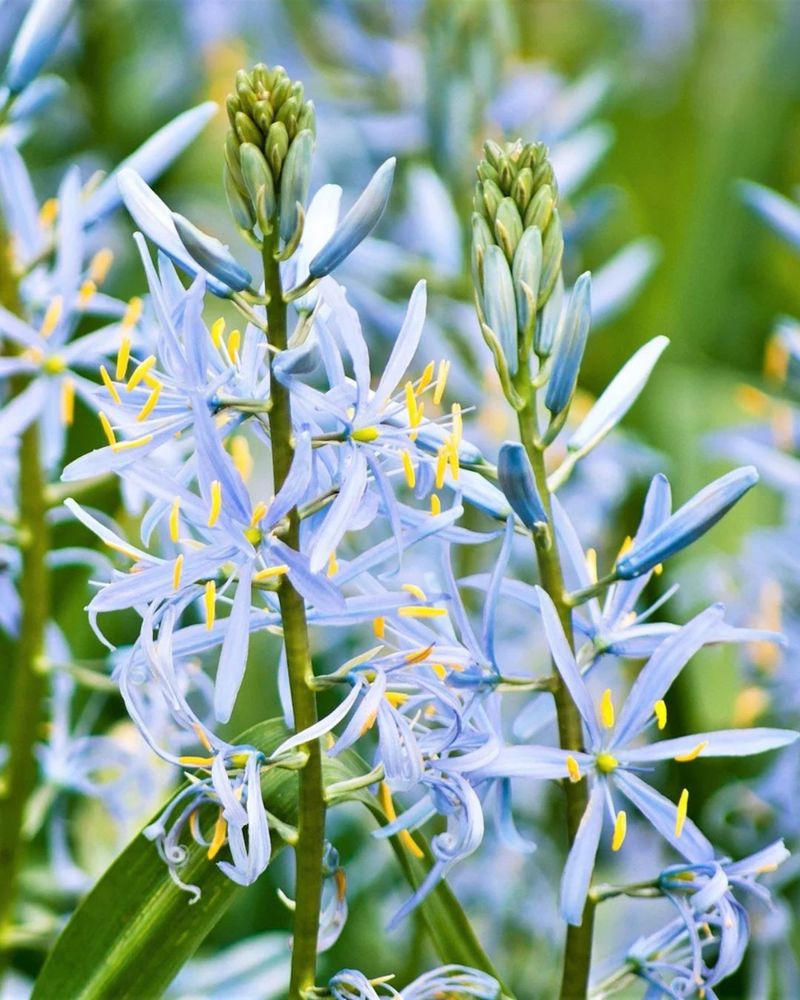
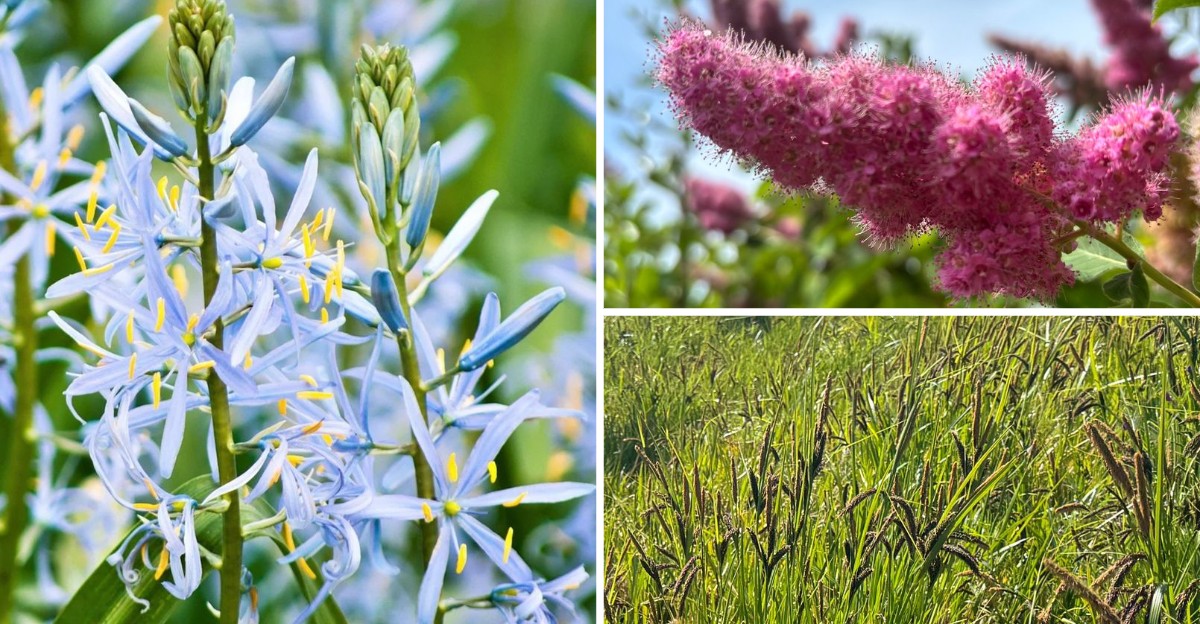
Long before farms filled the Willamette Valley, camas meadows turned entire wet prairies electric blue. Local families tended and harvested those bulbs for countless generations as a staple food.
Star-shaped flowers open across April and May on slender stems about eighteen inches tall. Bumblebees, mason bees, and early butterflies swarm the blooms during that short window.
Bulbs love ground that stays soaked all winter and then bakes dry by midsummer. Seasonal wet spots that puzzle other garden plants suit camas almost perfectly.
Plant bulbs three inches deep in fall, pointy end upward, in generous clusters. Groups of twenty look far better than thin straight rows across a meadow.
Foliage yellows and disappears by July, which is normal behavior rather than a problem. Let grasses and later blooming flowers cover that gap through the dry season.
Great camas grows noticeably taller with bigger flowers if you want extra spring drama. Both species mix nicely and stretch the blue show by another couple of weeks.
Caution matters here, because toxic look-alike bulbs grow in these same Oregon meadows. Grow camas for beauty and pollinators, and leave any foraging to trained experts.
Pair it with tufted hairgrass, Oregon iris, and rose checkermallow for a prairie feel. Mow the meadow in late summer, after the seed has fully ripened and dropped.
Squirrels sometimes dig fresh bulbs, so a wire screen over new plantings helps. Pull the screen off once shoots appear, or you get folded, cranky leaves.
6. Douglas Spirea For Soggy Hedgerow Thickets
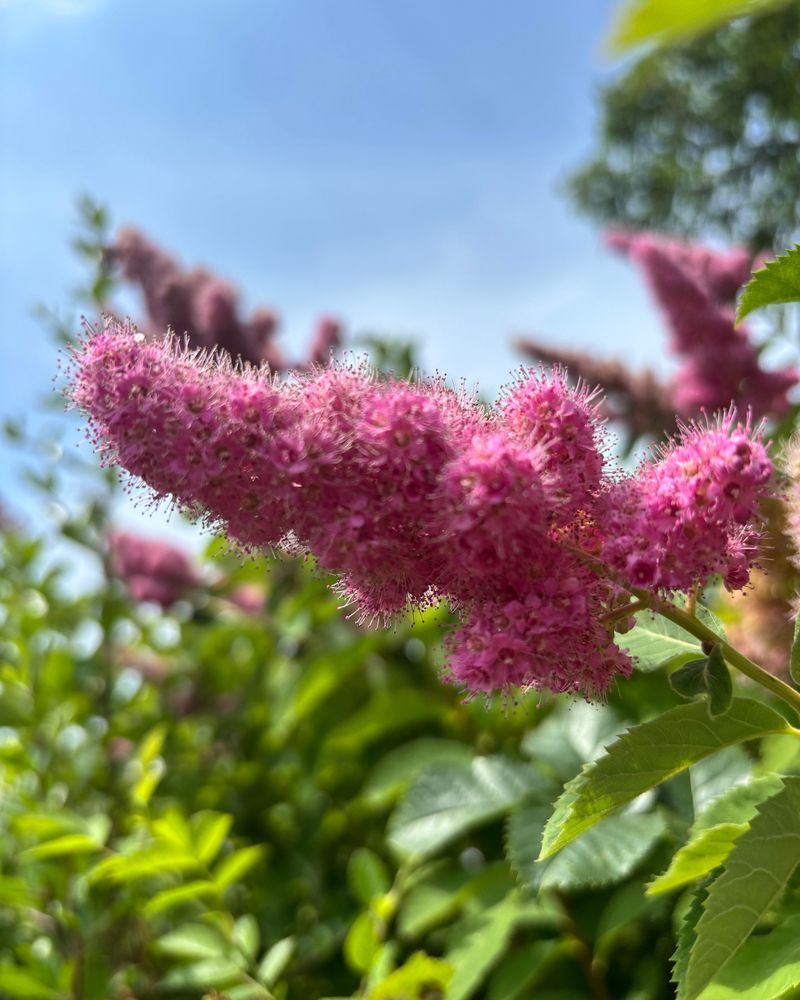
Fuzzy pink flower spikes shaped like cotton candy cones crown this tough native shrub. Hardhack, as old-timers call it, thrives happily where lawn mowers would fear to go.
Height runs four to six feet, with suckering stems that form thickets over time. Give it real room, because polite single specimens are not truly its style.
Bloom time lands in June and July, exactly when bees need reliable nectar sources. Butterflies and hoverflies blanket the spikes on warm afternoons near still open water.
Wet ditches, pond margins, and boggy field corners all suit this shrub very well. Heavy clay soil and long winter flooding cause it no obvious distress whatsoever.
Songbirds nest deep inside the dense twiggy cover, safely hidden from cats and hawks. Seed heads hang on through winter and look striking edged with morning frost.
Prune hard in late winter every few years to renew the tired old stems. Cutting back also keeps the thicket from marching straight into your vegetable beds.
Use it as a living fence along a wet property line for summer privacy. One shrubby hedge replaces yards of vinyl fencing and feeds pollinators besides.
Plant bare-root shrubs in winter while the ground stays soft and reliably wet. Water through that first summer, then let ordinary Oregon rain handle the rest.
Coast Range beavers browse the stems, which counts as a wildlife endorsement. Regrowth returns thicker afterward, so the chewing rarely bothers an established planting.
7. Tufted Hairgrass For Seasonal Wetland Edges
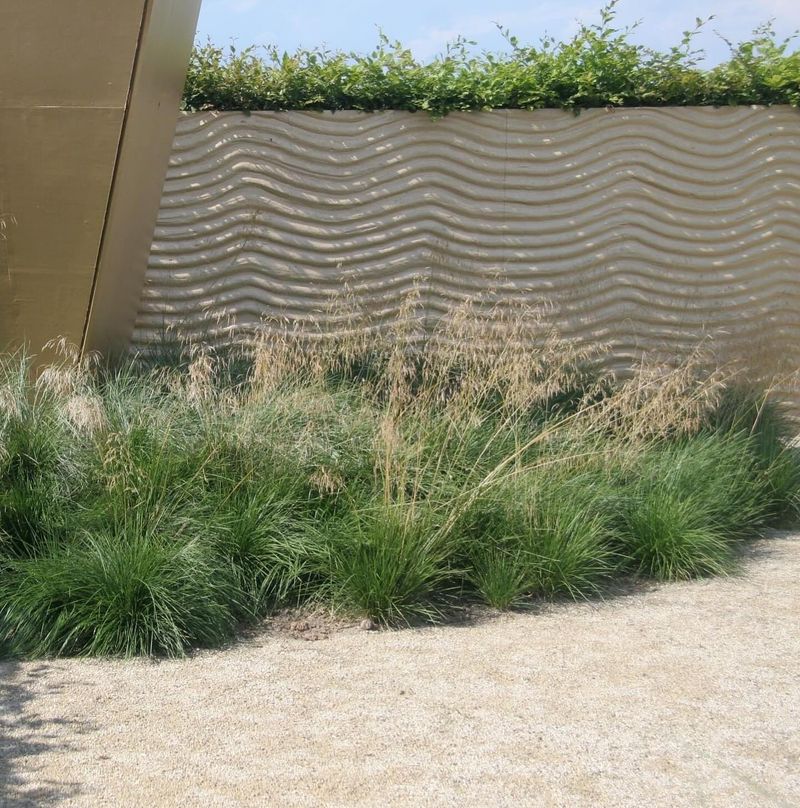
Grass often gets overlooked in flower beds, yet tufted hairgrass carries real garden charm. Airy seed heads catch low sunlight and shimmer like fine mist above each clump.
Mounds reach about two feet, with flowering stems arching another foot or more upward. Texture stays soft and fine, offering nice contrast beside broad sword-shaped iris leaves.
Seasonal wetlands, wet prairies, and coastal bluffs all host this remarkably adaptable native grass. Salt spray, standing winter water, and summer drought each barely slow it down.
Seed germinates readily, which makes it a budget friendly choice for larger wet areas. Sow in fall at roughly one pound per acre over prepared, weed-free ground.
Sparrows, juncos, and goldfinches strip ripe seed heads from these plants all summer. Several native skipper butterflies rely on the leaves to feed their hungry caterpillars.
Roots run deep and dense, which makes it excellent for holding soggy hillside slopes. Restoration plans often list it first for stabilizing disturbed streamside soil quickly.
Rake out old brown foliage in early spring instead of cutting the crown low. Plants stay fuller and bounce back faster with that gentler yearly grooming routine.
Combine it with camas, iris, and monkeyflower so bright blooms rise from soft greenery. The grass fills open space that invasive plants would happily colonize instead.
A single patch can live twenty years or longer with almost no attention. That’s a long payoff for very little ongoing effort.
8. Baltic Rush For Wet Roadside Ditches
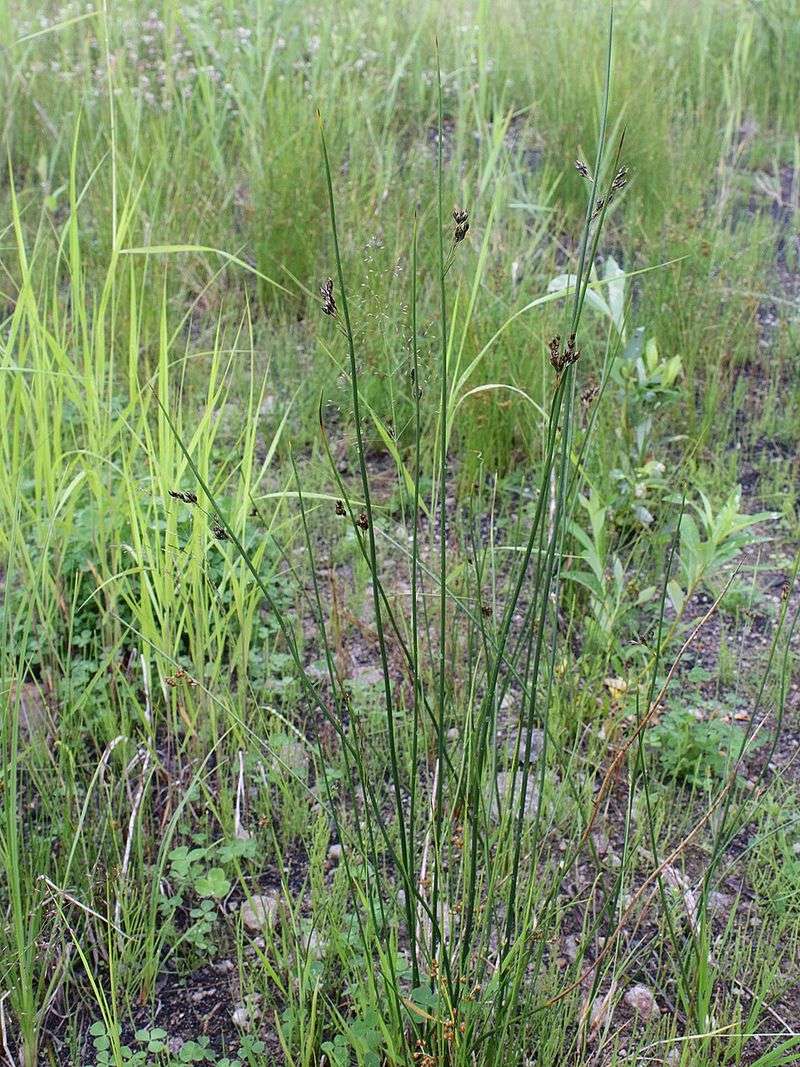
Stiff green stems stand up like pencils pushed into wet mud, oddly satisfying to see. Baltic rush brings quiet architecture to bare ditches that badly need erosion control.
Height settles around two feet, with tiny brown flower clusters tucked near the tips. Spreading rhizomes create even stands that look intentional with only minimal upkeep.
Wet meadows, lake margins, and roadside ditches statewide already support this tough rush. Alkaline soil east of the Cascades suits it as well as heavy valley clay.
Plugs set eighteen inches apart knit together neatly within one or two growing seasons. Tolerance for foot traffic and grazing makes it genuinely useful on working properties.
Waterfowl shelter among the stems while insects lay eggs along the damp lower bases. Weavers have historically used rushes for mats, cordage, and simple sturdy basket work.
Pull invasive competitors out during the first year, then step back and relax. Once established, dense growth leaves very little bare mud for weeds to exploit.
Salt tolerance makes it valuable near coastal estuaries and salty irrigation runoff zones. Few ornamental plants handle brackish conditions with that same kind of calm competence.
Mix it with slough sedge and blue flag iris for varied vertical texture. Different root depths hold soil at several layers along a raw, crumbling bank.
Winter stems stay upright and green, giving structure when everything else flattens down. Snow looks handsome resting on all those slim vertical lines.