Tiny Visitors Are Gathering On The Sunny Side Of Your New Jersey House And They Are Looking For A Way In
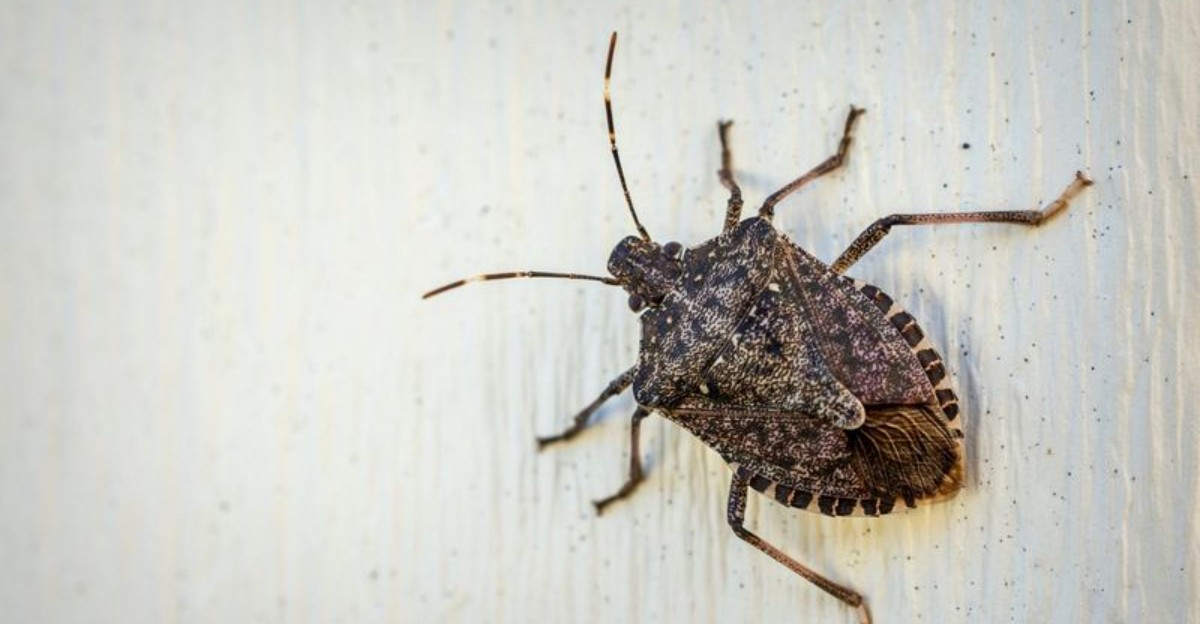
A crack just an eighth of an inch wide is enough for a whole crowd of six-legged squatters to slip into your walls. I learned that the hard way one October afternoon in New Jersey.
My south-facing siding looked like it was shimmering in the late sun. It was not the light playing tricks.
Dozens of small bodies were basking there, soaking up heat like retirees on a boardwalk bench.
They were not after my tomatoes or my mums. They wanted a warm, quiet place to sleep through a New Jersey winter, and my house looked like a five-star hotel.
You might notice the same crowd on your own sunny walls as the nights turn crisp. So who are these tiny tenants, and why do they pick your house over a perfectly good log? The answer says a lot about how insects plan ahead for the cold.
That Buzzing Crowd On Your Warm South Wall Has A Winter Plan
Insects are a lot like lizards when it comes to heat. They cannot warm themselves from the inside, so they borrow warmth from rocks, bark, and yes, your siding.
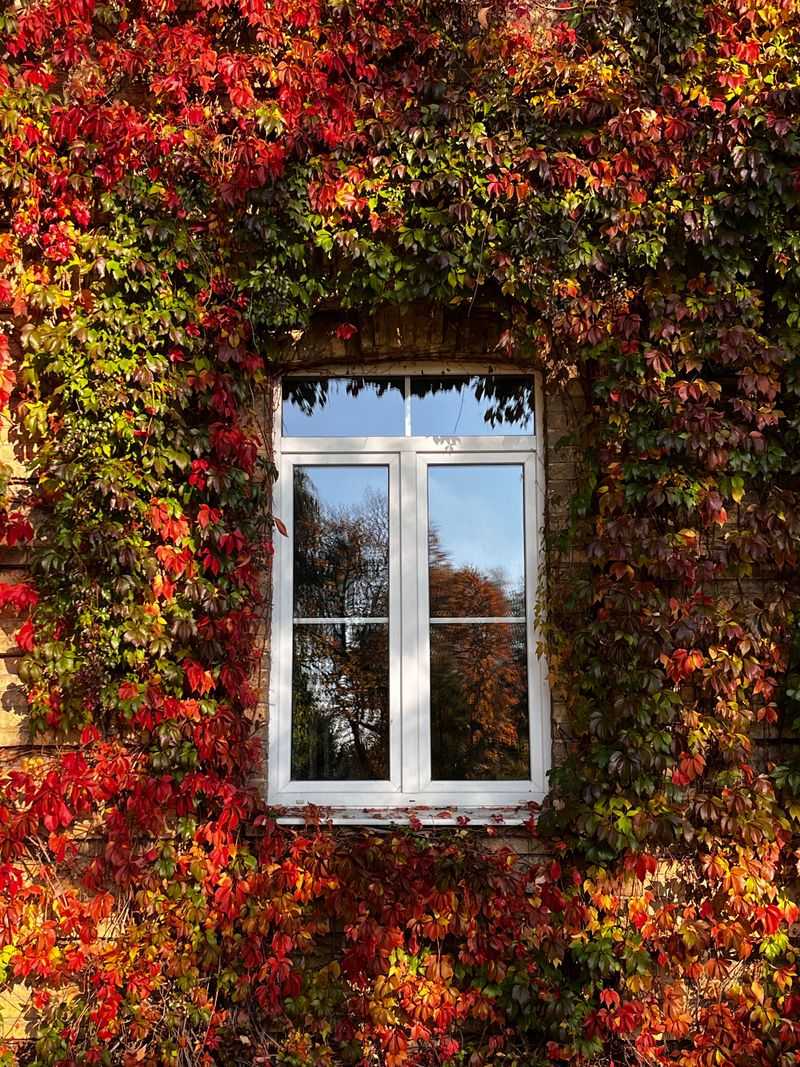
As fall days shorten and nights get chilly, several species start hunting for a sheltered spot to spend the winter. South and west-facing walls soak up the most afternoon sun. That makes them the perfect waiting room before the big move indoors.
Scientists call the winter slowdown diapause. It works a bit like hibernation, where the insect’s growth and activity pause until spring returns.
In the wild, many of these bugs would tuck under loose tree bark, inside fallen logs, or into rock crevices.
Your house simply offers a better deal. Light-colored and tall buildings stand out, and warm walls send out signals that say shelter is nearby.
Some species even release scent cues that attract more of their kind, which explains why one bug often turns into fifty.
I find it oddly impressive. These creatures are not plotting against you. They are following an old survival instinct, and your home happens to tick every box on their checklist. Knowing that helps you stay calm and take smart action.
Brown Marmorated Stink Bugs Lead The Fall Siding Parade
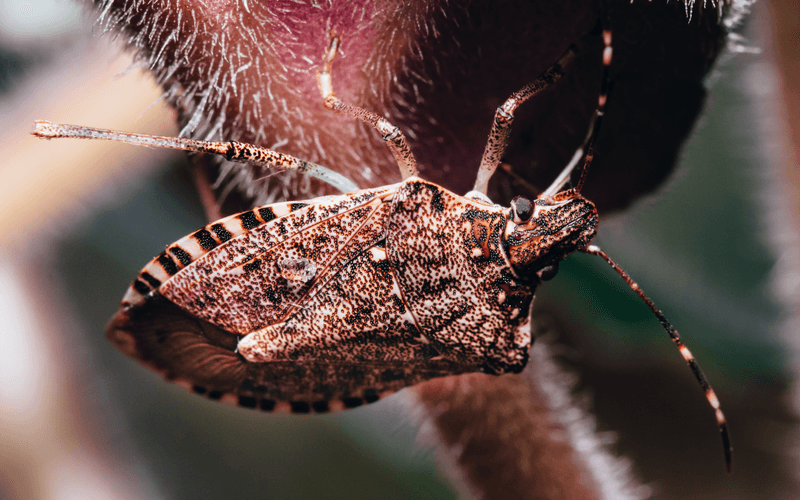
Shield-shaped, mottled brown, and slow to move, the brown marmorated stink bug is the headliner of New Jersey’s fall invasion. It first showed up in Allentown, Pennsylvania, in the late 1990s and spread quickly across the region.
Look for white bands on the antennae and alternating light and dark marks along the edges of the body. Those clues separate it from native stink bugs, which usually stay outdoors.
Rutgers researchers have tracked this insect for years because it feeds on fruit, vegetables, and ornamental plants during the growing season. Come September and October, adults stop eating and start searching for winter shelter.
Houses near woods or orchards often get the biggest crowds. Inside, they do not bite people, breed, or chew wood. They mostly hide in wall voids and attics, then wander out on warm winter days, confused by the indoor heat.
The real downside is the smell. Squash one and you will get a sharp, skunky odor that some people compare to cilantro.
My advice is simple. Treat them like an unwanted houseguest you escort out quietly, not one you start a fight with.
Red And Black Boxelder Bugs Love A Sun-Baked Foundation
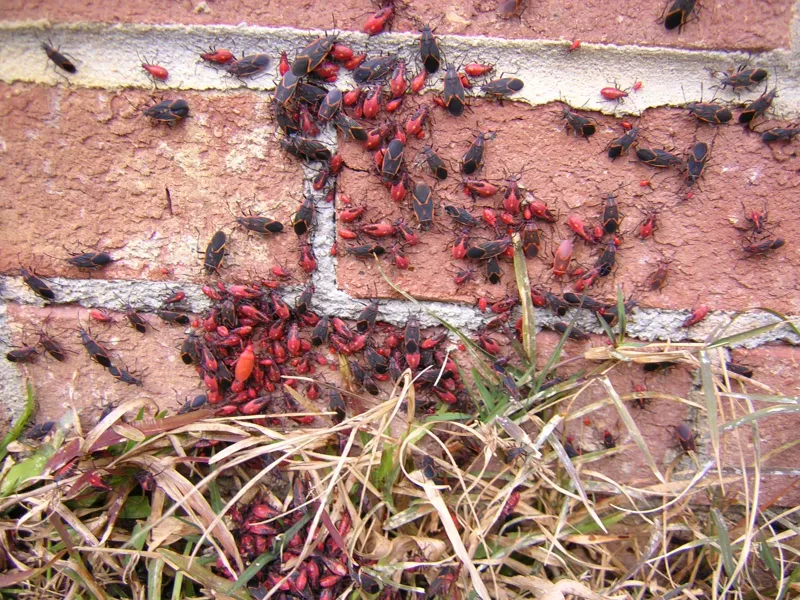
Flashy is the best word for these guys. Boxelder bugs wear black bodies trimmed with bright red or orange lines, and they show up in noisy-looking clusters on warm foundations, rocks, and siding.
Their name comes from their favorite food source. They feed mostly on the seeds of boxelder trees, a type of maple, and sometimes on silver and red maples too.
If one of those trees grows near your New Jersey yard, you have probably met these bugs already.
Young nymphs are bright red and wingless, so you might see a mix of sizes and colors in the same group. Adults gather in large numbers in fall and look for cracks to squeeze into.
They cause little harm to plants and none to your house’s structure. Indoors, they can leave reddish stains on curtains or walls if crushed, which is annoying on light fabric.
Fun fact: on mild winter days, you may spot a few strolling across your windowsill. Heat from the house wakes them up early.
Removing female boxelder trees is sometimes suggested, but sealing gaps works better and keeps a shade tree standing.
Orange Asian Lady Beetles Pile Into Window Corners
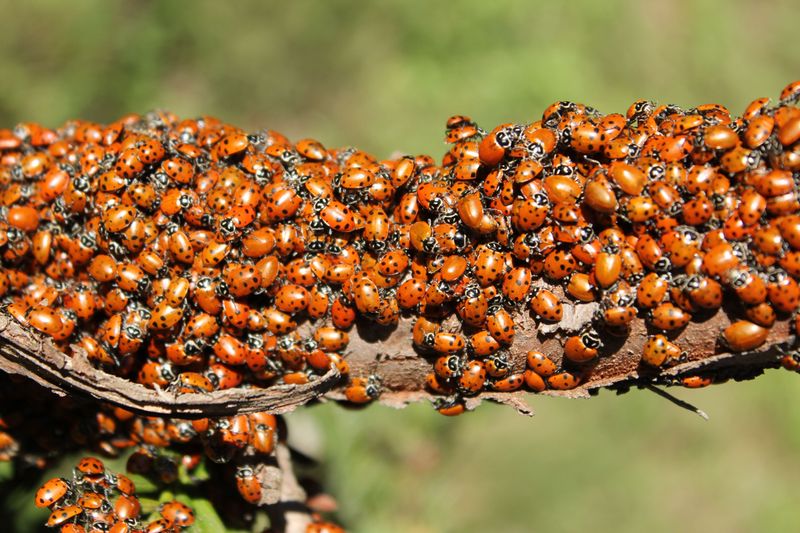
Ladybugs seem harmless and cute, right? The multicolored Asian lady beetle tests that friendly image every October.
This beetle was released in the United States decades ago to control aphids on crops and trees. It does that job well in summer. In fall, though, it swarms toward sunny, light-colored buildings, often near wooded areas.
You can tell it apart from native lady beetles by its color range, which runs from pale yellow to deep orange-red. Spot counts vary a lot, from none to many. The best clue is a black mark shaped like an M or W on the white area behind the head.
Unlike most fall visitors, these beetles can give a small pinch when handled. It feels like a pin prick and is not dangerous.
When stressed, they release a yellow fluid from their leg joints that smells bitter and can stain walls.
Their gathering on window corners is not random. They tend to return to sites that previous groups used, guided by chemical traces.
That means a house that hosted beetles last year may see them again, which makes sealing your windows even more worthwhile.
Sluggish Cluster Flies Doze In Attics And Upper Windows
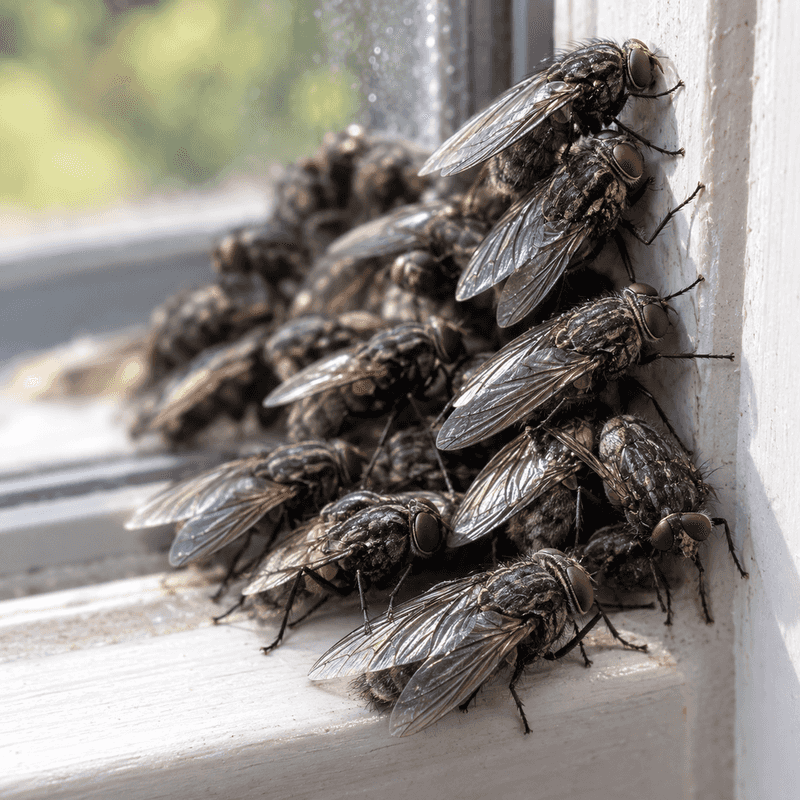
Ever found a pile of slow, clumsy flies buzzing at an upstairs window in February? Meet the cluster fly.
These flies look like house flies at first glance, but they are a bit larger and slower. Check the thorax and you will see crinkly golden hairs. They also fold their wings over each other when resting, while house flies keep theirs apart.
Their life story is a strange one. Cluster fly larvae live as parasites inside earthworms in lawns and fields. Homes next to big grassy areas often see more of them as adults look for winter shelter.
They gather on sunny upper walls in fall, then slip under siding, around soffits, and into attics. Unlike house flies, they do not breed indoors or lay eggs in garbage.
They mostly sleep, then wake groggily on warm days and head toward light. That’s why you find them at attic windows and skylights. A vacuum handles them quickly.
For long-term relief, focus on the top half of your home, including roof vents, gable vents, and gaps around the eaves where they love to hide.
Gaps Around Window Frames And Utility Pipes Are Open Doors
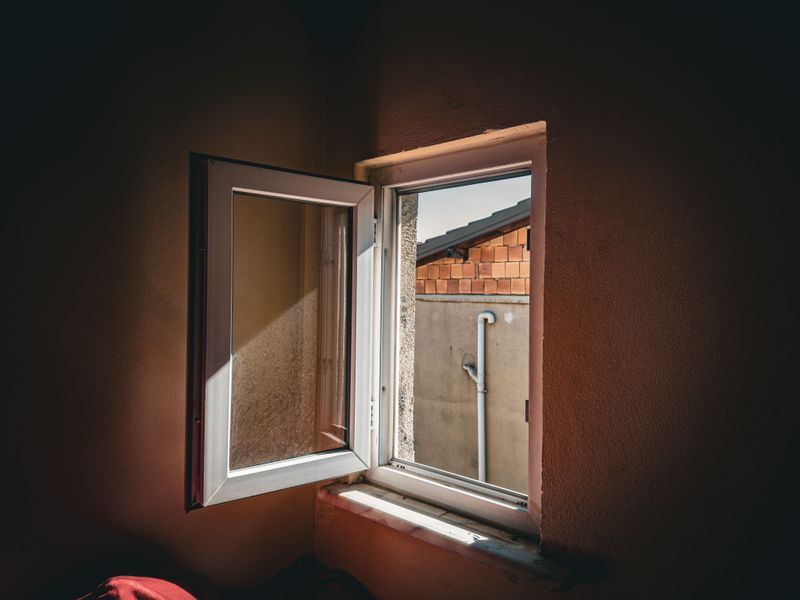
Grab a flashlight and take a slow walk around your house on a sunny afternoon. I did this last fall and found more holes than I expected.
Many of these insects can squeeze through openings around an eighth of an inch wide. Start with window and door frames, where caulk shrinks and cracks over time. Look where siding meets trim, brick meets wood, and the foundation meets the sill plate.
Next, check every spot where something enters the house. Dryer vents, outdoor faucets, cable lines, air conditioner lines, and electrical wires often pass through loosely cut holes. Builders rarely seal them tightly.
Up high, look at soffits, fascia boards, and roof or gable vents. Torn screens on vents are a favorite entry point for cluster flies and lady beetles.
A handy trick is to watch where bugs crowd during the day. They often gather right next to the gap they plan to use.
Mark those areas with painter’s tape so you remember them later. Doing this survey on the sunny side first gives you the biggest payoff for your time.
Caulk Guns, Door Sweeps, And Screens Keep The Crowd Outside
Exclusion sounds fancy, but it just means blocking the way in. Penn State and Rutgers experts both point to it as the best long-term fix for fall invaders.
Use a quality silicone or silicone-latex caulk on cracks around windows, doors, and trim. For bigger holes around pipes and wires, expanding foam or copper mesh works well.
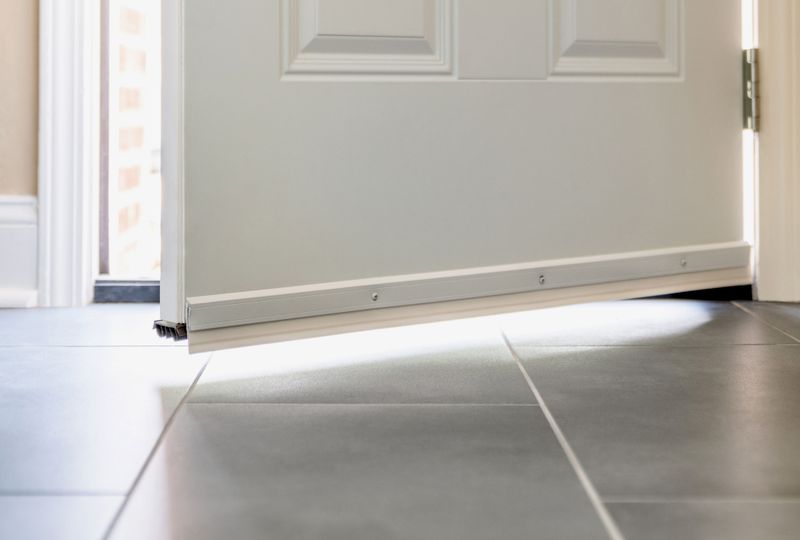
Replace worn weatherstripping and add door sweeps so you cannot see daylight under exterior doors.
Repair torn window screens and cover attic and soffit vents with fine screening. Make sure dryer vents have working flaps. Window air conditioners deserve attention too, since bugs love the gaps around them.
Timing matters a lot. Aim to finish this work in late summer or early fall, before the big gatherings start.
Once insects are inside your walls, sealing gaps can trap them indoors, and they may find their way out into your rooms instead.
Some people hire a pro to spray exterior walls in early fall. Results are mixed, and sprays break down quickly in sunlight. Physical barriers last for years, so I put my money and weekend hours into sealing first.
A Shop Vacuum Beats Squashing Stink Bugs Indoors
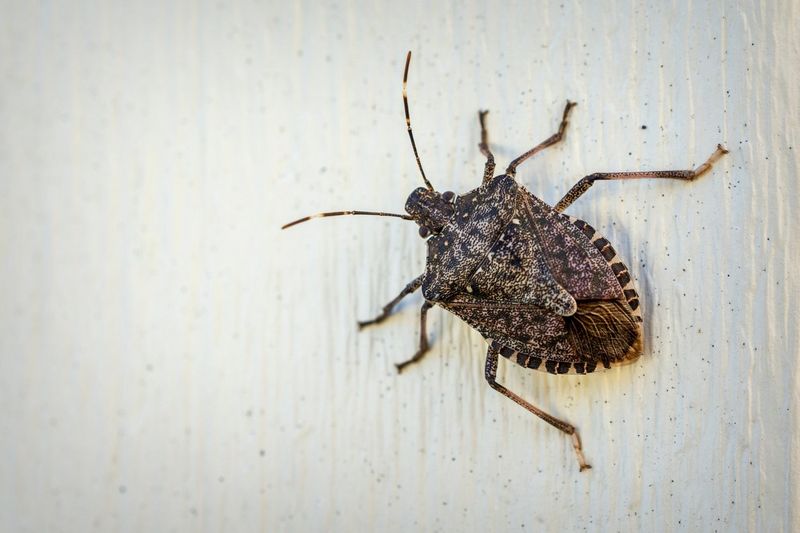
Sooner or later, a few sneaky ones will get past your defenses. Stay calm, and please do not reach for a shoe.
Crushing stink bugs releases their odor, and squashing lady beetles or boxelder bugs can stain walls and fabric. A vacuum is the cleanest tool.
Many New Jersey gardeners keep a cheap handheld or shop vac just for bugs, since the smell can linger in a household machine.
Empty the bag or canister outside right away and seal it in a trash bag. Another easy trick is a soapy water trap. Hold a container of water with a squirt of dish soap under the bug and tap it in.
Indoor bug sprays are rarely helpful here. They can leave residue in your living space, and the insects hidden in walls stay out of reach anyway.
My takeaway after a few seasons is simple. These visitors do not damage your house or harm your family, they are just persistent.
Seal gaps in late summer, keep a vacuum handy all winter, and enjoy watching them sunbathe on the outside of your walls instead of inside your lampshades.