The Right Container Size For Growing Hydrangeas On Oregon Patios
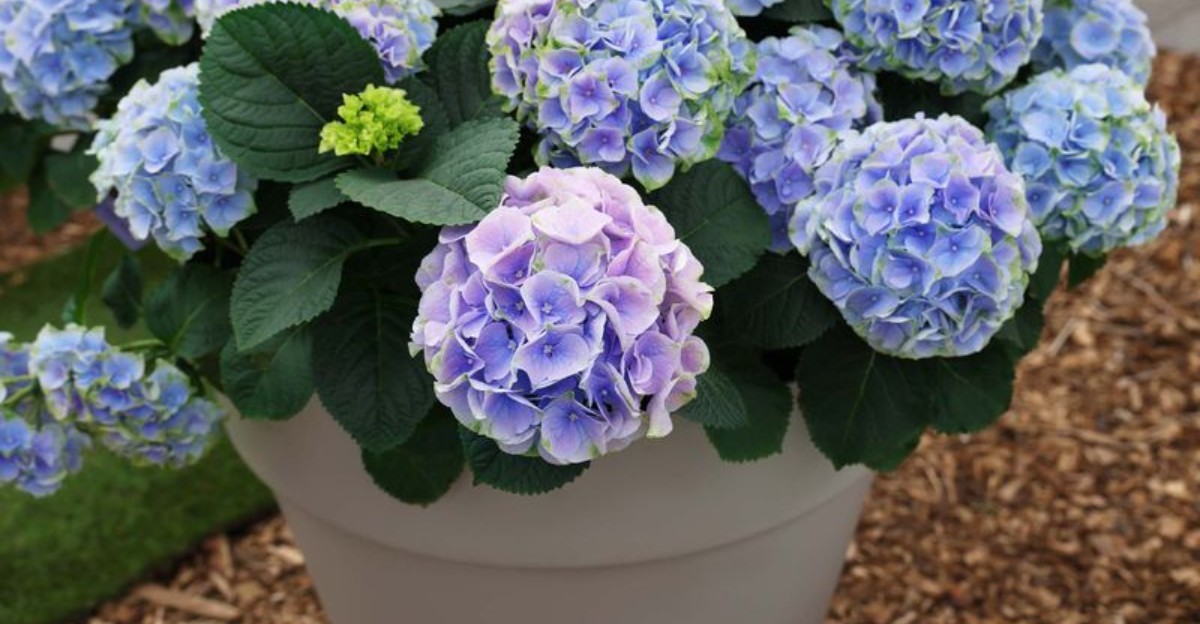
Your Oregon patio can become the perfect spot for a beautiful hydrangea, but the container you choose can make a big difference.
A pot that looks great at the store may not give your plant enough room to grow, and the wrong size can lead to stress, weak growth, or fewer blooms.
Hydrangeas need space for their roots to spread, especially when they spend their entire life in a container.
The right pot helps your plant stay healthier, hold moisture more consistently, and handle Oregon’s changing weather conditions.
Before you pick a container, think about the hydrangea variety you want to grow and how large it can become. The size you choose now can determine how much care your plant needs later and how well it performs on your patio.
1. Start With A Pot About Twice The Root Ball Size
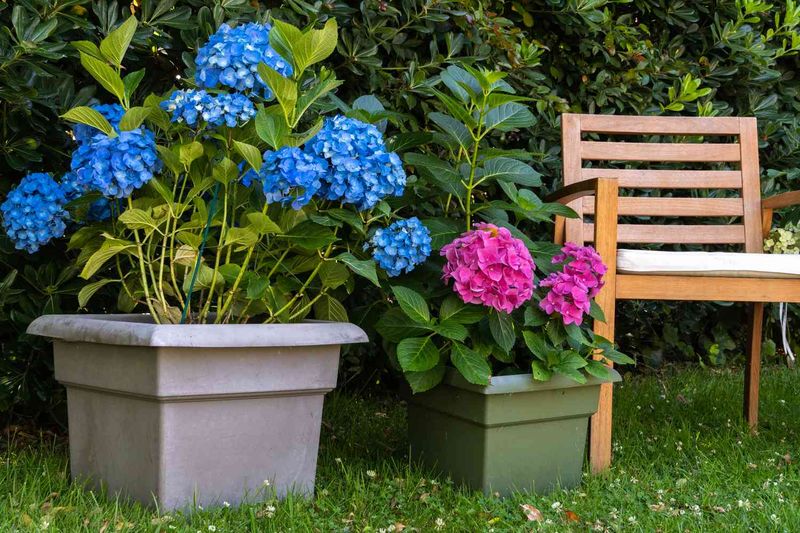
Picking the right first pot is easier than most people think. A good rule to follow is choosing a container about twice as wide as the plant’s root ball.
That extra space gives the roots a comfy home without swallowing them up. When a hydrangea has just the right room, it grows steady and strong.
In Oregon, where rain is common, this balance really matters. Too much empty soil holds extra water, which the roots do not love.
A pot twice the root ball size keeps moisture even. The soil dries out at a healthy pace between waterings.
Measure your plant’s root ball before you shop. If the roots form a clump about six inches wide, look for a pot around twelve inches across.
This simple math takes the guesswork out of your choice. You will feel more confident bringing home the right container.
Starting with the correct size also saves you money later. Your hydrangea can settle in and grow for a good while before needing an upgrade.
Give the plant a chance to fill out its new space naturally. Watch the roots slowly reach toward the pot’s edges over the weeks.
That gentle growth is a sign you got the size just right. Your patio hydrangea will reward you with plenty of blooms.
2. Give The Roots Room To Expand
Roots are the hidden heroes of any healthy hydrangea. When they have space to stretch out, the whole plant looks better above the soil.
Crowded roots cannot pull in enough water or food. That leads to droopy leaves and fewer flowers.
Think of the pot like a bedroom for your plant. A tight, packed room makes it hard to relax and grow.
Giving roots room lets them branch out in every direction. They anchor the plant and soak up nutrients with ease.
In Oregon’s cool, damp climate, strong roots also help during wet spells. Healthy roots handle extra moisture better than cramped ones.
Choose a pot deep enough for the roots to travel downward. Hydrangeas send roots both wide and deep as they mature.
Loose, fluffy potting mix helps roots push through with less effort. Skip heavy garden dirt that packs down hard.
Your Oregon Garden Changes Every Week. Your Plan Should Too.
Gardening in Oregon changes quickly throughout the season. Every Friday you’ll receive a simple weekly plan showing exactly what to plant, prune, fertilize, harvest, and protect so you never miss the right timing.
Adding a light mix keeps air flowing to the roots too. Roots need oxygen just as much as water.
Watch how your plant perks up once its roots settle in. Fresh leaves and buds are your reward for planning ahead.
When roots have room, the top of the plant follows. You will end up with a fuller, bushier hydrangea on your patio.
3. Choose A Container With Good Drainage
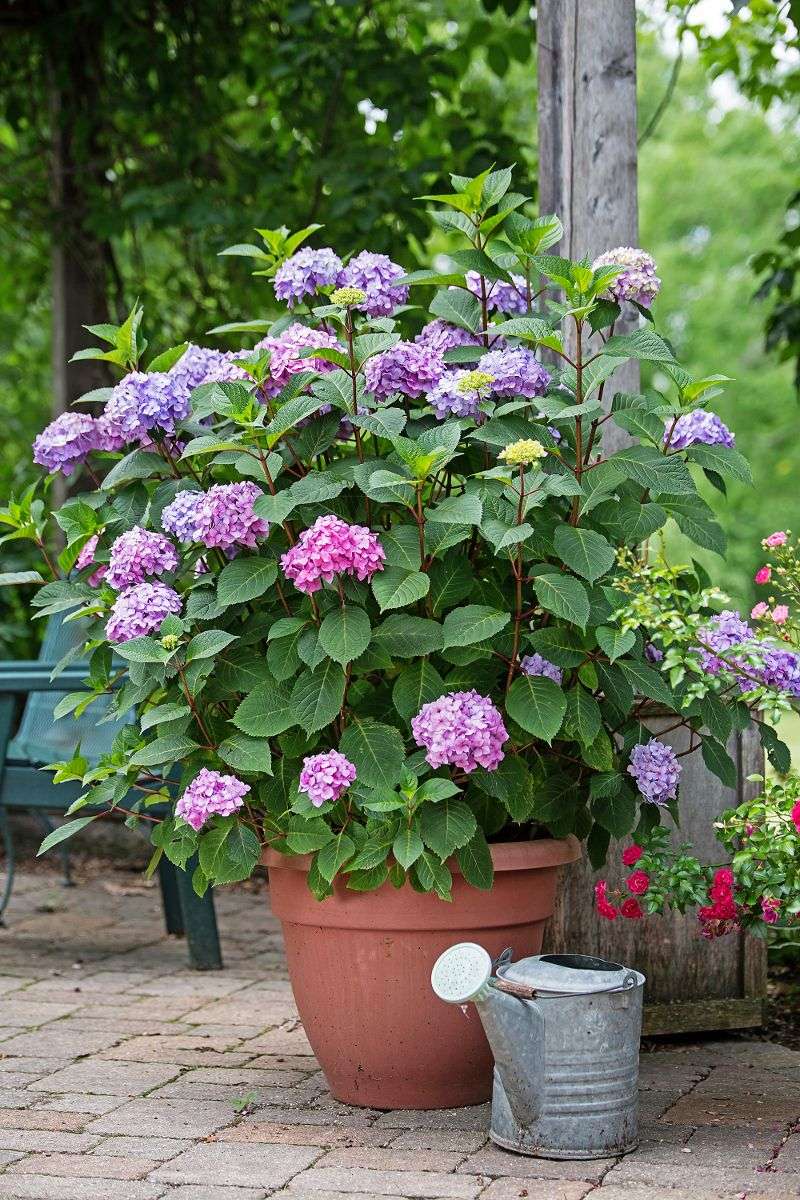
Drainage might sound boring, but it can make or break your hydrangea. Water needs a clear way to escape the bottom of the pot.
Without drainage holes, water pools around the roots. Soggy roots quickly become weak and unhealthy.
Oregon gets plenty of rain, so this tip is extra important here. Your pot could fill with rainwater fast during a storm.
Always pick a container with one or more holes in the base. More holes usually mean better water flow.
If you fall in love with a pot that has no holes, drill some. A few extra openings can save your plant loads of trouble.
Adding a saucer under the pot catches drips on your patio. Just empty it after heavy rain so water does not back up.
Raising the pot on small feet or bricks also helps. That little gap lets water drain freely and air circulate.
Fill the bottom with a light mix rather than rocks. Modern gardening shows rocks can actually trap water instead of helping.
Check the holes now and then to make sure they stay clear. Roots or debris can block them over time.
Good drainage keeps your hydrangea’s feet from staying wet. That simple choice leads to happier roots and brighter blooms.
4. Avoid Moving Straight Into An Oversized Pot
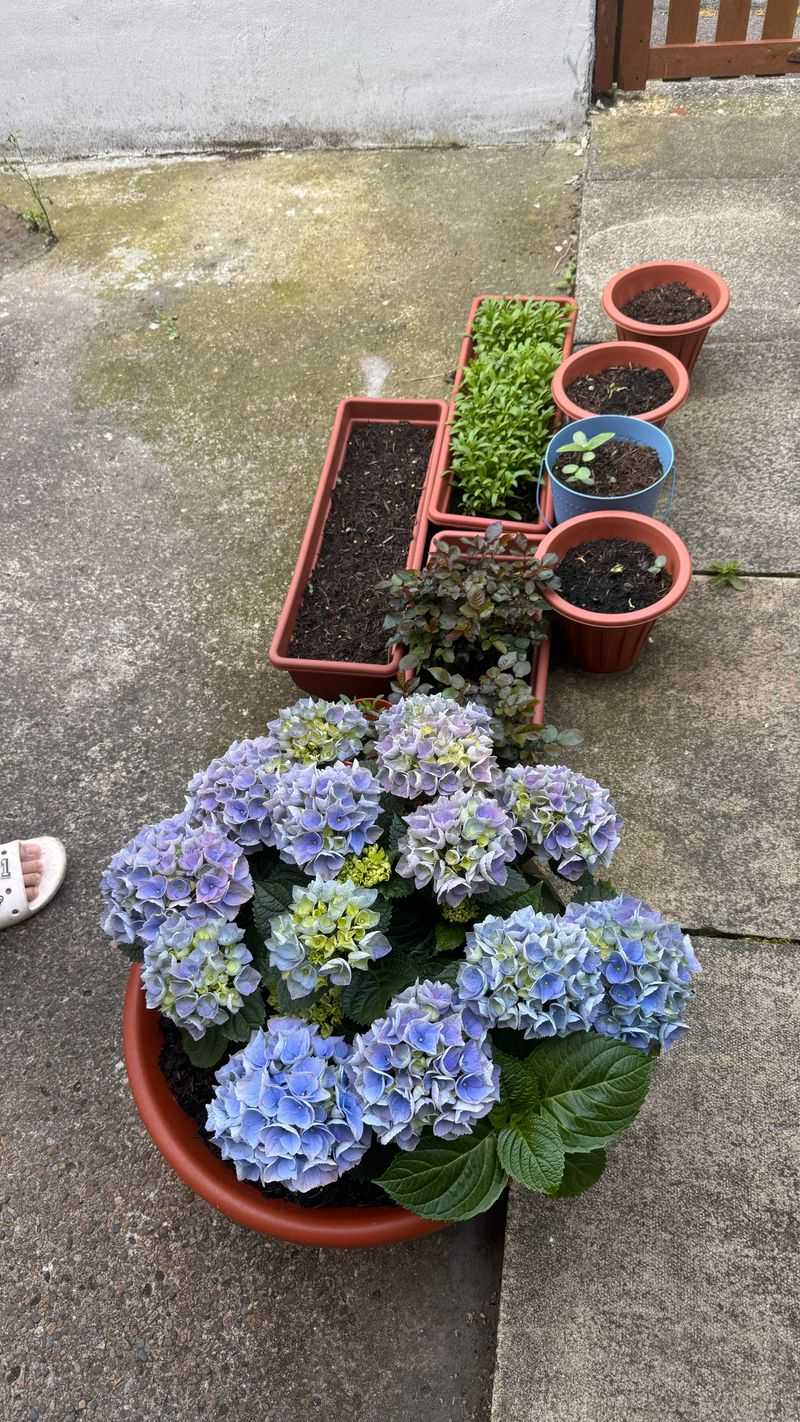
It feels tempting to plant a small hydrangea in a giant pot. You might think it saves you from repotting later.
Sadly, that shortcut often backfires. A huge pot holds way more soil than tiny roots can use.
All that extra soil stays wet for too long. The roots sit in damp conditions they do not enjoy.
In rainy Oregon, an oversized pot becomes a soggy trap. Water lingers far longer than your plant would like.
Roots grow best when they slowly explore new space. Jumping to a huge container skips that natural process.
Instead, move up gradually as your plant grows. Each new pot should be just a bit larger than the last.
Bumping up two or three inches at a time works well. This steady approach keeps the soil balanced and the roots busy.
Your hydrangea also puts more energy into blooms this way. Plants in giant pots often grow leaves instead of flowers.
Patience really pays off with container gardening. A little repotting now and then keeps everything on track.
Watch your plant closely and upgrade only when needed. Slow, smart moves lead to a strong, flower-packed hydrangea on your patio.
5. Large Hydrangeas Need Larger Containers
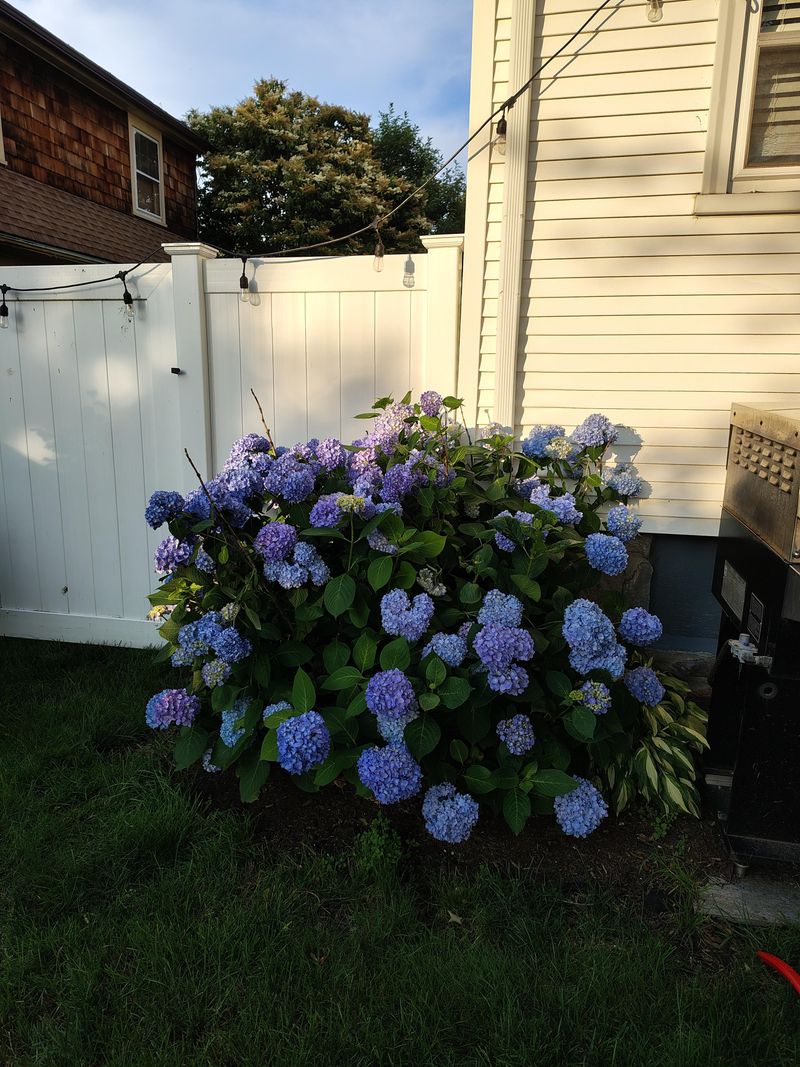
Big plants naturally need bigger homes. A large, mature hydrangea will feel squished in a small pot.
As the plant grows tall and wide, its roots grow too. They need a container that can keep up with all that size.
A roomy pot supports the heavy top growth. It also holds enough soil to feed a large plant properly.
For full-grown hydrangeas, look for pots at least eighteen inches across. Some big varieties do best in even larger containers.
Oregon patios often get plenty of gentle rain and shade. Those conditions can push hydrangeas to grow quite large.
A larger pot gives the plant stability during breezy days. Tall blooms will not tip the whole thing over.
More soil also means the roots stay cooler in summer. That extra buffer protects them during warm afternoons.
When you water a big pot, the moisture spreads evenly. Roots throughout the container get their fair share.
Choose a sturdy material that can handle the weight. Glazed ceramic or thick resin holds up nicely outdoors.
Matching the pot size to a big plant keeps it thriving. Your patio will show off a lush, full hydrangea all season.
6. Bigleaf Hydrangeas Can Outgrow Small Pots Quickly
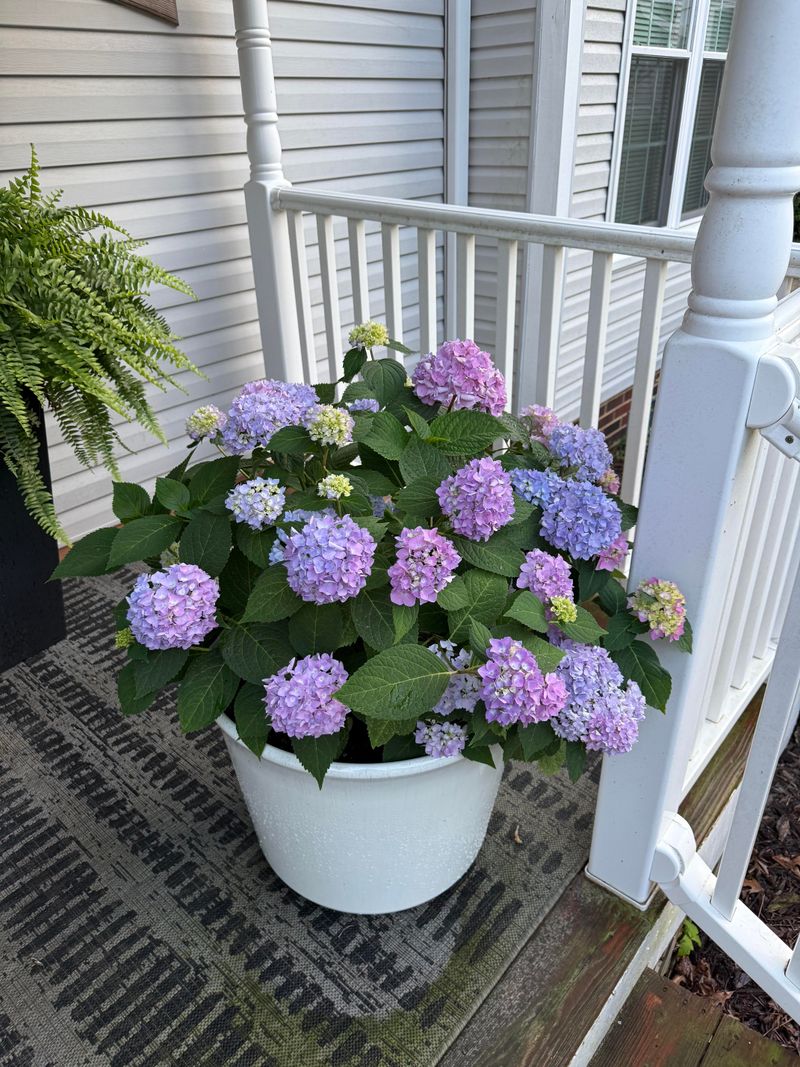
Bigleaf hydrangeas are famous for their round, showy flowers. They also happen to grow fast and get big.
These popular plants can fill a small pot in no time. Before you know it, the roots run out of room.
Their large leaves and blooms need lots of support underground. Small containers just cannot feed that much growth.
Oregon’s climate suits bigleaf types beautifully. The mild, moist air helps them produce those classic blue and pink flowers.
Because they grow so eagerly, plan for frequent upgrades. Check your plant each spring to see if it needs more space.
Signs of crowding include roots poking out the drainage holes. You might also see soil drying out unusually fast.
When that happens, move the plant into a bigger pot. Give it a few extra inches to stretch and settle.
Starting bigleaf varieties in a medium pot works well. You leave room to grow without overwhelming young roots.
Regular feeding also helps these hungry plants stay happy. A balanced fertilizer keeps blooms coming strong.
Keep an eye on their quick pace and adjust as needed. With enough room, bigleaf hydrangeas become the stars of your patio display.
7. Check The Roots Before Moving Up A Size
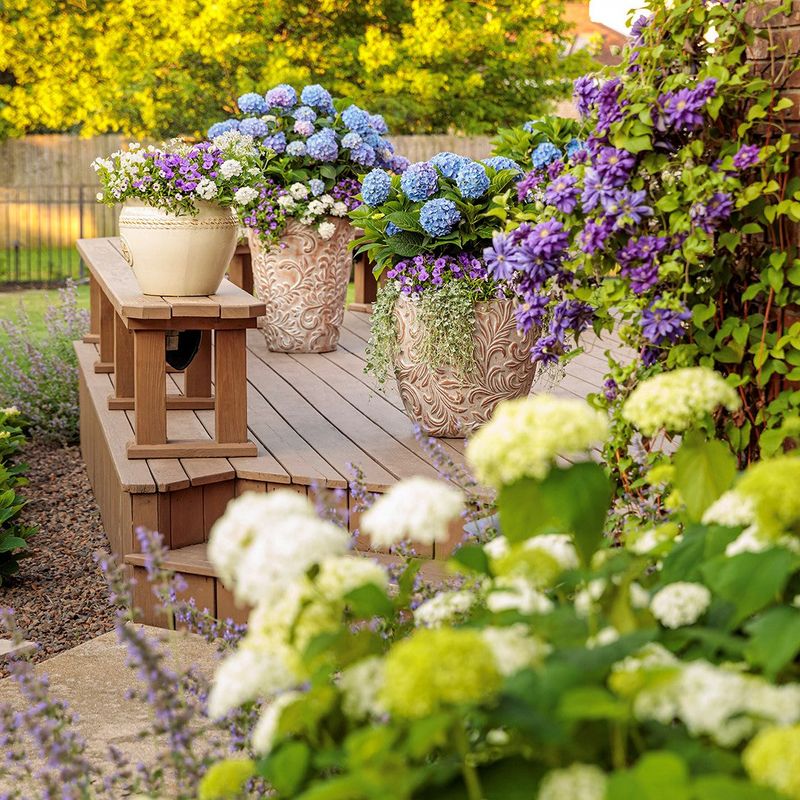
Before grabbing a bigger pot, take a peek at the roots. That quick check tells you exactly what your plant needs.
Gently slide the hydrangea out of its current container. Tip it sideways and ease it free with care.
If roots circle tightly around the soil, it is time to size up. That tangled look means the plant feels cramped.
Roots that still have space and loose soil around them can wait. No need to repot a plant that is still comfy.
In Oregon, spring is a great time for this root check. The plant wakes up and gets ready for new growth.
Looking at the roots also lets you spot any problems early. Healthy roots are firm and pale, not mushy or dark.
If you see circling roots, loosen them gently with your fingers. That helps them spread into fresh soil after repotting.
Trim away any damaged or overly long roots too. A light cleanup encourages fresh, healthy growth.
Checking first saves you from guessing about pot size. You move up only when your plant truly needs it.
This little habit keeps your hydrangea growing smoothly year after year. Your patio plant stays healthy and full of blooms.
8. Heavy Pots Are Easier To Keep Stable
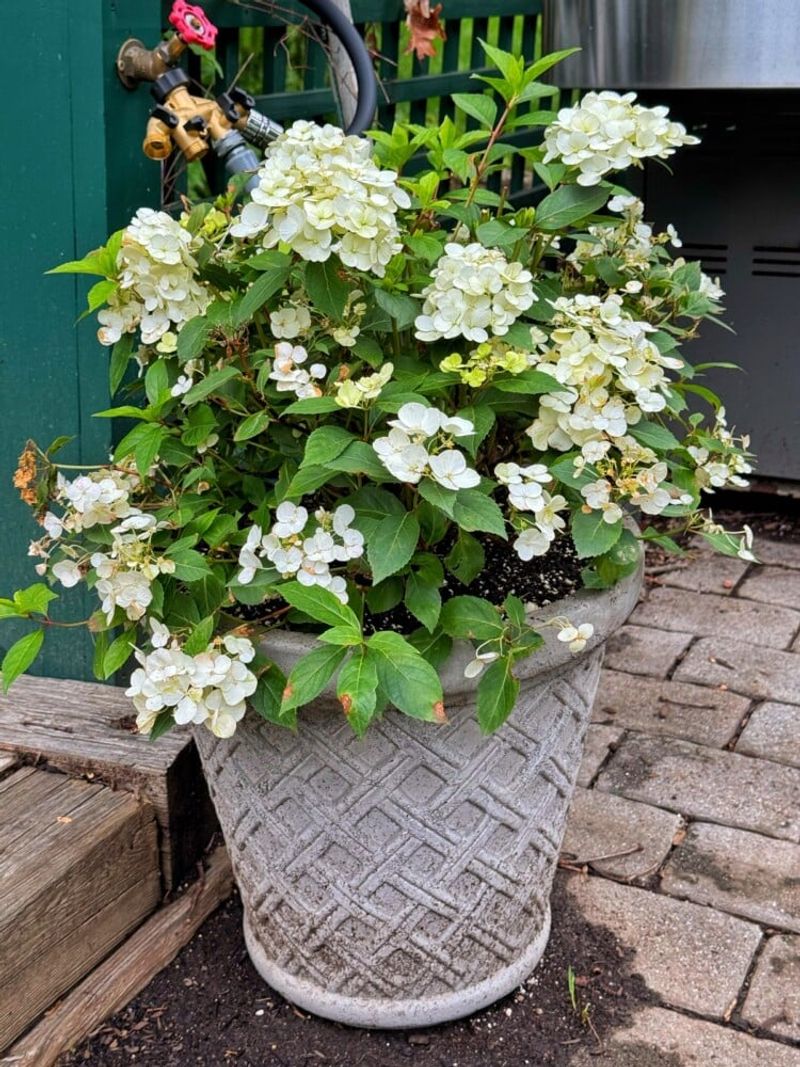
A wobbly pot is no fun on a breezy patio. Heavy containers hold their ground much better.
Tall hydrangeas with big blooms can catch the wind. A light pot might tip over when gusts pick up.
Sturdy, weighty pots keep everything upright and safe. Your plant stays put even on stormy Oregon days.
Materials like thick ceramic, stone, or concrete add real weight. They anchor the plant without any extra effort.
Heavier pots also resist getting knocked around by pets or kids. That stability protects both the plant and your patio.
The added mass helps in another sneaky way too. It keeps soil temperatures steady through hot and cool spells.
If your pot feels too light, add weight to the bottom. A layer of clean bricks or stones helps hold it down.
Placing the container in a sheltered corner works well too. Walls and railings block strong gusts of wind.
Just remember that heavy pots are harder to move. Pick a good spot before filling it with soil and plants.
Pot rollers or a wheeled base can help if you need to shift it. That way you get stability plus easy movement.
A solid, heavy pot gives your hydrangea a safe, steady home all season long.