What Oregon Rhododendrons Need Before October Or Next Year’s Buds Won’t Form
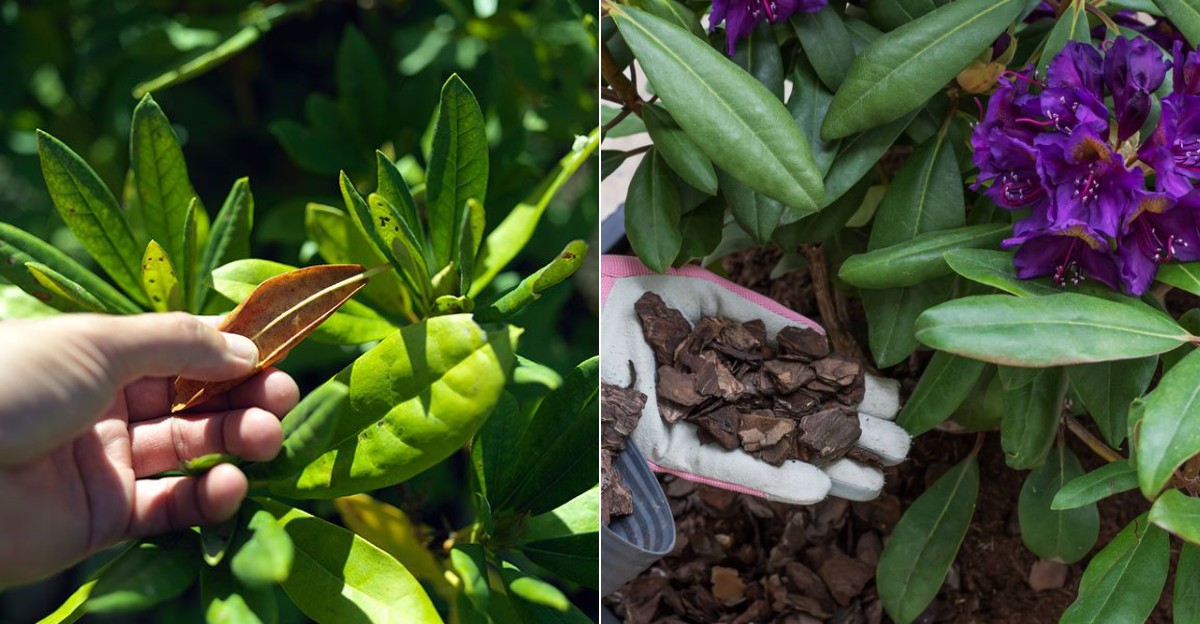
Your Oregon rhododendrons are already preparing for next year’s blooms, even when the garden looks like it is slowing down. The care you give them before October can have a big impact on the buds that appear when the next flowering season arrives.
Late summer and early fall are important times for these shrubs. Small changes in watering, soil conditions, and overall plant health can affect how well your rhododendrons handle the colder months ahead.
You may not notice a problem right away if your plants are missing what they need. The signs often show up later, when spring arrives and the flowers you expected do not appear.
A few simple checks before October can help you protect your rhododendrons and give next year’s buds a better chance to develop.
1. Keep The Root Zone Evenly Moist
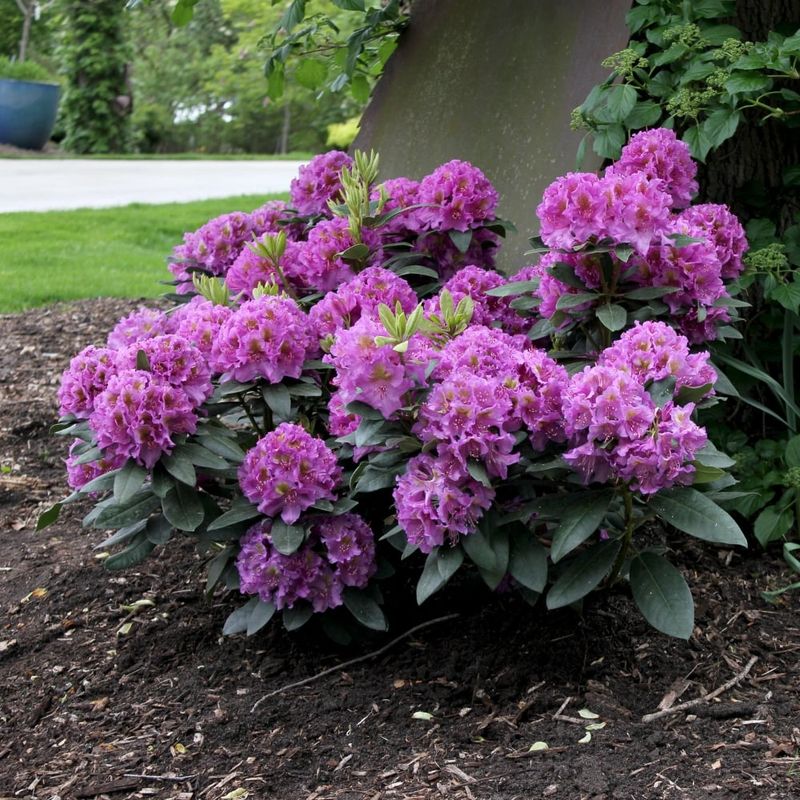
Roots do their best work when the soil stays steadily damp, not soaked and not bone dry. Rhododendrons have shallow roots that sit close to the surface.
That means they feel changes in moisture fast. During bud-setting season, wild swings between wet and dry can slow flower growth. A steady supply of water keeps the plant calm and focused on making buds.
Try checking the soil with your finger a few inches down. If it feels dry there, it is time to water. Slow, deep watering works better than a quick splash on the leaves.
Aim to soak the root area so moisture reaches deep. In Oregon’s dry late summer, this may mean watering once or twice a week. Sandy soil dries faster, so it may need more.
Clay soil holds water longer, so watch for soggy spots. Morning watering gives the plant time to drink before the heat builds. Even moisture also helps roots stay healthy and strong.
Strong roots support bigger, better buds next spring. Think of it like giving your plant a reliable meal schedule. When water comes at a steady pace, the shrub can relax and grow.
Skipping this step during August and September often leads to fewer flowers. A little consistency now pays off with a bright, full display later.
2. Protect New Buds From Summer Stress
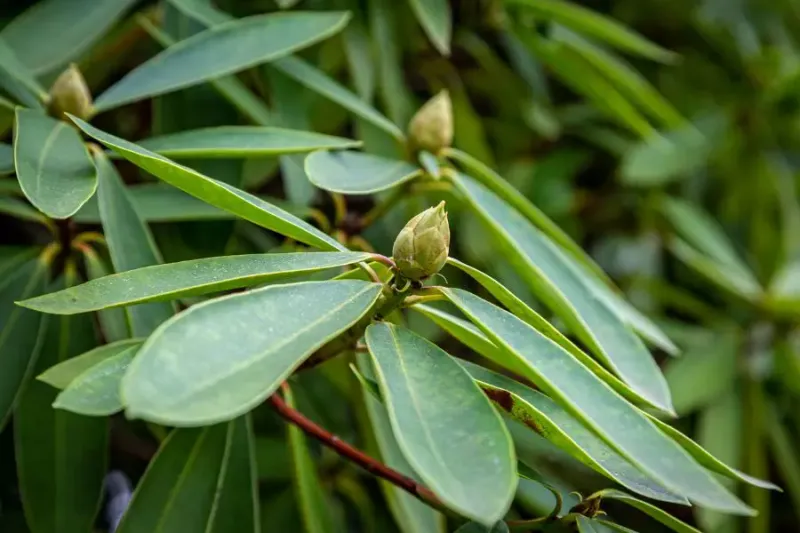
Late summer heat can be rough on tender new buds just starting to form. Stress from hot, dry days may cause the plant to pause bud growth.
When a shrub feels overwhelmed, it puts energy into survival instead of flowers. Your job is to keep conditions gentle during this key stretch.
Shade cloth can help during heat waves, especially for plants in sunny spots. A temporary cover blocks the harshest afternoon rays. Even a nearby tree or fence can offer helpful relief.
Watch the weather and give extra water before a hot spell hits. Well-watered plants handle heat far better than thirsty ones. Wind can also dry out leaves and add to the stress.
A sheltered location cuts down on that drying effect. Buds that form during calm, steady conditions tend to be stronger. They are more likely to open into full blooms next year.
Your Oregon Garden Changes Every Week. Your Plan Should Too.
Gardening in Oregon changes quickly throughout the season. Every Friday you’ll receive a simple weekly plan showing exactly what to plant, prune, fertilize, harvest, and protect so you never miss the right timing.
Try to avoid moving or disturbing the plant during this time. Any shock can set back the bud-making process. Keep an eye out for wilting or dull, drooping leaves.
Those signs mean the shrub needs help fast. A shady break and a good drink can turn things around. Small acts of care during summer’s peak protect the flowers hiding inside those tiny buds.
3. Avoid Heavy Pruning In September
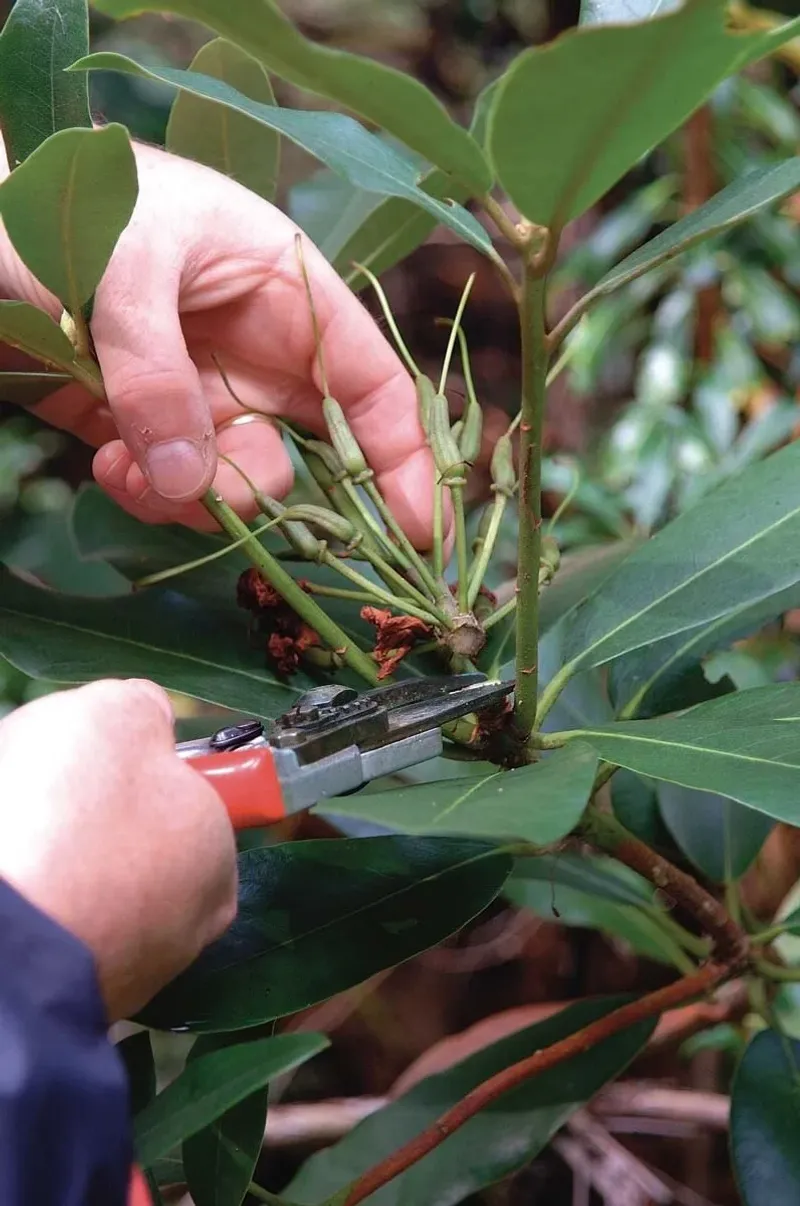
September is not the month to grab your shears and go wild. Cutting too much this late can remove the very buds you want to keep.
Rhododendrons set next year’s flowers on the tips of their branches. Trim those tips heavily and you snip off future blooms.
The best time for big pruning is right after flowering in spring. That gives the plant all summer to grow new buds safely. By fall, those buds are already forming and need to stay put.
If you must tidy up, stick to a few damaged or broken branches. Light cleanup will not hurt the bud supply. Save the shaping and major cuts for next year.
Heavy pruning also pushes the plant to grow fresh shoots. That new growth wastes energy and may not harden before cold weather. A shrub busy making leaves cannot focus on flowers.
It helps to step back and look before cutting anything. Ask yourself if the branch really needs to go right now. Most of the time, the answer is that it can wait.
Patience here rewards you with a fuller bloom season. Keeping your shears mostly parked in fall is smart care. Your plant will thank you with a colorful spring show.
4. Check The Plant For Water Stress
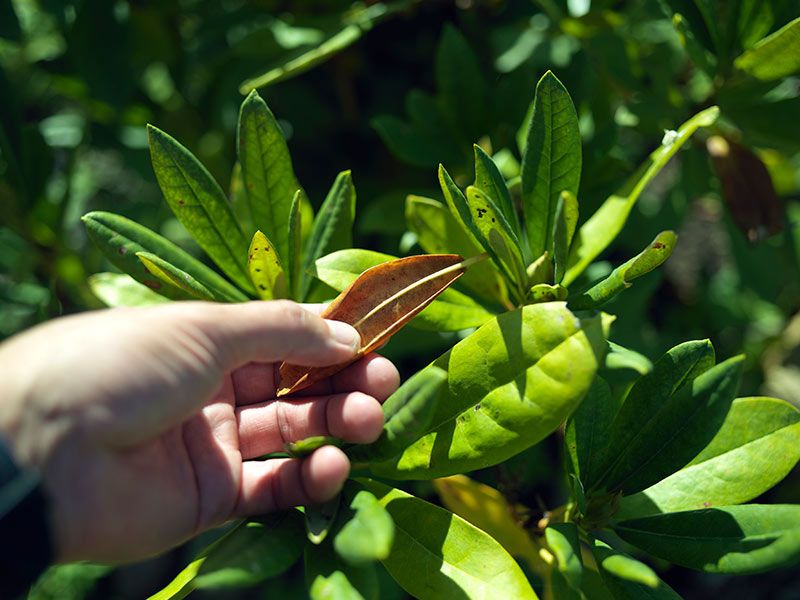
Plants often send signals long before real trouble starts. Learning to read those signs helps you act at the right moment.
Drooping leaves are one of the clearest clues something is off. When leaves curl or hang limp, the shrub is likely thirsty.
Rhododendron leaves may also roll inward during hot, dry spells. That curling is the plant trying to save moisture. A dull, gray-green color can point to stress too.
Touch the soil to confirm what the leaves are telling you. Dry soil plus droopy leaves means water is needed soon. Sometimes leaves droop from too much water, so check first.
Soggy soil calls for less watering, not more. Getting the balance right keeps buds developing on track. Morning is a great time to inspect your plant.
Leaves that perk up after a drink were simply thirsty. Leaves that stay limp may need a closer look. Watch the newest growth, since young parts show stress first.
Catching problems early keeps the plant from slowing bud growth. A quick daily glance takes only a few seconds. Over time you will spot the patterns your shrub follows.
That knowledge makes you a better gardener. Healthy, unstressed plants set the most flower buds. A little attention now leads to a bright spring reward.
5. Mulch Helps Keep Roots Cool
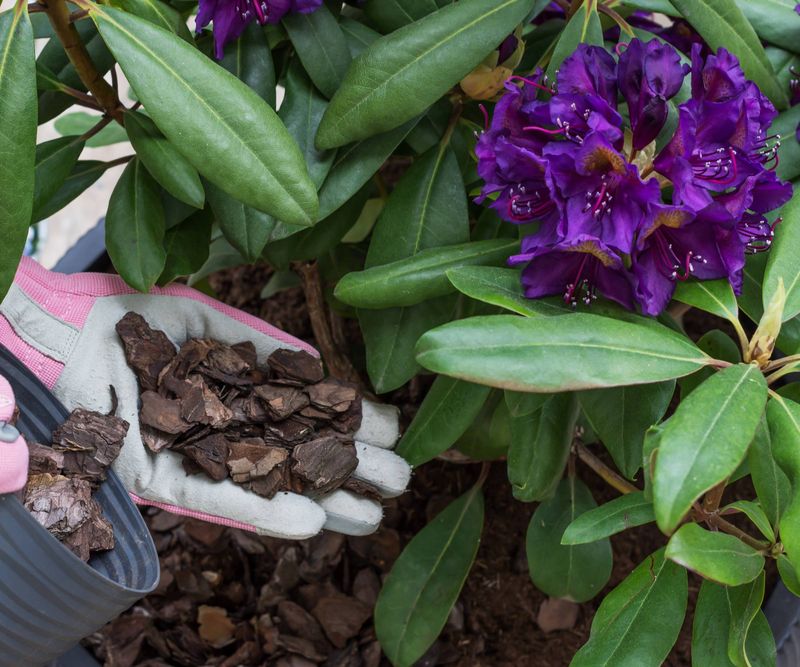
A good layer of mulch acts like a cozy blanket for the roots. It keeps the soil cooler during hot summer days.
Cool roots stay happy and keep making buds without stress. Warm, baking soil, on the other hand, slows everything down.
Spread two to three inches of bark or wood chips around the base. Leave a small gap near the stem so it does not stay wet. Mulch also locks in moisture so you water less often.
That steady dampness matches what rhododendrons love best. Bonus, mulch blocks weeds that would steal water and nutrients. Fewer weeds mean more resources for your plant.
Over time the mulch breaks down and feeds the soil. That slow release adds gentle nutrition without shocking the roots. Refresh the layer each year to keep the benefits going.
Pine needles and bark work well for these acid-loving shrubs. Both let air and water pass through easily. Avoid piling mulch too thick, since that can trap too much moisture.
A balanced layer gives protection without smothering roots. In Oregon’s warm, dry stretches, mulch really earns its keep. Roots stay comfortable while the top of the plant does its work.
Simple and cheap, mulch is one of the best tools around. Your buds benefit from the steady, cool conditions it creates.
6. Do Not Let The Soil Dry Out Completely
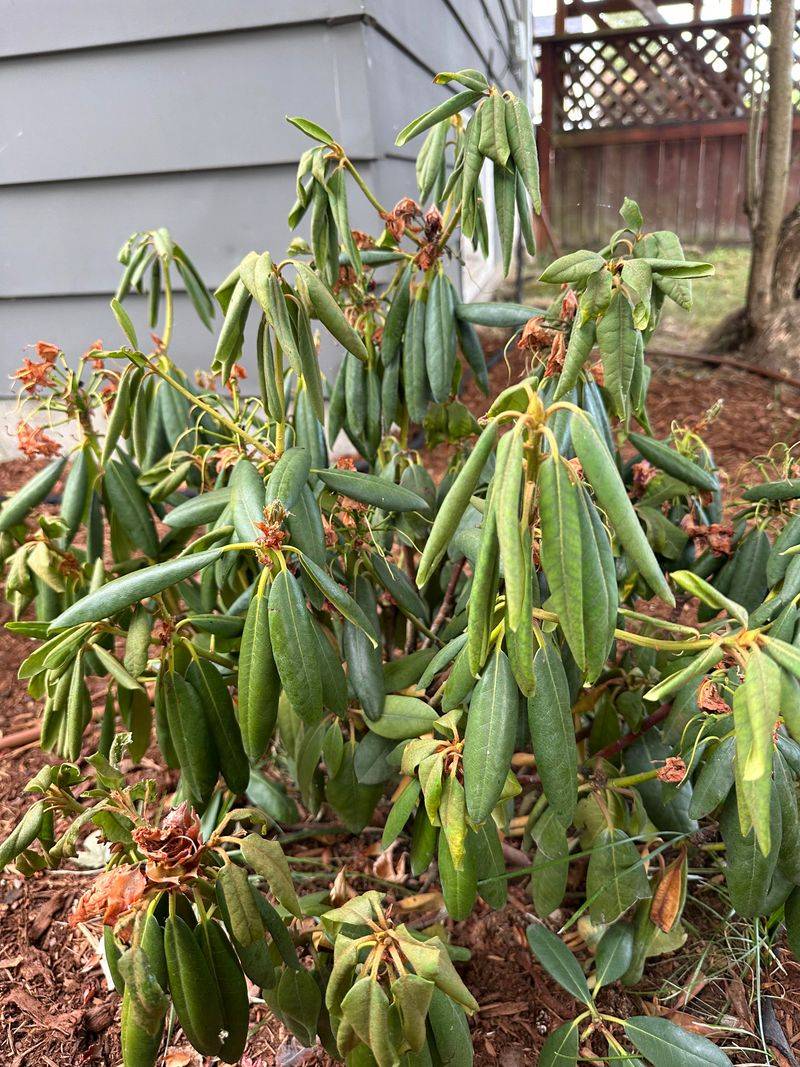
Letting the ground go bone dry is one of the biggest mistakes. Rhododendron roots cannot bounce back easily once fully dried out.
Their shallow, fine roots need steady moisture to keep working. When soil turns to dust, the plant struggles fast.
Dry spells during bud season can stop flower growth in its tracks. The shrub simply cannot support new buds without water. Even a single hot, dry weekend can cause harm.
Check your soil often when rain is scarce. In late summer, Oregon skies stay dry for long stretches. That is exactly when your plant needs extra watching.
Deep watering helps moisture reach the whole root zone. A shallow sprinkle only wets the surface and evaporates quickly. Aim to keep the soil damp like a wrung-out sponge.
Not muddy, not dusty, just steadily moist. Mulch helps hold that moisture between waterings. If you travel, ask a neighbor to check the plant.
A few missed waterings can undo weeks of good care. Setting a reminder makes the routine easy to follow. Consistency is the real secret to strong buds.
Plants that never fully dry out stay calm and productive. That steady comfort lets them build plenty of flowers. Keep the water coming and spring will look amazing.
7. Give The Plant Enough Light For Bud Development
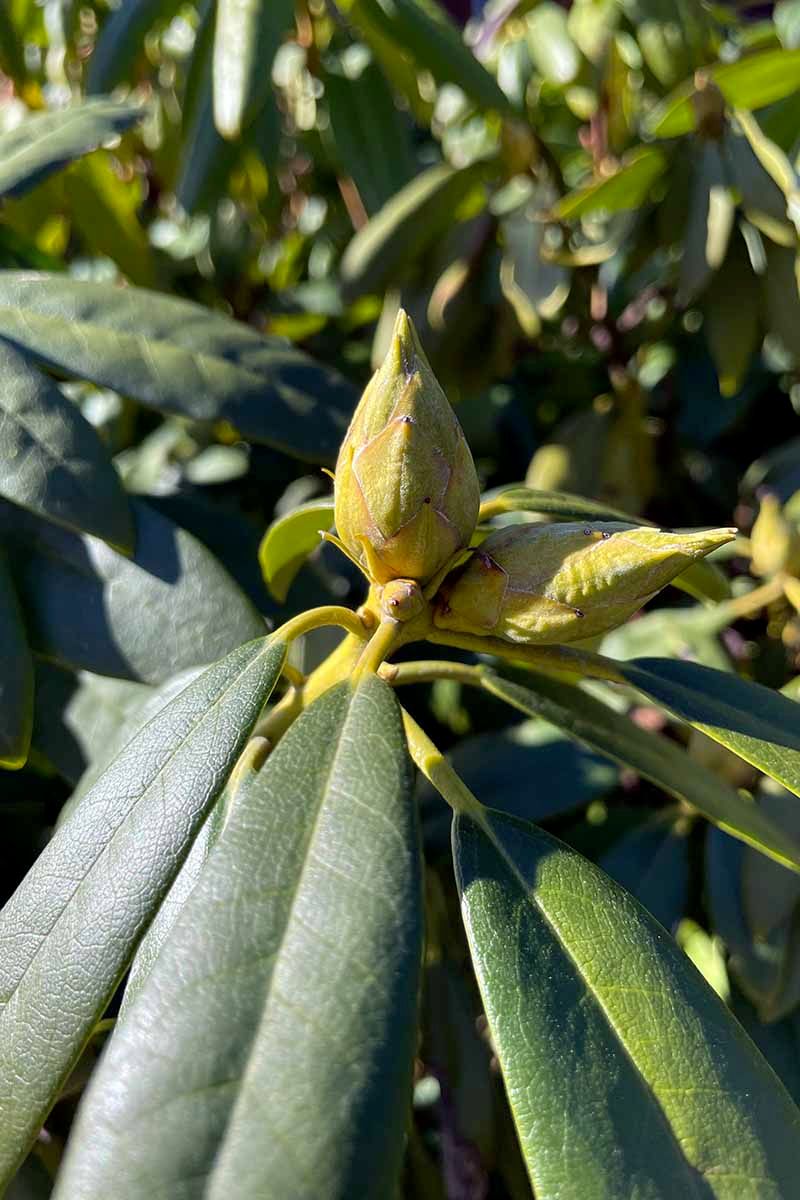
Light is the fuel that powers flower bud growth. Without enough of it, buds may be few and weak.
Rhododendrons like bright, filtered light rather than deep shade. Too much darkness leaves them leggy and short on blooms.
The sweet spot is dappled sunlight or gentle morning sun. Harsh afternoon rays can scorch leaves, especially in Oregon heat. A spot with some shelter and some brightness works best.
If your plant sits in heavy shade, buds may not form well. Trimming nearby branches can let more light through. Even a little extra brightness can boost bud numbers.
Watch how sunlight moves across your yard during the day. Note where shadows fall in late summer afternoons. That helps you understand what your shrub receives.
Plants under tall trees often get perfect filtered light. The leaves above act like a natural screen. Too much direct sun, though, can stress the plant and its buds.
Finding the right balance takes a bit of observation. If blooms have been thin, light may be the reason. Consider moving a potted plant to a brighter spot.
For planted shrubs, thinning overhead growth can help. Good light in late summer supports strong bud formation. That effort now sets up a bright, full spring display.
8. Avoid Pushing New Growth With Late Fertilizer
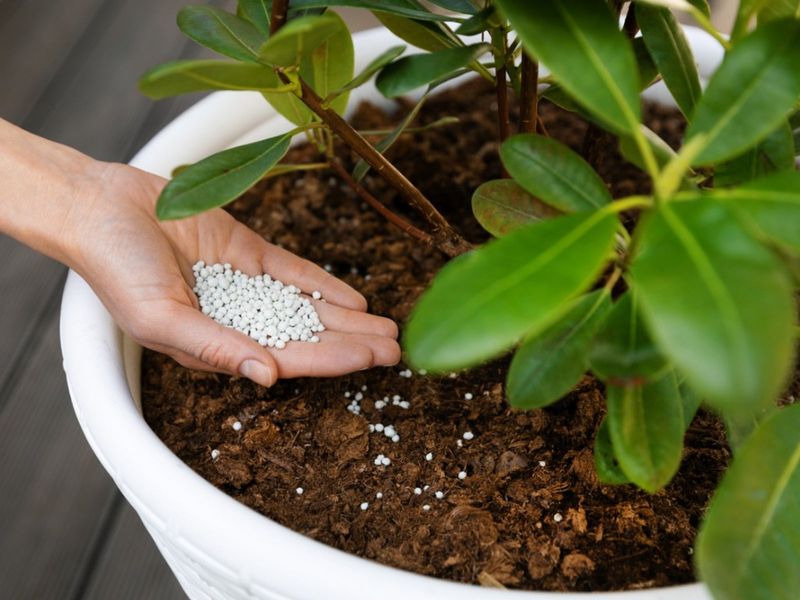
Feeding your plant late in the season can backfire badly. Fertilizer pushes fresh, tender growth at the wrong time.
That new growth is soft and cannot handle coming cold weather. It also pulls energy away from bud development.
Rhododendrons should get their food in spring, not fall. Early feeding gives them a strong start for the whole season. By late summer, they need to slow down and settle.
Adding fertilizer now confuses the plant’s natural rhythm. Instead of hardening off, it tries to sprout new shoots. Those shoots often struggle when temperatures drop.
Stop feeding by midsummer to keep things on track. Let the plant shift its focus to setting buds. A calm, unfed shrub in fall is a healthy one.
If soil seems poor, a slow mulch top-dressing is gentler. That feeds slowly without triggering a growth spurt. Skip the quick, strong fertilizers this time of year.
Patience beats overfeeding every single time. Your plant knows how to prepare for cold on its own. Your job is to avoid interrupting that process.
Holding off on fertilizer is one of the easiest wins. It costs nothing and protects next year’s flowers. Save the feeding for spring and enjoy a stronger bloom season ahead.