The Native-Friendly Fall Bloomer Oregon Gardens Are Missing
Many Oregon gardens start to lose their color as summer flowers fade, but fall does not have to mean the end of seasonal interest.
One overlooked bloomer can bring fresh color to the landscape while also fitting into a more wildlife-friendly garden.
Choosing plants for the cooler months can be tricky, especially when you want something that looks beautiful and supports local pollinators.
Some flowers that thrive in fall conditions do more than fill empty spaces. They can add texture, attract beneficial visitors, and help your garden feel alive longer.
If your garden looks a little quiet once autumn arrives, this missing fall bloomer may be worth a closer look. The right plant choice can make a noticeable difference when many other flowers have already finished for the year.
1. Douglas Aster Brings Color Into Late Fall
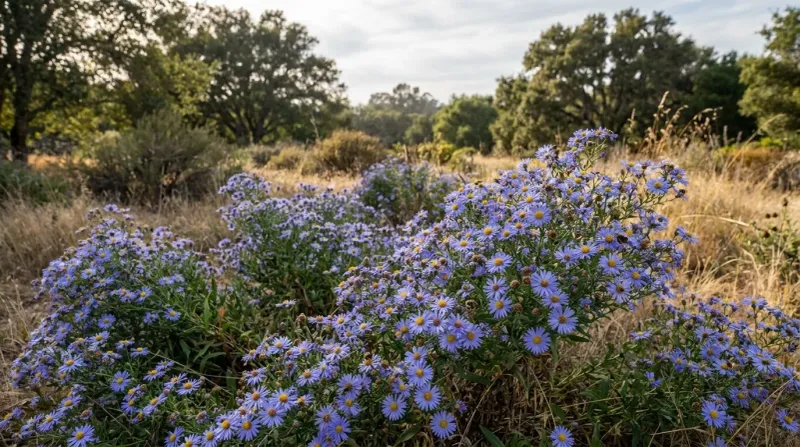
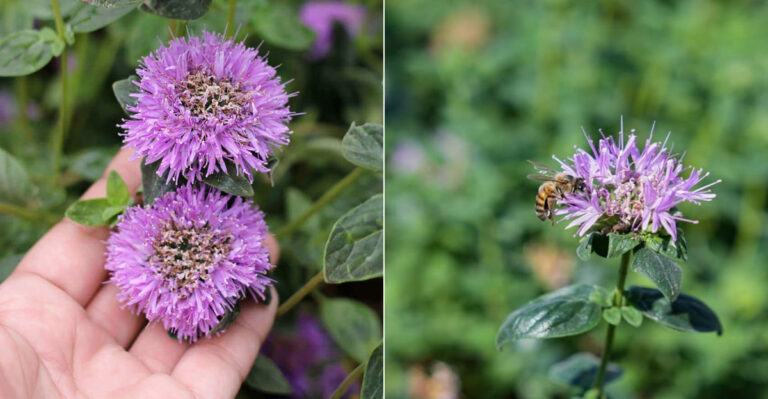
Just when the rest of the garden starts to look dull, this native aster steps up. Its purple petals open in late summer and keep going deep into fall. That timing makes it a real treasure for Oregon yards.
Most flowers have finished blooming by then. Trees drop leaves and beds turn brown and quiet. A patch of bright aster brings the whole space back to life.
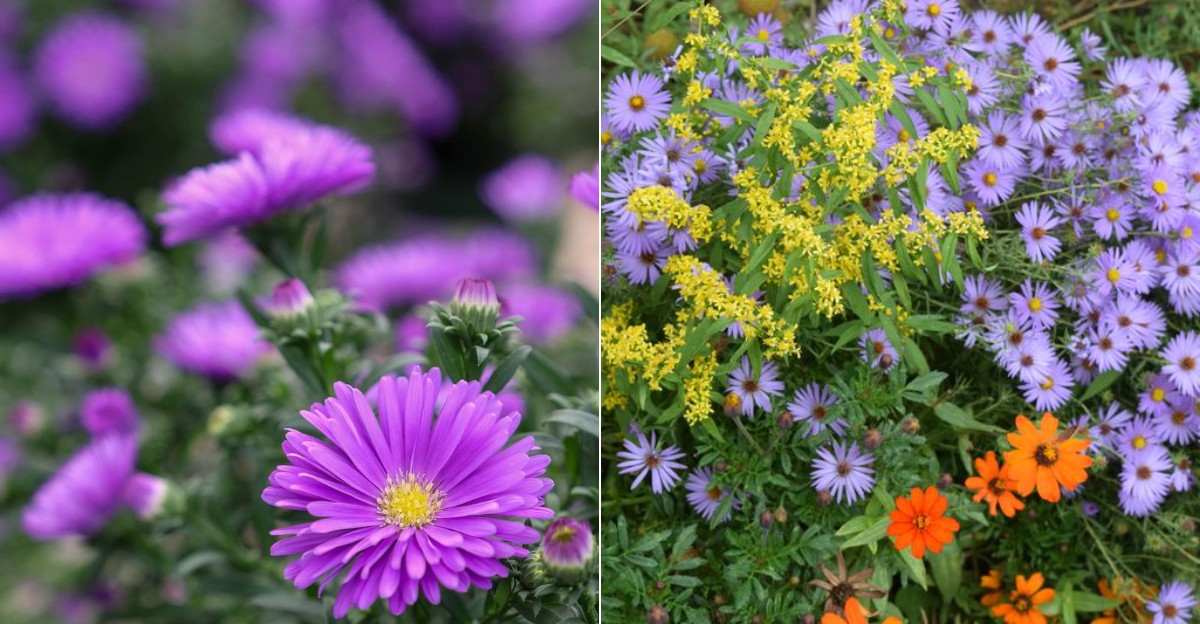
The blooms are small but grow in thick clusters. From a distance, they look like a soft purple cloud. Up close, you can spot yellow centers that add a cheerful pop.
Gardeners love how long the color lasts. While other plants fade, this one holds strong for weeks. That extended show is hard to find in native flowers.
You do not need special skills to enjoy it either. Plant it once and it returns each year on its own. Fall after fall, it keeps giving you color when you least expect it.
It also pairs nicely with autumn light. The low sun makes the purple glow in the late afternoon. That warm scene turns a plain yard into something worth pausing for.
For anyone wanting a garden that stays alive past summer, this bloom is a smart pick. It fills the gap that so many Oregon gardens leave open.
2. It Fits Native-Friendly Oregon Gardens
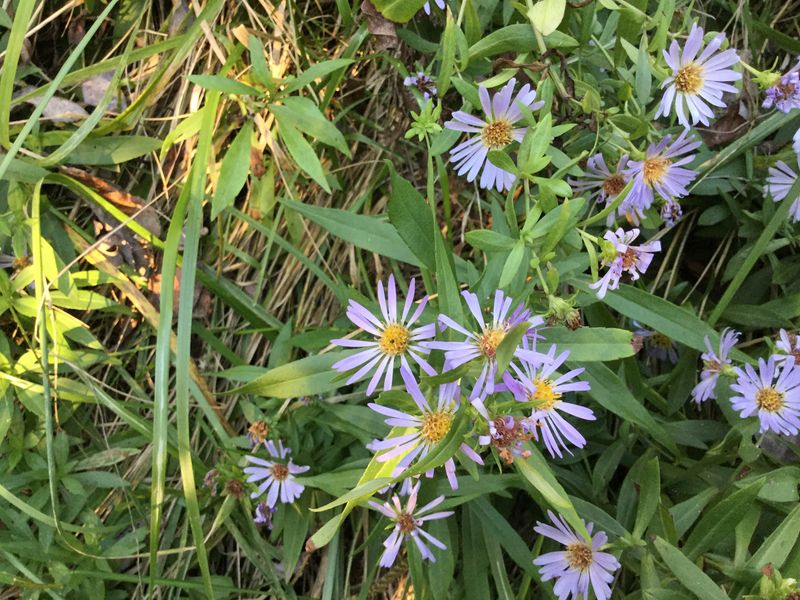
Choosing plants that belong to your region makes gardening much easier. This aster grew here long before fancy garden centers existed. That local history means it already knows how to thrive.
Native gardens help the land in ways many people forget. They support local birds, bees, and small creatures that depend on familiar plants. Adding this aster gives your yard a natural boost.
Because it belongs here, it does not need heavy care. You will not spend hours fussing over it or fixing problems. It simply grows the way nature intended.
Many gardeners feel proud when they plant natives. It connects their yard to the wild spaces around Oregon. That link makes the garden feel more real and rooted.
Water use drops too when you pick native flowers. They handle local weather without extra help from you. That saves both effort and resources over time.
Your Oregon Garden Changes Every Week. Your Plan Should Too.
Gardening in Oregon changes quickly throughout the season. Every Friday you’ll receive a simple weekly plan showing exactly what to plant, prune, fertilize, harvest, and protect so you never miss the right timing.
This aster blends right in with other regional plants. It looks like it has always been there because, in a sense, it has. That natural fit is hard to fake with imported species.
For folks building a native-friendly space, it is an easy win. It checks every box without asking much in return. Your garden ends up healthier, prettier, and more welcoming to wildlife.
Few plants match the region as smoothly as this one does.
3. Its Purple Flowers Arrive When Summer Blooms Fade
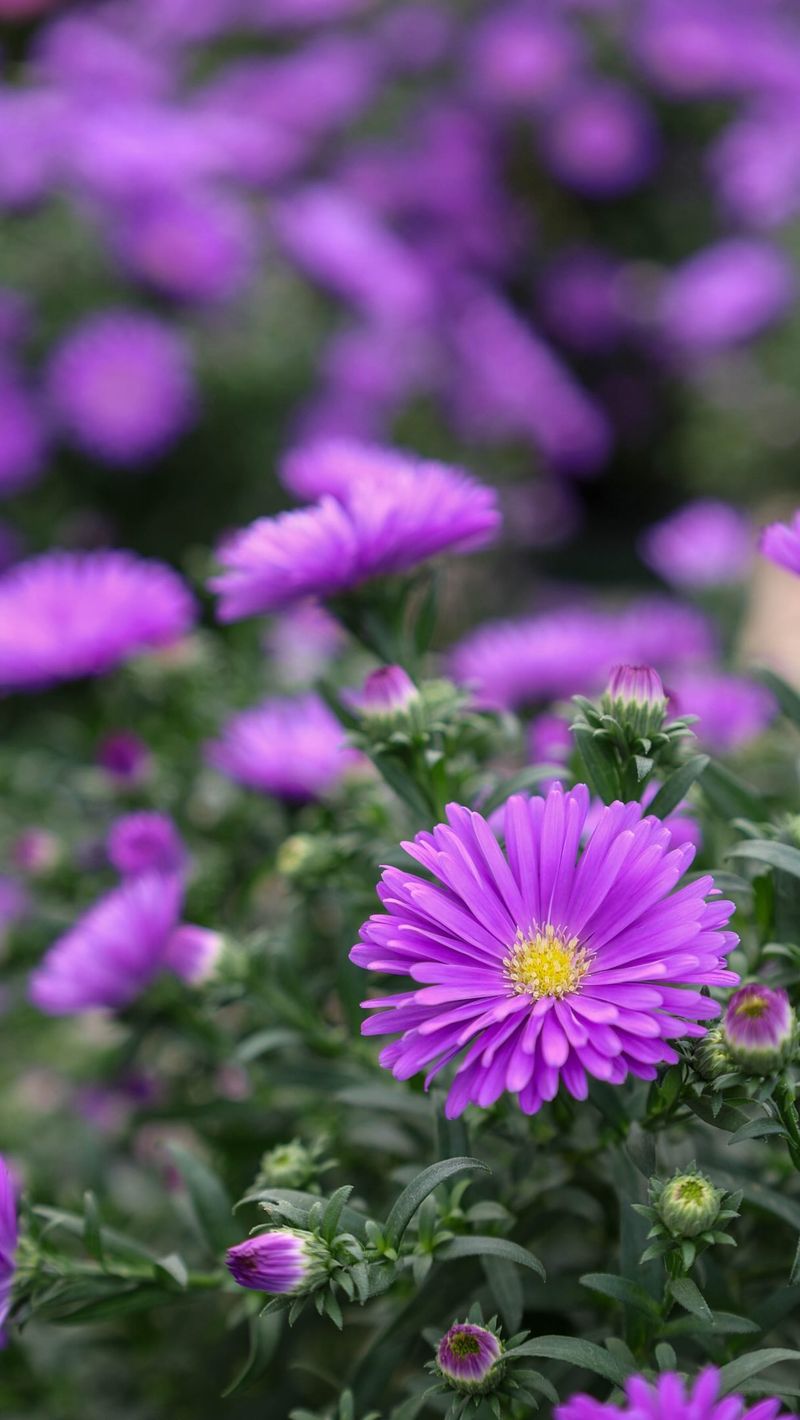
Timing is everything in a garden, and this plant nails it. As summer flowers wilt and drop, its purple buds begin to open. That handoff keeps your yard from looking bare.
Late summer can be a tricky stretch for color. Many favorites have already peaked and started fading. A fresh wave of purple fills that awkward gap perfectly.
The blooms do not rush all at once either. They open slowly over several weeks. That steady pace stretches the display far longer than most flowers manage.
You get a natural bridge between seasons this way. Summer beauty fades on one side while fall color rises on the other. The garden never feels empty in between.
Gardeners who plan ahead love this trait. By adding this aster, they guarantee late-season interest. It removes the worry of a dull, colorless yard.
The purple shade also mixes well with autumn tones. Golden leaves and brown grasses look richer beside it. Together they create a cozy fall scene.
It feels almost like a reward for patience. After summer flowers finish, this one quietly takes over. That surprise burst of color lifts the whole space.
For a garden that flows smoothly through the year, this bloom is a must. It keeps beauty going when other plants call it quits.
4. Pollinators Can Still Find Food In Fall
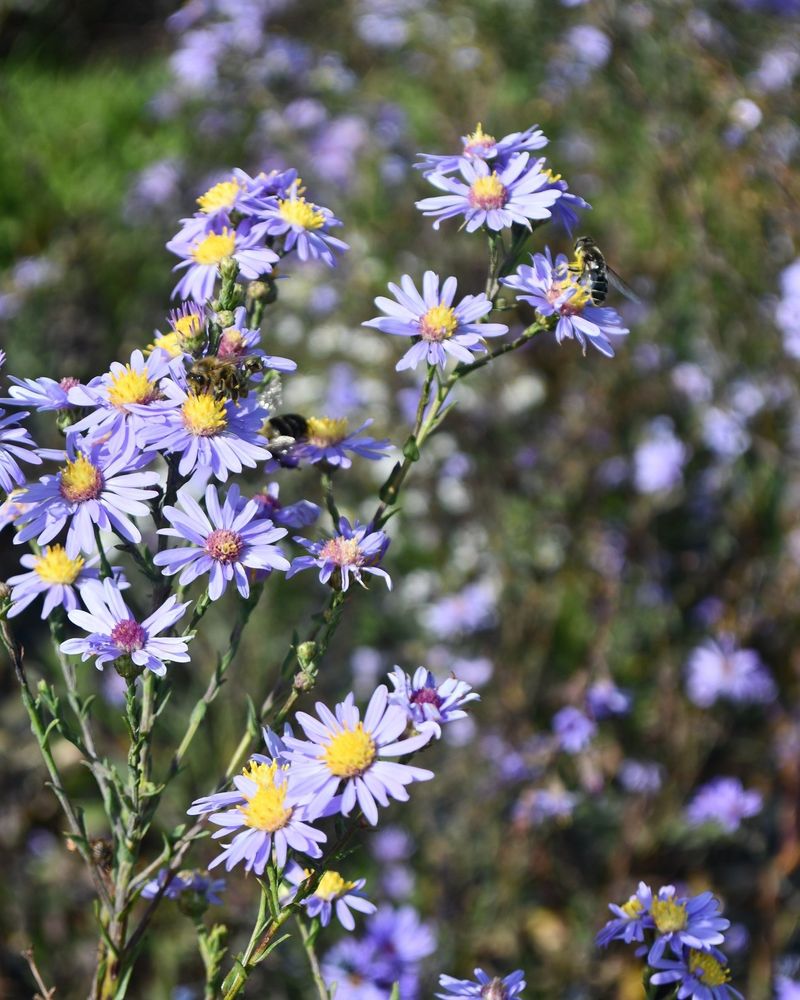
Bees and butterflies work hard right up until cold weather. Late in the year, food gets scarce for them. This aster becomes a lifeline when few flowers remain.
The tiny blooms hold nectar and pollen that insects crave. When most plants stop offering meals, this one keeps serving. That makes it a busy stop for hungry visitors.
Watch a patch on a sunny fall day. You will spot bees moving from flower to flower. Butterflies often join in, adding their own flutter of color.
Supporting these creatures matters more than people realize. Pollinators help fruits, seeds, and other plants grow. By feeding them late, you help the whole local web.
Native bees especially rely on plants like this. They evolved alongside it and trust it as a food source. Giving them this flower keeps their numbers strong.
The activity also makes gardening more fun. A humming, buzzing patch feels alive and joyful. It turns your yard into a little nature show.
Children often love watching the visitors too. It teaches them how important small insects really are. That lesson sticks better than any book.
For anyone who cares about wildlife, this reason alone is enough. Late-season food is rare and valuable. This bloom provides it just when the garden’s helpers need it most.
5. It Handles Moist Oregon Growing Conditions
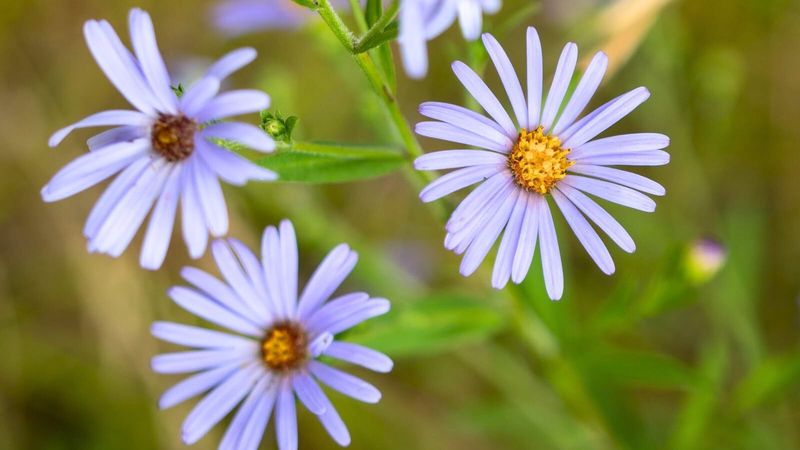
Oregon weather brings plenty of rain, and this plant loves it. Damp soil that troubles other flowers suits this aster just fine. That makes it a smart pick for wetter yards.
Many garden plants struggle in soggy ground. Their roots suffer when water lingers too long. This native shrugs off that challenge with ease.
It grows well near streams, low spots, or rain gardens. Those tricky areas often stay empty because few plants thrive there. This aster fills them with life and color.
You do not need perfect soil to grow it. Even heavy, damp ground works well enough. That flexibility saves you from expensive fixes.
During rainy Oregon falls, it keeps standing strong. While other flowers flop or fade, this one holds up. Wet weather barely slows it down.
Gardeners in damp regions really appreciate this trait. It solves a common problem with almost no effort. Plant it in the moist spot and let it settle in.
It still needs some sun to bloom its best. A mix of moisture and light keeps it happy. Find that balance and it rewards you generously.
For yards that see a lot of rain, this flower is a natural match. It turns a soggy corner into a bright, blooming feature. Few plants handle Oregon’s wet side so gracefully.
6. Plant It Where It Can Spread Naturally
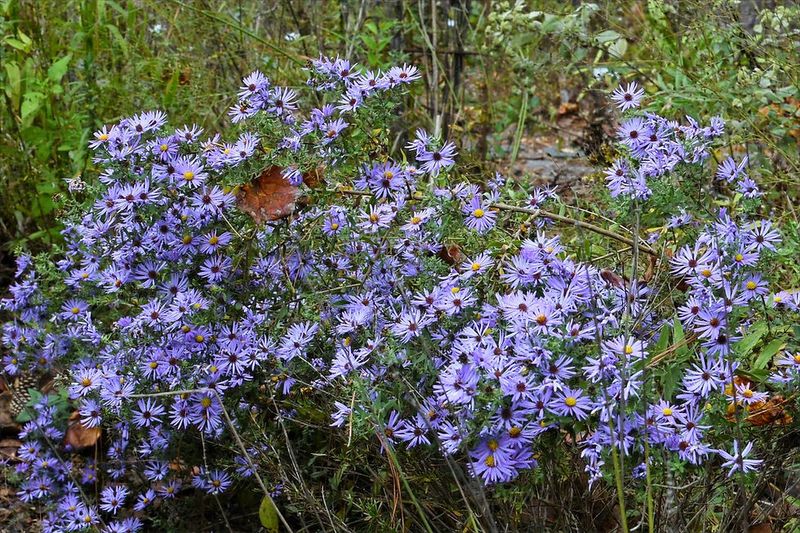
Give this aster room and it will fill the space happily. It likes to spread and form wide, leafy patches. Knowing that helps you plant it in the right spot.
A crowded flower bed may not suit it well. It can crowd out smaller neighbors over time. Open areas let it grow the way it wants.
Meadow-style gardens are a perfect home for it. There it can roam freely and create a natural look. The spreading habit becomes a feature, not a problem.
You can also use it to fill empty ground. Bare spots vanish as the plant reaches outward. That coverage cuts down on weeds too.
Plan for its growth before you plant. Leave space on all sides so it can stretch. A little foresight keeps your garden balanced.
If you want it controlled, edging helps a lot. A border or path can guide where it goes. That way you enjoy the spread without losing order.
Many gardeners let it wander on purpose. The wild, full look feels relaxed and natural. It suits informal yards beautifully.
Once settled, it needs little help to keep going. Each year it returns and grows a bit wider. That steady spread rewards patient gardeners.
For a low-effort plant that fills space with color, this one delivers. Just give it room and let nature do the rest.
7. Cutting Back Too Early Removes Late Flowers
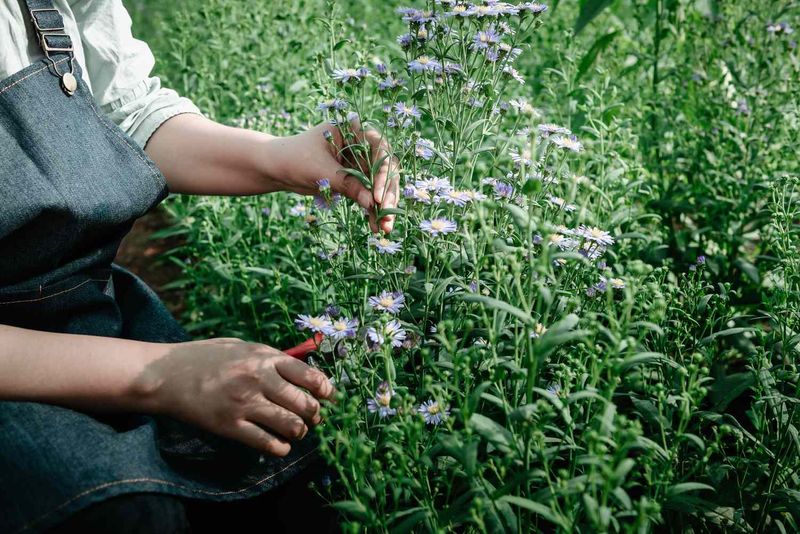
Eager trimming can cost you the best part of the show. Cutting this aster too soon snips off its late blooms. Patience keeps the color coming.
Some gardeners tidy up in late summer out of habit. But that is exactly when this plant gears up to flower. Trimming then removes the buds you waited for.
The smart move is to wait until blooming ends. Let the flowers finish their full run first. Then you can cut back without losing anything.
Fall is the plant’s time to shine, after all. Rushing the shears works against that natural rhythm. A little restraint pays off with weeks of purple.
You can even leave stems standing through winter. They give shelter to insects during cold months. Wildlife often uses the dry stalks for cover.
Seed heads left behind feed birds too. Finches and others pick at them when food is scarce. That extra benefit rewards a hands-off approach.
Come early spring, then trim the old growth. Fresh shoots will rise once the weather warms. That timing keeps the plant strong and neat.
Learning when to cut makes a big difference. Too early and you lose the display. Wait it out and you enjoy the full autumn payoff.
Good timing turns simple care into a healthier, showier plant.
8. It Works Well Beside Other Native Plants
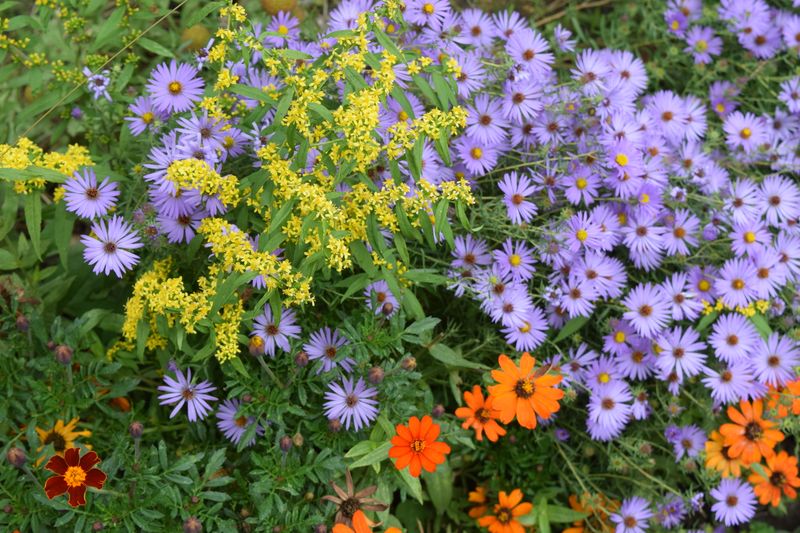
Pairing this aster with fellow natives creates a stunning mix. Its purple blooms pop next to golden and green companions. Together they build a rich, layered look.
Goldenrod makes a classic partner in fall gardens. The bright yellow beside soft purple looks striking. That color contrast draws the eye every time.
Native grasses add texture around the aster too. Their slender blades sway and frame the flowers nicely. The combo feels natural and relaxed.
Grouping natives helps wildlife even more. A cluster of familiar plants offers plenty of food and shelter. Bees and birds visit such spots eagerly.
These plants also share similar needs. They enjoy the same soil, water, and light. That match makes the whole bed easy to care for.
You can mix heights for a fuller effect. Tall grasses behind, aster in the middle, shorter blooms in front. Layers like that give the garden depth.
The look feels like a slice of wild Oregon. It reminds visitors of open meadows and quiet trails. That natural charm is hard to beat.
Planning companions ahead of time helps a lot. Think about color, size, and bloom time together. A little planning creates a garden that flows.
For a native bed that stays beautiful into fall, this aster anchors it well. Surrounded by the right friends, it truly shines.