8 Smart Ways To Use Elderberries While They’re Still Ripe On Tennessee Hedgerows
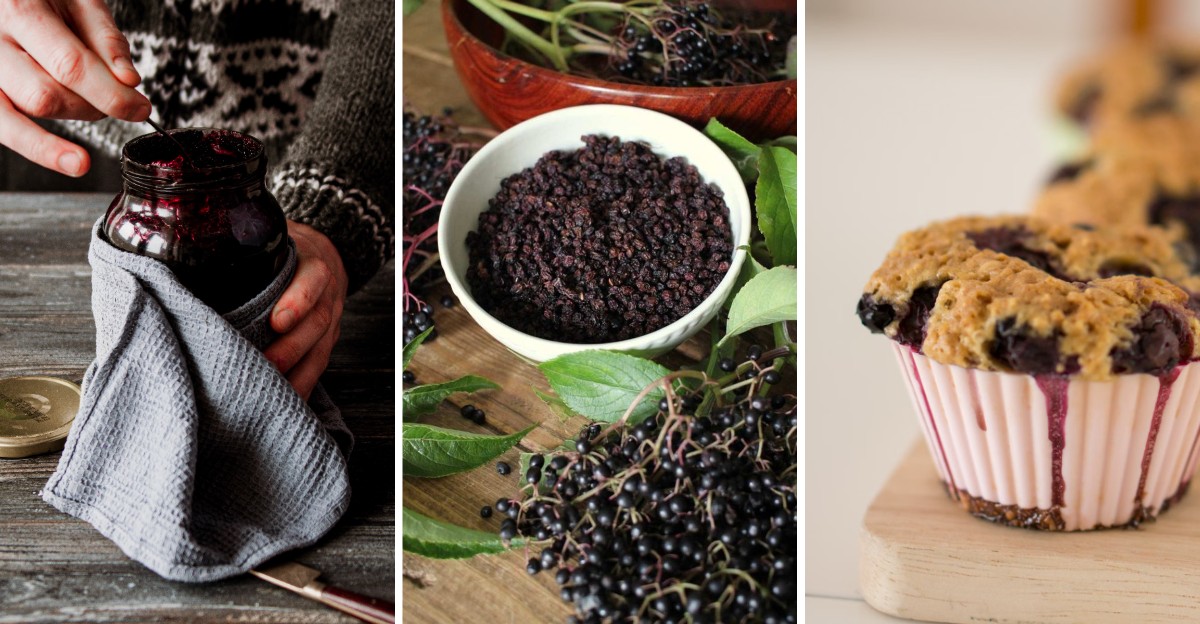
Wild elderberry bushes crowd your Tennessee fence lines by midsummer. Purple-black clusters swell flat and heavy right before your eyes. Sweetness thickens the humid air pressing against your skin.
Birds notice the sudden shift before you even step outside today. You feel the pull toward those heavy, drooping branches. Clusters brush against your sleeve the moment you walk closer.
Juice stains your fingers, sleeves, and bucket handles within minutes. Tennessee summers build your fruit slowly, then release it suddenly. Weeks, not entire months, separate your fruit from wasted opportunity.
Flocks strip your branches clean fast before careless pickers arrive. Timing decides whether you or the birds claim this harvest. Old clothes matter far more than you probably think right now.
Buckets fill up faster than you expect once picking begins. This fruit rewards your speed, sharp attention, and quick decisions. Missing this narrow window costs you far too much good fruit.
1. Simmer A Small-Batch Syrup For The Cold Months
Syrup is the reason many Tennessee families start watching hedgerows in the first place. It stores well, tastes rich, and turns a free harvest into something genuinely useful.
Start by stripping berries from the stems with a fork, working over a big bowl. The green stems carry compounds you do not want in your pot, so take your time here.
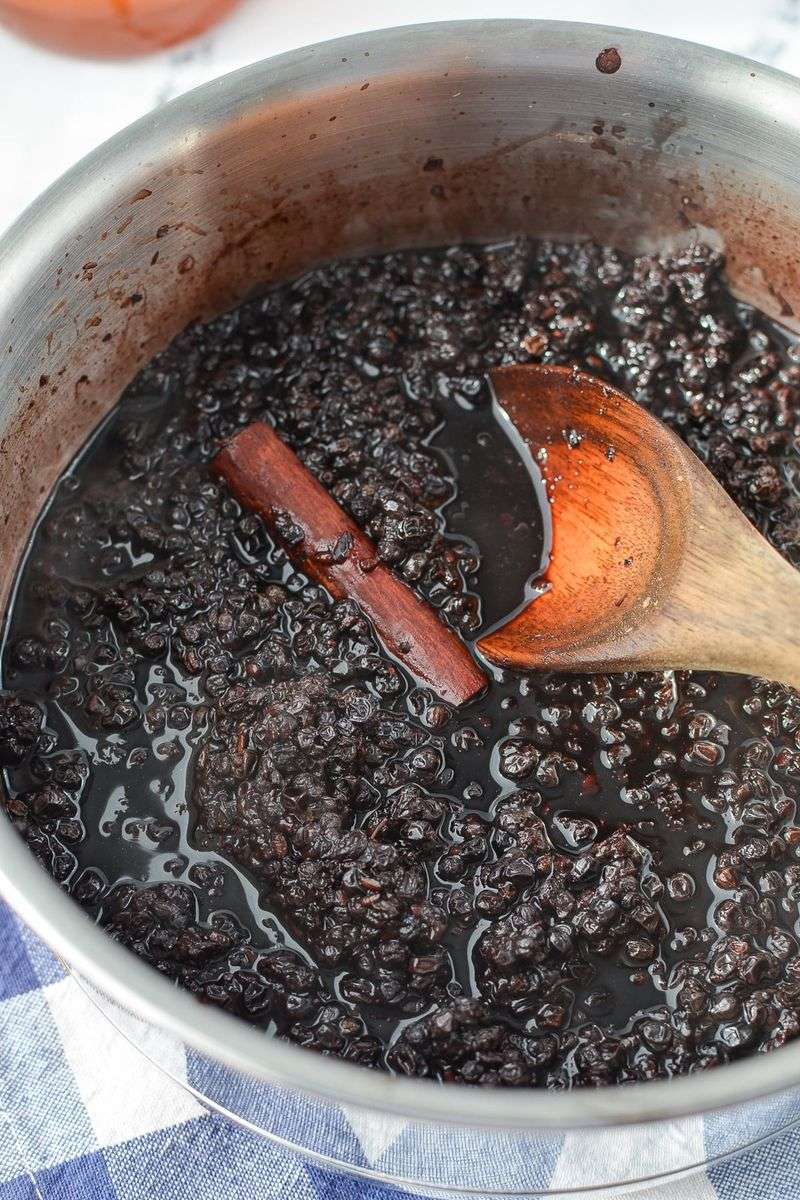
Cover the cleaned berries with water, roughly two cups of liquid for each cup of fruit. Bring it to a gentle boil, then drop the heat and let it bubble softly for about 45 minutes.
The kitchen will smell earthy and slightly wine-like while it reduces. Mash the berries against the side of the pot now and then to release more juice.
Strain through a fine mesh sieve or cheesecloth, pressing gently. Let the liquid cool until it is just warm, then stir in raw honey at about a one-to-one ratio.
Adding honey to boiling liquid wastes its better qualities, so patience pays off. A cinnamon stick or a few cloves during simmering adds warmth without overpowering the fruit.
Bottle it in sterilized glass jars and keep it refrigerated, where it holds for two to three months. Freezing portions in ice cube trays stretches the batch much further.
Elderberry syrup has been made in Appalachian kitchens for generations, long before it showed up in pharmacy aisles. Yours will taste better and cost a fraction of the store version.
2. Freeze Whole Clusters Now, Sort Later
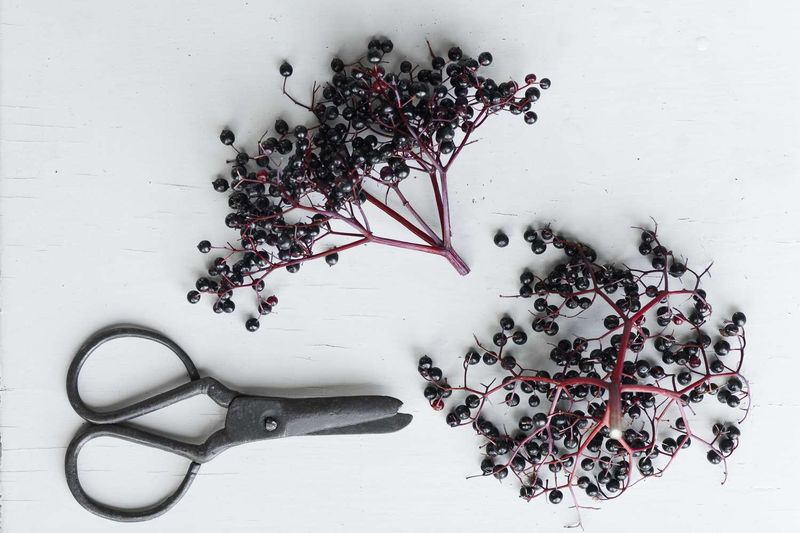
Here is a shortcut most guides leave out. Stripping fresh elderberries from their tiny stems is slow, sticky work. Freeze the clusters whole instead. Lay them flat on a baking sheet, slide it into the freezer, and walk away.
Once frozen solid, the berries pop off the stems with almost no effort. A gentle rub between your palms or a quick shake in a bag knocks them loose in seconds.
Tennessee September weather can turn hot fast, and ripe fruit does not wait around. Freezing buys you weeks of breathing room when the harvest comes in all at once.
Your Tennessee Garden Changes Every Week. Your Plan Should Too.
Gardening in Tennessee changes quickly throughout the season. Every Friday you’ll receive a simple weekly plan showing exactly what to plant, prune, fertilize, harvest, and protect so you never miss the right timing.
Store the sorted berries in freezer bags, pressing out extra air before sealing. Label each bag with the date and the spot where you picked, since different hedgerows ripen at different speeds.
Frozen elderberries keep their quality for about a year. They work in syrup, jam, baked goods, and wine without any noticeable loss.
Freezing also breaks down cell walls slightly, which means the fruit releases juice more readily later. Some home cooks swear their syrup yields more from frozen berries than fresh ones.
Keep a dedicated bin in the freezer for foraged fruit so nothing gets buried behind last year’s casseroles. A quick inventory note taped to the door helps too. Come January, you will be glad you took the lazy route in September.
3. Cook Down A Deep Purple Jam
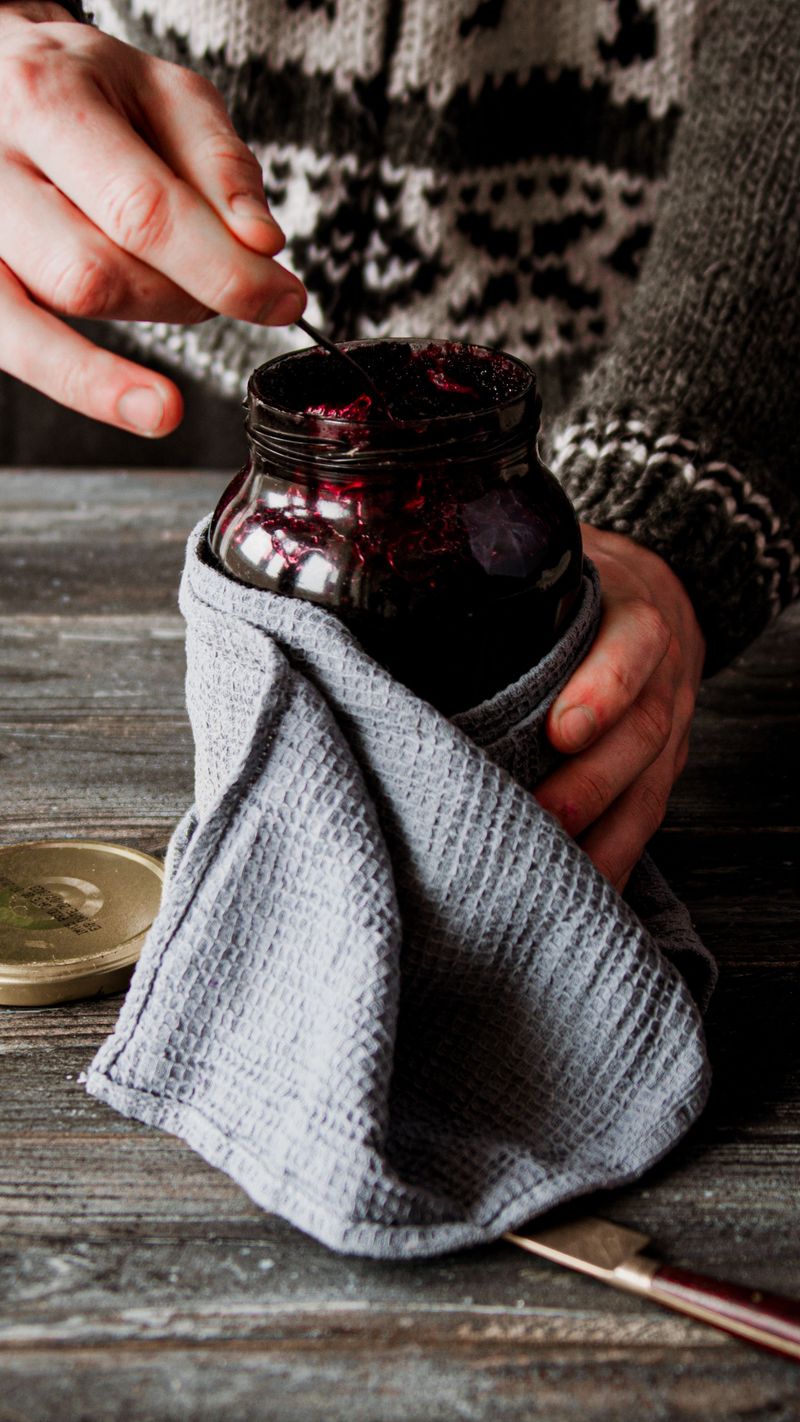
Spread elderberry jam on a warm biscuit and you will understand why old Tennessee cookbooks kept the recipe front and center. The flavor sits somewhere between blackberry and plum, with a little woodsy edge.
Elderberries run low in pectin, so straight jam can end up soupy. Mixing in apples, crabapples, or a commercial pectin fixes that neatly.
A common approach uses four cups of destemmed berries, one cup of chopped tart apple, three cups of sugar, and a good squeeze of lemon juice. The acid brightens the flavor and helps the set.
Simmer everything together, stirring often so the bottom does not scorch. Skim any foam that rises to the top for a clearer finished jam.
Test for doneness by dropping a spoonful on a chilled plate. If it wrinkles when you nudge it, you are there.
Ladle into sterilized jars, leaving a quarter inch of headspace, then process in a boiling water bath for ten minutes. Listen for the satisfying pop of lids sealing as they cool.
Some folks blend elderberries with blackberries picked from the same fence row for a jam with more body. Others toss in a split vanilla bean for something a little fancier.
Homemade jars make excellent gifts around the holidays, especially with a handwritten label noting where the fruit came from. People appreciate knowing their breakfast started on a country roadside.
4. Dry Berries For Tea Blends And Winter Storage
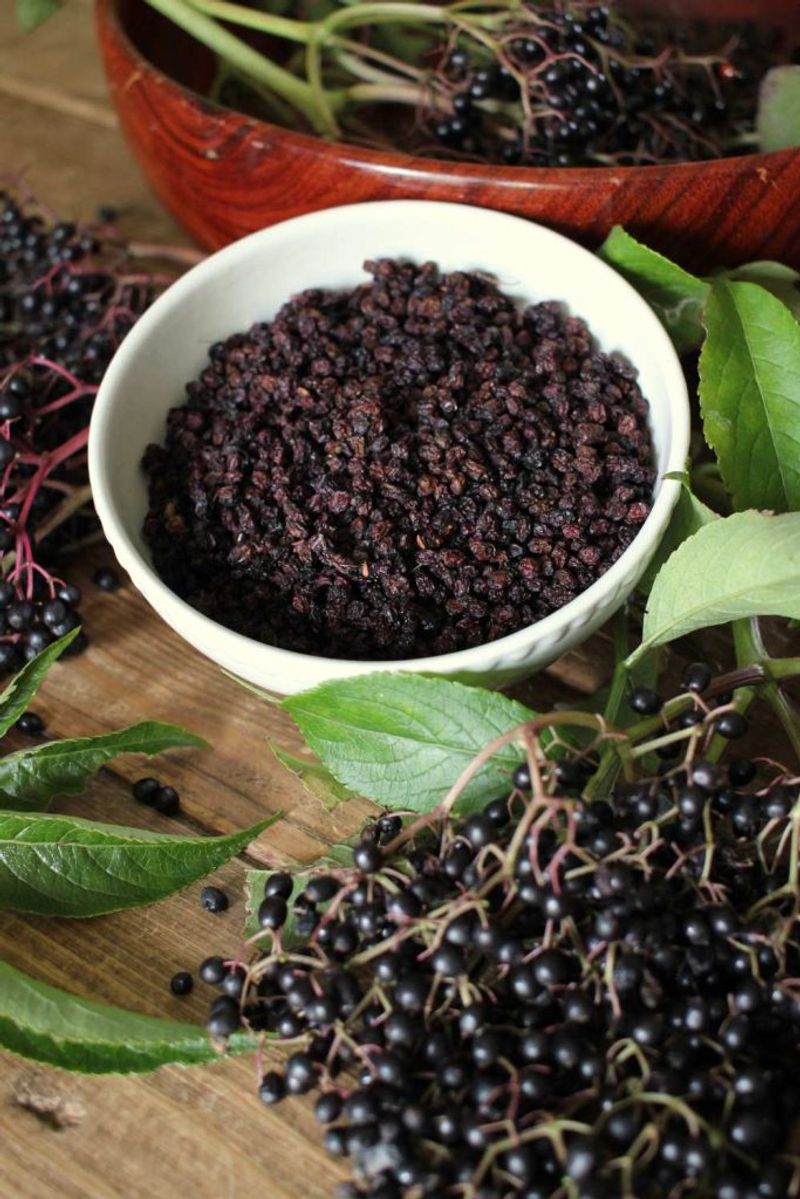
Drying takes up the least space of any preservation method, which matters when your freezer is already packed. A quart jar of dried elderberries weighs almost nothing and sits happily on a pantry shelf for a year or more.
A dehydrator set around 135 degrees handles the job in eight to twelve hours. Spread destemmed berries in a single layer so air moves freely around them.
No dehydrator? An oven on its lowest setting with the door cracked open works, though it takes watching. Screen trays on a covered porch also do the trick during dry September stretches.
Finished berries should feel hard and rattle like tiny beads. Any softness means moisture remains, and moisture invites mold in storage.
Let them cool fully before jarring, then check the jar after a few days for condensation. If you see any, spread them back out for another round.
Dried elderberries shine in tea blends. Combine a tablespoon with rose hips, dried ginger, orange peel, and a cinnamon stick, then steep in hot water for fifteen minutes.
The resulting cup tastes tart and warming, perfect for a cold Tennessee morning. Sweeten with local honey if the tartness surprises you.
Dried berries also rehydrate well for syrup making, which means you can produce fresh batches in February. Use about one part dried to three parts water and simmer as usual.
5. Start A Batch Of Country Elderberry Wine
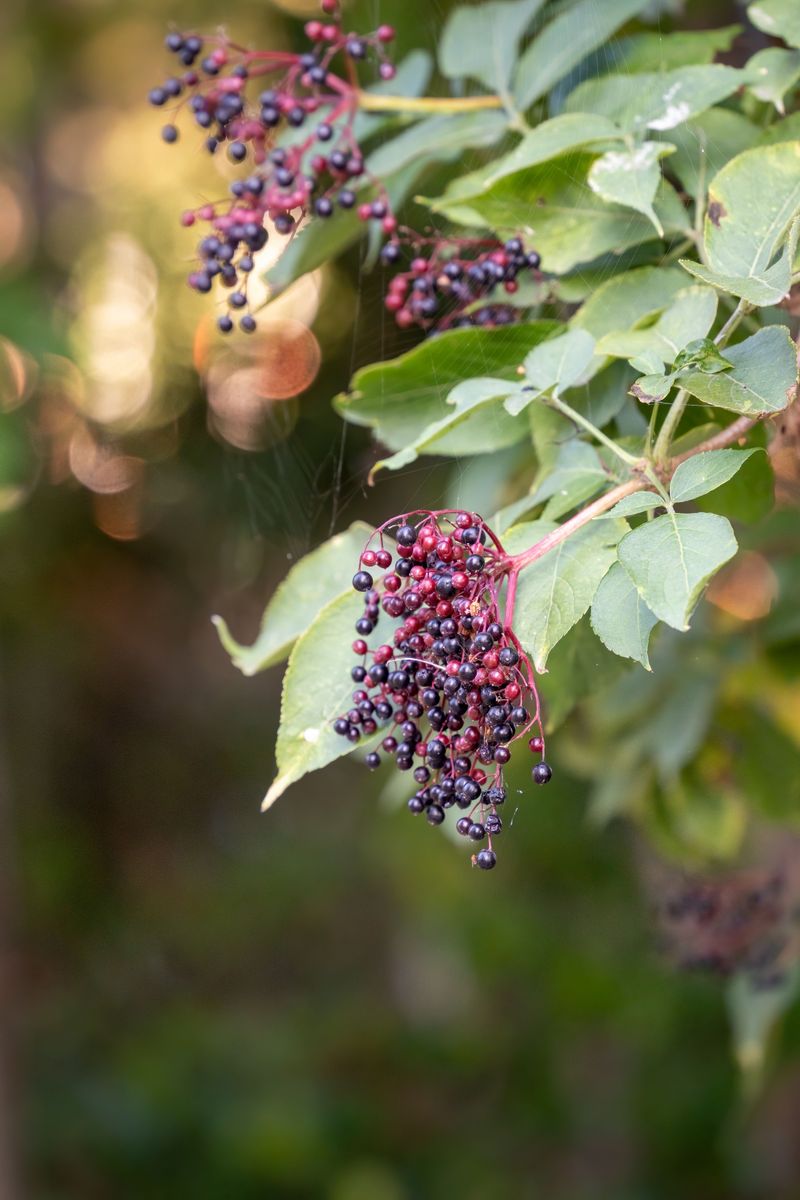
Elderberry wine has a long history in the hills, often made in five gallon crocks tucked behind the kitchen door. The finished product pours a deep ruby color and tastes closer to a dry red than most fruit wines.
Roughly three pounds of berries per gallon gives good color and body. Crush them, cover with hot water, and add sugar to reach the gravity your recipe calls for.
Campden tablets clean up wild yeast before you pitch your own. Wait twenty four hours, then add wine yeast and let the primary fermentation run for about a week in a covered bucket.
Stir daily and press the floating fruit cap back under the liquid. The smell during this stage is bready and fruity all at once.
Strain into a glass carboy fitted with an airlock for secondary fermentation. Patience matters here, since elderberry wine improves dramatically after six months to a year of aging.
Tannins in the fruit can make young wine taste harsh. Time smooths those rough edges out beautifully. Rack the wine off its sediment every couple of months for clarity. Bottle when fermentation has clearly stopped and the liquid runs clear.
Tennessee home winemakers often blend elderberry with a bit of blackberry or apple juice to soften the profile. A half cup of raisins per gallon adds body too. Label your bottles with the harvest date and hedgerow location for a nice personal touch.
6. Infuse Vinegar For Salads And Shrubs
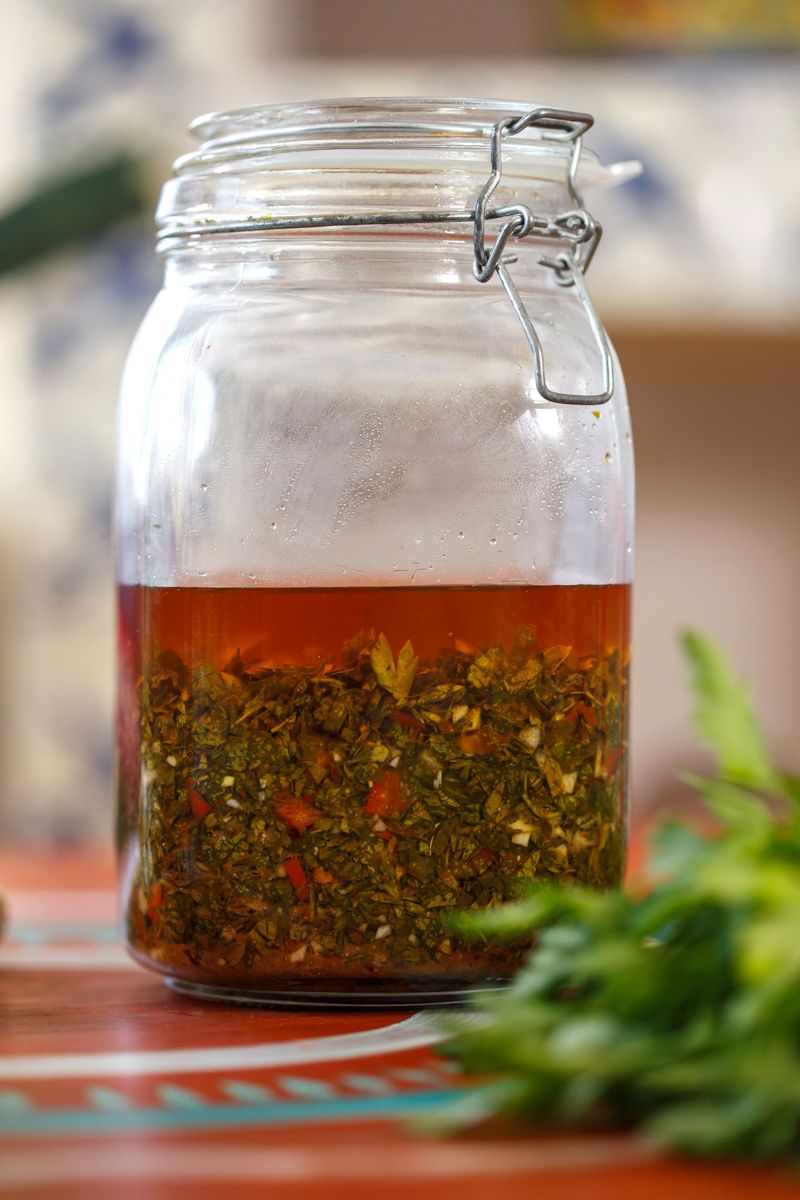
Vinegar might be the most underrated use for a hedgerow harvest. It requires no cooking, no canner, and almost no skill.
Pack a clean jar about half full with destemmed berries, then pour apple cider vinegar over them until submerged. Cap with a plastic lid, since metal corrodes, and set it in a cool cabinet.
Shake the jar every day or two for two to four weeks. The vinegar turns a gorgeous garnet color as it pulls flavor from the fruit. Strain out the solids and bottle the liquid. Kept in a dark spot, it stays good for several months.
Whisked with olive oil, a spoonful of mustard, and a pinch of salt, it makes a vinaigrette that wakes up a plate of autumn greens. Drizzle it over roasted sweet potatoes or a pork chop too.
The same infusion forms the base of a shrub, which is an old-fashioned drinking vinegar. Mix equal parts infused vinegar and sugar, heat gently until dissolved, then chill.
Add a splash to sparkling water for a tart, refreshing soda alternative. Bartenders use shrubs in cocktails for the same reason.
Colonial households kept shrubs around because vinegar preserved fruit flavor without refrigeration. The practice faded, then regained popularity with home beverage makers. Your hedgerow berries are doing something fashionable and thrifty at the same time.
7. Bake Berries Into Pies, Muffins, And Crumbles
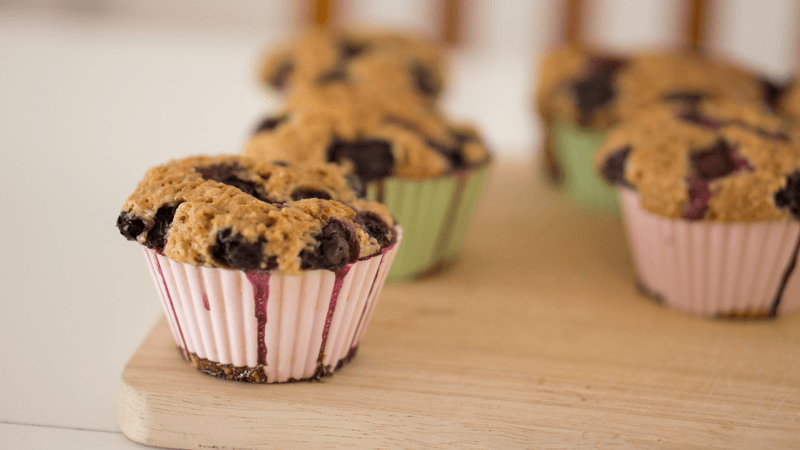
Ask anyone who grew up near a Tennessee fence line about elderberry pie and watch their face change. Cooked into a pastry with sugar and a little lemon, these berries taste rich and slightly musky in the best way.
Raw elderberries, along with their seeds, stems, and leaves, contain compounds that can cause nausea and stomach upset, so cooking them fully is essential, not optional. Baking handles that thoroughly.
For pie, combine four cups of destemmed berries with three quarters cup of sugar, a quarter cup of flour or tapioca, and a tablespoon of lemon juice. The starch matters because these berries release a lot of juice.
Many bakers cut elderberries with apples or blackberries at about a two-to-one ratio. The blend tames the intensity and adds structure to the filling.
Muffins take about a cup of berries folded into standard batter at the last moment. Toss them in a spoonful of flour first so they do not sink to the bottom.
A crumble is the easiest option of all. Spread sweetened berries in a baking dish, top with oats, brown sugar, flour, and butter rubbed together, then bake until bubbling.
Serve it warm with vanilla ice cream melting into the purple juice. That contrast is worth the sticky fingers from picking. Leftover baked goods freeze well, so a big September baking day pays dividends through the fall.
8. Save Cuttings To Grow Your Own Patch
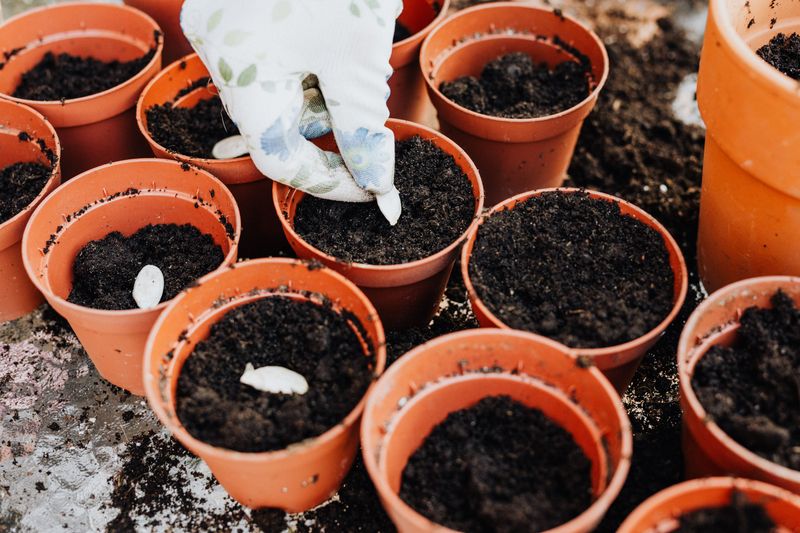
Foragers who plan ahead often think one season in advance. While you are standing at that productive hedgerow with a full bucket, look at the canes themselves.
Elderberry roots easily from hardwood cuttings, which makes propagation nearly free. Take pencil-thick pieces about eight to ten inches long, each with several bud nodes.
Late fall through winter dormancy is the standard timing, but September is when you mark the plants worth copying. Tie a ribbon on the bushes producing the biggest, sweetest clusters.
Always ask permission before cutting on property that is not yours. Most landowners say yes when you offer a jar of syrup in return.
Stick cuttings in damp potting mix or even a jar of water on a windowsill. Roots typically appear within a few weeks, and you will have transplants ready by spring.
Planted in a sunny spot with decent moisture, young elderberries can fruit by their second or third year. Give them room, because mature bushes spread eight to twelve feet wide.
Two different varieties planted near each other improve pollination and increase yields noticeably. Tennessee gardeners often pair a wild-collected plant with a named cultivar like Adams or York.
Having your own patch means no more racing birds down a county road. It also means cleaner fruit, since roadside plants collect dust and whatever drifts off passing traffic. One afternoon of cuttings can supply your kitchen for decades.