American Goldfinches Used To Stop In Georgia Yards Every Summer (Here Is What Brings Them Back)
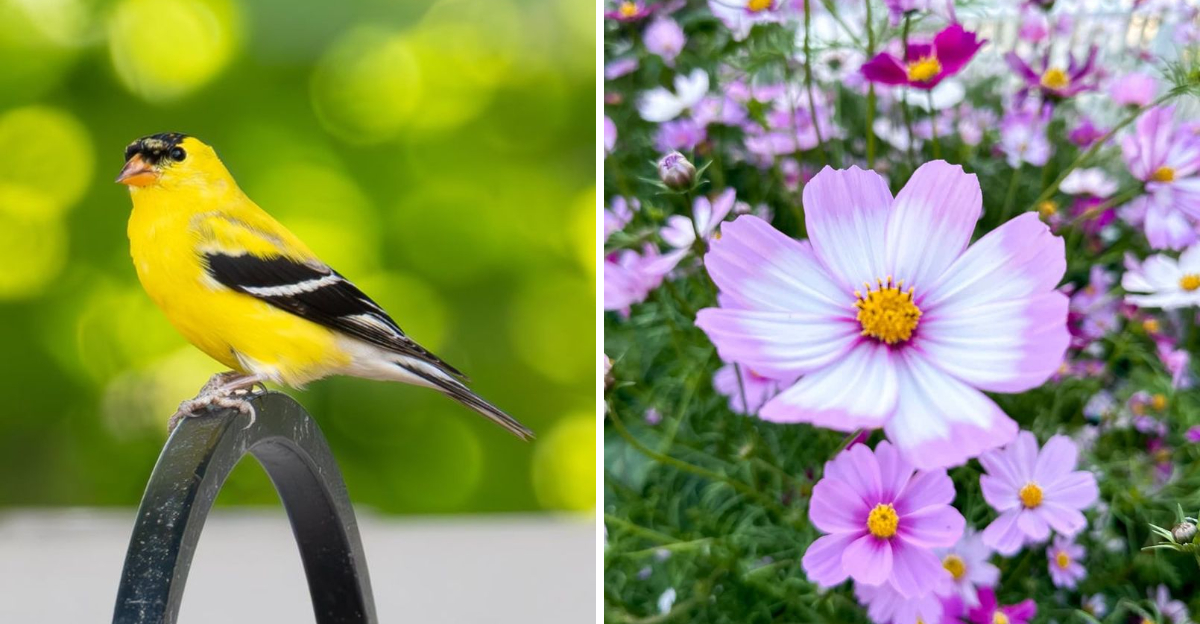
You used to see them every summer.
Bright yellow, hanging sideways off a stem, working through a dried flower head. Then a soft call and off to the next one.
Now the yard is quieter, and it’s easy to assume the birds left the neighborhood.
They probably didn’t.
Here’s what usually changed. Goldfinches eat seed almost exclusively, and they get most of it from standing plants rather than feeders.
A yard with tidy beds and no dried flower heads has nothing they want.
So the fix isn’t buying more feeders. It’s leaving something up long enough to produce what they’re looking for.
That means a small shift in one gardening habit, plus a handful of plants that reward the delay.
Curious what brings them back?
1. Plant Purple Coneflower For Reliable Visits
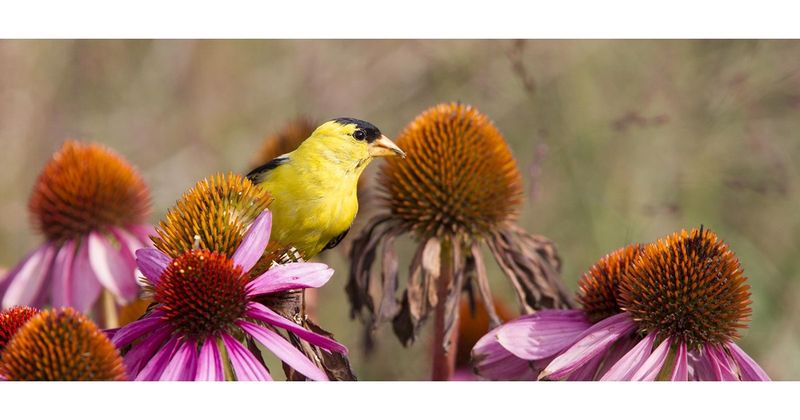
One old seed head works like a dinner bell in a Georgia yard. Purple coneflower appears on lists of plants that attract American goldfinches for a straightforward reason.
The birds come for the seeds rather than the blooms. Timing is everything with this plant.
Those pink-purple flowers look good in summer, and their real value shows up afterward. Once petals fade, the spiky center dries into a seed-packed head.
Goldfinches feed heavily on seeds from standing plants. That habit is well documented and consistent across their range.
For best results, plant coneflowers in a sunny spot with decent drainage. Let several seed heads stay in place through late summer.
Leaving every stem forever isn’t necessary. Resisting the urge to cut them back right after blooming is the actual requirement.
A clump near a patio or mailbox works better than one tucked far away. You’ll see the birds arrive rather than missing them.
Their soft calls and sideways feeding style are easy to overlook from a distance. Proximity matters for enjoyment.
Coneflower also reseeds where conditions suit it. Volunteers fill gaps without any effort on your part.
Bringing goldfinches back involves less purchasing than most people assume. Leaving the pantry open a little longer accomplishes more.
2. Let Zinnias Go To Seed
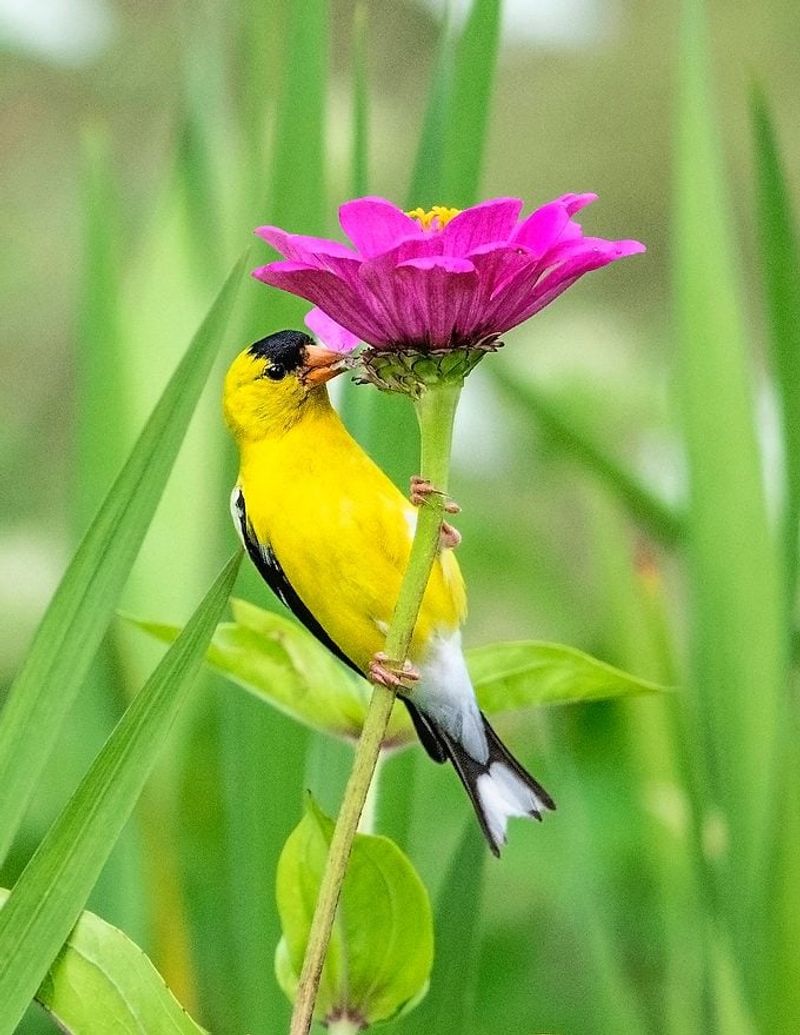
Zinnias force a choice between neat beds and productive ones. They appear on goldfinch-friendly plant lists, which means fading blooms become real food if you let them stay.
The tradeoff is genuine. Trimming pushes the plant toward more flowers while skipping it leaves seed behind.
Neat rows suffer under that approach. A few drying heads bring more activity to the yard than another week of perfect color does.
One compromise works well for most Georgia homeowners. Snip spent blooms from the front of the bed and leave the back row alone entirely.
Birds don’t care about garden standards. That hidden section becomes a seed source by late summer.
Zinnias also help you notice timing patterns. Goldfinches may appear at feeders first, then stay for flowers going to seed.
Watching them cling sideways to dry stalks makes the point better than any explanation. The best bird garden isn’t always the tidiest one.
Your Georgia Garden Changes Every Week. Your Plan Should Too.
Gardening in Georgia changes quickly throughout the season. Every Friday you’ll receive a simple weekly plan showing exactly what to plant, prune, fertilize, harvest, and protect so you never miss the right timing.
Leave a few heads standing until they empty out. Cleanup can happen later once the activity slows.
Zinnias grow easily from seed in Georgia and bloom for months. That long season means seed production continues over weeks.
You still get bright summer color. You also give goldfinches a reason to stop.
3. Add Cosmos For Extra Color And Food
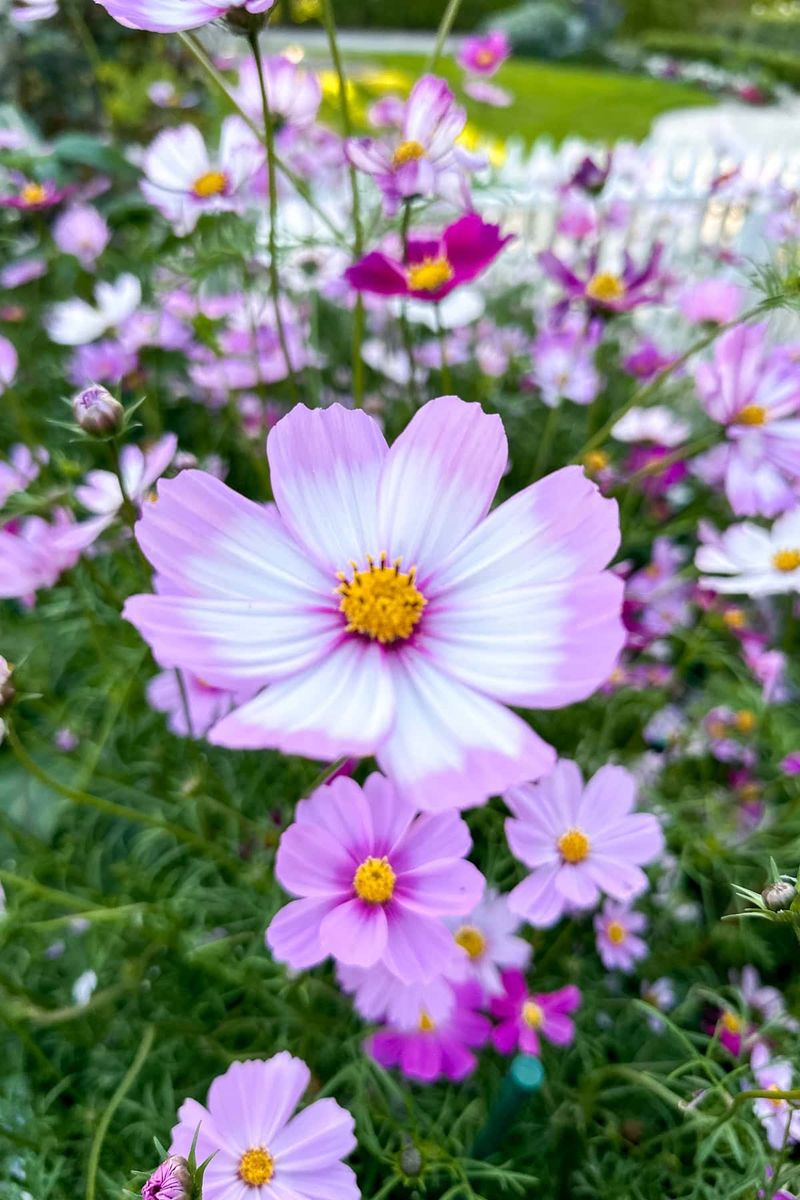
Cosmos brings cheerfulness to a yard before any birds show up. It appears among plants that attract American goldfinches, so those airy flowers do more than fill space.
Seeds follow the blooms. Those seeds match what these birds naturally seek out.
Some gardeners skip cosmos because the stems look loose and informal. That habit is actually part of the appeal.
Rather than a stiff formal border, cosmos moves in wind and later holds small seeds goldfinches pick from with quick precise bites.
A patch near a window works particularly well. The birds perch lightly and feed in short visits that are easy to miss otherwise.
Plant several together for a fuller display. Avoid cutting every spent bloom right away.
More seed heads left standing improves your odds of seeing that yellow flash across the garden.
Cosmos helps when a yard has looked empty through hot Georgia summers. Long bloom periods keep the space lively for people first.
Self-seeding happens readily too, so one planting often returns the following year.
When petals finally thin, resist pulling the plants immediately. Let them finish as a seed source.
Untidy stems won’t win any contests and they turn a corner of the yard into something active.
4. Grow Native Asters For Fall Feeding
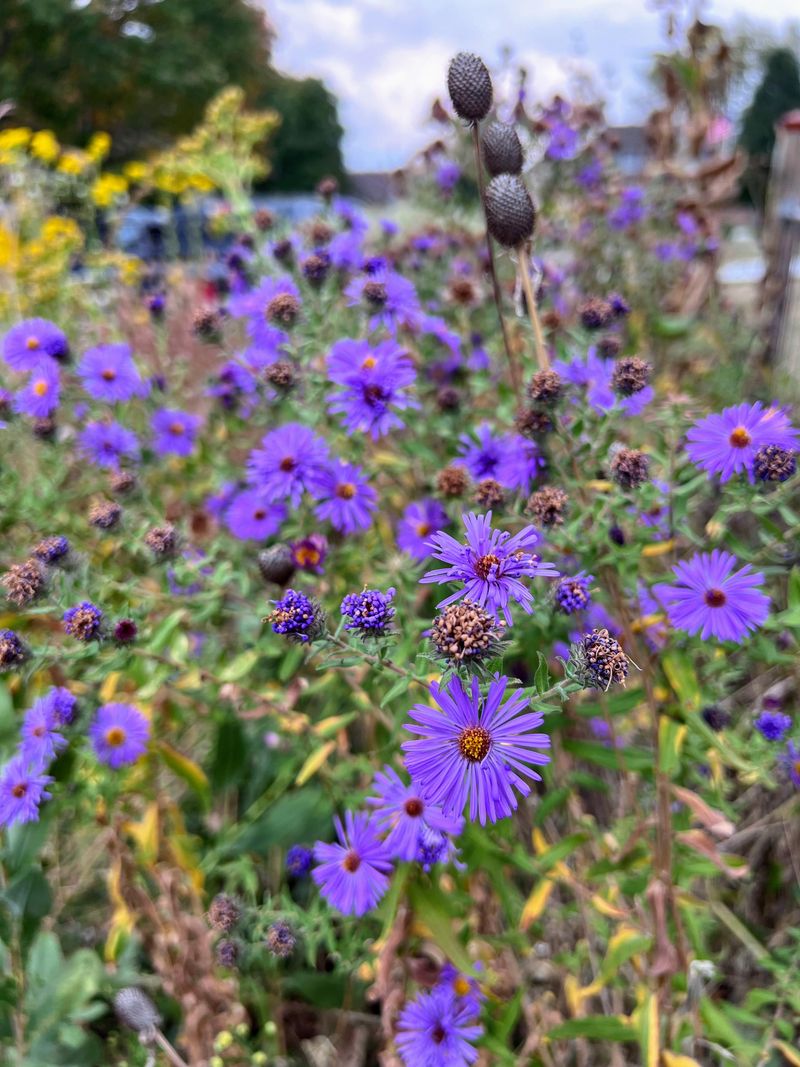
By the time summer flowers fade, asters are just beginning. That timing carries real value.
Asters appear among plants attracting American goldfinches, and their late schedule fills a genuine gap.
When other seed sources decline, asters keep a yard useful through the shift into fall. Continuity matters to birds working through a landscape.
They earn placement by extending the season rather than by demanding attention. Blooms arrive later and seeds follow.
Finches get another reason to visit when the garden would otherwise look finished. That stretch makes a difference for anyone missing late-summer bird activity.
Choose native asters when available, since they suit local conditions and support more insect life. Aromatic aster and New England aster both perform well in Georgia.
Plant them where they get sun most of the day. Once flowers pass, leave stems standing long enough for goldfinches to work the seed heads.
There’s a visual bonus alongside the practical one. Fall asters brighten a Georgia yard when summer annuals have worn out.
Cutting plants back by a third in early summer produces sturdier growth. Flopping is the common complaint otherwise.
Late-season seed may be the missing piece if goldfinches used to appear and now seem scarce.
5. Include Coreopsis For Summer Long Seeds
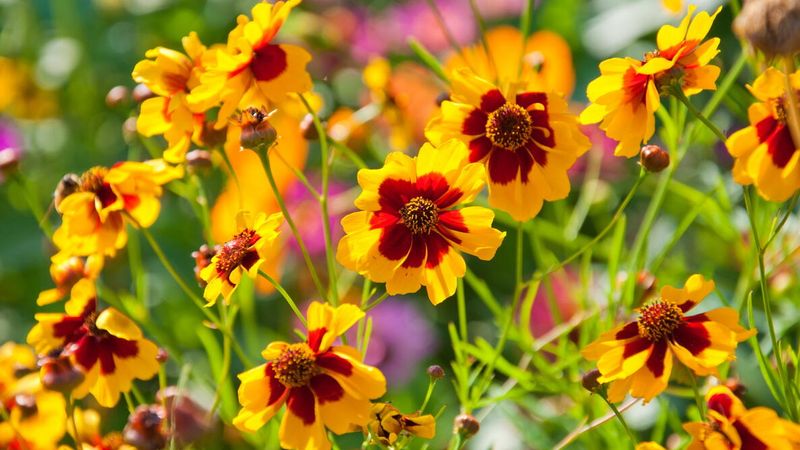
Coreopsis keeps working when other flowers take a break. It appears on goldfinch-attracting plant lists, and its long bloom season produces steady seed across much of summer.
That continuity matters in Georgia yards. Birds don’t arrive on one date and stay the same way all season.
A plant that blooms, fades, and forms more seed over time gives repeat reasons to check in. Snacks available consistently beat one large meal.
Coreopsis fits ordinary landscapes without looking unruly. Along a walkway, around a mailbox, or in a mixed sunny bed all work.
Once birds start using the dried heads, leave some stems in place. The food source disappears otherwise.
Gardeners appreciate coreopsis partly because it feels generous. Many varieties keep producing color through rough weather.
That extended performance makes supporting goldfinches easier. No landscape overhaul required.
Native lanceleaf and threadleaf coreopsis both suit Georgia conditions well. Hardiness varies more among the newer colored hybrids.
Full sun and well-drained soil cover the requirements. Excess water and rich soil both cause problems.
For a practical starting point, this plant is difficult to beat. Bright appearance for people, quiet seed production for birds.
Leave enough spent blooms and the yard stays active rather than empty.
6. Plant Milkweed For Seeds And Monarchs
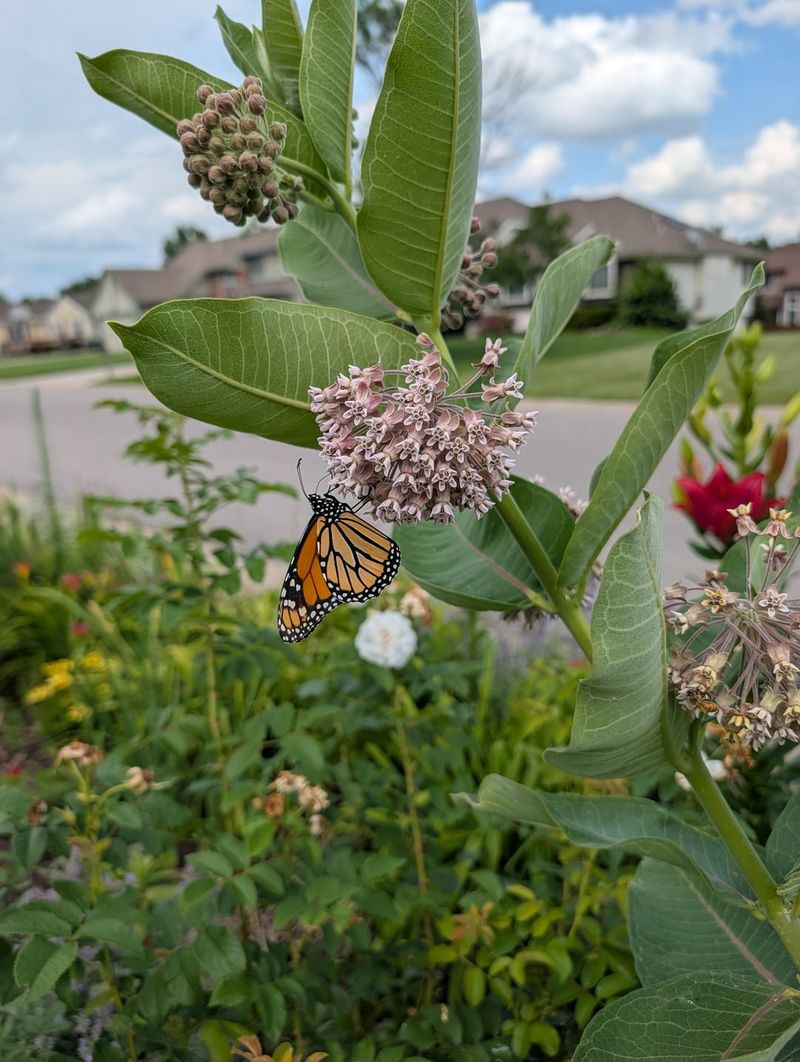
Milkweed carries a monarch reputation and helps bring goldfinches back too. It appears on lists of plants attracting American goldfinches.
Once pods mature and split, they release seed that fits these birds’ preferences. Two purposes from one plant.
That combination makes milkweed satisfying in a home landscape. Caterpillars need it early while finches benefit later.
Instead of choosing between insects and birds, one patch handles both as the season progresses.
Some people remove pods as soon as they look shaggy, assuming the plant has finished. For wildlife, that’s when the useful part starts.
Leave a portion standing in a sunny area. You may catch goldfinches picking through pods or gathering fallen seed.
Goldfinches also use milkweed fibers for nest material, which adds a third function to the same plant.
Milkweed starts conversations with neighbors wondering about the dried stalks. The patch genuinely still has work to do.
Native species suit Georgia best. Butterfly weed, common milkweed, and swamp milkweed all grow well here.
Tropical milkweed causes concerns about monarch disease and migration timing, so natives are the better choice.
Letting that final seed stage happen turns the plant into butterfly nursery and bird pantry in sequence.
7. Add Sunflowers For The Biggest Draw
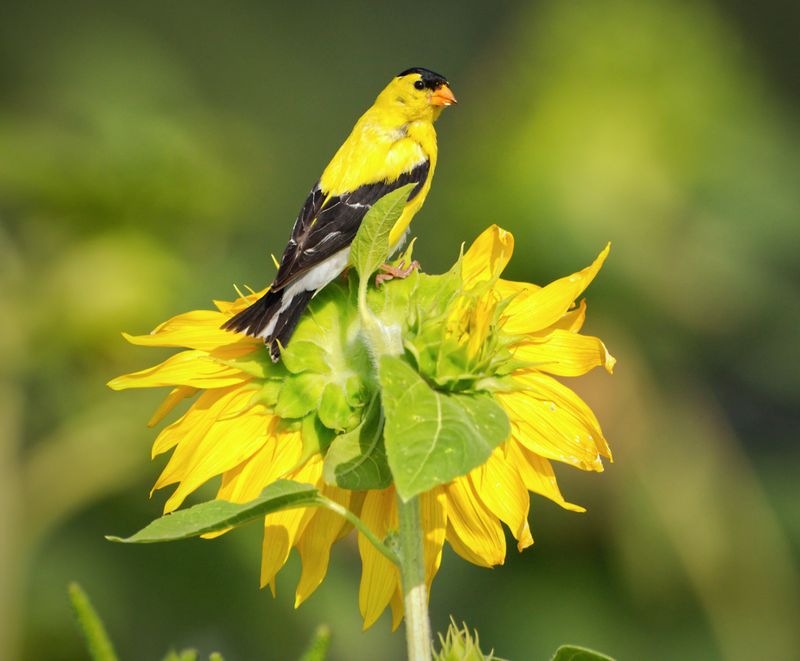
Nothing else on this list produces seed in that quantity. One head can feed birds for weeks.
Watching a goldfinch work a sunflower is worth the planting on its own. They cling to the face of the head and pick methodically.
Smaller-seeded and multi-branching types often suit them better than the giant single-stem varieties. Easier access and more heads per plant.
Leave the heads standing rather than cutting them for harvest. That’s the whole point of growing them for birds.
Stems stay sturdy well into winter, which keeps seed available above snow and rain. Structure matters as much as seed.
Full sun and decent soil handle the requirements. Georgia summers suit them well.
Plant in succession a few weeks apart for a longer supply. Seed production spreads across more of the season that way.
Volunteers appear the following year from dropped seed. Free plants where birds were feeding.
Sunflowers also draw a broader crowd than goldfinches alone. Chickadees, titmice, and cardinals all work the heads.
Squirrels find them too, which is worth knowing before planting near anything you care about.
For anyone starting from scratch, this is the plant that produces results fastest.
8. Skip Trimming Once Birds Start Feeding
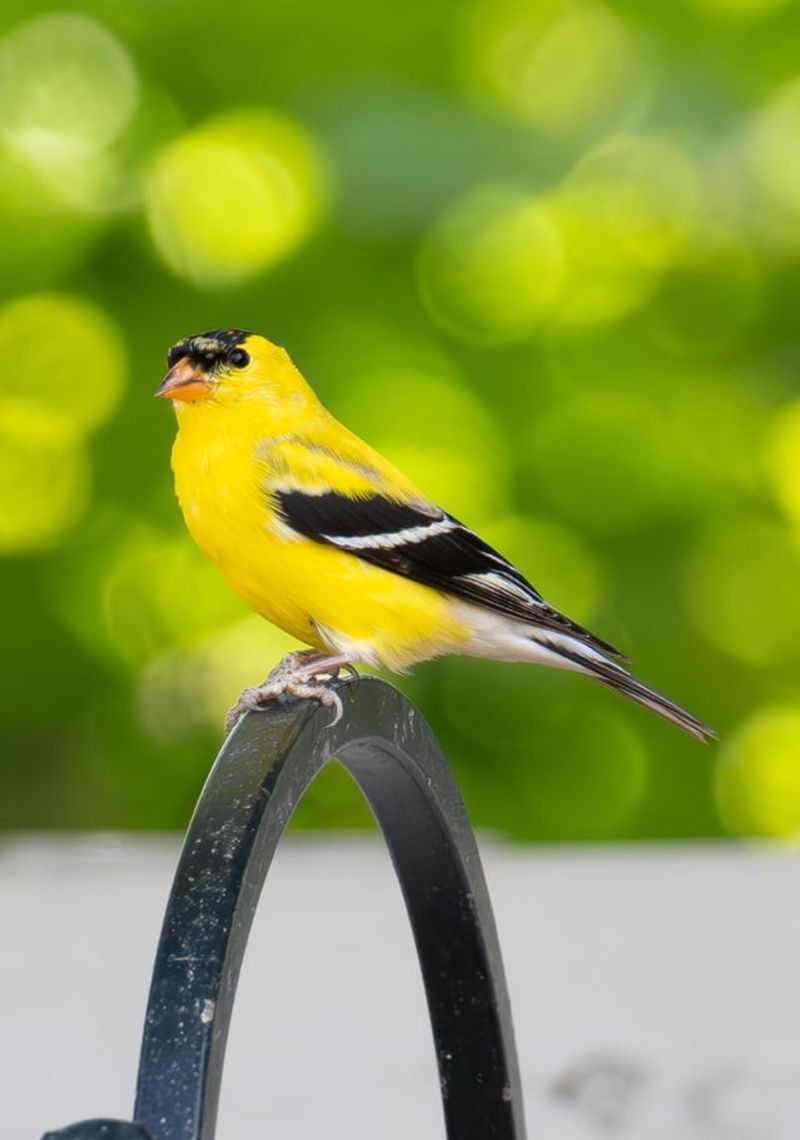
Sometimes the change isn’t what you plant but when you stop trimming. American goldfinches are seed eaters with a strong interest in what standing plants produce.
That preference explains why trimming can remove exactly what brought the birds in. Every snip cuts part of the menu.
A yard can still look cared for without being stripped bare. Timing matters more than thoroughness.
Try cleaning up in stages rather than all at once. Leave seed heads on coneflower, zinnia, cosmos, asters, coreopsis, and milkweed while birds are actively feeding.
After seed is mostly gone, trim what you want. Leave the rest for winter texture if that appeals to you.
The approach also saves time, which suits busy homeowners. You aren’t neglecting the garden so much as letting it finish.
Watching birds use dried plants changes how those brown heads look. Purposeful rather than messy.
Front beds can stay neater while back borders run looser. That split satisfies both neighbors and finches.
Goldfinches nest later than most songbirds, often July into August, partly because they time it to seed availability.
Patience may be the most useful tool available for hearing finches again.
Plant with seeds in mind, then pause before pruning everything back.