What It Really Means When Green Anoles Vanish From Your Texas Yard This Fall
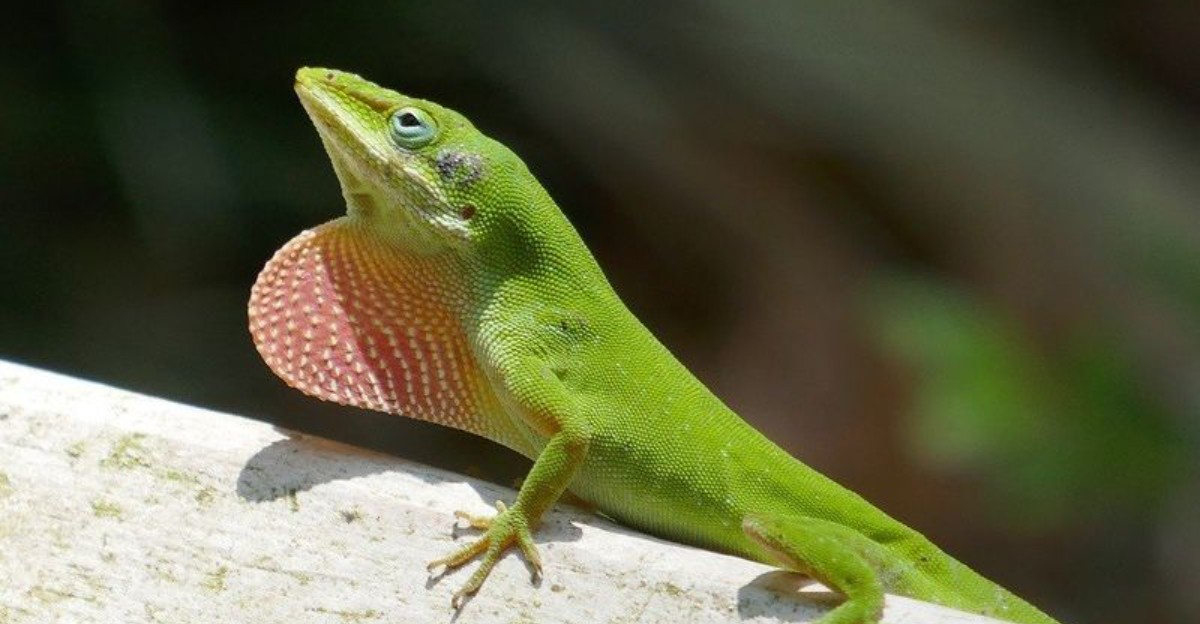
If the green anoles that were darting around your Texas yard all spring and summer have suddenly disappeared, you’ve probably noticed the absence even if you didn’t consciously track their presence before.
These small, vivid lizards have a way of becoming part of the visual rhythm of a Texas yard, and when that rhythm breaks, it registers. But their disappearance is not a mystery. And it’s not a problem.
What’s happening to your green anoles as fall arrives in Texas is one of the more fascinating seasonal transitions in the residential wildlife calendar.
It is often driven by temperature, biology, and a set of behaviors most homeowners have never had reason to think about before.
Here’s exactly what’s happening to the green anoles in your Texas yard this fall and where they actually went.
1. Cooler Temperatures Are Making Them Less Active
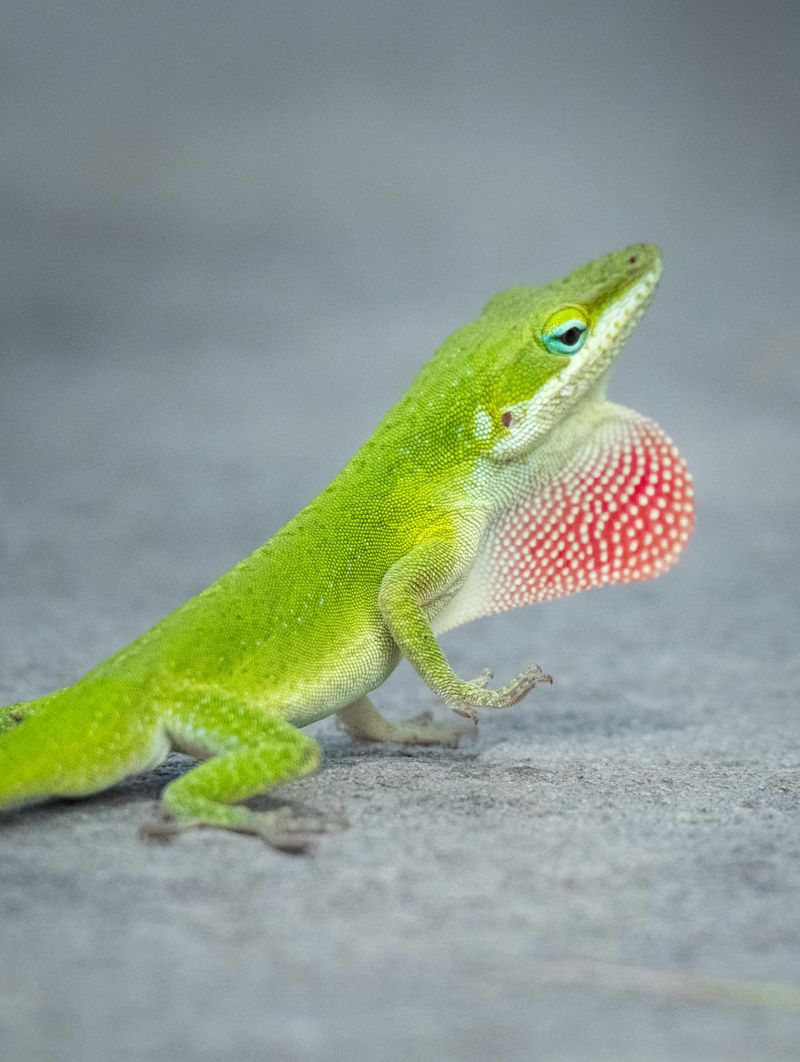
Ever notice how you feel slow and sleepy on a chilly morning? Green anoles feel the same way, only much stronger. These lizards are cold-blooded, which means they cannot make their own body heat.
Instead, they rely on warmth from the sun and their surroundings to stay active. When fall brings cooler days and colder nights, their bodies simply slow down. A sluggish anole moves less, eats less, and hides more.
Because they are not zipping around like they do in summer, you naturally spot fewer of them. They might sit still for long stretches, tucked away where the temperature feels safer and steadier.
On warm, sunny fall afternoons, you may still catch one soaking up rays. But on gray, breezy days, they often stay out of sight completely. Their activity rises and falls with the thermometer.
This slowdown is not a sign of trouble. It is a smart survival habit that has helped anoles thrive for a very long time. Moving less in the cold saves their energy.
If you want to give them a hand, leave a few sunny spots open in your yard. A warm rock, a wooden post, or a patch of bare fence can become a favorite resting place.
You can also avoid clearing away every leaf pile, since those spots hold warmth. Small choices like these make your yard friendlier for cold-blooded visitors.
So when the anoles seem quiet in fall, remember they are just responding to the chill. Their bodies are telling them to take it easy until warmer weather returns again.
2. They’re Taking Shelter In Protected Places
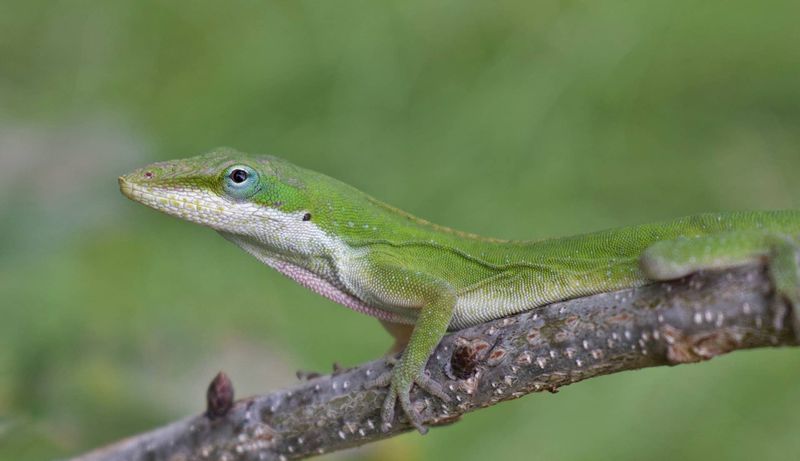
Picture yourself grabbing a cozy blanket when the house gets cold. Green anoles do something similar, only they search for snug hiding spots outdoors. When fall weather turns unfriendly, they look for shelter.
These lizards squeeze into cracks, crevices, and tight little gaps that block the wind. A space behind loose bark, under a rock, or inside a woodpile can feel much warmer and safer than open air.
Because they spend more time hidden away, you will bump into them far less often. They are still nearby, just tucked into places you cannot easily see.
Your Texas Garden Changes Every Week. Your Plan Should Too.
Gardening in Texas changes quickly throughout the season. Every Friday you’ll receive a simple weekly plan showing exactly what to plant, prune, fertilize, harvest, and protect so you never miss the right timing.
Sheltered spots also protect them from more than cold. Wind, rain, and hungry predators all become bigger dangers in fall, so hiding gives anoles a better chance to stay comfortable and secure.
You might find one curled inside a garden pot, behind a shutter, or under a stack of firewood. These cozy corners trap a little warmth and stay calmer than the open yard.
If you enjoy having anoles around, try leaving some natural cover in place. A brush pile, thick shrubs, or a few stacked stones can give them exactly what they need.
Avoid sealing up every gap in fences or garden walls, since those small openings often serve as doorways to safe hiding spots. A little messiness in the yard helps wildlife.
When you do not see anoles darting around, they may simply be resting in a protected pocket. They have not gone far. They are just staying tucked in until conditions feel better and warmer again outside.
3. Your Yard May Be Losing Its Best Sunning Spots
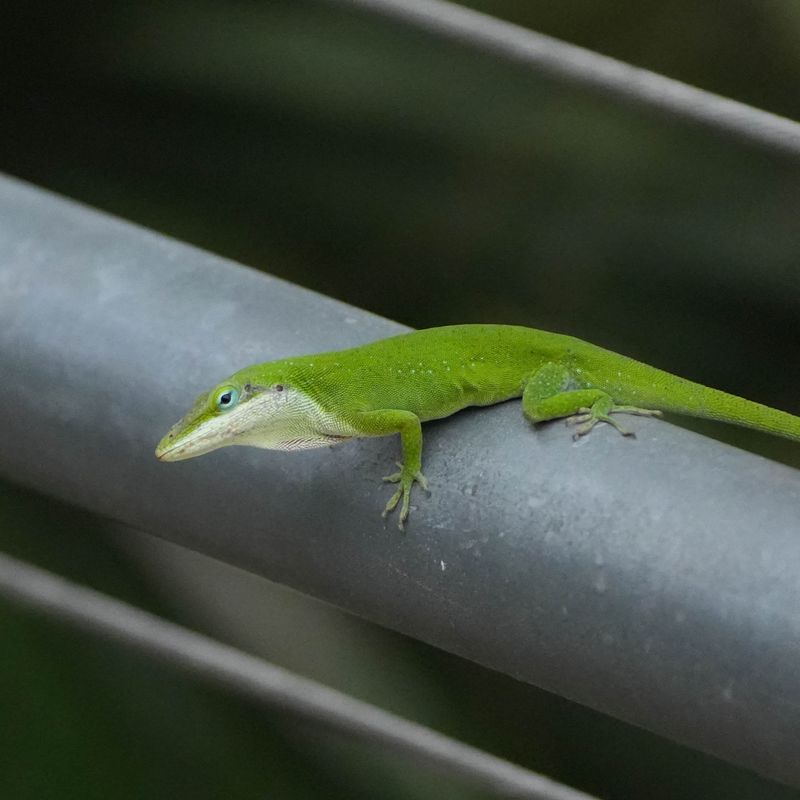
Think about your favorite sunny window during winter. Anoles have favorite sunny spots too, and in fall those spots often change. That shift can make the lizards seem to disappear.
During warmer months, you probably see anoles basking on fences, walls, tree branches, or deck railings. These surfaces heat up nicely and give lizards a perfect place to warm their bodies.
As the season turns, the sun sits lower in the sky. Shadows grow longer, and many surfaces that once stayed toasty now stay cool for most of the day.
When a favorite fence or branch loses its warmth, anoles stop using it. They move to different spots that still catch good sunlight, and those new areas may be harder for you to notice.
Falling leaves can also cover up sunning surfaces. A branch buried under leaves or a wall shaded by bare limbs no longer works as a warm resting place for a lizard.
If you want to keep anoles visible, watch how the light moves across your yard during fall. Notice which spots still get steady afternoon sun and keep them open.
Trimming a few branches that cast heavy shade can help sunlight reach walls and posts. Clearing leaves off a favorite railing might bring the lizards right back to view.
The anoles have not vanished. They are simply chasing the warmth to wherever it lands. As sunlight patterns change with the season, so do the places these clever lizards choose to hang out each day.
4. Fewer Insects Can Mean Fewer Anole Sightings
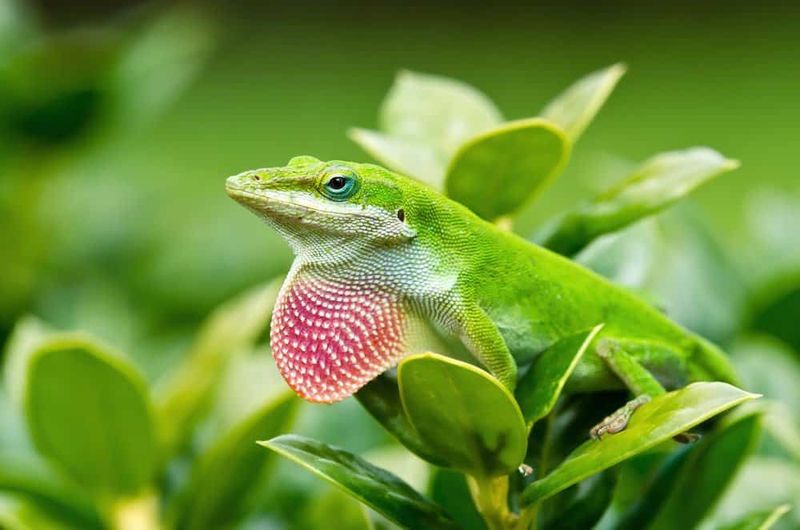
Every hungry hunter follows its food, and anoles are no different. These lizards love to snack on insects and spiders. When their meals become harder to find, the anoles follow the food.
Green anoles feast on crickets, flies, moths, small spiders, and other tiny creatures. All summer long, bugs are everywhere, so the lizards have plenty to eat and lots of reasons to roam.
Once fall arrives, insect numbers usually drop. Cooler weather slows bugs down and reduces how many are buzzing around your yard, which means fewer easy meals for the lizards.
With less food out in the open, anoles change where they spend their time. They gather near spots that still attract insects, like flowering plants, compost areas, or warm sunny corners.
Because they are concentrating in fewer places, you might not run into them during your usual walk around the yard. They could be feeding in a quiet garden bed instead of the fence you always check.
Want to keep the buffet open a little longer? Leave some native plants standing and skip heavy pesticide use. Healthy plants draw insects, and insects draw anoles.
A small pile of leaves or mulch also shelters bugs, giving lizards a reliable hunting ground even as the weather cools. More prey usually means more lizard activity nearby.
Here is a fun fact: a single anole can eat many insects in one day, which makes it a helpful, natural pest controller. So fewer sightings in fall may simply mean the bugs have moved, and the lizards followed right along.
5. Fall Doesn’t Mean They’ve Left Texas
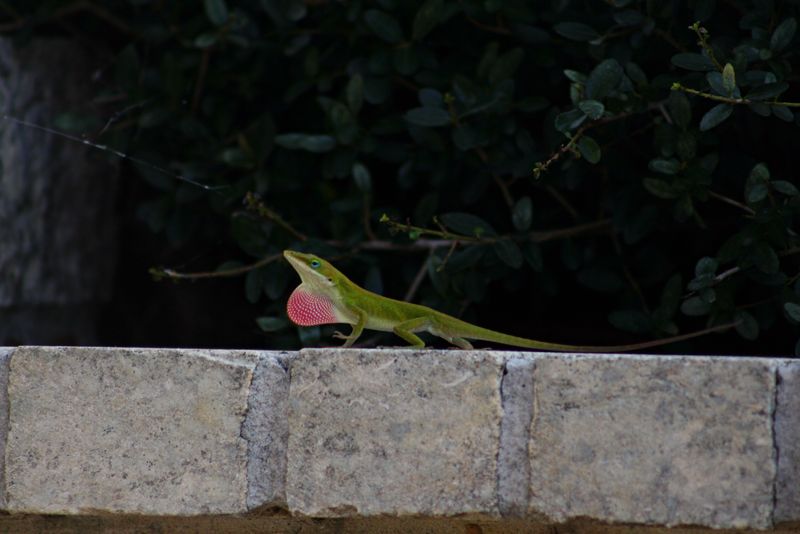
It is easy to assume an animal has packed up and moved on when you stop seeing it. With green anoles, though, disappearing from view rarely means they have left for good.
These lizards are true Texas natives, and they stick around all year. Even when you cannot spot them, they are usually just a few feet away, tucked into cover or resting quietly.
Their behavior shifts with local weather and habitat, not by moving far away. A warm week might bring them out again, while a cold snap sends them back into hiding.
So one quiet fall does not mean your yard has lost its anoles. Their comings and goings depend on temperature, sunlight, food, and shelter, all of which change from day to day.
You may go weeks without seeing a single lizard, then suddenly spot several on a sunny afternoon. That kind of stop-and-start pattern is completely normal for anoles in fall.
Because they blend in so well, they are also easy to overlook. A green anole resting among leaves or bark can sit right in front of you and stay nearly invisible.
If you miss them, be patient and keep watching on warmer days. Check sunny walls in the early afternoon, when lizards are most likely to come out and bask.
Keeping your yard welcoming with plants and hiding spots encourages them to stay close. The lizards have not abandoned your property.
They are simply lying low, waiting for conditions that suit them, and they will show themselves again soon.
6. A Natural Seasonal Change, Not A Problem
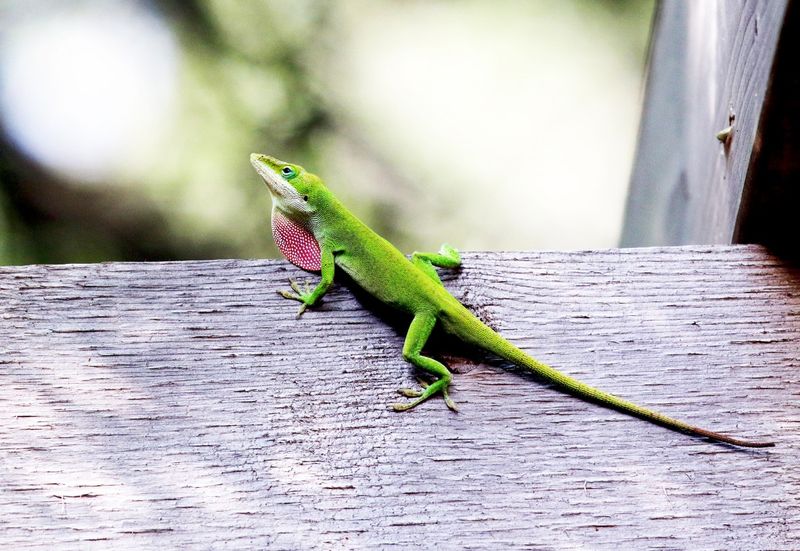
Take a deep breath, because here is the reassuring part. Fewer anoles in fall is almost always a normal part of the season, not a sign that something has gone wrong in your yard.
These lizards follow ancient rhythms tied to weather and daylight. As temperatures cool, they naturally become quieter, hide more, and shift their habits, just like many other wild creatures do.
You do not need to rescue them or worry that your yard has failed them. This slow, seasonal pattern has been part of their lives for countless generations.
Still, you can do simple things to keep supporting them. Healthy vegetation and safe hiding spots make a huge difference for these helpful native lizards throughout the cooler months.
Try leaving shrubs, native plants, and leaf litter in place rather than clearing everything away. Those layers offer both warmth and shelter, giving anoles the cozy spaces they need.
Going easy on pesticides also helps, since it keeps their insect meals around. A yard full of tiny bugs is a yard that keeps lizards fed and content.
A shallow water source and a few sunny basking surfaces round out a welcoming space. Small, thoughtful choices turn your property into a friendly home base for wildlife.
When warmer weather returns, you will likely see your green anoles bouncing back, flashing those pink throats and darting across fences again. Their fall quiet is just a pause.
So enjoy the calmer season and know your scaly neighbors are doing exactly what nature intended.
By caring for their habitat, you help these bright little Texas lizards thrive for many seasons ahead.