The Underappreciated Texas Shade Tree That Beats Many Popular Landscape Trees
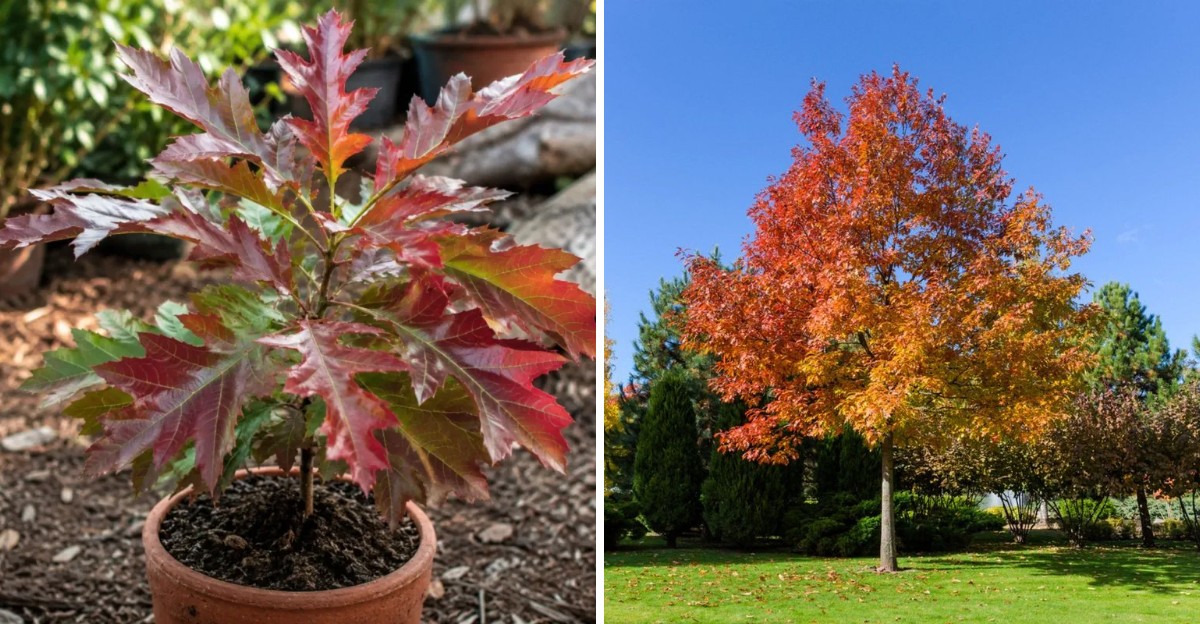
Most Texas homeowners choosing a shade tree reach for the same familiar options. Live oak, cedar elm, crape myrtle. These are solid choices, and they’re popular for good reasons.
But there is one native Texas shade tree that consistently outperforms several of these more celebrated options in ways that most homeowners never discover. Simply because it doesn’t get the attention it deserves at the point of purchase.
It grows faster than most people expect from a quality shade tree. It delivers fall color that stops people in their tracks.
It handles the full range of Texas soil conditions and it supports native wildlife with the kind of ecological generosity that only a deeply native tree can offer. Most Texas yards don’t have one. Most Texas yards should.
Plant Texas Red Oak For Long-Lasting Summer Shade
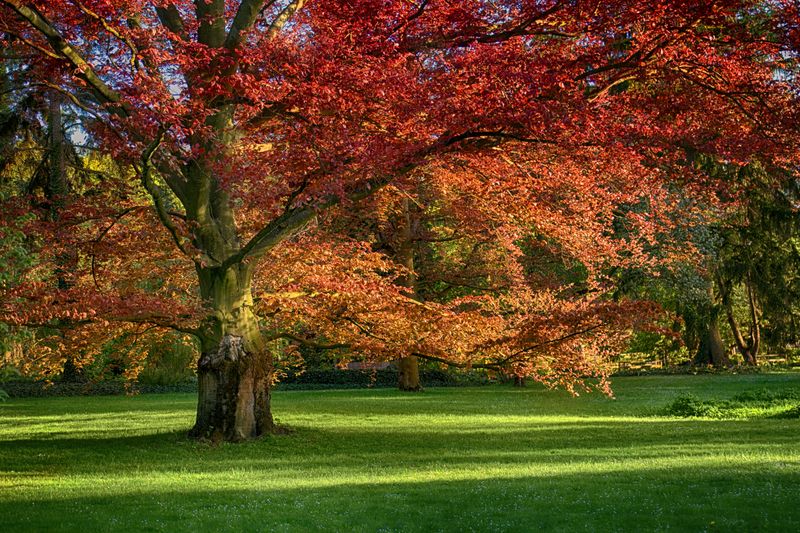
Picture stepping outside on a blazing July afternoon and finding a cool, shady spot waiting for you. That’s the gift a Texas red oak (Quercus buckleyi) brings to any yard.
This native tree grows a wide, rounded canopy that spreads out like a giant umbrella. Its branches reach far and its leaves stay thick, blocking harsh sunlight and cooling the ground below.
On hot days, the shade can make your patio or lawn feel much more comfortable. What makes it special is how well it fits Texas life.
It was born and raised here, so it already knows how to handle rocky soil, blazing sun, and long dry stretches. You don’t have to baby it once it settles in.
Many folks plant a red oak near a house or seating area to save on cooling costs. A shady tree on the west or south side can lower how hot your home gets in summer. That means a lighter bill and a happier family.
The tree also grows at a nice pace. It’s not the slowest oak around, so you won’t wait forever to enjoy real shade. Within several years, a young tree can start to make a real difference.
Beyond the shade, it just looks good. The trunk grows strong and the shape stays balanced with little fuss.
If you want one tree that works hard year after year, this native oak is a smart pick. It gives you comfort, beauty, and lasting value all in one package.
Why Texas Red Oak Is Often Overlooked
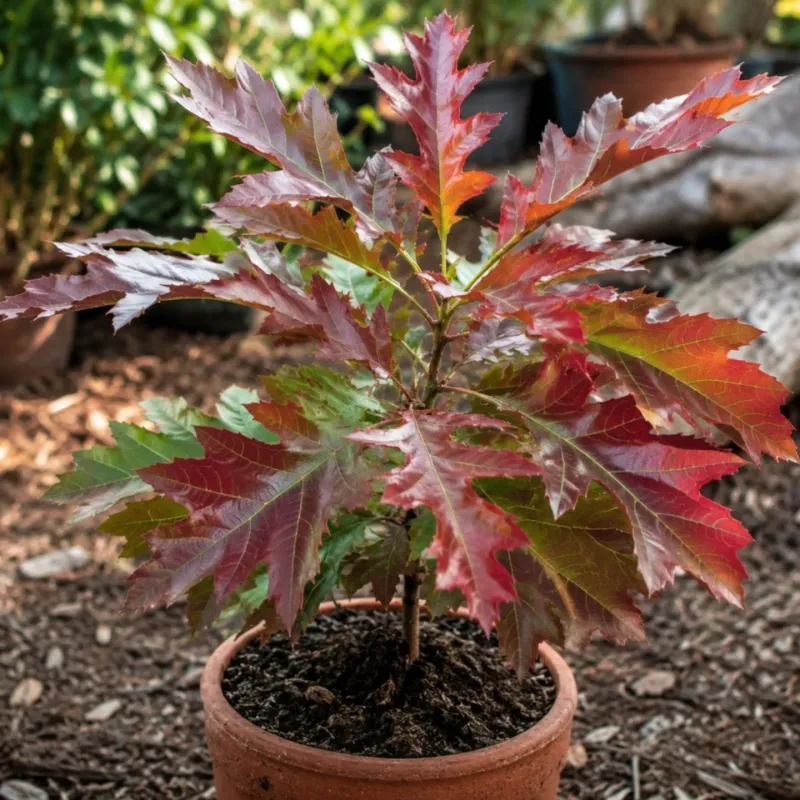
Walk through most garden centers and you’ll see the same trees over and over. Crape myrtles, Bradford pears, and fast-growing shade trees fill the shelves. The humble Texas red oak often sits quietly in the back, if it’s there at all.
Part of the reason is fame. Popular trees get talked about more, so shoppers grab what feels familiar. The red oak doesn’t have flashy flowers, so it gets passed over for showier options.
Another reason is patience. Some buyers want instant results and pick trees that shoot up quickly, even if those trees weaken over time. The red oak grows steadily and rewards people who think long term.
Your Texas Garden Changes Every Week. Your Plan Should Too.
Gardening in Texas changes quickly throughout the season. Every Friday you’ll receive a simple weekly plan showing exactly what to plant, prune, fertilize, harvest, and protect so you never miss the right timing.
There’s also a bit of confusion. Several oaks share similar names, and folks worry about picking the wrong one. That mix-up leads some gardeners to skip oaks altogether and stick with easier-sounding choices.
Here’s the funny part. Many of those trendy trees have real problems. Bradford pears crack in storms, and some fast growers rot early. Meanwhile, the overlooked red oak keeps standing strong.
Nursery space plays a role too. Growers stock what sells fast, so slower-selling natives don’t always get shelf space. That means you may need to ask for one or visit a nursery that specializes in native plants.
The good news is that word is spreading. More Texas gardeners are learning that native trees fit their yards better than imported favorites.
Once people see a mature red oak in action, they understand what they’ve been missing. This tree simply deserves more attention than it gets.
How Texas Red Oak Handles Heat And Drought
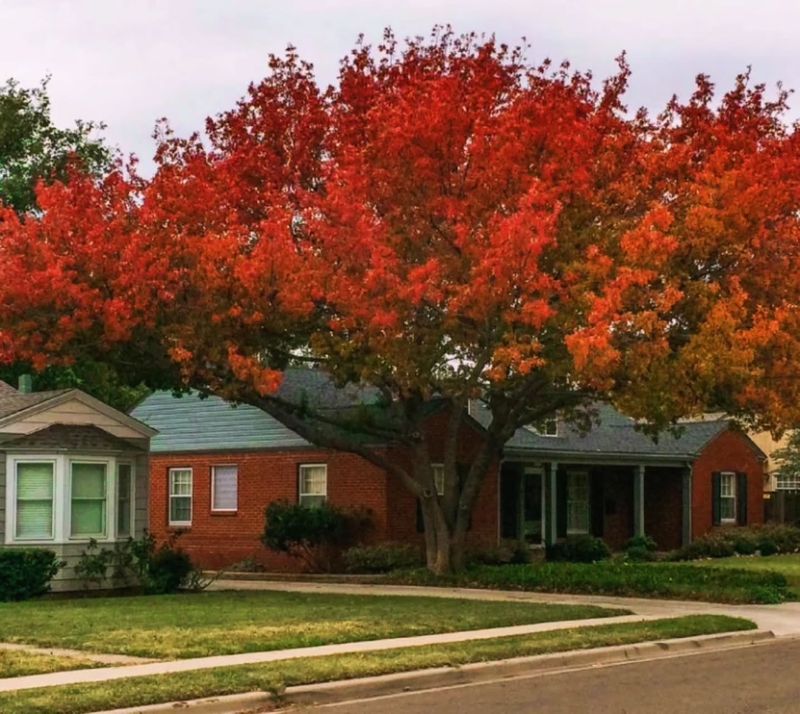
Texas weather can be brutal. Summers stretch long and hot, and rain sometimes seems to disappear for weeks. Most trees struggle under that pressure, but the Texas red oak takes it in stride.
This oak grew up in the hills and rocky ground of central Texas. Over thousands of years, it learned to survive with little water. Its roots dig deep, searching out moisture far below the surface.
Once a red oak is established, it can go through dry spells without much complaint. You won’t need to water it constantly like some thirsty landscape trees. That saves you time, effort, and money on your water bill.
The first couple of years matter most. A young tree needs regular watering while its roots settle in. After that, it becomes far more independent and handles the heat on its own.
Its leaves also help. They’re shaped to soak up sun while limiting water loss, which keeps the tree healthy during scorchers. Even when the ground turns dry and cracked, the red oak holds steady.
Because it belongs here, it also handles Texas soil well. Rocky, thin, or alkaline dirt that troubles other trees doesn’t bother it much. That flexibility makes it perfect for yards where fussier trees would sulk.
A quick tip: add a layer of mulch around the base to lock in moisture and protect the roots. That small step helps your tree power through the hottest months.
For a tree that shrugs off heat and drought, few options beat this tough native. It’s built for the Texas climate from the ground up.
The Wildlife Benefits Hidden In This Native Oak
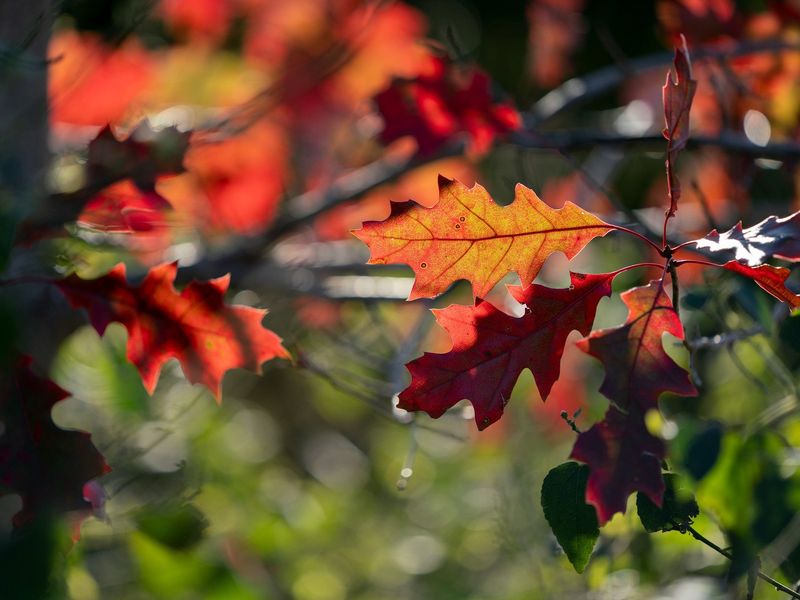
A single Texas red oak can turn a quiet yard into a busy little nature hub. Birds, bugs, and critters all find something to love in its branches.
Start with the acorns. Each fall, the tree drops a crop of nuts that squirrels, deer, and birds happily gather. These acorns give animals fuel for the colder months ahead.
The canopy offers shelter too. Birds build nests among the sturdy limbs, safe from wind and hungry predators. Come spring, you might hear a chorus of songs coming from your own tree.
Insects play a big role as well. Native oaks support hundreds of kinds of caterpillars and beetles. That may sound like a downside, but those bugs are exactly what baby birds eat to grow strong.
Because oaks feed so many insects, they help the whole food chain thrive. Scientists often call oaks one of the most valuable trees for backyard wildlife. Few landscape trees can match that record.
Even the bark and branches pitch in. Woodpeckers search the trunk for snacks, and small creatures use nooks and crannies as hiding spots. There’s always something happening.
Planting a red oak is like rolling out a welcome mat for nature. If you enjoy watching birds or teaching kids about the outdoors, this tree gives you a front-row seat.
Here’s a neat fact: a mature oak can support more caterpillar species than almost any other tree in North America.
That makes it a true powerhouse for local ecosystems. By choosing this native oak, you help wildlife and add life to your yard at the same time.
Give Texas Red Oak The Right Place To Grow
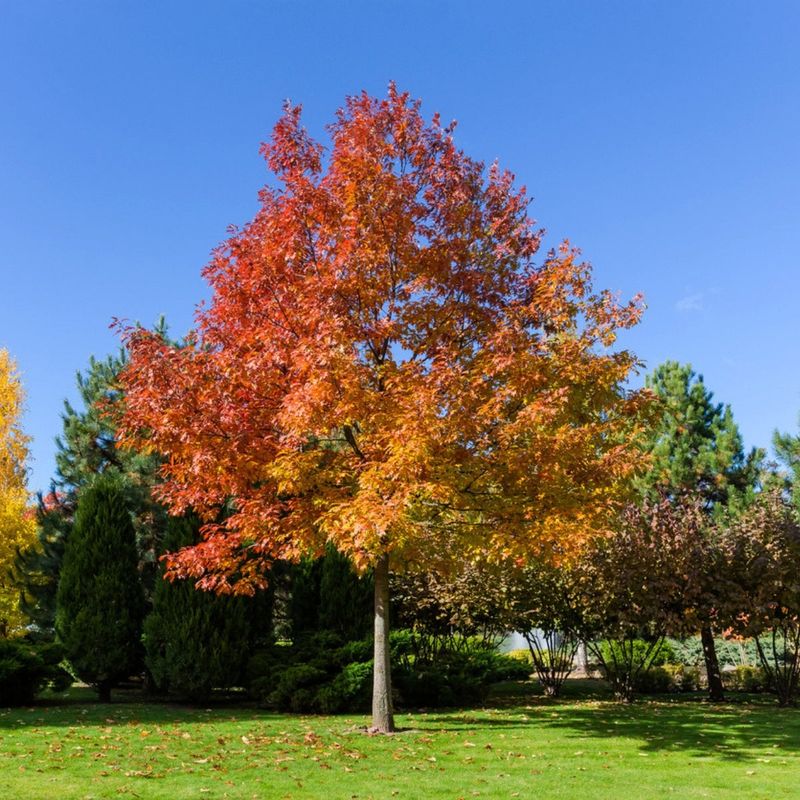
Giving your red oak the right home makes all the difference. A little planning now leads to a strong, healthy tree later.
Sunlight comes first. This oak loves full sun, so pick a spot that gets plenty of light through the day. A sunny location helps it grow full and steady.
Think about soil next. The good news is this tree isn’t picky. It handles rocky, sandy, or clay soil, as long as water doesn’t pool around the roots. Well-draining ground keeps it happy.
Space matters a lot too. A mature Texas red oak can spread wide and stand tall, so give it room to stretch. Plant it away from your house, power lines, and driveways to avoid trouble down the road.
A common mistake is planting too close to buildings. Those branches will grow far, and roots need space underground. Leaving plenty of open area prevents future headaches.
When you plant, dig a hole about as deep as the root ball but wider. Set the tree in gently, backfill the soil, and water it well. Skip piling dirt too high against the trunk.
Mulch helps the young tree settle in. Spread it in a ring, but keep it a few inches away from the bark so the trunk can breathe.
Water regularly during the first year or two while the roots grow deep. After that, the tree mostly cares for itself.
Pick the right spot from the start, and you’ll enjoy decades of shade and beauty. A thoughtful planting today rewards you for a very long time.
Why Texas Red Oak Deserves More Backyard Space
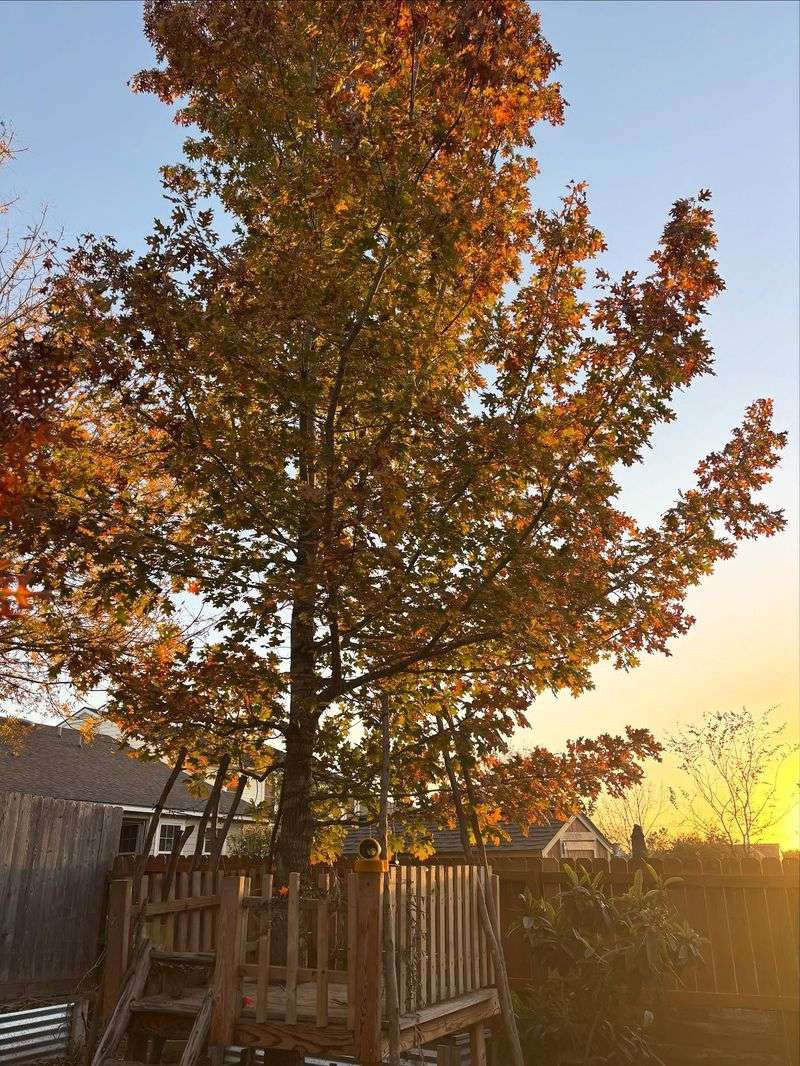
After looking at all it offers, one thing becomes clear. The Texas red oak earns its place in far more yards than it currently holds.
The shade alone is worth it. On hot Texas days, that broad canopy keeps your yard cooler and your home more comfortable. Fewer landscape trees give shade this reliable.
Then comes the fall show. As the season turns, the leaves burst into rich reds and warm oranges. Your whole yard gets a splash of color that store-bought trees rarely match.
Being native adds even more value. This oak already fits Texas soil, weather, and wildlife, so it thrives with less fuss. You spend less time fixing problems and more time enjoying the tree.
Compare that to short-lived favorites. Many trendy trees crack, rot, or fade after just a decade or two. A well-placed red oak can stand strong for generations, becoming a landmark in your yard.
It’s also a gift to the future. A tree you plant today may shade your kids and grandkids someday. Few things you add to a yard last that long.
Money-wise, it’s smart too. Lower water needs, less replacement, and energy savings from shade all add up over time.
Here’s a thought to leave you with: the best time to plant a shade tree was twenty years ago, and the next best time is now. This native oak makes that choice easy.
Give the Texas red oak a chance, and it will reward you with beauty, comfort, and life for years to come. Your yard, and the local wildlife, will thank you.