Places You Should Never Hang A California Hummingbird Feeder
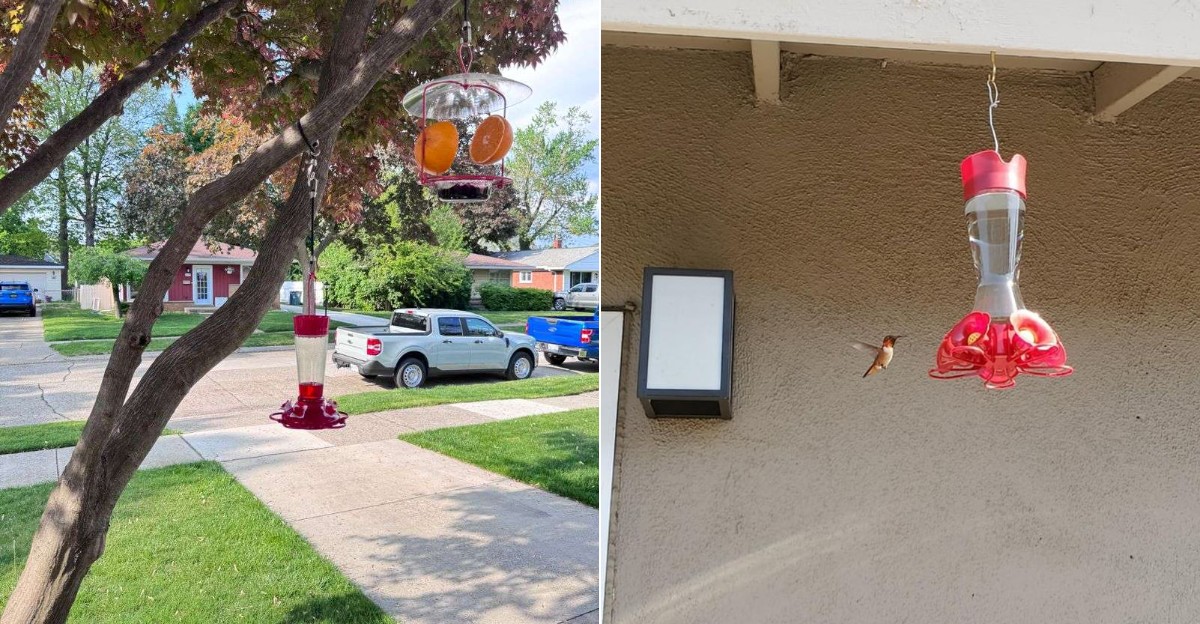
A hummingbird feeder can bring incredible activity to your California yard, but the spot where you hang it matters more than many people realize.
The wrong location can make the feeder less appealing to birds and create problems that are easy to avoid.
These tiny visitors need a safe place to feed, rest, and move around without unnecessary risks.
A feeder that seems convenient for you may not provide the right conditions for hummingbirds or may attract unwanted issues around your outdoor space.
Before putting up a new feeder or moving an old one, take a closer look at its surroundings. Small changes in placement can make a big difference in how often hummingbirds visit and how well you can keep the feeder clean and inviting.
1. Avoid Placing Feeders Too Close To Windows
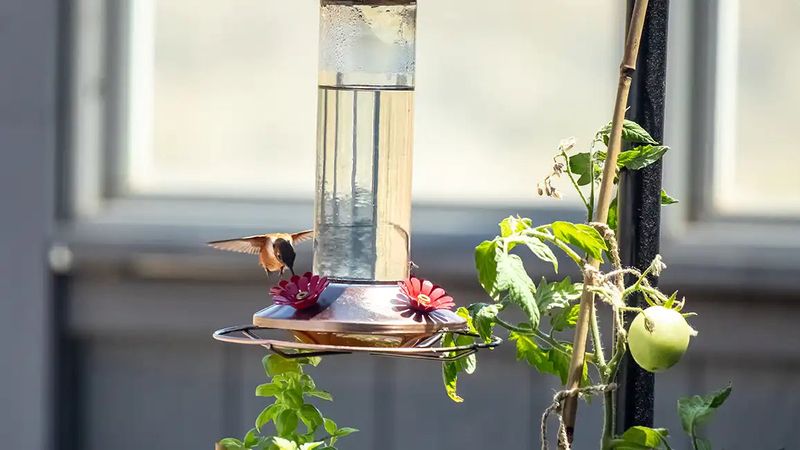
Glass is tricky for hummingbirds because they cannot always tell the difference between a real garden and a reflection. When a feeder sits right against a window, birds may fly straight into the glass at full speed.
These little fliers move fast, sometimes over twenty miles per hour. A crash at that speed can badly hurt them. Reflections of trees, sky, and flowers trick their eyes into thinking there is open space ahead.
You do not have to give up window views to enjoy your birds. The safest trick is to hang the feeder either very close, within three feet of the glass, or far away, more than fifteen feet.
When feeders are super close, birds cannot build up enough speed to get hurt if they bump the window. Placing them far means birds have room to see the glass clearly.
Adding decals, stickers, or string patterns on the outside of the window also helps break up reflections. This tells passing hummingbirds that something solid is there.
In California homes with big sliding doors, this problem happens a lot. Bright afternoon light makes reflections even stronger and more confusing.
Take a moment to watch how your window looks from the yard. If it mirrors your garden clearly, birds may see the same illusion.
Simple planning keeps your visitors safe and lets you watch them sip in peace. A little thought about window distance protects the very guests you worked hard to attract.
2. Do Not Hide Feeders In Dense Shrubs
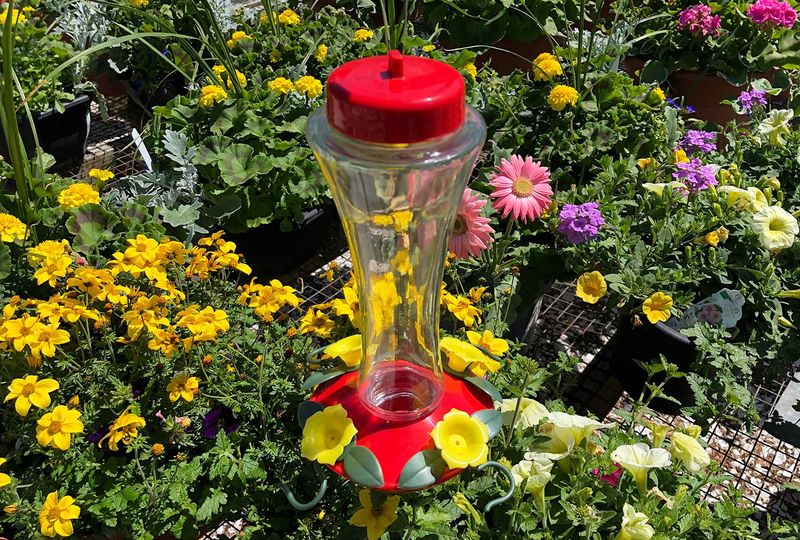
Thick bushes might seem like a cozy, natural spot, but they can actually make hummingbirds nervous. These birds like clear views so they can spot danger and escape quickly.
When a feeder is buried in tangled branches, birds have trouble flying in and out. They need open flight paths to zip away from surprises.
Dense shrubs also hide predators. A hawk, snake, or cat could crouch nearby without being seen until it is too late.
Hummingbirds are cautious eaters. If they feel trapped, they may skip your feeder entirely and search for a safer spot elsewhere.
Instead of hiding the feeder, hang it near light cover where birds can rest and watch. A branch a few feet away gives them a perch and a quick hideout.
Your California Garden Changes Every Week. Your Plan Should Too.
Gardening in California changes quickly throughout the season. Every Friday you’ll receive a simple weekly plan showing exactly what to plant, prune, fertilize, harvest, and protect so you never miss the right timing.
In California gardens, overgrown hedges and thick native shrubs are common. Trim a small opening so the feeder stays visible from several directions.
Good airflow matters too. Feeders crammed into leaves get warm and sticky, and the nectar spoils faster in stuffy spots.
Try placing the feeder at the edge of a shrub rather than the center. This gives birds both shelter and freedom.
You want your visitors to feel welcome, not boxed in. Open sightlines help them relax and drink longer.
A little trimming and thoughtful placement go a long way. Your hummingbirds will thank you by returning again and again to a spot that feels safe and easy to reach.
3. Avoid Areas Where Cats Can Wait Nearby
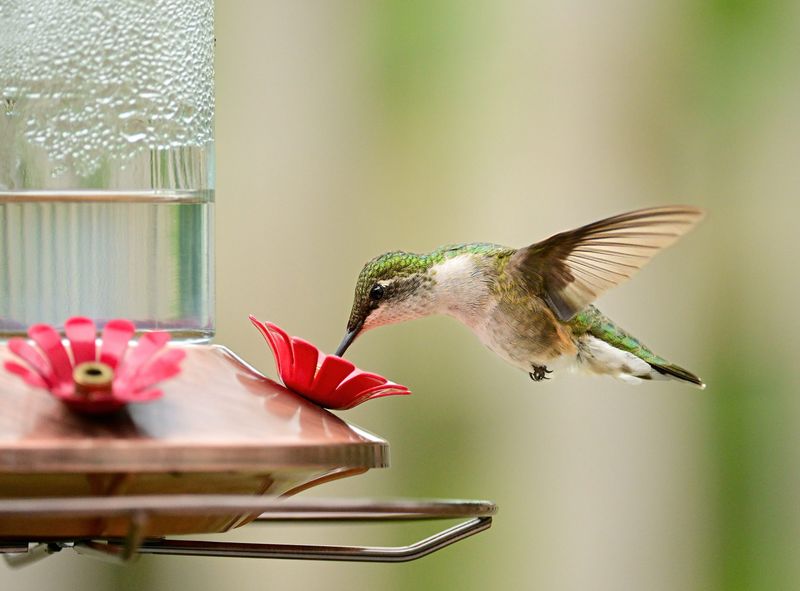
Cats and hummingbirds are a risky mix. A patient cat can hide below a feeder and wait for the perfect moment to pounce.
Hummingbirds spend a lot of time hovering low while they drink. That makes them easy targets when a predator is close by.
Fences, low walls, and thick ground plants give cats the perfect launch pad. If your feeder hangs near these spots, you are inviting trouble.
Height is your best friend here. Hang feeders at least five feet off the ground and away from anything a cat can climb or leap from.
Keep the area beneath the feeder open and clear. Cats prefer sneaky cover, so removing hiding spots makes them think twice.
In many California neighborhoods, outdoor and stray cats roam freely. Watch your yard for a few days to see where they like to lurk.
Placing feeders over paved areas or open lawns works better than over bushes. Birds can see approaching danger and fly off in time.
If you own a cat, a bell on its collar gives birds a warning sound. Keeping pets indoors during peak feeding hours also helps.
Some folks add motion-activated sprinklers to gently scare cats away. These are harmless but very effective.
Your goal is to give hummingbirds a calm place to feed without fear. By thinking like a cat, you can pick spots that keep your tiny visitors safe and worry-free every single day.
4. Keep Feeders Away From Heavy Foot Traffic
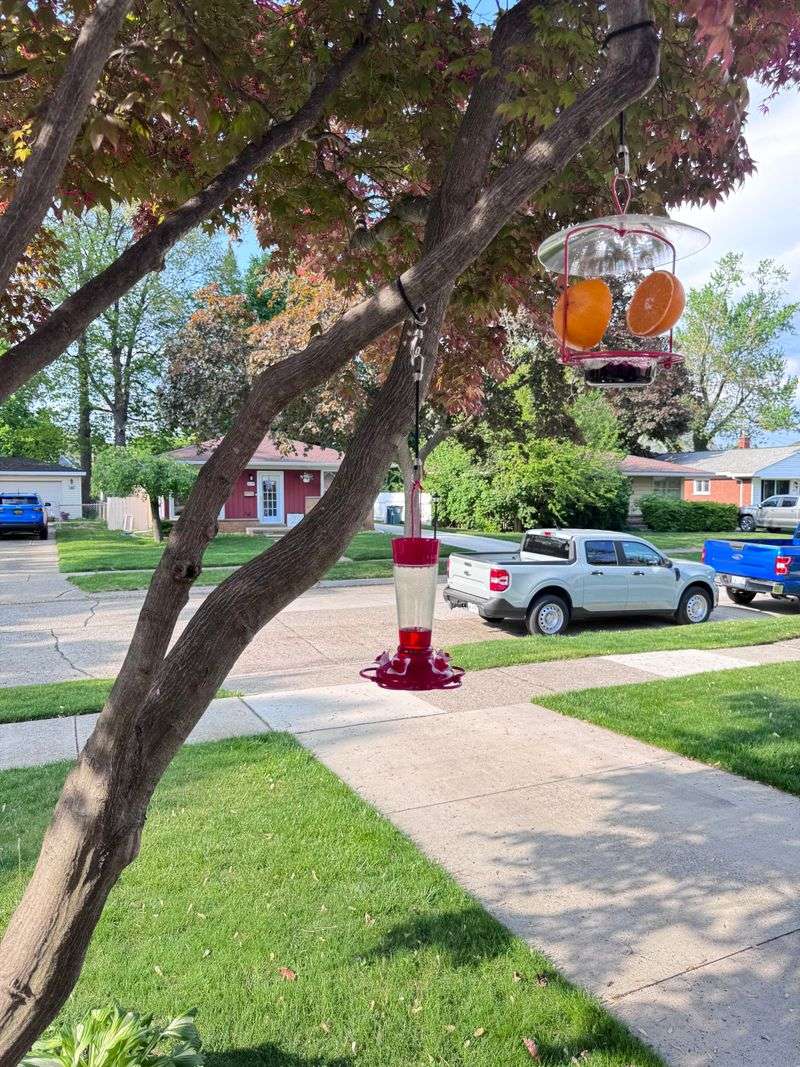
Hummingbirds are shy around lots of movement. A feeder placed next to a busy walkway or doorway can scare them off before they ever take a sip.
Every time someone walks by, the birds dart away. Too many interruptions and they may decide your yard is just too stressful.
Doorways, patios, and paths where family members come and go all day are poor choices. Constant motion keeps nervous birds from settling in.
These tiny creatures burn energy fast and need to eat often. If they cannot relax at your feeder, they waste energy flying off again and again.
Pick a quieter corner of your yard instead. A calm spot away from the main hustle lets birds feed in peace.
That does not mean you cannot watch them. Place the feeder where you can see it from a window while keeping foot traffic low.
In California backyards with pools, grills, and play areas, activity can be nonstop. Look for a peaceful edge away from the action.
Give the birds a few days to find the new spot. Once they feel safe, they will visit more boldly, even when you are nearby.
Over time, some hummingbirds get used to gentle human presence. Still, a quiet start builds their trust faster.
Balancing your view with their comfort is the real trick. A little distance from the busy zones keeps both you and your feathered guests happy and relaxed throughout the day.
5. Do Not Hang Feeders In Full Afternoon Heat
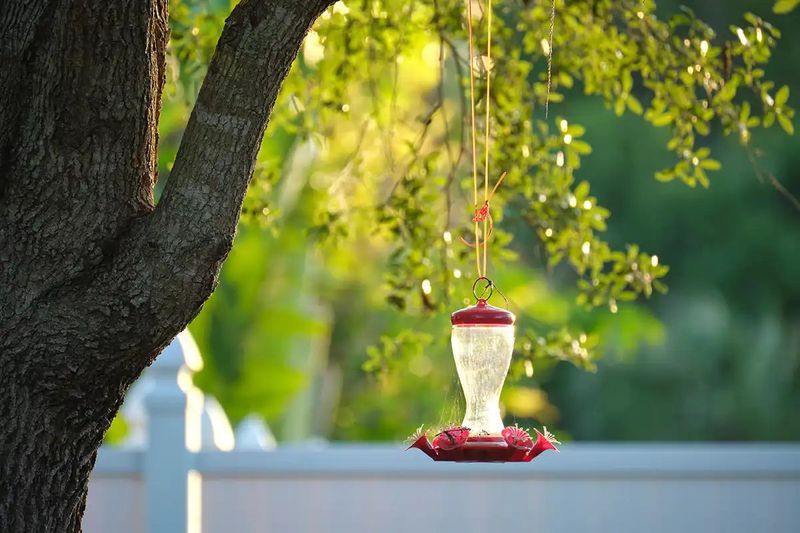
California afternoons can get blazing hot, and that heat spoils nectar quickly. Sugar water left in direct sun ferments and turns cloudy within hours.
Spoiled nectar is bad for hummingbirds. It can grow mold and bacteria that make the tiny birds sick.
When a feeder bakes in full sun, you end up refilling it far more often. That means more work for you and less reliable food for them.
Heat also builds pressure inside the feeder. This can push nectar out through the ports, creating a sticky, messy drip that attracts ants and bees.
The smart move is to hang feeders in a spot with morning sun and afternoon shade. A tree, porch, or awning offers cooling relief during the hottest hours.
Dappled light works great too. It keeps the nectar fresher while still letting birds spot the bright feeder.
In hot inland areas like the Central Valley, shade is even more important. Coastal yards may stay cooler, but shade still helps.
Check your nectar daily during warm spells. If it looks cloudy or has floating bits, change it right away.
Cleaning the feeder often prevents buildup that heat makes worse. Fresh nectar keeps birds coming back healthy and strong.
Finding that sweet balance of light and shade protects both the food and the birds. A cool, shaded perch means fewer refills for you and safer meals for your hummingbird guests all season.
6. Avoid Dirty Or Hard-To-Reach Locations
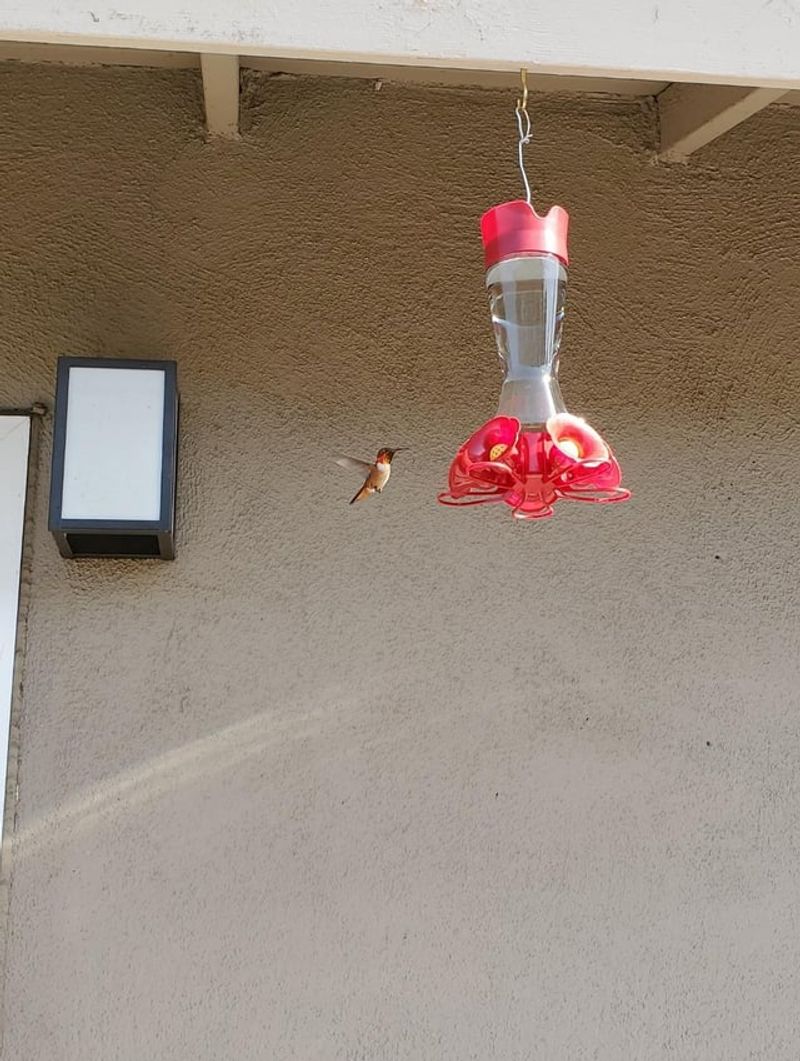
A feeder is only as good as it is clean, and hard-to-reach spots make cleaning a real chore. If you cannot easily take it down, you probably will not clean it often.
Dirty feeders grow mold and grime that harm hummingbirds. Their tiny bodies are sensitive to spoiled food and germs.
Hanging a feeder super high or over rooftops might look nice, but climbing a ladder every few days gets old fast. Skipped cleanings lead to sticky, unsafe nectar.
Dusty or grimy areas near garages or worksites also cause problems. Debris can blow into the ports and mix with the sugar water.
Choose a spot you can reach comfortably from the ground or a low step. Easy access means you will keep up with regular cleaning.
Every few days, wash the feeder with hot water. A quick rinse keeps mold from taking hold, especially in warm California weather.
Avoid placing feeders under dusty eaves or near dirt paths where grime settles. Clean surroundings keep the nectar pure longer.
Think about your own routine when picking a spot. Convenience makes healthy habits stick.
Some feeders come apart easily for scrubbing, which helps a lot. Pair one of those with a handy location for the best results.
Keeping things simple protects your birds and saves you effort. A reachable, tidy spot turns feeder care into a quick task rather than a dreaded job, so your hummingbirds always dine on fresh, safe nectar.
7. Keep Them Away From Chemical Sprays
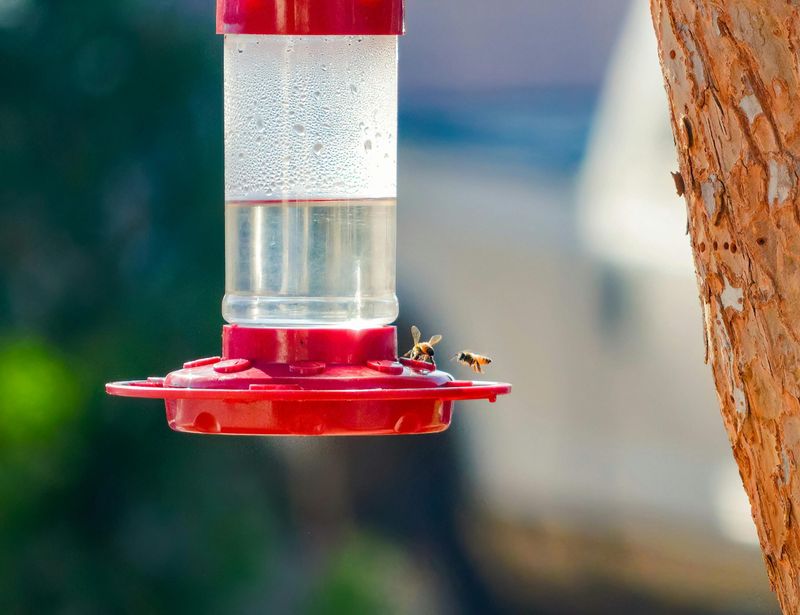
Chemicals in the garden can quietly harm hummingbirds. Pesticides, weed removers, and bug sprays drift through the air and settle on nearby feeders.
These tiny birds are very sensitive. Even small amounts of chemicals in their food or on flowers can make them unwell.
Placing a feeder close to sprayed lawns or treated flower beds is risky. The mist can land right in the nectar without you noticing.
Hummingbirds also eat tiny insects for protein. If those bugs are covered in poison, the birds take it in too.
The safest plan is to hang feeders far from any area you treat with chemicals. Keep a good buffer between them and sprayed zones.
Better yet, try natural pest control near your feeders. Ladybugs and companion planting keep bugs down without harmful sprays.
In California, many gardeners battle pests during warm months. Time your treatments carefully and take feeders down if you must spray close by.
Wait until sprays fully dry and settle before rehanging the feeder. This lowers the chance of contamination.
Read product labels for warnings about birds and pollinators. Some products are far safer than others.
Creating a chemical-free zone around your feeder protects more than hummingbirds. Bees, butterflies, and other helpful visitors benefit too.
A little planning keeps your garden both beautiful and safe. When you skip the sprays near feeding spots, your hummingbirds enjoy clean food and a healthier place to thrive year after year.
8. Do Not Place Feeders Near Busy Roads
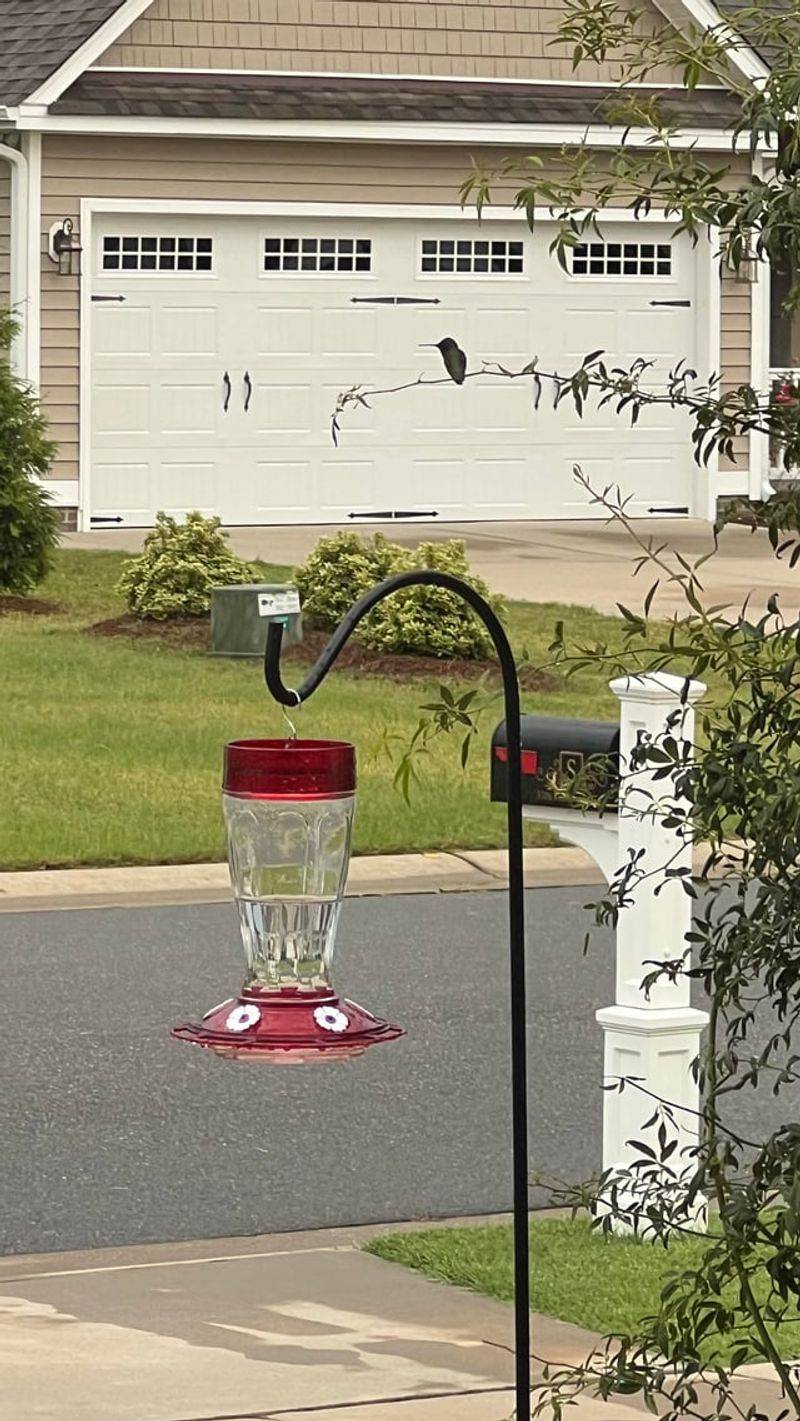
Roads bring noise, fumes, and fast cars, none of which are good for hummingbirds. A feeder near the street puts birds in constant danger.
These fliers often dart low and quick. Near traffic, that habit can lead to collisions with passing vehicles.
Exhaust from cars pollutes the air around the feeder. Breathing it in and drinking nearby nectar is not healthy for such delicate creatures.
Loud engine sounds also stress birds out. Constant honking and rumbling make them feel unsafe and unwilling to stay.
Setting up a feeder in your front yard by the curb might seem convenient, but the backyard is usually much better. A spot away from the road offers peace and cleaner air.
In busy California neighborhoods, streets stay active all day. Look for the quietest corner your property offers.
Trees and fences can act as buffers between the road and your feeder. They soften noise and block some fumes.
Placing feeders deeper into your yard also keeps birds from flying across traffic to reach them. Shorter, safer routes protect them.
Watch where hummingbirds already fly in your yard. Working with their natural paths helps you pick a smart, safe location.
Giving your visitors a calm, low-traffic space makes a huge difference. Away from the road, they can feed without fear of cars or dirty air.
A peaceful spot means happier, healthier birds that stick around longer and bring more joy to your quiet garden corner.
9. Choose Locations You Can Clean Easily
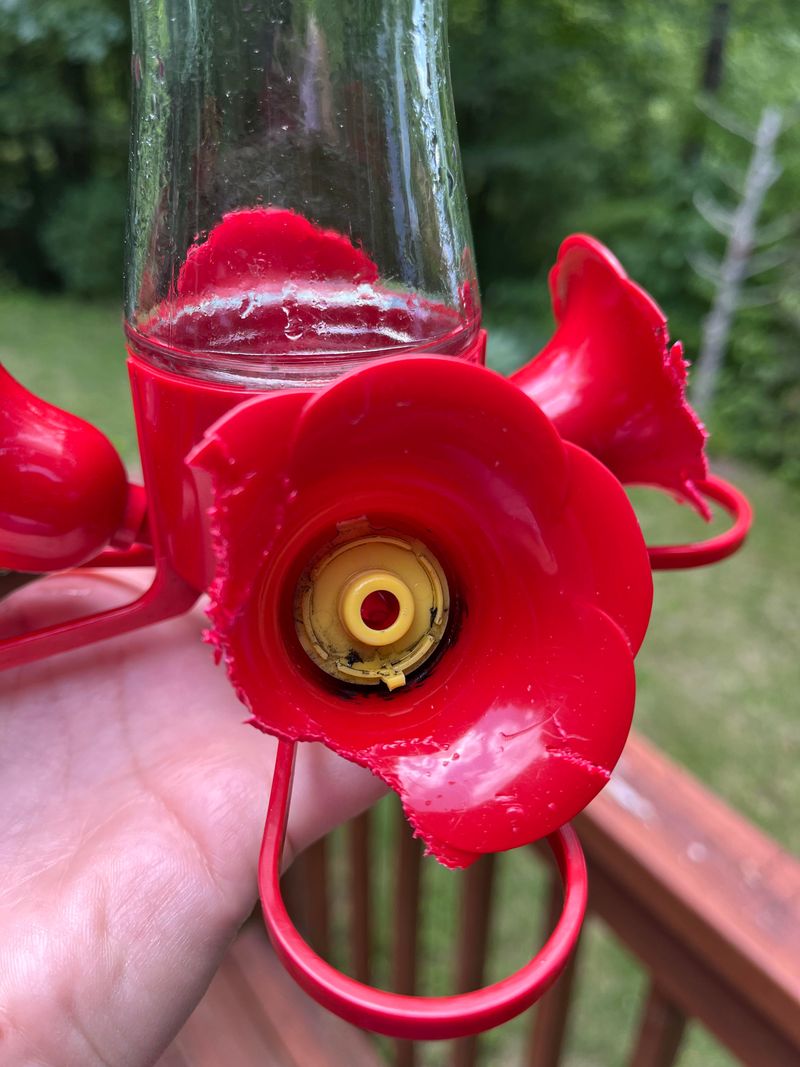
Clean feeders are healthy feeders, so pick a spot that makes cleaning a breeze. When maintenance is easy, you will do it often, and your birds stay well.
Nectar spoils fast, especially in California’s warm climate. Regular scrubbing keeps mold and bacteria from building up inside.
A feeder hung at a comfortable height lets you take it down in seconds. No ladders, no stretching, just a quick lift and rinse.
Placing it near an outdoor faucet or hose makes washing even simpler. You can refill and rehang without hauling it far.
Choose smooth, open locations where you have room to work. Cramped spots make scrubbing frustrating and quick to skip.
Try to clean the feeder every few days during hot weather. Warm temperatures speed up spoilage, so frequent care matters most in summer.
Use hot water and a small brush to reach every port. Avoid harsh soaps that leave residue behind.
Keeping cleaning supplies nearby builds a smooth routine. When everything is handy, upkeep feels effortless.
Rotating between two feeders is a clever trick. You can swap in a fresh one while the other soaks and dries.
Convenient placement rewards you with less hassle and more happy visitors. Birds quickly learn where fresh nectar waits.
By putting cleaning first when you choose a spot, you protect the very creatures you love watching. A tidy, reachable feeder means fresh food, healthy hummingbirds, and a garden buzzing with life all season long.