Texas Flowering Ground Covers For Shady Spots Under Trees
The ground beneath a mature Texas tree is one of the most challenging spots in any yard to plant.
Root competition makes moisture and nutrients scarce. The shade can be deep and unrelenting through the hottest months.
And most flowering plants placed there simply refuse to cooperate, fading out within a season or two before the whole project gets abandoned. But certain flowering ground covers are specifically built for these conditions.
They handle the competition from tree roots, thrive in low to dappled light, and produce blooms that bring color and pollinator activity to spots most gardeners have given up on.
Several of them are native to Texas, which means they’ve been growing in exactly these conditions for thousands of years without any help from homeowners.
Here’s what actually flowers and thrives in the shady ground beneath Texas trees.
1. Texas Frogfruit (Phyla Nodiflora)
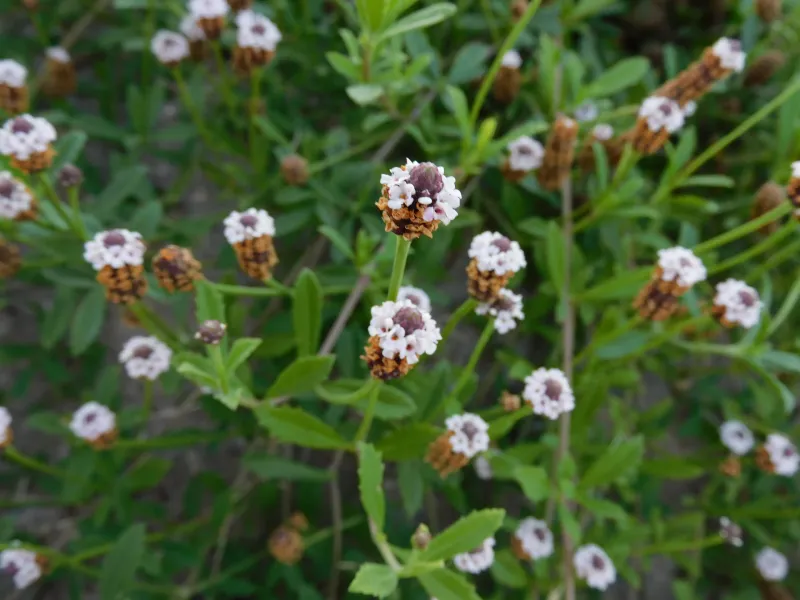
Meet a tough little native that shrugs off heat, foot traffic, and even a bit of drought. Texas frogfruit hugs the ground with small green leaves and tiny flowers that look like little white and purple crowns.
The blooms may be small, but they show up from spring all the way into fall. Bees, butterflies, and small pollinators flock to them, so your shady corner turns into a busy, buzzing spot.
This plant spreads by sending out runners that root as they go. Before long, it forms a thick mat that crowds out weeds and holds soil in place under your trees. That makes it great for slopes or bare patches where nothing else wants to grow.
Frogfruit handles part shade well and can take some sun too, which gives you flexibility. It stays low, usually under six inches tall, so you rarely need to trim it. If it creeps too far, just pull back the edges by hand.
Water it regularly when you first plant it. Once the roots dig in, it becomes very drought tolerant and needs little care. That easygoing habit makes it a favorite for busy gardeners.
Fun fact: frogfruit is a host plant for several butterfly species, including the phaon crescent. That means caterpillars feed on it before turning into fluttering adults.
Plant it in spring so it has time to settle before the hottest days arrive. Space plants about a foot apart and watch them knit together into a soft green carpet dotted with cheerful blooms.
2. Wood Violet (Viola Sororia)
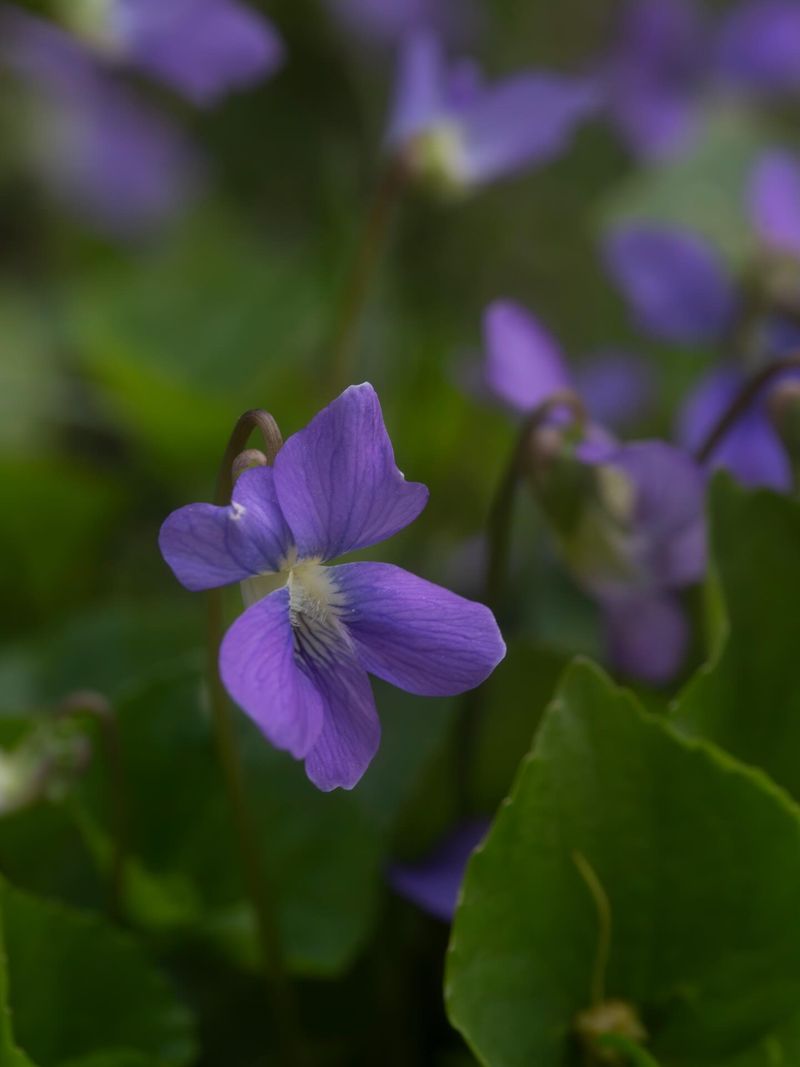
There is something old-fashioned and sweet about a patch of violets tucked beneath a shade tree. Wood violets bring heart-shaped leaves and dainty purple flowers that pop up in spring like little surprises.
These plants love cool, moist, shady ground, which is exactly what you find under many Texas trees. They spread slowly to form clumps that fill in bare spots without taking over your whole yard.
The blooms come in shades of purple, blue, and sometimes white. They are small but plentiful, and they add a soft splash of color when much of the garden is still waking up.
Your Texas Garden Changes Every Week. Your Plan Should Too.
Gardening in Texas changes quickly throughout the season. Every Friday you’ll receive a simple weekly plan showing exactly what to plant, prune, fertilize, harvest, and protect so you never miss the right timing.
Wood violets are hardy and forgiving. They can handle a little neglect and still come back year after year. If a dry spell hits, they may go quiet, then perk up again once rain returns.
Kids often enjoy these flowers because the blooms are actually edible and were once used to decorate cakes and salads. Always be sure any plant is free of chemicals before tasting.
Plant violets in loose, rich soil with plenty of leaf mulch on top. The mulch keeps roots cool and copies the natural forest floor they love.
Give them water during long dry stretches, especially in the brutal summer. In shade, they need less moisture than they would in open sun.
Over time, violets self-seed and gently expand. If you want more, let a few flowers go to seed. Soon you will have a charming, low carpet of green and purple filling those shady gaps beneath your trees.
3. Golden Groundsel (Packera Obovata)
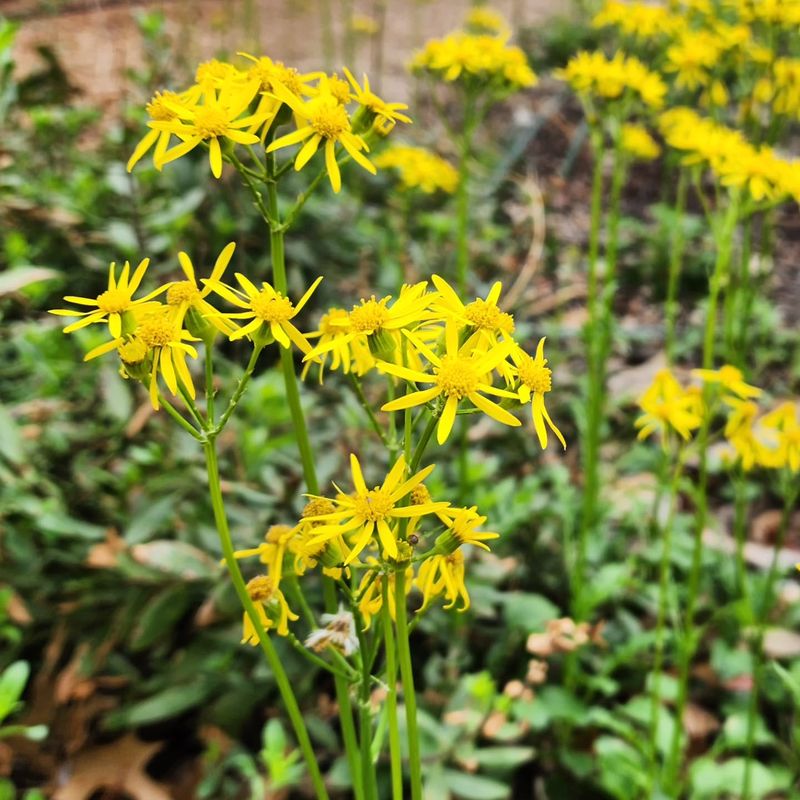
Picture a sea of bright yellow flowers glowing in the shade, and you have golden groundsel. This Texas native lights up dim corners in early spring when few other plants are blooming.
The rounded, scalloped leaves form a low green rosette that stays pretty even after the flowers fade. Then tall stems shoot up, topped with clusters of cheerful yellow daisy-like blooms.
Golden groundsel loves part shade and moist, well-drained soil. It grows happily under trees where the canopy filters the harsh sun. That makes it a smart pick for woodland-style gardens.
This plant spreads by underground runners and by seed, so it fills in over time. It creates a solid ground cover that keeps weeds down and protects soil from washing away in heavy rain.
Pollinators adore the early flowers. When bees and butterflies wake up hungry in spring, golden groundsel gives them one of the first meals of the season.
Care is simple. Water it during dry spells, especially the first year, and it will reward you with strong growth. Once established, it handles heat with ease.
After blooming, you can trim the flower stalks to keep things neat, or leave them to reseed. The evergreen leaves stick around through winter in many parts of the state, giving year-round green.
Try pairing golden groundsel with purple violets or ferns for a colorful, layered look. The bright yellow and cool purple make a lovely combo.
In a shady bed that once looked bare, this native quickly becomes the star that draws every eye.
4. Pigeonberry (Rivina Humilis)
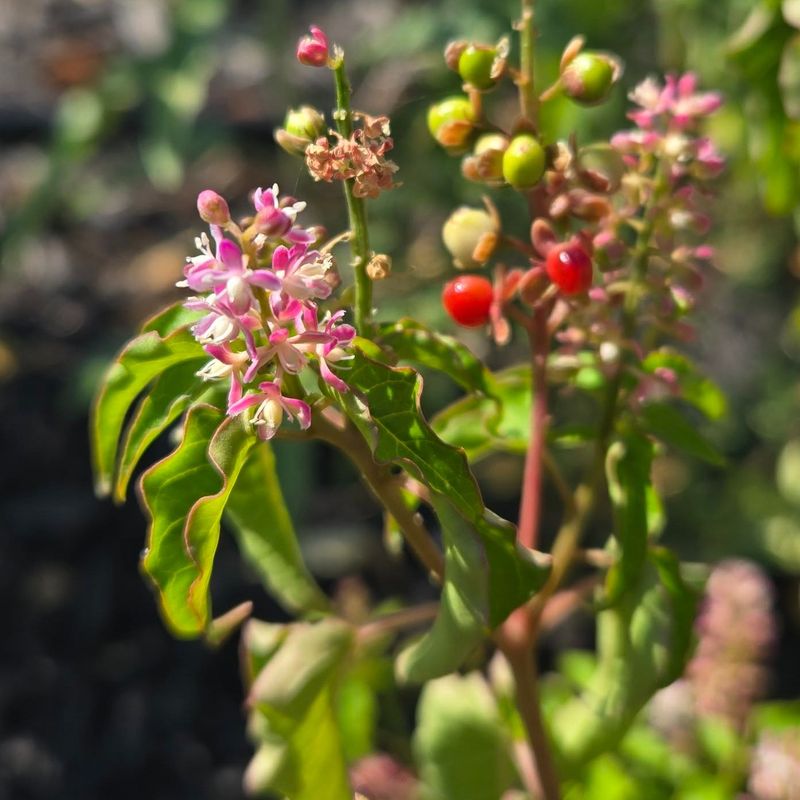
Here is a plant that gives you two shows at once. Pigeonberry produces slender spikes of tiny pink and white flowers, then follows them with shiny red berries on the same stems.
This native thrives in the shade under Texas trees, especially in South and Central parts of the state. It handles dry, rooty soil that would trouble many other plants.
The flowers and berries appear together for months, giving a long season of color from spring through fall. Birds love the berries and will visit your yard to snack on them.
Pigeonberry stays low and bushy, usually around one to two feet tall. It spreads gently by seed and roots, forming loose colonies rather than a tight mat.
Its ability to grow in deep shade sets it apart. Spots that feel too dark for most flowers can still hold a happy patch of pigeonberry. That makes it a lifesaver for gloomy corners.
Care stays easy once it is settled. Give it water during hot, dry stretches, and it bounces back fast after rain. In colder areas it may fade in winter, then return when warmth comes back.
A quick heads up for pet and child safety: the berries are not for eating by people, so plant it where curious little ones will not sample them.
Mix pigeonberry with ferns and other shade lovers for a natural woodland feel. The bright berries add pops of red that stand out against green leaves. For a shady spot that stays interesting all year, this cheerful native is hard to beat.
5. Creeping Phlox (Phlox Subulata)
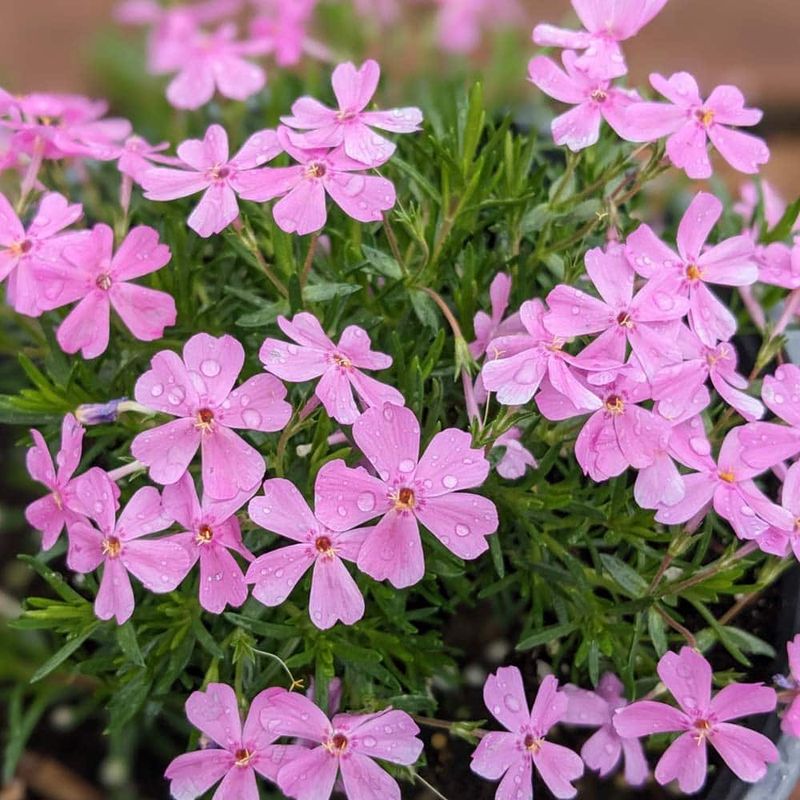
When spring arrives, few plants put on a bigger flower show than creeping phlox. It bursts into a thick blanket of pink, purple, or white blooms that nearly hide the leaves.
This ground cover works well in the dappled shade found at the edges of trees where a little light sneaks through. It likes soil that drains well and does not stay soggy.
The needle-like leaves stay green much of the year, giving a soft, mossy look even when the plant is not in bloom. That means your ground stays covered in every season.
Creeping phlox spreads outward to form a dense mat, which helps smother weeds. On slopes or banks, its roots grip the soil and stop it from sliding after storms.
Pollinators, including butterflies, flock to the sweet flowers in spring. Standing near a blooming patch, you may spot several winged visitors sipping nectar at once.
For best results, plant it where it gets morning light and afternoon shade in hot parts of Texas. Too much deep shade can reduce the number of flowers, so aim for that in-between spot.
After the main bloom fades, give the plants a light trim. This tidy step encourages fuller growth and sometimes a smaller second flush of flowers.
Water young plants regularly until roots take hold. Once mature, creeping phlox handles dry spells with little fuss and asks for almost no attention.
Use it along shady walkways or spilling over garden edges for a soft, colorful border. Come springtime, that flowing carpet of blooms turns your shady spots into a true showstopper.
6. Horseherb (Calyptocarpus Vialis)
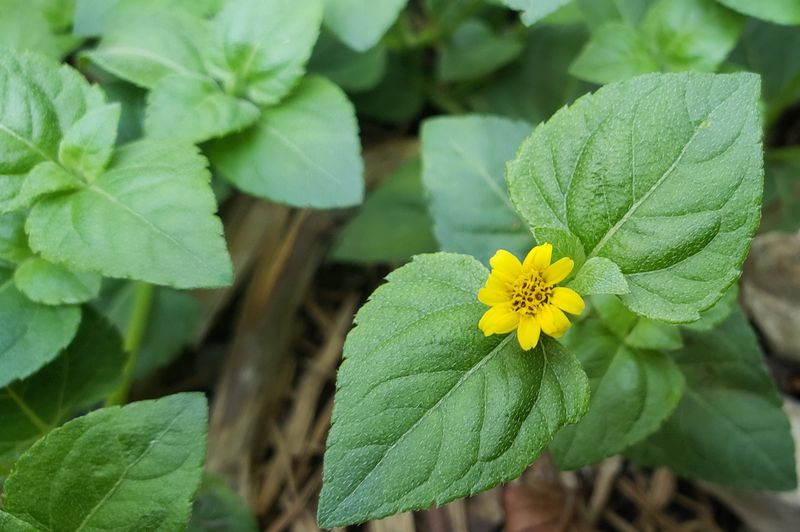
If you want a lawn alternative that thrives where grass gives up, horseherb is your friend. This tough native fills shady, tree-covered ground with green leaves and small yellow star-shaped flowers.
Many Texas gardeners use it in place of turf under big trees. It stays low, takes light foot traffic, and needs far less water and mowing than a regular lawn.
The little yellow blooms appear from spring through fall, adding gentle color that pollinators enjoy. Butterflies in particular stop by to feed on the tiny flowers.
Horseherb spreads quickly by runners and seed, so it fills bare patches fast. That speed makes it perfect for large shady areas that need covering in a hurry.
It handles both shade and some sun, though it looks lushest under trees. During drought it may brown and go dormant, then green up again after rain, much like it was never gone.
Care could not be simpler. Water it now and then in dry spells, and mow occasionally if you want a neater look. Left alone, it forms a soft, natural carpet.
Because it spreads eagerly, keep an eye on the edges near flower beds. A quick trim or edging strip keeps it where you want it.
Fun fact: horseherb is sometimes called straggler daisy because of its low, wandering habit and daisy-like blooms.
For eco-friendly yards, this plant is a winner. It cuts your water use, feeds pollinators, and turns hard-to-grow shady ground into a living green mat. Under a shady Texas oak, horseherb quietly does the job that grass simply cannot.
7. Wild Columbine (Aquilegia Canadensis)
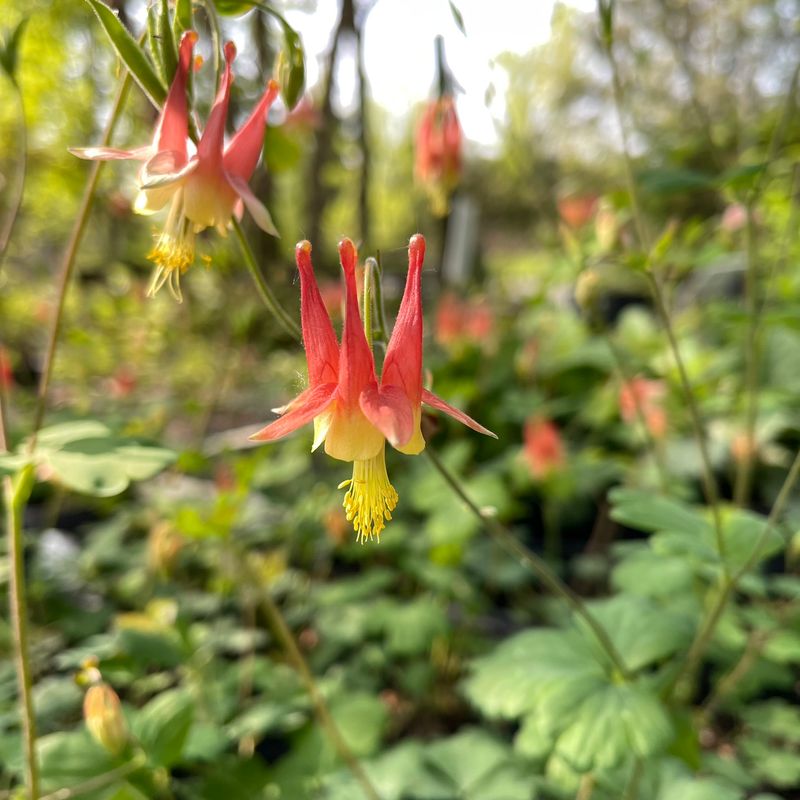
Delicate red and yellow flowers dangling like little lanterns make wild columbine a true charmer. These nodding blooms bring elegance to shady spots that need a bit of magic.
Columbine grows well in the filtered shade beneath Texas trees. It prefers cool, well-drained soil rich in leaf mulch, much like the forest floors it comes from.
The unusual flower shape has long spurs that hold nectar. Hummingbirds cannot resist them and will zip in for a sip, giving you a front-row show in spring.
This plant is taller than most on this list, reaching one to two feet. It works as a flowering accent among lower ground covers rather than a solid carpet by itself.
Wild columbine reseeds freely, so it slowly spreads across a shady bed over the years. New plants pop up in nearby spots, filling in gaps without much help from you.
The lacy, blue-green leaves stay attractive even after the flowers fade. They add soft texture that pairs nicely with ferns and violets in a woodland design.
Give it water during dry stretches, especially in the first year. In deep summer heat, columbine may slow down or go dormant, then return when cooler days come back.
To keep it looking fresh, snip off spent flowers, or let some go to seed if you want more plants. Both choices work fine, so pick based on your goals.
Plant wild columbine near a path or bench where you can watch the hummingbirds visit. In a shady Texas garden, this graceful native adds movement, color, and a touch of woodland wonder.