These Popular Florida Plants Hate Wet Feet – September Rain Can Be Their Biggest Problem
Your yard looks lush after every September downpour, but for some of your favorite plants, that rain might be doing more harm than good.
Certain popular picks can’t stand soggy roots for long, and Florida’s rainy season hits them harder than any drought ever could.
Roots sitting in waterlogged soil start suffocating within days, cutting off oxygen and inviting rot to move in quietly before leaves even show a hint of trouble.
By the time yellowing or wilting shows up, the damage below the surface already has a head start.
Raised beds, amended soil, and smart drainage make the difference between plants that bounce back and ones that never recover. Skip these fixes and one heavy storm season could undo months of careful care.
Check your drainage before the next round of rain rolls in. What looks like a harmless afternoon shower could be quietly working against everything you’ve planted this year.
1. Bougainvillea Struggles When September Rain Keeps Roots Too Wet
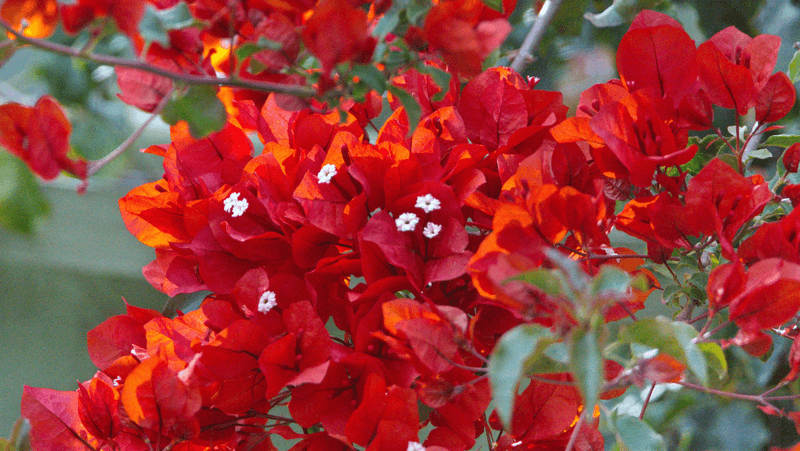
Few plants put on a louder color show than bougainvillea, and few pout faster when the ground stays soaked. Those papery magenta bracts are basically a mood ring for the root zone.
Steady September rain fills the air pockets in soil, and roots need those pockets to breathe. When they stay flooded, rot-causing fungi move in and the plant starts shedding.
Yellowing leaves, drooping stems, and a sudden drop in flowering are the usual warning signs.
Bougainvillea often flowers well when it is not kept constantly wet, because excessive moisture can encourage leafy growth at the expense of blooms.
Planting on a slight mound helps more than anything else you can do. Six to eight inches of elevation, mixed with coarse sand or small gravel, gives extra water somewhere to go.
Container growers should double check that drainage holes are not clogged with roots or packed soil. Lift pots onto feet or bricks so water is not sitting in a saucer all week.
Skip the heavy organic mulch right against the base, since it holds dampness like a sponge. Once the skies clear, hold off on watering until the top few inches feel dry, then water deeply and let it dry again.
2. Desert Rose Can Drop Leaves When Wet Soil Lingers Too Long
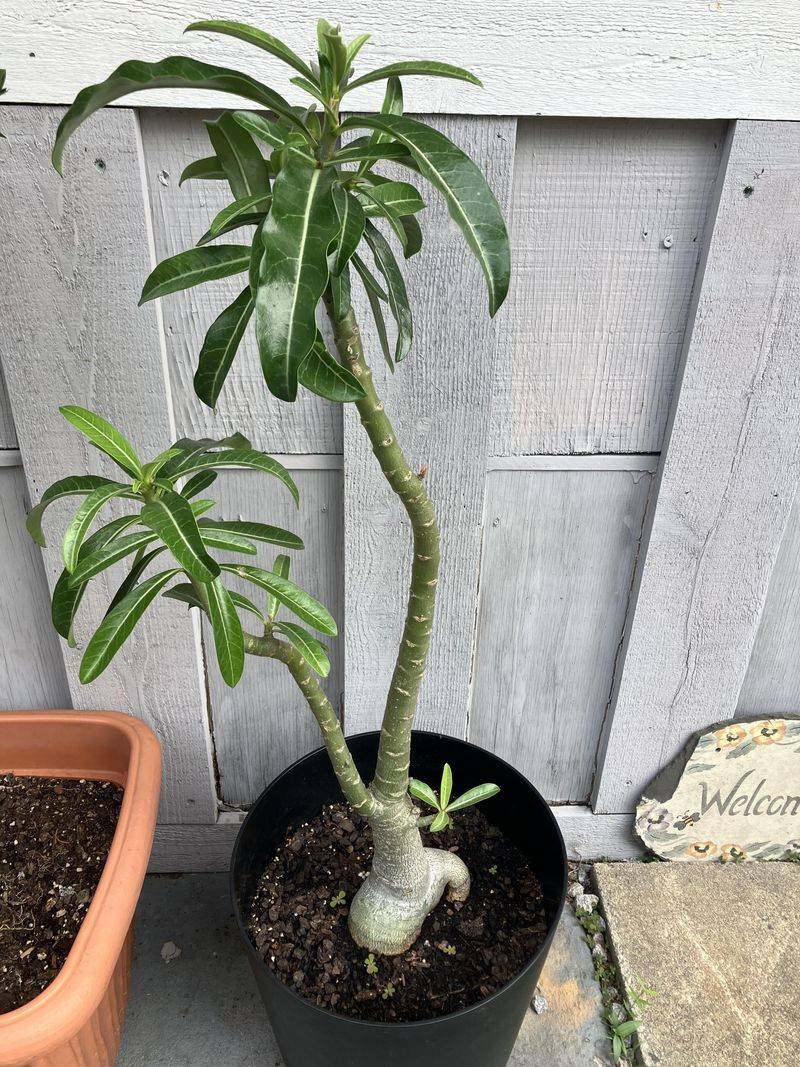
That swollen, elephant-foot base on a desert rose is a built-in canteen. The plant stores water there so it can shrug off dry weeks, which means it has zero interest in constant sips.
Adenium obesum comes from hot, arid regions, so Florida’s September pattern is the opposite of its comfort zone. Leaves may turn yellow, puff up, or look oddly see-through when the roots are drowning.
Check the caudex with a gentle squeeze. Firm is healthy.
Soft, spongy, or wrinkled in a mushy way means water has been sitting far too long and the roots need help fast.
Growing desert rose in a pot is the smartest move in a rainy climate. Use a chunky blend of cactus mix, perlite, and coarse sand, and choose a container with generous drainage holes.
Your Florida Garden Changes Every Week. Your Plan Should Too.
Gardening in Florida changes quickly throughout the season. Every Friday you’ll receive a simple weekly plan showing exactly what to plant, prune, fertilize, harvest, and protect so you never miss the right timing.
During heavy rain weeks, slide potted plants under a porch roof or an overhang. A few dry days can turn a struggling plant around quickly.
Fall also brings a natural slowdown, so watering can taper off as temperatures cool and daylight shrinks. Let the mix dry out fully between drinks, and resist the urge to fuss.
A desert rose that looks slightly neglected is usually the happiest one in the yard.
3. Rosemary Often Fails When Florida Rain Replaces Dry Conditions
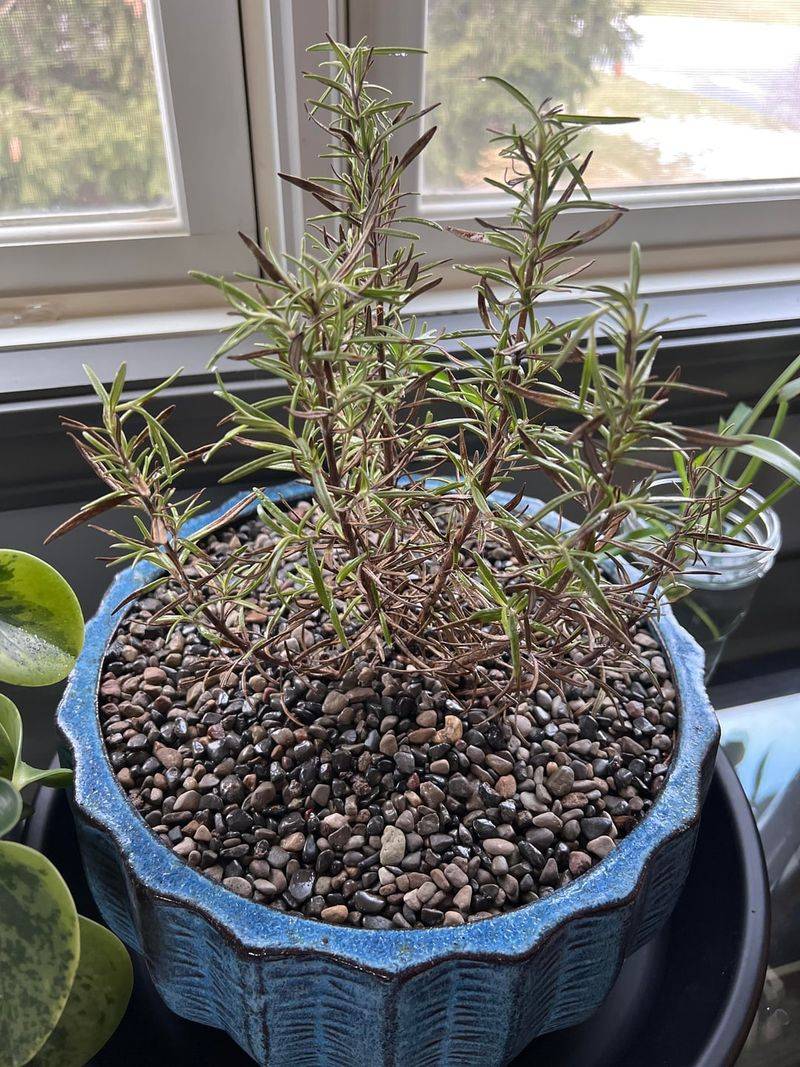
Rosemary grew up on rocky Mediterranean hillsides where rain arrives, drains, and disappears. Florida’s version of rain tends to linger, and that difference explains a lot of sad-looking herb gardens.
A rosemary shrub can look fine one week and gray-brown the next. Inside the soil, waterlogged roots simply cannot pull in oxygen, so the top growth browns from the middle outward.
Humidity adds a second layer of trouble. Crowded, damp branches invite powdery mildew and other leaf problems, especially when air barely moves between plants.
Raised beds and large terracotta pots solve most of this. Mix in coarse sand, crushed shell, or fine gravel so water races through instead of pooling around the crown.
Give each plant enough space for airflow and prune lightly to open up crowded growth. Better airflow dries leaves faster after a storm.
Swap wood mulch for pea gravel or small rocks near the base. Gravel reflects heat, holds less moisture, and keeps stems from staying damp overnight.
Established rosemary rarely needs extra watering in September. Let the rain do the work, then check soil moisture with your finger before adding a drop.
Upright varieties like Tuscan Blue often handle Florida beds better than low, sprawling types.
4. Agave Rot Begins When Water Stays Trapped Around The Roots
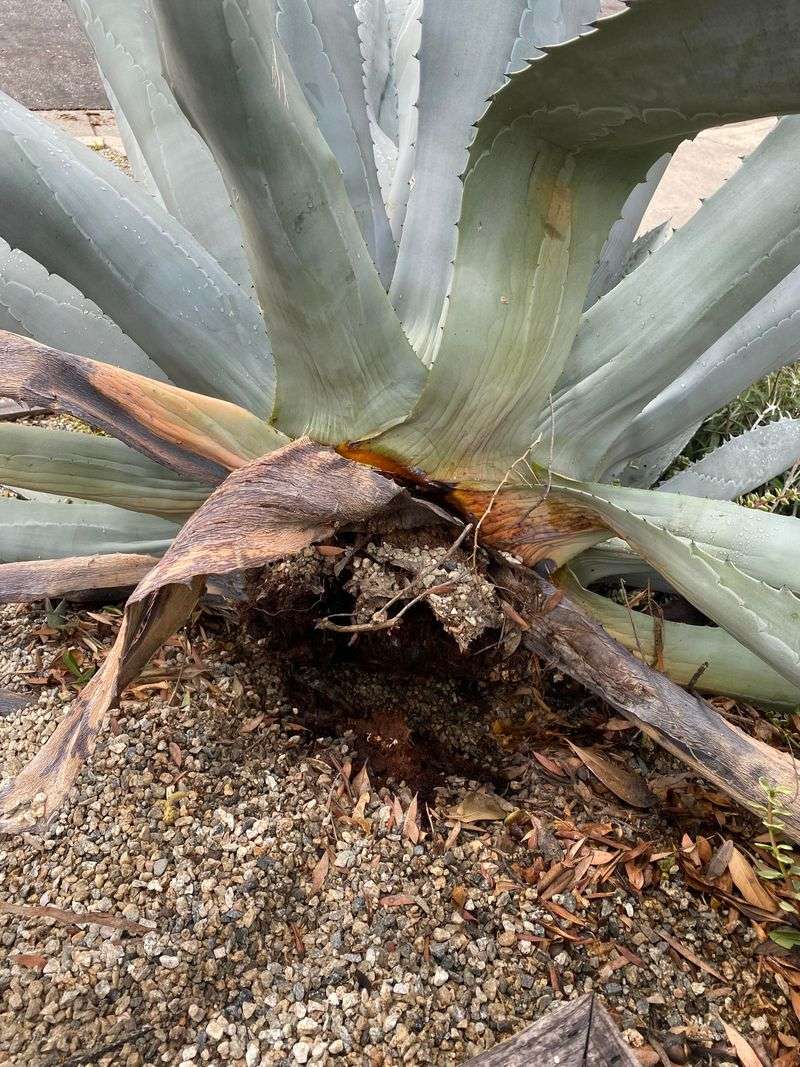
An agave looks like it could handle anything. Those thick, spear-tipped leaves say tough as nails, yet the roots underneath are surprisingly fussy about soggy ground.
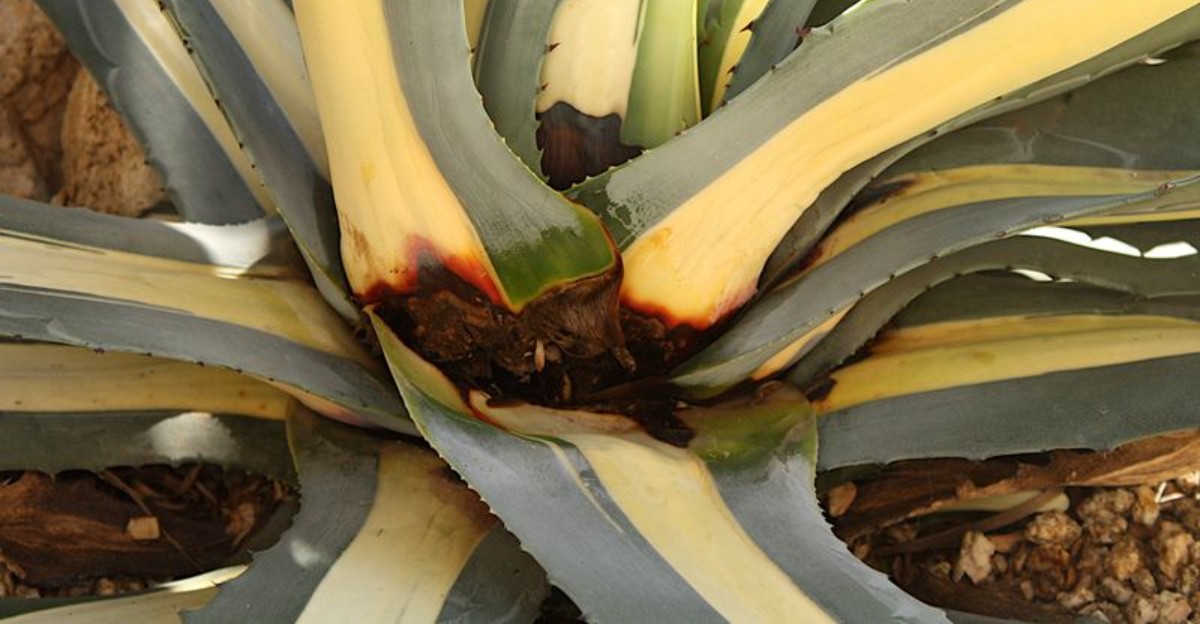
Agave leaves funnel water straight down toward the center, which is handy in a desert and risky in Florida. When rain collects in the crown and the soil below stays saturated, soft rot can start at the base.
Watch for leaves that lose their stiffness or develop dark, sunken patches near the bottom. A plant that wobbles when you nudge it has likely lost root anchorage.
Placement matters more than any product you can buy. Slopes, berms, and raised rock gardens keep water moving away instead of collecting around the base.
Build the planting area with roughly half native sand and half coarse grit or small stone. Set the plant slightly high so the crown sits above the surrounding grade.
Keep mulch, leaves, and lawn clippings away from the lower leaves. Debris traps moisture and gives rot a cozy place to begin.
One fun bit of history: agave is the plant behind tequila, and those famous fields in Mexico sit on volcanic soil that drains in a hurry. Copy that drainage and your agave will be far more relaxed about September storms.
5. Lavender Needs Better Drainage Than Many Florida Beds Provide
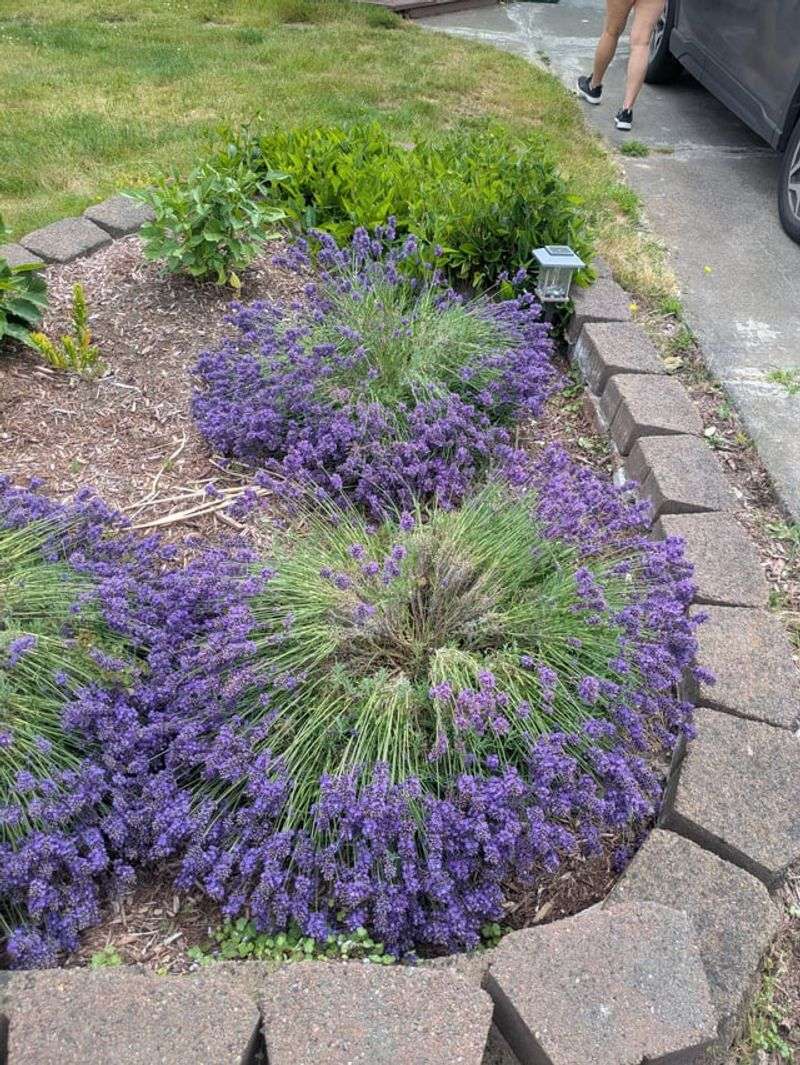
Everybody wants a lavender hedge. Then September shows up, the beds hold water, and those silvery stems start looking rough around the edges.
Lavender evolved on dry, gravelly slopes with lean soil and constant breeze. Rich Florida beds packed with compost hold far more moisture than the plant is built to handle.
Soggy roots lead to rot, and humid still air encourages fungal troubles like botrytis on the flowers and stems. Both problems trace back to water hanging around too long.
Raised beds and big containers are your best friends here. Build a gritty mix using sand, small gravel, and only a light touch of organic matter.
Plant a little high, with the crown sitting above soil level, and top the surface with pea gravel rather than bark. Gravel drains, dries fast, and keeps the base from staying wet.
Choose varieties with a track record in the Southeast. Spanish and some French lavender types are often better suited to Florida conditions than many English lavender varieties.
Once roots are established, supplemental watering becomes almost unnecessary during rainy weeks. Trim spent blooms and thin crowded growth so air can move through, and your lavender stands a much better chance of pulling through the wet season.
6. Crown Of Thorns Prefers Dry Soil Even Through Rainy Weeks
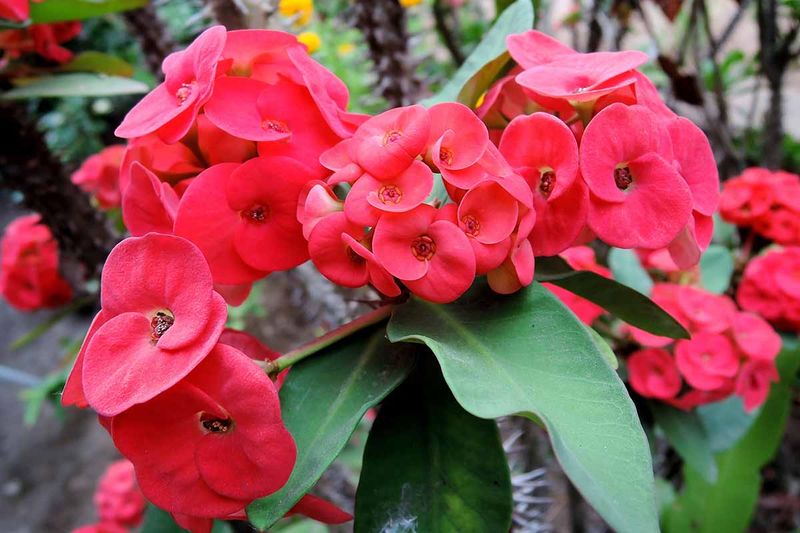
Crown of thorns is the plant people forget to water for a month and it still blooms. That toughness is exactly why heavy rain catches owners off guard.
Euphorbia milii is a succulent at heart, storing moisture in its spiny stems. It wants full sun and soil that dries out between drinks, not weeks of dampness.
Overwatered plants show it clearly. Leaves swell, turn yellow or oddly translucent, then brown and fall off with the lightest touch.
Stems can feel squishy near the soil line.
Since this plant is often used in landscape borders, drainage should be checked before planting. If water stands in a spot for hours after a storm, pick somewhere else or build up the area.
Containers work beautifully and make rainy-week management easy. Use a cactus mix with extra perlite and move pots under cover during long downpours.
Hold off on irrigation while rain is doing the job. Poke a finger two inches down before watering, and if it feels cool and damp, wait.
Quick safety note: the milky sap can irritate skin and eyes, so wear gloves when pruning. Trim away any mushy stems, let the cuts air dry, and the plant usually bounces back with fresh growth.
7. Aloe Vera Can Turn Soft When September Moisture Builds Up
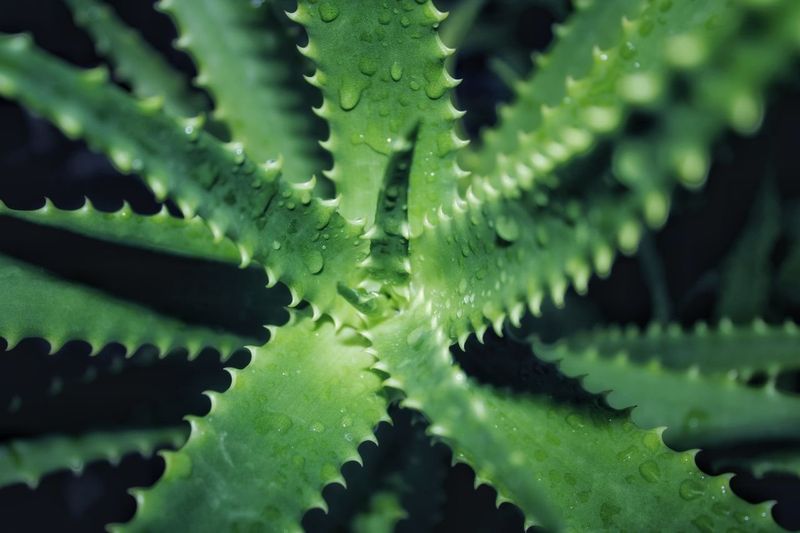
Every aloe leaf is a little water tank. The plant carries its own reserve, so extra moisture from outside is more burden than blessing.
When soil stays wet, those plump leaves lose their firmness. They flatten, yellow, and eventually feel slippery or mushy near the base, which signals the roots are in trouble.
September is tricky because heat plus rain speeds everything up. Fungi in warm, saturated soil multiply quickly, and an aloe can go from perky to floppy within days.
Potted aloes fare best in Florida. A clay container, a gritty cactus mix, and at least one wide drainage hole cover most of the bases.
Never let a pot sit in a filled saucer after a storm. Tip out the extra water and set the container on pot feet so air can reach the bottom.
For in-ground plants, a mounded bed amended with coarse sand keeps roots above the wettest zone. Morning sun with light afternoon shade reduces stress while the soil dries.
If a plant is already soft, unpot it, trim away brown or slimy roots, and let it sit dry for a day before replanting in fresh mix. Aloe pups root easily, so even a struggling plant usually leaves you a backup.
8. Sago Palm Shows Stress When Poor Drainage Chokes The Root Zone
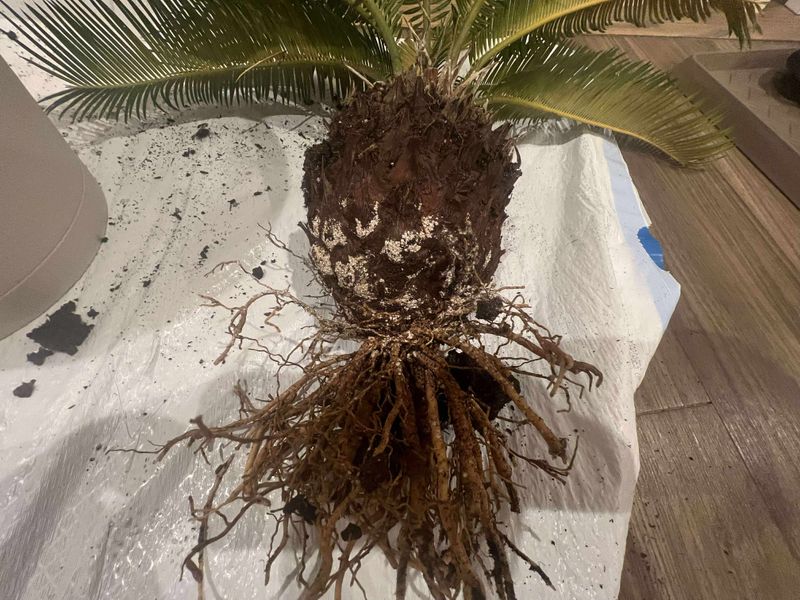
Here is a fun bit of trivia: the sago palm is not a palm at all. It is a cycad, part of an ancient plant group that shared the planet with dinosaurs.
Ancient does not mean indestructible, though. Sagos are drought tolerant and genuinely dislike sitting in wet ground, which makes September a testing month.
Trouble usually shows up in the fronds first. Older leaves yellow, new growth looks stunted or twisted, and the crown or upper trunk may feel soft or darken.
Drainage around the root zone is the whole ballgame. If your sago sits in a low spot or a bed edged with concrete, water has nowhere to escape after a storm.
Consider regrading the area, adding a berm, or installing a simple French drain to redirect runoff. Even a small slope change makes a noticeable difference.
Pull mulch back a few inches from the trunk so the base can dry between rains. Piled mulch against the trunk holds dampness right where rot likes to start.
Skip fertilizer while the soil is saturated, since stressed roots cannot use it well. Wait for a dry stretch and water deeply and infrequently after that.
Keep in mind that sago palms are toxic if ingested, so place them carefully around pets and children.
9. Plumeria Needs Careful Watering When Fall Rain Slows Growth
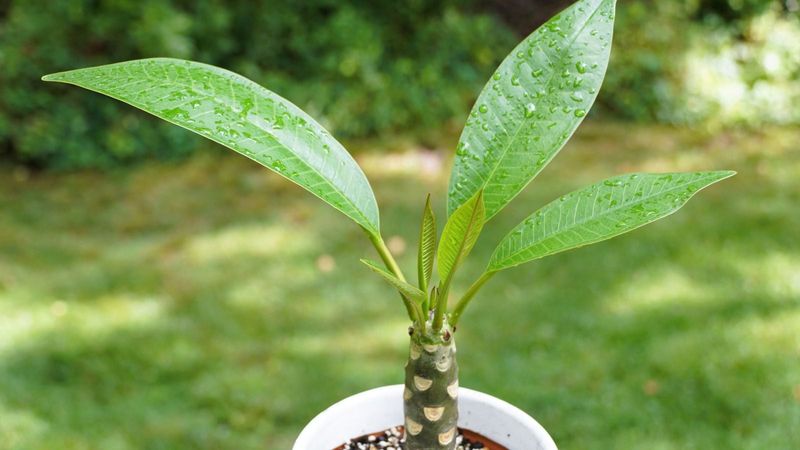
Plumeria gives you that vacation scent right in your own driveway. The fragrance is unforgettable, and so is the disappointment when leaves start yellowing in early fall.
Those thick, sausage-like branches store water, which is why plumeria shrugs off dry spells and resents standing water. Roots sitting in saturated soil cannot absorb nutrients, so the plant wilts even while surrounded by moisture.
Yellow leaves are usually the first hint. Soft spots near the base of a branch or a trunk that gives slightly under thumb pressure means the problem has moved deeper.
Growing in containers gives you control over both soil and shelter. Blend potting mix with plenty of perlite or small bark chips, and pick pots with several drainage holes rather than one.
During long rain stretches, tilt pots slightly or move them under cover so water drains freely. In-ground plumeria benefits from a raised mound and a spot that catches afternoon sun.
Fall is also when growth naturally slows down. Cut back on watering as days shorten, then stop almost entirely once the plant drops its leaves for winter rest.
If a branch turns soft, cut back to firm tissue, let the wound callus in open air, and the plant often pushes fresh tips come spring.