October Crepe Myrtle Mistakes Florida Gardeners Keep Making
Your crepe myrtle may look ready for a fall cleanup, but October is when a few well-intentioned garden habits can backfire. Florida’s warm weather makes it tempting to keep trimming, feeding, and fussing over these trees long after they need much attention.
The trouble is, what seems like tidy maintenance now can mean fewer flowers or unnecessary stress next year.
And some of the biggest mistakes happen because crepe myrtles are tough plants that seem able to handle just about anything.
From grabbing the pruning shears at the wrong time to making assumptions about watering, small choices can have a bigger impact than you’d expect. The trick is knowing which tasks can wait and which ones deserve your attention before the season changes.
A little restraint this fall could pay off when those colorful blooms return. Your crepe myrtle doesn’t need a full makeover just because the calendar says October.
1. Pruning Now Instead Of Waiting Until Late Winter
Picture a breezy October Saturday, shears in hand, and a tree that looks a little shaggy. The urge to tidy up is real, but your crepe myrtle would rather you wait.
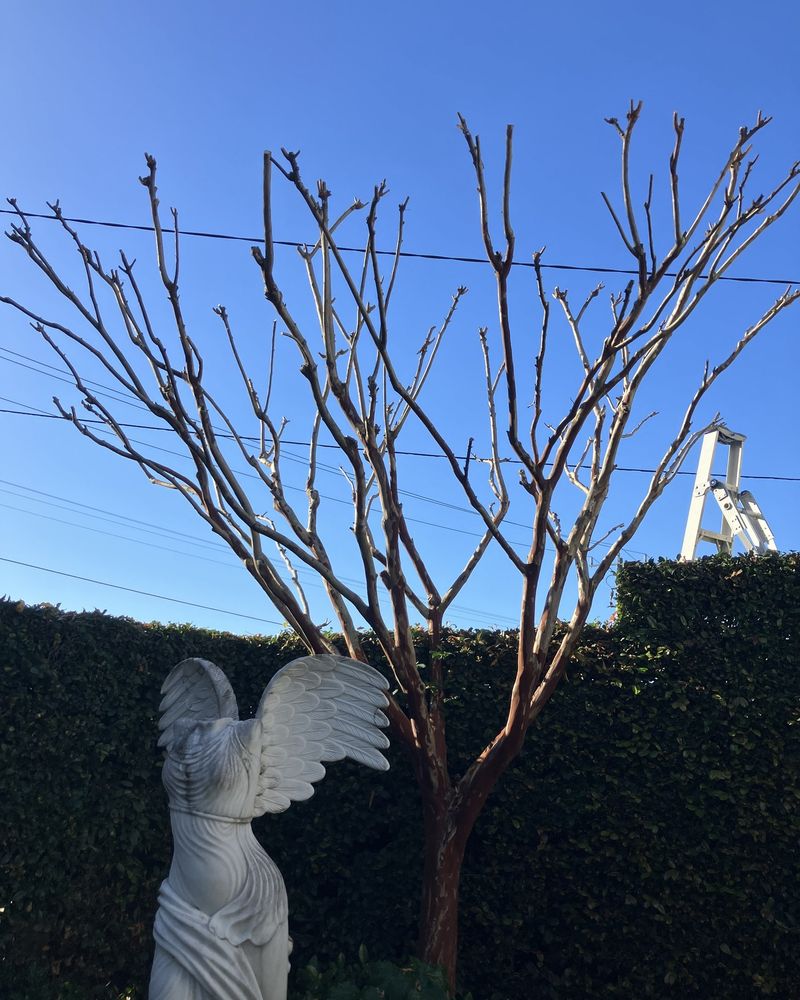
Florida experts at UF/IFAS point to late winter as the sweet spot for pruning. That usually means January through early March, while the tree is resting.
Cutting in fall can wake up the tree at the worst moment. It may push out soft, tender shoots that have no time to toughen up.
Then the first hard freeze rolls in, especially in North and Central Florida. Those fresh shoots can get zapped, leaving brown, damaged tips behind.
Fall pruning also removes wood the tree has already prepared for next season. In other words, you could be trimming away some of next summer’s color.
There is a looks problem too. A freshly chopped tree can appear bare and awkward all winter long, while an untouched one shows off its peeling bark.
So what can you do now? Grab a notebook and jot down which branches cross, rub, or look weak and spindly as you stroll past.
Mark your calendar for a mild day in February. When the time comes, you will have a clear plan and a tree that is ready for it.
2. Topping The Tree
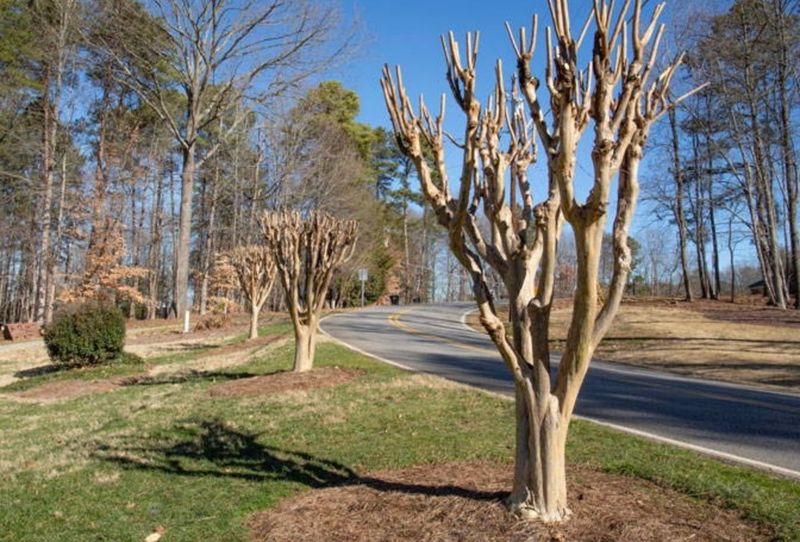
Drive through almost any Florida neighborhood and you will spot them. Rows of trees chopped to identical stubs, like fence posts waiting for spring.
The results look tidy for about a week. After that, the tree sends up a messy burst of skinny shoots, often called a witch’s broom.
Those thin stems are weak and wobbly. When heavy summer flower clusters form, branches can bend low or snap under the load.
Topping also strips away food the tree stored in its wood. With fewer leaves and branches, it struggles to make energy from sunlight.
Repeat the chop year after year, and ugly swollen knuckles appear at every cut. Many folks find those lumps far less charming than smooth, graceful limbs.
Your Florida Garden Changes Every Week. Your Plan Should Too.
Gardening in Florida changes quickly throughout the season. Every Friday you’ll receive a simple weekly plan showing exactly what to plant, prune, fertilize, harvest, and protect so you never miss the right timing.
Here is a fun twist on the trend. Plenty of people top their trees simply because the neighbors do, not because the tree needs it.
Try a lighter touch instead. Remove a few crowded or crossing branches at their base, and let the natural vase shape shine through.
3. Making Big Cuts That Invite Disease
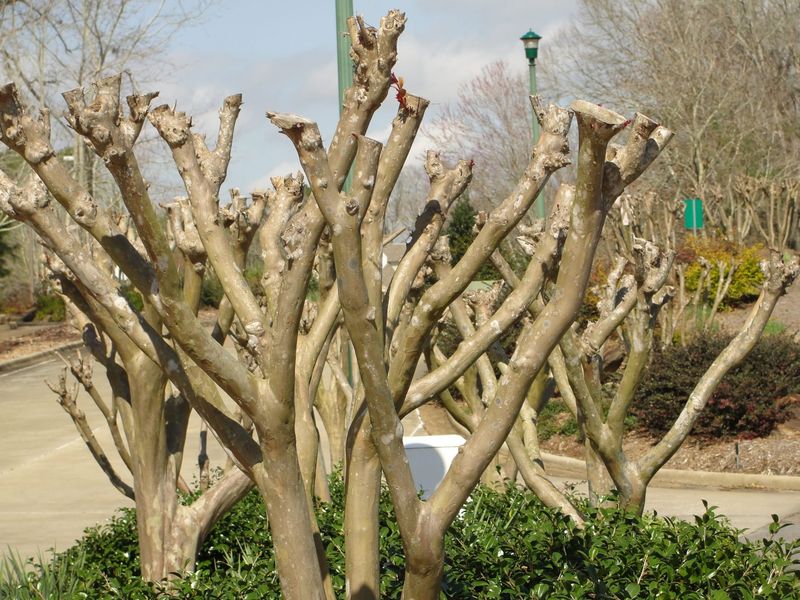
Think of a pruning cut like a scraped knee. A small scrape heals quickly, but a big gash stays open and grabs every germ around.
Large pruning cuts can leave substantial wounds that are difficult for a tree to contain, especially when branches are cut incorrectly or bark is torn. Decay organisms may enter damaged wood, although the outcome depends on the tree’s condition, the cut, and environmental conditions.
The best prevention is to avoid unnecessary large cuts. Use proper pruning techniques, preserve the branch collar, and remove only branches that need attention.
Big wounds also tend to show up after topping. When thick limbs get sawed off mid-branch, the tree has a hard time sealing that surface.
A smarter approach starts with smaller, cleaner cuts. Trim branches back to a crotch, where one limb meets another, so the tree keeps its natural form.
Focus on the troublemakers first. Branches that cross, rub, crack, or show signs of disease are the ones worth removing.
Sharp tools matter more than people think. A dull blade crushes and tears bark, while a sharp one leaves a neat edge that heals faster.
Wipe your pruners with rubbing alcohol between trees as well. That simple habit helps keep problems from hitching a ride from one plant to the next across your yard.
4. Pruning Hard And Delaying Next Year’s Blooms
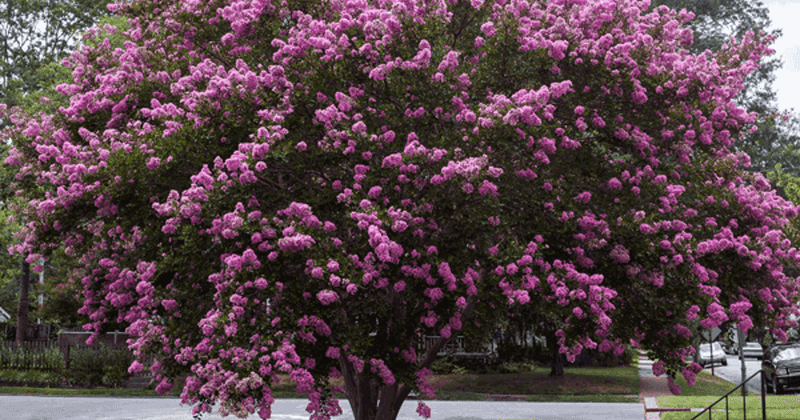
Patience is tough when you want flowers. Oddly enough, heavy pruning can make you wait even longer for them.
Research shows that aggressive cutting can push bloom time back by up to a month. Trees that get topped hard may hold off flowering until July.
Meanwhile, unpruned trees often burst into color in May or June. That means your neighbor’s untouched tree could steal the show weeks before yours.
Some gardeners notice that hard-pruned trees grow bigger flower clusters. It sounds like a win, but there is a catch hiding in those blooms.
Those large clusters sit on thin, weak branches. After a typical Florida afternoon storm, soaked flowers grow heavy and pull stems toward the ground.
Sometimes the stems droop so low they block sidewalks or brush against cars. Other times they crack outright, leaving a tangled mess to clean up.
A gentle trim gives you a better balance. You get plenty of medium-sized blooms on sturdy wood that holds its shape through rain and wind.
Picture a tree dotted with color from top to bottom, standing tall after a downpour. That steady, cheerful display is well worth skipping the heavy cuts.
5. Snipping Seed Pods Thinking It Helps Flowering
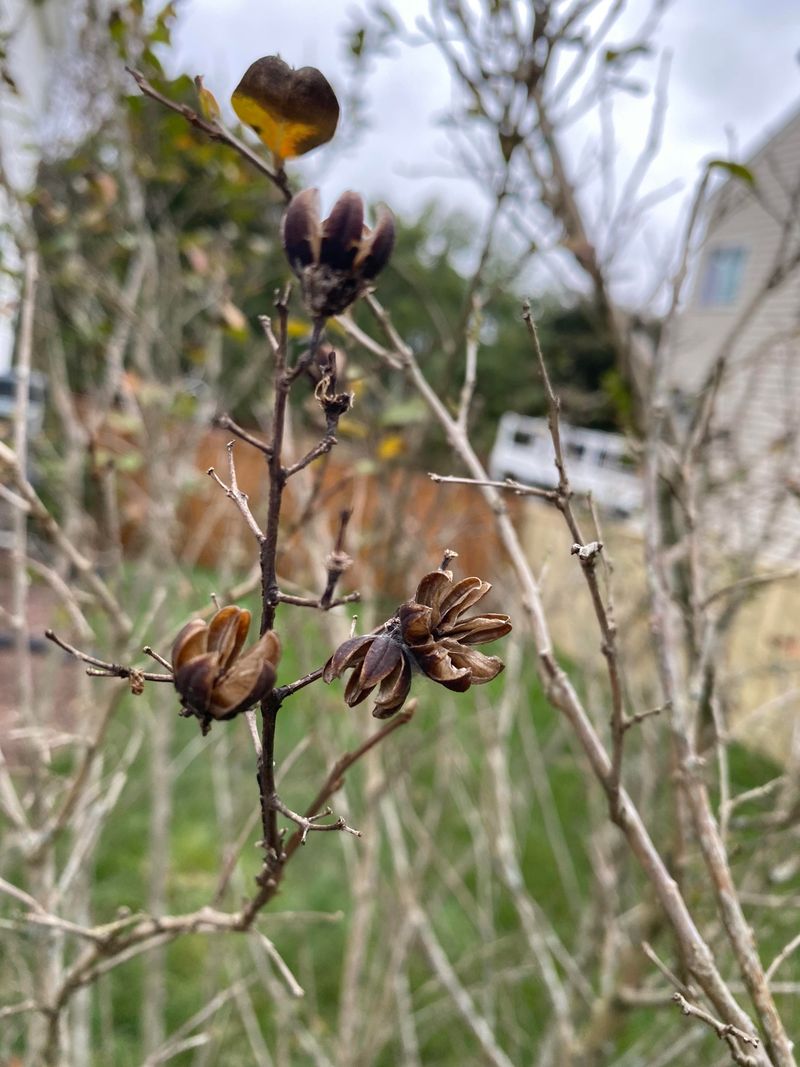
Ever stood on a ladder in October, clipping seed pods one by one? If so, you can climb down and relax, because that chore is mostly optional.
Some cultivars may push a second flush of flowers if you remove spent blooms early in summer. By fall, though, the blooming season is winding down anyway.
Removing seed pods in October is unlikely to improve next year’s flowering. Trimming spent flower clusters can encourage a second flush in some varieties when done earlier in the growing season, but it is generally unnecessary this late in the year.
Leave the pods for winter interest, or remove a few if you dislike their appearance.
Those pods actually add charm to the autumn yard. They dry into small, round capsules that look a bit like tiny wooden beads.
Against a clear blue sky, the clusters create a lovely texture. They also pair nicely with the orange and red leaves some varieties show in fall.
Fun fact for curious kids and grown-ups alike. Each little capsule splits into sections, releasing small winged seeds that drift on the breeze.
If the pods bother you near a patio or pool, feel free to trim a few within easy reach. Just skip the risky ladder work for something that offers no real reward.
Spend that saved time sipping something cold on the porch. Your tree will bloom just fine without the extra fuss.
6. Piling Mulch Up Against The Trunk
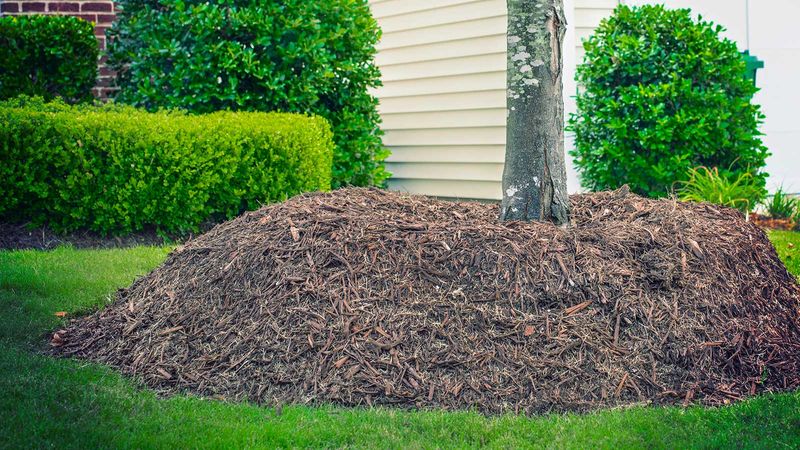
Mulch volcanoes pop up in parking lots and front yards all over the Sunshine State. They look neat, but trees are not fans.
Volcano mulching means piling mulch high in a cone around the trunk. That buried bark stays damp day after day and cannot dry out.
Moist bark is an open invitation for rot. Fungi settle in, and the outer layers of the trunk can soften and decay.
Insects enjoy the setup too. A thick, wet pile gives them shelter right against the tree, where they can feed without much notice.
Roots can also get confused. Some start growing up into the mulch and circle the trunk, which can slowly squeeze the tree like a tight belt.
The fix takes about five minutes and a rake. Gently pull the mulch away until you can see where the trunk flares out at the base.
Keep mulch about 12 to 18 inches away from the trunk where space allows, and make sure the trunk flare at the base remains visible. Spread the remaining mulch evenly over the surrounding root zone, generally about 2 to 3 inches deep, to help retain soil moisture and suppress weeds.
Think of it as giving your tree some breathing room. A little space at the base goes a long way toward a sturdy, healthy trunk.
7. Spreading Mulch Too Thick
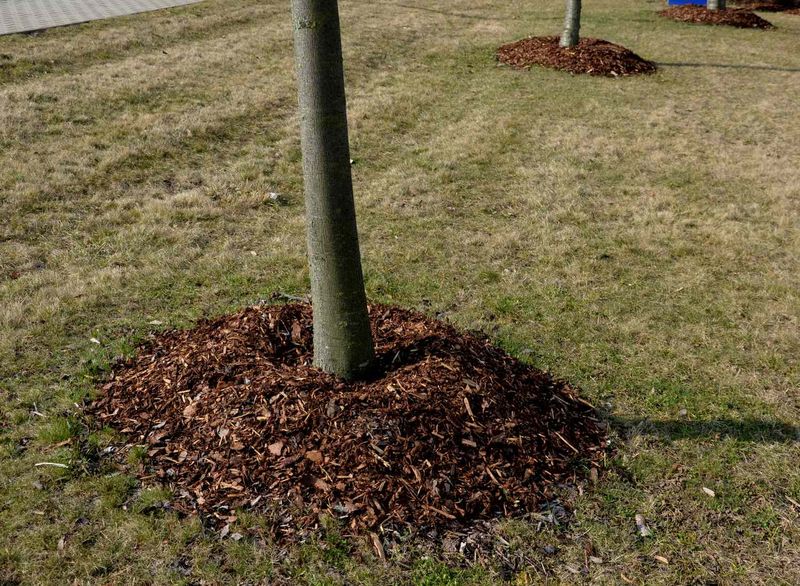
More mulch must mean more protection, right? It is an easy assumption, yet thick layers can cause more harm than good.
Experts suggest keeping mulch no deeper than 2 to 3 inches. Past that point, the layer starts working against the roots below.
Heavy mulch can block air and water from reaching the soil. A light Florida shower may soak the top layer and never trickle down.
On the flip side, a long rainy spell can leave thick mulch soggy for days. Roots sitting in that wet mess may struggle to breathe.
Here is a handy trick. Push a ruler or popsicle stick straight down into the mulch and see how far it sinks before hitting dirt.
If you measure five or six inches, it is time to thin things out. Rake extra mulch toward other beds that could use a fresh layer.
Many Floridians add new mulch every fall without removing the old. Over a few years, those layers stack up like pancakes on a breakfast plate.
Instead, loosen or remove some old material before topping it off. Your crepe myrtle will thank you with stronger roots and steadier growth through the seasons.
8. Overlooking Crapemyrtle Bark Scale
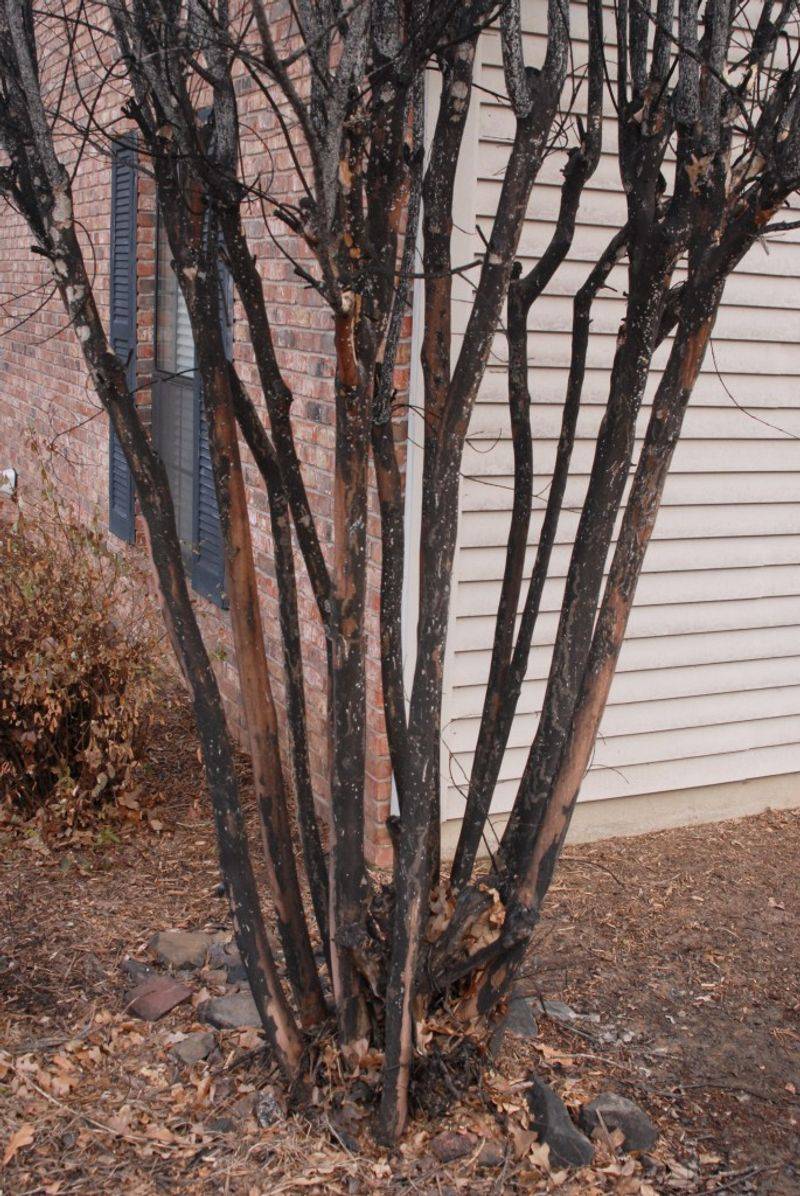
Spot black, sooty patches on your tree’s smooth bark? Look closer, because a tiny invader might be hiding right underneath.
Crapemyrtle bark scale is an invasive pest that has spread across the South. It shows up as white to gray, felt-like crusts or waxy dots on branches and trunks.
The insects drip a sticky liquid called honeydew. Black sooty mold then grows on that goo, making the tree look grimy and tired.
Infestations often start near pruning cuts or other wounds. That is one more reason to go easy on the shears.
Healthy, established trees rarely decline quickly from this pest. Still, a long-lasting infestation can reduce flowering and drain the tree’s energy over time.
October is a great month for a bark check. Walk around the trunk and gently press any white spots, since crushed scales leave a pinkish smear.
Early identification matters. For a suspected infestation in Florida, contact your local UF/IFAS Extension office for identification and current guidance rather than assuming it is ordinary scale or treating it with horticultural oil.
A soft brush and mild soap-and-water solution can remove some scale insects and egg masses from reachable bark, but this alone will not eliminate a heavy infestation.
9. Keeping A Tree That’s Outgrown Its Space
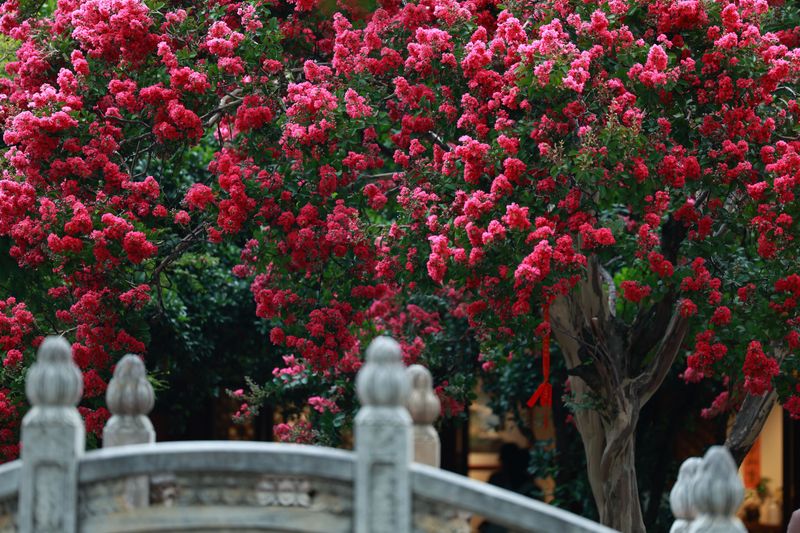
Some trees are like puppies that turn into great big dogs. That cute sapling by the front door may now be pushing against your gutters.
Crepe myrtles grow fast, and many varieties reach 20 feet or more. Planted under eaves or near power lines, they quickly run out of room.
Lots of folks respond by chopping the tree back every year. That endless battle often leads to topping, weak shoots, and fewer healthy blooms.
Experts offer a different idea. If a tree needs heavy pruning just to fit, replacing it with a smaller cultivar is usually the kinder choice.
Dwarf and semi-dwarf types come in many colors. Some stay around 3 to 10 feet, making them great for walkways, patios, and tight corners.
October is actually a fine time to plant in much of Florida. Cooler days and steady soil warmth help new roots settle in before spring.
Before you buy, check the plant tag for mature height and width. Then measure the spot and give the tree plenty of space to spread.
A well-matched tree needs very little pruning. You get more flowers, less work, and no ladder drama every winter.