How To Start Fall Bush Beans In Georgia Even While Summer Heat Lingers
Picture a gardener in Macon standing over an empty row in early August, seed packet in hand, sweat dripping off her chin while the thermometer on the shed reads 96 degrees.
Planting beans in that kind of weather feels wrong on every level, yet waiting too long means frost will end the harvest before the pods ever fill out.
Georgia’s long, hot tail end of summer is exactly when a fall bush bean crop has to go in the ground.
Most gardeners assume this heat means waiting until September at the earliest, missing the actual window entirely by playing it too safe.
Here is how to get seeds up and seedlings alive until cooler air finally arrives across the state.
1. Choose Heat Tolerant Bush Varieties
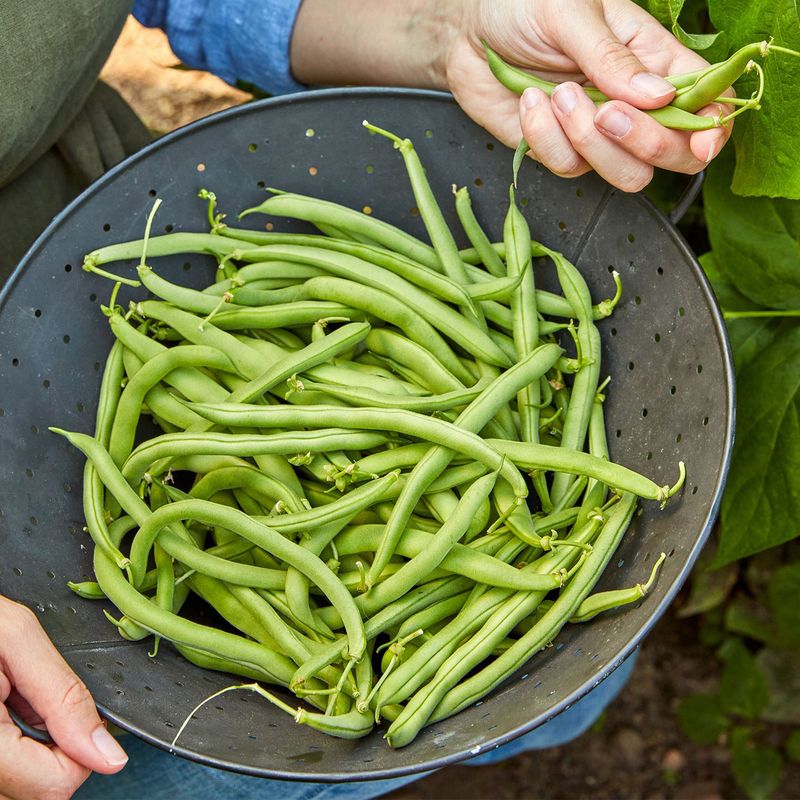
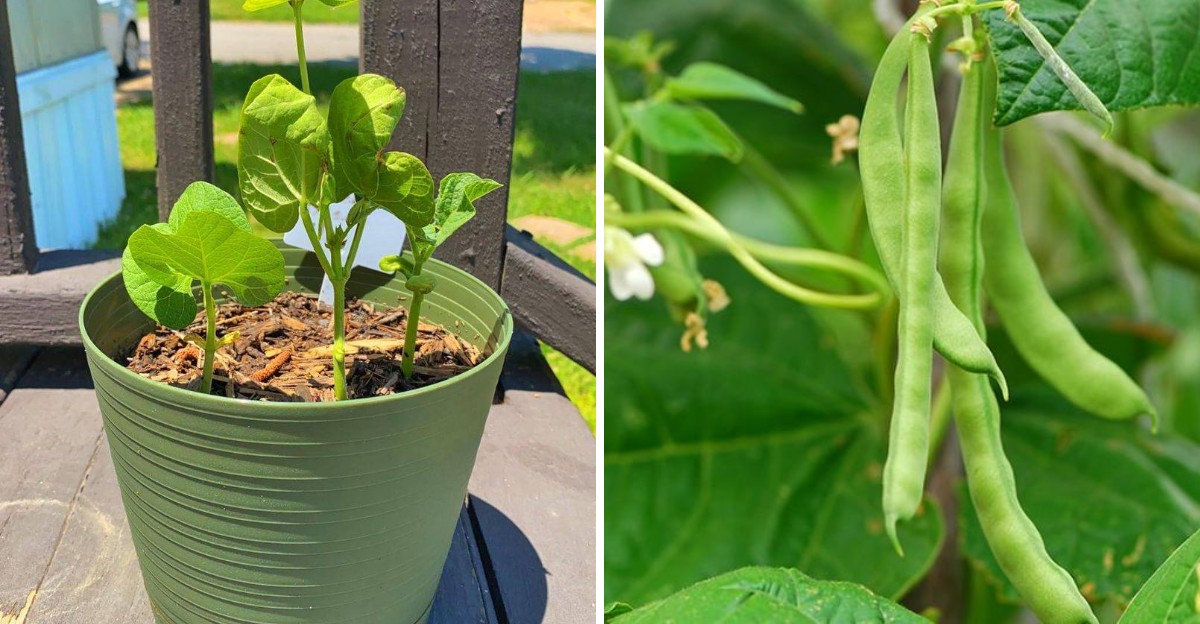
Not every bean shrugs off a 95-degree afternoon without consequence. Heat makes bean blossoms drop, and a variety that sets pods poorly in high temperatures will look healthy while producing almost nothing.
UGA Extension recommends dependable bush types for Georgia gardens, including Blue Lake 274, Contender, Provider, Roma II, and Derby specifically.
Speed matters more than you might think here. A variety that finishes in 50 to 55 days gives you breathing room if the first cold snap arrives early.
Avoid pole beans for this particular slot entirely. Bush types put their energy into a concentrated harvest instead of climbing all season, which suits a short autumn window.
Buy fresh seed rather than leftovers from spring planting. Bean seed stored in a hot garage loses vigor, and weak seed plus hot soil equals a thin stand.
Think about disease too during this stretch. Late-season plantings in Georgia face rust and mildew pressure as humidity stays high through fall.
Plant a little heavier than you would in April. Sowing roughly 20 percent extra seed covers the losses that hot, crusting soil always seems to take.
2. Water Consistently Through The Hottest Stretch
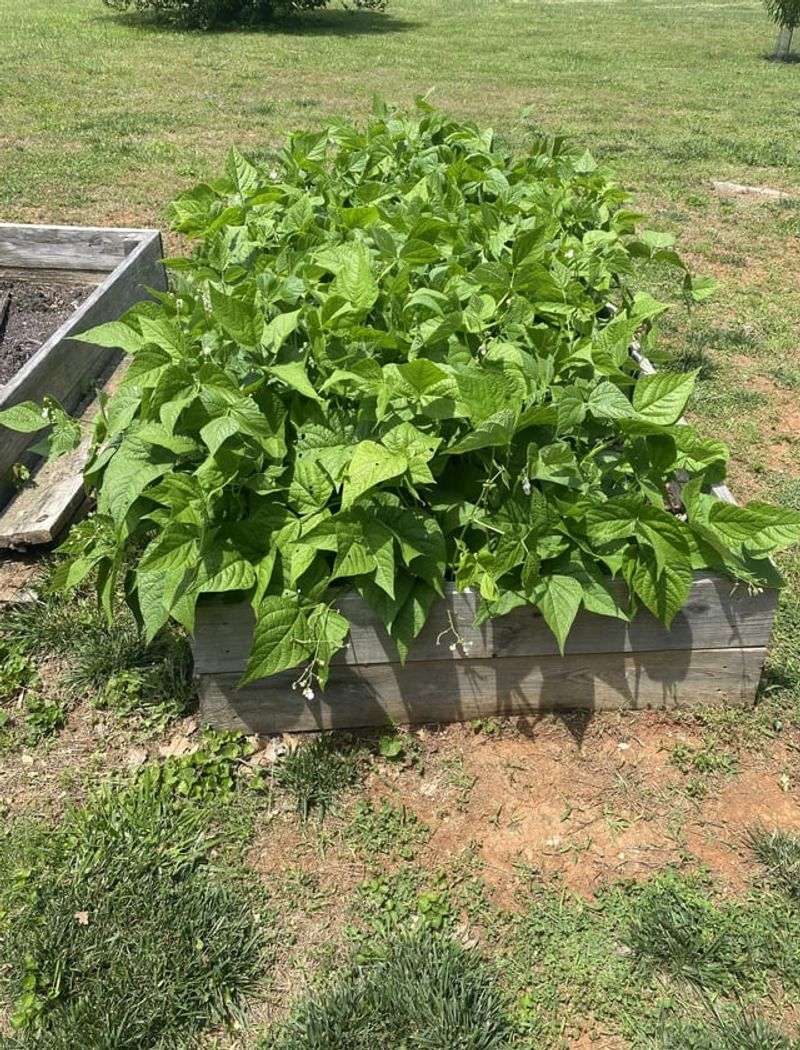
Bean seed drinks hard in its first few days after planting. The seed coat has to swell and split, and if the soil around it dries out halfway, the embryo simply fails to develop underground.
Georgia’s August sun can bake the top inch of a bed dry in a single afternoon. That means a fall planting often needs light water every day, sometimes twice.
Go shallow and frequent during germination, then switch gears entirely. Once plants have their first true leaves, deeper soakings two or three times a week push roots down.
Morning is the best hour to water here. Leaves dry before evening, which cuts down on the fungal problems that thrive in humid Georgia nights.
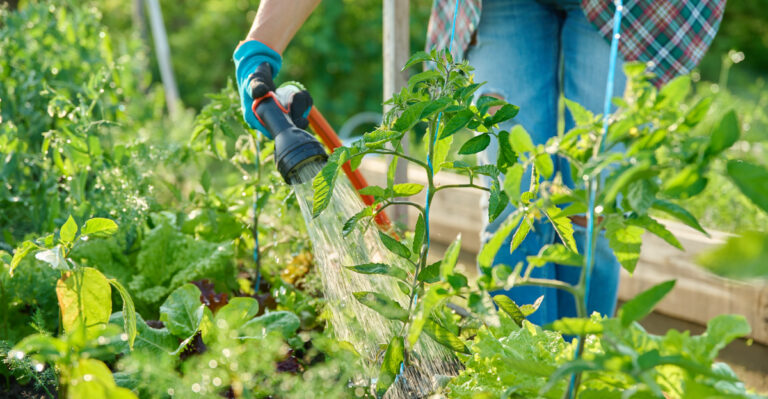
Soaker hoses and drip lines beat overhead sprinklers for this task. Water lands where roots need it, and foliage stays dry throughout the day.
Watch for crusting after a hard rain or a heavy sprinkler blast. A baked crust can trap sprouts underneath, so a gentle scratch softens it.
Once flowering starts, steady moisture becomes critical again. Beans under drought stress during bloom drop flowers and set short, lumpy pods.
Your Georgia Garden Changes Every Week. Your Plan Should Too.
Gardening in Georgia changes quickly throughout the season. Every Friday you’ll receive a simple weekly plan showing exactly what to plant, prune, fertilize, harvest, and protect so you never miss the right timing.
3. Mulch To Keep Soil Temperatures Down
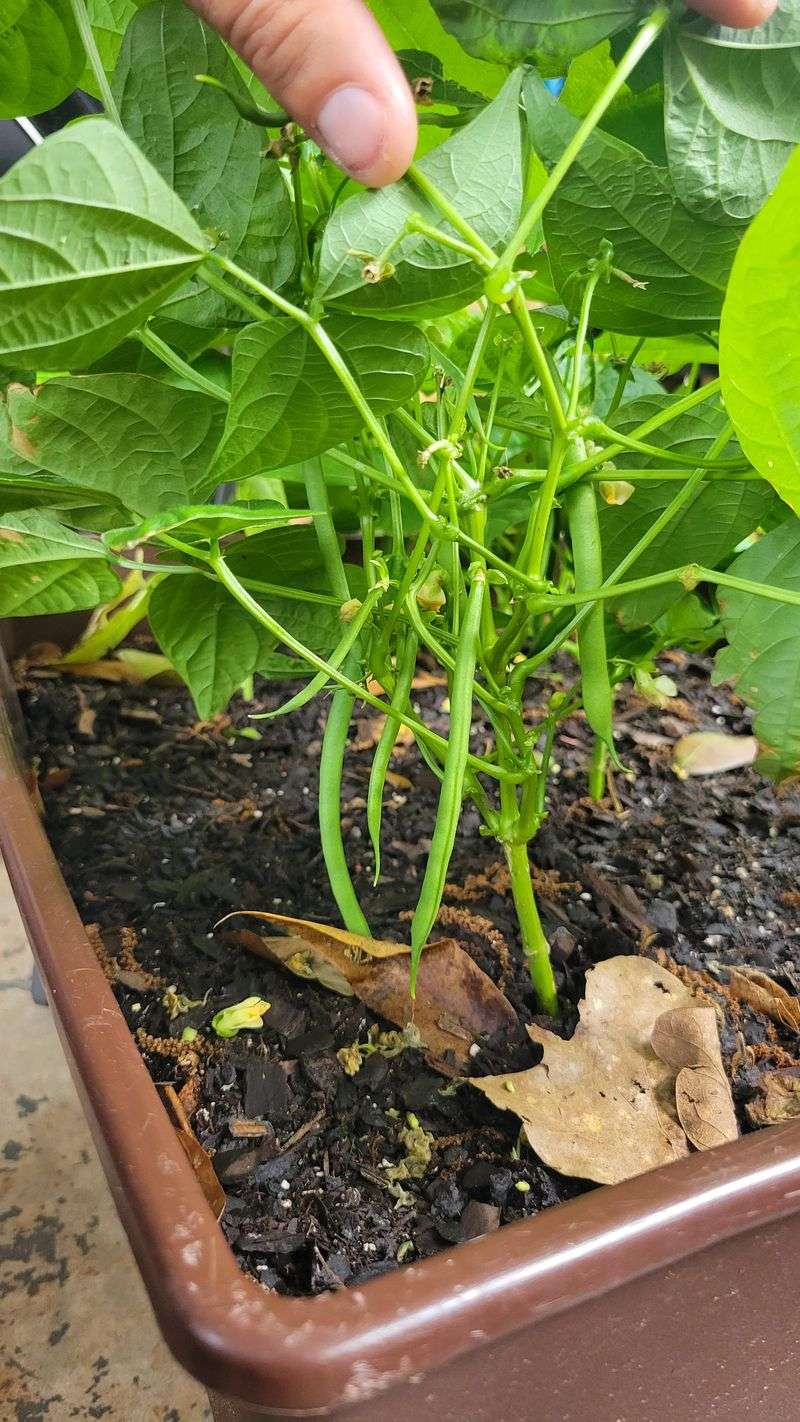
Bare soil in a Georgia August can hit temperatures that cook roots outright. A couple of inches of mulch changes that dramatically, shading the surface and holding moisture.
Wheat straw, pine straw, and shredded leaves all work well for this purpose. Pine straw is easy to find across the state and does not mat down as badly.
Timing takes a little thought here though. Heavy mulch laid directly over a freshly seeded row can block sprouts from emerging properly.
Another option is a very thin scattering of straw over the seeded row itself. Just enough to break the sun and slow evaporation, thin enough that sprouts push right through.
Mulch also cuts down on weeds, which sprout ferociously in warm, watered soil. Fewer weeds means less competition for the water you are working hard to supply.
Splash from rain and irrigation carries soil-borne disease onto lower leaves, and a mulch layer intercepts most of that entirely.
When cool weather finally arrives, leave the mulch in place. It buffers temperature swings in both directions and keeps the bed workable.
4. Provide Afternoon Shade For Seedlings
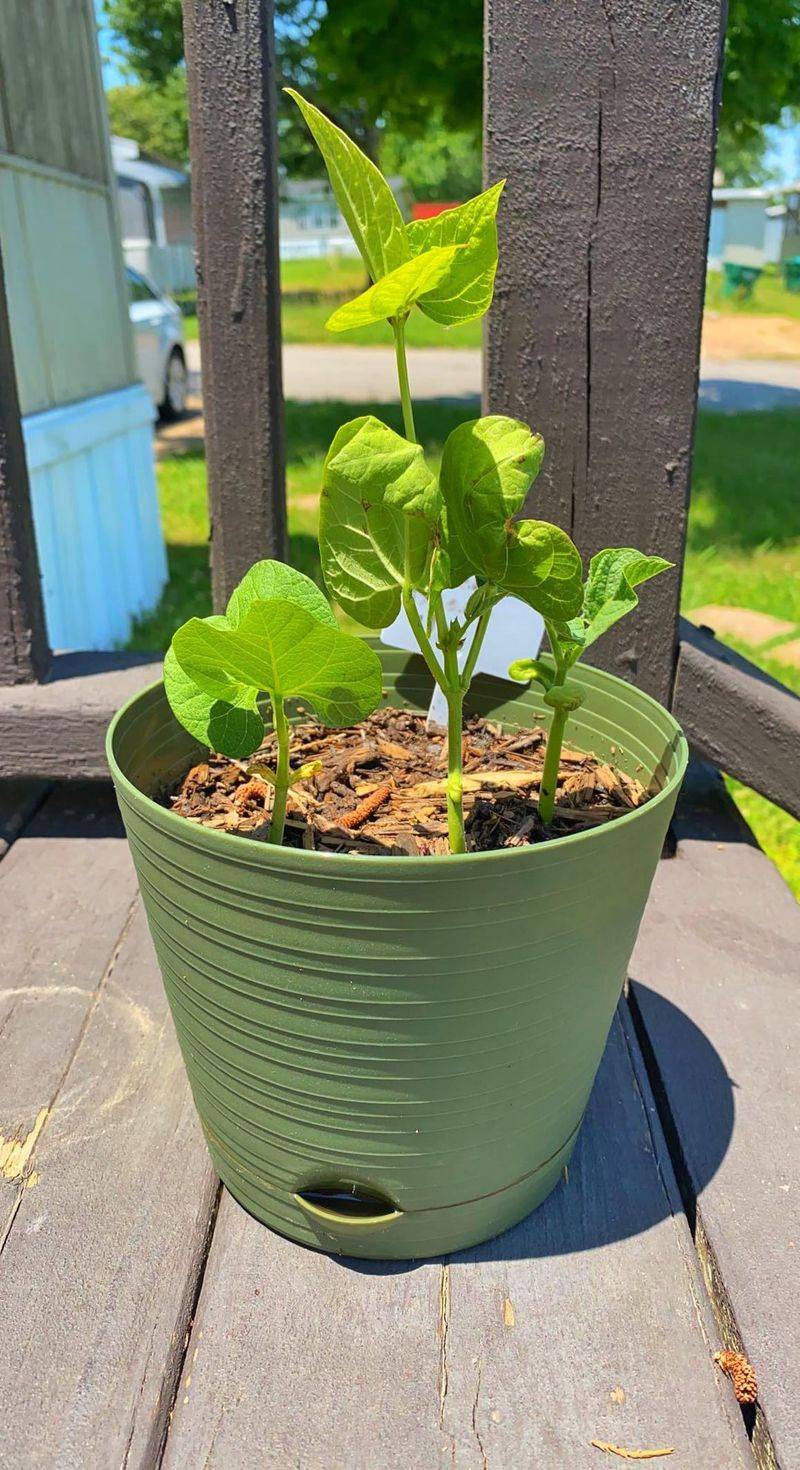
Two-inch-tall seedlings have almost no root system established yet, and the hours between two and six in the afternoon are when they wilt and scorch.
Shade cloth rated around 30 to 40 percent is the usual choice for this job. Stretch it over simple hoops made from PVC so it floats above the plants.
Budget versions work fine too if you need one fast. An old bedsheet on stakes or a leaning row of scrap lumber both cast enough shadow to matter.
Position matters more than material here. Concentrate the shade on the western exposure, since afternoon light carries the most heat.
Keep it temporary though. Beans need plenty of light to grow well, so pull the covers off after a week or two once the plants toughen up.
Some Georgia gardeners get clever and sow their fall beans on the east side of a taller crop like okra. The standing plants throw natural afternoon shade.
Watch the plants for feedback constantly. Pale, stretched, leggy seedlings are telling you the shade is too heavy.
5. Time Planting Around Your First Frost
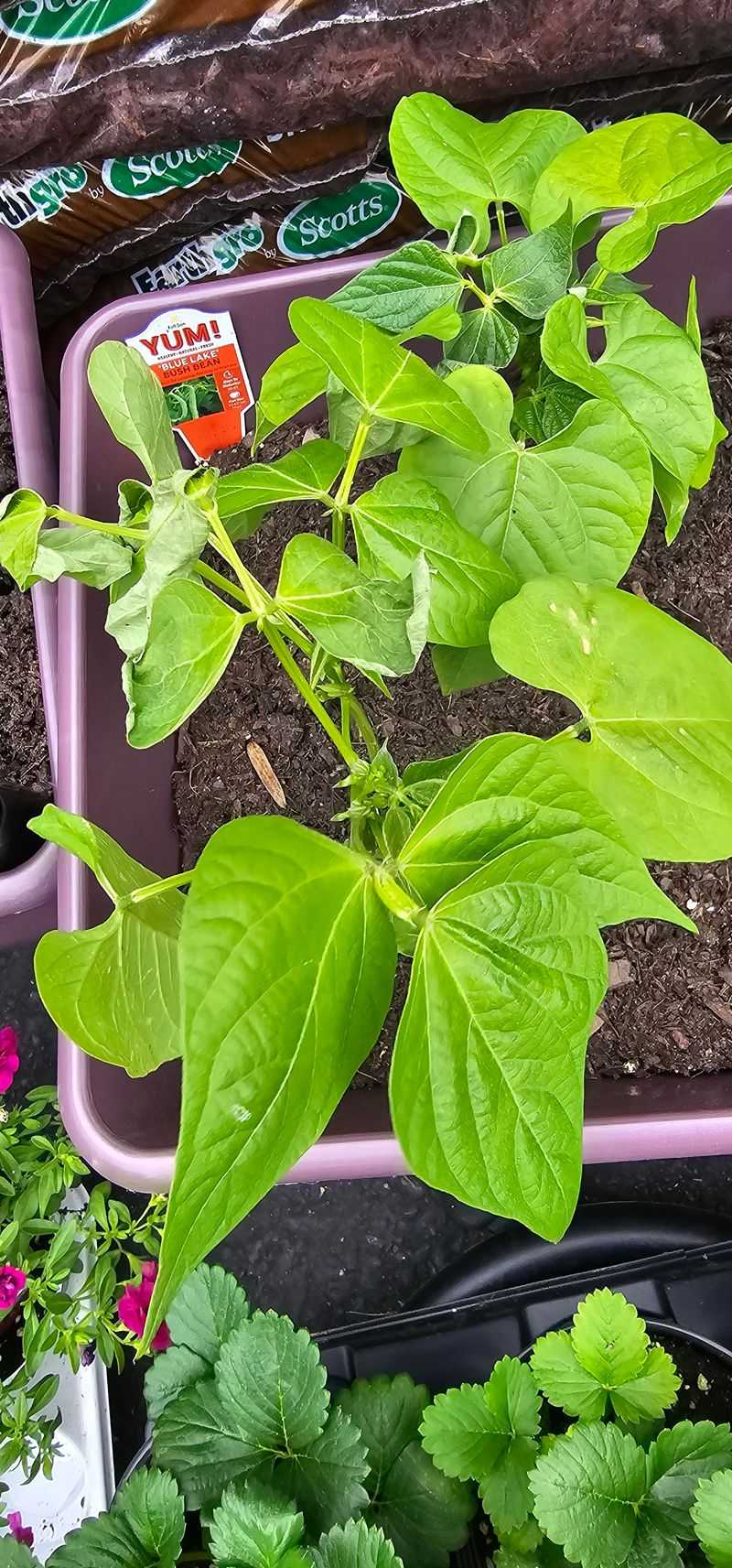
Georgia stretches a long way, and frost does not arrive statewide on the same day at all. North Georgia mountain gardens often see their first freeze in mid to late October.
Because of that spread, no single planting date works for the whole state. Count backward instead from your own local conditions.
Start with your local average first frost date, which your county Extension office can confirm easily. Subtract the days to maturity printed on the seed packet.
Then add a safety buffer of about two weeks on top of that. Short fall days slow growth compared with spring plantings.
Run the math for a north Georgia garden with an October 25 frost and a 55-day bean. That lands planting somewhere in mid August for that region.
Beans cannot survive frost at all, so that date is a hard wall rather than a suggestion to consider loosely.
Keep notes each year on your own results. Your own yard may run warmer or cooler than the county average listed officially.
6. Watch For Fast Germination In Warm Soil
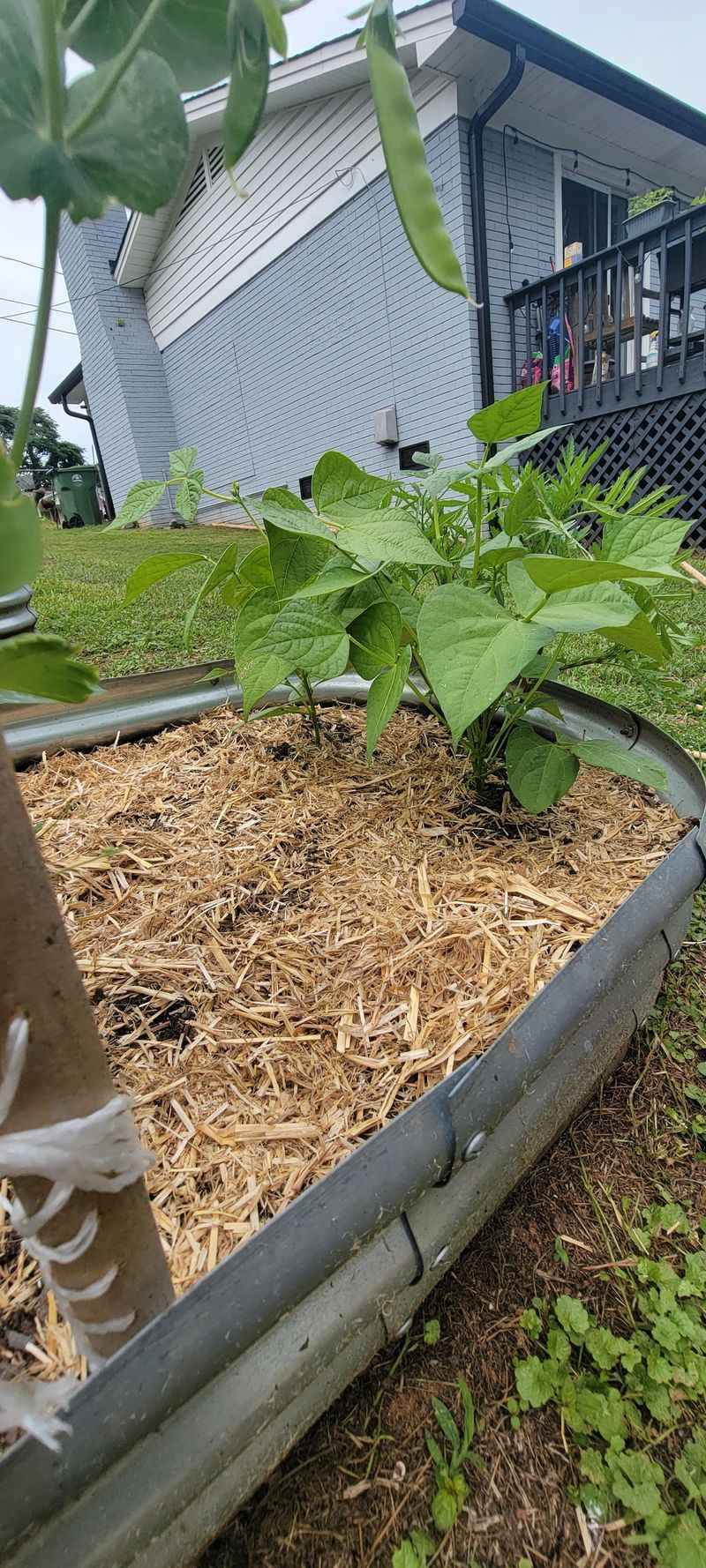
Here is the upside of all that heat worth appreciating. Bean seed loves warm soil genuinely. What takes ten or twelve days to sprout in chilly April dirt can pop up in four or five.
Beans germinate best when soil sits somewhere in the seventies and eighties. Georgia’s late summer ground delivers that easily most years.
Plant about an inch to an inch and a half deep for this planting. Slightly deeper than spring planting puts seed in soil that holds moisture longer.
The catch is that fast germination is not the same as easy survival though. Soil above roughly 95 degrees can actually reduce sprouting rates.
Check the row daily once you plant it. Missing spots can be reseeded immediately if you catch them within a few days.
Skip presoaking the seed entirely. Bean seed soaked too long can crack or rot in hot soil, and it hardly needs the help.
Quick emergence also means quick weeds appearing. Stay ahead of them during that first week while plants are still small.
7. Patience Rewards You As Temperatures Drop
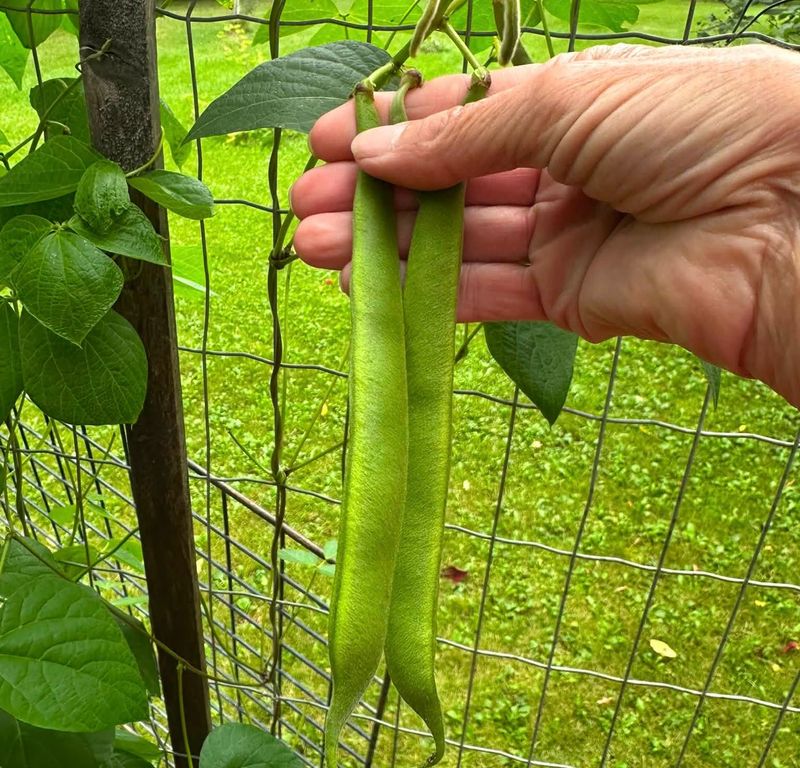
Fall bean plants often look rough in their first few weeks of growth. Small, slightly yellow, maybe a little chewed by beetles, nothing like lush spring rows.
Do not tear them out despite how they look. That struggling appearance is normal for anything establishing in September heat.
As temperatures moderate, blossoms stop dropping and start setting pods reliably. Cooler nights also mean plants lose less energy to nighttime respiration.
Many Georgia gardeners say fall beans taste better than spring ones overall. Cool weather slows pod development slightly, keeping pods tender longer.
Pest pressure eases as well during this stretch. Mexican bean beetles and spider mites peak in the hottest stretch, then decline once autumn settles in.
Harvest often during that productive window ahead. Picking every two or three days encourages the plant to keep flowering steadily.
Keep a frost blanket or old sheet handy nearby. Covering the row on the first surprise cold night can stretch the harvest another week or two.
8. Rotate Planting Location From Spring Crops
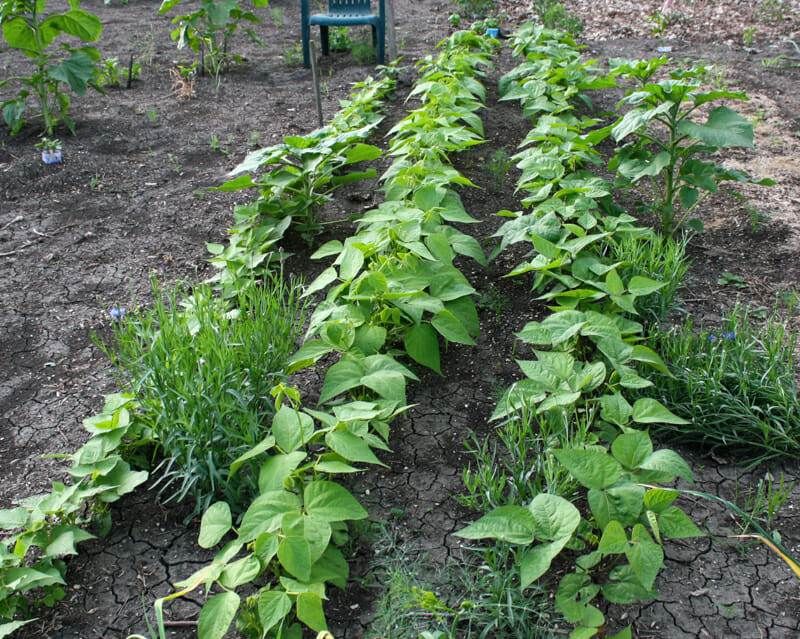
Soil that hosted spring beans, or any related legume, carries disease risk into a fall planting if the same spot gets reused without a break in between.
Bean diseases like bacterial blight and various root rots can linger in soil for a season or more, waiting for the next susceptible crop to move in and give them a fresh start.
Choosing a different bed for fall beans, even one that grew tomatoes or squash earlier in the summer, breaks that disease cycle and gives seedlings a cleaner start during an already stressful planting window.
Gardeners with limited space can still rotate on a smaller scale, shifting the row a few feet within the same bed rather than planting the new crop in the exact footprint of the last one.
This matters more in fall than spring specifically, since plants already fighting heat stress have less energy reserve to also fend off a soilborne pathogen waiting in the same old spot.
Working a fresh layer of compost into the new location before planting adds another layer of protection, improving soil structure and moisture retention right as beans need both the most during germination.
If rotation genuinely is not possible due to space constraints, at minimum clear out all old bean plant debris from the previous crop, since spent foliage and roots left in place often harbor the very organisms a rotation would otherwise avoid.
This small planning step, done before seed ever goes in the ground, costs nothing and meaningfully improves the odds of a fall bean crop making it through Georgia’s hot, humid transition into cooler weather.
9. Fertilize Lightly Rather Than Heavily
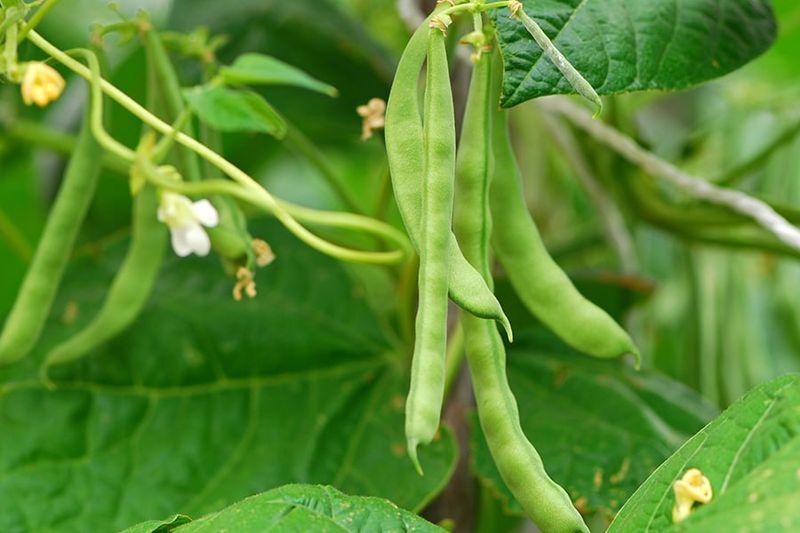
Fall bush beans do not need the same feeding approach as many other fall vegetables, and reaching for a heavy dose of fertilizer at planting time often backfires rather than helping the crop along.
Beans fix their own nitrogen through a partnership with soil bacteria living in small nodules on their roots, meaning excess nitrogen from fertilizer actually discourages that natural process rather than supporting it.
A light application of a balanced fertilizer at planting, followed by a modest side dressing once flowering begins, generally covers what a fall bean crop needs without pushing excessive leafy growth at the expense of pod production.
Too much nitrogen specifically produces lush, dark green foliage while blossoms drop and pod set stays disappointing, which is exactly the opposite of what a gardener wants from a short fall growing window.
Soil that already grew a heavy-feeding spring crop like tomatoes or corn sometimes carries enough residual nutrients that beans need almost no additional fertilizer at all, making a quick soil test worthwhile before adding anything.
Compost worked into the bed ahead of planting often supplies enough steady, gentle fertility for the whole crop cycle, releasing nutrients slowly rather than delivering a concentrated burst beans do not actually need.
Watching plant color and growth habit tells the story better than any fixed schedule, since deep green, compact plants setting pods steadily indicate proper fertility while pale or excessively leafy growth signals an imbalance worth correcting.
Getting this balance right matters especially in fall, when every bit of the plant’s energy needs to go toward setting and filling pods before cold weather arrives rather than growing leaves nobody will harvest.