What It Means When A Box Turtle Wanders Into Your Georgia Garden
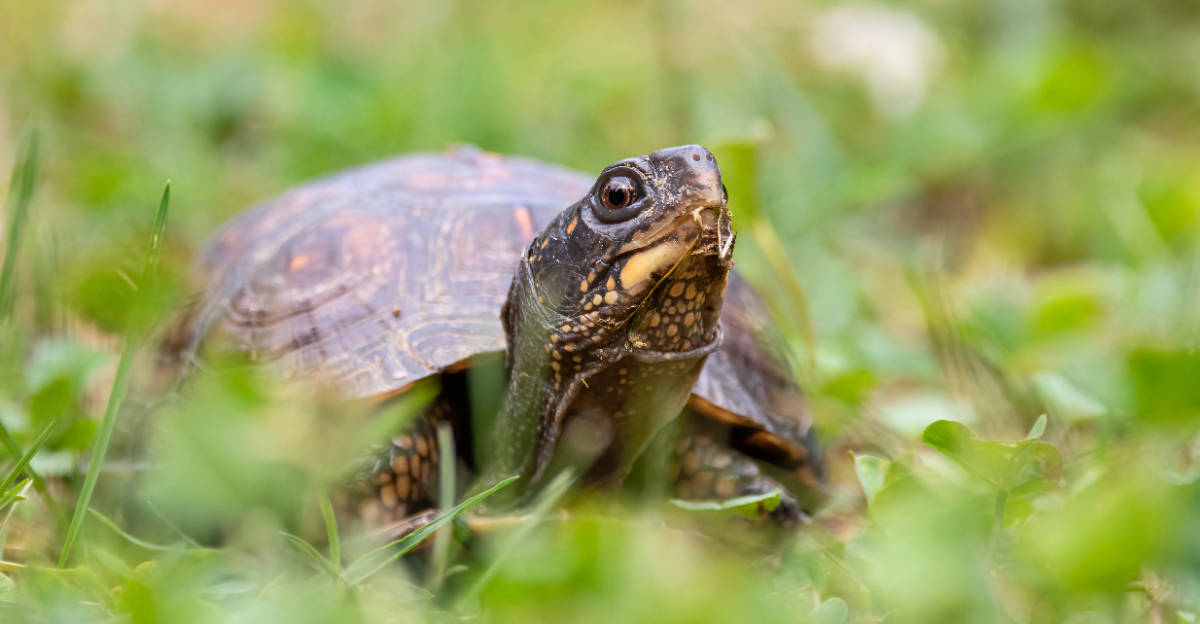
Finding a box turtle between your flowers can feel like an unusual garden surprise. Before moving it somewhere else, pay attention to what the turtle is doing.
Georgia gardens can overlap with the wooded, shady habitat these turtles use throughout their lives. Your visitor may simply be traveling through familiar territory while searching for food or shelter.
Box turtles usually know where they are going, even when their route seems strange to you. Moving one far away can leave it outside the home range it knows.
Give the turtle room to continue in the direction it was already heading. Keeping pets back can also prevent an unnecessary stressful encounter.
Garden features can influence whether turtles find your yard welcoming or difficult to cross. Some hazards are surprisingly easy to overlook.
Knowing when to help matters just as much as knowing when to leave it alone.
1. Your Garden May Be Part Of Its Normal Route
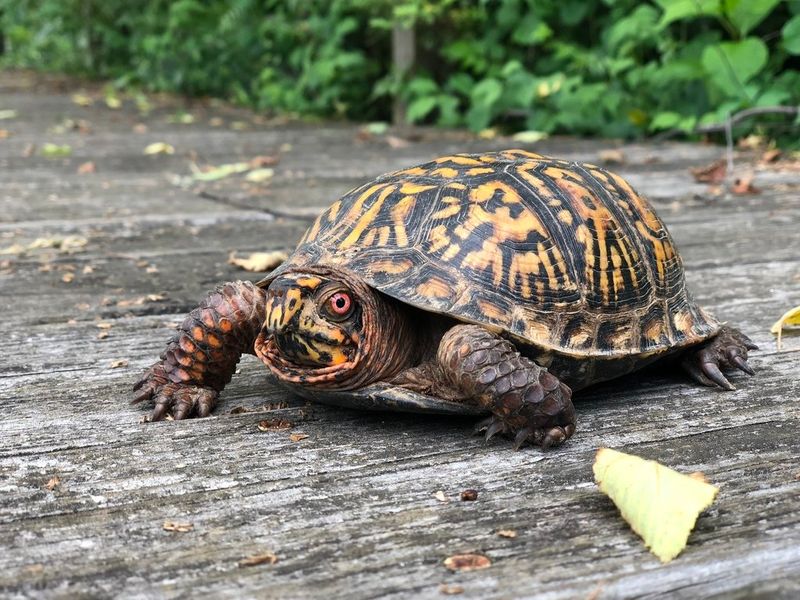
Box turtles are creatures of habit. A single turtle can spend its entire life wandering the same patch of land, sometimes covering an area of just a few acres over many years.
Your yard may fall right inside that home range. If a box turtle shows up near your flower beds or vegetable rows, it likely was not lost.
Turtles map their surroundings carefully over time and tend to follow familiar paths.
Fences, new construction, or cleared land can shift those paths unexpectedly. A turtle that suddenly appears in your garden may have been quietly using a nearby woodland edge for years before something changed around it.
Gardeners in Georgia often notice the same turtle returning season after season. Look at the shell markings closely.
Each box turtle has a unique pattern of orange, yellow, and brown that makes individual identification possible without any special equipment.
Knowing your yard is part of a turtle’s regular route changes how you look at it. Instead of seeing an intruder, you start to see a neighbor.
Keeping that route passable by limiting chemical use and leaving some natural ground cover can help the turtle continue moving safely through your space without interference.
2. Fall Movement Often Brings Box Turtles Into View
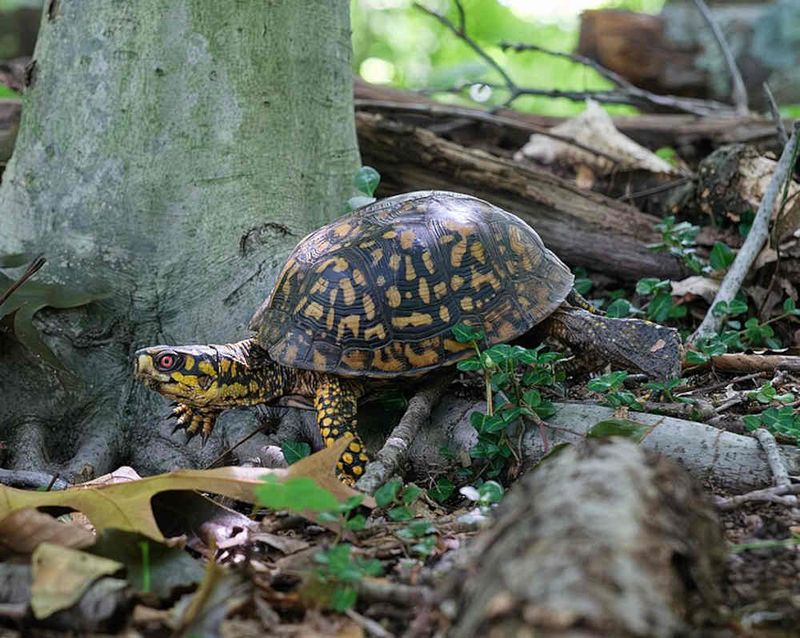
Autumn is one of the busiest times of year for box turtles. As temperatures begin to drop, turtles start preparing for brumation, which is a winter resting state similar to hibernation in mammals.
Before they settle in for the cold months, they tend to move around more actively. Turtles look for food to build up energy reserves and scout suitable spots to burrow under leaf piles or loose soil.
Gardens often sit close to wooded edges, making them natural stopping points during this seasonal movement. A turtle passing through in October or November is likely on a purposeful journey, not wandering aimlessly.
Brumation sites tend to be chosen carefully. Box turtles often return to the same spot year after year, which means your garden could be near a location the turtle has used before.
Your Georgia Garden Changes Every Week. Your Plan Should Too.
Gardening in Georgia changes quickly throughout the season. Every Friday you’ll receive a simple weekly plan showing exactly what to plant, prune, fertilize, harvest, and protect so you never miss the right timing.
Cooler mornings and shorter days are reliable cues that trigger this movement. If you spot a box turtle in your yard during fall, chances are good it is moving with intention and knows its surroundings better than you might expect.
Giving it space to pass through without disruption is the most helpful thing you can do during this seasonal window.
Avoid raking or turning soil in areas where you have spotted turtles resting near the ground.
3. Rainy Weather Often Brings Them Out Into The Open
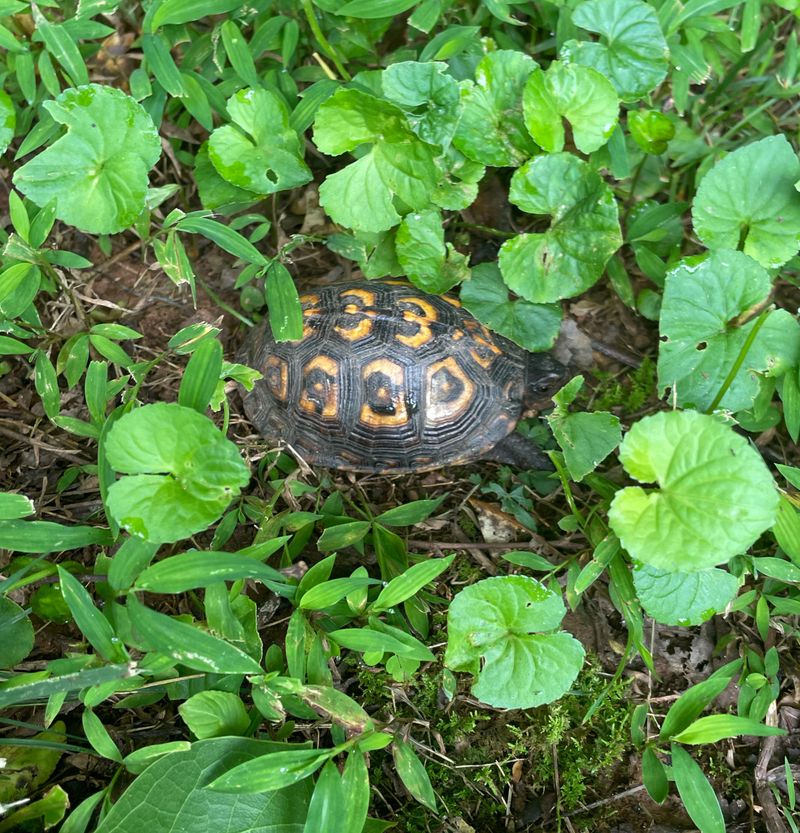
Rain changes everything for a box turtle. After a good downpour, turtles become noticeably more active, and sightings in yards and gardens jump significantly.
Moisture softens the soil, makes movement easier, and brings earthworms and other small prey to the surface. Turtles are opportunistic feeders, so a rainy afternoon is basically an open invitation to explore.
Box turtles also need to stay hydrated. Unlike aquatic turtles, they get much of their water by soaking in shallow puddles or wet soil.
A garden after rain offers both food and hydration in one convenient spot.
Spotting a turtle crossing an open path or sitting in a low-lying area after a storm is completely normal behavior. It is not sick or confused.
Wet conditions simply lower the energy cost of moving around.
Rainy periods in spring and early summer tend to produce the most sightings, especially in regions with warm, humid climates like much of Georgia. Afternoon showers followed by mild evenings create near-perfect conditions for turtle activity.
Avoid using garden chemicals, pesticides, or slug bait right before or after heavy rain. Runoff can spread those substances across areas where turtles are actively foraging, which poses a real risk to their health.
Timing your garden maintenance around dry spells is a simple way to reduce that risk.
4. Slugs Worms And Fallen Fruit Offer Natural Food
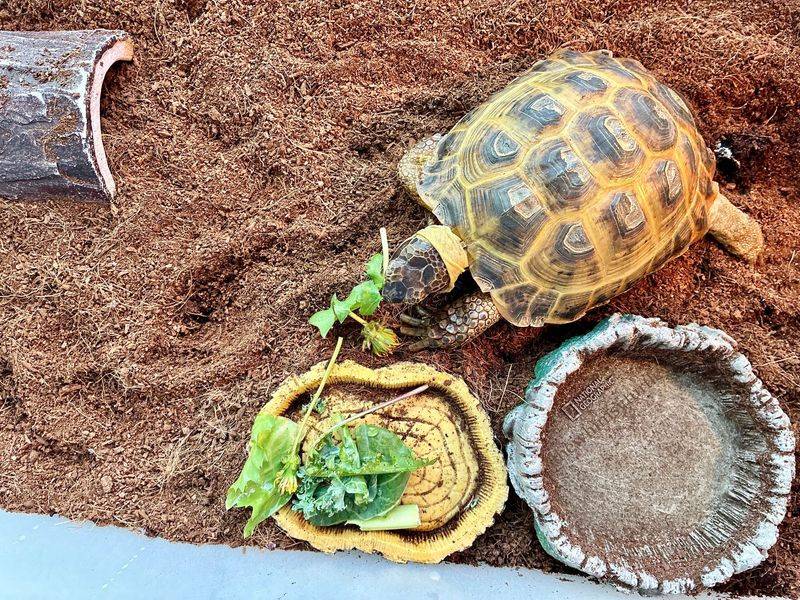
A garden full of slugs, earthworms, and overripe fruit is basically a buffet for a box turtle. Box turtles are omnivores, meaning they eat both plant and animal matter depending on what is available.
Earthworms are a top food source. After rain pushes worms to the surface, turtles move in quickly.
Slugs are another favorite, and a visiting turtle may actually reduce slug pressure on your plants without any effort on your part.
Fallen berries, soft fruits, and mushrooms are also fair game. Box turtles have a strong sense of smell and can locate ripe or rotting fruit on the ground with surprising efficiency.
Strawberries, blueberries, and blackberries are all attractive to them.
Some gardeners worry that turtles will eat their vegetables. While box turtles do nibble on leafy greens and soft produce occasionally, they rarely cause significant plant damage.
Their feeding tends to be slow and selective.
One thing worth knowing: box turtles can eat certain wild mushrooms that are toxic to humans. Their digestion handles those compounds differently.
Avoid handling a turtle right after it has been feeding near mushroom patches, and wash your hands thoroughly if you do.
Letting some fallen fruit remain on the ground near garden edges can actually attract turtles into useful foraging zones where slug and worm populations are highest.
5. Leaf Litter Gives Them Useful Cover Around The Yard
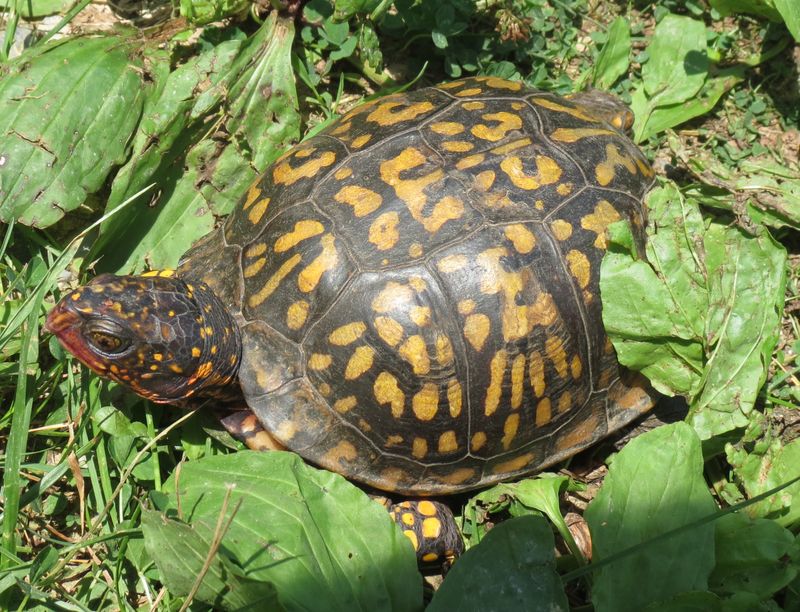
Leaf litter is more than just yard debris. For a box turtle, a thick layer of fallen leaves can serve as shelter, a resting spot, and even a brumation site during colder months.
Box turtles press themselves into loose leaf piles or just beneath the surface when they need to regulate body temperature or avoid a predator. The insulating quality of decomposing leaves keeps temperatures stable enough for the turtle to rest safely.
Gardeners who bag every leaf and keep a perfectly clean yard may be removing habitat without realizing it. Leaving leaf accumulation in low-traffic corners or along fence lines costs very little effort and provides real value to visiting wildlife.
Shaded spots under shrubs, along wooded edges, or near compost areas are especially attractive to turtles seeking cover. A box turtle found motionless under a leaf pile is not in distress.
It is doing exactly what it should be doing.
Avoid running leaf blowers or raking aggressively in areas where you have recently spotted a turtle. Turtles can be well-hidden and are easy to miss.
Accidental contact from yard equipment is one of the more common ways they get injured in residential settings.
Keeping at least one or two naturalistic corners in your yard where leaves accumulate naturally can quietly support the local turtle population over time without requiring much from you.
6. Moving One Far Away Can Cause More Trouble
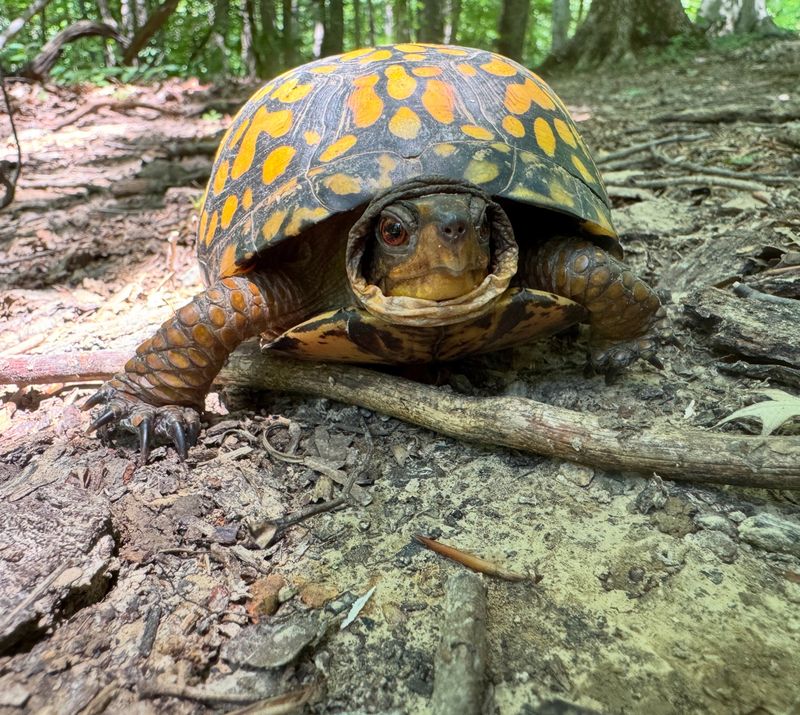
Picking up a box turtle and moving it to a new location seems like a kind thing to do. In practice, it can seriously disrupt the animal’s life in ways that are hard to reverse.
Box turtles have a strong attachment to their home range. When relocated, they often spend a long time trying to return to their original territory.
During that process, they cross roads, enter unfamiliar areas, and face risks they would not normally encounter.
A turtle moved even half a mile away may spend weeks or months attempting to navigate back. That journey puts it in far more danger than simply leaving it where it was found.
Wildlife rehabilitators and naturalists in Georgia generally recommend against moving box turtles unless they are in immediate danger, such as sitting in the middle of a road.
Even then, moving them only a short distance in the direction they were already heading is the preferred approach.
Releasing a turtle into a new habitat, even a nice-looking one, does not guarantee it will thrive. It may lack the knowledge of food sources, shelter spots, and safe paths that come from years of living in a specific place.
If a turtle shows up in your garden and poses no real problem, leaving it to move on its own timeline is almost always the better option. Patience is genuinely more helpful than intervention in most cases.
7. Leaving It Alone Is Usually The Best Choice
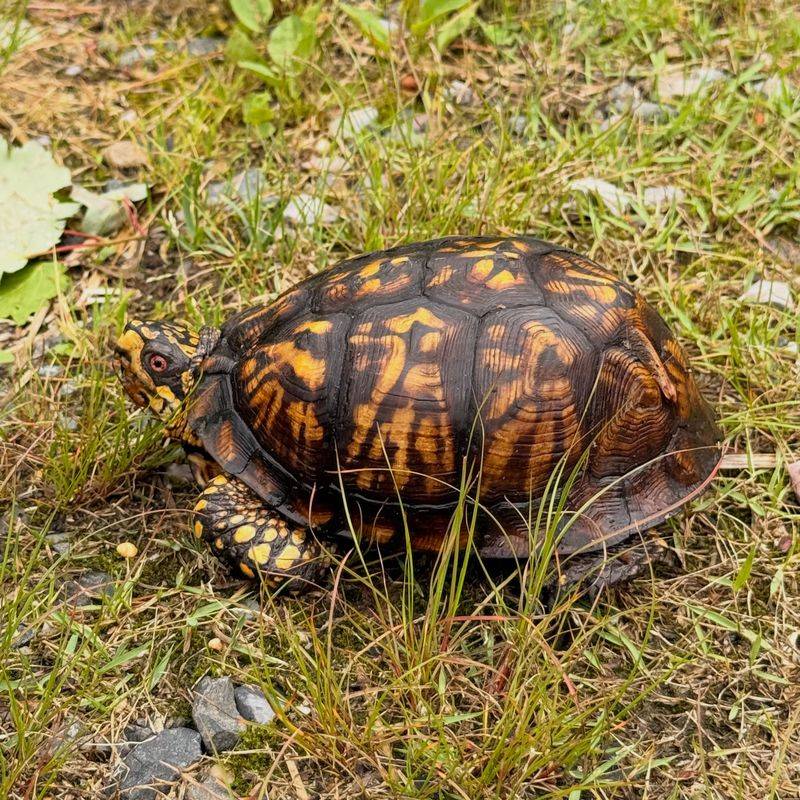
Most box turtle encounters do not require you to do anything at all. Turtles that wander into gardens are usually healthy, purposeful, and fully capable of moving on when they are ready.
Watching from a distance is genuinely fine. Box turtles can close their hinged shell tightly when they feel threatened, but repeated disturbances can stress them and interrupt natural behaviors like feeding or thermoregulation.
Resist the urge to pick them up, relocate them, or offer food. Human food is rarely appropriate for wild turtles, and frequent handling can cause unnecessary stress.
A turtle that feels safe will move at its own pace and leave on its own terms.
Children are naturally curious about turtles, which is great. Turning the sighting into a quiet observation moment teaches patience and respect for wildlife without causing harm to the animal.
Box turtles are a protected species in Georgia. It is illegal to collect them from the wild or keep them as pets without proper permits.
Even well-meaning actions can cross legal lines, so knowing the rules matters.
A garden that welcomes box turtles is usually one with healthy soil, minimal chemical use, and some natural ground cover. Those are good qualities for any garden.
Letting a turtle pass through safely is one small way to stay connected to the natural world right outside your back door.