How Georgia Homeowners Stop Bamboo Before It Crosses The Property Line
A few bamboo shoots poking up on the wrong side of the fence can seem harmless at first. Within a season or two, though, those shoots can become a thick stand you never planted.
Running bamboo spreads through underground stems that travel well beyond the main clump. By the time new shoots appear, those stems may already be several feet ahead of them.
That is where neighbor disputes often start, especially when bamboo crosses into a yard that never wanted it.
Cutting down the visible canes rarely solves the problem for more than a few weeks.
What happens underground matters far more than anything you can see above it.
If you have bamboo near a Georgia property line, check along that edge for signs of spreading before it goes farther.
1. Underground Runners Can Travel Farther Than The Visible Grove Suggests
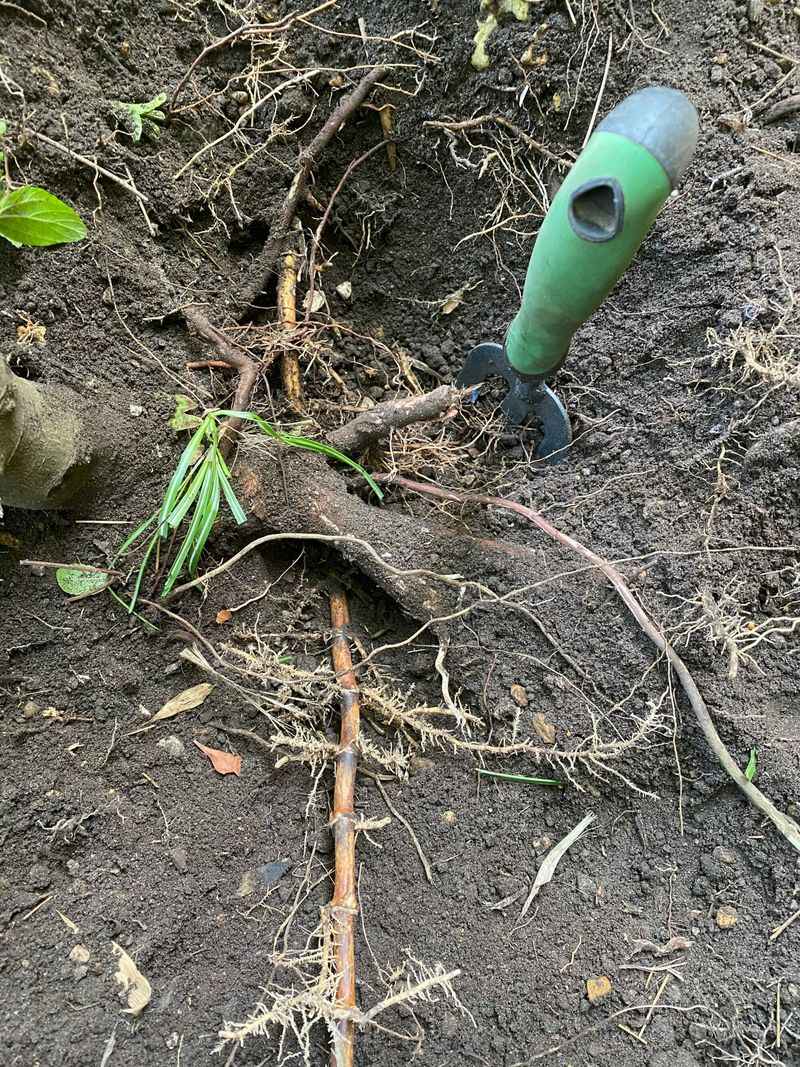
What you see above ground is only part of the story. Running bamboo spreads through rhizomes, which are thick underground stems that creep sideways through the soil.
Those rhizomes often sit just a few inches deep, usually within the top foot of soil.
In loose, moist ground, a single rhizome may extend several feet in one growing season. Exact distances vary a lot with species, soil, and how established the grove is.
Picture a grove that looks like it ends five feet from your fence.
Underneath, a runner might already be heading toward the line, waiting for warm weather to send up a shoot. Homeowners in Georgia often notice this when a spear suddenly appears in the middle of a neighbor’s lawn.
A simple test can tell you a lot. Push a sharp spade or probe into the soil around the outer edge and feel for tough, woody resistance.
Digging a shallow test trench along one side is even more revealing, especially near fences, driveways, and garden beds.
Once you know where the runners actually go, you can plan your defense around reality instead of guesswork. That mapping step saves time, money, and plenty of frustration later.
Treat the visible edge as a rough hint, not a boundary you can trust.
2. Running And Clumping Types Spread In Very Different Ways
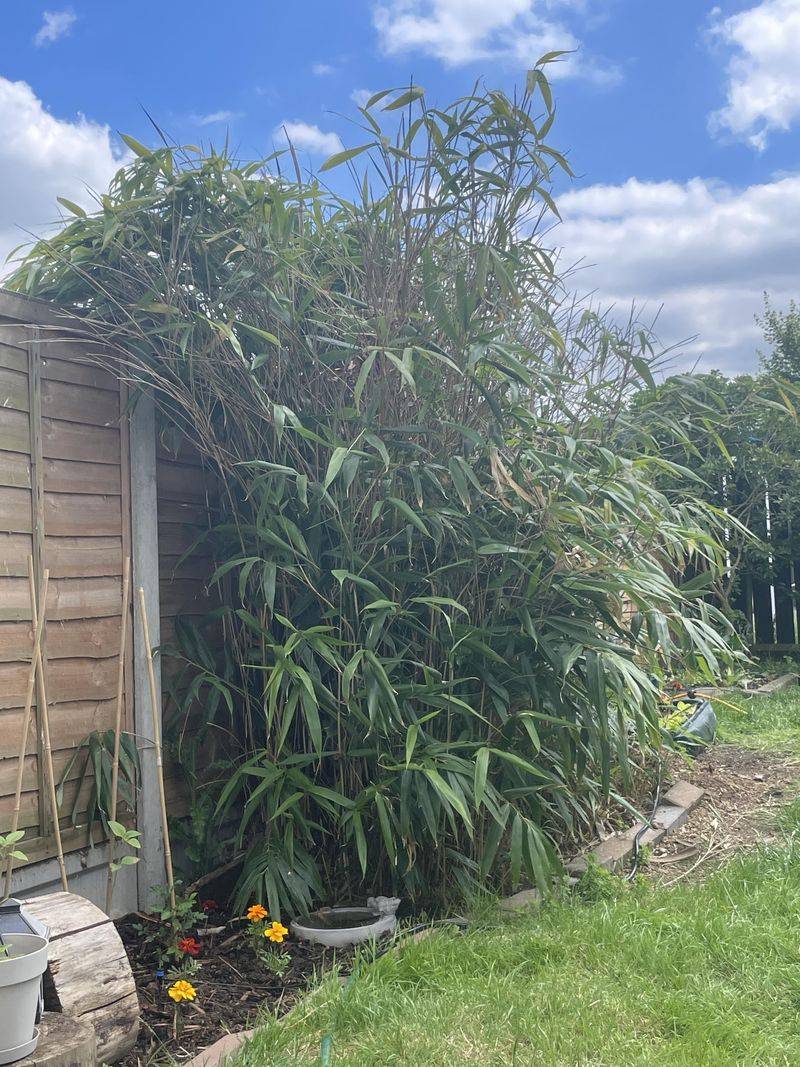
Not all bamboo behaves badly. Before you start digging trenches, figure out which kind you are dealing with.
Running bamboo, such as the common golden bamboo seen across the South, sends rhizomes outward and can spread aggressively.
Clumping bamboo grows differently. Its rhizomes are short and curve upward, so the plant expands slowly in a tight circle, often only a few inches per year.
That difference changes your whole plan.
With a clumper, occasional trimming around the base may be enough to keep it in its space. A runner usually needs barriers, regular root cutting, or a long removal effort.
Identification is not always easy for beginners, and labels at old homes are rarely available. Looking at growth patterns is often the most reliable clue.
If new canes pop up several feet away from the main group, you probably have a runner.
Your Georgia Garden Changes Every Week. Your Plan Should Too.
Gardening in Georgia changes quickly throughout the season. Every Friday you’ll receive a simple weekly plan showing exactly what to plant, prune, fertilize, harvest, and protect so you never miss the right timing.
A local nursery or your county Extension office can help confirm the type if you bring a photo or cane sample. Georgia Extension agents field bamboo questions often, so they are a practical place to start.
Knowing the type early can keep you from overspending on control you may not even need.
3. A Deep Plastic Barrier Can Deflect Rhizomes Before The Line
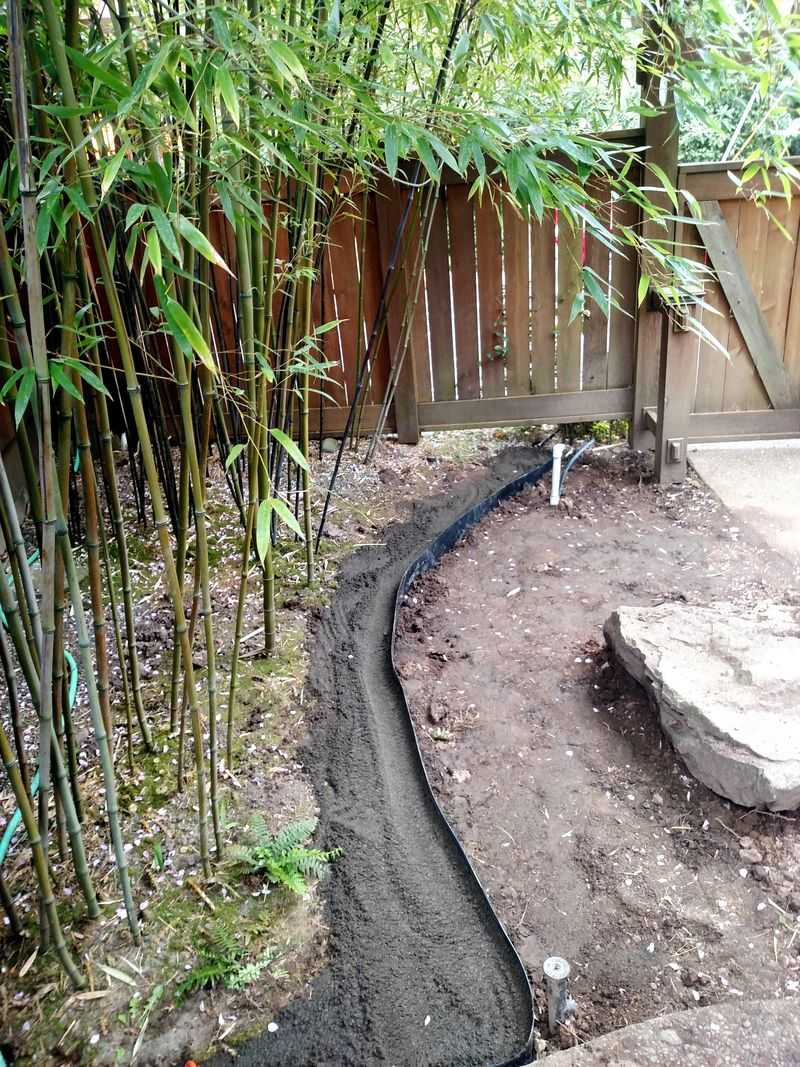
Think of a barrier as a wall the roots run into and slide along. Thick high-density polyethylene, often around 40 to 60 mil, is a common choice for this job.
Most installers bury it about 24 to 30 inches deep, which covers where most rhizomes travel.
Digging that trench is real work, especially in compacted clay. Renting a trencher can make a long property line much more manageable.
Setting the barrier at a slight outward tilt at the top helps guide rhizomes upward instead of under.
Seams matter a lot here. Overlap them generously and seal them with a strip of compatible tape or a clamping system made for barriers.
Gaps and weak joints are where many installations fail, so take your time at corners.
Results depend on depth, soil, and how vigorous the species is. In Georgia, where clay can be dense in some yards and sandy in others, rhizomes may dive deeper in loose ground.
Even a well-placed barrier is not a hands-off solution, since runners can occasionally find a way around or over it. Plan on checking it every year.
4. Barrier Edges Left Above Grade Make Escaping Runners Easier To Spot
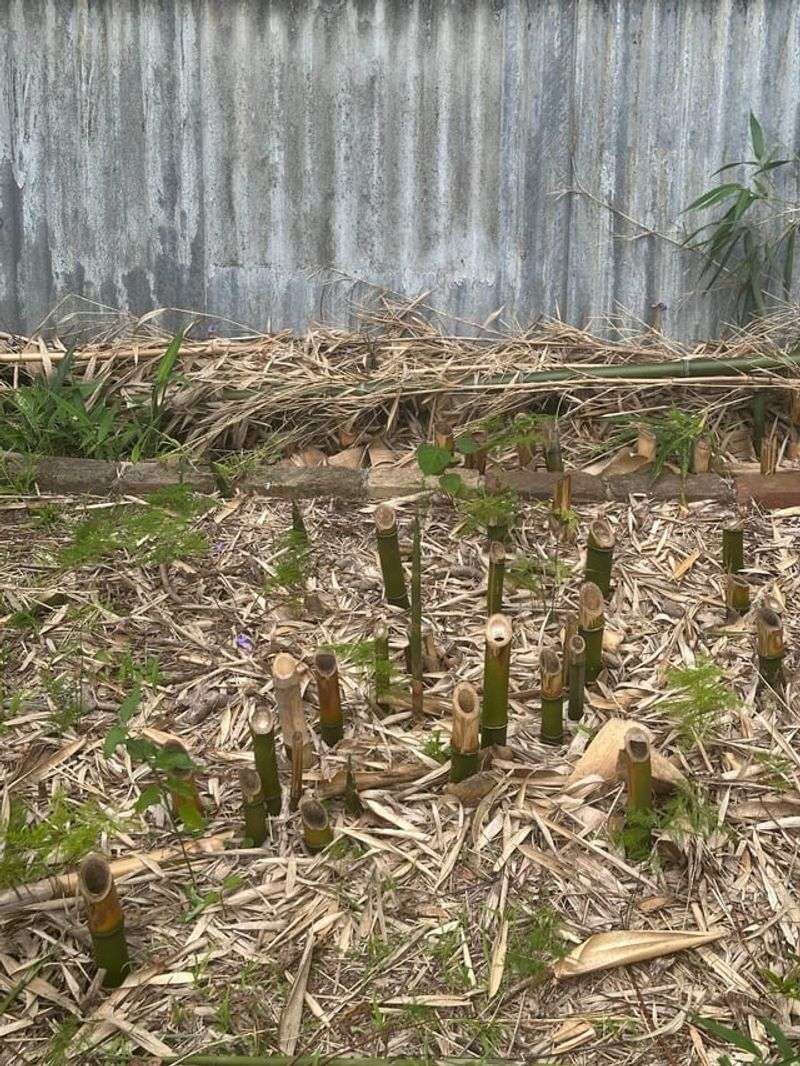
Here is a small detail that makes a big difference. Leaving about two inches of barrier above the soil line gives you a clear place to watch.
When a rhizome tries to hop over the top, you can usually see it crawling across the edge.
Burying the barrier flush with the ground may look neater. Unfortunately, it also hides escaping runners under mulch or grass until shoots appear on the wrong side.
Walk the barrier line a few times during the growing season, especially in late spring and summer.
Any runner crossing the rim can be snipped with pruners or a sharp spade. Catching them while they are small is much easier than chasing them later.
Mulch is a common trap.
Keep mulch, leaves, and soil from piling up against the exposed edge, because runners can travel through that loose layer and slip over unnoticed. A quick rake along the line during fall cleanup helps.
Across Georgia, warm spells can keep bamboo active well into autumn, so do not stop checking too early.
A few minutes of looking each month often prevents an awkward conversation with the folks next door.
5. Regularly Severing Escaping Runners With A Spade Offers Another Option
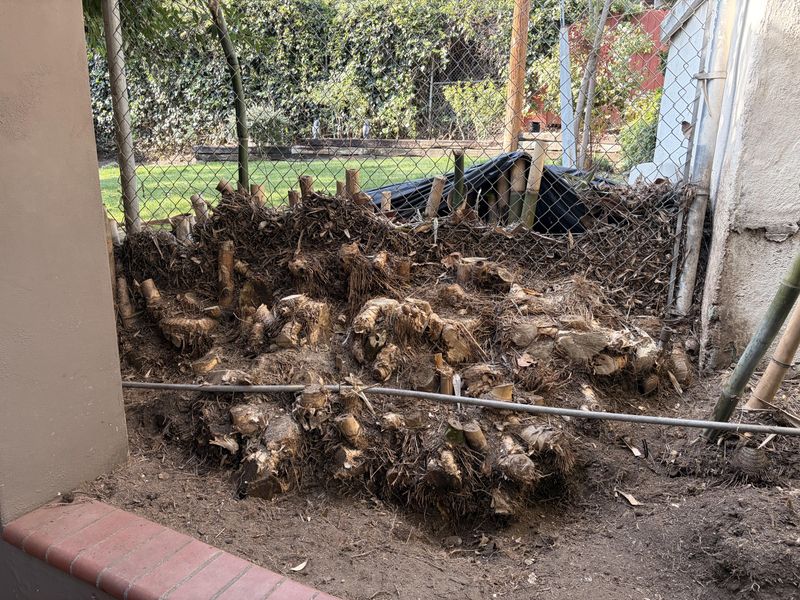
No barrier? A sharp spade can still do a surprising amount of work.
Root pruning means slicing through rhizomes along a set line around the grove, cutting them off before they reach the property edge.
Choose a straight-edged spade and keep it sharp with a file. A dull blade tends to bounce off woody rhizomes, especially in dry soil.
Push the blade straight down about 10 to 12 inches, working in a continuous line.
Timing helps. Many gardeners do this in late summer or early fall, after the main shooting season, and again lightly in spring.
Cut pieces left outside the line can still sprout, so pull them out of the ground when you can.
Moist soil is your friend here. After a good rain in Georgia, the blade usually slides in far more easily than during a dry stretch in August.
Some homeowners dig a narrow trench and leave it open or fill it with loose sand, which makes future cuts quicker.
It takes steady effort, and skipping a year can let runners slip through. Still, it costs very little and works reasonably well on small groves.
6. Mowing New Shoots Repeatedly Can Gradually Weaken The Rhizomes
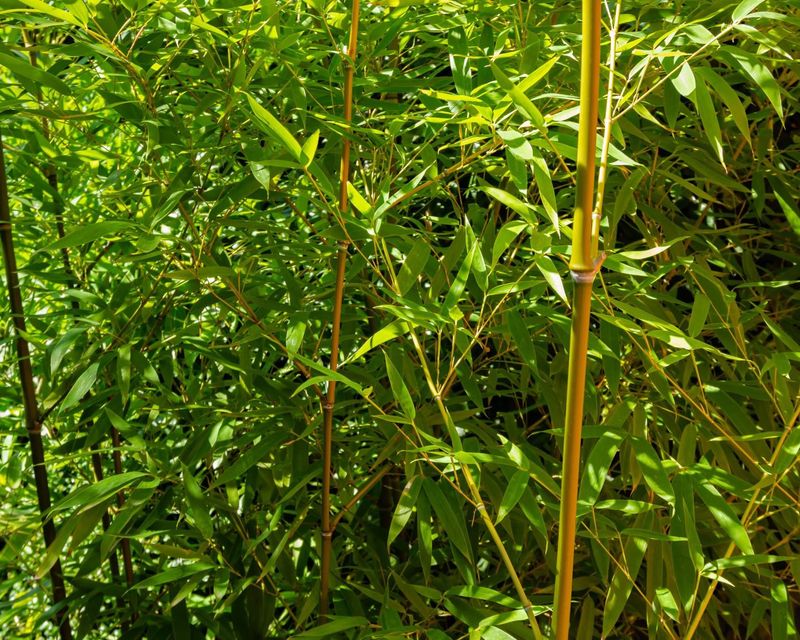
Bamboo shoots are tender for only a short window. That brief soft stage is your best chance to stop them with a regular lawn mower.
New spears usually appear in spring, and they toughen into woody canes within a few weeks.
Mowing them down while they are young prevents them from leafing out. Without leaves, the plant cannot make new energy to feed its rhizomes.
Patience is the hard part.
Each cut forces the rhizome to spend stored food on another shoot. Over many months, and often a couple of years, that repeated drain can wear the network down.
How long it takes depends on the size and age of the grove, so expect a long effort.
Spring in Georgia can bring shoots almost overnight after warm rain. Mowing every few days during that flush keeps them from escaping your blade.
Hand clippers or a sharp kick can handle shoots in flower beds where a mower will not fit.
Mowing works best on areas outside the main grove, like a neighbor’s side or a lawn strip. Pairing it with root cutting or a barrier usually gives better results than mowing alone.
7. Treating Leafy Regrowth With Herbicide Can Finish The Job Over Time
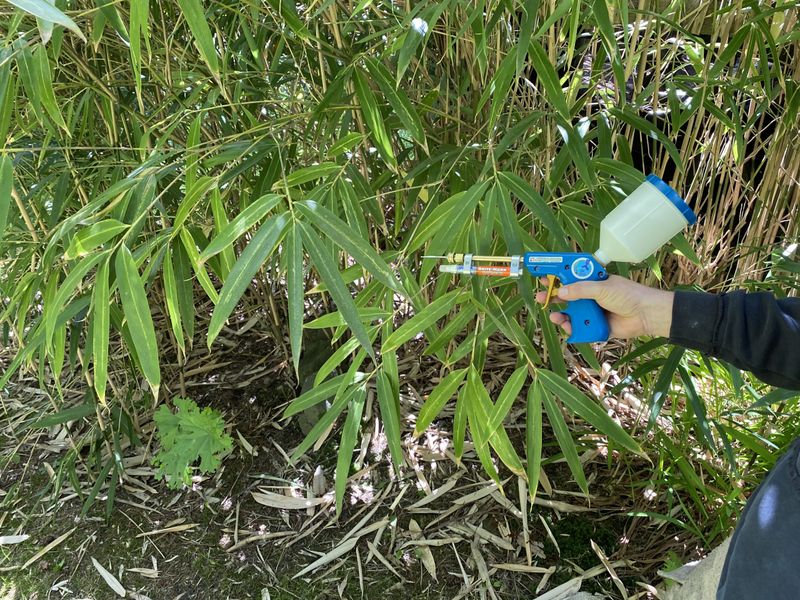
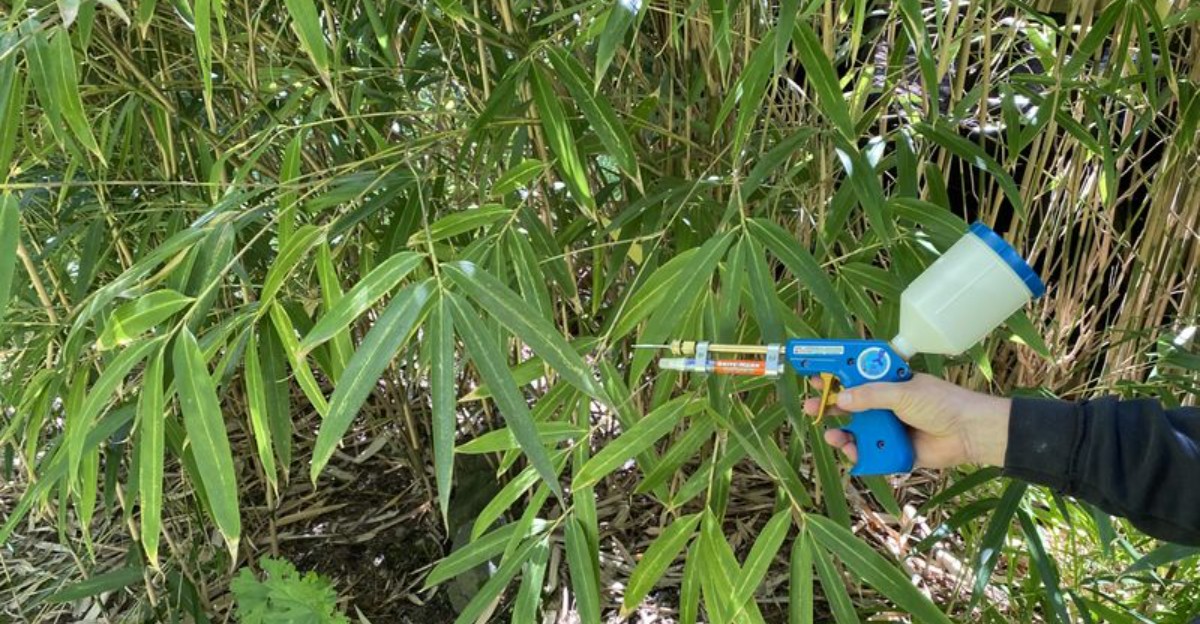
Spraying tall canes rarely works well. A smarter approach is to cut the bamboo down first, then treat the low leafy regrowth that follows.
Fresh leaves absorb systemic herbicides like glyphosate more readily than old, towering canes.
Wait until the regrowth has developed leaves, often a few weeks after cutting. Then apply the product carefully, following every direction on the label.
Labels are legal instructions, not suggestions.
They list rates, timing, protective gear, and how close you can spray to desirable plants. Drift can harm a neighbor’s shrubs, so pick a calm day and use a coarse spray.
One treatment almost never finishes an established grove. Expect several rounds across a season, and possibly more than one year.
Products containing imazapyr are sometimes used on stubborn stands, but they can move in soil and affect nearby trees.
For help choosing a product suited to your yard, the University of Georgia Extension offers guidance on bamboo control. Their local offices can also explain rules for spraying near water or wells.
Used thoughtfully, herbicide works best as the final step after mowing, cutting, and barriers have weakened the plant.