How Georgia Gardeners Transition From Summer Burnout To Fall Harvests
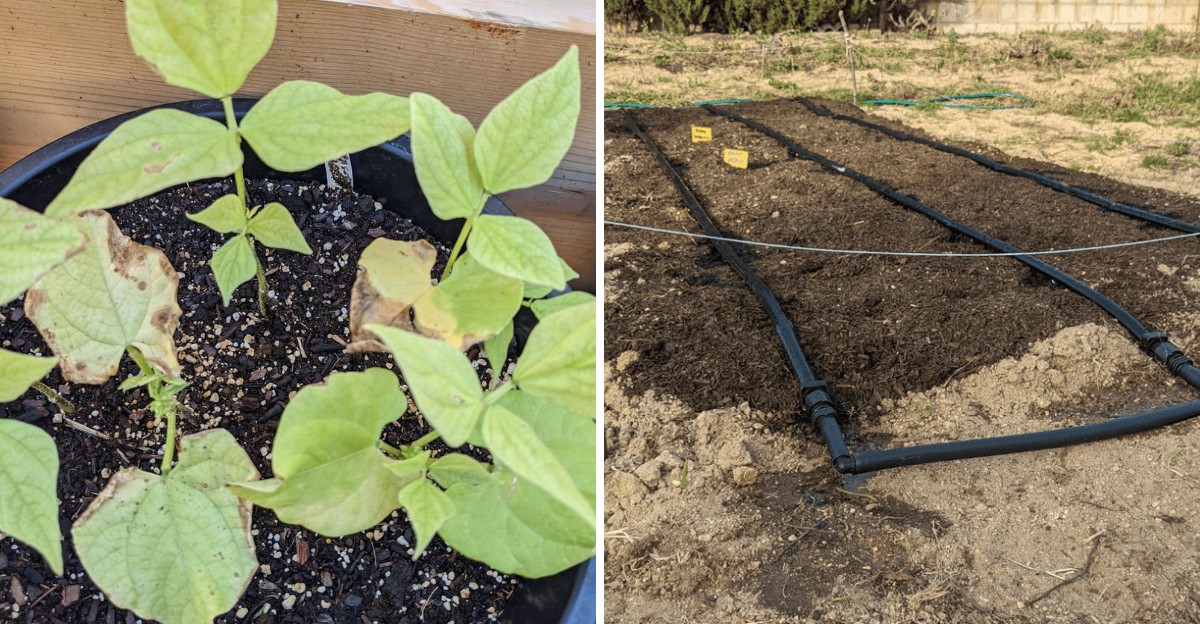
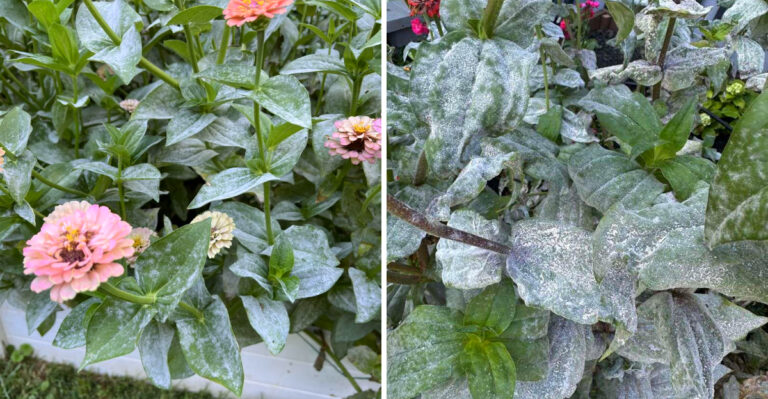
By mid August, a Georgia vegetable garden usually looks like it has run a marathon in wool socks. Tomato vines hang brown and leggy, squash leaves wear a gray film of mildew.
Here is the surprising part though. That exact moment is when the fall planting window quietly swings open across the state, right as everything looks finished.
Most gardeners see this exhausted August garden and assume the season is over, waiting weeks longer than necessary before starting anything new.
With a little cleanup, a compost refresh, and some smart crop choices, those tired beds can be feeding you collards, lettuce, and radishes long after the heat finally breaks.
1. Clear Out Spent Summer Crops First
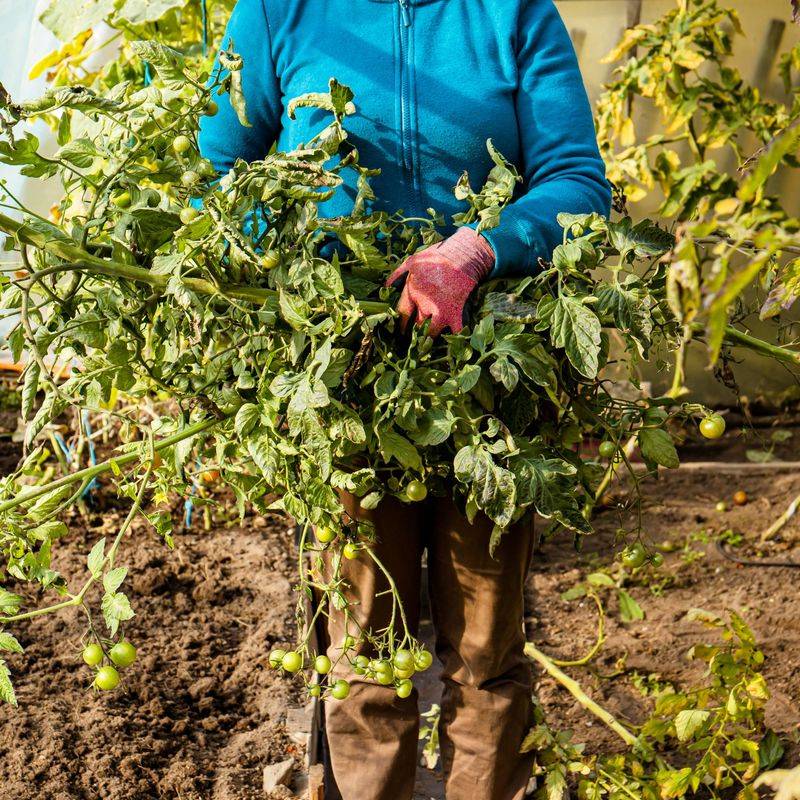
August in Georgia has a particular look. Tomato vines gone leggy, squash leaves dusted with mildew, and bean plants that stopped producing weeks ago.
Pulling those plants can feel like giving up, but it is really the opening move of a whole new season worth starting fresh.
Spent summer crops do more than take up room in the bed. They shelter squash bugs, stink bugs, and aphids, along with the spores behind early blight.
UGA Extension advises removing crop debris promptly, because leftover plant material keeps pests and diseases cycling into the next planting.
Work bed by bed instead of clearing everything at once. If your okra and peppers are still producing, leave them be entirely, since they often carry on into October.
Toss diseased vines in the trash rather than the compost pile, since backyard compost rarely gets hot enough to break down pathogens.
Cut plants at the soil line if roots are heavily tangled, then loosen the top few inches with a garden fork afterward.
Twenty honest minutes of cleanup usually turns a burned-out bed into a blank canvas, and it is far less work than most people expect.
2. Refresh Soil With Compost Before Replanting
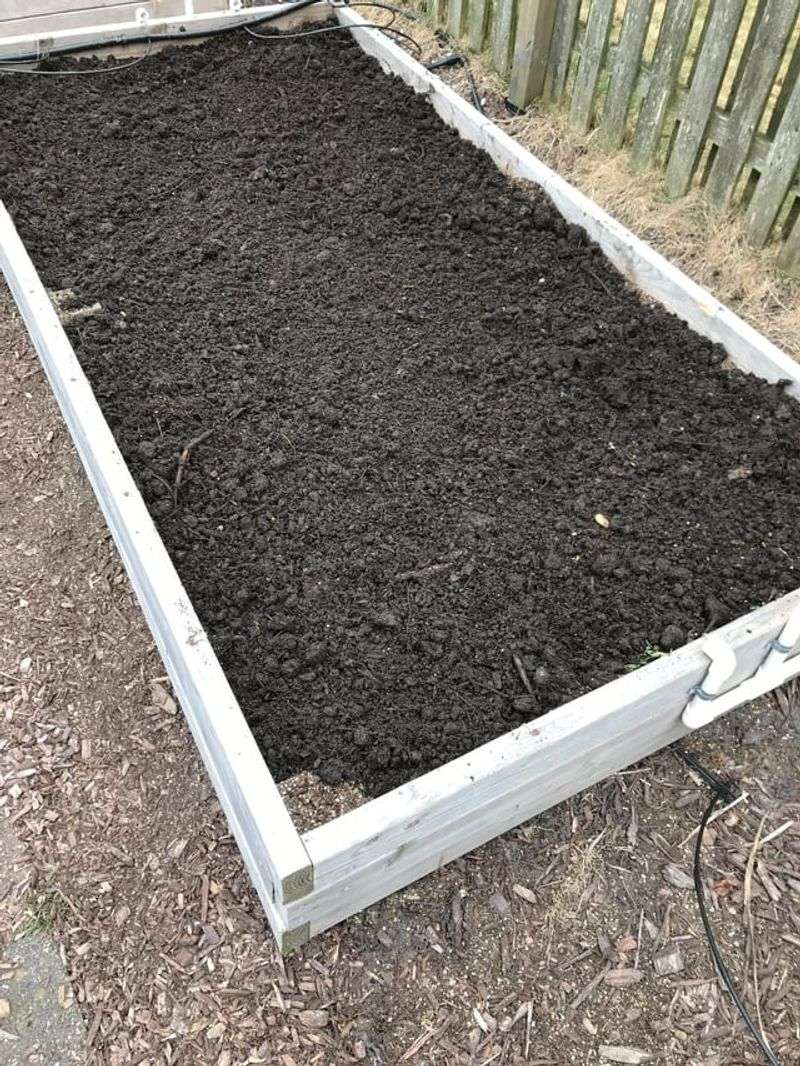
Think of your soil in late summer as a pantry after a big family reunion. The shelves are nearly bare from months of heavy feeding.
Tomatoes, corn, and squash pull enormous amounts of nitrogen, potassium, and organic matter out of a bed over three hot months of growing.
A targeted refresh beats a total rebuild every time here. Spread one to two inches of finished compost over the cleared bed and mix it into the top layer.
UGA Extension consistently points gardeners toward a soil test before adding amendments, and your county Extension office can process one inexpensively.
Leafy fall crops appreciate a modest nitrogen boost, so many Georgia growers work in a balanced fertilizer at planting time.
Water the bed thoroughly after amending and let it settle for a day or two before planting anything new in that space.
Skip deep tilling in beds that already drain well, because excessive digging burns through organic matter and disturbs earthworms doing free labor.
A refreshed bed can usually be planted the very same week once soil settles properly after amending.
3. Choose Fast Maturing Fall Vegetables
Days to maturity printed on a seed packet is written for spring, when daylight keeps getting longer through the season. Fall does the opposite entirely.
Your Georgia Garden Changes Every Week. Your Plan Should Too.
Gardening in Georgia changes quickly throughout the season. Every Friday you’ll receive a simple weekly plan showing exactly what to plant, prune, fertilize, harvest, and protect so you never miss the right timing.
Start by finding your average first frost date for your specific area. North Georgia gardens often see it in late October, the middle of the state around early to mid November.
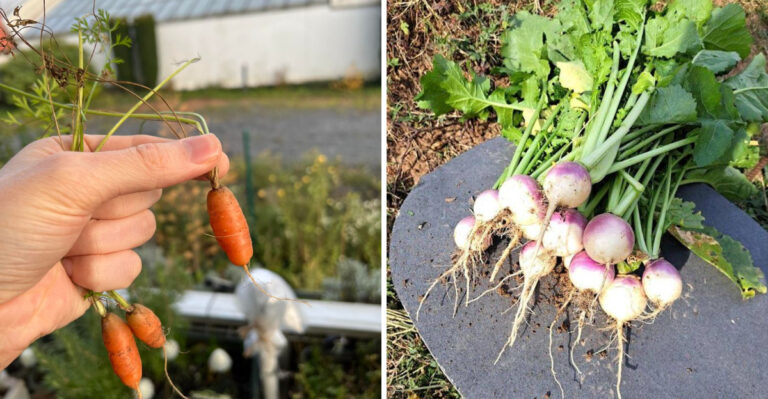
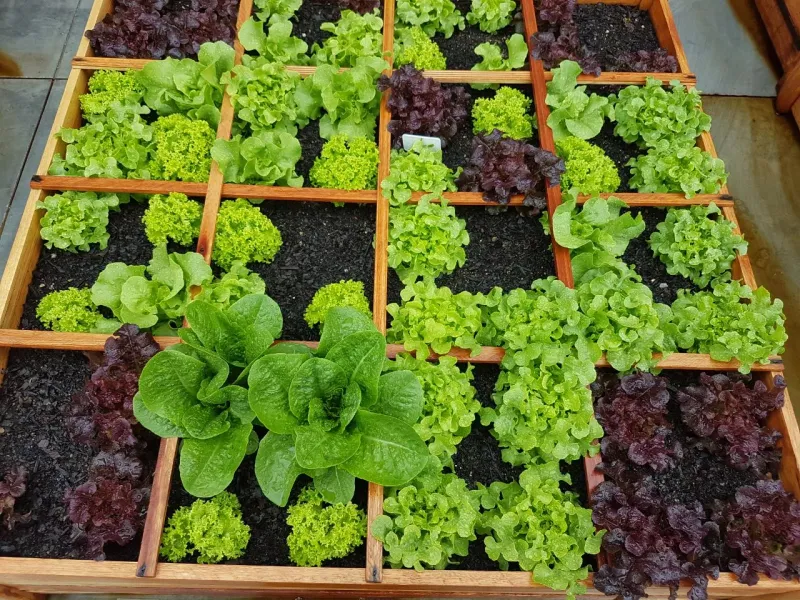
Radishes are the sprinters of the fall bed, going from seed to salad in about a month flat. Arugula, leaf lettuce, and spinach follow close behind at roughly thirty to fifty days.
Kale and collards take longer but shrug off frost easily, and plenty of Georgia cooks swear they taste sweeter after a cold snap.
Broccoli and cabbage do better as transplants in late summer than as seed, since they need the head start that transplanting provides.
Bush beans are a sneaky good pick if you plant early enough, producing before the first freeze shuts them down completely.
Check the variety, not just the vegetable, because two cabbages can differ by thirty days in maturity time.
4. Use Shade Cloth During The Handoff
Here is the awkward truth about Georgia’s fall garden. Planting season begins while it is still blazing hot outside, right in the thick of summer heat.
Broccoli transplants and lettuce seed are supposed to go in during August and early September, when afternoons still climb into the mid nineties.
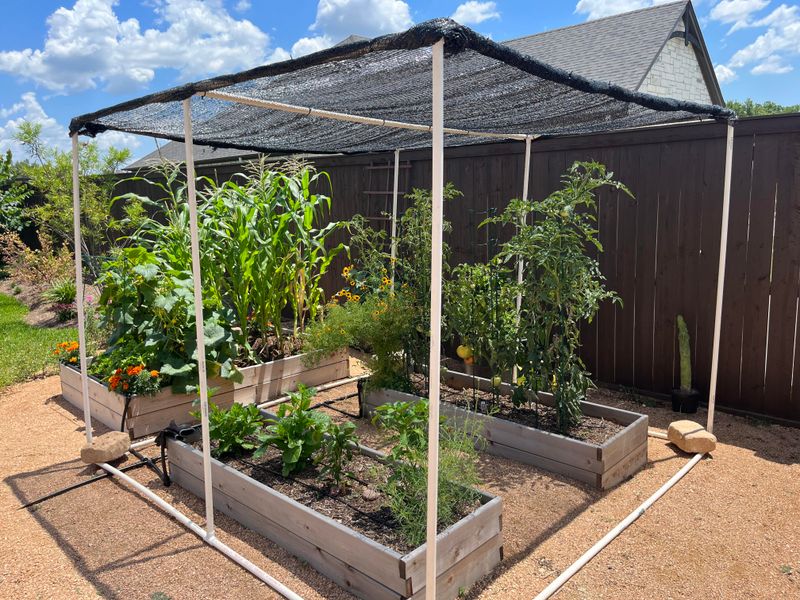
A length of 30 to 40 percent shade cloth stretched over simple hoops takes the edge right off that intense heat. Cooler soil helps seeds sprout properly.
PVC pipe bent into arches, a scrap of cattle panel, or even upside-down tomato cages will hold the fabric up over the bed.
Old bedsheets and window screen can fill in for a week or two, though they get heavy and stay soggy after rain falls.
Timing matters more than perfection here though. Afternoon shade from roughly noon to six is the shift that counts, while morning sun stays gentle.
Pull the cover once nighttime temperatures settle into the sixties and seedlings show three or four true leaves already developed.
5. Water Consistently As Roots Establish
Newly sown fall seed can fail in a single afternoon without proper care. A quarter inch of soil dries out shockingly fast when the sun is still summer-strong.
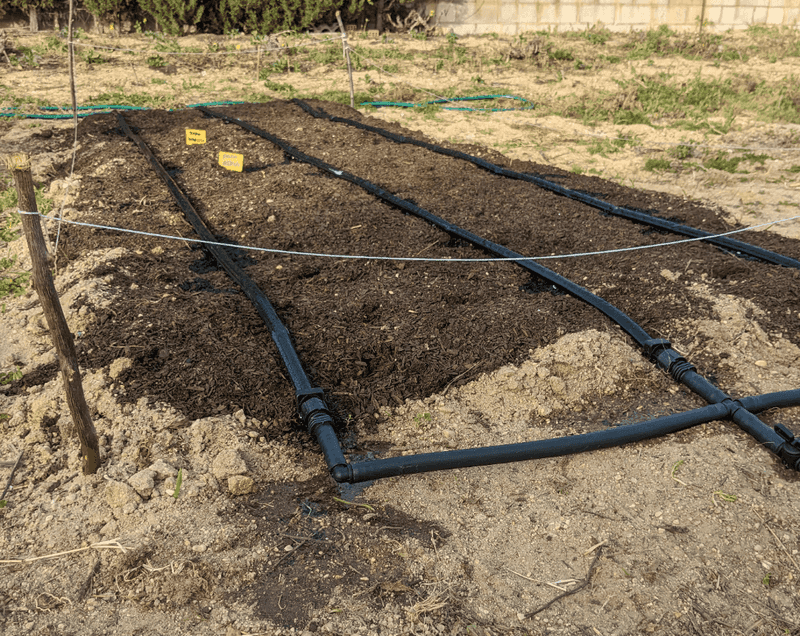
Until seeds sprout, plan on light watering once or twice daily, just enough to keep the top inch damp rather than soggy throughout the day.
Transplants want something different from seeds though. Soak them in at planting, then water deeply every two or three days so roots chase moisture downward.
Early September often brings a dry stretch across Georgia, and gardeners who assume the season has cooled get caught off guard by this.
Once plants are established, aim for roughly an inch of water per week from rain and irrigation combined, delivered in one or two soakings.
Morning watering beats evening for this crop, since leaves dry before dark and downy mildew gets fewer chances to take hold.
Two or three inches of straw, pine straw, or shredded leaves buys serious insurance against evaporation and wild soil temperature swings throughout the season.
6. Stagger Plantings For A Longer Harvest
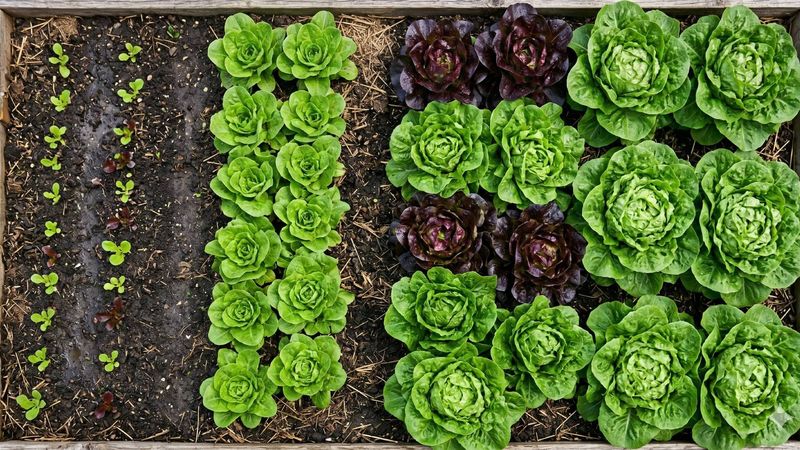
Plant every lettuce seed on the same Saturday, and you will drown in salad for eleven days, then have nothing at all afterward. Spreading sowings out fixes that problem entirely.
A simple rhythm works well here. Sow a short row of radishes, lettuce, or spinach every two to three weeks from late August through October.
Mixing varieties does similar work too. Pair a quick butterhead with a slower romaine, and one planting date turns into several harvest dates spread out.
Cut-and-come-again harvesting stretches things even further than staggered planting alone. Snip outer leaves from kale and chard instead of pulling whole plants.
Keep a cheap notebook or a note on your phone listing what went in and when throughout the season for future reference.
Georgia’s mild late fall is generous, especially south of Macon, where greens often produce straight through December without much trouble.
Do not overlook garlic and multiplying onions in October and November, since they sit quietly all winter and pay off handsomely in spring.
7. Small Steps Beat Starting Over Completely
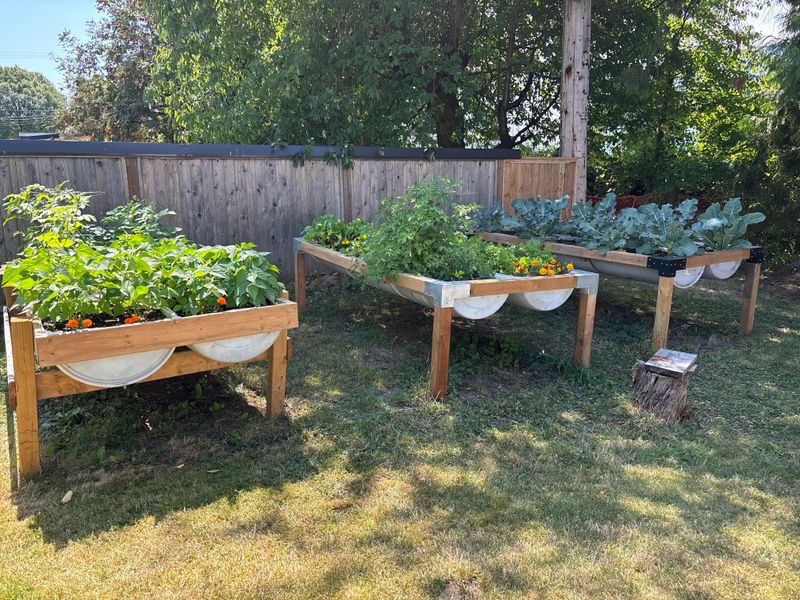
Somewhere along the way, garden advice picked up the notion that fall requires tearing everything out and rebuilding from bare dirt entirely. That approach is exhausting and mostly unnecessary.
A realistic Georgia transition looks patchy on purpose throughout the process. One bed gets cleared and replanted in late August, another waits until September.
Rolling changeover spreads labor across several weeks rather than one brutal weekend of work. It also keeps something productive growing the entire time.
Pick the smallest useful project each week instead of tackling everything at once. Clear one bed, add compost, plant a row, set up a hoop.
Perfection is not the goal here, and beds do not need to match each other perfectly. A patch of turnips growing beside a struggling tomato plant still counts.
Late plantings still count for plenty too. Even a container of lettuce on the back steps in October delivers real food worth eating.
Gardeners who burn out in July usually do so because the whole thing started feeling like an obligation rather than something enjoyable. Start with one bed this weekend.
8. Protect New Seedlings From Fall Pest Pressure
Fall seedlings face a different lineup of pests than the ones that plagued a summer garden, and many gardeners get caught off guard by insects they were not watching for in spring.
Harlequin bugs and cabbage worms show up in force just as brassicas like broccoli, cabbage, and collards go into the ground, drawn to the tender new growth of transplants still establishing their root systems.
Flea beetles riddle young greens with tiny shot-holes almost overnight, particularly on turnips, mustard, and arugula, and a heavy infestation on a small seedling can stunt growth badly before the plant ever gets a fighting chance.
Floating row cover laid directly over newly planted beds blocks most of these pests physically, letting light and water through while keeping egg-laying adults away from tender leaves during the vulnerable first few weeks.
Checking under leaves every few days catches problems early, since hand-picking cabbage worms or squashing harlequin bug eggs takes only minutes when populations are still small and manageable.
Crop debris left over from summer plantings, if not fully cleared as covered earlier, often harbors overwintering pest populations that move straight into fresh fall transplants sitting nearby in the same bed.
Rotating brassicas away from where they grew earlier in the year, even shifting a bed by just a few feet, reduces the concentrated pest pressure that builds up when the same plant family occupies identical ground season after season.
Staying ahead of pests during this establishment period protects the investment already made in soil prep, timing, and careful watering, since a seedling that survives its first month usually goes on to produce reliably through the cooler months ahead.
9. Plan For Winter Protection Before Cold Arrives
Many Georgia gardeners treat fall planting as the finish line, forgetting that a little preparation now extends the harvest considerably further into winter than most people expect.
Row cover and low tunnels, simple hoops of PVC or wire covered in frost cloth or plastic, trap enough heat on cold nights to protect cool-season crops through light freezes that would otherwise end the season abruptly.
Crops like kale, collards, and spinach tolerate real cold on their own without help, but a cover still improves leaf quality and keeps growth steady rather than letting the plants stall out completely during the coldest stretches.
Assembling these structures before the first frost warning arrives, rather than scrambling the evening cold hits, means materials are already on hand and the process takes minutes instead of turning into a stressful last-minute project.
Watering beds well before a hard freeze also helps protect plants, since moist soil holds and releases heat more effectively overnight than dry soil, buffering tender roots against the sharpest temperature drops.
Mulch applied generously around the base of overwintering crops like garlic adds another layer of insulation, moderating soil temperature swings through the freeze-thaw cycles common across much of Georgia during winter months.
South of Macon, where winters run milder, many gardeners skip heavy protection altogether and simply choose cold-hardy varieties suited to their region, saving the row cover for a rare hard freeze rather than routine winter nights.
Thinking through winter protection now, while the fall garden is still going in, turns a single harvest window into a much longer productive stretch that can carry a Georgia garden all the way into the new year.