What Georgia Gardeners Should Do With Knockout Roses Before June Ends
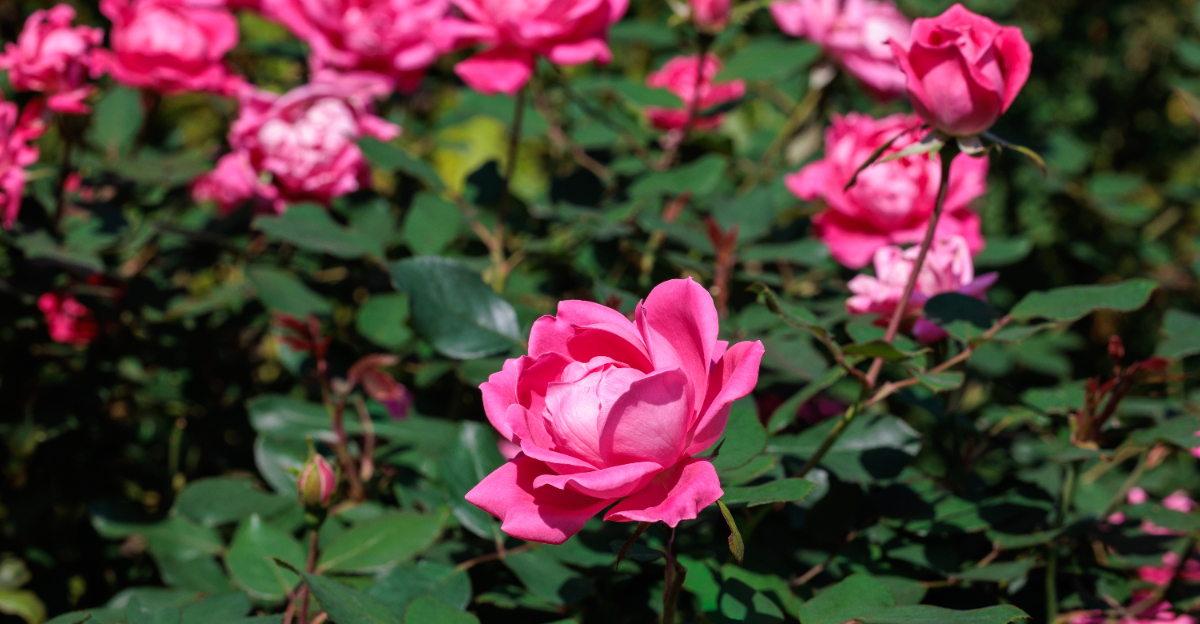
June can be a little misleading when it comes to Knockout roses. The bushes are still blooming, the foliage looks full, and everything seems to be doing exactly what it should.
That is why many gardeners stop paying close attention around this time of year. When a plant looks healthy, it is easy to assume there is nothing left to do except enjoy the flowers.
The end of the month, however, is when small decisions can have a big impact on how roses perform later in the summer.
In Georgia, the hotter weeks are still ahead, and plants that look great today can start struggling if they are not given the right attention now.
A few simple tasks before June ends can help support stronger growth, encourage more blooms, and reduce some common summer issues.
If your Knockout roses are one of the highlights of your yard, this is a good time to give them a closer look before the season shifts into its hottest phase.
1. Prune Faded Blooms To Encourage More Flowers Through Summer
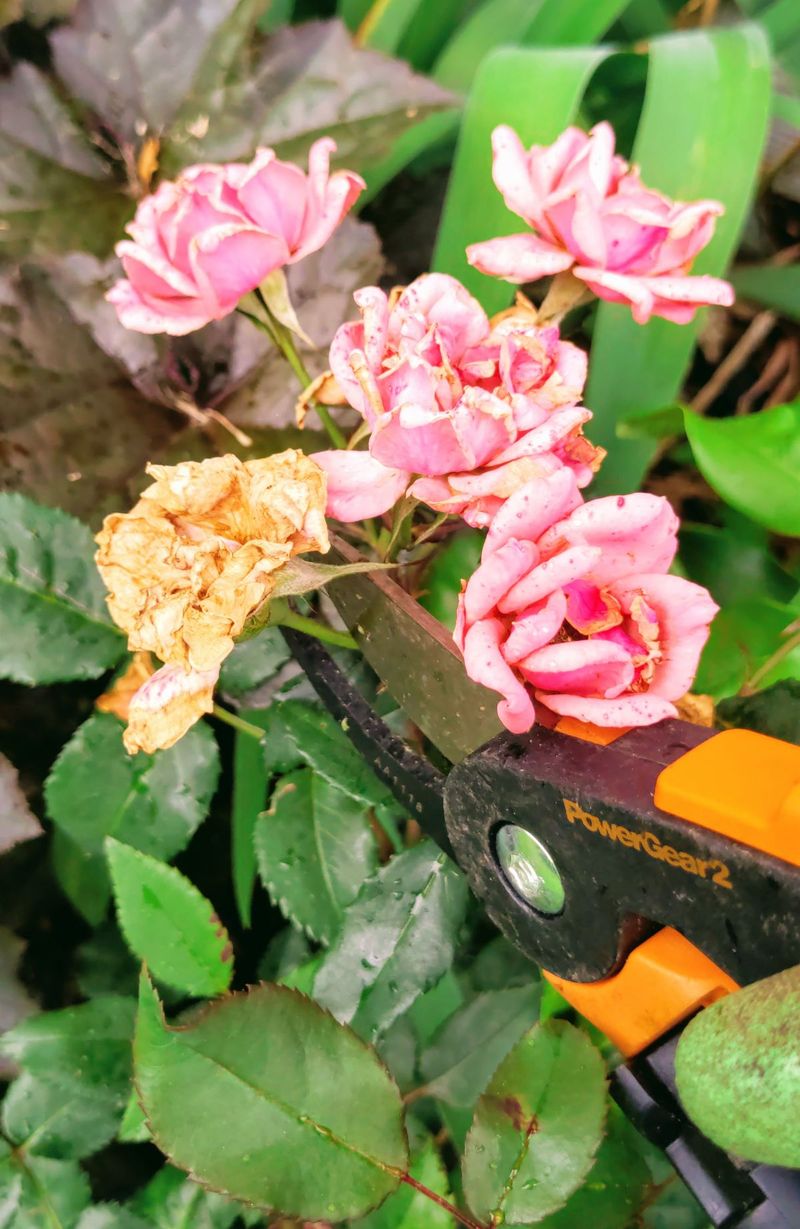
Spent blooms are silently working against you. When Knockout Roses finish a flower cycle, the plant starts putting energy into forming seed hips rather than pushing out new buds.
Snipping off those faded flowers redirects that energy right back into blooming.
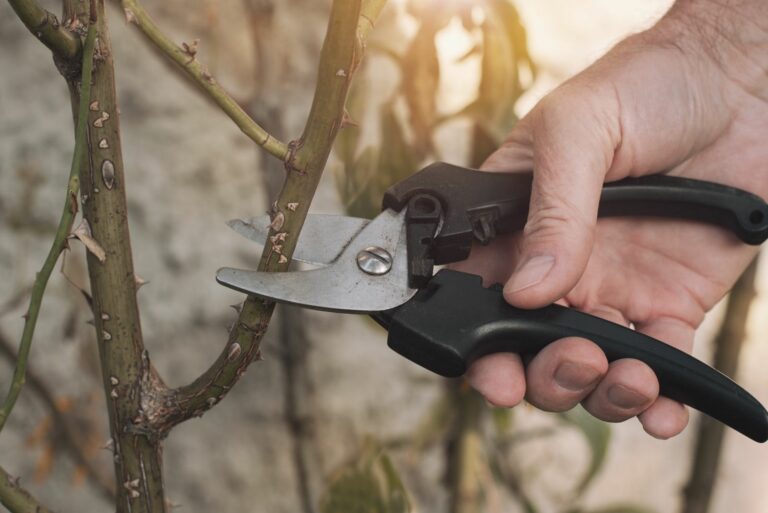
Use clean, sharp bypass pruners for the job. Dull blades crush stems instead of cutting cleanly, which slows healing and opens the door to problems.
Cut just below the spent flower cluster, back to a set of healthy leaves.
Knockout Roses rebloom in cycles, typically every four to six weeks. Deadheading consistently keeps each new cycle coming in faster and fuller.
Skip it, and blooms thin out noticeably by midsummer.
You do not need to prune deeply at this stage. Light, targeted cuts after each bloom flush are enough to maintain momentum.
Save any heavy shaping for late winter when the plant is dormant.
Wear thick gloves every time. Even though Knockout Roses have fewer thorns than many varieties, the ones they do have are sharp and easy to miss.
A quick snip here and there can turn into a scratched-up hand fast.
Late June is actually one of the best times to stay on top of this task.
2. Remove Damaged Stems To Keep Plants Growing Strongly
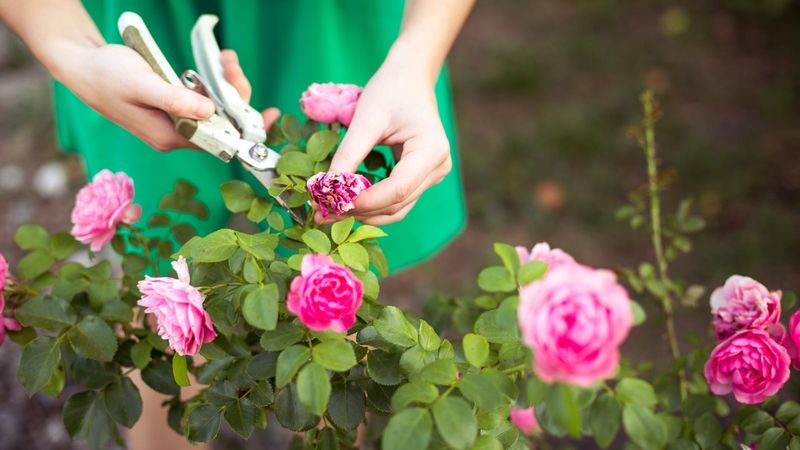
A damaged stem is a drain on an otherwise healthy plant. Broken, bent, or discolored canes pull resources away from strong, productive growth.
Spotting and removing them before summer peaks keeps the whole shrub working more efficiently.
Look for stems that are brown, hollow, or visibly cracked. Canes that snap easily instead of bending are already compromised.
Cut them back to where the wood looks solid and green inside, even if that means going low.
Storm damage is common in the South this time of year. Heavy rain and afternoon thunderstorms can snap weaker canes or cause them to bend at sharp angles.
Bent stems rarely recover fully and often become entry points for fungal issues.
Your Georgia Garden Changes Every Week. Your Plan Should Too.
Gardening in Georgia changes quickly throughout the season. Every Friday you’ll receive a simple weekly plan showing exactly what to plant, prune, fertilize, harvest, and protect so you never miss the right timing.
After cutting, wipe pruner blades clean between cuts when working on multiple stems. Cross-contamination between canes is a real concern, especially when moisture levels are high.
It takes thirty seconds and protects the whole plant.
Crossing canes are worth removing too. When stems rub against each other, they create small wounds that stay wet and attract problems.
Opening up the center of the shrub also improves airflow, which matters a lot during humid summer stretches.
Removing weak or damaged wood is not about being aggressive. It is about being selective.
3. Feed Plants With Nutrients To Support Continued Blooming
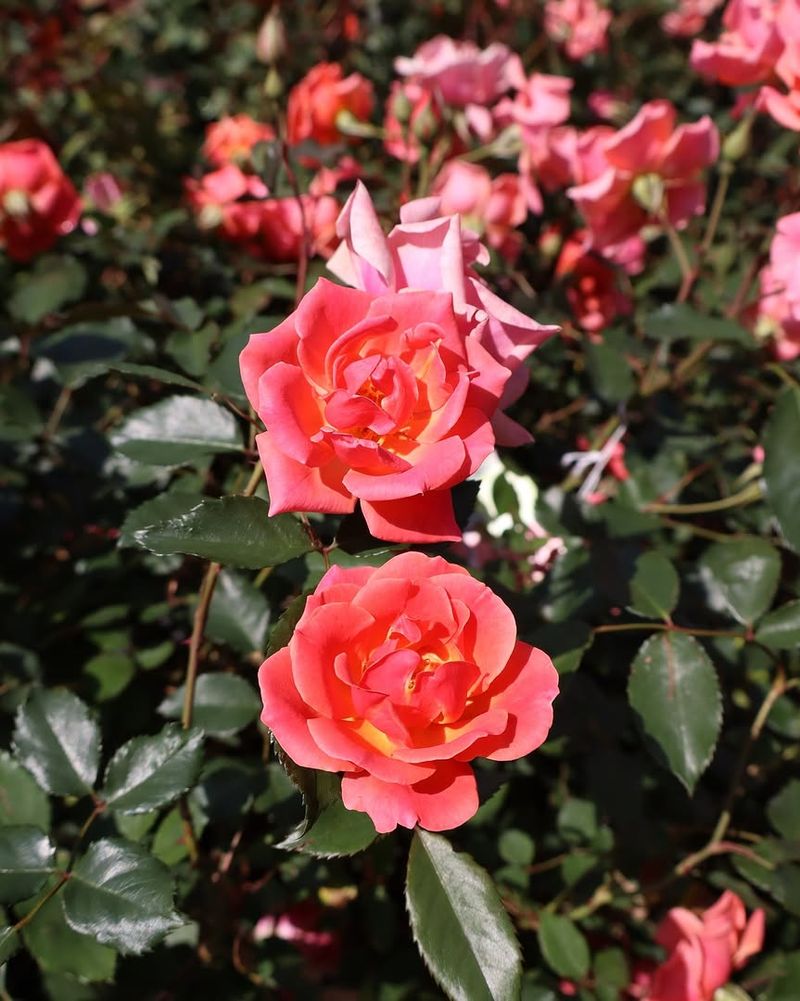
Hungry plants bloom less. By late June, your Knockout Roses have already pushed through multiple bloom cycles and burned through a good chunk of available soil nutrients.
A timely feeding gives them the fuel to keep going strong.
A balanced granular fertilizer formulated for roses works well at this stage. Look for something with roughly equal parts nitrogen, phosphorus, and potassium.
Avoid going heavy on nitrogen alone, as that tends to push leafy growth over flowers.
Scatter the granules evenly around the drip line of the plant, not directly against the base. Water thoroughly after applying so nutrients start moving into the root zone.
Dry fertilizer sitting on dry soil does very little good.
Slow-release formulas are a solid choice for summer feeding. They deliver nutrients gradually over several weeks rather than all at once.
That steady supply suits the plant better than a sharp spike followed by nothing.
Liquid fertilizers work faster and can give a quicker boost if plants look pale or sluggish. Some gardeners alternate between granular and liquid depending on how the plants look mid-season.
Both approaches can work well when applied correctly.
Avoid fertilizing during a heat wave or drought stress.
Feeding a stressed plant can make things worse. Wait for a cooler morning, water the plant first, then apply.
4. Refresh Mulch Layers To Help Retain Soil Moisture
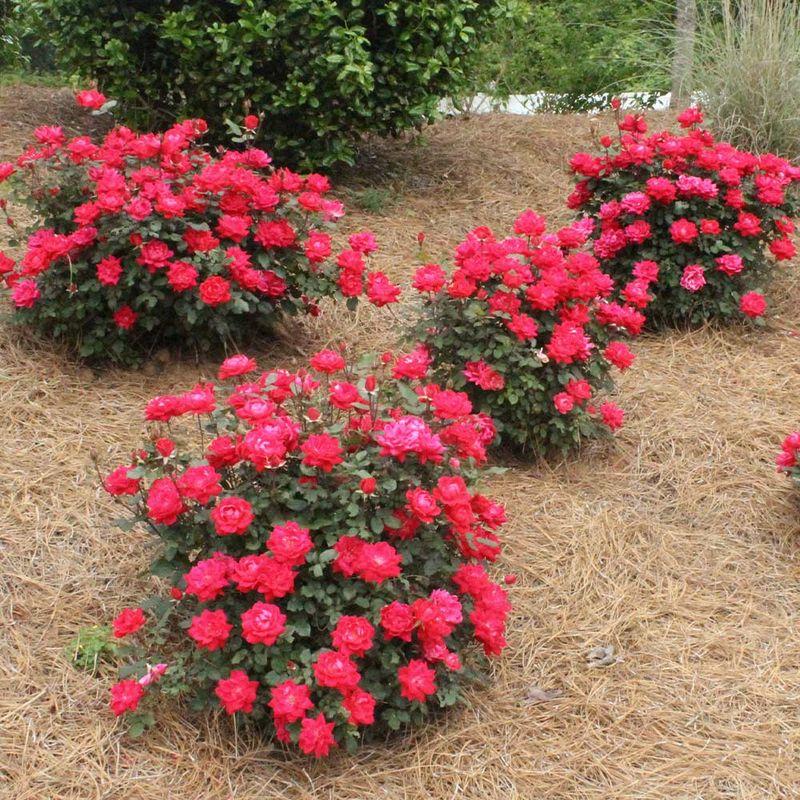
Bare soil in summer is a problem waiting to happen. Without a proper mulch layer, the ground around your roses heats up fast, dries out quickly, and loses the stable moisture that roots depend on during warm months.
Pull back whatever old mulch remains and check what is underneath. If it has compacted into a dense mat, it may actually be blocking water from reaching the roots.
Loosen it up or remove it before adding a fresh layer on top.
Aim for about two to three inches of new mulch around the base of each plant. Wood chips, shredded bark, or pine straw all work well in this climate.
Pine straw is especially popular in the South because it stays in place, drains well, and breaks down slowly.
Keep mulch pulled back a few inches from the main stem. Piling it directly against the base traps moisture against the wood and can encourage rot over time.
A small gap there makes a real difference in plant health.
Mulch also suppresses weeds, which compete directly with your roses for water and nutrients. Fewer weeds mean less work and healthier plants.
That alone makes it worth refreshing before summer fully sets in.
5. Water Deeply When Rainfall Has Been Limited Recently
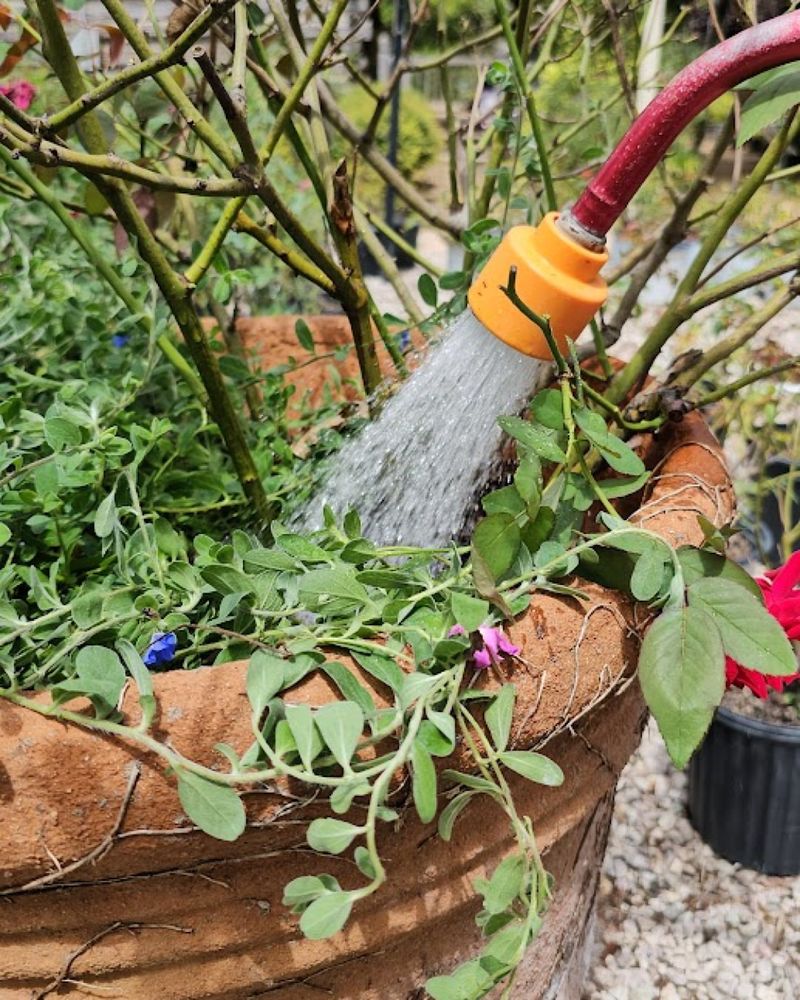
Shallow watering is almost worse than no watering at all. When you only wet the top inch of soil, roots stay near the surface chasing moisture instead of growing deep.
Deep, infrequent watering trains roots to go down where conditions stay more stable.
Check soil moisture before reaching for the hose. Push a finger two inches into the ground near the plant base.
If it feels dry at that depth, it is time to water. If it still feels damp, hold off another day or two.
When you do water, go slow and thorough. Let the water soak in rather than run off.
A soaker hose or drip line placed around the base is ideal because it delivers moisture directly to the root zone without wetting the foliage.
Wet leaves in hot weather can encourage fungal spotting, especially during humid stretches. Watering at the base instead of overhead keeps foliage dry and reduces that risk significantly.
Morning is still the best time if overhead watering is your only option.
Knockout Roses are more drought-tolerant than many rose varieties, but that tolerance has limits. Extended dry spells without supplemental water will cause stress, reduce blooming, and make plants more vulnerable to pests and other issues.
6. Inspect Foliage Closely For Early Signs Of Problems
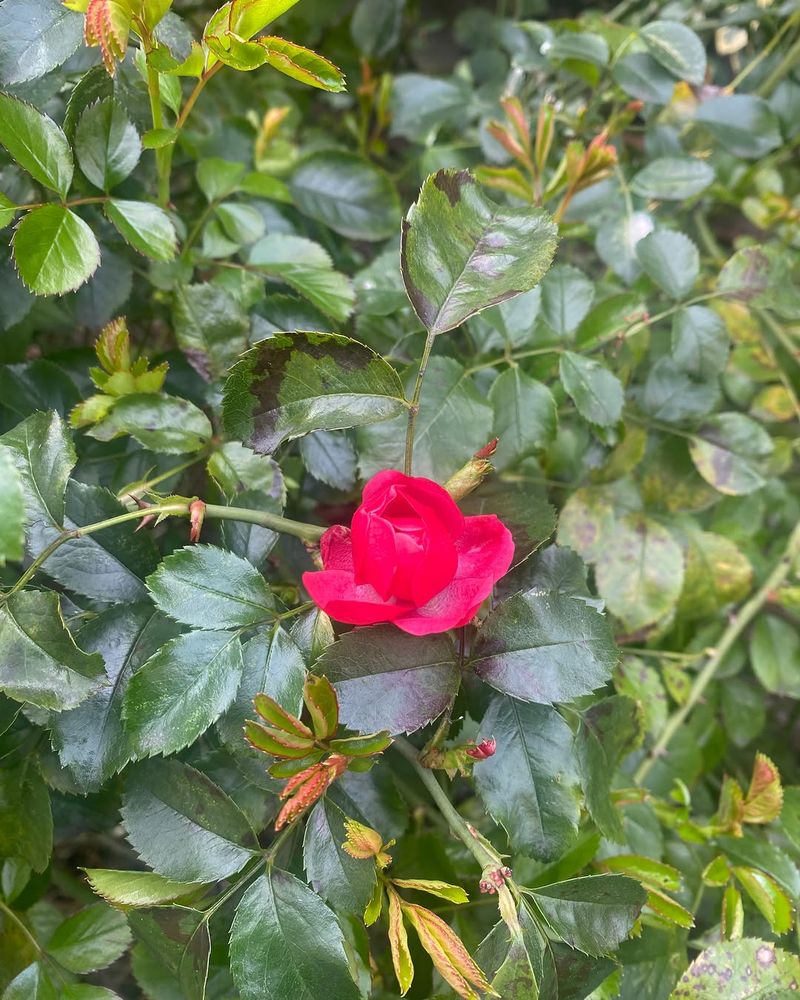
Problems caught early are problems solved easily. Waiting until damage is widespread makes recovery slower and harder.
A few minutes of close inspection every week or two can save you a lot of frustration later in the season.
Black spot is the most common fungal issue on roses in warm, humid climates. Look for circular black or dark brown spots on the upper surface of leaves, often surrounded by a yellow halo.
Affected leaves drop early, weakening the plant over time.
Flip leaves over and check the undersides too. Spider mites and aphids like to hide there.
Mites leave a fine, dusty webbing and cause leaves to look stippled or bronzed. Aphids cluster near new growth and are usually visible without magnification.
Spotted or discolored canes are worth noting as well. Canker diseases show up as sunken, darkened areas on stems and can spread if not addressed.
Pruning out affected wood early limits how far the problem travels.
Knockout Roses have good disease resistance, but no plant is completely immune, especially through a hot, wet Southern summer. Resistance means less susceptibility, not zero risk.
Conditions in late June can push even tough varieties toward trouble.
7. Clear Away Debris To Keep Plants Looking Healthy
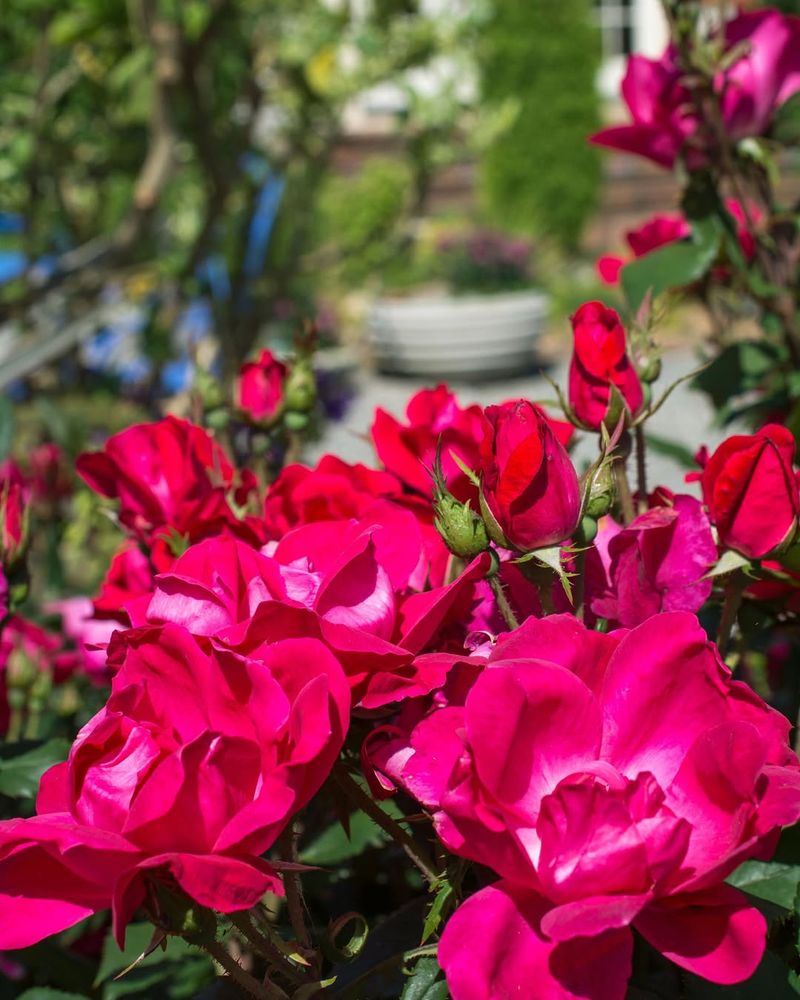
What falls around your roses does not just look untidy. Fallen leaves, old petals, and spent stems sitting on the soil can harbor fungal spores and insect eggs that reinfect plants season after season.
Clearing that debris out breaks the cycle.
After deadheading or pruning, do not leave clippings on the ground. Bag them up and remove them from the garden area entirely.
Composting rose clippings is fine if they are healthy, but diseased material should always go in the trash.
Spend a few minutes raking around the base of each plant every couple of weeks. Moist, shaded debris piles are exactly the environment where fungal problems thrive.
Keeping the ground clean reduces that risk without any sprays or treatments involved.
Weeds growing close to the base count as debris in a practical sense.
Pull them while they are small before they set seed or compete seriously for resources. A clean base also makes it easier to spot soil problems, pests, or signs of stress early.
Check inside the plant too. Leaves that have fallen and gotten trapped among the inner canes are easy to overlook but can hold moisture against stems.
Gently pulling those out takes just a minute and improves airflow through the center of the shrub.