Invasive Jumping Worms Are Spreading In Georgia Gardens And Damaging The Soil
Some worms in your garden can snap off their own tails to escape your hand. They thrash so hard they seem to leap right off the trowel.
I found that wild the first time I read about it. Researchers have confirmed these Asian invaders in Georgia, and they reproduce without needing a mate.
You might be blaming dry weather or poor fertilizer when your flowerbed starts looking tired. The real culprit could be wriggling just under the mulch, turning rich earth into loose, crumbly pellets.
I can’t stop checking my leaf piles now. Once you know the signs, you start seeing clues everywhere, from the texture of your topsoil to the way a worm reacts when you touch it.
What exactly is hiding in your beds, and how can you tell a helpful earthworm from a troublemaker?
1. That Coffee Ground Soil Under Your Mulch Could Be A Warning
Scrape back your mulch and take a close look. Healthy topsoil feels crumbly and a little spongy, like moist chocolate cake.
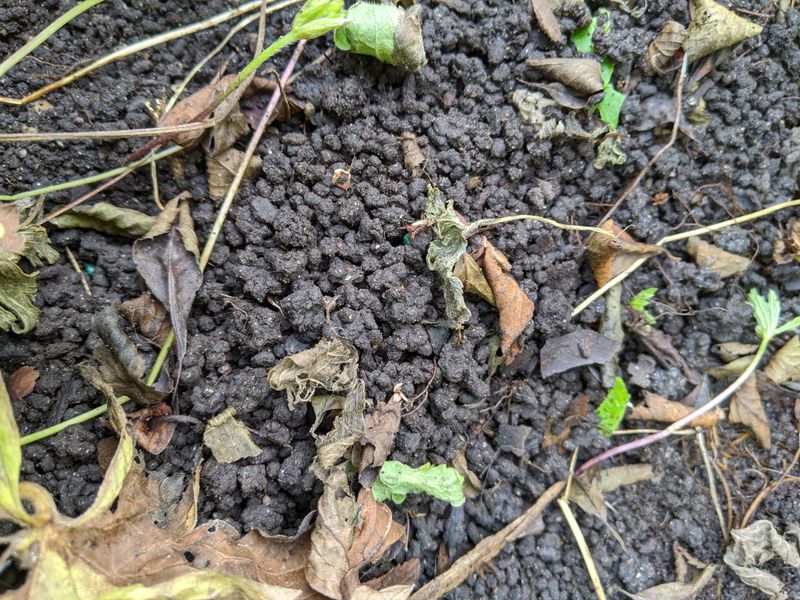
Soil invaded by jumping worms looks different. It turns loose, dry, and granular, almost like a scoop of used coffee grounds sprinkled across the bed.
Those little pellets are worm castings, and they pile up in the top few inches where the worms feed.
Extension experts from several universities point to this texture as one of the easiest early clues. You often notice it before you spot a single worm, especially in shady beds with thick leaf litter.
The trouble is that this pellet layer does a poor job of holding water. Rain can wash it away or dry it out fast, and young roots struggle to anchor in it.
I suggest doing a quick soil check in a few spots around your yard. Compare a wooded corner with a vegetable bed and a spot near any recently added plants.
Take photos if something looks odd. A clear picture helps your county extension office confirm what you have, and it gives you a baseline for watching changes over the season.
2. The Smooth Milky Band Gives A Jumping Worm Away
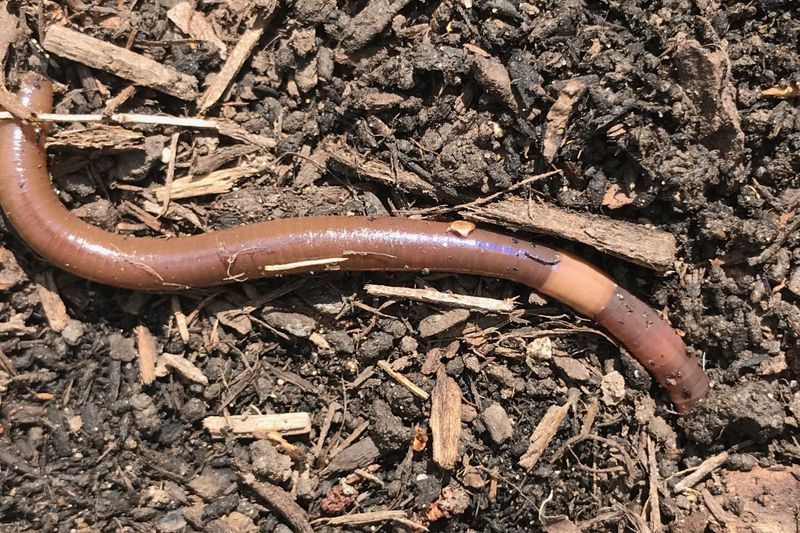
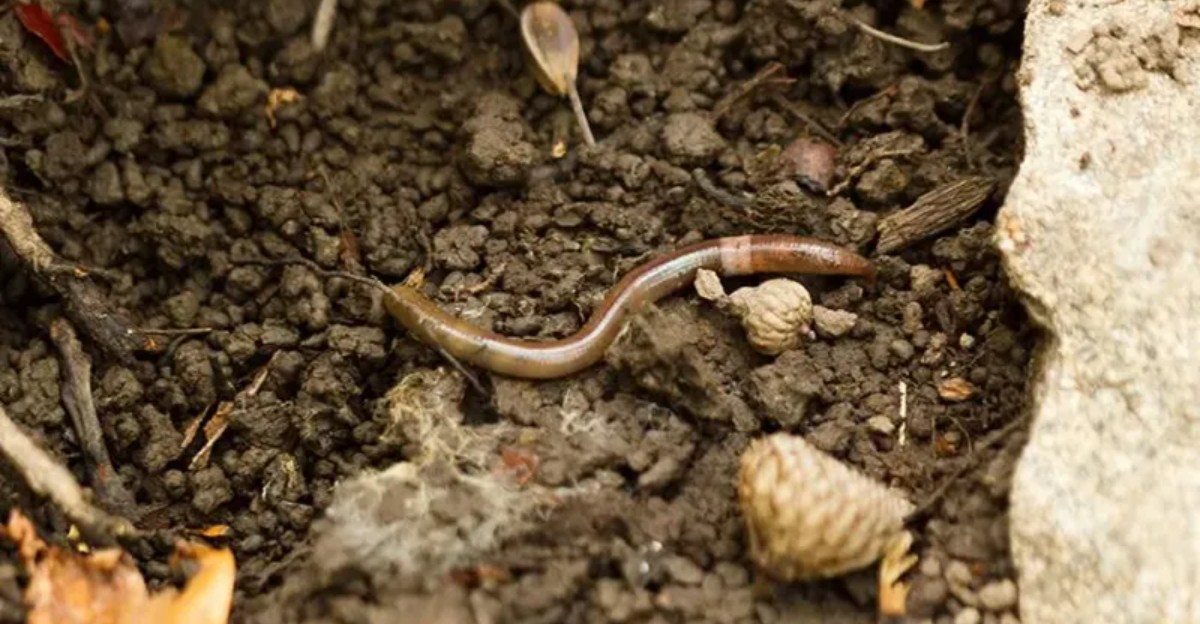
Grab a worm and look about a third of the way down its body. That ring is called the clitellum, and it tells you almost everything.
On a jumping worm, the band is smooth, milky white to light gray, and wraps all the way around the body. It sits flush with the skin instead of bulging out.
European nightcrawlers, the familiar kind, have a raised, pinkish or reddish band that looks more like a saddle.
Jumping worms also have a glossy, firm look, usually gray or brown. Most measure about 1.5 to 8 inches long.
The group mainly includes species in the genus Amynthas, which came from East Asia.
Then there is the behavior. Touch one and it whips around like a tiny snake, flopping and twisting with startling energy.
Some will shed the tail end to get away.
Honestly, the first time you see that reaction, you will not forget it. A regular earthworm tends to stretch and slowly crawl off.
If you are unsure, snap a photo of the band in good light. Your local University of Georgia Extension agent can help confirm the identification.
3. Hungry Worms Strip Away The Leaf Litter Your Plants Rely On
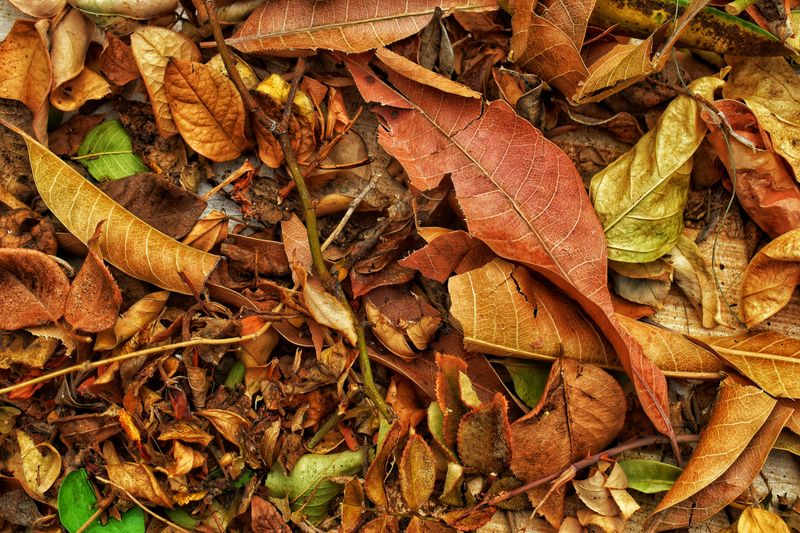
Leaf litter is basically a slow-release pantry for your garden. As it breaks down, it feeds fungi, bacteria, insects, and plant roots.
Jumping worms gobble that layer at a remarkable pace. They live near the surface instead of tunneling deep, so they focus their appetite on mulch, fallen leaves, and compost.
In some wooded areas, researchers have watched the soft forest floor shrink to bare, pellet-covered ground.
That shift hurts more than looks. Nutrients get packed into castings, then rain can wash them away before roots can use them.
Scientists sometimes describe it as soil that seems rich but leaves plants hungry.
Native wildflowers and tree seedlings often take the hardest hit. Salamanders, ground-nesting birds, and insects that depend on leaf litter may also lose shelter and food.
In your own yard, you might see perennials that seem weaker each year or seedlings that fail to settle in. Mulch might vanish much faster than it used to.
Keep notes on how quickly your mulch disappears. If you reapply often and the soil still looks granular, that pattern is worth reporting to your extension office.
4. A Simple Mustard Water Pour Brings Hidden Worms To The Surface
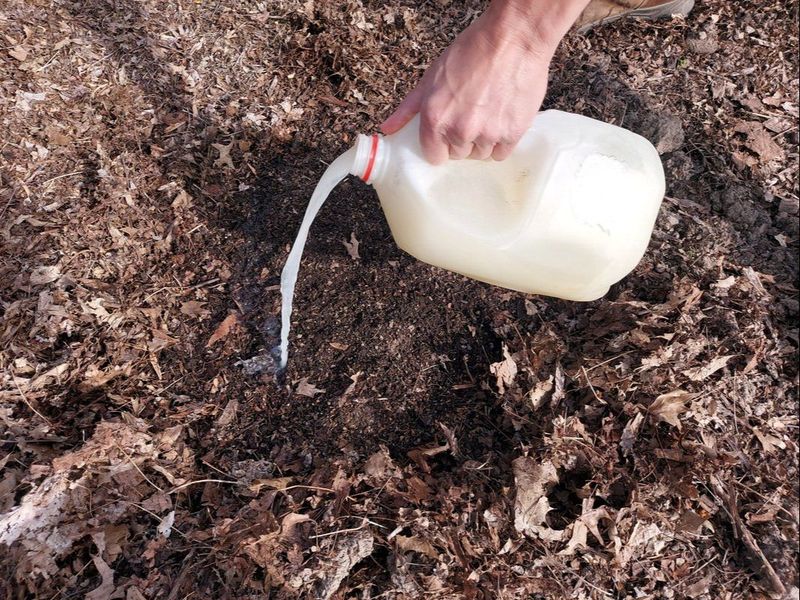
Here is a trick that feels a bit like kitchen science. Ground mustard seed, mixed with water, irritates worms and coaxes them up out of the soil.
Stir about one-third cup of ground yellow mustard seed into one gallon of water. Slowly pour it over roughly one square foot of the spot you suspect.
Within a few minutes, worms usually start wriggling to the surface.
Extension programs use this method for surveys because it is cheap and simple. The mustard rinses away and does not harm your plants.
Once the worms appear, check that clitellum band and watch how they move. Any wild thrashing is a strong hint.
I like doing this test in a few spots, maybe near new shrubs, along a woodland edge, and by the compost pile. You get a quick map of where trouble might be hiding.
Timing matters a little. Adults are easiest to find from mid-summer into fall, when they reach full size.
Earlier in spring, you may only find small juveniles that are harder to identify, so plan a second check later in the year.
5. Potted Plants And Bagged Mulch Can Carry Tiny Worm Cocoons
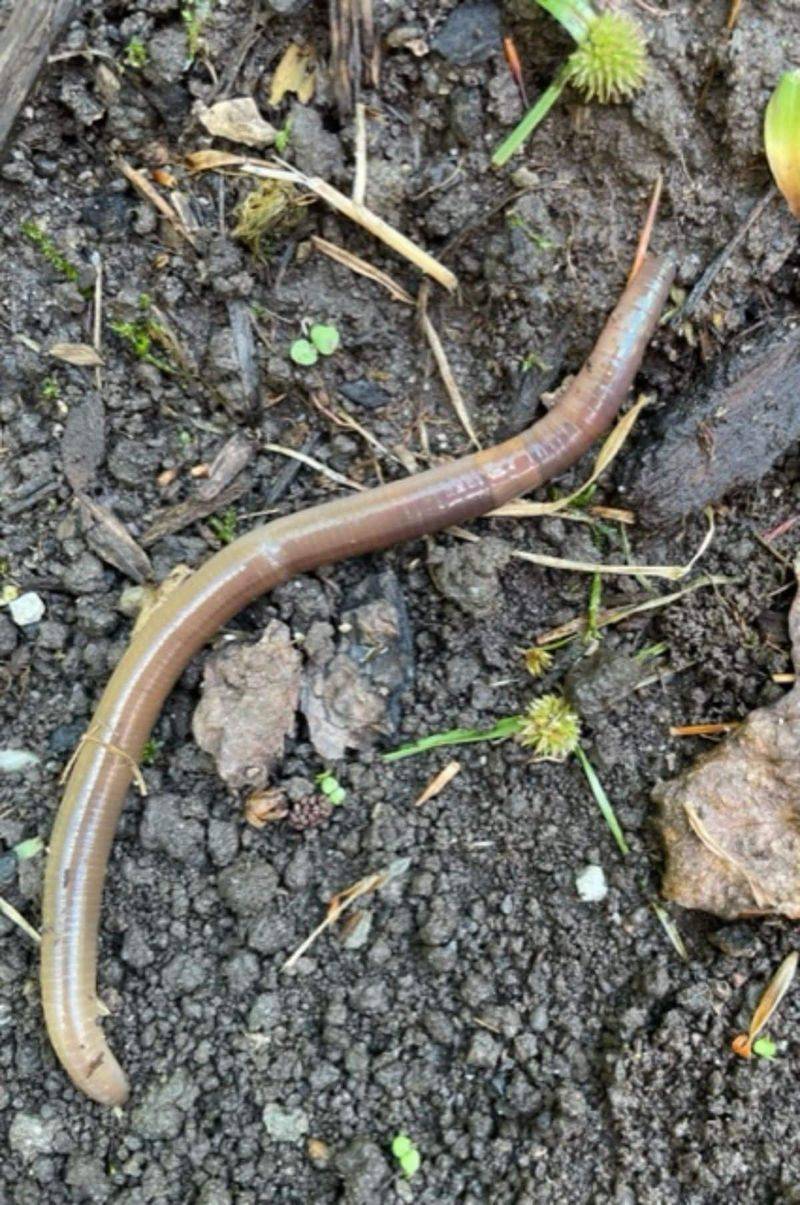
Jumping worms rarely crawl far on their own. People move them, mostly in soil, mulch, compost, and potted plants.
The biggest challenge is the cocoon. Each one is about the size of a mustard seed and blends right into dirt.
You could carry dozens home in a single pot and never notice.
Because no pesticide is approved to control jumping worms, prevention is your strongest tool. Start at the garden center or plant swap.
Slide plants out of their containers before buying when you can. Look for grainy, coffee-ground soil or lively, glossy worms.
Bare-root plants are a safer choice for many perennials and shrubs.
At home, some gardeners rinse soil off roots before planting new additions. Bag any removed soil and send it out with the trash instead of tossing it on a compost pile.
When buying mulch or compost, ask the supplier about heat treatment. Research suggests cocoons do not survive when material holds at about 104 degrees Fahrenheit for at least three days.
Reputable producers who manage hot compost carefully reduce the risk a great deal.
6. Muddy Boots And Shovels Spread Jumping Worms Further Than You Think
Picture-perfect gardens can still have dirty secrets stuck to the bottom of a boot. A clump of soil the size of a quarter may hold a cocoon or two.
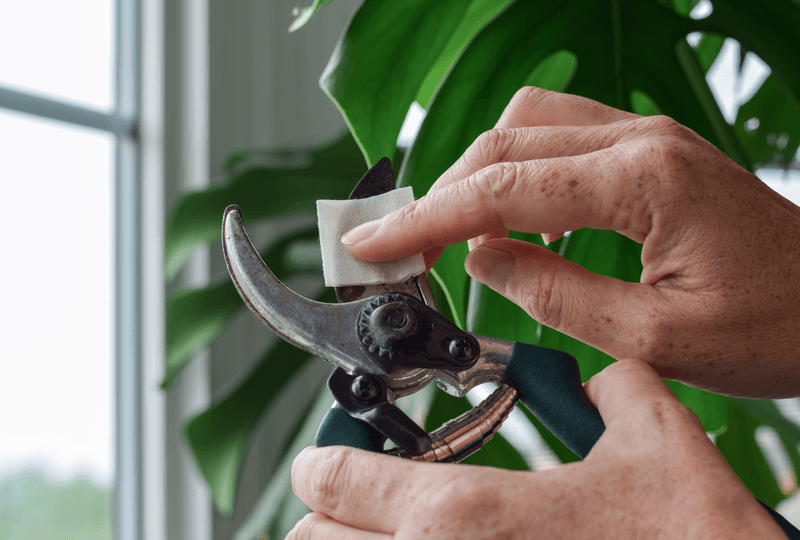
Cleaning gear sounds boring, yet it makes a real difference. Before you move from an infested bed to a clean one, knock soil off shovels, rakes, wheelbarrows, and shoe treads.
A stiff brush and a spray of water work fine. Do the scrubbing in the infested area so loose soil stays where it started.
Think about trips beyond your yard, too. Volunteering at a community garden, hiking a trail, or helping a friend dig a new bed can all move soil around.
Tires on trucks and mowers pick up dirt as well.
Plant swaps are wonderful for sharing, but they can also share trouble. Personally, I now trade cuttings and bare-root divisions whenever possible instead of full pots.
If you hire landscapers, ask whether they clean equipment between job sites. Many care deeply about this and will gladly explain their routine.
A short, friendly conversation can protect your beds for years.
7. Hand Picking Jumping Worms Helps Shrink Your Local Population
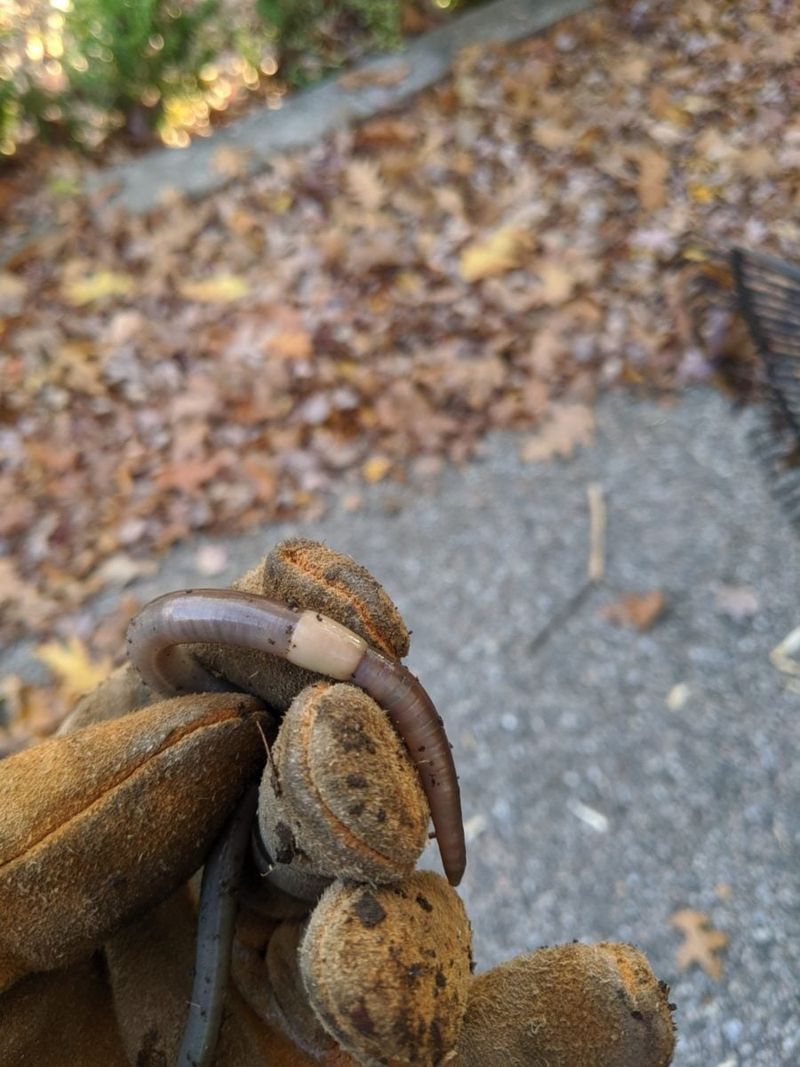
Few gardeners enjoy grabbing a thrashing worm, but gloves help a lot. Hand removal is one of the few direct steps you can take.
When you find adults, drop them into a zip-top bag. Seal it and place it in the freezer, then put it in the trash.
Skip the idea of using them as fishing bait. Anglers have helped spread these worms, so tossing extras near water only widens the problem.
Late summer and early fall bring the best results, since adults are large and active in Georgia then. Pulling worms before they finish laying cocoons can reduce next year’s numbers.
Removal will not erase an established population, and that is fine. Every adult you remove means fewer cocoons in the soil.
You can also strengthen struggling beds. Starting seeds in pots and transplanting sturdier plants gives roots a head start in tired soil.
Some gardeners have had better luck with tough, native perennials that tolerate leaner conditions while they work on control.
8. Reporting Jumping Worm Sightings Helps Georgia Researchers Track Them
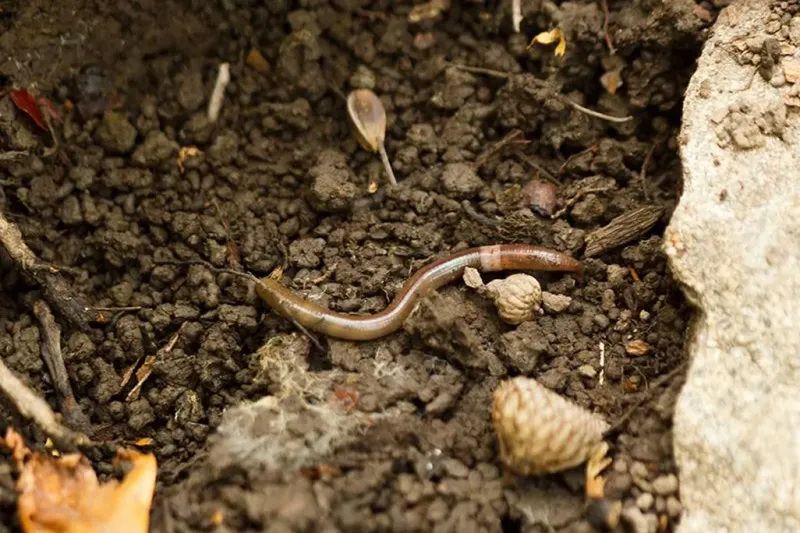
Your backyard discovery can become useful science. Researchers are still learning how far jumping worms have traveled across the Southeast.
The University of Georgia Center for Invasive Species and Ecosystem Health runs EDDMapS, a free online reporting system. You can upload a photo, location, and short note in a few minutes.
Your county UGA Extension office can also help identify worms and suggest next steps.
Good reports include a clear photo of the clitellum band, a shot of the soil, and the date. Mention whether you recently added mulch, compost, or nursery plants.
Knowing the life cycle helps you plan. Adults usually decline as cold weather arrives, while cocoons wait in the soil through winter.
They tend to hatch in spring once soil warms to around 50 degrees, then grow fast through summer.
That rhythm gives you a simple routine. Inspect new plants in spring, watch soil texture in summer, and hand pick adults in fall.
I find it encouraging that small habits really add up. Share what you learn with neighbors and garden clubs, because one heads-up might keep a fresh bed worm free.