Your orchid isn’t dead – here’s how to coax it back into bloom on an Oregon windowsill
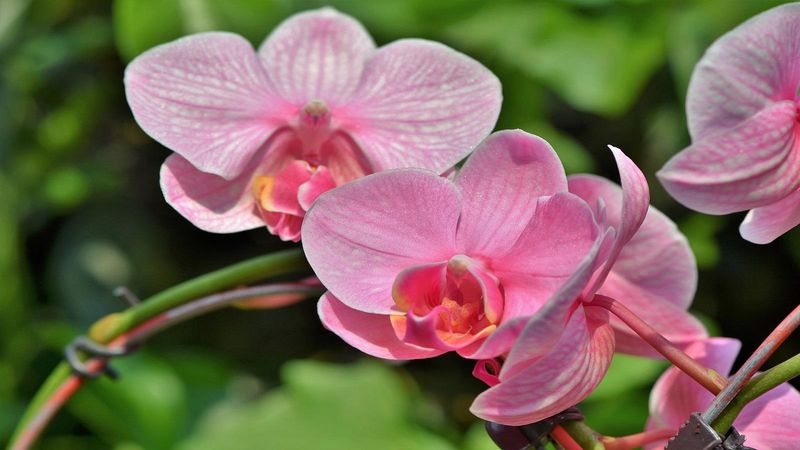
That bare green stem sitting on your windowsill probably looks like a lost cause, but if your moth orchid still has leaves and a few roots, it may just be resting. Phalaenopsis, the type sold at nearly every grocery store and garden center in Oregon, goes through a quiet recovery phase after flowering that looks a lot like dying.
With the right windowsill, careful watering and a little patience, many of these plants can be coaxed toward another round of blooms.
A bare flower spike usually means the show is over—not the plant
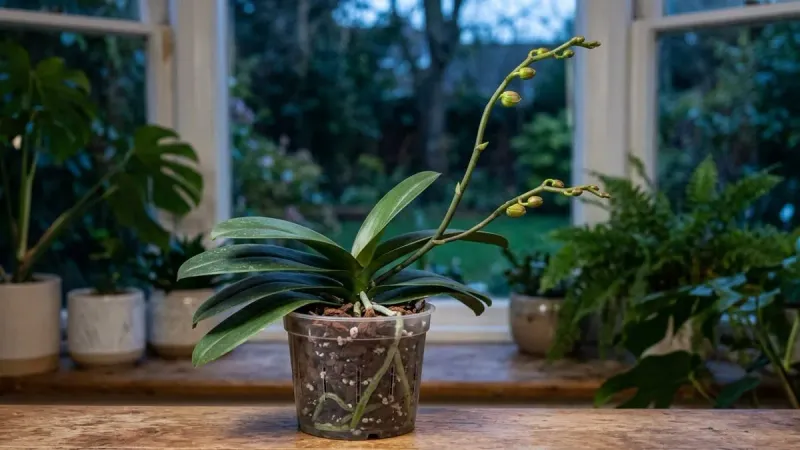
Phalaenopsis, the moth orchid sold in grocery store floral sections, garden centers and big-box stores across Oregon, is not the same as every exotic orchid you might imagine growing in a rainforest. It is a specific plant with a specific habit, and one of its most misunderstood habits is what happens after the last flower drops.
A bare spike and a pot full of bark are not a death sentence. After blooming, a healthy Phalaenopsis shifts energy away from flowers and back into its leaves and roots, entering a normal vegetative rest period.
The distinction that matters is between a plant that is resting and one that is genuinely failing. A resting Phalaenopsis typically holds firm, upright leaves, a healthy central crown where new growth could emerge and roots that are solid and not shriveled or black.
A plant in serious trouble looks different: leaves that collapse, a crown that smells of rot or a pot full of hollow, blackened roots.
Oregon windowsill conditions, including the mild, overcast winters west of the Cascades, can actually support a Phalaenopsis through its rest period and into another bloom cycle. That outcome is not guaranteed, and it depends on the plant’s health, its cultivar and the care it receives.
But the first step is simply recognizing that a flowerless orchid is not automatically a failed one.
Inspect the leaves, crown and roots before you try to rescue it
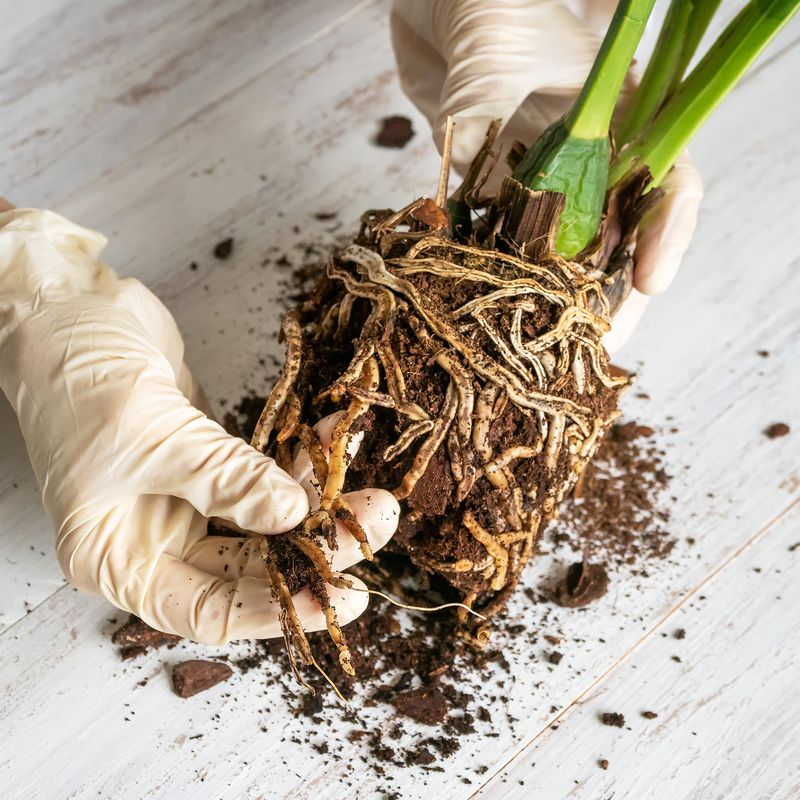
Before changing anything about how you water or where you place the plant, take a few minutes to look at what you actually have. Slide the plant gently out of its pot if you can, or at least peer through the clear plastic nursery pot that most grocery-store Phalaenopsis come in.
What you find will tell you whether you are dealing with a plant that needs encouragement or one that needs a frank assessment.
Healthy signs include leaves that feel firm and slightly waxy rather than limp or papery, a crown (the central growing point where leaves emerge) that looks intact and green, and roots that are solid and range in color from silvery-gray when dry to bright green when recently watered. OSU Extension identifies white or green root tips and new leaf growth as useful signals that a spent Phalaenopsis is moving into a new growth cycle.
New roots or leaves show that the plant is still actively growing, even before flowers return.
Your Oregon Garden Changes Every Week. Your Plan Should Too.
Gardening in Oregon changes quickly throughout the season. Every Friday you’ll receive a simple weekly plan showing exactly what to plant, prune, fertilize, harvest, and protect so you never miss the right timing.
Contrast those signs with the warning indicators. The American Orchid Society’s guide to Phalaenopsis problems lists advanced crown rot, extensive root loss and a collapsed growing point among the conditions that can make recovery unlikely, regardless of how attentive the subsequent care is.
Soft, brown or hollow roots that crumble when pressed are a sign of root rot, often caused by overwatering or a medium that holds too much moisture.
Leaf color is worth reading carefully, but not too literally. University of Maryland Extension explains that one older leaf at the base of the plant yellowing and drying is a normal part of the plant’s cycle, not a reason to panic.
Several newer leaves yellowing together, shrinking or going uniformly limp is a different story and can point to root damage, poor watering, disease or too much direct light.
A leafless Phalaenopsis deserves special caution. The American Orchid Society’s beginner series notes that a plant without leaves has very limited ability to produce energy, and simply increasing watering in that situation can accelerate rot rather than promote recovery.
If the crown and some roots remain viable, minimal moisture and careful placement give the best chance; if the crown is gone, the plant’s path forward is extremely uncertain.
The right Oregon windowsill gives the plant energy to bloom again
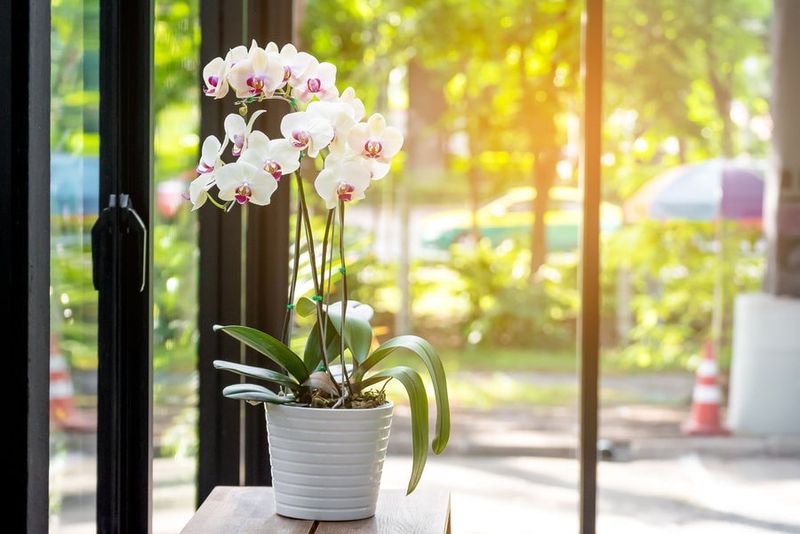
Light is the fuel that makes reblooming possible, and in Oregon’s maritime climate, finding enough of it without scorching the plant is the central windowsill challenge. West of the Cascades, winters bring long stretches of overcast skies, and a spot that seems bright in July can feel like a dim corner by November.
Choosing the right window, and adjusting as the season changes, matters more here than in sunnier climates.
An east-facing window is a reliable starting point for most Oregon homes. It delivers gentle morning sun and bright indirect light through the rest of the day, which suits a Phalaenopsis well.
Leaf color offers a rough clue about whether the light level is working. Very dark green leaves often mean the plant is not getting enough light.
Olive-green or yellow-green leaves are generally closer to the right range. Smithsonian Gardens’ Phalaenopsis care guide notes that a reddish tinge on the leaves can indicate light stress from too much intensity.
These color signals are useful checkpoints, not definitive diagnoses, because other factors including temperature and fertilizer can affect leaf color too.
Oregon’s gray winters can tempt growers to move a plant into a south window for more light, which can be a reasonable adjustment. The catch is cold glass.
OSU Extension advises keeping houseplants away from cold drafts and cold window glass, both of which can damage tropical plants even when the room itself feels comfortable. Pull the plant back a few inches from the pane on cold nights, or slide a piece of cardboard between the plant and the glass as a simple buffer.
Heating vents, fireplaces and radiators create the opposite problem: dry, hot air that stresses the roots and leaves.
Water the roots thoroughly, then let the medium nearly dry
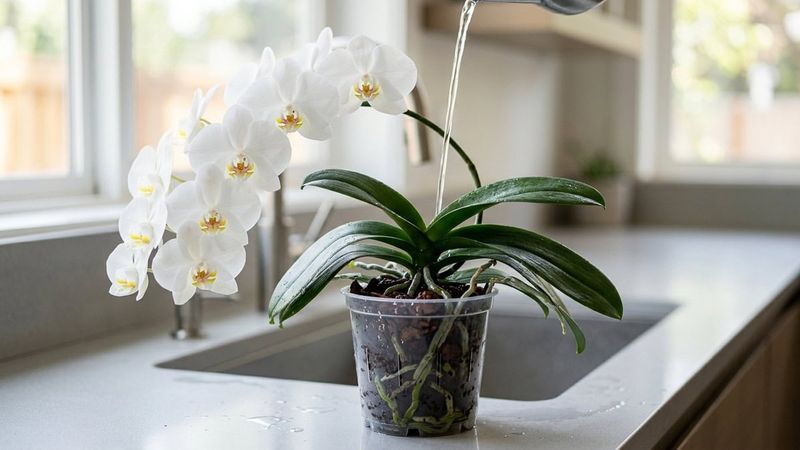
Watering a Phalaenopsis is less about following a schedule and more about reading the medium in the pot. Bark, the chunky material most grocery-store orchids are sold in, dries out at a different rate depending on pot size, room temperature, humidity and light level.
A small pot in a warm, bright room might need water every five days; the same plant in a cool, dim Oregon winter room might go ten to fourteen days between waterings. No single weekly rule fits all of those situations.
The method that works reliably is straightforward. Water thoroughly in the morning using room-temperature or lukewarm water, letting it run through the bark and drain completely from the pot’s holes.
The American Orchid Society’s culture sheet recommends watering in the morning so any moisture that splashes onto leaves or into the crown can evaporate during the day rather than sitting overnight. Then wait.
Water again only when the medium feels nearly dry, not bone-dry and not still damp.
Keeping water out of the crown is one of the most practical habits you can build. The crown is the central point where leaves meet at the top of the plant, and water pooling there, especially in a cool Oregon room with limited air movement, can lead to bacterial or fungal rot.
If water does collect there, blot it gently with a paper towel or tissue.
Two shortcuts are worth skipping entirely. Smithsonian Gardens’ orchid care guidance specifically advises against ice-cube watering, noting that Phalaenopsis roots are adapted to warm, tropical conditions and cold shock can injure them.
Frequent misting is similarly incomplete as a care strategy: it raises surface humidity briefly but does not replace proper watering, and moisture left in leaf axils or the crown without adequate air movement can encourage disease rather than prevent it.
What should you do with the old flower spike?
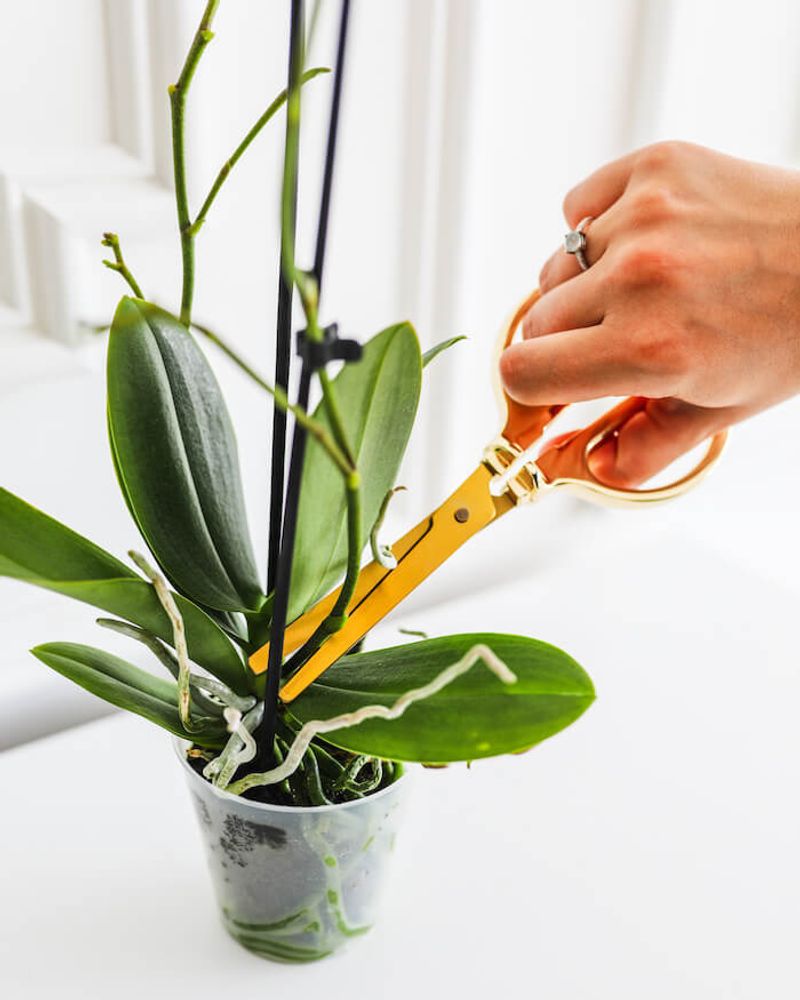
Once the last flower has fallen, the spike itself becomes a decision point rather than a chore. The right choice depends on what the spike looks like and how strong the plant appears to be, not on a single rule that applies to every situation.
If the spike is still green from base to tip, a Phalaenopsis may be able to branch from it and produce another set of flowers. Nodes are the small bumps spaced along the spike, each one a potential branching point.
This approach can produce blooms more quickly than waiting for a brand-new spike to form, but the resulting flowers are often fewer or smaller than the original display, and a plant that is already stressed may be better served by skipping this step entirely.
When the spike has turned brown, yellow-brown or otherwise dead-looking along any significant portion, the calculus changes. A dying or fully brown spike will not branch successfully, and leaving it on the plant serves no purpose.
In that case, remove it by cutting close to the base, leaving just a short stub rather than tearing the tissue.
Smithsonian Gardens notes that cutting to a node on a green spike may produce a secondary bloom in roughly eight to twelve weeks, but frames that as one possible outcome rather than a dependable timetable. A plant that has just come through a long bloom cycle, lost roots to overwatering or is sitting in degraded bark may genuinely benefit more from a full recovery period, even if that means waiting longer for the next flowers.
If you are uncertain, look at the leaves and roots first. A plant with firm, full leaves and several healthy roots is a reasonable candidate for the node-cut approach.
A plant that looks depleted, with limp leaves or few remaining roots, is better off with the spike removed entirely and its energy redirected toward rebuilding before the next bloom cycle begins.
Repot when the bark fails—not merely because the flowers fell
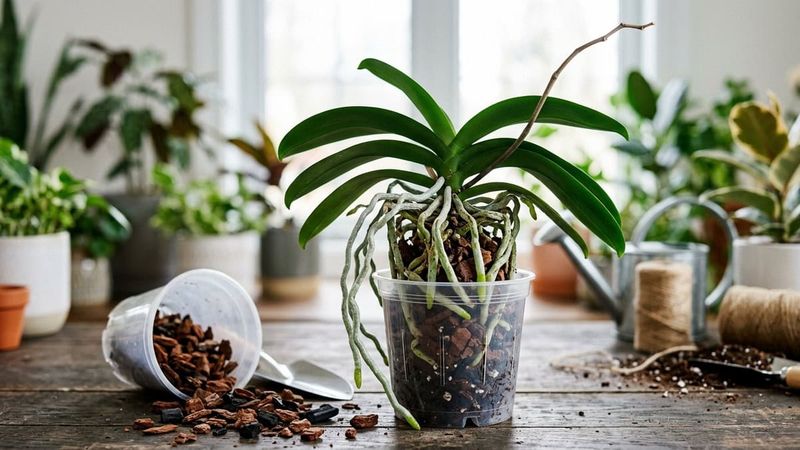
Repotting an orchid right after it finishes blooming is one of the most common pieces of advice passed along at garden centers, and it is not wrong exactly, but it is incomplete. The condition of the bark and roots matters far more than the timing relative to the last flower.
Orchid bark breaks down over time. Fresh bark is chunky, springy and drains almost immediately when watered.
Old bark becomes soft, dark and compacted, holding moisture for days and squeezing out the air that Phalaenopsis roots need. University of Maryland Extension recommends repotting when the bark has degraded, when drainage has worsened noticeably, or when the plant has outgrown its container, and suggests that the interval often falls around one to two years, with the medium’s actual condition being the deciding factor.
Before reaching for a new pot, check the roots carefully. Iowa State University Extension’s repotting guide advises removing only roots that are soft, hollow, brown or black, while retaining every firm, living root, even those that have grown outside the pot or wrapped around the container.
Cutting away healthy roots to make repotting tidier does more harm than good.
University of Connecticut Extension notes that new root growth is a helpful timing signal, suggesting the plant has enough energy to handle the transition. If the bark still drains well and the roots look healthy, there is no reason to repot simply because the flowers are gone.
Let the plant’s actual condition set the schedule, not the calendar.
Cool autumn nights can provide the flowering cue—but only after the plant is healthy
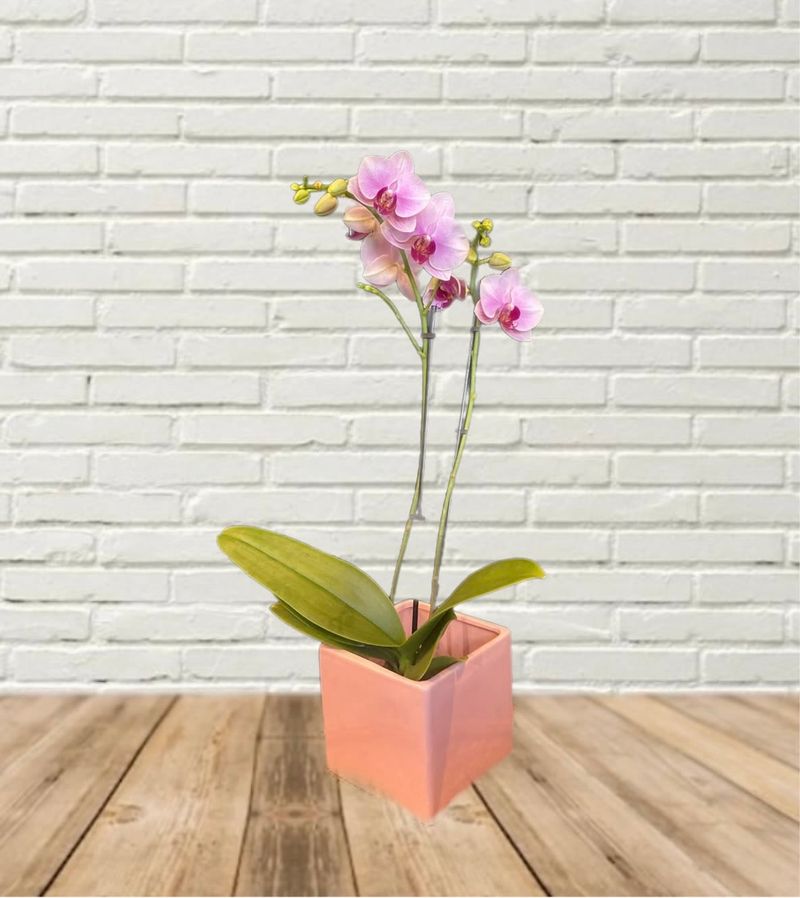
Many standard Phalaenopsis hybrids need a temperature nudge before they will commit to making a new flower spike. Warmth alone, maintained steadily through the year, can keep the plant alive and leafy without ever triggering blooms.
The seasonal cooling that arrives naturally in Oregon’s maritime climate each autumn is one of the conditions that can shift a healthy plant from rest into reproductive mode.
North Carolina Extension’s Phalaenopsis profile notes that many hybrids initiate spikes after several weeks of cooler night temperatures, with common guidance pointing to a range of roughly 55 to 60 degrees Fahrenheit at night. That same source acknowledges that cultivar differences matter: some modern or novelty Phalaenopsis types can flower without the same cool treatment, so a plant that does not respond to one autumn’s cooling is not necessarily unhealthy.
West-of-the-Cascades homes often cool down naturally in September and October, making forced temperature manipulation unnecessary for many growers. Moving the plant slightly away from a heat source and allowing the room to reflect the season’s natural shift can be enough.
What to avoid is the extreme version of that strategy: OSU Extension cautions against exposing houseplants to cold drafts, cold window glass or abrupt temperature swings, all of which stress the plant rather than cue it. Iowa State Extension advises keeping moth orchids above 55 degrees Fahrenheit to avoid cold injury.
Fertilizer plays a supporting role through this cycle. University of Maryland Extension recommends light feeding during active growth, following label directions carefully, and reducing or skipping fertilizer during cool, low-light winter conditions when the plant is not actively growing.
Excess fertilizer can push leafy growth at the expense of flowers and can damage roots already under stress.
Light remains a prerequisite even when temperatures are cooperating. The American Orchid Society’s rebloom guidance is clear that adequate light, healthy foliage and sound roots all need to be in place before a cool-night period can do its work.
Cooler temperatures without sufficient light or a healthy root system are unlikely to produce a spike, and they can weaken a plant that is already struggling.
Give the plant time, and let its condition—not guilt—set the pace
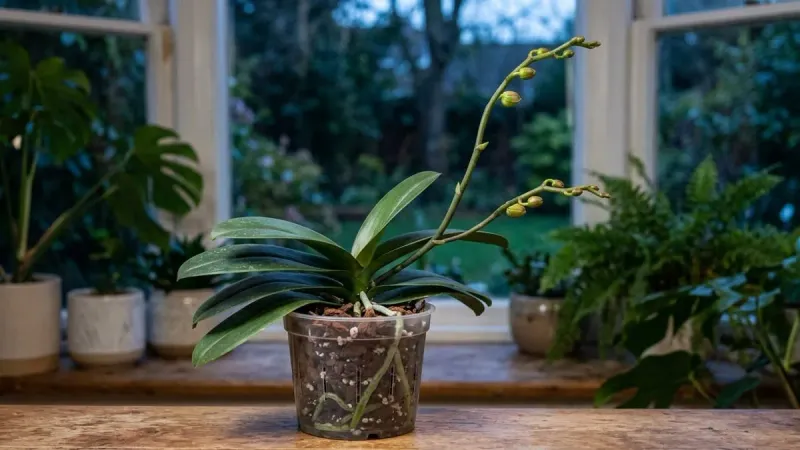
Putting the full rebloom picture together looks like this: confirm the plant still has living tissue, then improve its light and placement, water based on what the medium tells you, repair or repot only when the bark or roots require it, make a deliberate choice about the spike, and let autumn’s cooling do its seasonal work. That sequence is not complicated, but it does take time, and the timeline varies considerably from plant to plant.
Smithsonian Gardens mentions that cutting to a node on a green spike may produce a secondary bloom in roughly eight to twelve weeks, and that estimate is worth holding loosely. It reflects one possible outcome under good conditions, not a schedule you can count on across every cultivar, every Oregon windowsill or every plant that has been through a rough stretch.
Guilt is a surprisingly common companion for orchid owners, especially when a plant that looked spectacular at the grocery store starts to look bare and forgotten on a windowsill. The guilt tends to push people toward doing more: more water, more fertilizer, more repositioning.
Most of the time, a Phalaenopsis in its rest phase needs less intervention, not more. Steady, calm conditions serve it better than anxious adjustments.
The American Orchid Society’s troubleshooting guide reinforces that many common Phalaenopsis problems trace back to overwatering and poor drainage rather than neglect. If the medium drains well, the crown stays dry and the light is adequate, you have done the essential work.
New roots or leaves show that the plant is still actively growing, even before flowers return.