These 8 Watering Mistakes Can Ruin An Oregon Vegetable Harvest Fast
Oregon vegetable gardens can be wildly rewarding, but one bad watering habit can turn all that promise into a very sad salad situation.
Too much water, too little water, shallow sprinkling, late-night soaking, and random “oops, I forgot” drought cycles can stress vegetables fast, especially when summer heat settles in.
The frustrating part is that watering mistakes often look like other problems. Wilting, yellow leaves, cracked fruit, weak growth, blossom drop, and disease can all start with moisture that is either poorly timed, uneven, or aimed at the wrong place.
Your plants are not being dramatic for fun. They are trying to survive a schedule that may not be doing them any favors.
The fix is not complicated, but it does require consistency. Water deeply, focus on the soil instead of the leaves, check moisture before guessing, and keep the root zone steady so your harvest does not collapse right before dinner.
1. Shallow Watering Trains Weak Roots
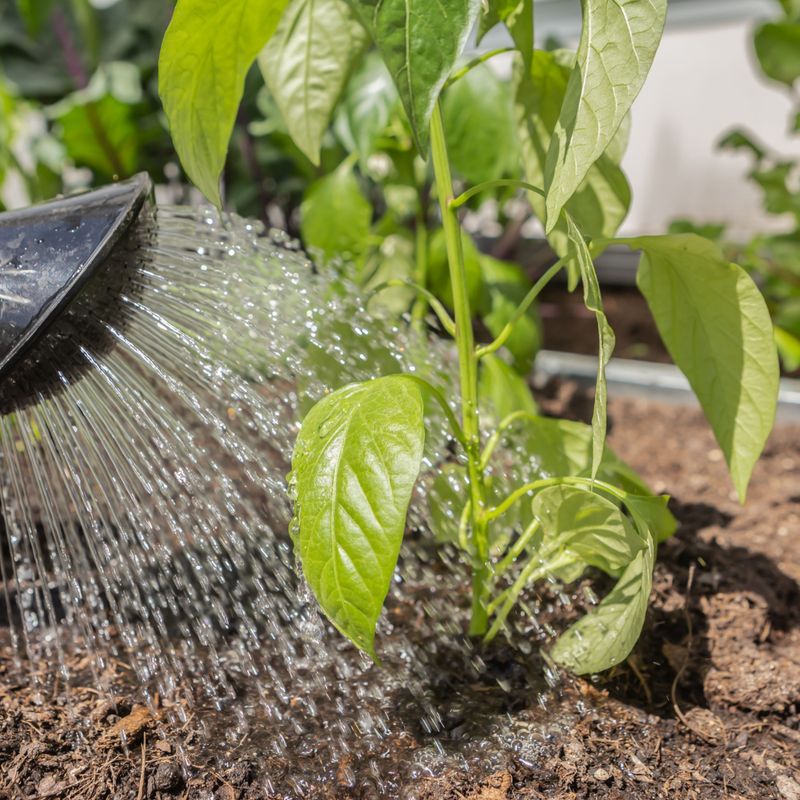
Most people think a quick sprinkle every morning is enough to keep their vegetables happy. But shallow watering only wets the top inch or two of soil, and roots follow moisture wherever it goes.
When water never reaches deep into the ground, roots stay near the surface instead of pushing down where they belong.
Shallow roots are weak roots. They cannot anchor plants well, and they dry out fast when summer temperatures rise.
In the warmer inland parts of Oregon, surface soil can go bone dry within hours on a hot afternoon. Plants with shallow roots have no backup water supply to pull from when that happens.
Deep watering encourages roots to grow down six to twelve inches or more. That depth keeps them cooler and gives them access to more nutrients stored lower in the soil.
The fix is simple: water slowly and less often, but for a longer period each time. Let water soak in rather than run off.
A drip system or soaker hose works great for this because it delivers water right at the base of the plant, slowly enough to sink deep. Check your soil moisture by pushing a finger or a stick down three to four inches.
If it feels dry at that depth, it is time to water again. Train your roots deep from the start and your plants will reward you with stronger growth all season.
2. Midday Watering Disappears Too Fast
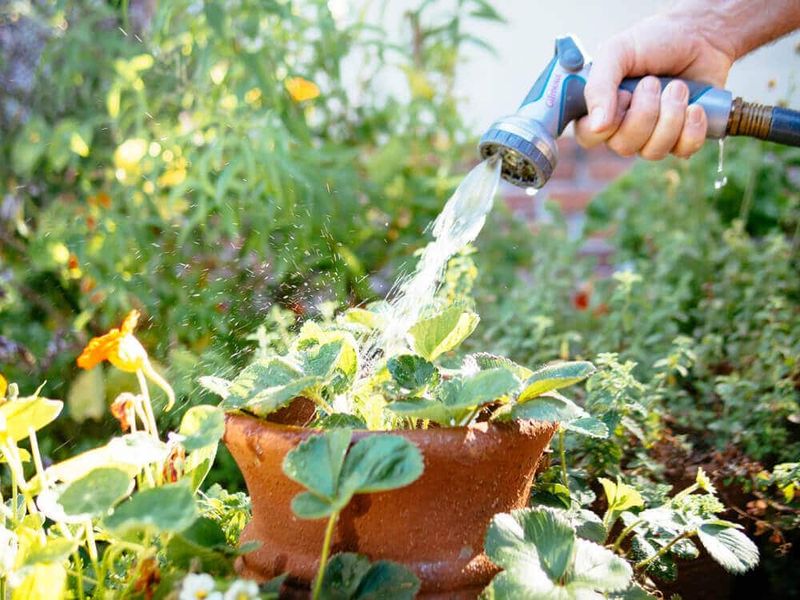
Watering your garden at noon on a sunny day is one of the easiest ways to waste water and stress your plants at the same time.
The sun is at its strongest between 11 a.m. and 3 p.m., and soil temperatures peak during those hours.
Water applied during this window evaporates so quickly that roots barely get a chance to absorb any of it.
Beyond wasted water, midday watering can also mess with plant temperatures. When cold water hits leaves that have been baking in the sun, it can cause a kind of thermal shock.
Leaves may show spots or curl slightly, especially on sensitive crops like squash and beans. That extra stress makes plants more vulnerable to pests and disease later on.
Your Oregon Garden Changes Every Week. Your Plan Should Too.
Gardening in Oregon changes quickly throughout the season. Every Friday you’ll receive a simple weekly plan showing exactly what to plant, prune, fertilize, harvest, and protect so you never miss the right timing.
The best time to water is early morning, ideally before 9 a.m. Soil is still cool, the sun has not reached full strength, and water has time to soak in before the heat of the day pulls it away.
Evening watering is the second-best option, but it comes with a risk. Leaves that stay wet overnight can invite fungal problems, which spread quickly in the damp climate found along much of the Oregon coast and in valley areas.
Morning watering gives foliage time to dry out naturally during the day. Making this one change to your routine can noticeably improve how well your garden holds up through the warmest weeks of summer.
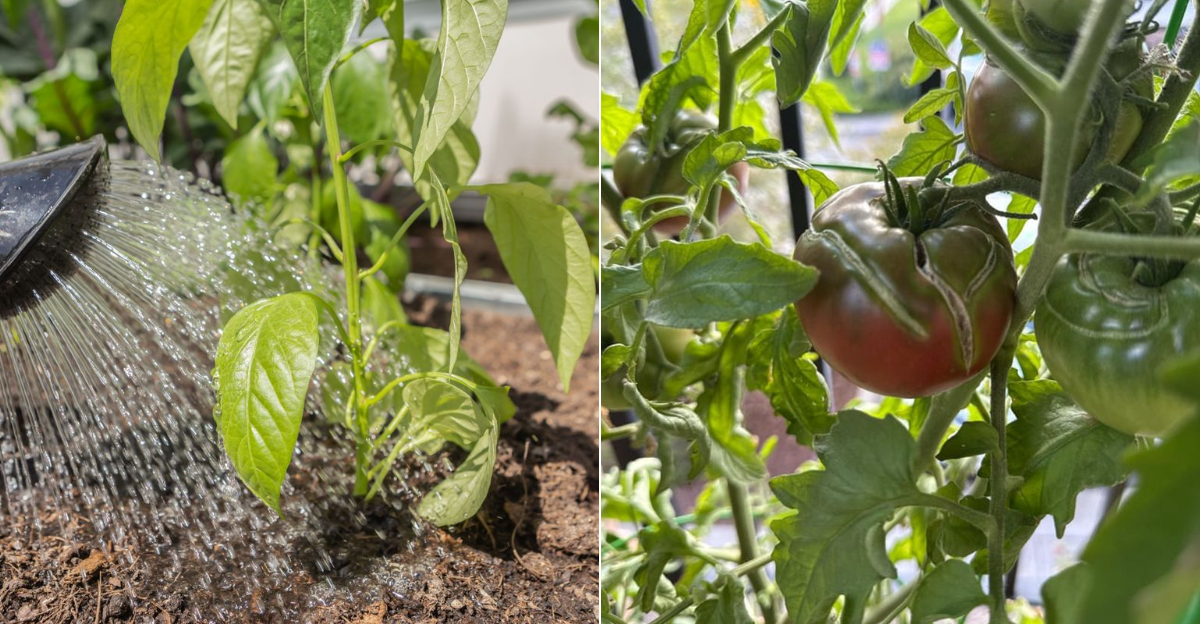
3. Uneven Tomato Watering Splits Fruit
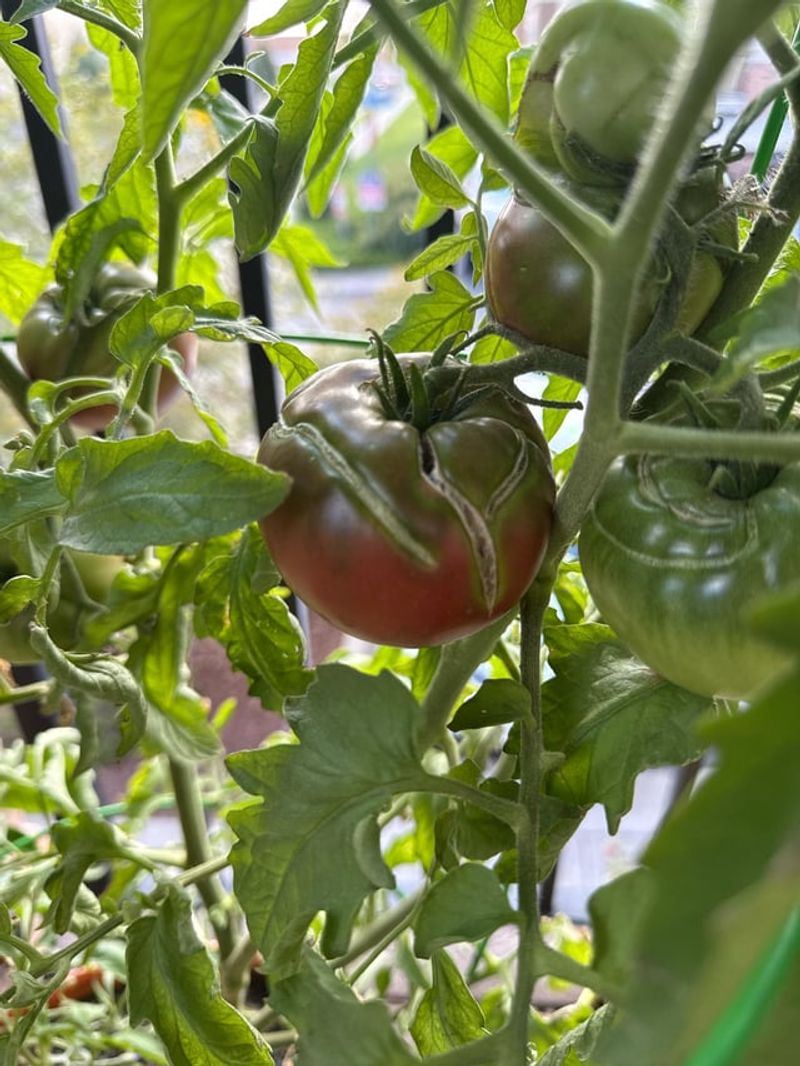
Tomatoes are one of the most popular vegetables grown across Oregon, and they are also one of the most sensitive to watering inconsistency.
When tomatoes go through cycles of drought and then sudden heavy watering, the fruit swells too fast on the inside.
The skin cannot stretch quickly enough to keep up, and it cracks or splits right open.
Split tomatoes are not just ugly. They are also an open invitation for insects and rot to move in fast.
Once a tomato splits, its shelf life drops dramatically. You end up picking fruit that is half ruined before it even makes it to the kitchen.
This problem is especially common in late summer when gardeners forget to water during a dry stretch and then try to make up for it all at once.
Keeping tomato watering steady and consistent is the key. Aim for the same amount of water at roughly the same time every day or every other day, depending on your soil type and local temperatures.
Raised beds and sandy soils dry out faster and may need daily attention. Mulching around the base of each plant helps hold moisture in the soil between watering sessions.
A two to three inch layer of straw or wood chips makes a real difference. Consistent moisture also helps prevent blossom end rot, another common problem that ruins tomatoes before they fully ripen on the vine.
4. Wet Leaves Invite Disease Problems
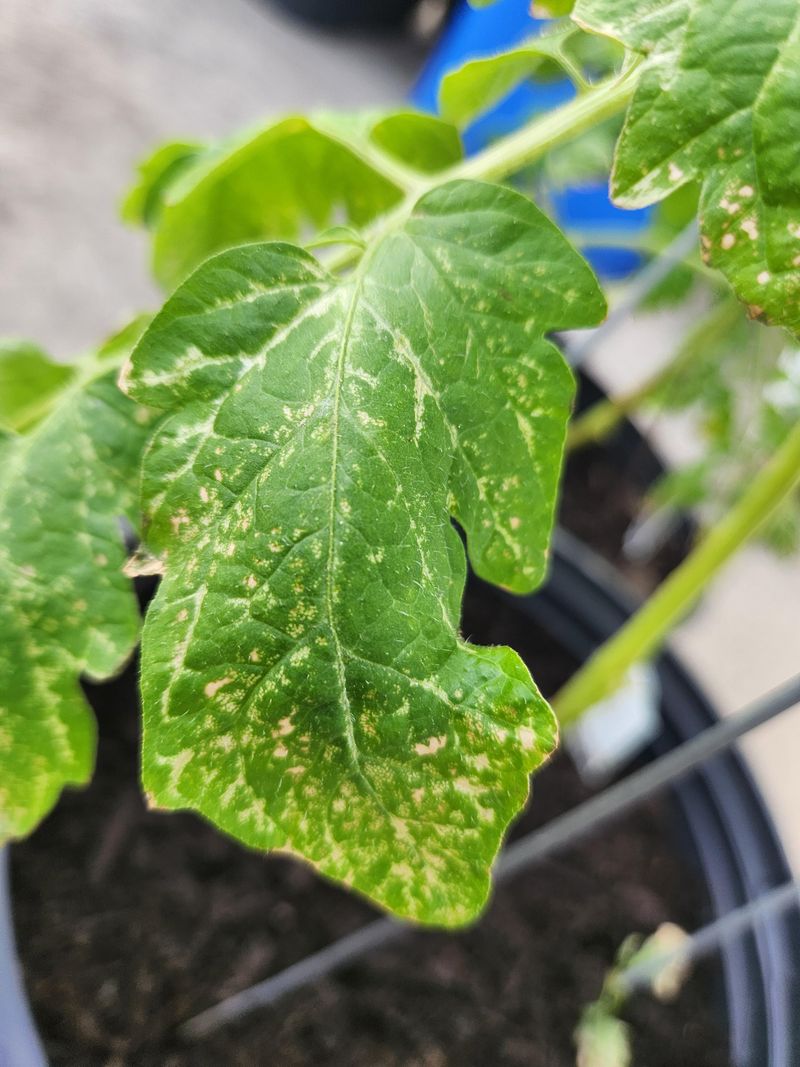
Overhead sprinklers feel satisfying to use, but they come with a serious downside in vegetable gardens.
When water sits on leaves for hours, it creates the perfect environment for fungal diseases to take hold.
Powdery mildew, downy mildew, and early blight all thrive in moist conditions, and they spread surprisingly fast once they get started.
This is a bigger concern here than in many other parts of the country. The cool, damp conditions that define much of Oregon’s growing season already put gardens at higher risk for fungal problems.
Adding wet foliage to the mix speeds things up. Squash, cucumbers, and beans are especially vulnerable.
Once mildew shows up on the leaves, it is very hard to stop completely, and it weakens the plant over time.
Switching to drip irrigation or soaker hoses is the most effective solution. These methods deliver water directly to the soil at the root zone, keeping leaves dry throughout the entire watering process.
If you must use an overhead sprinkler, water very early in the morning so leaves have the full day to dry out before temperatures drop at night. Also avoid crowding plants too close together.
Good air circulation between plants helps foliage dry faster after rain or watering. Removing lower leaves that touch the soil is another smart move.
Soil splashback during watering can carry fungal spores directly onto the plant, so keeping lower leaves off the ground helps break that cycle early.
5. Containers Need Checking Every Day
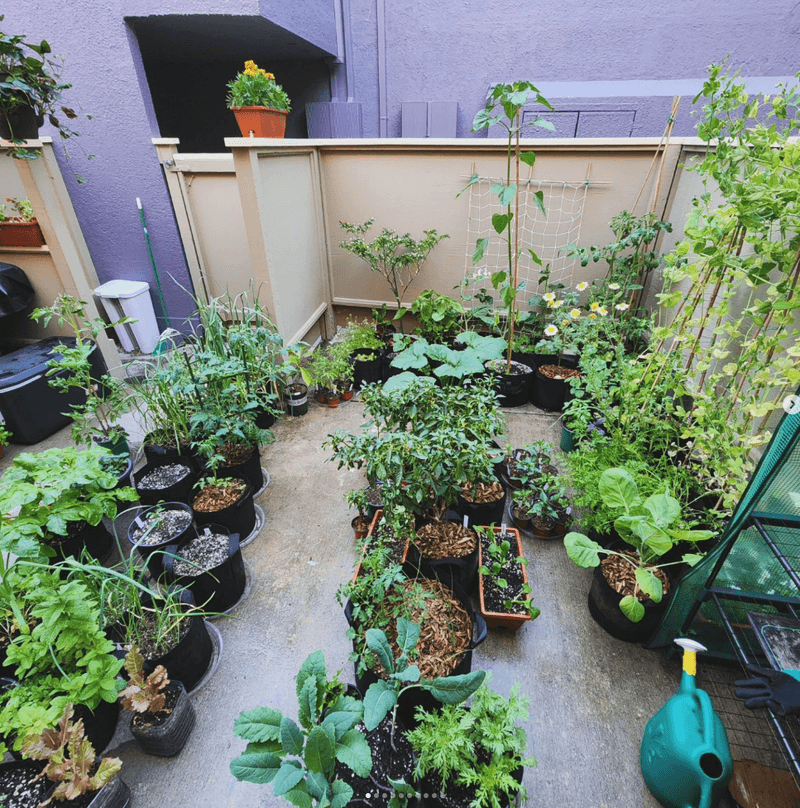
Container gardening is popular with folks who have limited space, and it works really well for growing tomatoes, peppers, herbs, and greens on patios and decks.
But containers dry out at a completely different rate than in-ground beds, and many gardeners underestimate just how fast that happens during warm weather.
A large pot sitting in direct sun can dry out entirely within 24 hours on a hot summer day. Smaller pots go even faster.
When container soil gets completely dry, it actually starts to repel water instead of absorbing it. You pour water in, it runs straight down the sides and out the drainage holes without ever soaking into the root zone.
Plants in this situation look wilted even right after watering, which is confusing and frustrating.
The solution is checking containers every single day without exception during summer. Stick your finger two inches into the soil.
If it feels dry, water thoroughly until it runs freely from the bottom. That runoff tells you the soil has absorbed enough.
Self-watering containers with built-in reservoirs are a great investment for busy gardeners. They hold water in a bottom chamber and let roots draw up what they need.
Adding water-retaining crystals or a layer of mulch on top of the soil also slows evaporation.
For gardeners in the hotter, drier eastern parts of Oregon, twice-daily checks during heat waves are not too much.
Containers reward daily attention with consistent, productive harvests all season long.
6. Bare Soil Loses Moisture Quickly
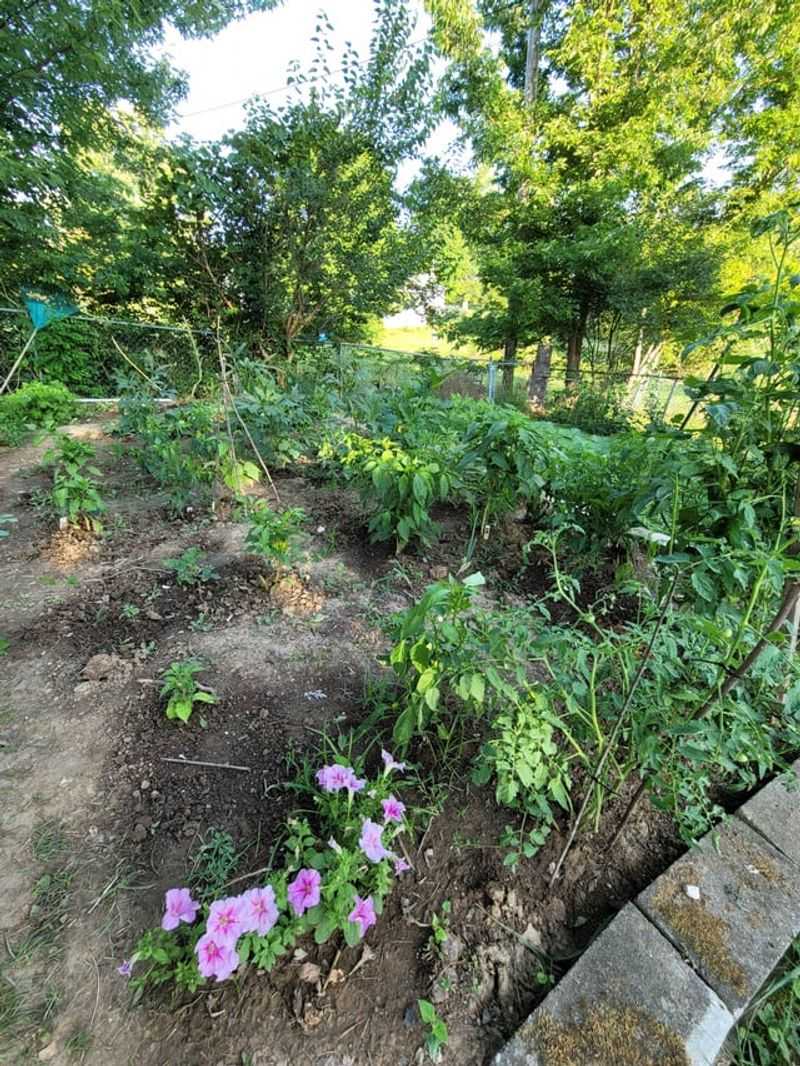
Leaving soil bare between your vegetable plants might seem harmless, but it is one of the fastest ways to lose the moisture you just worked hard to put there.
Exposed soil sits in direct sunlight and wind all day long, and both of those things pull water out of the ground faster than you might expect.
In the inland valleys and southern parts of Oregon, summer sun can be intense. Bare soil heats up quickly, and that warmth accelerates evaporation from the top few inches.
Roots sitting in hot, dry soil get stressed, and stressed plants do not produce well. They also become easier targets for certain pests that prefer weakened plants.
Mulching is one of the simplest and most effective things you can do for your vegetable garden. A two to four inch layer of straw, shredded leaves, wood chips, or grass clippings spread over the soil acts like a blanket.
It keeps moisture locked in, moderates soil temperature, and slowly breaks down to feed your soil over time. Mulch also suppresses weeds, which compete with your vegetables for water and nutrients.
Apply mulch right after planting and top it off as it breaks down through the season. Keep it a few inches away from plant stems to avoid encouraging rot at the base.
Gardens with good mulch coverage can go longer between waterings, saving you time and keeping your plants more consistently hydrated through the dry summer stretch.
7. One Watering Schedule Does Not Fit Every Crop
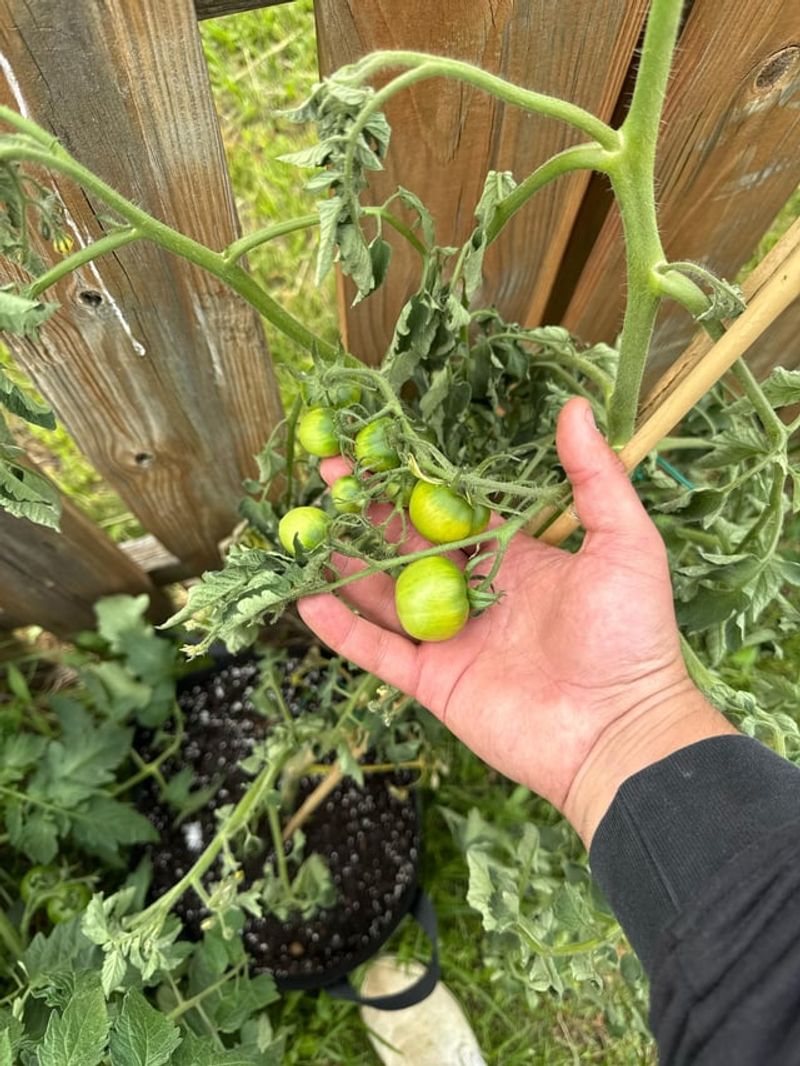
Treating every vegetable in your garden the same way when it comes to watering is a common mistake that leads to some crops thriving while others struggle.
Different vegetables have very different water needs, and those needs also change as the plants grow through their stages from seedling to harvest.
Lettuce and spinach have shallow roots and need frequent, light watering to stay crisp. Squash and corn, on the other hand, have deep root systems and prefer less frequent but deeper soaks.
Overwatering squash can lead to root problems, while underwatering corn during its tasseling stage leads directly to poor ear development and reduced yield.
Getting to know each crop in your garden pays off in a big way. Seedlings always need more frequent watering because their roots are tiny and close to the surface.
Once plants are established, you can back off and water more deeply. Fruiting crops like tomatoes, peppers, and cucumbers need consistent moisture from the time flowers appear through harvest.
Root vegetables like carrots and beets need steady moisture to develop smooth, full roots without cracking. Zoning your garden by water needs is a smart approach.
Group crops with similar requirements together so you can manage them efficiently. A drip system with separate zones makes this even easier.
Taking a few minutes to learn what each crop needs at each stage of growth will save water, reduce stress on your plants, and lead to a much more productive harvest overall.
8. Fruit Needs Steady Moisture To Size Up
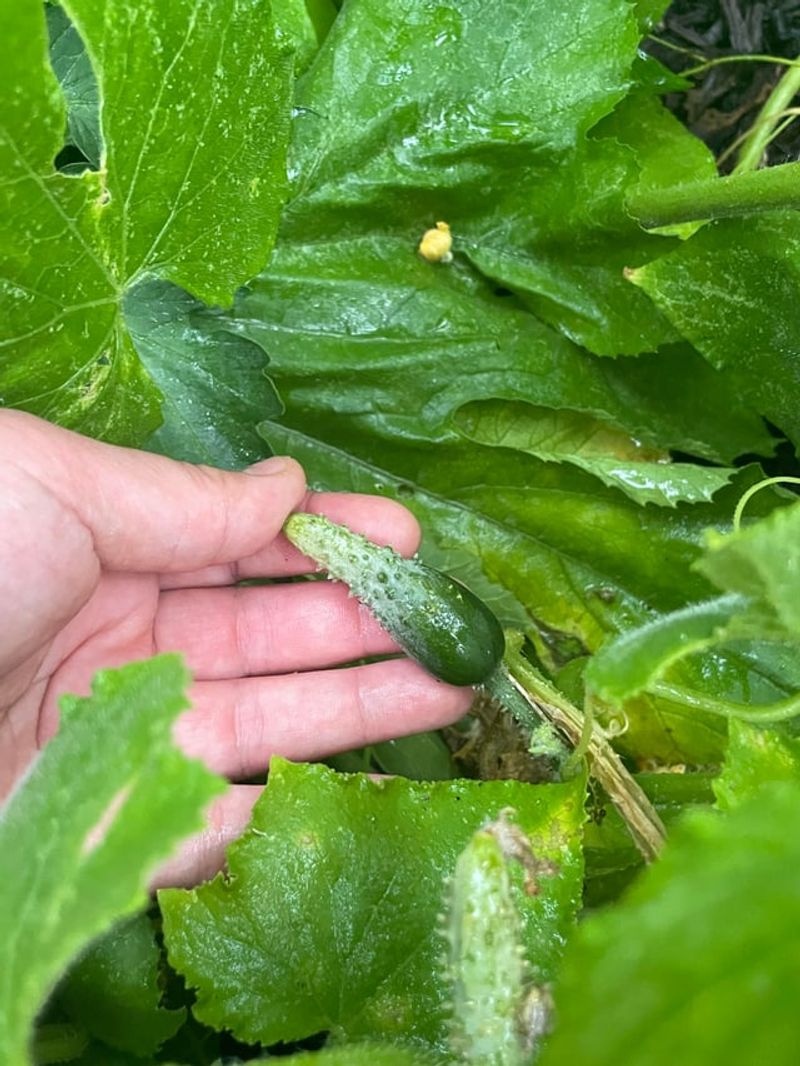
Once your vegetable plants start setting fruit, the job is only half done. Getting fruit to size up properly takes consistent moisture from the moment it forms until the day you pick it.
Many gardeners relax their watering routine after seeing fruit appear, thinking the hard work is behind them. That is exactly when consistent watering matters most.
Water is the main ingredient in fruit development. Cucumbers are about 96 percent water.
Zucchini, peppers, and melons all rely on a steady water supply to fill out to their full size. When moisture fluctuates during this stage, fruit may stay small, turn bitter, or develop hollow centers.
Peppers are especially prone to staying undersized when watering is inconsistent during the fruiting stage.
Blossom drop is another problem tied to uneven moisture. When plants get stressed from drought right as flowers are opening, they drop blossoms before fruit can even form.
That means fewer vegetables at harvest time, no matter how well you water afterward. The fix is to stay consistent right through the entire fruiting period.
Do not skip watering sessions just because it looks a little cloudy outside. Check soil moisture at root depth rather than judging by surface appearance.
Pair consistent watering with a balanced fertilizer to give developing fruit everything it needs.
Gardeners who stay attentive during this final stretch almost always end up with fuller, heavier harvests that make all the earlier effort feel completely worth it.