Smells Oregon Gophers Hate And The Plants That Produce Them Year Round
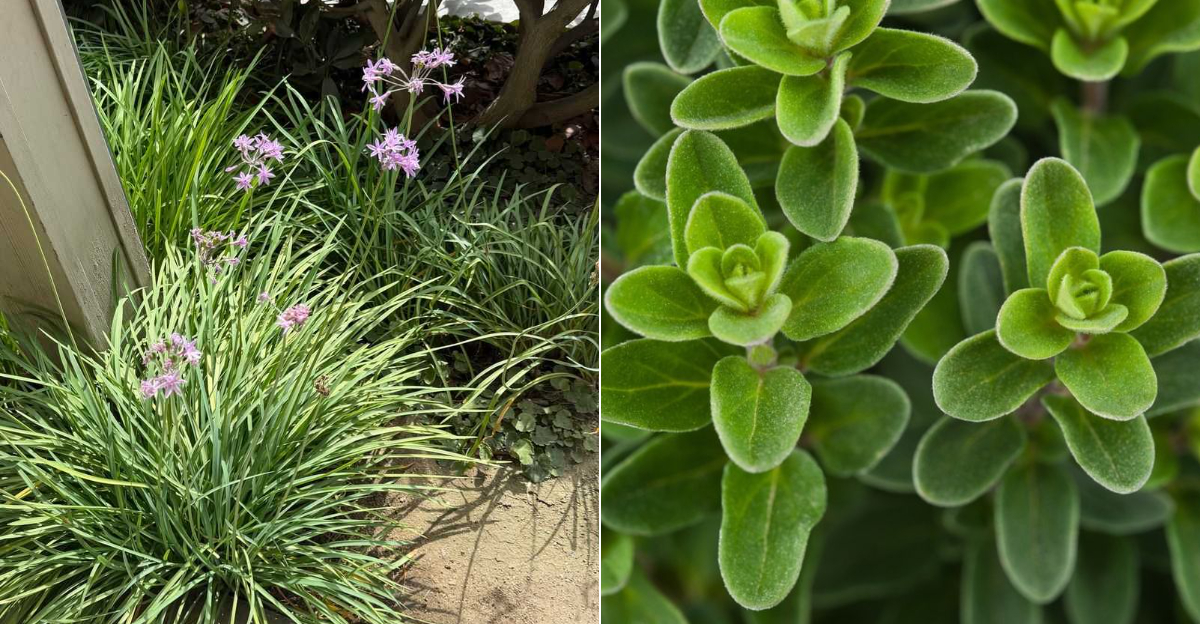
A fresh mound in the lawn can turn an Oregon morning into a backyard mystery. Below the surface, gophers may be tunneling toward roots, bulbs, and tender plants while leaving only loose soil behind.
Strong-scented greenery is often promoted as a gentle way to make garden beds less inviting, especially when aromatic foliage keeps releasing fragrance across multiple seasons.
Still, no plant creates an invisible force field, and hungry gophers are famously stubborn.
Scent-heavy plantings work best as one layer of a broader defense, not a guaranteed eviction notice.
The real appeal is that these plants can add color, texture, and useful garden fragrance even when the pests ignore the warning.
Choosing evergreen or long-lasting varieties also keeps those aromas present beyond summer. Before filling every tunnel with a home remedy, it helps to know which smells have a reputation for bothering gophers and which plants keep producing them year-round.
1. Lavender Bringing A Scent Gophers May Skip
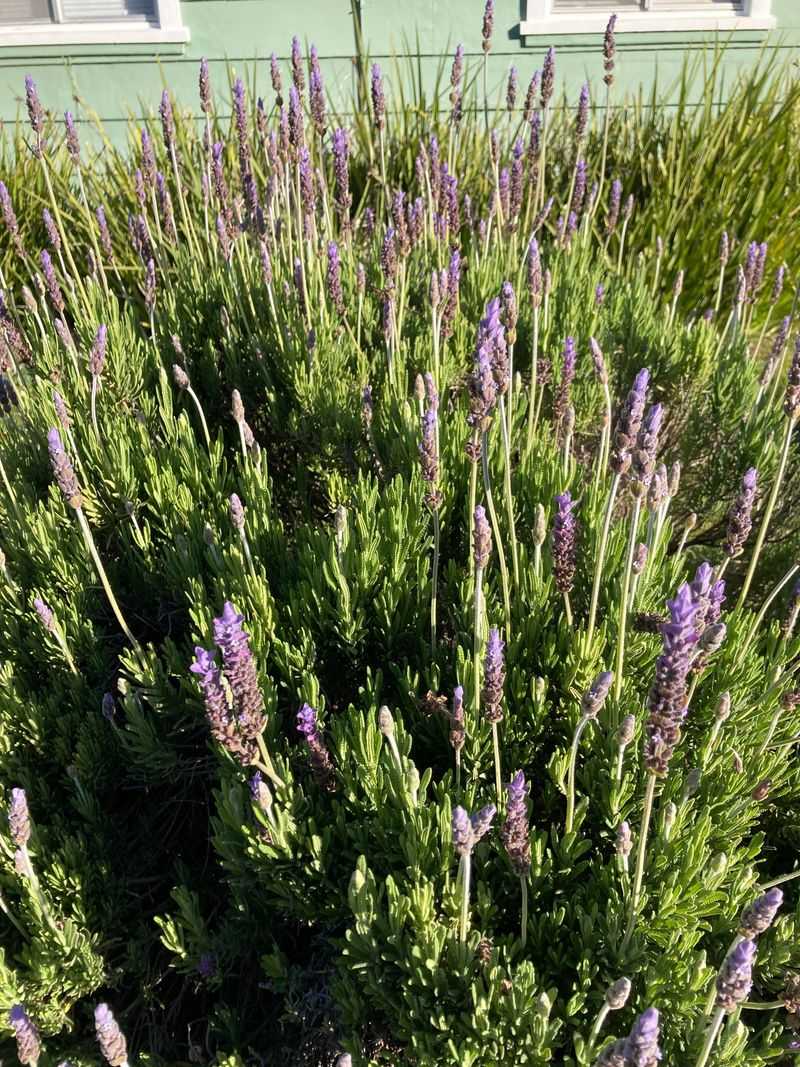
Few plants in the garden world carry as much charm and usefulness as lavender. Its silvery-green leaves and purple flower spikes look beautiful from spring through late summer.
But beyond its looks, lavender produces a strong, oil-rich scent that gophers find very unpleasant. Their sensitive noses are easily overwhelmed by the sharp, floral fragrance that lavender pumps out constantly.
Planting lavender along the edges of raised beds or garden borders creates a scent barrier that works all season long. The plant stays fragrant even in cooler months because its leaves hold essential oils year round.
That means gophers get a nose full of something they dislike every time they venture near your garden.
In Oregon, lavender grows well in full sun and well-drained soil. Varieties like Hidcote and Munstead are especially hardy and do well through wet winters.
Once established, lavender is drought-tolerant and requires very little attention. You can plant it in rows, clusters, or as a low hedge to maximize coverage.
Trim it back lightly after blooming to keep it full and bushy. Lavender also attracts pollinators like bees and butterflies, making it a double win for any garden.
Bonus tip: you can harvest the flowers and dry them for use indoors, where the scent continues to work as a natural freshener. Few plants offer this much value for so little effort.
2. Rosemary Turning Up The Garden Fragrance
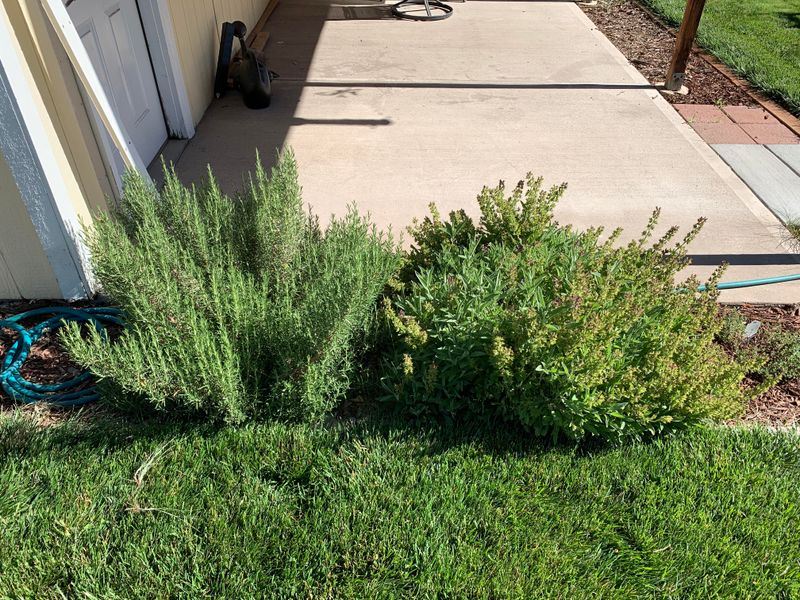
Bold, woody, and packed with aromatic oils, rosemary is one of the most powerful-smelling herbs you can grow. Gophers are not fans of its sharp, piney scent, which is strong enough to travel through the soil and into the tunnels these animals use.
That underground reach makes rosemary especially effective compared to plants that only release scent above ground.
Oregon rosemary can grow into a large, sprawling shrub if given the right conditions. It loves full sun and good drainage.
Along the coast and in the Willamette Valley, it often stays green all year. Some upright varieties can reach four feet tall, while creeping types work well as ground cover on slopes.
Your Oregon Garden Changes Every Week. Your Plan Should Too.
Gardening in Oregon changes quickly throughout the season. Every Friday you’ll receive a simple weekly plan showing exactly what to plant, prune, fertilize, harvest, and protect so you never miss the right timing.
Either way, the plant keeps producing its signature scent without much help from you.
Planting rosemary near vegetable beds or fruit trees gives those areas a fragrant shield. Gophers that are tunneling toward your prized plants may turn around once they detect that strong herbal smell.
You can also place cuttings near burrow entrances as a short-term deterrent while your plants get established. Rosemary pairs well with other herbs on this list, so mixing it into a scent-heavy border is a smart move.
It is also great in the kitchen, which means you get pest control and fresh cooking herbs from the same plant. That is a pretty great deal by any measure.
3. Sage Serving Gophers A Strong-Smelling No Thanks
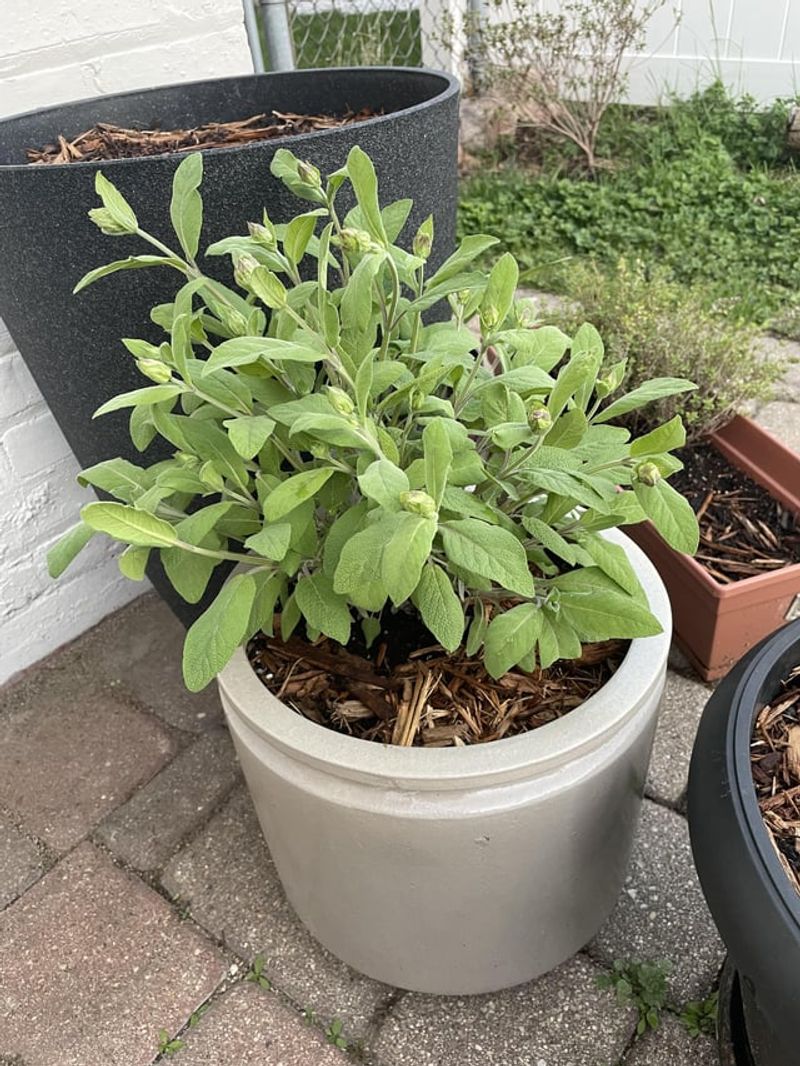
There is something almost ancient about sage. People have grown it for thousands of years for cooking, medicine, and ceremony.
But here is a fact that often surprises gardeners: gophers strongly dislike the smell of sage. The plant’s leaves are coated with tiny glands that release a powerful, musky aroma when touched or even just warmed by the sun.
Common culinary sage, also known as Salvia officinalis, works well as a gopher deterrent. So do ornamental sage varieties like salvia nemorosa.
Both types hold their scent through most of the year, even after flowering. In Oregon’s mild climate, sage often keeps its leaves through winter, giving you continuous coverage when gophers are still active underground.
You can plant sage in clusters around the perimeter of a garden bed or mix it in with vegetables and flowers. It does not need a lot of water once it is established, making it a good fit for drier parts of your yard.
The soft, velvety leaves add texture to any garden space, and the purple flower spikes attract hummingbirds in summer.
If you grow sage near your raised beds, you are creating a natural boundary that smells wonderful to humans but sends gophers looking elsewhere.
Harvest the leaves regularly to encourage new growth and to keep the plant from getting too woody. Fresh or dried, sage holds its scent well all year.
4. Thyme Making The Yard Less Tempting
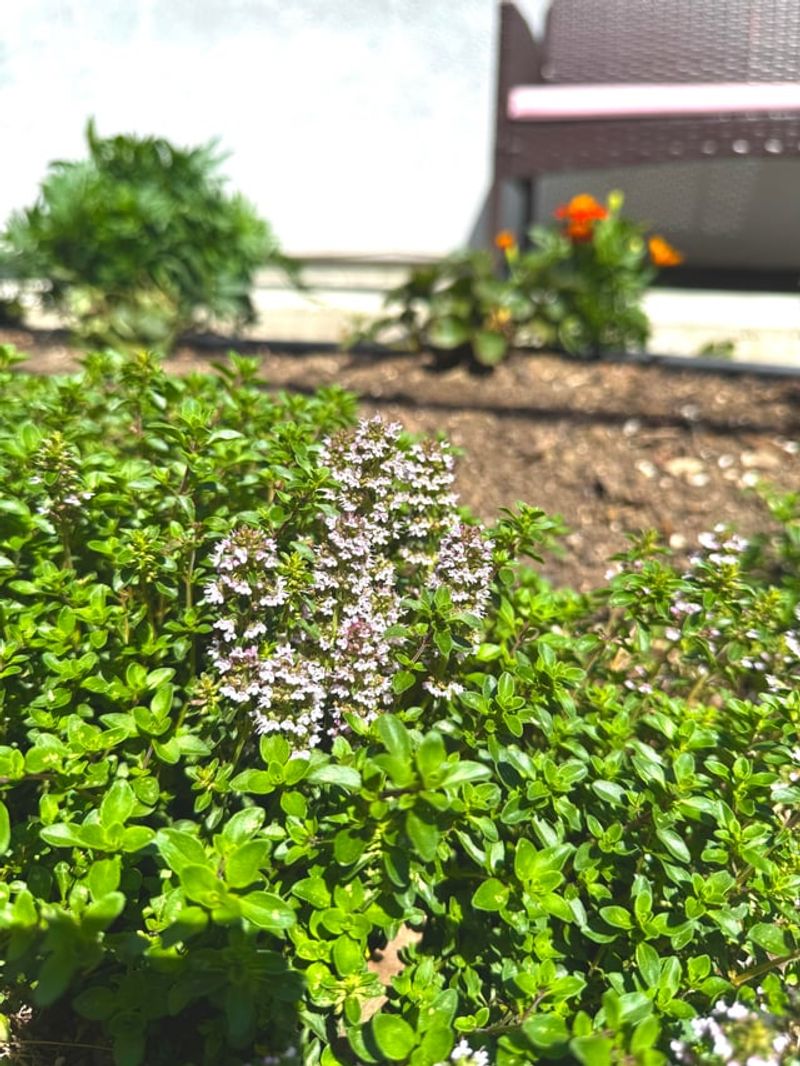
Do not let thyme’s small size fool you. This low-growing herb packs a serious aromatic punch, and gophers want nothing to do with it.
The plant’s tiny leaves are loaded with thymol, a natural compound that creates a sharp, herbal smell. That scent is pleasant to most people but genuinely off-putting to gophers and many other burrowing pests.
Thyme is one of the most versatile plants you can add to a gopher-deterrent garden. It grows well between stepping stones, along garden edges, and even in containers placed near vulnerable plants.
Creeping thyme varieties spread slowly across the ground, forming a fragrant mat that covers soil and discourages gophers from surfacing in treated areas.
Thyme handles both wet winters and dry summers pretty well. It prefers full sun and good drainage but is otherwise very low maintenance.
Once planted, it comes back year after year with very little care. The plant blooms in late spring and early summer, drawing in bees and other pollinators.
After blooming, the leaves remain fragrant for the rest of the year. Planting thyme around the base of fruit trees or along garden paths adds scent at ground level, right where gophers travel.
It also works well when planted alongside lavender and rosemary, creating a layered aromatic barrier. Few plants are this easy to grow while still being this effective at keeping gophers away from your garden.
5. Marjoram Keeping Things Sweet And Seriously Scented
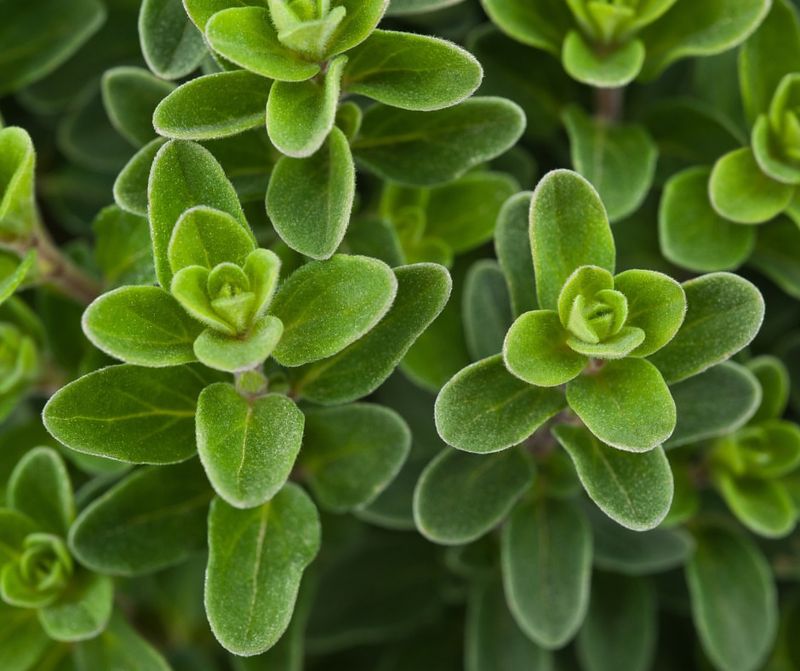
Marjoram is often overshadowed by its more famous cousin, oregano. But when it comes to keeping gophers away, marjoram holds its own with confidence.
The plant produces a warm, sweet, slightly spicy fragrance that comes from the essential oils in its leaves.
Gophers find this scent highly irritating, which makes marjoram a surprisingly effective addition to any gopher-deterrent planting plan.
Sweet marjoram grows best in full sun with well-drained soil. In warmer parts of our state, it can behave like a perennial and come back each year on its own.
In cooler or wetter regions, it is often grown as an annual or kept in containers that can be brought indoors during harsh weather. Either way, it pumps out fragrance from the moment its leaves start growing in spring.
You can tuck marjoram into garden borders, plant it near the edges of raised beds, or use it as a companion plant alongside vegetables. Its small white or pink flowers bloom in summer and attract pollinators.
After flowering, the leaves stay aromatic well into fall. Regular harvesting keeps the plant bushy and productive.
Marjoram also dries beautifully, so you can hang bundles in your garage or shed to extend its gopher-deterring effect beyond the garden.
Pairing it with other strongly scented herbs creates a fragrant wall that makes your yard a much less comfortable place for gophers to explore.
6. Santolina Packing A Surprisingly Powerful Perfume
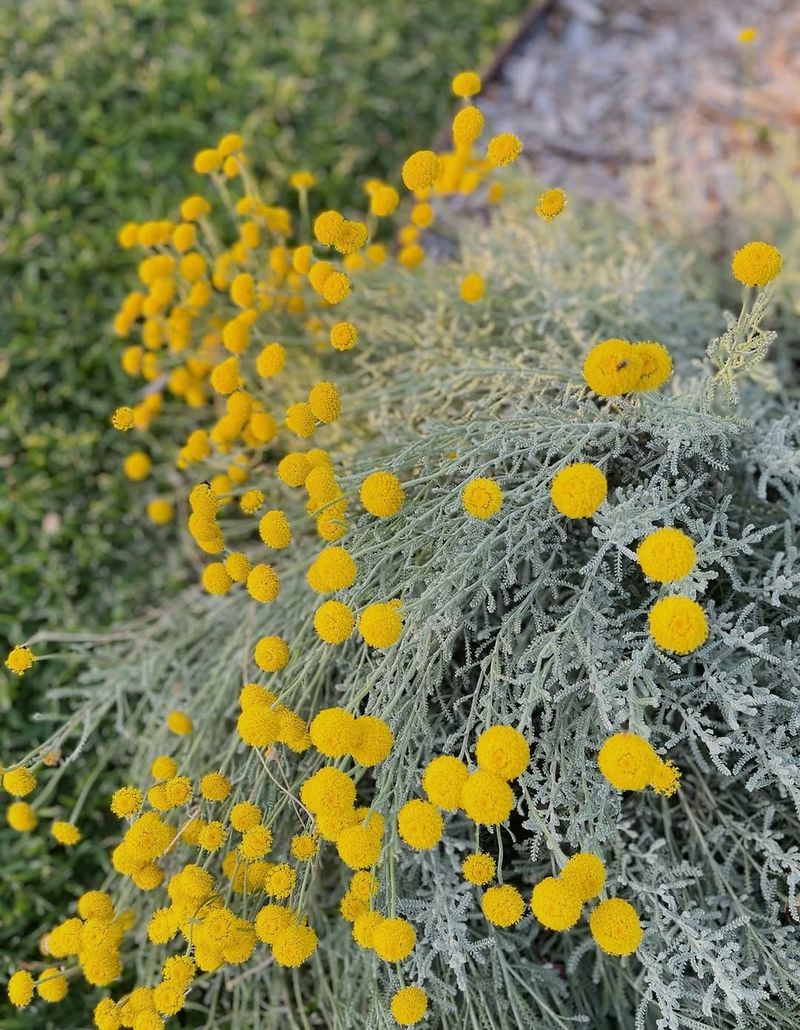
Not everyone has heard of santolina, but gardeners who grow it quickly become fans. Also called cotton lavender, this compact shrub produces feathery silver or green foliage that smells strongly of camphor and herbs.
That scent is pleasant in a garden setting but acts like a warning signal to gophers. Their sensitive noses pick it up quickly and send them in the opposite direction.
Santolina is drought-tolerant and thrives in full sun with well-drained soil. It is a great fit for the drier, sunnier parts of Oregon, especially in southern and eastern areas where summers get hot and dry.
The plant forms neat, rounded mounds that work well as low hedges or border plants. In late spring and early summer, it produces cheerful yellow button flowers that add a pop of color to any garden space.
One of santolina’s best qualities is that it holds its fragrance year round, even through winter. The leaves do not need to be crushed or damaged to release their scent.
Just being near the plant is enough to bother a gopher. Plant it in rows along garden edges or mix it with other aromatic plants to build a stronger scent barrier.
Santolina is also deer-resistant, so it does double duty in yards that face multiple pest pressures. Trim it lightly each spring to keep it compact and encourage fresh, oil-rich growth throughout the season.
7. Artemisia Bringing The Bitter Herbal Punch
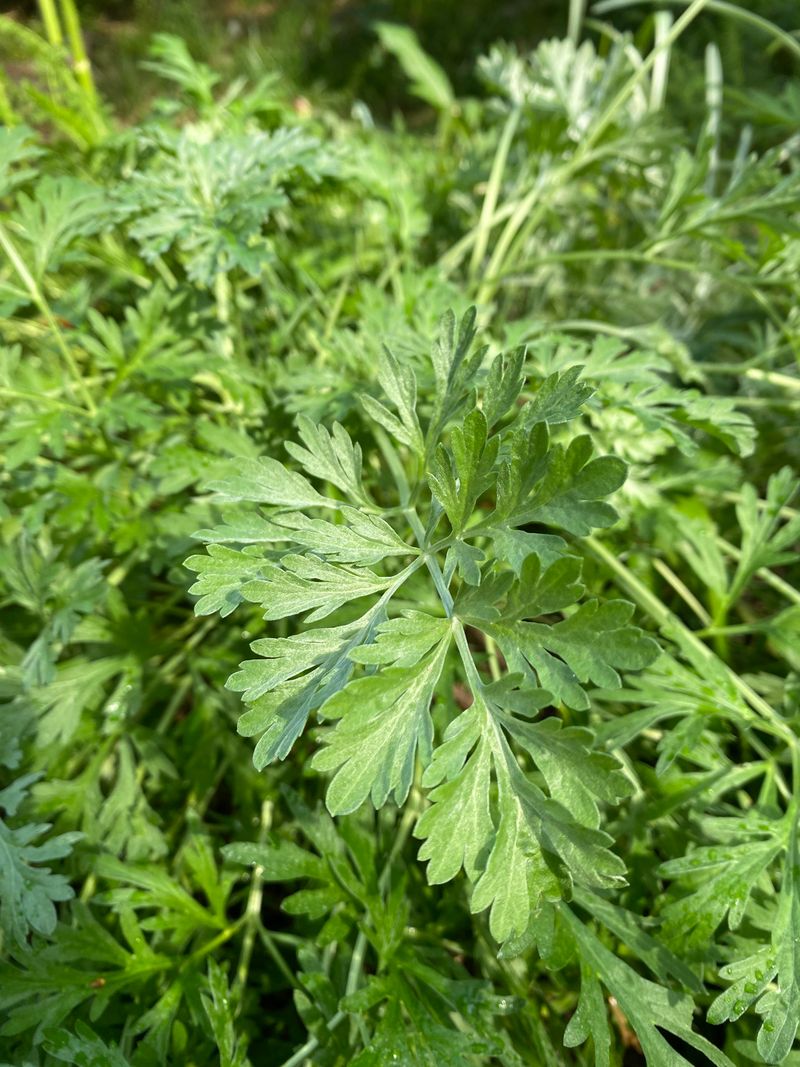
Few plants in the garden are as intensely aromatic as artemisia. This group of plants, which includes wormwood and silver mound, produces a sharp, bitter, herbal scent that is unmistakable.
For gophers, it is simply too much. Their highly tuned sense of smell makes strong scents like artemisia’s genuinely overwhelming, and they tend to avoid areas where the plant grows.
Artemisia plants are known for their striking silvery foliage, which adds a cool, moonlit look to garden borders. They grow well in full sun and dry to average soil.
Many varieties are very cold-hardy, making them a solid choice for gardeners in the northern and higher-elevation parts of Oregon. Once established, artemisia is nearly self-sufficient and comes back reliably each year.
Wormwood, one of the most common artemisia types, is especially potent. You can plant it as a border around vegetable beds or along fence lines where gophers tend to enter.
Some gardeners also use dried artemisia leaves tucked near burrow entrances as a short-term repellent. The plant spreads slowly over time, gradually increasing its coverage area.
Pair artemisia with lavender or rosemary for a layered scent wall that hits gophers with multiple irritating aromas at once. The combination is highly effective.
Artemisia also works beautifully in dried flower arrangements, so you can enjoy its silvery beauty long after the growing season ends. It is one of the most underrated gopher-deterrent plants available.
8. Society Garlic Bringing The Funk Without The Fuss
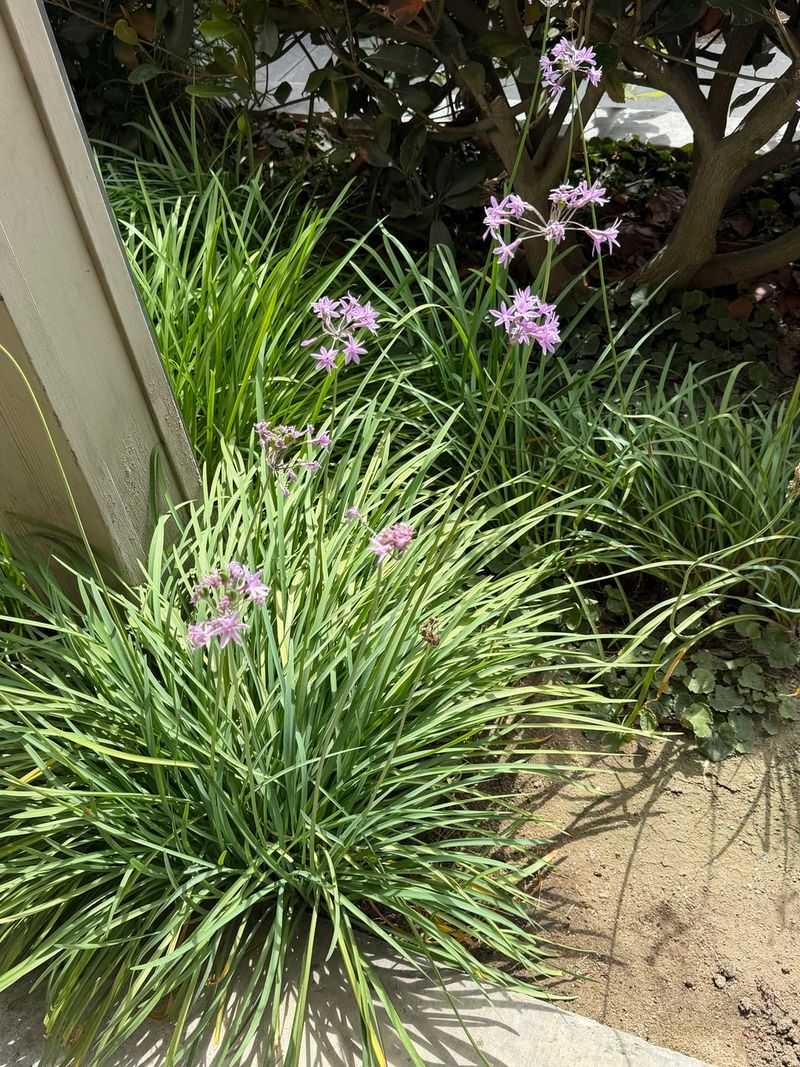
Society garlic has one of the most memorable names in the plant world, and it earns that name every single day. The plant smells strongly of garlic, especially when its leaves or stems are brushed or broken.
Gophers are extremely sensitive to sulfur-based compounds, which are exactly what garlic scent is made of. Planting society garlic near burrowing zones sends a very clear message to any gopher nearby.
Despite its pungent reputation, society garlic is a beautiful plant. It produces clusters of soft lavender-pink flowers on tall stems throughout spring and summer.
The strap-like leaves stay green for most of the year in mild climates. In Oregon, it grows well in coastal and valley areas where winters are not too severe.
In colder regions, it can be grown in containers and brought inside when temperatures drop hard.
Society garlic is low maintenance and spreads gradually into clumps that grow larger each year. You can divide the clumps every few years to expand your planting coverage.
Place it near entry points like fence gaps, garden bed corners, or along pathways where gophers have been spotted before.
The garlic scent lingers in the soil around the plant’s roots, creating an underground deterrent as well as an above-ground one.
That dual-level protection makes society garlic one of the most complete natural gopher-deterrent plants you can grow. It looks good, smells interesting, and keeps your garden a whole lot safer.