Can A California Neighbor Make You Remove A Tree Dropping Leaves In Their Pool?
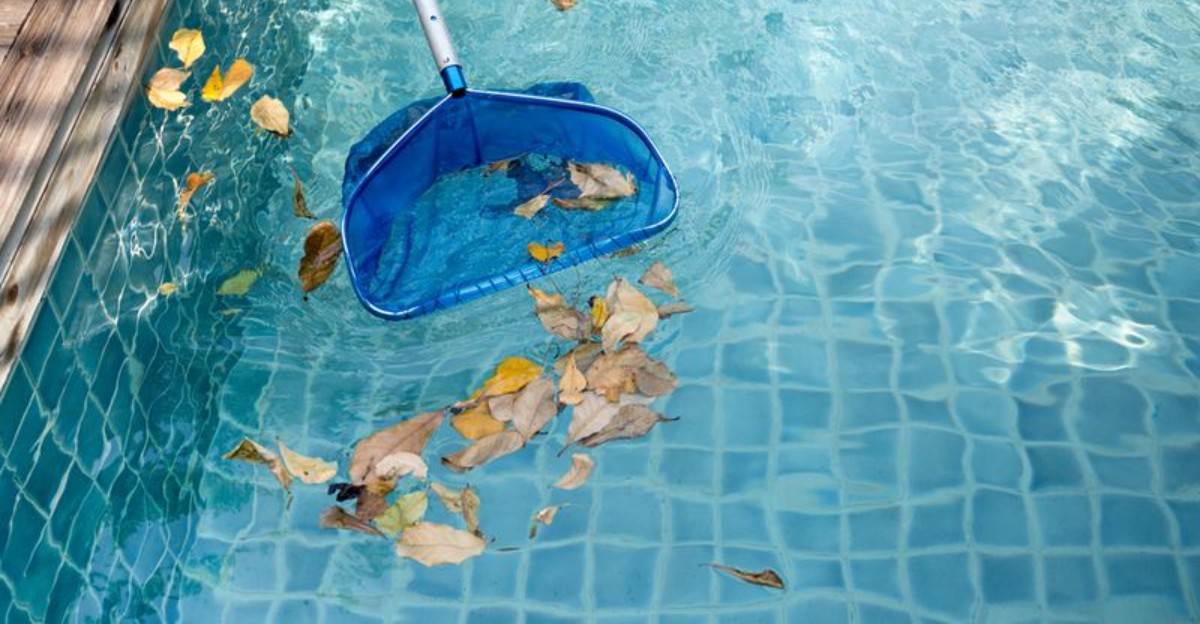
A tree that adds shade and beauty to your California yard can become a source of tension when leaves start filling a neighbor’s pool.
What seems like a normal part of owning a tree can quickly turn into a disagreement over cleanup, maintenance, and responsibility.
Many homeowners are unsure what they are actually required to do when their landscaping affects a nearby property. A few fallen leaves may not seem like a big deal, but repeated complaints can leave you wondering where the line is drawn.
Before removing a healthy tree or making major changes to your yard, it helps to understand how these situations are typically handled.
The details can depend on the type of problem, the condition of the tree, and the steps you take to address your neighbor’s concerns.
1. Falling Leaves Are Usually Considered A Natural Occurrence
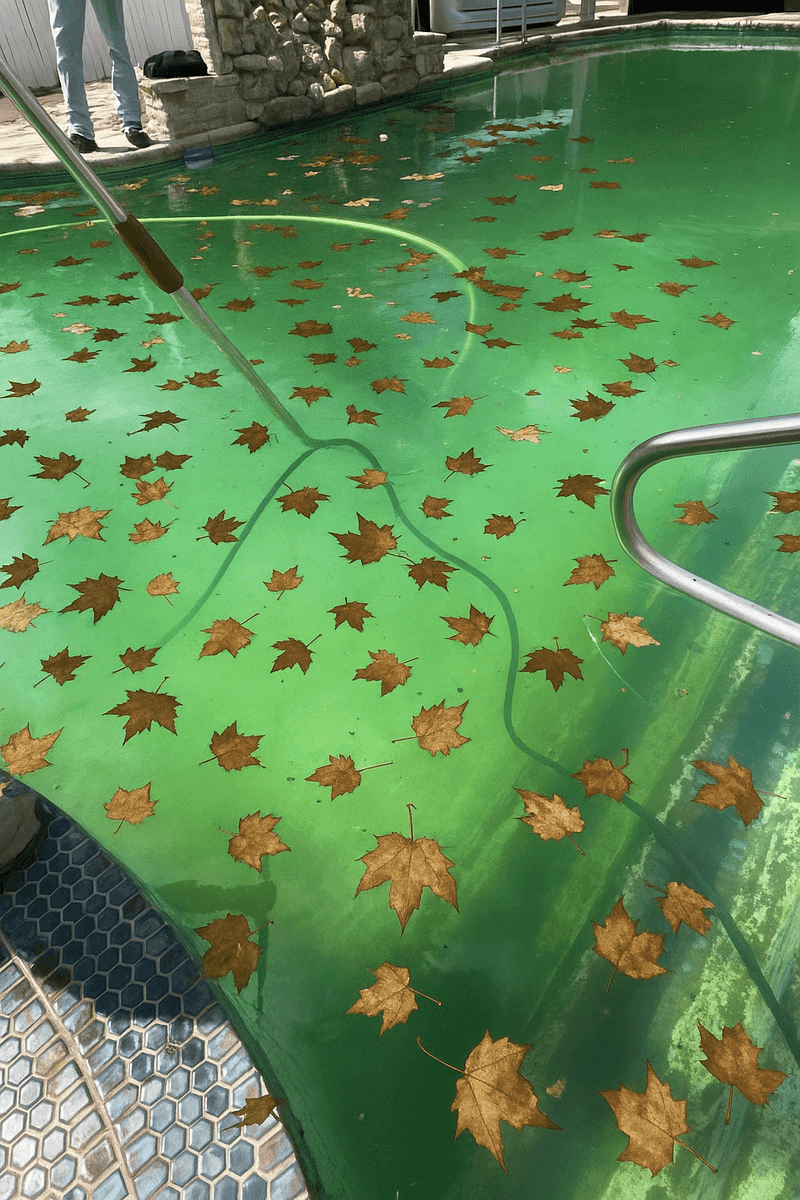
Leaves fall. That is simply what trees do, and California courts have long treated this as a normal part of nature.
Because leaf drop happens on its own, without anyone forcing it, the law generally does not hold a tree owner responsible for the mess it makes next door. A few floating leaves in a pool are viewed as an ordinary annoyance rather than a legal wrong.
Judges tend to be reluctant to punish someone just because their healthy tree sheds naturally. If every leaf that crossed a fence led to a lawsuit, courts would be flooded with tiny complaints.
This matters for pool owners hoping to force a removal. Simple cleanup work, even if it feels endless in fall, rarely rises to the level the law cares about.
That said, being legally in the clear does not mean ignoring your neighbor entirely. A little kindness goes a long way when leaves keep clogging their filter.
You might offer to help skim the pool now and then or share the cost of a pool cover. Small gestures often ease frustration and keep the peace.
Keep in mind that the natural occurrence rule protects normal shedding, not neglect. If your tree is sick or unstable, different standards apply.
For everyday leaf litter, though, you can usually relax. The law rarely sees fallen leaves as your fault or your problem to solve alone.
2. A Neighbor Cannot Always Force Tree Removal
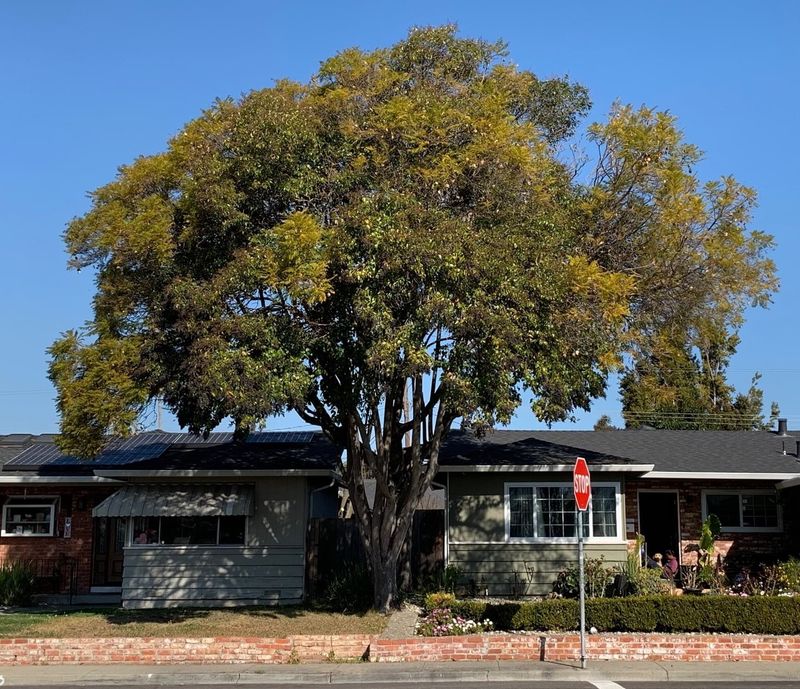
Wanting a tree gone and having the legal right to remove it are two very different things. In California, a neighbor usually cannot force you to cut down a healthy tree just because its leaves bother them.
You own the tree. That gives you strong rights over what stays and what goes on your property.
Courts respect private ownership and rarely order removal over something as minor as leaf litter in a pool. A demand alone carries no legal weight without real proof of serious harm.
Many people assume a loud complaint or an angry letter means they must act. It does not.
Your neighbor would typically need to show the tree causes actual damage or creates a genuine safety hazard before a judge would even consider removal. That is a high bar to clear.
Your California Garden Changes Every Week. Your Plan Should Too.
Gardening in California changes quickly throughout the season. Every Friday you’ll receive a simple weekly plan showing exactly what to plant, prune, fertilize, harvest, and protect so you never miss the right timing.
Still, refusing to listen can sour a relationship for years. Being firm about your rights does not mean being rude or dismissive.
Hear your neighbor out, explain your position calmly, and look for middle ground. Maybe regular trimming solves the leaf problem without losing the whole tree.
If they threaten legal action, stay calm and keep records of your talks. Empty threats rarely lead anywhere in court.
Remember that mature trees add shade, value, and beauty. Protecting yours is reasonable, especially when the complaint is really just about routine cleanup work.
3. Overhanging Branches Follow Different Rules
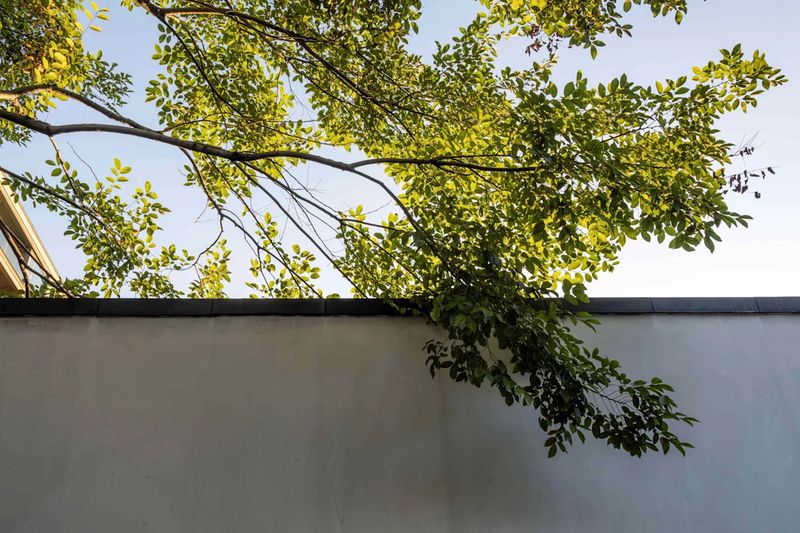
Here is where the rules shift a bit. When branches from your tree stretch across the property line, your neighbor gains certain rights they do not have over the trunk itself.
In California, a person may trim branches that hang over into their yard. This is a long-standing part of property law.
However, they can only cut back to the boundary line, not beyond it. Reaching into your yard to hack away at the tree is not allowed.
Your neighbor also cannot harm the overall health of the tree while trimming. Careless cutting that damages the whole plant can make them liable to you.
So while overhanging limbs give some trimming freedom, that freedom has clear edges. Both sides have responsibilities here.
If branches drop leaves directly into the pool, your neighbor might legally trim those limbs at the fence line themselves. They usually pay for that work too.
You may prefer to handle the trimming yourself to protect the tree and control how it is done. Offering to do so shows good faith.
Before anyone climbs a ladder, talk about who trims and how far. Clear agreements prevent accidental damage and future arguments.
Understanding branch rules helps both neighbors act within the law. It also often solves the leaf issue without touching the tree’s future at all.
4. Damage And Nuisance Are Not Always The Same
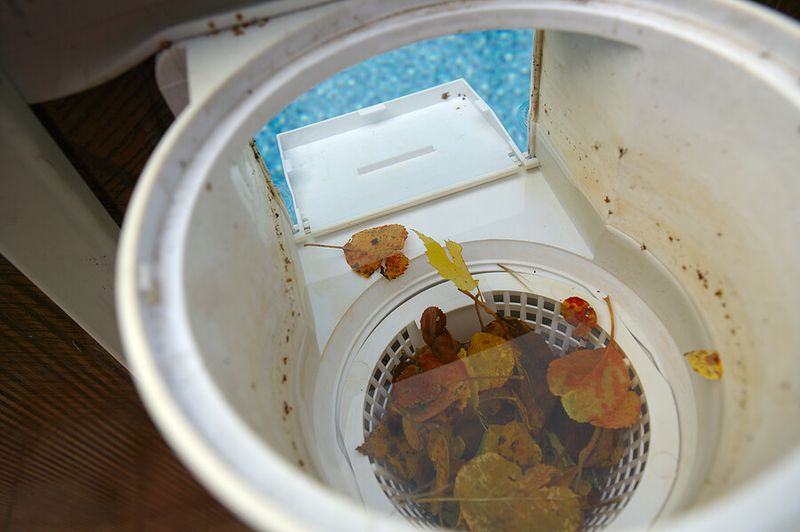
Legal words can be confusing, and here two of them matter a lot. A nuisance and actual damage are treated differently under California law.
Leaves floating on the water are usually just a nuisance, meaning annoying but not truly harmful. Cleaning them up is inconvenient, yet the pool still works fine.
Real damage is something more serious. Think of a clogged filter that breaks down or roots that crack the pool shell.
When leaves cause genuine, measurable harm, your neighbor’s case grows stronger. Courts pay closer attention to proven costs than to simple irritation.
This is why the difference is so important. A neighbor upset about skimming leaves has far less legal standing than one facing expensive repairs caused by your tree.
If your tree truly damages their equipment, you may share some responsibility. Ignoring that could lead to a valid complaint.
For everyday leaf drop, though, the nuisance label usually applies, and that rarely forces removal. Understanding this keeps expectations realistic on both sides.
Pool owners should track any real damage with receipts and photos. Vague frustration will not hold up, but documented harm might.
Tree owners benefit from knowing the line too. If your tree is only causing extra chores next door, you are likely fine.
Knowing whether you face a nuisance or actual damage shapes every next step you take.
5. Local Tree Ordinances May Add Restrictions
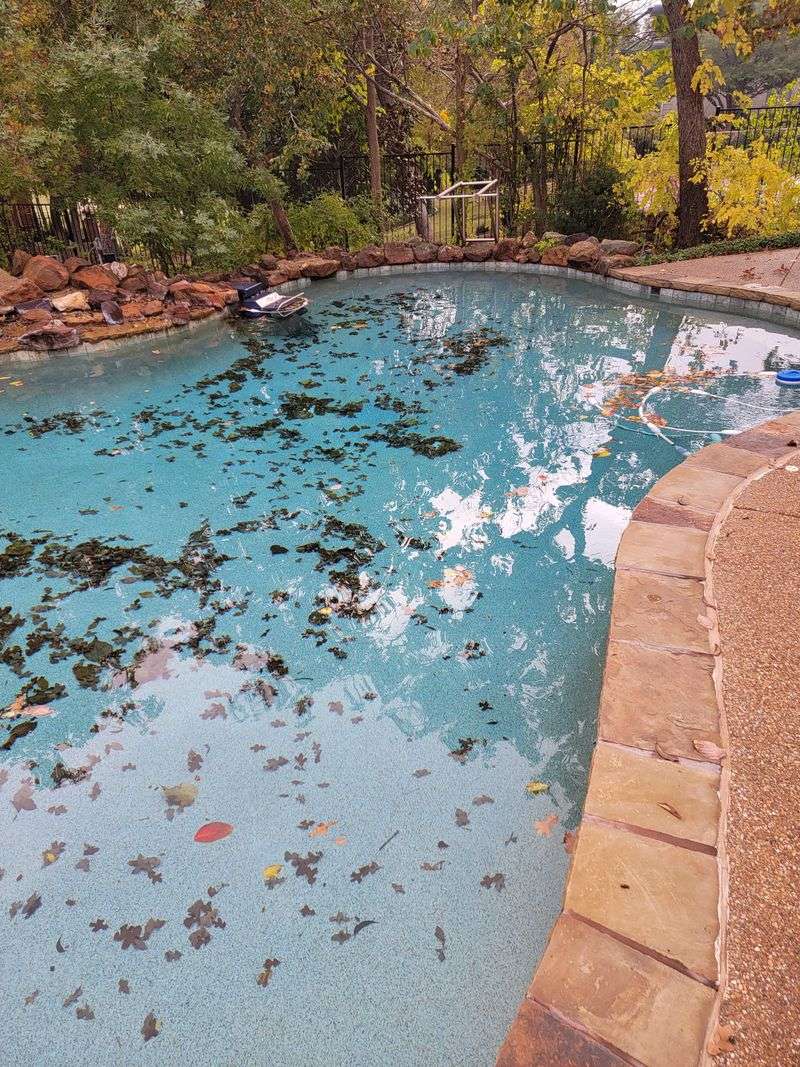
State law sets the big picture, but your city or county can add its own rules. Many California towns have local tree ordinances that change what you can and cannot do.
Some cities protect certain species, like native oaks, with special permits required before any removal. Cutting one without approval can bring hefty fines.
Other areas have heritage tree laws that guard older or larger trees. These rules can override a neighbor’s simple wish to see the tree gone.
Before making any decision, check with your local planning or code office. A quick call can save you from breaking a rule you never knew existed.
These ordinances cut both ways. They might stop you from removing your own protected tree, even if you wanted to.
They can also strengthen your position when a neighbor demands removal. If the tree is protected, no one can force it out easily.
Permit rules often apply to major trimming too, not just full removal. Cutting too much could count as harm under local code.
Look up your city’s website or visit the office in person for clear answers. Rules vary widely from one town to the next.
Knowing local ordinances gives you real power in any disagreement. It turns guesswork into solid facts you can point to confidently.
6. Shared Problems Often Require Communication
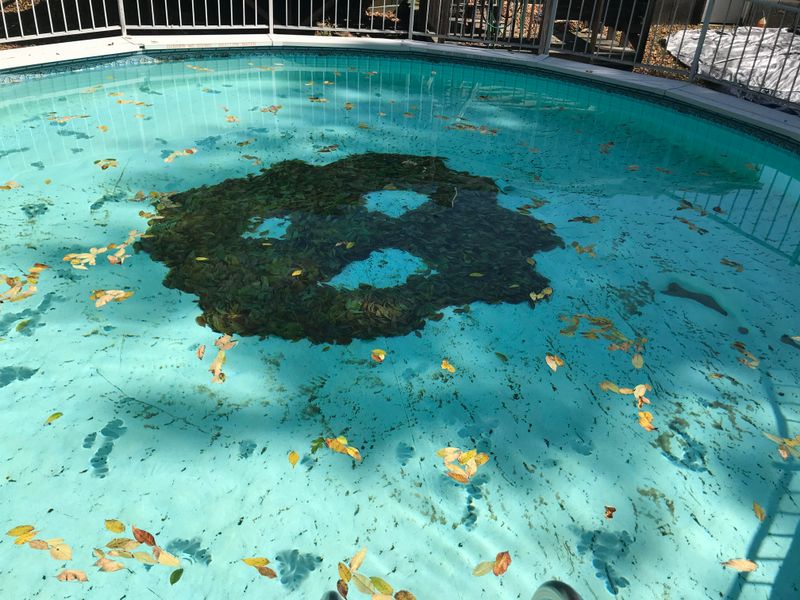
Most tree troubles never reach a courtroom, and that is a good thing. A friendly conversation solves more leaf disputes than any lawyer ever could.
When you sit down and talk, you often discover the other person just wants a little help. They may not truly want your tree removed at all.
Listening shows respect and lowers the tension right away. People soften when they feel heard instead of ignored.
Try suggesting practical fixes together. Perhaps you split the cost of a pool cover or agree on a trimming schedule each season.
Small compromises keep both the tree and the friendship intact. That is a win worth working toward.
Approach the talk calmly, even if your neighbor started out angry. Staying kind can turn a fight into a plan.
Bring ideas, not just defenses. Offering to help with cleanup a few times a year shows you care about the shared problem.
Put any agreement in writing so everyone remembers what was decided. A simple note signed by both prevents future confusion.
Good communication protects you legally too. Courts favor people who tried to work things out reasonably before escalating.
If talks fail, you can still explore mediation before lawyers get involved. A neutral helper often finds solutions both sides missed.
Reaching out first almost always leads to a better outcome than silence or stubbornness ever would.
7. Trimming Rights Have Legal Limits
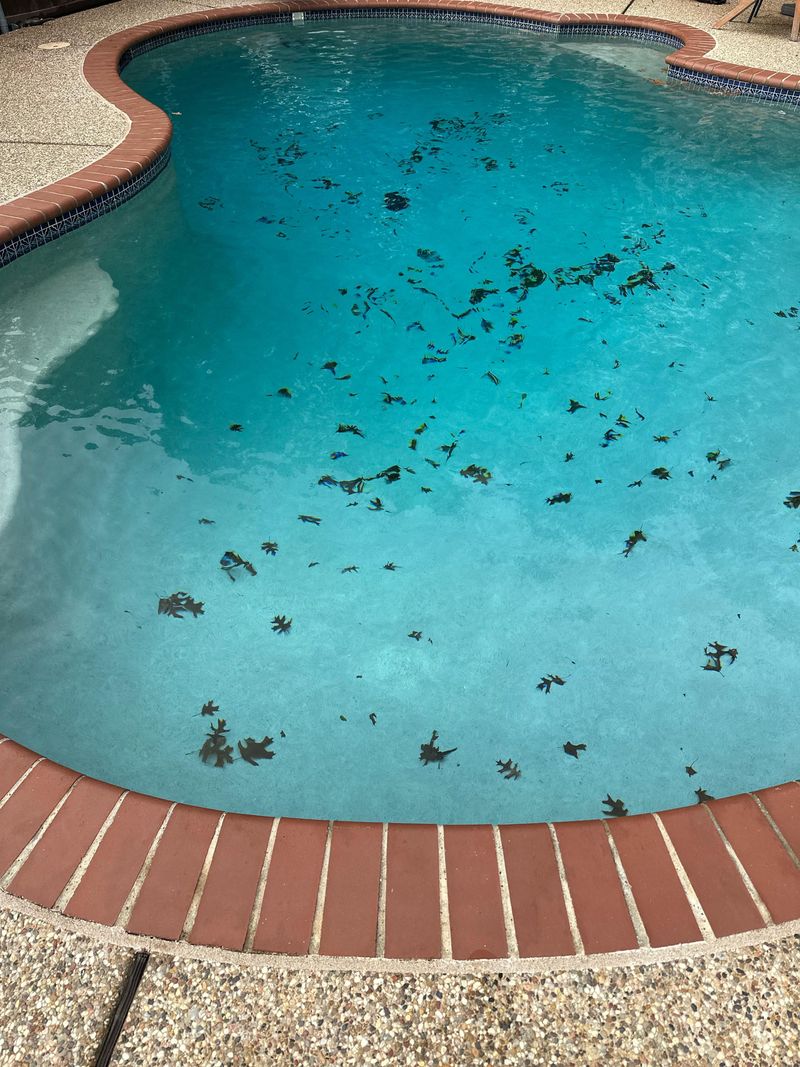
Trimming sounds simple, but California places firm boundaries on how far it can go. A neighbor’s right to cut overhanging branches stops right at the property line.
Going past that line onto your side counts as trespassing. Reaching over to cut the trunk or main limbs is not permitted.
The law also protects the tree’s health during any trimming. If a neighbor cuts so much that the tree suffers lasting harm, they can owe you money.
California even has rules that let tree owners recover damages when a tree is wrongfully injured. In some cases, those damages can be doubled or tripled.
That makes reckless cutting risky for the person doing it. Careful, limited trimming is the only safe path.
For pool owners, this means you cannot solve the leaf problem by attacking the tree aggressively. Trim only what hangs over your yard, and do it gently.
Hiring a licensed arborist is wise when branches are large or high. Professionals know how to cut without hurting the tree.
If you own the tree, you can offer to handle trimming yourself. That protects the tree and keeps control in your hands.
Always agree on the scope before any cutting begins. Clear limits prevent accidental overreach and hard feelings later.
Respecting these legal limits keeps both neighbors safe from lawsuits and keeps the tree standing healthy for years.
8. Document Concerns Before Taking Action

Whatever side you are on, good records make a huge difference. Writing things down and taking photos protects you if the dispute grows serious.
Snap pictures of the leaves, any damage, and the tree itself. Clear images tell the story better than memory ever could.
Keep a simple log of dates, conversations, and any cleanup costs. These notes show a pattern and prove you acted reasonably.
For pool owners, receipts for repairs or extra maintenance matter a lot. They separate real damage from mere annoyance in the eyes of the law.
Save copies of any letters or texts between you and your neighbor. Written proof of your talks shows you tried to cooperate.
Tree owners should document their side too. Photos of a healthy tree and notes about trimming offers help defend your choices.
If you check local ordinances or call the city, write down who you spoke with and what they said. That record can settle questions fast.
Should the matter ever reach mediation or small claims court, your files become powerful evidence. Organized people usually fare better there.
Start your records early, even before things feel tense. It is easier to gather details as they happen than to reconstruct them later.
Good documentation gives you confidence and clarity. It turns a stressful, he-said situation into one backed by solid, honest facts.