Why This Week’s Wind Advisory Is More Dangerous For Your California Garden Than The Heat Was

A wind advisory can put your California garden under stress in ways a hot summer day often does not.
While heat may leave plants wilted, strong dry winds can quickly change moisture levels, damage delicate growth, and create new risks around your outdoor space.
The biggest problems are not always obvious at first. Leaves may look fine one day and show signs of stress soon after, especially when gusts pull moisture from plants and dry out exposed soil.
Wind can also turn small garden issues into bigger ones by spreading debris and creating hazardous conditions around dry vegetation.
Before the winds arrive, a few simple checks can help protect your plants and property. Knowing what areas of your garden are most vulnerable can help you prepare before the damage appears.
1. Dry Winds Pull Moisture From Plants Quickly

Wind acts like a giant hair dryer aimed straight at your garden. It sweeps across leaves and steals water faster than roots can replace it.
During a heat wave in California, plants lose moisture too, but the process feels slower and steadier. Wind speeds everything up. A dry gust can leave leaves crispy in just a few hours.
This happens because moving air pulls water vapor away from the tiny pores on each leaf. When the air is dry and fast, plants sweat harder to keep up. Eventually they cannot, and the leaves start to wilt or curl.
You can fight back with a deep watering before the gusts arrive. Wet soil gives roots a bigger reserve to draw from. Water early in the morning so plants start the day full and ready.
Mulch also helps a lot here. A thick layer over the soil slows down evaporation and keeps roots cooler. Wood chips, straw, or shredded bark all work well for this job.
Grouping potted plants together creates a little shelter too. They block wind for each other and share a bit of humidity in the process.
Keep an eye on your most delicate plants, like leafy greens and young seedlings. These lose water fastest and show stress first.
A simple check of the soil with your finger tells you a lot. If it feels dry an inch down, your plants need a drink before the wind hits.
2. Santa Ana Winds Can Arrive During Dry Conditions

Santa Ana winds have a reputation in California, and it is well earned. These warm, dry gusts blow in from the desert and drop humidity to almost nothing.
What makes them tricky is the timing. They often show up when the ground is already parched from weeks of heat. Dry plants plus dry wind is a rough combination.
These winds can gust to forty miles per hour or more. That kind of force bends branches, tears leaves, and scatters lightweight debris across your whole yard.
The low humidity is the sneaky part. Air this dry pulls moisture from everything it touches, including your plants, your soil, and even wooden fences.
Preparing for a Santa Ana event starts with watering ahead of time. Give your garden a good soak the day before the winds are forecast to arrive.
Your California Garden Changes Every Week. Your Plan Should Too.
Gardening in California changes quickly throughout the season. Every Friday you’ll receive a simple weekly plan showing exactly what to plant, prune, fertilize, harvest, and protect so you never miss the right timing.
It also helps to create windbreaks where you can. A fence, a hedge, or even a temporary burlap screen slows the gusts and protects tender plants behind it.
Move your container plants to a sheltered spot near a wall. This blocks the strongest gusts and keeps pots from tipping over.
Stay updated with local weather alerts during dry months. Knowing when a Santa Ana event is coming gives you time to act.
A little planning turns a scary forecast into a manageable one. Your garden can ride out these winds just fine with the right prep in place beforehand.
3. Loose Branches Become Immediate Hazards
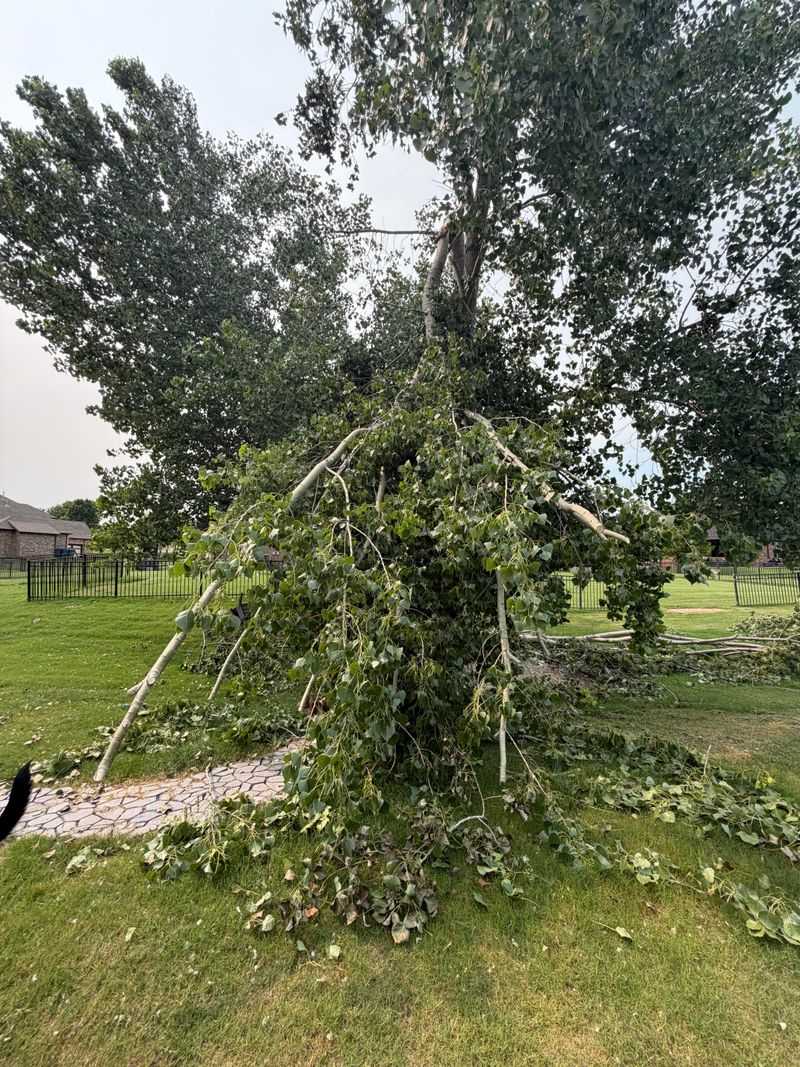
That cracked branch you have been meaning to trim? Wind will find it. A single strong gust can send it crashing down onto plants, fences, or people below.
Loose or withered branches are already weak. They hang on by a thread, and moving air is all it takes to knock them free.
Falling limbs do more than break themselves. They crush the plants underneath and can dent cars, roofs, or garden structures on the way down.
Walking your California yard before a wind advisory is a smart habit. Look up into your trees and spot any branches that sag, crack, or look brittle.
Trimming these ahead of time removes the risk entirely. Use sharp pruners for small limbs and a pruning saw for thicker ones you can safely reach.
For branches high up or over power lines, call a professional. Some jobs are not worth the danger of climbing a ladder in gusty weather.
Pay special attention to trees near your house or seating areas. A falling limb there causes the most trouble and the biggest repair bills.
Clearing debris after storms keeps things tidy too. Fallen twigs and small branches can become flying objects in the next round of wind.
Think of pruning as free insurance for your yard. A few minutes with the clippers now saves you from a much bigger mess when the gusts finally arrive.
4. Wind Can Spread Falling Embers Faster

In California, wind and fire go hand in hand, and that link makes gardens more vulnerable. A single ember carried by wind can start a blaze far from its source.
Gusts pick up glowing bits from distant fires and fling them into dry yards. Once those embers land on brittle plants or mulch, trouble can spread fast.
Your garden can act as either a shield or a fuel source. Dry brush, withered leaves, and stacked wood all catch easily when embers fly.
Clearing dry vegetation around your home creates a safer buffer zone. Fire experts often suggest keeping the first few feet near your house free of flammable material.
Rake up leaves and pine needles regularly during windy, dry seasons. These pile up quietly and become perfect kindling in the wrong moment.
Choosing gravel or stone mulch near the house helps too. Unlike wood chips, these materials do not catch when sparks land nearby.
Keep firewood and propane tanks well away from your plants and walls. Storing them at a distance lowers the chance of a small ember turning into a big problem.
Water your yard during high-risk days if drought rules allow it. Damp plants and soil resist catching far better than crispy ones.
Staying alert to fire warnings paired with wind advisories keeps you ready. A cleared, watered garden gives embers far fewer places to take hold and grow.
5. Newly Planted Trees Are More Vulnerable
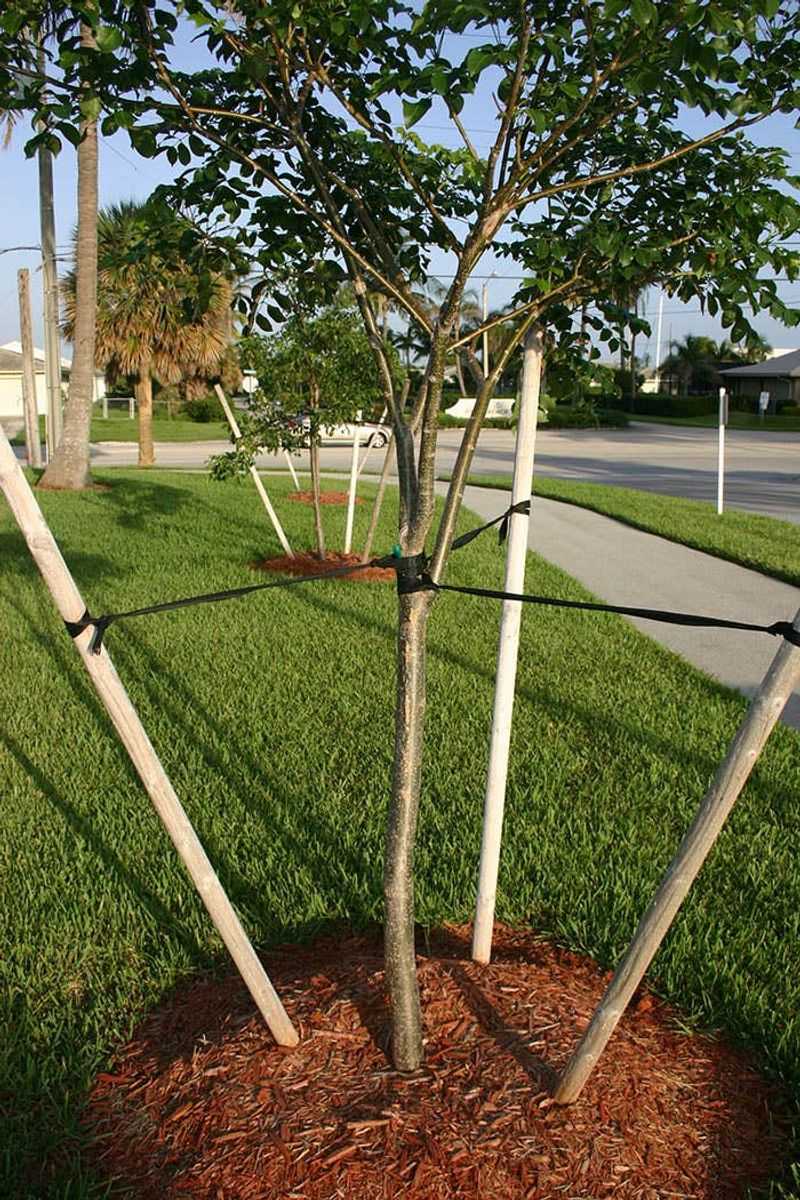
A young tree you planted last month has not had time to dig in. Its roots are still shallow, and that makes it an easy target for strong gusts.
Established trees anchor themselves deep in the soil. New ones cannot do that yet, so wind can rock them back and forth or even lift them out.
Every time the wind whips a young trunk, it loosens the roots a little more. Over time, this rocking creates gaps in the soil around the base.
Staking helps a young tree stay upright while its roots settle in. Use two or three stakes and soft ties that hold without cutting into the bark.
Leave a little slack in the ties, though. A tree that sways gently actually grows a stronger trunk than one held perfectly still.
Watering deeply before a windy stretch keeps the soil firm around the roots. Firm, moist ground grips better than loose, dry dirt.
Adding mulch around the base protects roots and holds moisture longer. Just keep it a few inches away from the trunk to avoid rot.
Check your young trees right after big gusts pass through. Look for leaning trunks or soil that has pulled away from the base.
Giving new trees this extra care for the first year pays off. Once their roots spread wide and deep, they will handle future winds on their own.
6. Dry Soil Makes Plants Less Stable
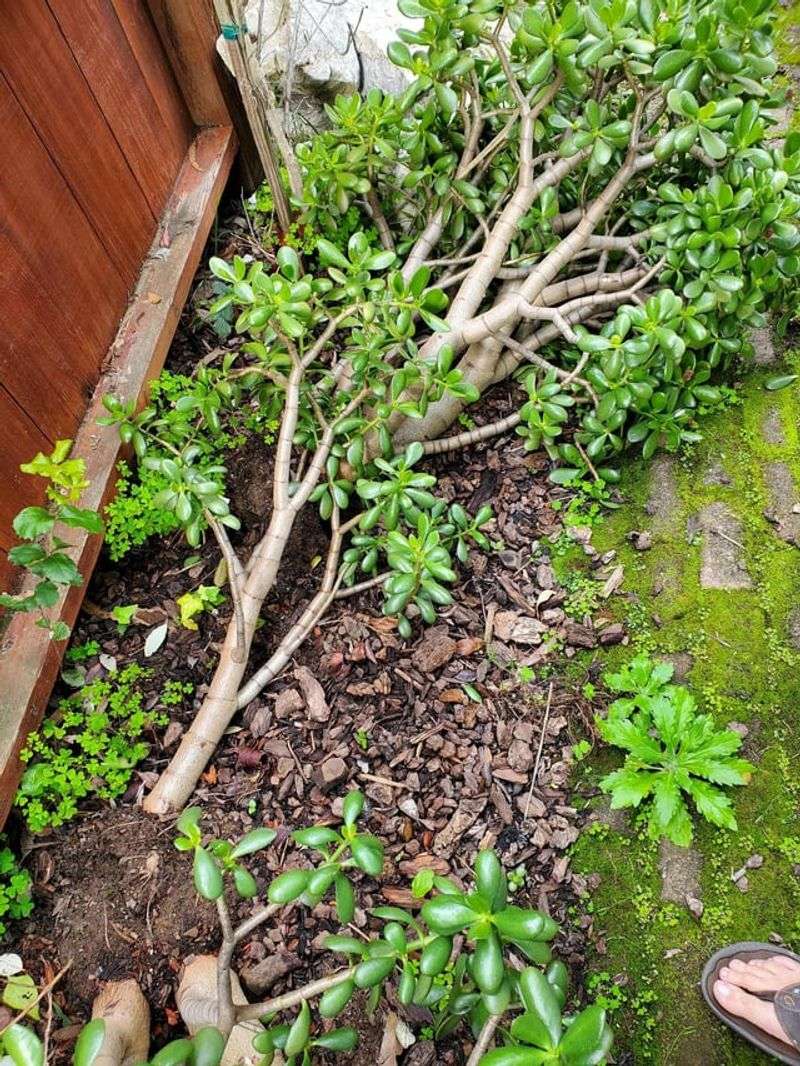
Soil is the anchor that holds your plants in place, but only when it has some moisture. Dry, dusty dirt lets roots slip and shift with every gust.
When the ground turns to powder, it loses its grip. Plants that once stood firm can lean, wobble, or topple over in strong wind.
Think of soil like a handshake. Moist earth holds roots tightly, while bone-dry ground barely holds on at all.
Watering before a wind advisory does double duty here. It hydrates your plants and packs the soil together so roots stay locked in place.
Deep watering works better than a light sprinkle. Soaking the ground several inches down reaches the roots where stability really matters.
Mulch keeps that moisture from escaping too fast. A good layer slows evaporation and helps the soil stay firm even as winds pull at everything.
Compacted or sandy soils dry out quicker than rich, loamy ones. If your yard drains fast, water a bit more often during dry, windy weather.
Raised beds and containers dry out especially fast. Keep a close watch on these and water them more than your in-ground plants.
After the wind passes, gently press soil back around any plants that shifted. Firming the ground helps them settle and recover.
Keeping your soil hydrated is one of the simplest ways to guard against wind. Firm ground gives your whole garden a stronger foundation to lean on.
7. Check Stakes Before Strong Gusts Arrive
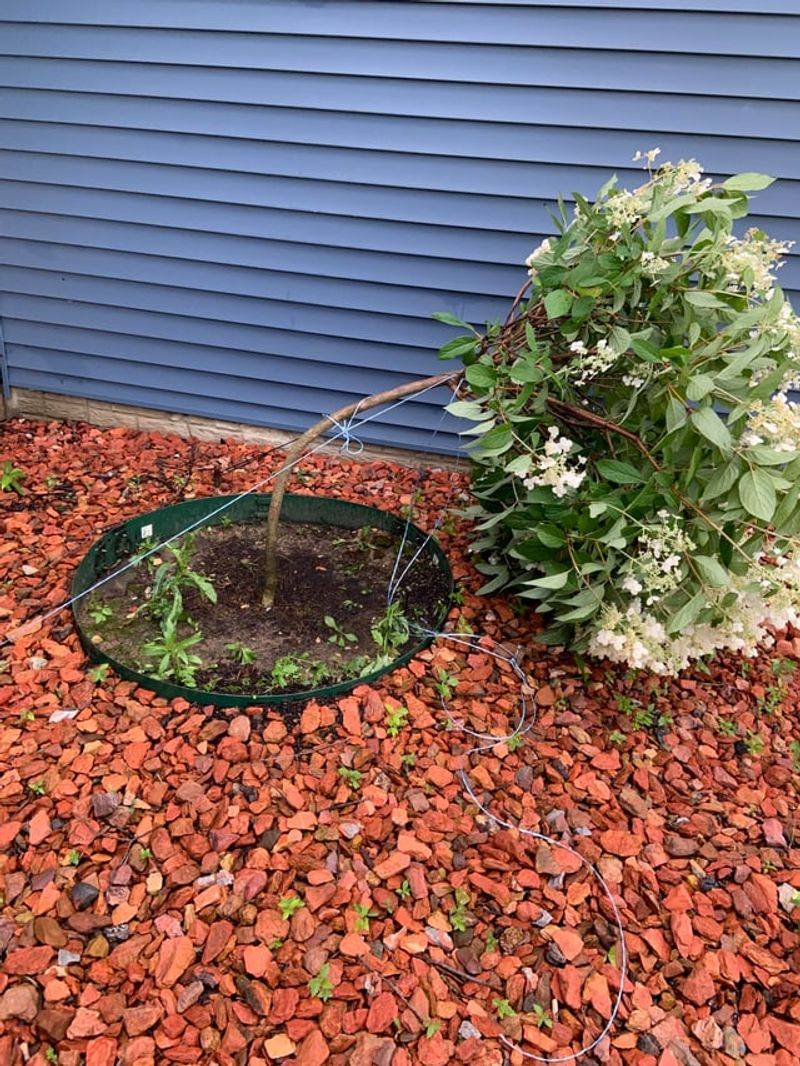
Those stakes you set up months ago might be doing less than you think. Ties loosen, wood rots, and supports shift over time without you noticing.
A stake that has come loose offers no help at all. Worse, a broken one can lean against your plant and cause damage instead of stopping it.
Before the wind advisory hits, give every stake a quick test. Push on it gently to see if it still stands firm in the ground.
Check the ties too. Over time they can dig into growing stems or slip off entirely, leaving your plant unsupported when it matters most.
Replace any frayed or cracked ties with fresh ones. Soft cloth strips or rubber ties work well because they flex without cutting into stems.
Look at the wood or metal of each stake. Rotting wood snaps easily, so swap out anything that feels soft or splintered.
Drive loose stakes deeper into firm soil for a better hold. A stake that wobbles will not support much once the gusts pick up.
For taller plants, adding a second stake spreads the load. Two supports share the pressure and keep the plant steadier in rough wind.
Do this check for tomato cages, trellises, and fence panels as well. Any support structure benefits from a once-over before a storm.
A few minutes spent testing your stakes now prevents snapped stems later. It is easy, quick, and keeps your plants standing tall through the gusts.
8. Remove Loose Yard Materials Before Wind
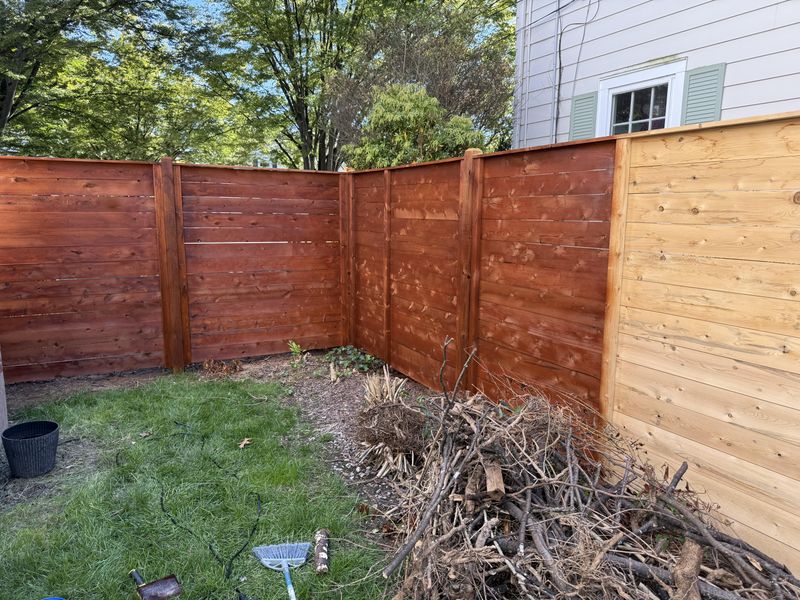
Wind turns ordinary California yard items into flying trouble. An empty pot, a plastic chair, or a stray garden tool can become a projectile in strong gusts.
These loose objects do not just fly away. They crash into plants, crack windows, and dent whatever they hit on the way down.
Walking your yard before the advisory gives you a chance to clear the clutter. Pick up anything light enough for the wind to lift or roll.
Empty planters are a common culprit. When they have no soil weighing them down, they tumble easily and can knock over nearby plants.
Store patio furniture, cushions, and umbrellas inside a shed or garage. If you cannot move them, secure them with straps or heavy weights.
Garden tools left lying around should go back in storage too. A rake or shovel caught by the wind can do real damage to tender plants.
Hanging baskets deserve attention as well. Take them down or move them to a sheltered spot so they do not swing loose and fall.
Trash cans and recycling bins tip over in wind constantly. Weigh them down or tuck them against a wall until the gusts pass.
Even small decorations like garden flags and wind chimes can become hazards. Remove the ones that might tear free and cause harm.
Taking ten minutes to tidy up makes a big difference. A clear yard means fewer flying surprises and a much safer garden when the wind arrives.