Can A California HOA Reject Your Native Plant Conversion This Fall?
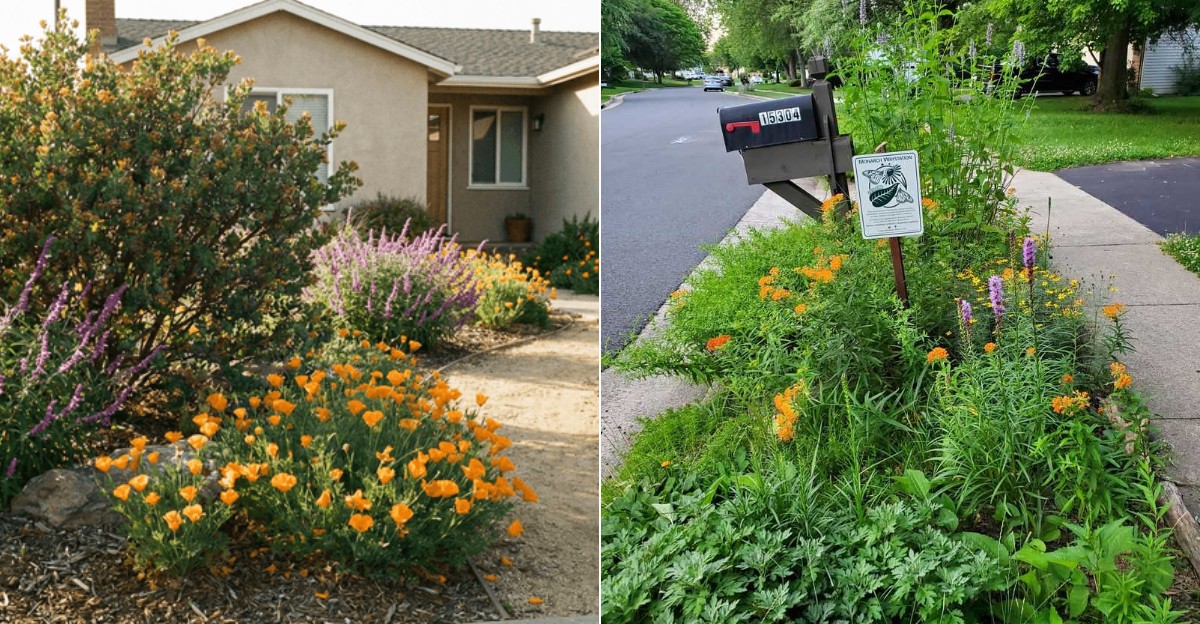
Ready to replace your thirsty lawn with a native plant garden this fall? Before you start digging, you may want to know where your HOA stands.
A few landscaping changes can create unexpected questions when community rules, appearance standards, and California regulations come into play.
Your dream garden may seem like a simple switch, but the approval process is not always as clear as planting a few new flowers and shrubs. Some homeowners run into pushback, while others find that certain protections work in their favor.
So, can your HOA actually stop your native plant conversion? The answer depends on a few important details that can affect how you plan your project and avoid unnecessary conflicts.
1. HOA Landscaping Rules Can Limit What You Plant
Living in an HOA community means agreeing to follow shared rules about how your property looks. These rules often cover fences, paint colors, and yes, the plants in your yard.
Many associations want homes to match a certain style. That might mean neat lawns, trimmed hedges, or approved plant lists. When you plan a native garden, your choices could clash with those older standards.
Some HOAs still favor traditional turf grass over wild-looking native gardens. They may worry that native plants seem messy or unkempt to neighbors. That worry can lead to a rejection if you do not plan carefully.
The good news is that rules are not always the final word. HOAs must follow California law, and some old landscaping rules no longer hold up. Still, it helps to read your community guidelines closely before starting.
Look for sections about landscaping, approved plants, and yard appearance. Knowing what your HOA expects gives you a head start on approval.
Talk with your board early if the rules feel unclear. A friendly conversation can clear up confusion and show you are serious about doing things right.
Being informed puts you in a stronger position when you request permission for your fall native plant project.
2. California Law Gives Homeowners Important Protections
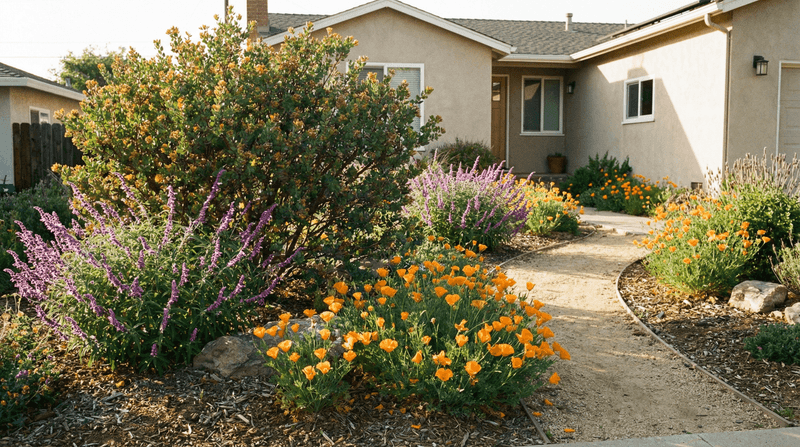
Here is something many homeowners do not realize: state law is on your side when it comes to water-wise gardens. The state has passed several laws to encourage native and drought-friendly plants.
One key law limits how much an HOA can block water-efficient landscaping. Associations cannot ban low-water plants just because they prefer green lawns. This gives you real power when planning a native yard.
These protections grew out of California’s long history with droughts. Lawmakers wanted to help residents save water and support the environment. As a result, HOAs must allow reasonable water-saving landscape changes.
That does not mean anything goes, though. The law still lets HOAs set fair design standards. They can ask that your yard looks tidy and fits the neighborhood in a general way.
What the law prevents is a flat-out ban on native or drought-tolerant plants. If your HOA tries to reject your project only because it dislikes native gardens, that rejection may not stand.
Keep copies of the relevant state codes handy. Sharing them politely with your board can help move your project forward. When homeowners know their rights, they often find HOAs more willing to work with them on a fair native plant plan this fall.
Your California Garden Changes Every Week. Your Plan Should Too.
Gardening in California changes quickly throughout the season. Every Friday you’ll receive a simple weekly plan showing exactly what to plant, prune, fertilize, harvest, and protect so you never miss the right timing.
3. Native Plants Are Not Automatically Exempt From HOA Rules
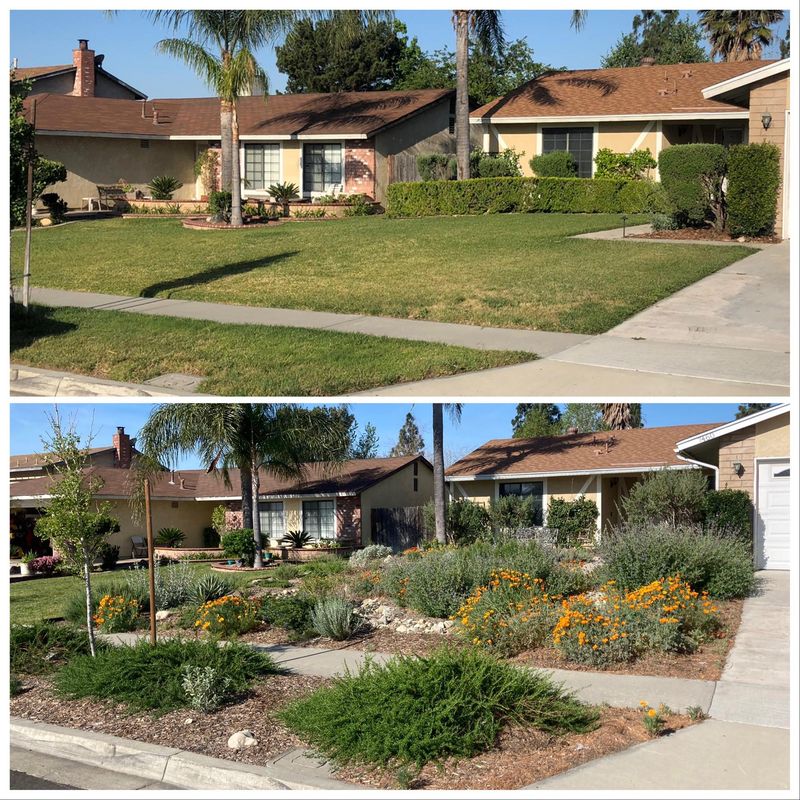
It would be nice if native plants got a free pass, but that is not quite how it works. Choosing California natives does not mean your HOA loses all say over your yard.
Associations can still review your plans and set reasonable standards. They may care about spacing, height, and overall neatness even for native gardens. So you cannot skip the approval process just because your plants are local.
Think of it as a shared responsibility. State law protects your right to water-wise plants, but HOAs keep the right to maintain a certain look. Both sides have to meet in the middle.
Some homeowners assume natives automatically qualify as drought-tolerant and protected. While many do, your HOA might still ask for details about your design. Being ready with a clear plan helps a lot.
Show how your natives save water and stay tidy over time. Include mulch, clear pathways, and defined borders in your design. These touches make your garden look intentional rather than wild.
The key is balance. You have strong rights, but you also have responsibilities to your community. Approaching your HOA with a thoughtful, organized plan makes approval far more likely.
Respect the process, and your native garden stands a much better chance this fall.
4. Water-Efficient Landscaping Rules Can Affect HOA Restrictions
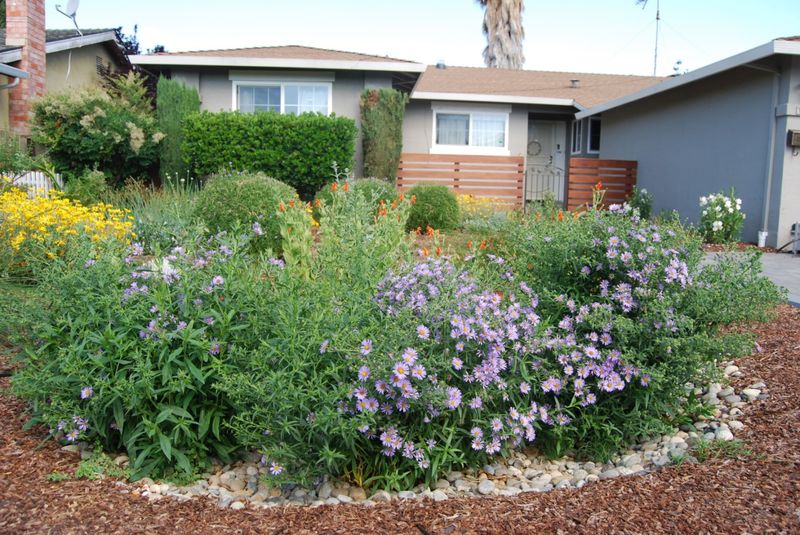
Water shortages have shaped many rules in California, and that works in your favor. State laws about water-efficient landscaping directly limit what HOAs can restrict.
During droughts, cities and counties often push residents to use less water outdoors. Native and drought-tolerant plants fit this goal perfectly. Because of that, HOAs face pressure to allow these gardens.
The law says associations cannot stop you from installing water-saving landscapes. This includes many natives that thrive without heavy watering. So your fall conversion likely gains support from these rules.
Still, there are smart ways to strengthen your case. Choose plants known for low water needs and healthy roots. Add efficient irrigation like drip systems to show you care about saving water.
Documenting your water savings can also help. Note how much less water your new yard will use compared to a lawn. HOAs and boards often respond well to clear, practical numbers.
Keep in mind that these rules protect the function, not just the look. Your goal is a yard that truly conserves water. When your design clearly does that, your HOA has little room to reject it.
By leaning on water-efficiency laws, you turn state policy into a helpful ally. This makes your native plant dreams far more achievable this season.
5. Your HOA Documents Still Matter
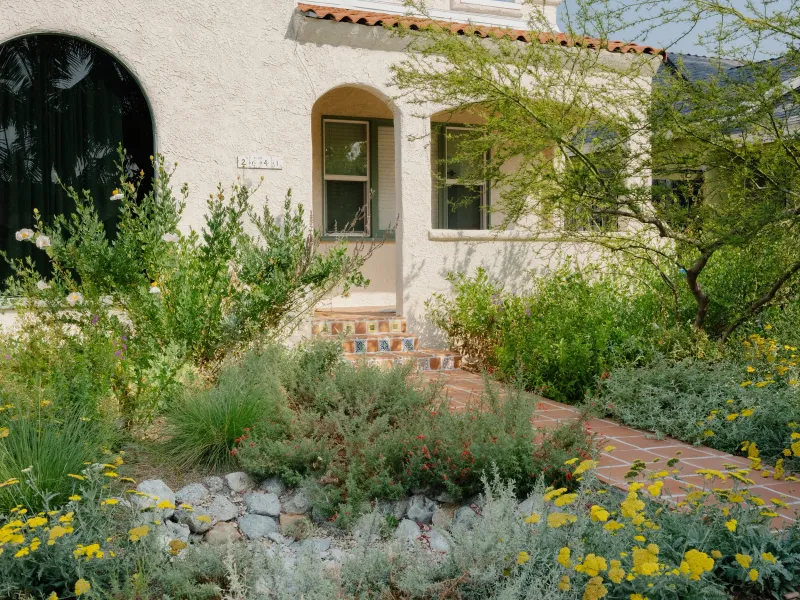
Before you buy a single plant, grab your HOA paperwork and read it closely. Those documents hold the details that shape what you can and cannot do.
Your community likely has rules called CC&Rs, which stand for covenants, conditions, and restrictions. These spell out landscaping expectations and the approval steps you must follow. Skipping them can lead to fines or forced changes later.
Look for sections on architectural review, plant choices, and yard upkeep. Understanding these parts helps you plan a garden that fits the rules. It also shows your board that you did your homework.
Some documents are old and may include rules that state law now overrides. Even so, you should know what they say before challenging anything. Knowledge gives you confidence during conversations with your board.
Keep notes on any rules that seem to conflict with California’s water-wise protections. You can raise these points politely if your project gets pushback. Being prepared makes the whole process smoother.
If the language confuses you, ask your HOA manager for help. Many are happy to explain what each rule means. A quick question now can prevent big problems down the road.
Treat these documents as your roadmap. They guide your project and protect you from surprises during your fall native plant conversion.
6. Some Restrictions May Be Legally Unenforceable
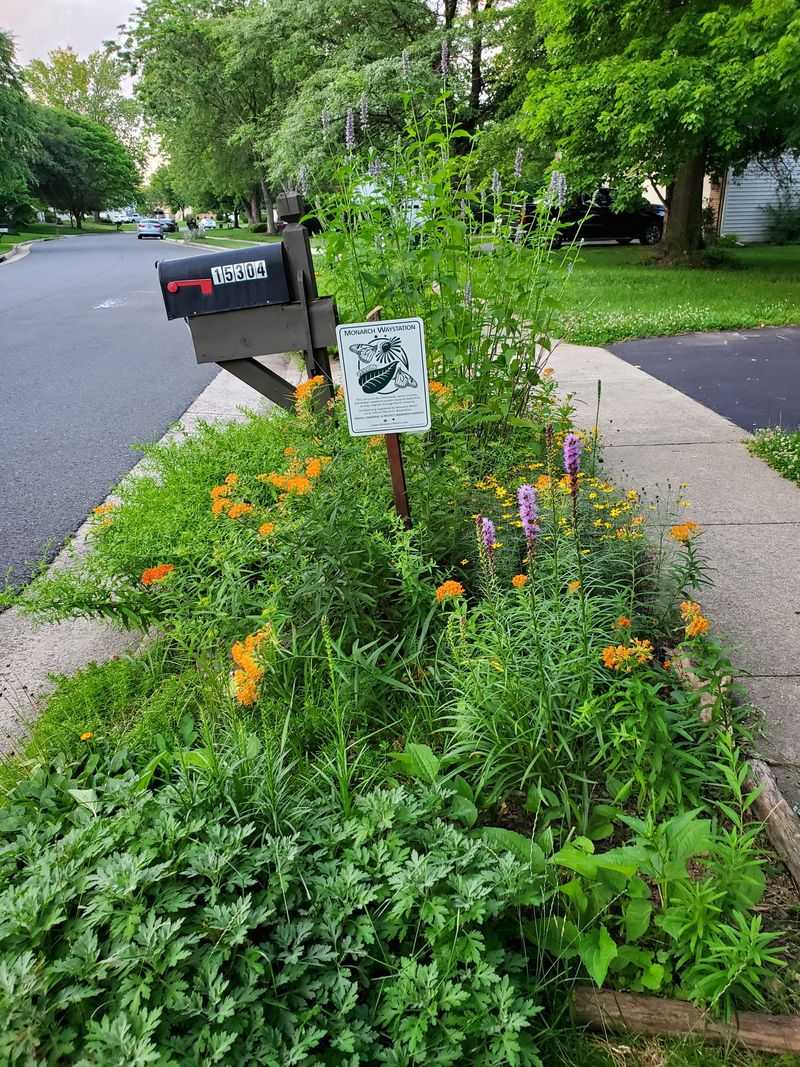
Not every rule in your HOA handbook can actually be enforced. California law has made certain old restrictions powerless against water-wise gardens.
For example, a rule that bans all native plants likely cannot stand today. State laws protecting drought-tolerant landscaping override those outdated bans. That means your HOA may not legally reject your project for that reason.
Boards sometimes cite rules that no longer match current law. When that happens, you have the right to push back politely but firmly. Knowing which rules are unenforceable gives you a strong advantage.
Rules requiring only grass lawns often fall into this category. Since the state encourages water savings, forcing turf may violate your rights. You can point this out with the proper legal references.
That said, you should stay respectful and factual in these talks. Show the board the state codes that support your position. A calm, informed approach usually works better than an argument.
If your HOA still refuses, you may seek help from a mediator or legal advisor. Many disputes get settled without going to court. Keeping records of all communication helps if you need support later.
Understanding what cannot be enforced protects your investment. It also empowers you to move forward confidently with a garden that saves water and follows California law this fall.
7. Design Rules Can Still Apply To A Native Yard
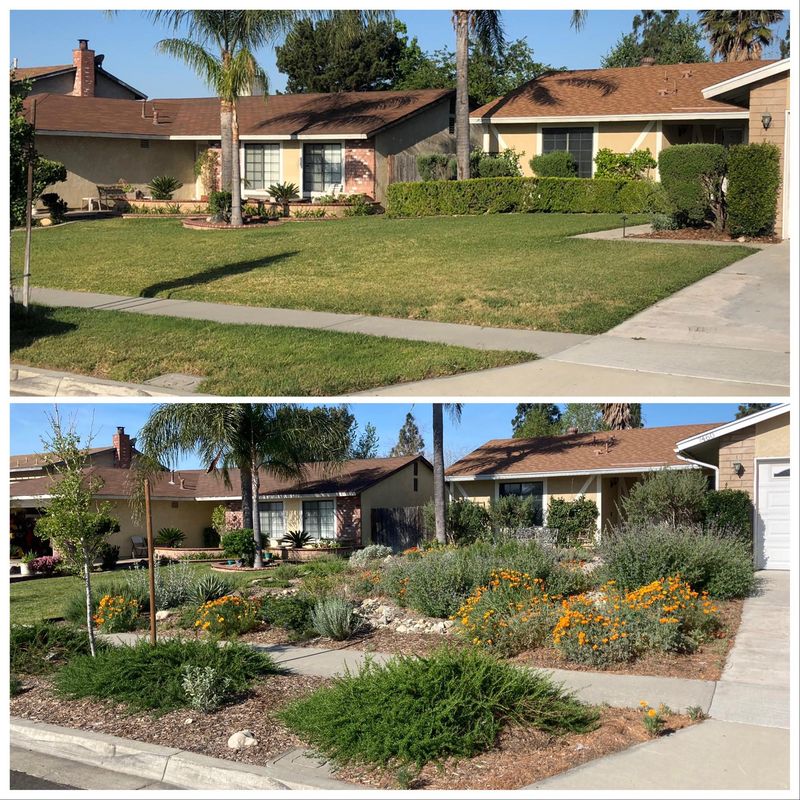
Even with strong legal protections, your yard still needs to look thoughtful and cared for. HOAs keep the right to set reasonable design standards for everyone.
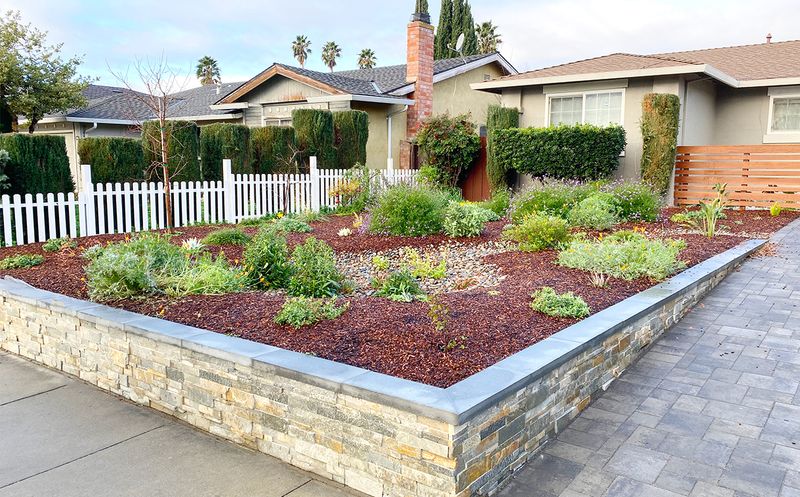
This means your native garden should appear intentional, not overgrown. Clear edges, tidy mulch, and defined pathways make a big difference. These features show that your garden is planned, not neglected.
Associations often worry that native yards will look messy or wild. You can ease that worry with smart design choices. Group plants neatly and leave open spaces so the yard feels organized.
Height and spacing rules may still apply to your plants. Choose species that stay within reasonable sizes for your area. This keeps your garden attractive and rule-friendly.
Adding hardscape features like rocks or stepping stones helps too. They break up the plants and give structure to the space. A balanced mix of plants and hardscape often wins HOA approval.
Think about how your yard fits with the neighborhood overall. You do not need to copy others, but a cohesive look helps. Neighbors are more supportive when gardens feel welcoming and neat.
Good design proves that native and beautiful can go together. By planning carefully, you satisfy both your love of natives and your HOA’s standards. That balance sets your fall project up for success.
8. Submit Plans Before Starting A Major Conversion
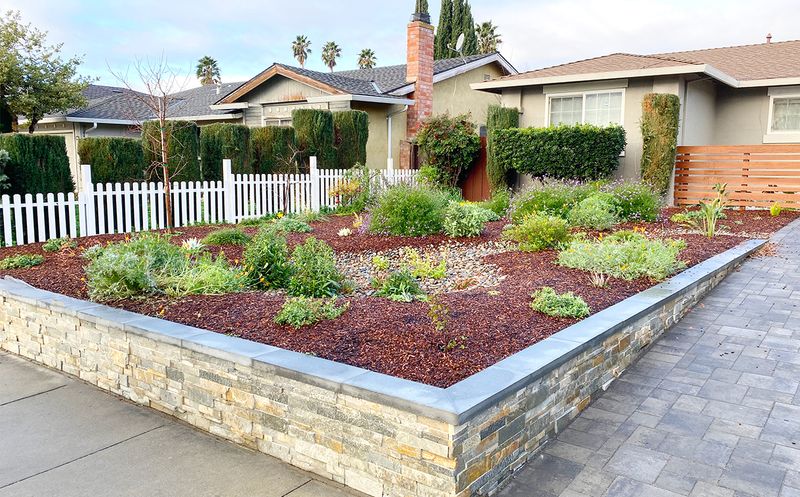
The smartest move you can make is asking before you act. Submitting your plans to the HOA first prevents costly surprises and builds trust.
Most associations require approval for major landscape changes. Turning a lawn into a native garden usually counts as major. So sending a plan early keeps you on the right side of the rules.
Your submission should include a clear drawing of your design. List the plants you want and note their water needs. Adding details about mulch, borders, and pathways strengthens your request.
Boards appreciate homeowners who communicate openly. A well-prepared plan shows respect for the community process. It also makes the board more likely to say yes.
If your first plan gets questions, do not feel discouraged. Use the feedback to adjust and improve your design. Many projects get approved after a small revision or two.
Keep records of every form and message you send. This paperwork protects you if any disagreement comes up later. Good documentation gives you peace of mind throughout the project.
Timing matters too, so submit your plans well before fall planting season. That way you have approval in hand when the weather is right. Starting early lets you plant at the perfect moment.
Planning ahead turns a stressful process into a smooth one. With approval secured, you can enjoy your new water-wise garden worry-free.