The Rare Pennsylvania Bird More Homeowners Are Seeing This Fall
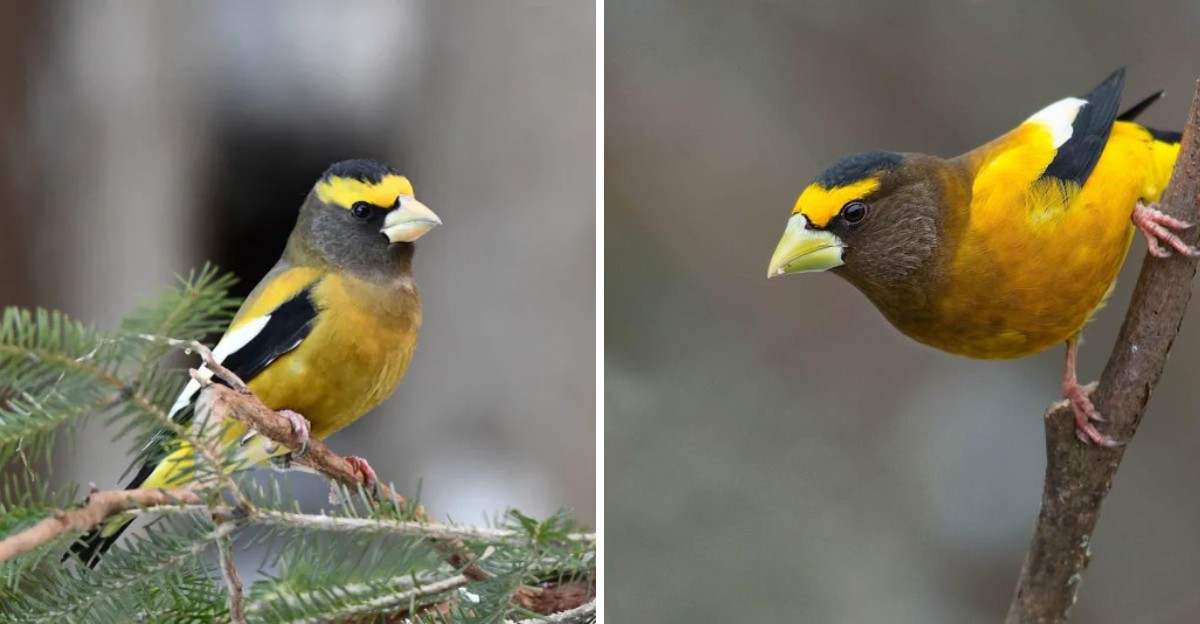
Something unusual has been showing up in Pennsylvania yards this fall, and homeowners who have spotted it tend to remember the encounter.
It’s not a common backyard bird. Most Pennsylvania residents have gone years, sometimes their entire lives, without seeing one anywhere near a residential yard.
But sightings have been increasing, and the reasons behind that shift are worth understanding.
This is not a bird that typically shows up at a feeder or passes through casually. When it appears in a yard, it’s there for a reason, and that reason says something real about the conditions your property and neighborhood are currently creating.
For birders and casual observers alike, knowing what to look for and what the sighting means makes the encounter considerably more interesting when it happens.
This Rare Bird Is The Evening Grosbeak
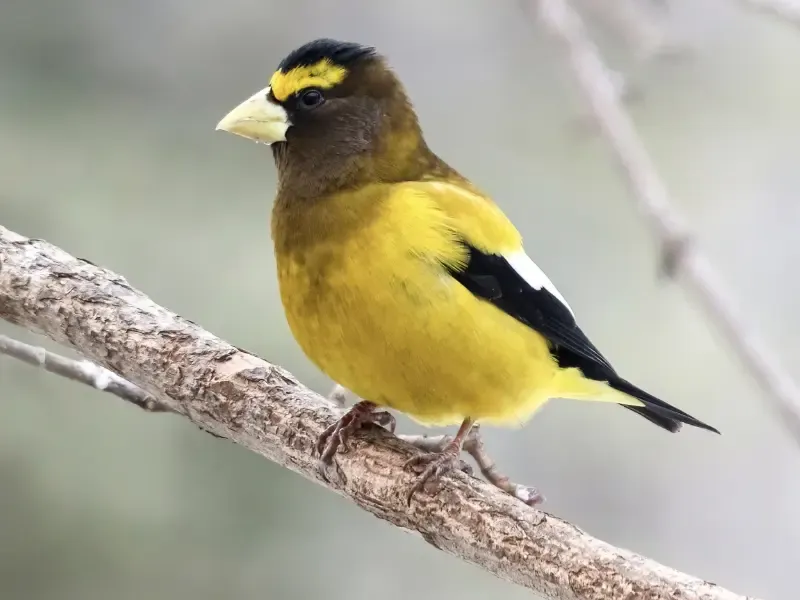
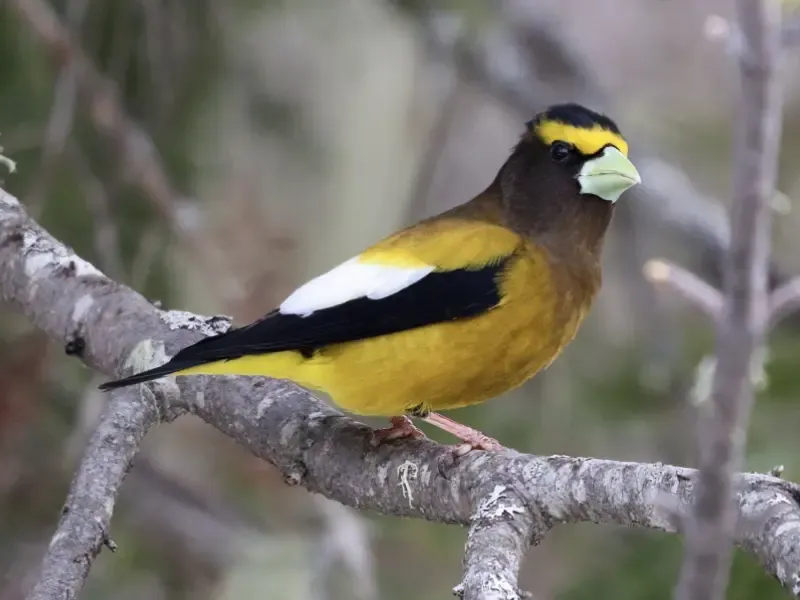
Picture a chunky finch dressed in gold, black, and white, and you have the evening grosbeak. It stands out from almost any bird at a feeder because of its size and its glowing colors.
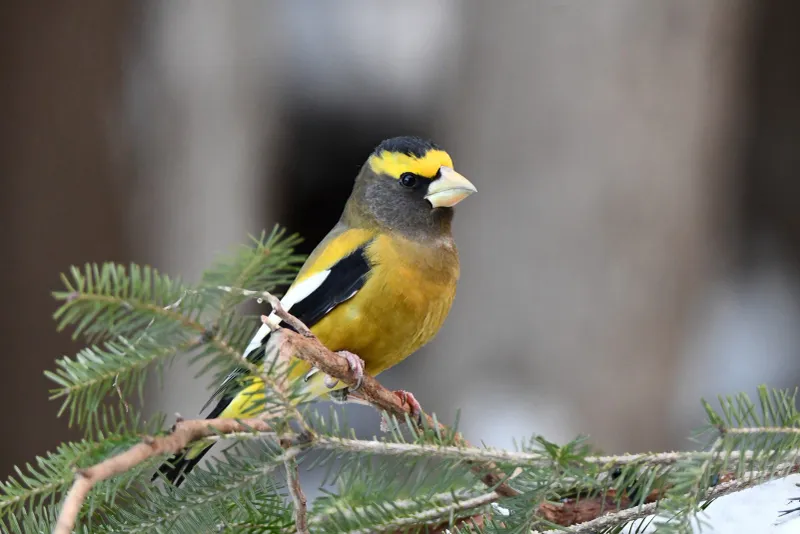
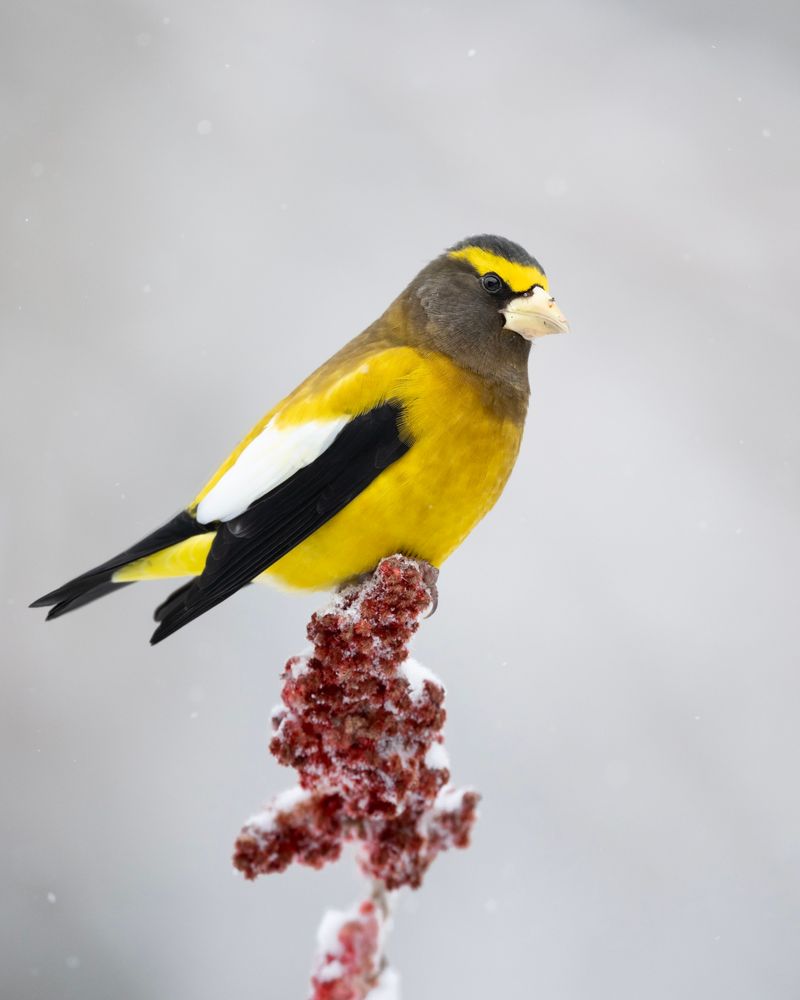
The male wears a bright yellow body with a dark head and a yellow stripe above each eye. His wings are black with big white patches that flash when he moves.
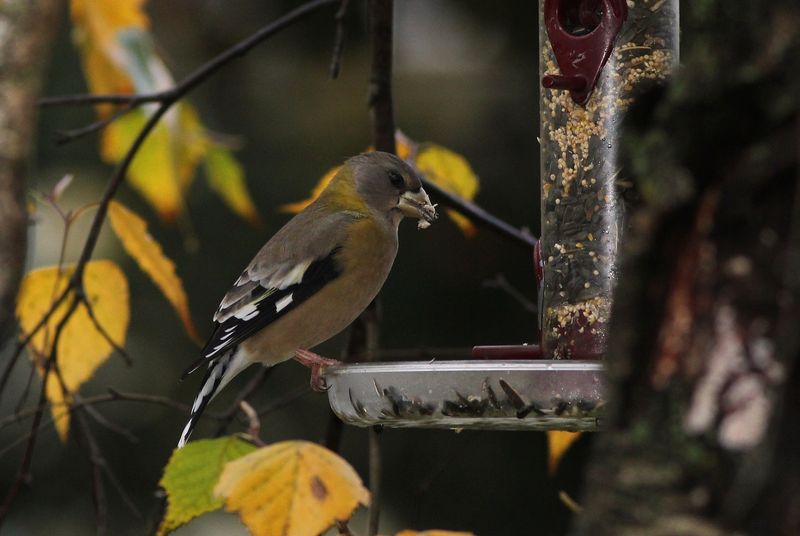
Females are softer in color, showing gray and pale yellow tones, but they still carry that same powerful build.
What really grabs attention is the bill. It is huge, pale, and cone-shaped, made for cracking open tough seeds that smaller birds cannot handle. That thick bill is one reason people notice this bird right away.
Evening grosbeaks belong to the finch family, and they travel in noisy, chattering groups. When a flock lands, they can clear out a feeder in no time. Their calls sound sharp and cheerful, adding to the excitement of a visit.
These birds are not common across Pennsylvania every year. Some seasons they barely appear at all, while other years they show up in surprising numbers. That unpredictable nature makes each sighting feel special.
Long ago, they were mostly western birds, but over time they spread eastward. Today, seeing a flock brighten up a gray fall morning is a treat that many backyard watchers will never forget.
Their beauty and boldness make them one of the most memorable visitors you can hope to find right outside your window this season.
Why Evening Grosbeaks Appear In Pennsylvania During Fall
Ever wonder why a bird that is rare one year suddenly shows up the next? For evening grosbeaks, the answer often comes down to food and weather far to the north.
These birds spend much of their time in the northern forests of Canada and the upper United States.
When food supplies up there run low, they move south to find more to eat. Scientists call this kind of movement an irruption.
An irruption happens when seed crops from trees like spruce and fir fail to grow well. Without enough natural food, large flocks push into new areas, including Pennsylvania backyards. That is why some fall seasons bring surprising numbers of these visitors.
Your Pennsylvania Garden Changes Every Week. Your Plan Should Too.
Gardening in Pennsylvania changes quickly throughout the season. Every Friday you’ll receive a simple weekly plan showing exactly what to plant, prune, fertilize, harvest, and protect so you never miss the right timing.
Colder weather also plays a part. As temperatures drop and snow covers northern food sources, the birds keep traveling until they find open feeders and fruit-filled trees. Pennsylvania sits in a good spot to welcome them during these journeys.
Because their movements depend on nature, no one can perfectly predict when they will come.
One winter might be full of grosbeaks, while the next brings none at all. That mystery is part of what makes birders watch so closely each autumn.
If you hear that grosbeaks are being spotted nearby, it is a good sign they may visit your area too. Keeping your feeders stocked in fall gives these travelers a reason to stop.
Paying attention to bird reports and local sightings can help you catch this rare event before the flocks move on to somewhere else.
What Attracts Evening Grosbeaks To Backyards
Food is the number one reason these birds decide to drop by. If your yard offers the right snacks, you have a real chance of hosting a hungry flock.
Sunflower seeds are their favorite treat at feeders. Their strong bills crack the shells with ease, so a tray full of black oil sunflower seeds can pull them right in. They tend to prefer open platform feeders where a whole group can gather at once.
In the wild, they also love seeds from trees like maple and ash. During fall, they search for these natural seeds along with berries from shrubs and small fruit trees. Planting or keeping such trees gives them extra reasons to visit.
Berries matter too. Crabapples, dogwood fruit, and other wild berries offer energy that helps the birds during cold travel. A yard with fruit-bearing plants becomes a welcome rest stop.
They enjoy fresh water as well. A birdbath, especially one kept from freezing, can draw them in for a drink and a quick bath even on chilly days.
Because grosbeaks travel in flocks, you will want to offer plenty of seed. A single small feeder may empty fast when a dozen birds arrive together. Larger or multiple feeders help keep everyone fed.
Keeping your feeding area clean also encourages return visits. Fresh seed and tidy trays make your yard a safe and healthy place to stop.
With the right mix of food, water, and welcoming space, your backyard might become a favorite grosbeak hangout this fall.
How To Identify An Evening Grosbeak
Spotting your first evening grosbeak is easier than you might think once you know the clues. A few key features set this bird apart from common backyard visitors.
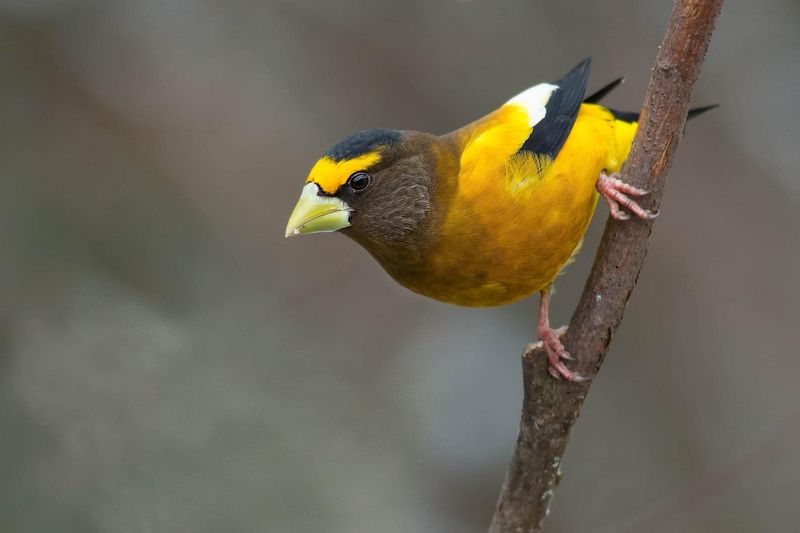
Start with the bill. It is oversized, cone-shaped, and pale, sometimes looking greenish or ivory colored. No other feeder bird has quite the same heavy, seed-cracking beak.
Males are the flashiest. They show a bright yellow body, a dusky brown and yellow head, and a bold yellow eyebrow stripe. Their black wings carry large white patches that stand out clearly, especially in flight.
Females and young birds look calmer but are still handsome. They wear soft gray feathers washed with hints of yellow. Their wings show black and white markings too, though not as striking as the male’s.
Size is another helpful clue. Evening grosbeaks are noticeably bigger and rounder than sparrows or goldfinches. They have a stocky, powerful shape that fills up a feeder perch.
Listen as well as look. These birds are chatty, giving out sharp, ringing calls that carry across a yard. A sudden burst of loud chirps often means a flock has arrived.
Behavior can also give them away. They usually feed in busy groups rather than alone. Watching a crowd of colorful birds crowd onto a tray is a strong sign you have grosbeaks.
Keep a bird guide or app handy for quick checks. Comparing your sighting to photos helps you feel sure.
Once you learn these traits, you will recognize an evening grosbeak instantly the next time one brightens your window with its golden feathers.
How To Make Your Yard More Bird-Friendly
Turning your yard into a bird haven takes a little planning, but the rewards are huge. A welcoming space brings not just grosbeaks but many other feathered guests too.
Native plants are a great starting point. Trees and shrubs that naturally grow in Pennsylvania provide seeds and berries that local birds already know and trust. Maples, dogwoods, and crabapples are wonderful choices.
Mature trees offer shelter and safety. Tall trees give birds a place to rest, hide from bad weather, and watch for danger before flying down to feed. Keeping healthy trees on your property makes a big difference.
Feeders matter too. Platform and hopper feeders work best for larger birds like grosbeaks because they give plenty of room. Fill them with black oil sunflower seeds for the best results.
Water is often overlooked but very important. A clean birdbath gives birds a spot to drink and bathe. In cold months, a heated bath keeps water from freezing so birds can still use it.
Try to avoid using harsh chemicals in your yard. Pesticides can harm the insects and plants that birds depend on. A more natural yard supports a healthier food chain.
Adding layers of plants, from tall trees to low shrubs, creates cozy spots for different species. Variety invites more visitors and keeps them coming back.
Keep feeders and baths clean to prevent illness among your guests. A little regular care goes a long way.
With thoughtful choices, your yard can become a busy, joyful gathering place for birds all through the season.
Why An Evening Grosbeak Sighting Is Special
There is something magical about looking out and seeing a bird you rarely get to enjoy. An evening grosbeak visit feels like a gift from nature, one that not everyone gets each year.
Because these birds move in unpredictable patterns, spotting one is far from guaranteed. Some folks wait many seasons before a flock finally lands in their yard. That rarity makes every visit feel like a small celebration.
Their bright colors add to the thrill. On a gray fall or winter day, a burst of gold and black feathers can lift your whole mood. It is like nature turning on a light.
Watching a flock also connects you to bigger patterns in the natural world. Their arrival tells a story about food and weather far to the north. Each sighting is a clue about what is happening across the land.
Sharing the moment makes it even better. Reporting your sighting to birding groups or online trackers helps scientists learn about these travelers. Your backyard observation becomes part of a much larger picture.
These visits also remind us to slow down and pay attention. When you start watching for grosbeaks, you begin noticing other birds and seasonal changes too. That awareness brings joy all year long.
Keeping a simple journal of your sightings can turn one lucky day into lasting memories. You might track when they came and how many arrived.
So if a flock of golden grosbeaks ever brightens your feeder, take a moment to enjoy it. Rare wildlife encounters like this are the ones you will remember and talk about for years to come.