Why The Western Skink’s Blue Tail Is Actually Doing Your California Garden A Favor
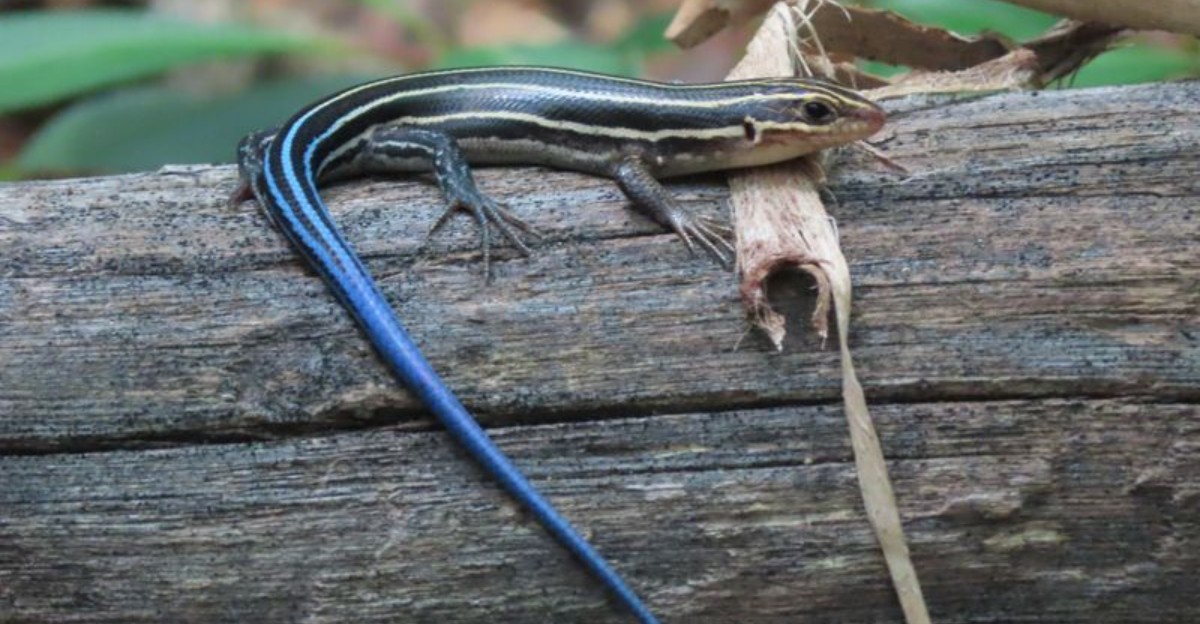
That bright blue tail darting through your California garden is easy to mistake for a warning sign, but the western skink is not a creature you need to fear. In fact, this small lizard may be one of the more helpful visitors your yard can attract.
Western skinks spend much of their time hidden among plants, rocks, and garden debris, which means many homeowners never notice the work they are doing around the landscape.
Their unusual coloring is what gets attention, but their presence can reveal something interesting about your outdoor space.
If you spot one slipping through your garden, there is a good reason to take a closer look before disturbing it. This little reptile plays a role that many California gardeners may not expect.
1. The Blue Tail Helps Distract Predators
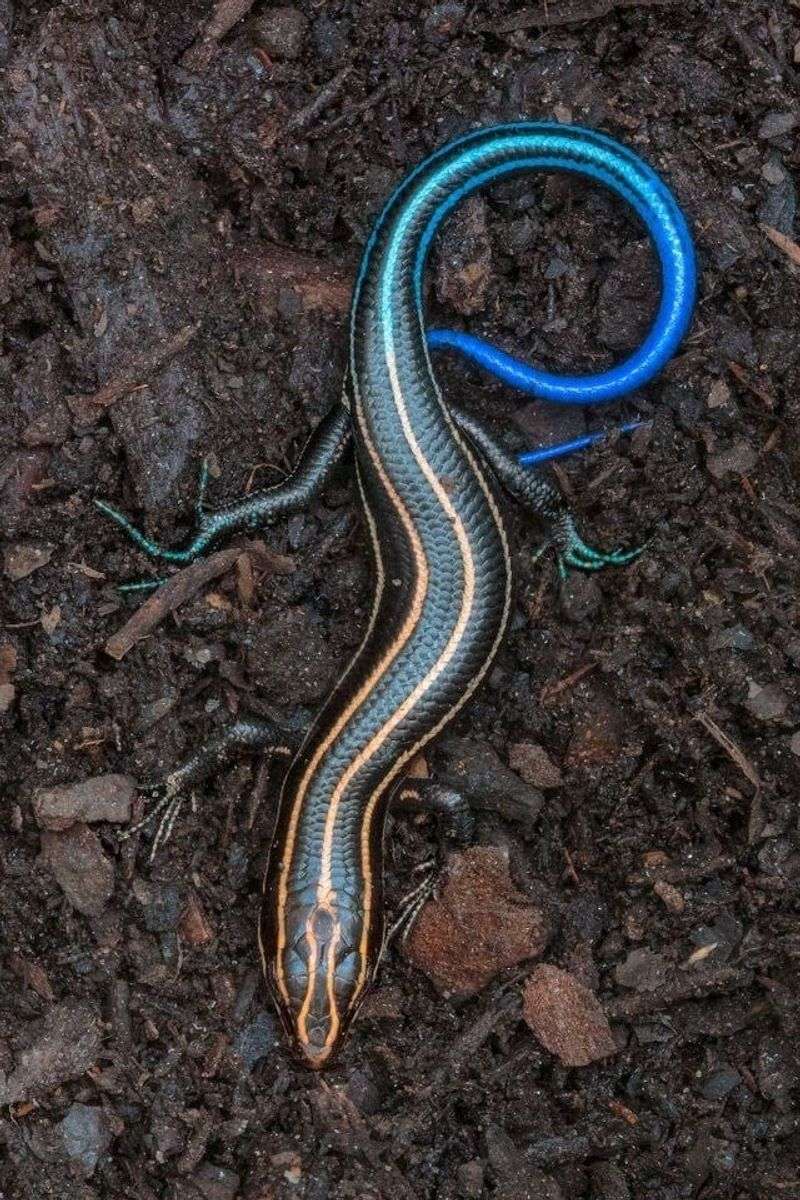
That eye-catching blue color isn’t just for show. It works like a magician’s trick, pulling a hungry animal’s attention away from the skink’s more important body parts.
When a bird, cat, or snake spots the skink, the bright tail grabs the eye first. The predator lunges at the wiggling blue part instead of the head. Meanwhile, the skink slips away to safety and lives another day.
Scientists believe the vivid color acts as a built-in decoy. The rest of the skink’s body stays a duller brown, so the tail stands out even more against it. This clever contrast makes the tail the obvious target.
For your garden, this matters more than you might think. A skink that escapes danger keeps eating pests and helping your plants thrive. Every skink saved is another bug-hunter patrolling your soil.
You may notice younger skinks have the brightest tails of all. As they grow older and stronger, the color often fades. That’s because the little ones need the extra protection the most.
Next time you see that shimmer of blue, remember it’s a survival tool millions of years in the making. Nature designed it perfectly for staying alive.
So when a skink shows off its colorful backside, it’s basically wearing a warning sign that says catch me here, not there. That small trick keeps your garden’s tiny helper safe and busy doing its job.
2. Young Skinks Use Their Tail As Protection
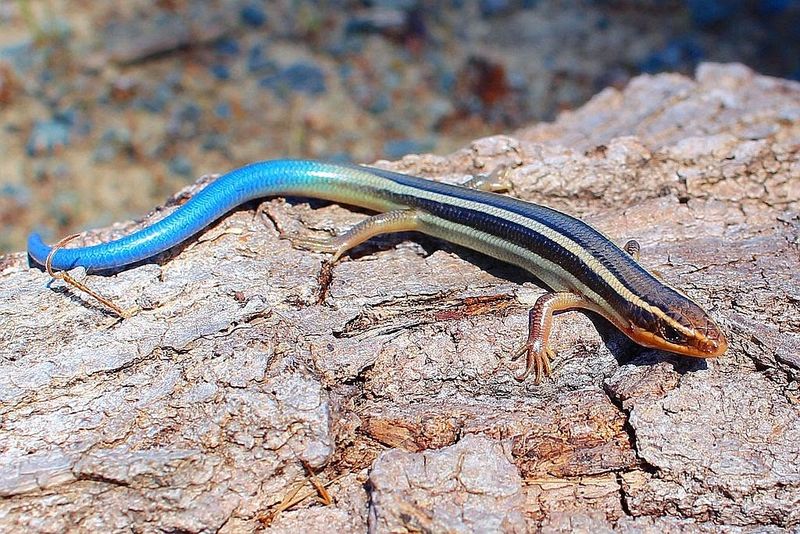
Baby skinks live dangerous lives. Everything bigger than them wants a snack, so these youngsters rely on one amazing feature to survive their risky early days.
The brilliant blue tail glows strongest in juveniles. Their small size makes them easy targets, so nature gave them the boldest possible distraction to even the odds.
Here’s the coolest part. If a predator grabs the tail, the young skink can drop it on purpose. The tail keeps wiggling on the ground while the skink races off to hide.
Losing a tail sounds scary, but it saves the skink’s life. Over the following weeks, a new tail slowly grows back, though it usually appears shorter and less colorful than before.
Your California Garden Changes Every Week. Your Plan Should Too.
Gardening in California changes quickly throughout the season. Every Friday you’ll receive a simple weekly plan showing exactly what to plant, prune, fertilize, harvest, and protect so you never miss the right timing.
This trick, called autotomy, is one of the reptile world’s best escape plans. The wiggling piece confuses the attacker just long enough for the skink to vanish under a leaf or rock.
For California gardeners, protected young skinks mean more helpers in the future. Each one that survives grows into an adult that hunts pests all season long.
You can support these little ones by leaving leafy corners and shady spots undisturbed. Cluttered edges give them places to duck and dodge trouble.
Watching a juvenile skink flash that neon tail is a reminder of how smart nature can be. Such a tiny creature carries a big bag of survival tricks, all wrapped up in one glowing blue tail.
3. Skinks Hunt Small Garden Pests
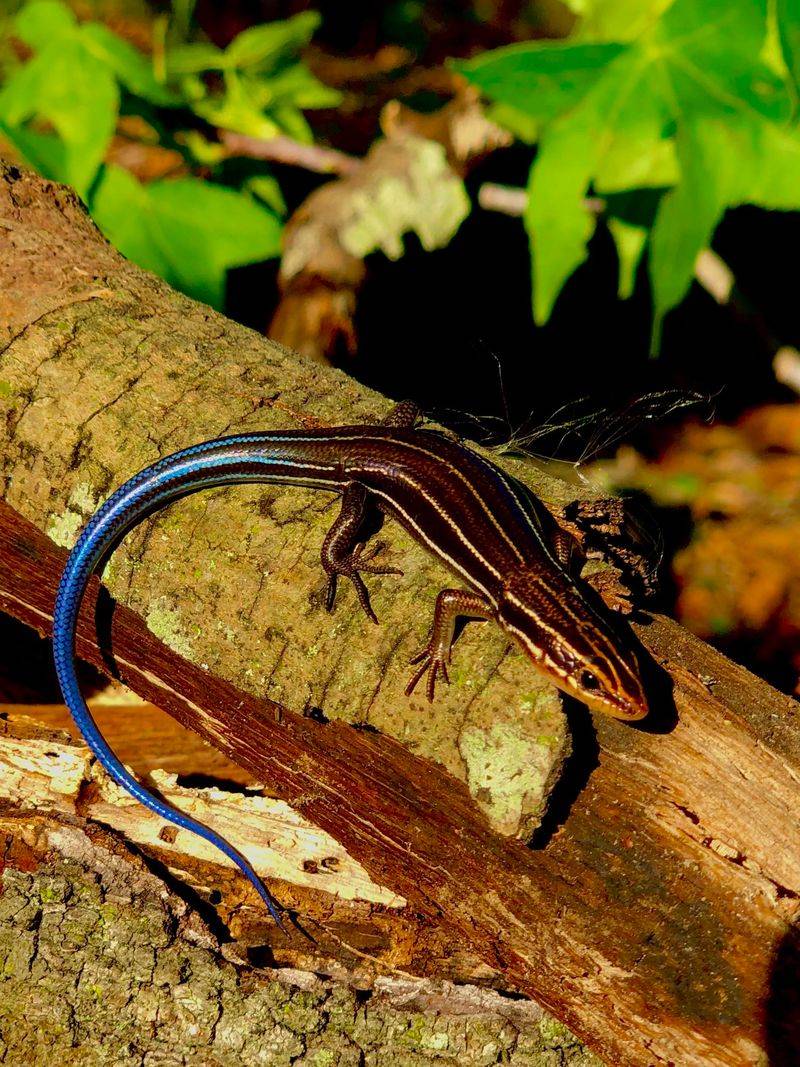
Think of skinks as tiny pest patrol officers. All day long they cruise through your garden looking for their next meal, and that meal is often the bugs you don’t want.
These lizards love snacking on beetles, crickets, grasshoppers, and spiders. Many of those creatures chew on your leaves or damage your fruits and vegetables.
A single skink can eat many insects in one day. Multiply that by a few skinks living nearby, and you’ve got a serious dent in your pest population.
What makes them extra helpful is how they hunt. Skinks poke into cracks, dig through leaf litter, and search under logs where pests love to hide. They reach spots you’d never think to check.
Because they work quietly and constantly, you barely notice them doing their job. There’s no noise, no mess, and no cost to you.
Gardeners who welcome skinks often need fewer chemical sprays. That’s good news for your plants, your soil, and the helpful bugs like bees you actually want around.
You can encourage this natural hunting by keeping some ground cover and mulch in your beds. Those layers attract insects, which in turn draw skinks looking for food.
So the next time your garden seems oddly free of nibbling pests, thank the skinks. These small reptiles put in serious work behind the scenes, keeping your plants healthier without asking for anything in return but a safe place to roam.
4. They Help Control Insects Naturally
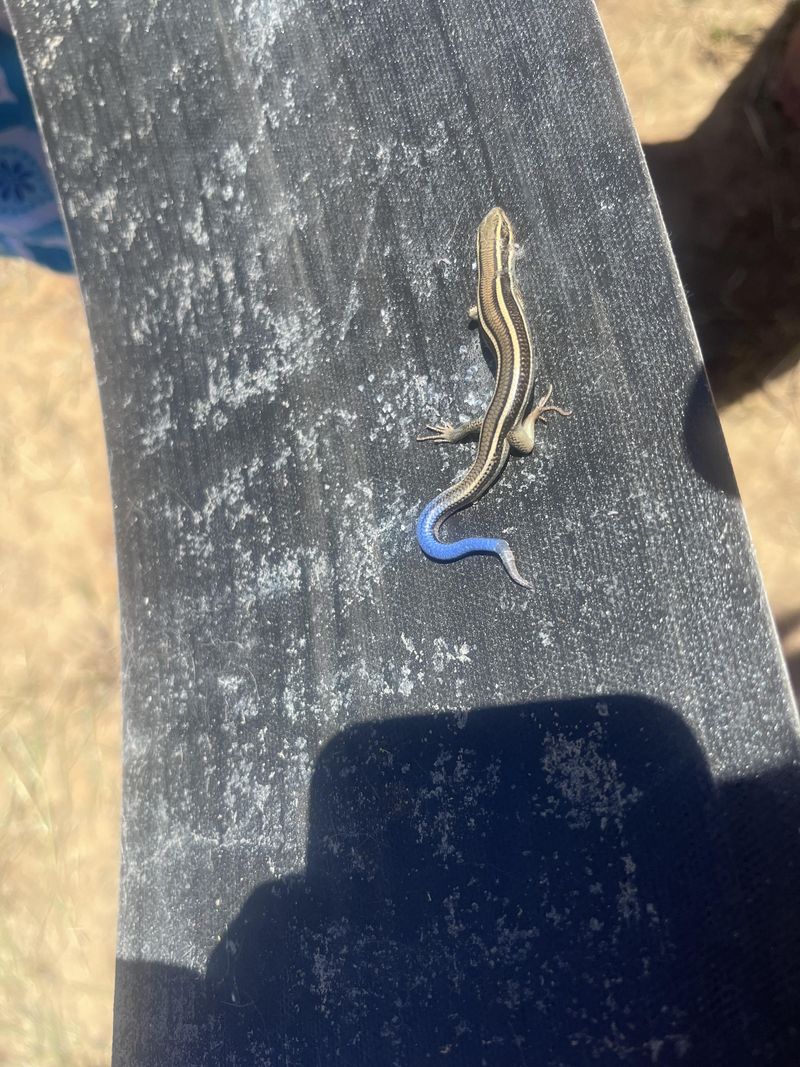
Chemical bug sprays can feel like a quick fix, but they come with downsides. Skinks offer a cleaner, greener way to keep insect numbers in check.
By feeding on pests every single day, these lizards create a natural balance in your yard. No harsh products needed, just a hungry reptile doing what it does best.
Sprays often harm the good bugs along with the bad ones. Skinks, on the other hand, focus mostly on the crawling pests that cause real damage to your plants.
This kind of natural control keeps your garden’s tiny ecosystem healthy. Ladybugs, bees, and butterflies can keep doing their jobs while skinks handle the troublemakers.
Another bonus is that skinks won’t harm your soil or water. Chemicals can seep into the ground and spread far beyond where you sprayed them.
When you rely on wildlife helpers, your food-growing beds stay safer too. Homegrown veggies taste better knowing no strong sprays touched them.
You can boost this free service by making your yard skink-friendly. Native plants, a small water dish, and undisturbed corners all invite these lizards to stay.
Over time, a healthy skink population becomes part of your garden’s routine. They show up, they eat pests, and they blend right back into the landscape.
Choosing nature’s helpers over chemicals is a smart, budget-friendly move. Skinks prove that sometimes the best garden tools have four legs, scaly skin, and a flashy blue tail.
5. They Prefer Hidden Spots Around Gardens
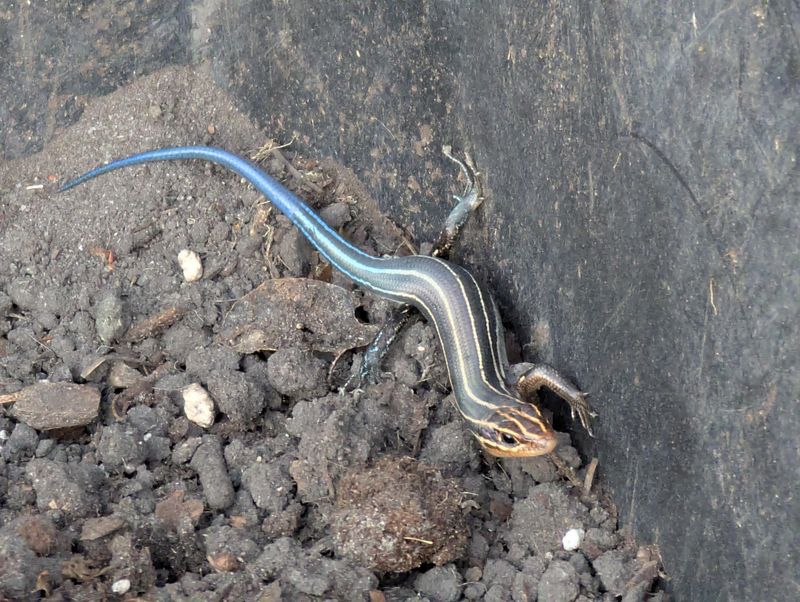
Shy by nature, skinks love to stay out of sight. You’ll rarely find them sunbathing in the open like some other lizards do.
Instead, they favor tucked-away places. Think leaf piles, thick ground cover, mulch beds, and the shady space beneath your shrubs.
These hidden zones give skinks two things they really need: safety from predators and easy access to the insects they eat. It’s like a cozy home right next to the dinner table.
Cool, damp areas are especially popular. Skinks don’t like drying out, so they seek spots that hold a little moisture during hot California afternoons.
Understanding this habit helps you spot them. Gently lift a board or peek under a leafy plant, and you might catch that famous blue tail flashing by.
For gardeners, these hiding preferences are actually helpful. When skinks tuck themselves into your beds, they’re patrolling the exact places pests love to gather.
You can make your yard more inviting by leaving a few wild corners. A little clutter here and there gives skinks the cover they crave.
Avoid clearing every single leaf or trimming every shady patch. Those messy spots are prime real estate for your reptile helpers.
Respecting their love of hidden places means they’ll stick around longer. And the longer they stay, the more pests they clear from your plants.
So embrace a slightly untidy garden edge. To a skink, that quiet, shady nook is the perfect place to call home.
6. Rock Piles Can Provide Safe Shelter
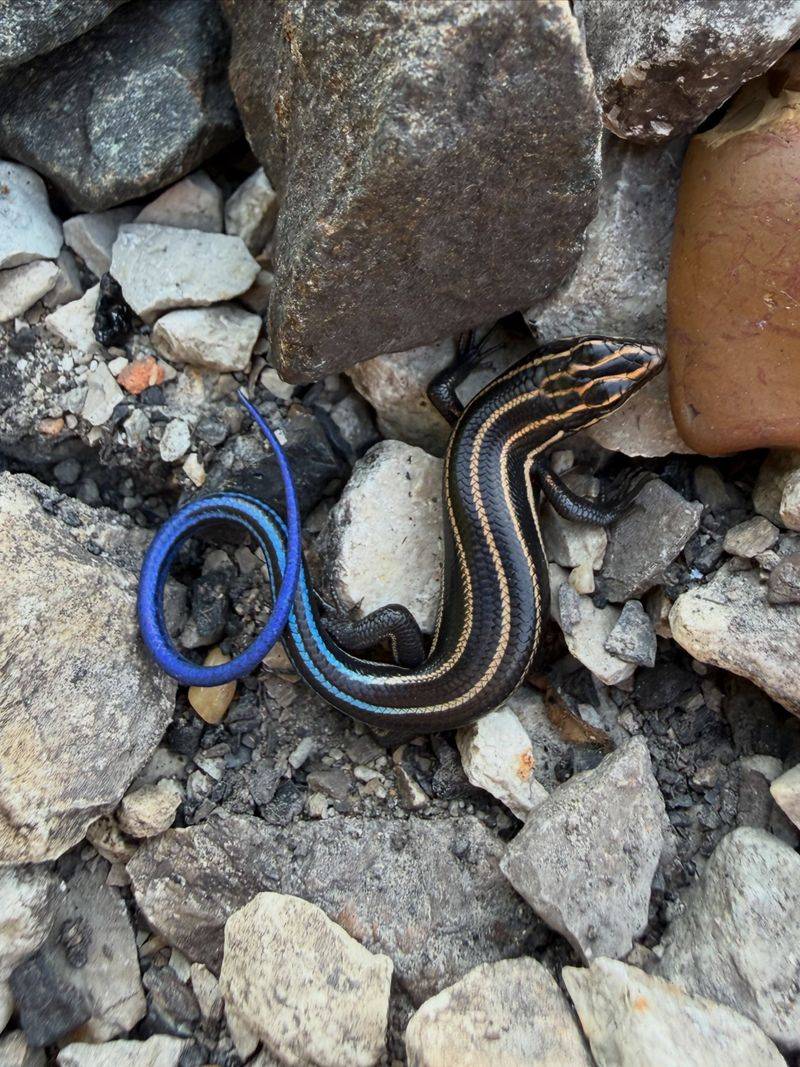
Piling a few rocks together does more than look nice. For skinks, it creates a mini fortress packed with cozy hiding holes.
The gaps between stones offer perfect shelter from birds, cats, and other predators. A skink can dart inside faster than most attackers can react.
Rocks also soak up warmth from the sun. Since skinks are cold-blooded, they use these heated surfaces to warm up before heading out to hunt.
On chilly mornings, you might find a skink basking on a stone. That quick warm-up gives it the energy to chase down pests all day.
Building a rock pile is easy and cheap. Just stack a few flat and rounded stones in a sunny corner, leaving small spaces between them.
Try placing it near your garden beds. That way, skinks have shelter right next to their favorite insect-hunting grounds.
Adding some leaves or small logs nearby makes the spot even better. More cover means more comfort for your scaly guests.
These rocky retreats also help skinks survive cold winter months. They can tuck deep into the crevices where temperatures stay steadier.
A well-placed rock pile turns your yard into a welcoming home for helpful wildlife. It’s a simple project with a big payoff.
Over time, you’ll likely notice more skinks visiting. And with more skinks around, your garden gains extra protection from pesky insects, all thanks to a humble stack of stones.
7. Avoid Removing Their Hiding Places
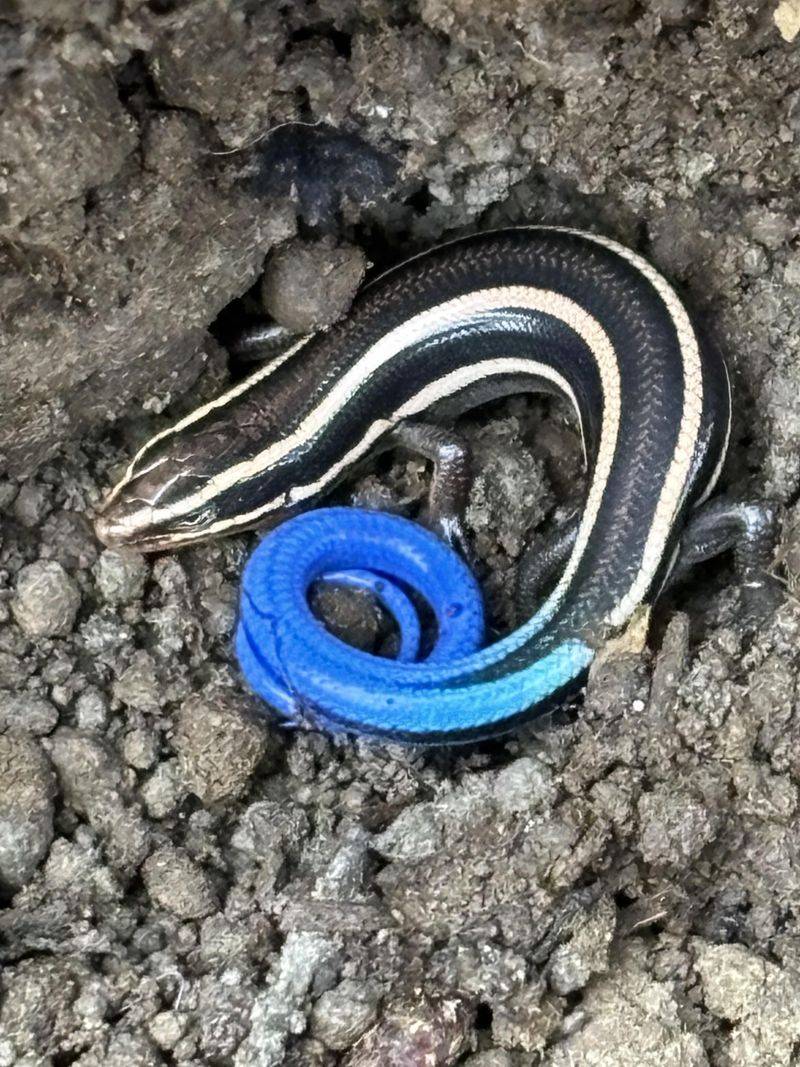
It’s tempting to tidy every inch of your yard, but a spotless garden can push skinks away. Those little lizards depend on the very clutter we often clear out.
Leaf piles, fallen logs, thick mulch, and overgrown corners all serve as vital cover. Take them away, and skinks lose both their shelter and their hunting grounds.
Without safe hiding spots, skinks become easy targets for predators. Many will simply move on to find better protection elsewhere.
Losing your skinks means losing free pest control. Suddenly the bugs they used to eat can multiply and damage your plants.
Before you rake up every leaf, consider leaving a few natural patches behind. A messy corner isn’t laziness; it’s smart wildlife gardening.
Try mowing less often in certain areas or letting one section grow a bit wild. These small choices make a huge difference for skinks.
Be careful with garden chemicals too. Harsh sprays can wipe out the insects skinks rely on for food, leaving them hungry and gone.
When you do cleanup, work slowly and check under objects first. That way you won’t accidentally disturb a skink’s cozy home.
Think of it as sharing your space with helpful neighbors. A little untidiness keeps them fed, safe, and working for you.
Protecting their hiding places is one of the easiest ways to keep skinks around. In return, they’ll keep your garden buzzing with life and free of unwanted pests.
8. Skinks Are Harmless Backyard Visitors
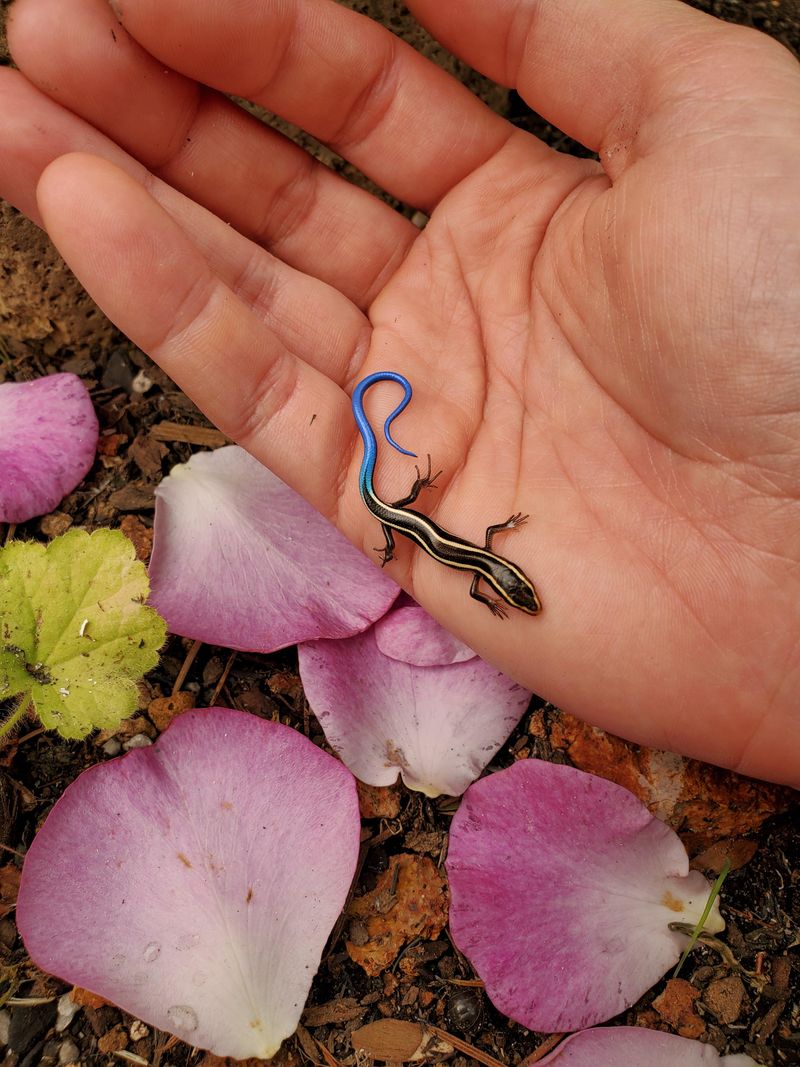
Some folks worry when they spot a lizard near their home, but skinks are about as gentle as backyard wildlife gets. They pose no threat to people or pets.
These lizards don’t carry dangerous venom. Their tiny mouths aren’t built to harm humans, and they’d much rather flee than face you.
The moment a skink senses you coming, it bolts for cover. Their shy, skittish nature means close encounters are rare and completely safe.
Kids can enjoy watching skinks without any worry. Just remind them to observe from a distance and never grab that fragile blue tail.
Unlike some pests, skinks won’t chew through your walls or invade your kitchen. They stay outside, happily hunting bugs in the garden.
They also won’t damage your plants. Everything a skink eats is insect-based, so your flowers and veggies remain safe from them.
Having skinks around is actually a sign of a healthy yard. Their presence usually means your garden has a balanced, thriving ecosystem.
You can happily coexist with these mild-mannered reptiles. Give them space, leave some shelter, and let them go about their business.
If you ever find one indoors by accident, gently guide it back outside. A soft nudge toward the door is all it needs.
Rather than fearing skinks, welcome them as quiet allies. With their pest-eating habits and easygoing ways, these blue-tailed visitors are among the friendliest helpers your California garden could ask for.