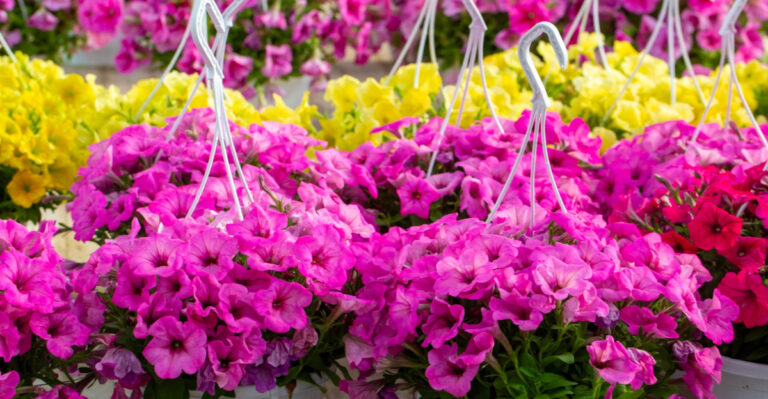
8 Reasons Your Fading Petunias Deserve A Second Chance In The Garden
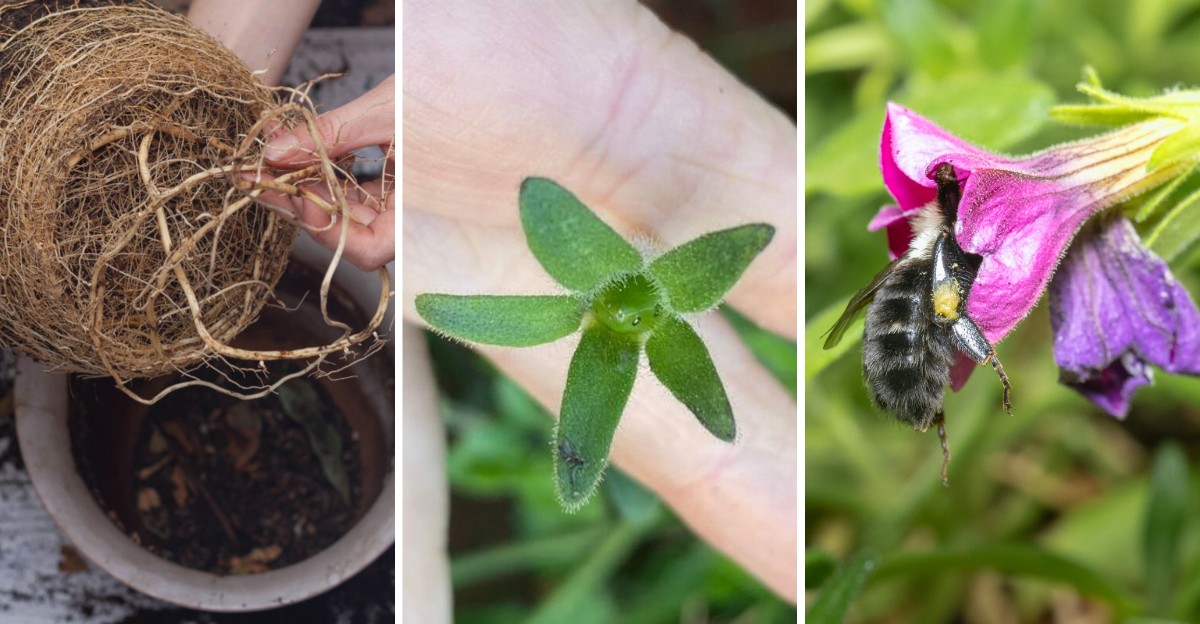
Sagging stems don’t mean your basket is finished for the year. Underneath that tired growth, your basket still hides real potential worth chasing. Cooler nights hand you an advantage summer heat couldn’t offer.
Trimming back leggy stems tells your plant to restart. Feeding your basket the right nutrients can outshine June’s color. Timing matters here, and you still have a window wide open.
Patience rewards you differently once autumn settles in. Watering less often actually helps your roots recover strength. Shade during harsh afternoons spares your tender new growth from stress.
Snipping spent blooms pushes your plant toward fresh buds. Your basket wants attention, not a spot in the trash. Reviving it costs you minutes, not hours of effort.
It’s easy to assume the season is over, but proof waits right in front of you. Facts say otherwise, and proof waits right in front of you. Push that door open, because what happens next will surprise you.
1. Cooler September Nights Wake Them Back Up
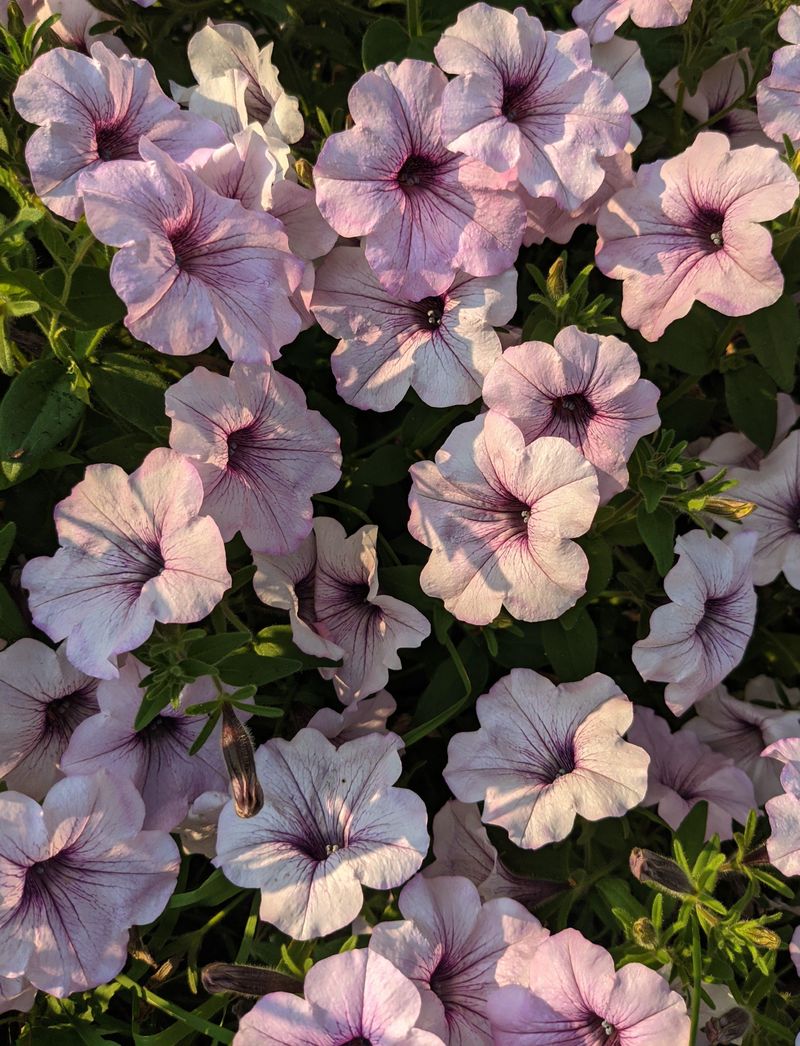
Petunias are cool-weather fans in disguise. They sulk through the sticky heat of July and August, then perk up the moment the thermometer drops.
Those long summer days with temperatures above 90 degrees push the plant into survival mode. Flower production slows, leaves get pale, and the whole basket looks worn out. Nothing is wrong with the plant, it is simply waiting for better weather.
September often brings cooler nights, though the exact range depends heavily on your region. That temperature swing is exactly what petunias prefer, since they came from the cooler grasslands of South America.
Cooler roots hold moisture longer, so the plant stops fighting for water and starts making buds again.
Give it about two weeks of mild weather and you will notice new growth at the stem tips. The leaves darken to a healthier green, and small buds appear where you least expect them.
Keep the basket in a spot that gets morning sun and light afternoon shade during the changeover. Once temperatures settle, move it back into full sun for the strongest flowering.
Many gardeners report their best petunia display of the year happens in late September and October. The colors even look richer, because cool temperatures boost the pigments in the petals.
So before you yank those plants out, check the forecast. Autumn may be about to hand you a second bloom season for free.
2. A Hard Trim Sparks Fresh Growth
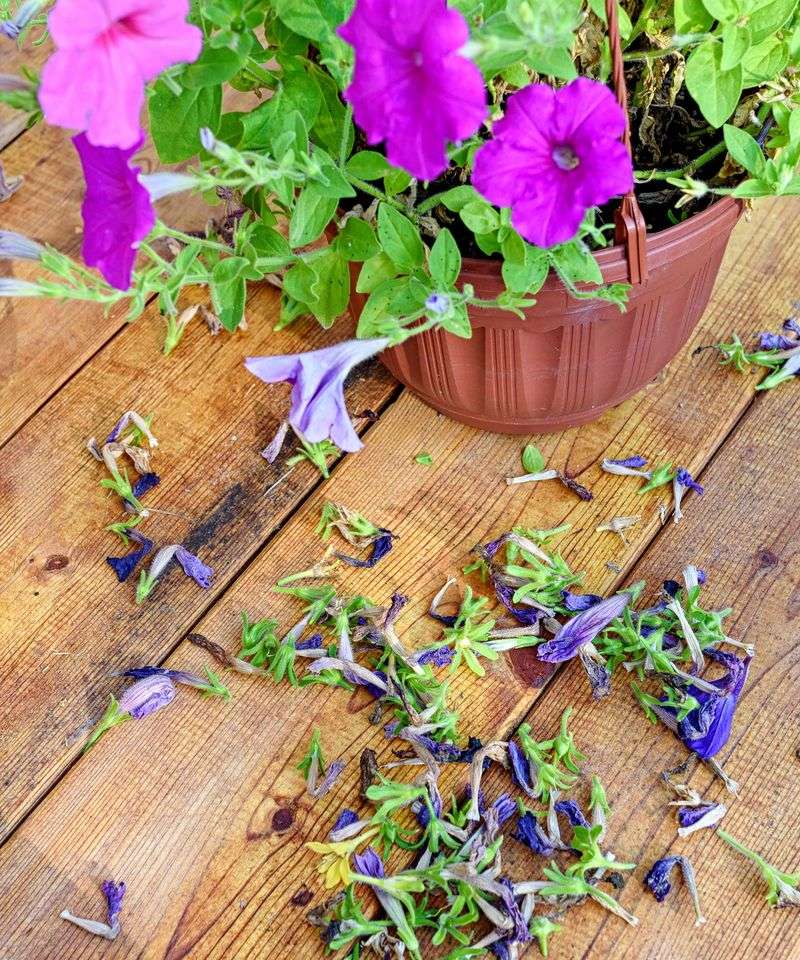
Grabbing the scissors feels drastic at first. Cutting a plant back by a third can feel counterintuitive, yet petunias respond well to it.
Here is what happens underneath. Each stem has a growth tip that sends out hormones telling the side buds to stay quiet.
Snip that tip off and the message stops, so dormant buds along the stem wake up and branch out.
Aim for stems about four to six inches long. Cut just above a leaf node, since that is where new shoots push out fastest.
If the whole basket looks stringy, trim half the stems this week and the other half a week later so you are not staring at bare soil.
Water well after trimming and offer a diluted liquid feed. New growth needs both moisture and nutrients to move quickly.
Expect green shoots within a week or two, with buds following shortly after, depending on conditions. The refreshed plant grows bushier than before, with fuller coverage instead of a few long trailing whips.
Save your prunings if you want more plants. Petunia cuttings root in damp potting mix within a couple of weeks, giving you free plants for next spring.
Don’t hesitate to prune firmly. A tired petunia rarely bounces back on its own, but a bold haircut usually gets results within the month.
3. Hungry Roots Just Need Better Feeding
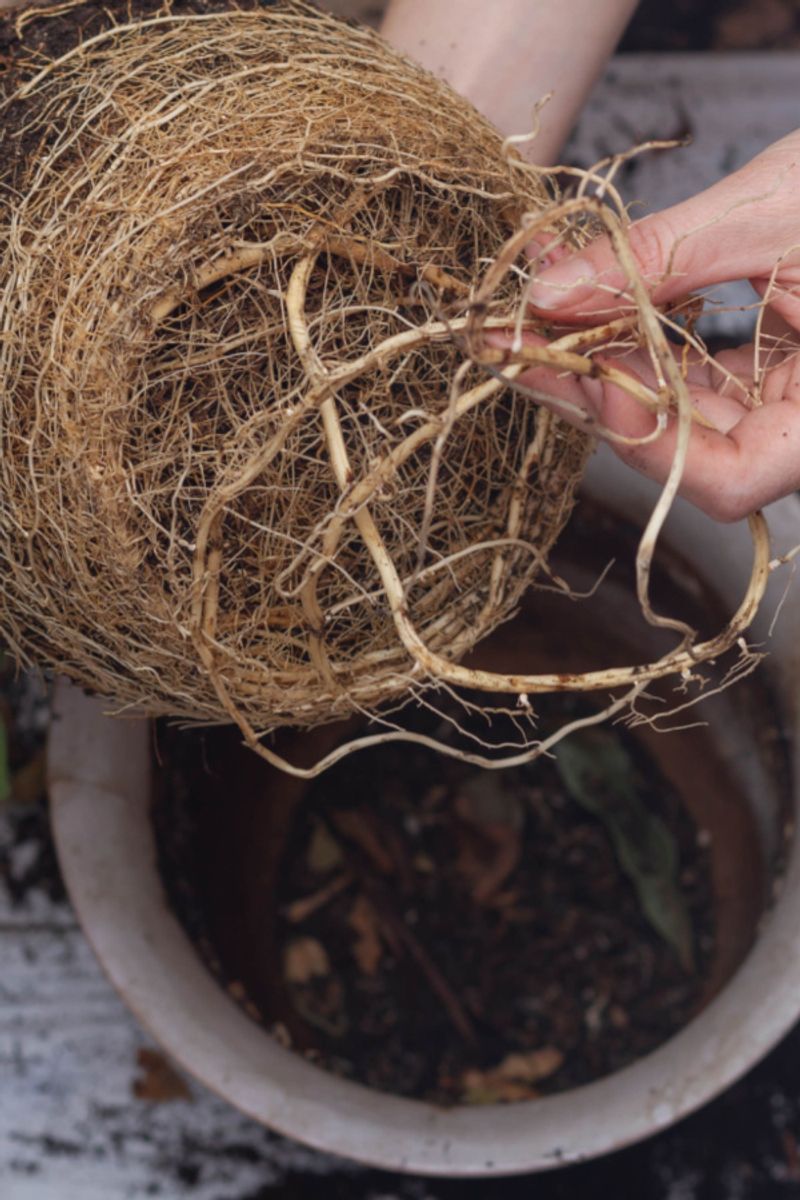
Picture eating one small snack a day and then being asked to run a marathon. That is the life of a petunia in a hanging basket by September. Petunias are heavy feeders with shallow roots in a small amount of soil.
Every watering flushes nutrients out the drainage holes, and by late summer the potting mix has little left to give. Pale leaves with green veins are the classic sign of a plant running low on iron and nitrogen.
Switch to a water-soluble fertilizer at half strength and apply it every seven to ten days. Look for a balanced formula, something like 20-20-20, or one made for flowering containers.
Petunias also appreciate a fertilizer with added iron, which helps fix that washed-out yellow look.
Slow-release granules mixed into the top inch of soil give steady support between liquid feedings. Check the product label for exact rates, since these vary by fertilizer brand and formula.
Water first, then feed, so the nutrients spread evenly instead of burning dry roots. Skip feeding on scorching afternoons and aim for early morning instead.
Results show up faster than you might expect. Leaves usually deepen in color within a week, and flower buds follow soon after.
A worn-out petunia is often just an underfed one. Fix the menu and the plant tends to handle the rest.
4. Yellow Leaves Often Signal A Simple Watering Fix
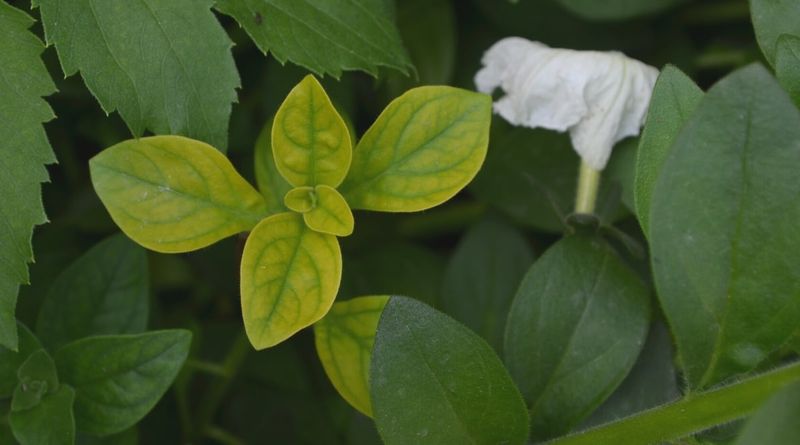
Yellow foliage sends most people into panic mode. Nine times out of ten, the cause sits in the watering can rather than the plant itself.
Petunias struggle with two things equally: bone-dry soil and soggy soil. Dry spells cause lower leaves to yellow and drop, while constant wetness starves roots of oxygen and leads to the same sad color.
Both problems look identical from a distance, which is why guessing rarely helps. Use your finger as a moisture meter. Push it an inch into the soil and water only when that depth feels dry.
Baskets in full sun during warm weather may need a drink daily, while cooler September days might stretch that to every two or three days.
Water slowly until it runs from the bottom holes, then stop. Shallow sprinkles wet only the top layer and leave the root ball parched underneath.
If the mix has shrunk away from the pot sides, set the whole basket in a tub of water for twenty minutes. That soak rehydrates compacted soil far better than pouring from above.
Also check that drainage holes are open. Roots sitting in trapped water decline quickly, no matter how careful you are with the hose.
Adjust the routine and watch the newest leaves. Healthy green growth at the tips means your plant has forgiven you and moved on.
5. Leftover Seed Pods Are Stealing The Show
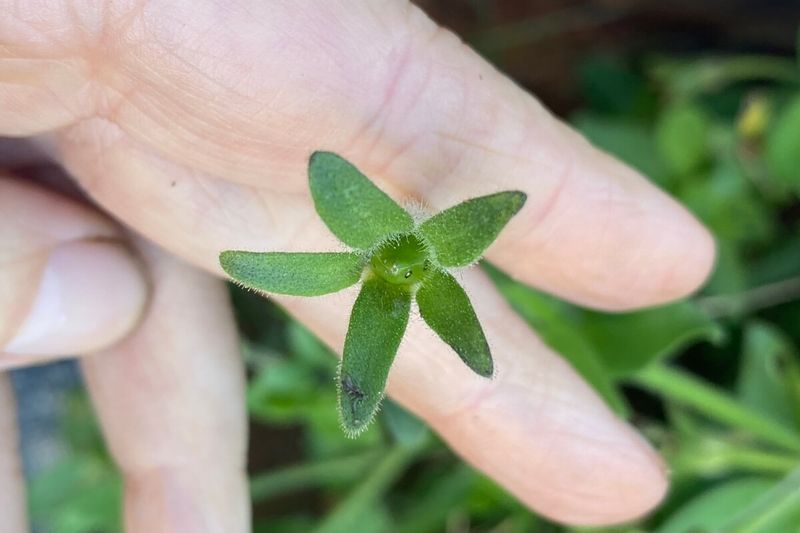
Every spent flower left on the stem becomes a tiny factory. The plant pours energy into making seeds instead of making more blooms.
Once a petunia decides it has reproduced successfully, flowering slows dramatically. That is the plant doing its job, not failing at it. Your task is to convince it that the mission is not finished.
Pinching does the trick. Pinch off the faded flower along with the small swollen base behind it, since that green bump is the developing seed pod.
Removing just the wilted petals leaves the pod behind and the plant keeps working on seeds. Do a quick pass every few days with your fingers or small snips. Five minutes twice a week keeps a basket tidy and productive.
Newer trailing varieties like Wave and Supertunia types are self-cleaning and need less of this attention. Older grandiflora and multiflora petunias, the ones with big ruffled trumpets, benefit the most from regular pinching.
An interesting bit of history: petunias were extensively hybridized in Europe during the 1800s, and early varieties reseeded easily in garden settings.
After a thorough pinching session, expect a wave of new buds within two weeks. The plant redirects all that seed-making energy straight into flowers. Tedious work, sure. The payoff arrives in color, and that beats a basket full of pods.
6. Free Plants From Cuttings, With Just A Little Time
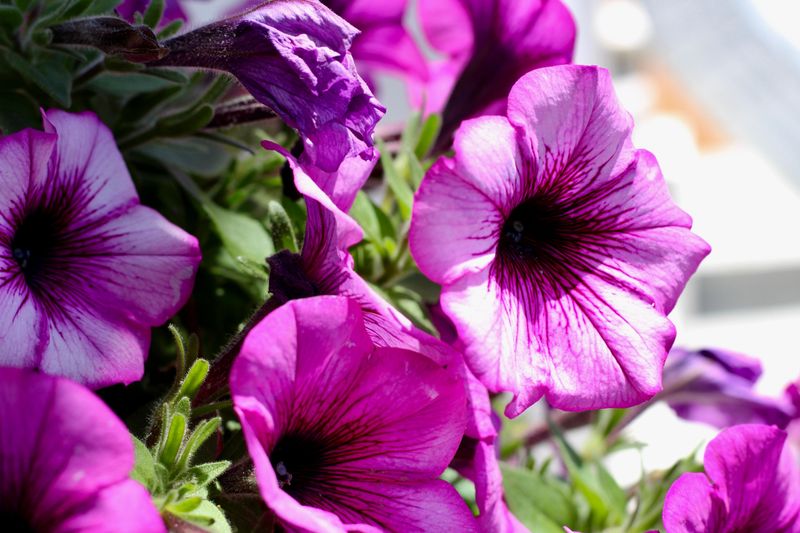
Tossing a tired petunia means tossing free plants. Those leggy stems you were about to trim off can become a whole new batch.
Petunias root with almost silly ease. Take a four-inch tip cutting, strip the bottom leaves, and push it into damp potting mix. Keep the mix moist and place the pot in bright, indirect light rather than blazing sun.
Roots typically form in ten to fourteen days. A gentle tug that meets resistance means the cutting has taken hold. Rooting powder speeds things up, though many gardeners skip it and still get good results.
September timing works nicely. Cuttings taken now have time to establish before winter, and you can keep them on a bright windowsill until spring planting weather returns.
Choose stems without flowers or buds if you can. A blooming cutting spends energy on petals instead of roots, so pinch off any flowers before planting.
Cover the pot loosely with a clear plastic bag to hold humidity, propping it up so leaves do not touch the plastic. Remove the cover once new growth appears.
The best part is genetics. Each cutting grows into a genetic match of the parent plant. One tired basket, eight or ten new plants. That math makes the second chance worth taking.
7. Pollinators Still Count On Late-Season Blooms
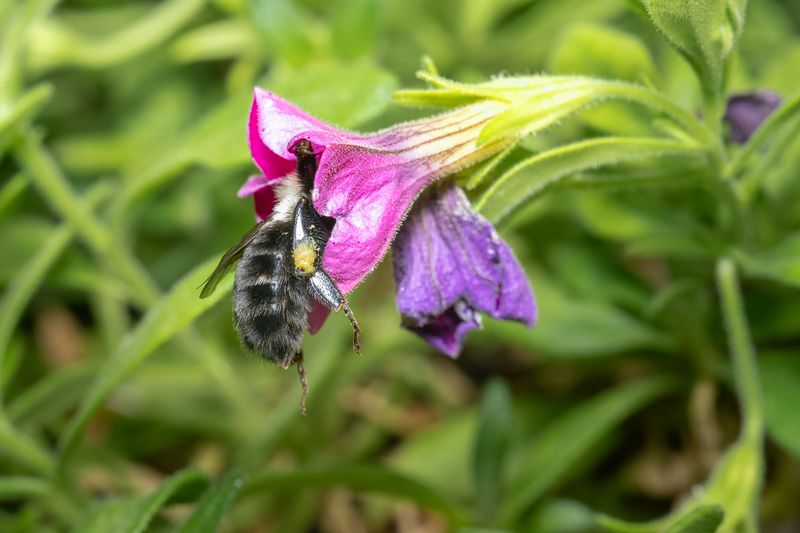
Bees in September are working overtime. Food sources shrink fast, and a basket of petunias becomes a welcome refueling stop.
Tube-shaped petunia flowers attract hummingbirds, hummingbird moths, and long-tongued bees. The pale and white varieties even release fragrance in the evening, which pulls in night-flying moths that most gardeners never see.
Autumn matters for pollinators because they are stocking up for winter or fueling migration. Monarch butterflies heading south, bumblebee queens preparing to overwinter, and hummingbirds traveling thousands of miles all benefit from late nectar.
A revived petunia basket keeps that buffet open for weeks longer. Pair it with fall bloomers like asters, sedum, and salvia to build a stronger nectar corridor in your yard.
Skip broad-spectrum pesticides on plants you are keeping for pollinators. Aphids on petunias can usually be knocked back with a strong spray of water or a bit of insecticidal soap applied in the evening after visitors have moved on.
Fun detail: petunias belong to the nightshade family, sharing relatives with tomatoes and peppers. Like their tomato relatives, petunias have sticky leaves that trap some small pests.
Watching a hummingbird hover at a flower you almost threw away is a small reward. Rescuing that basket turns a bit of garden guilt into something genuinely useful for the neighborhood wildlife.
8. Overwintering Indoors Gives You A Head Start
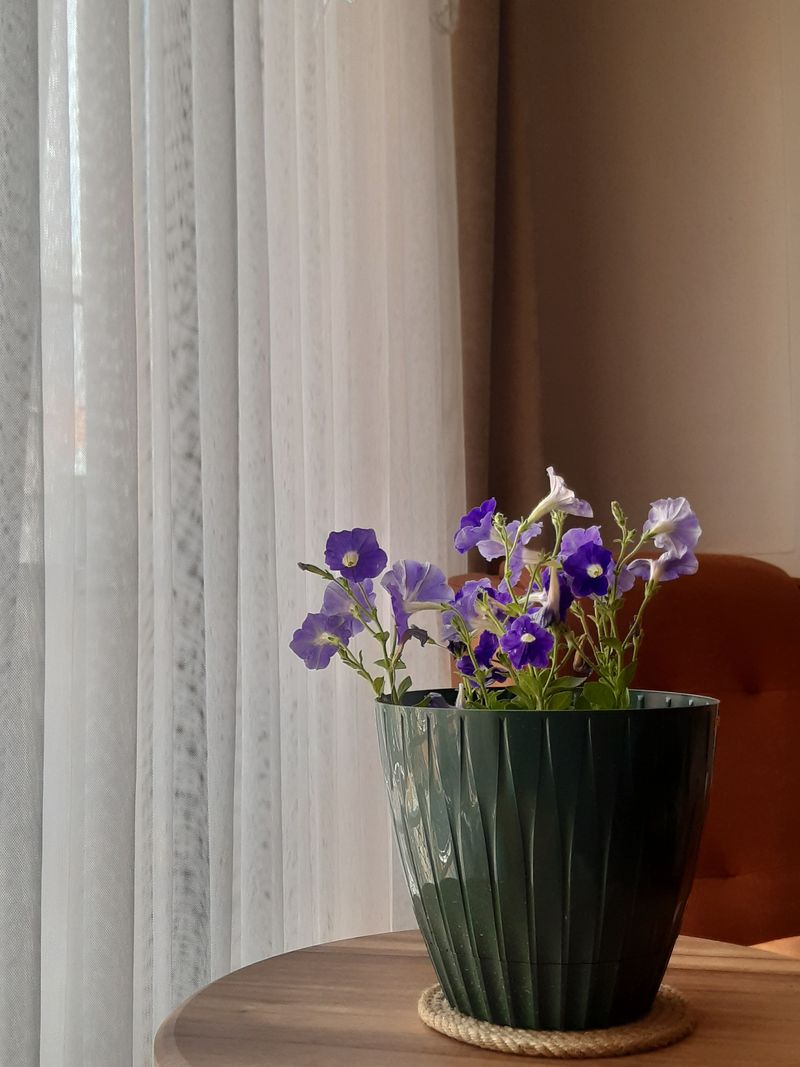
Here is a trick that surprises a lot of gardeners. Petunias are technically tender perennials, not true annuals, so they can live through winter with a little shelter.
Before the first frost arrives, cut the plant back to about four inches and check carefully for pests. Move it into a cool, bright room where temperatures hover between 50 and 60 degrees. A spare bedroom, enclosed porch, or basement window often works.
Water sparingly through the dark months, roughly once every ten to fourteen days, and only when the top inch feels dry. The plant will not grow much, and that is fine. It is resting, not performing.
Hold off on fertilizer until late February. Once daylight lengthens, feed lightly and watch new shoots appear along the old stems.
By April you will have a mature root system ready to surge into growth, weeks ahead of anything you buy at the garden center.
Overwintered petunias often bloom earlier and grow larger than fresh transplants. Take cuttings from that winter plant in March for extra backup, in case the parent struggles.
Not every plant makes it through, and that is part of the experiment. Even a partial success rate still leaves you with free, established plants. Give one basket a try this year. Spring you will be grateful.