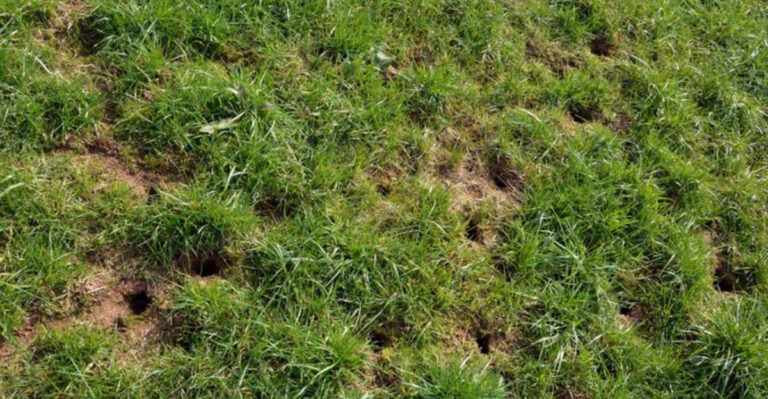
Why New York Basements Flood After Fall Rain And How Yard Grading Plays A Role
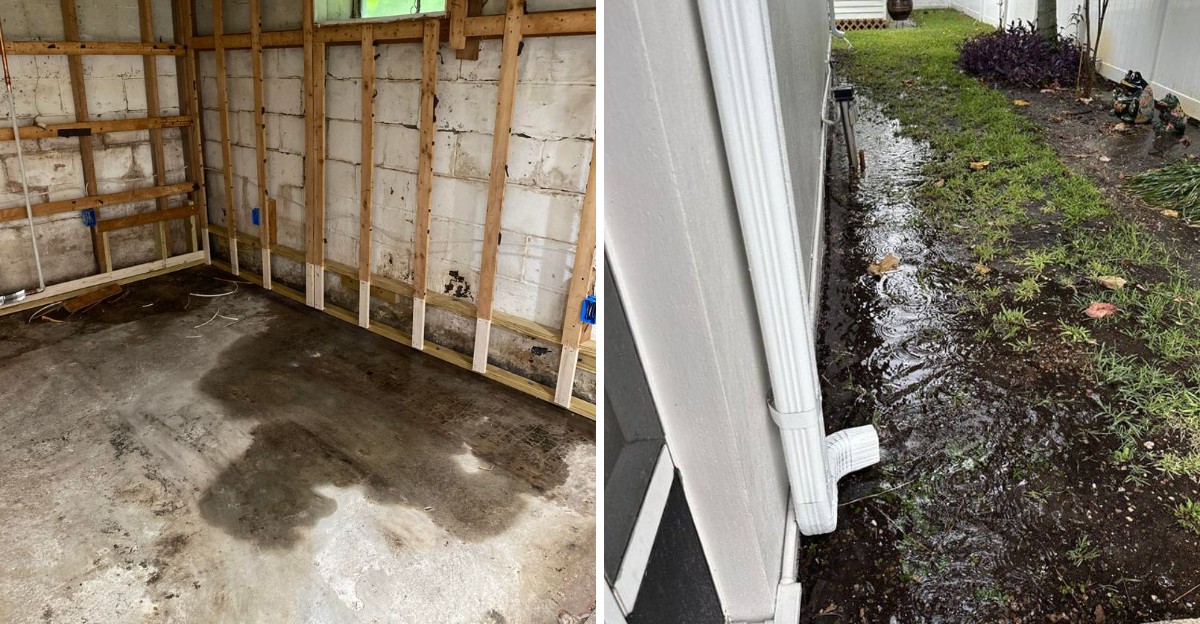
A heavy October storm can reveal problems your yard has been hiding all year. One quick trip to the basement may reveal water collecting where it should never be.
Many homeowners blame the foundation or gutters first. But the real cause may be the ground outside and the way it sends rain toward your home.
Your yard’s slope controls where every drop of water goes after a storm. When grading pushes runoff toward the house, even a small drainage problem can turn into a wet basement.
New York yards change over time as soil settles and landscapes shift. Once you understand how water moves, many grading fixes are simpler than they seem.
The Wrong Yard Slope Sends Rain Toward Your Foundation
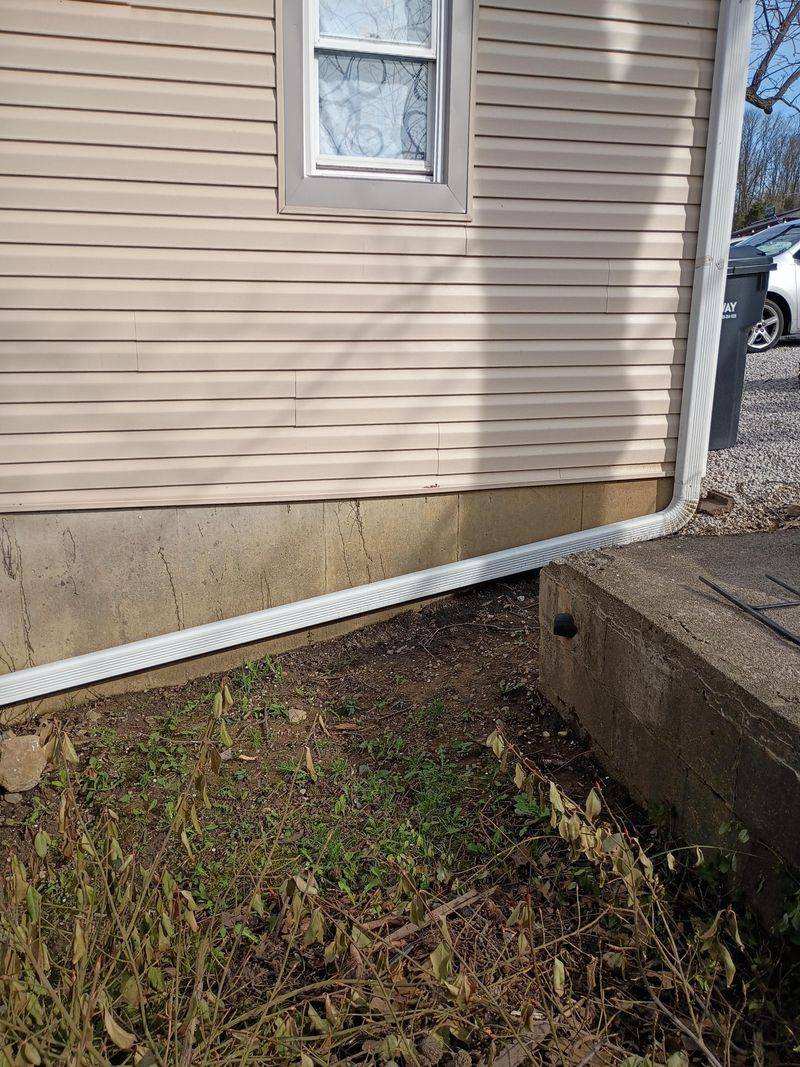
Picture a funnel turned upside down against your house. That is essentially what happens when soil tilts back toward your walls instead of away from them.
Drainage pros call it negative grading, and it is one of the common factors that can contribute to basement water problems. Rain hits the lawn, follows the tilt, and gathers in the soil hugging your foundation.
Saturated dirt gets heavy and pushes hard. Builders refer to that shoving force as hydrostatic pressure, and it grows stronger the longer the soil stays wet.
Concrete may look solid, but it is full of tiny pores and hairline cracks. Under steady pressure, water squeezes through those weak spots and shows up as a damp streak or a slow trickle on the inside.
Older homes are especially prone to this because backfill soil settles unevenly over the years. What the original builder graded correctly in 1948 may now tip the wrong direction by an inch or two.
Spotting the problem takes almost no equipment. Wait for a steady rain, grab a raincoat, and watch which way puddles travel near the walls.
Another quick test uses a long board and a level. Rest the board on the soil beside the house and see whether the far end sits higher than the end near the foundation.
Correcting negative grade usually means adding compacted fill and reshaping the first several feet of lawn. A modest load of soil and a weekend of raking can redirect water that has been sneaking in for years.
A Flat Grade Leaves Water Pooling Near Your Home
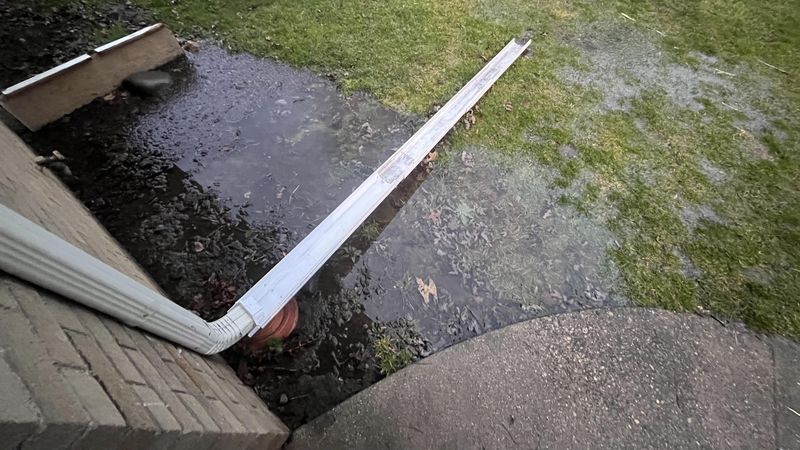
A level lawn looks tidy on a sunny afternoon. After two inches of rain, though, it turns into a shallow birdbath pressed right against your siding.
Water needs somewhere to go, and flat ground gives it no direction at all. Instead of running off, it sits there soaking downward into the backfill beside your walls.
Slow soaking does more damage than a fast-moving stream. Hours of standing water keeps the soil fully saturated, and saturated soil hands moisture straight to the concrete.
Homeowners often mistake flat for safe because nothing rushes toward the house. The trouble is quiet and patient rather than dramatic.
Lawns suffer too. Grass roots smother without air, so you end up with yellow patches, spongy turf, and a thriving crop of mosquitoes by late September.
Your New York Garden Changes Every Week. Your Plan Should Too.
Gardening in New York changes quickly throughout the season. Every Friday you’ll receive a simple weekly plan showing exactly what to plant, prune, fertilize, harvest, and protect so you never miss the right timing.
Fall makes matters worse because cooler temperatures slow evaporation dramatically. A puddle that vanished in one July afternoon may linger for three damp days in October.
Fixing a flat grade rarely requires heavy machinery on smaller lots. Adding compacted fill soil near the walls and tapering it outward creates the slope gravity needs.
Keep a gap of four to six inches between the new soil and any wood siding or weep holes. Piling dirt too high invites rot and gives insects a bridge into the framing.
Small touches help as well, like aerating packed soil each fall so rain can soak in instead of sitting on top.
A Downhill Yard Pushes Stormwater Toward Basement Walls
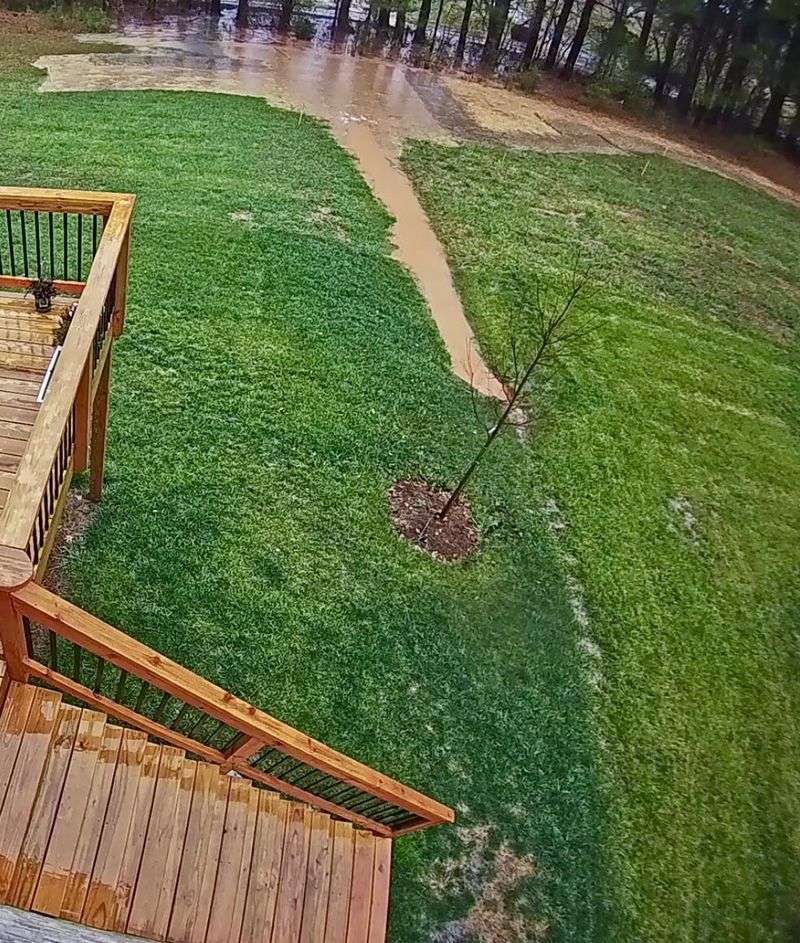
Some houses sit at the bottom of a gentle bowl without anyone realizing it. Every storm that falls uphill eventually knocks on that basement door.
Land sloping toward a home acts like a ramp for runoff. Rain from the neighbor’s lawn, the driveway, and the hillside above all converge at your walls.
Volume is what makes this scenario tough. A single storm can send hundreds of gallons across a yard that only measures a few dozen feet wide.
All that water builds pressure against the foundation from outside. Over several seasons, the shoving force can widen small cracks and, in severe cases, make a block wall bow inward.
Upstate New York has plenty of rolling terrain, so hillside homes there deal with this regularly once the autumn rains settle in. Snowmelt in early spring adds a second round of the same problem.
Reshaping an entire hillside is rarely practical or necessary. The smarter move is intercepting water before it reaches the house.
A swale, which is simply a shallow grassy channel, catches runoff partway down the slope and carries it sideways around the home. Done well, it looks like a natural dip in the lawn rather than a drainage feature.
A curtain drain buried uphill of the foundation works similarly by collecting water underground and piping it to a lower exit point. Pair either option with proper grade in the final few feet beside the walls.
Watching where water enters during one heavy storm tells you exactly where to place the fix.
A Raised Foundation Needs Proper Soil Grading
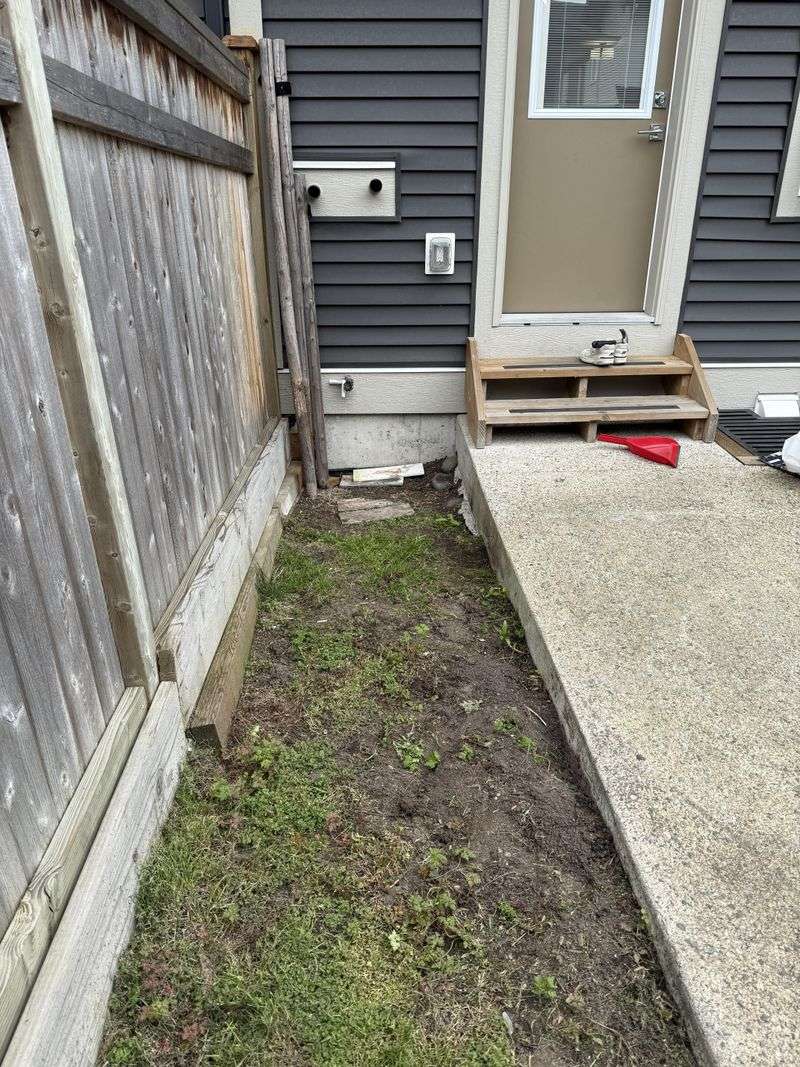
Homeowners with a raised foundation often assume they are off the hook. Elevation helps, but it does not cancel out sloppy soil work.
Height alone means little if the dirt around the base tilts inward. Water still gathers at the low ring surrounding the walls and works its way down.
The goal is making your foundation the high point of the property. Gravity handles the rest, carrying rain outward toward the street, a ditch, or a planting bed built to absorb it.
Flower beds deserve special attention here. Decorative borders and edging stones frequently trap water against the house, turning a pretty garden into a shallow reservoir.
Mulch causes similar trouble when it piles up year after year. Each fresh layer raises the grade a bit until the soil line creeps toward the siding.
Keep four to six inches of bare foundation visible above the soil. That gap protects wood framing, sill plates, and any weep holes in brick veneer from constant dampness.
Wood in steady contact with wet soil softens and rots, and carpenter ants love that softened material. Termites in the Hudson Valley region of New York find it equally inviting.
Check the clearance once each fall with a tape measure and a flashlight. Walk the full perimeter, since one corner often settles faster than the others.
If soil has crept too high, scrape it back and reshape the slope outward. The job takes a shovel, an afternoon, and saves a fortune in repairs.
Low Spots Create Hidden Water Problems After Rain
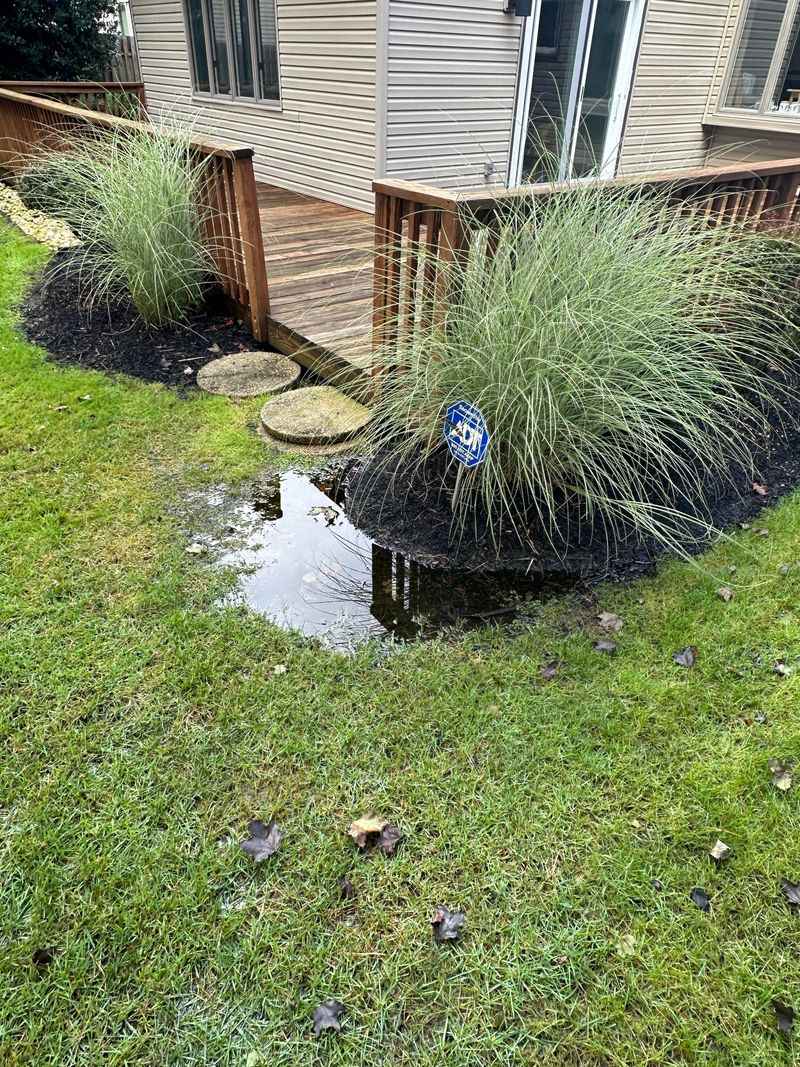
Ever notice one patch of lawn that stays squishy long after the rest dries out? That soft spot is doing more harm than you would guess.
Low areas act like collection basins. Rain gathers there, sinks slowly, and keeps the surrounding soil wet for days.
When a dip sits within ten feet of the house, that trapped water has a direct path to your basement. Underground, it spreads sideways until it finds the foundation.
Damage from these spots is usually gradual rather than sudden. You may see efflorescence, a chalky white residue on the block, or catch a musty odor before any real puddle appears.
Settling causes most depressions. Old utility trenches, removed tree stumps, and decades-old backfill all compact downward, leaving a shallow bowl behind.
Older neighborhoods see this often since many yards have been dug up repeatedly for sewer, gas, and water line work. Each excavation leaves soil that eventually sinks.
Finding low spots is easiest right after a downpour. Walk the property with a notepad and mark every place where water lingers or the ground squishes underfoot.
Filling them properly matters more than filling them fast. Use compacted topsoil or clay-based fill in layers rather than loose fluffy dirt that will sink again by next spring.
Tamp each layer down, add seed, and keep an eye on the area through the next few storms. A small fix here prevents a wet basement wall later.
Poor Soil Grading Blocks Natural Drainage Paths
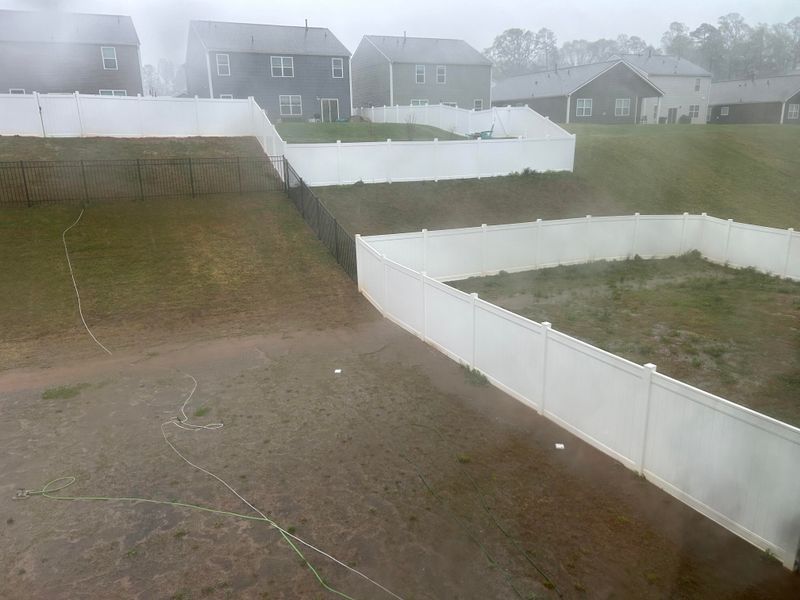
Water has been finding its way across your property since long before the house arrived. Block that route, and it does not politely disappear.
Poorly planned grading builds accidental dams. A raised bed, a new patio, or a berm of leftover soil can stop runoff and back it up toward the foundation.
Landscaping projects are frequent culprits. That gorgeous retaining wall installed last summer may be holding back more than just dirt.
Blocked flow also speeds up erosion. Water forced into a narrow route picks up speed, carves channels through the lawn, and delivers even more volume to whatever sits downhill.
Once a gully forms, the problem feeds itself. Each storm deepens the channel, and the deeper channel gathers more water than the one before it.
Property lines add another wrinkle. In tighter lots around Saratoga County, New York, a neighbor’s regrading can redirect stormwater straight onto your side of the fence.
Before adding any hardscape, trace where water currently travels. A rainy-day walk with an umbrella beats guessing from a landscape drawing.
Leave openings in walls and beds so runoff can continue moving. Weep holes, gravel channels, and small culverts keep the original path functional.
Driveways and walkways deserve a look too, since solid surfaces shed nearly every drop that lands on them. Angling them away from the house makes a noticeable difference.
Respecting the natural flow costs far less than fighting it with pumps and patch jobs.
The Right Slope Moves Water Away From Your House
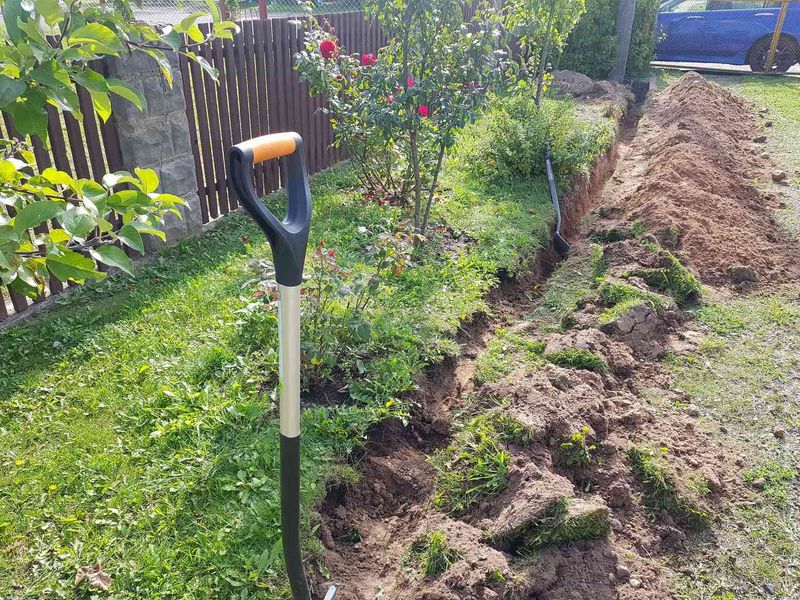
Here is the number worth writing on your hand: about six inches of drop over the first ten feet away from the foundation. That simple measurement is your basement’s best friend.
Drainage specialists call it positive grading, and the target is roughly a two percent slope. Translated, that means about 2.4 inches of fall for every ten feet heading away from the walls.
Gravity does all the labor once the shape is right. Rain lands, rolls outward, and heads toward the street, a drainage swale, or a rain garden instead of your block wall.
Checking your own grade is genuinely easy. Drive a stake at the foundation, another ten feet out, run a string between them, and measure the string height at each end with a tape.
The difference between those two numbers tells the story. Anything less than a few inches of drop deserves attention before the next storm season.
Beyond ten feet, the lawn can flatten out safely. Those first several feet carry much of the responsibility.
Properly compacted fill soil works best near the foundation because it helps maintain the slope over time. Save quality topsoil for the outer edge where grass and plants need it.
Homes benefit from this setup whether they sit on a hill in Rochester or a flat block in Queens. Rain behaves the same way everywhere.
Recheck the slope every couple of years, since soil settles and gradually flattens out over time.
Simple Grade Changes Improve Fall Rain Drainage
Good news for anyone dreading a huge excavation bill: most grading fixes are modest. A few loads of soil and some elbow grease handle a surprising number of wet basements.
Start with fill dirt that has clay in it. Spread it along the foundation, taper it outward, and tamp it firm so it holds the new shape through winter.
Mind that four to six inch gap between soil and siding while you work. Covering weep holes or wood trim trades one problem for another.
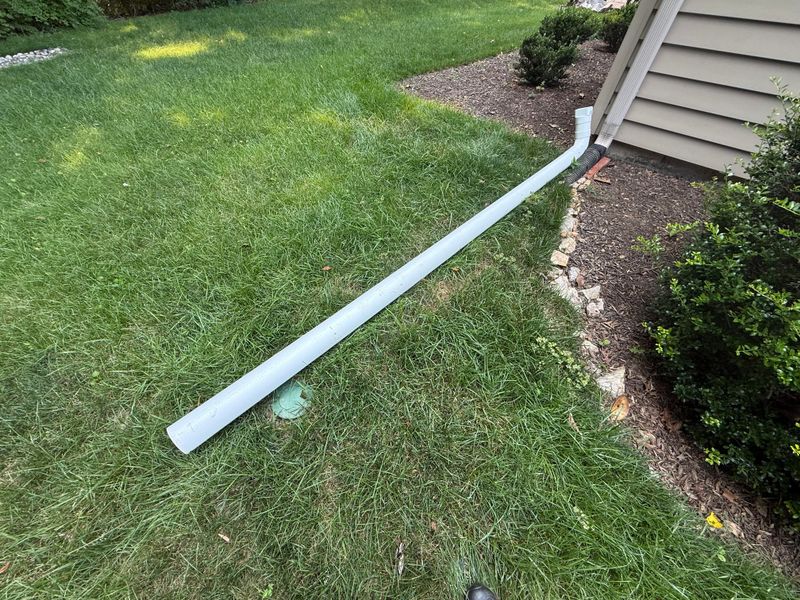
Downspouts come next, and they may be the cheapest upgrade in home maintenance. Extensions that carry roof water four to ten feet out stop gallons from dumping beside the wall.
Gutters need clearing before the leaves really start falling. A clogged trough spills straight down the siding, undoing every bit of grading work below.
Window wells deserve a glance too. Adding gravel, a properly fitted cover, and ensuring the well drains correctly helps keep rain and debris from collecting against the window.
Bigger challenges sometimes need reinforcements. French drains, dry wells, and engineered swales handle stubborn water, and contractors around Long Island and Rochester, New York install them regularly.
Compacted soil makes everything worse. If the lawn is compacted, aerating can help rain soak in where it lands.
Tackle one item each weekend rather than all at once. By the time the November storms roll, your basement should be dry, quiet, and smelling like nothing at all.