This Native North Carolina Perennial Belongs In Every Wet, Sunny Border
The lowest corner of my back border stays soggy for days after a storm, then bakes in full sun the rest of the week without any relief in between.
Lavender sulked there and coneflowers simply rotted, giving up entirely on that stubborn patch of ground no matter what I tried.
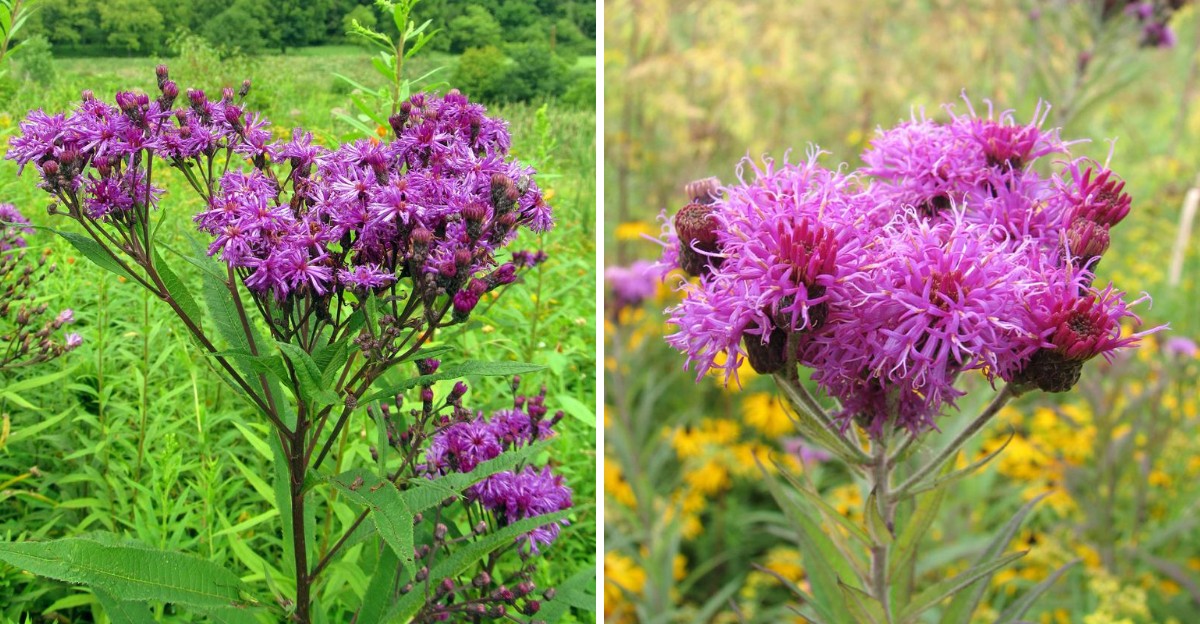
Then came New York ironweed, a North Carolina native that shoots up five or six feet and crowns itself in fuzzy purple flowers right when the rest of the garden starts looking tired.
Most gardeners give up on spots like this entirely, assuming nothing worth growing could ever handle that swing between soggy and baked dry.
If you have a bright, damp spot that has defeated everything you planted in it, this tough native may be the plant you have been missing.
Ironweed Thrives Where Soil Stays Damp
Picture the low corner of a yard where rainwater sits for hours after every storm passes through. That soggy patch is exactly where New York ironweed settles in happily.
NC State Extension lists this native as a plant of wet meadows, stream banks, and damp thickets across North Carolina, from the coast to the mountains.
Still, damp is not the same as drowned entirely. Ironweed prefers soil that stays consistently moist, yet it does not need standing water or true bog conditions to succeed.
Gardeners who fight clay soil often find this plant a genuine relief from years of frustration with other perennials that simply refuse to cooperate.
Heavy ground that holds water is a problem for lavender and coneflower, but ironweed shrugs it off without much complaint at all.
Mulch helps lock in moisture during August, and a deep soaking once a week keeps leaves from curling at the edges during dry stretches.
One honest warning worth mentioning here. Dry soil shows up in the foliage first. Lower leaves may brown and drop, leaving bare stems below the flowers.
Plant it in spring or early fall, water through the first season, and the roots will handle the rest going forward without much fuss.
Tall Purple Blooms Draw Pollinators Fast
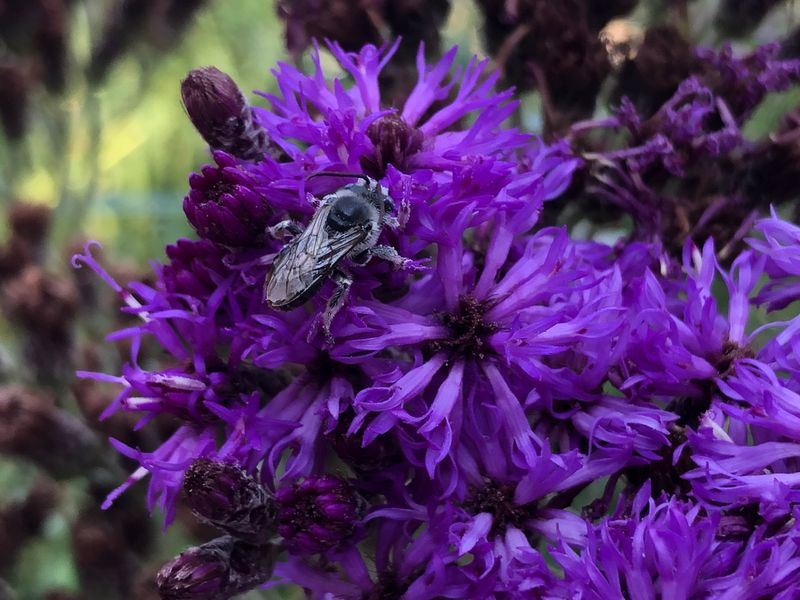
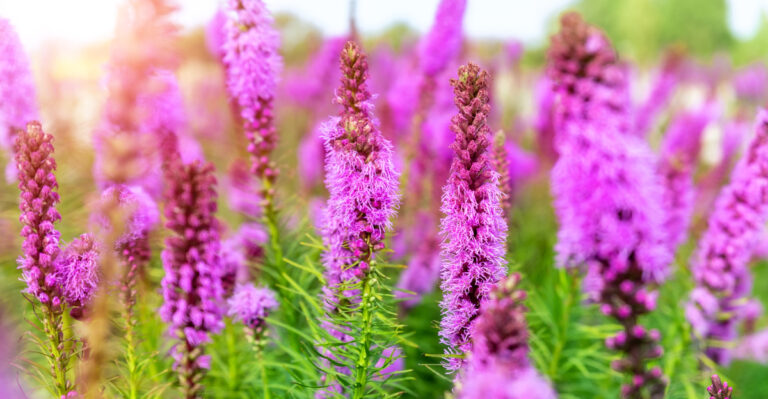
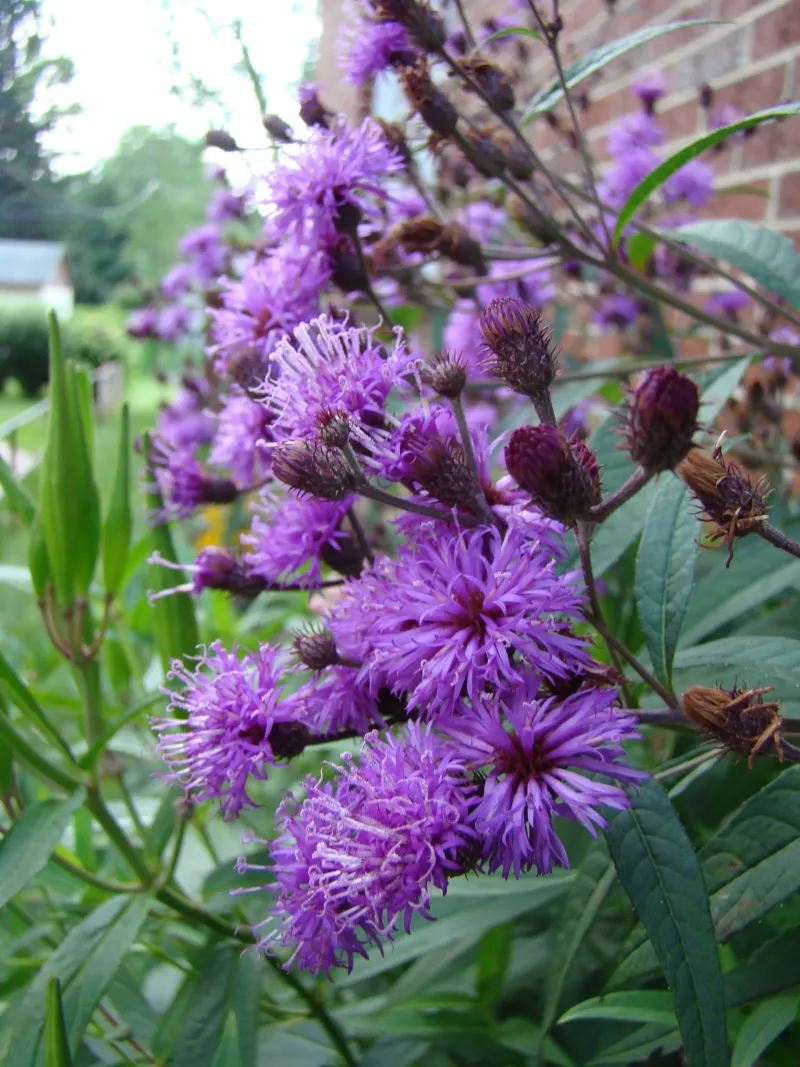
Few native flowers hit a color note quite like this one manages to achieve. The blooms open in flat topped clusters of fuzzy, reddish purple florets.
Bloom time in North Carolina generally runs from late July into September, depending on elevation and rainfall throughout the growing season each year.
Because the flower heads sit at the top of stems four to seven feet tall, they read as floating purple clouds from across a yard entirely.
Insects notice faster than any human passing by would though. Within days of the first flowers opening, bumblebees and long tongued native bees begin working the clusters.
The flat landing surface makes feeding easy for butterflies that prefer to perch while they sip nectar from the tiny individual flowers packed together.
Cutting stems for a vase works well, though the fuzzy seed heads that follow are worth leaving in place for the birds instead.
Your North Carolina Garden Changes Every Week. Your Plan Should Too.
Gardening in North Carolina changes quickly throughout the season. Every Friday you’ll receive a simple weekly plan showing exactly what to plant, prune, fertilize, harvest, and protect so you never miss the right timing.
Goldfinches pick at them through fall, and the dried stalks add winter structure to a bed that would otherwise look bare and empty.
A quick trick for shorter, bushier plants involves cutting stems back by about a third in late May or early June for better structure.
Full Sun Brings Out Its Best Color
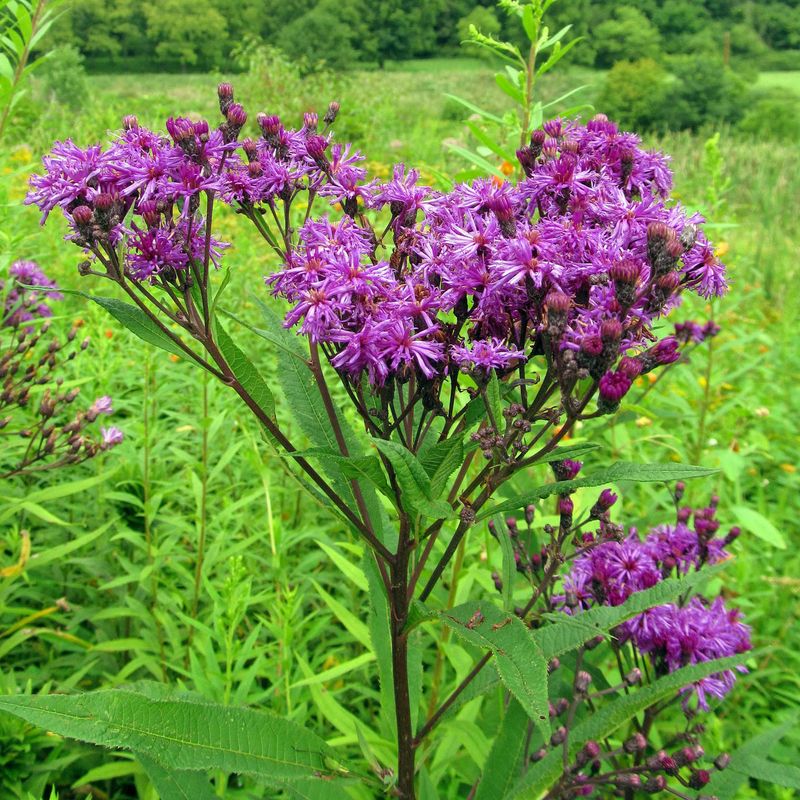
Light does more for ironweed than any fertilizer ever will manage to accomplish on its own. Six or more hours of direct sun each day produces thick stems.
Part shade is survivable for this plant, though not ideal by any means. Plants grown under a high canopy tend to stretch toward the brightest gap available.
If your damp spot only gets morning sun, expect a looser, taller look and plan on a support ring or nearby companions for the plant to lean against.
Full sun paired with steady moisture is the winning combination for this native. Sun alone, in dry ground, stresses the plant and invites powdery mildew eventually.
Good airflow between clumps cuts that risk considerably, so leave two to three feet between plants when spacing them out in a bed.
Southern heat is not a problem here at all for this particular species. Native from the coastal plain through the mountains, ironweed handles August humidity without wilting.
One more sun related perk worth noting. Stems grown in bright light hold their flowers upright well into September, unlike shaded plants that drop petals early.
Monarchs And Bees Rely On It Late
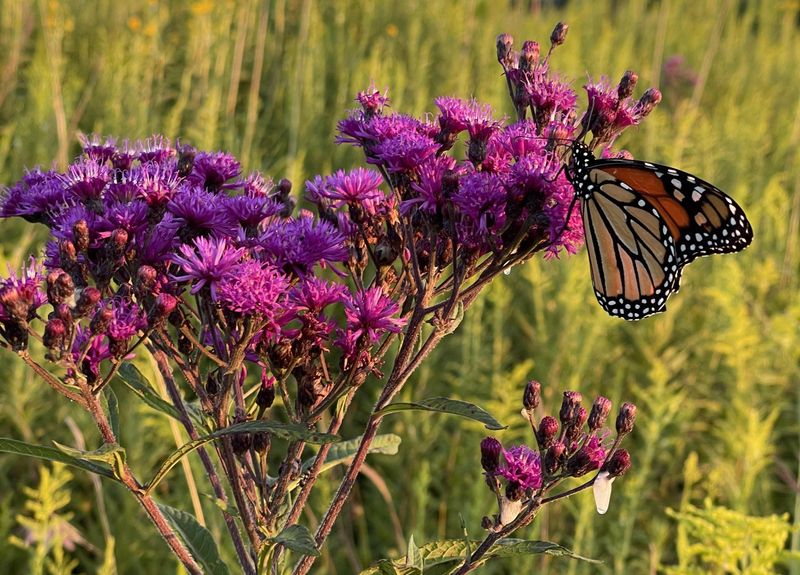
Timing is everything for migrating monarchs passing through the region each fall. As they move south through North Carolina in late summer, they need high energy nectar.
Ironweed is still open for business when many spring flowers have long since finished blooming and faded away for the season entirely.
NC State Extension highlights the plant’s strong value to pollinators, and a single clump in bloom makes that obvious to anyone watching closely.
Bumblebees work it from sunrise, joined by carpenter bees, sweat bees, and the occasional hummingbird passing through on its way elsewhere.
Late season nectar matters more than people realize when planning a pollinator garden. Queen bumblebees that will hibernate over winter need fall feeding to survive.
Planting ironweed alongside goldenrod and asters stretches the buffet from August through October for every pollinator working the neighborhood during that stretch.
The purple, gold, and lavender combination happens to look terrific too, which is a nice bonus for a planting made mostly for insects in mind.
Skip insecticides anywhere near these flowers entirely. Sprays applied to nearby shrubs can drift onto blooms and reach the very bees you hoped to help.
Deer Tend To Leave It Alone
Ask anyone gardening near woods in North Carolina what they worry about most, and deer come up before drought every single time without exception.
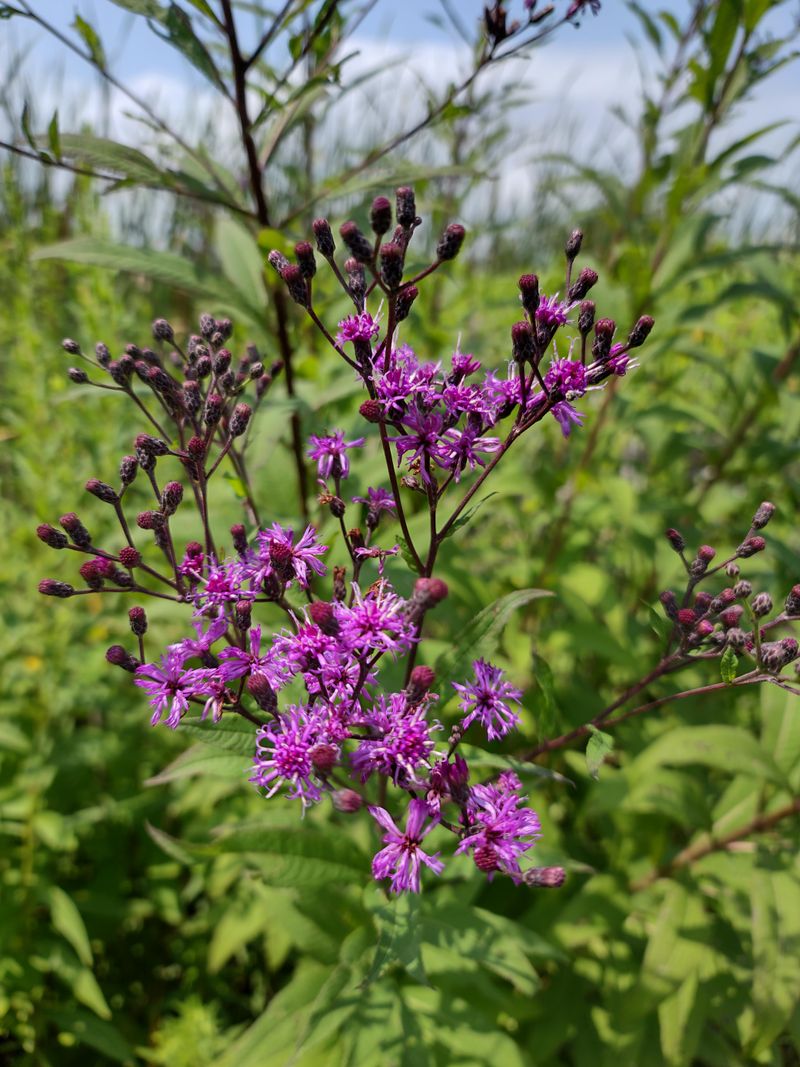
Ironweed offers rare relief from that particular worry. The leaves carry a bitter taste and a slightly rough texture that browsing deer generally pass over.
Resistant is the honest word here, not immune entirely. Hungry deer in a hard winter will sample almost anything green available to them at that point.
Rabbits also tend to ignore it, which matters for tender spring shoots trying to establish themselves early in the season before summer heat arrives.
There is a design trick hiding in this natural resistance. Because ironweed stands four to seven feet tall and gets skipped by browsers, it works as a living screen.
Tuck a few clumps along the damp edge of a bed, and the tastier perennials behind them become harder to spot and reach for deer.
Disease and pest problems stay minor as well for this tough native. Occasional leaf spot or mildew shows up in crowded, shady conditions during wet years.
For a low maintenance native that feeds pollinators and frustrates deer at the same time, the trade is genuinely hard to beat for most gardeners.
Give It Room To Reach Full Height
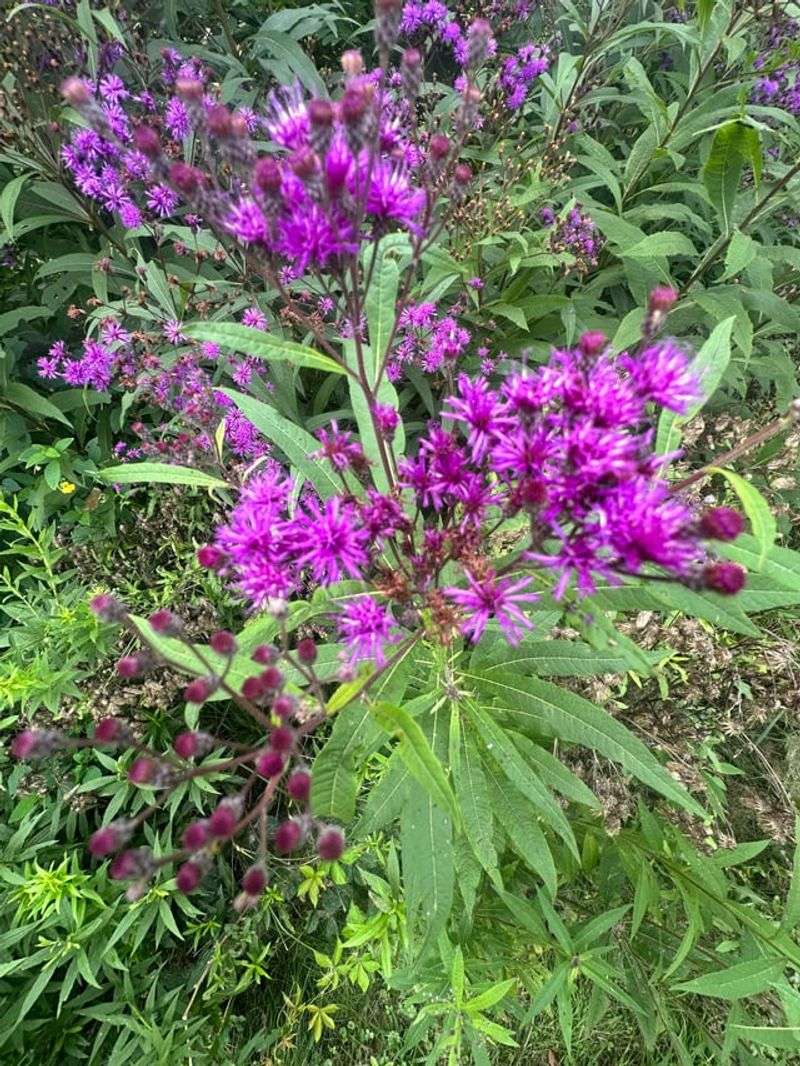
Measuring tape first, shovel second, when planning where to place this particular native in your garden layout for the coming season.
New York ironweed commonly reaches four to seven feet tall with a spread of two to three feet, so it belongs at the back of a border.
Think about sight lines before planting anything nearby that might get blocked. Along a driveway or walkway, tall stems can block views entirely if placed carelessly.
Good neighbors share the same taste for damp, sunny ground as ironweed does. Joe Pye weed, swamp milkweed, and switchgrass all pair well together in a bed.
Layering shorter plants in front keeps the whole group looking finished and intentional rather than awkward or unbalanced in its overall composition.
Spacing of about three feet between clumps gives roots room and keeps air moving through the foliage properly throughout the growing season each year.
Plants slowly widen from the base and may self sow readily, so check seedlings each spring and pull the extras or move them elsewhere.
Pinching stems back in early June, as mentioned earlier, keeps height closer to four feet if seven feels like too much for a smaller space.
Winter Structure And Spring Cleanup Timing
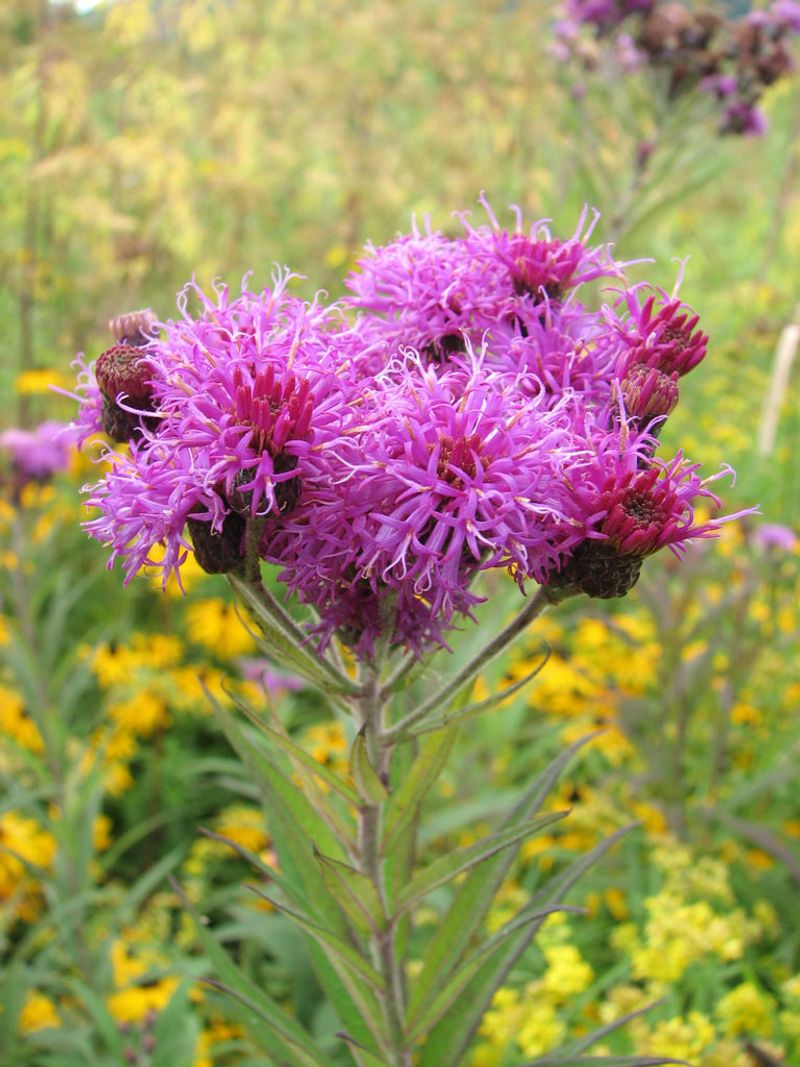
Cutting ironweed down the moment frost hits feels tidy, but that instinct actually costs the garden something valuable through the coldest months of the year.
Standing stalks left through winter offer more than just a passing look of interest against snow or bare ground. Hollow, pithy stems become shelter for small native bees seeking somewhere to overwinter safely.
Seed heads that dried on the stalk continue feeding goldfinches and other small birds well into the colder months, long after the purple blooms themselves have faded into brown, fuzzy clusters.
The tall, upright framework also catches frost beautifully on a cold morning, giving an otherwise dormant border something worth looking at from a kitchen window through January and February.
Resist the urge to tidy everything in November. Wait until late winter, ideally once temperatures start climbing again in late February or early March, before cutting the old growth back to the ground.
Cutting too early, while stems are still green or only just starting to brown, can also stress the plant by removing tissue that was still sending energy down into the roots for winter storage.
When cleanup day finally arrives, cut stems back close to the base using clean pruners, and either compost the material or leave small piles nearby for a few extra weeks to let any remaining overwintering insects finish their cycle.
New growth emerges reliably from the base each spring regardless of when the old stalks come down, so there is no real risk to the plant’s health in waiting.
The only cost is a few weeks of admittedly untidy appearance, traded for a genuine boost to the wildlife counting on that structure through winter.