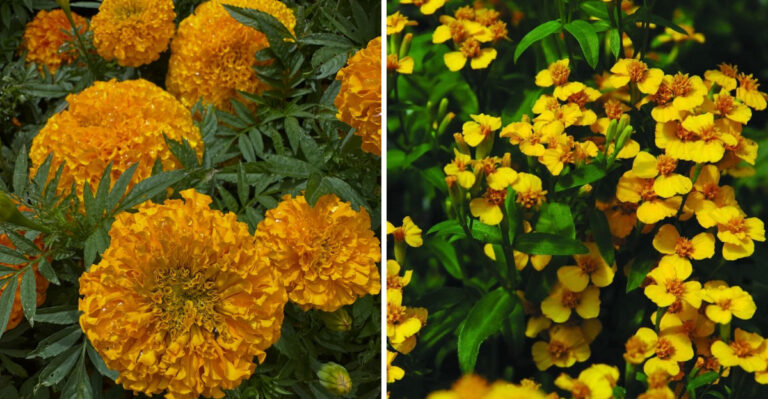
Why Deer Start Targeting Texas Landscapes In September
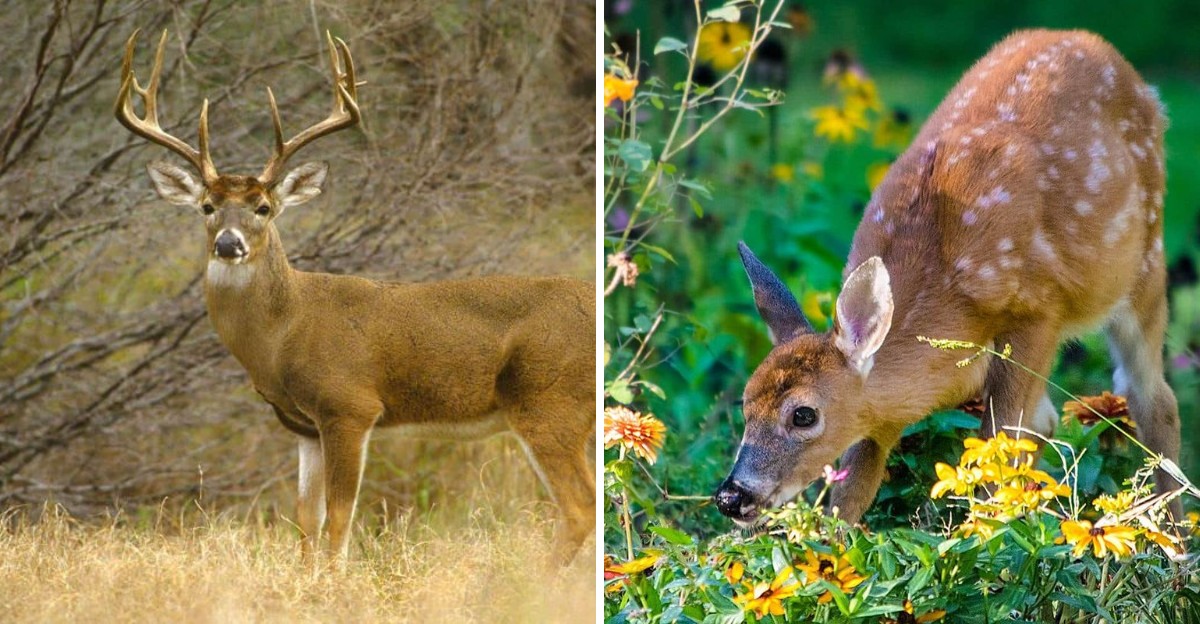
Deer that kept a respectful distance through most of the year become a different kind of problem in September.
The boldness picks up. Yards that were left alone through summer suddenly start showing damage.
Plants that survived the heat without any browsing pressure get hit overnight in ways that feel almost personal.
This is not random. September changes deer behavior in specific and predictable ways, and Texas landscapes are feeling those changes right now.
The shift is driven by biology, seasonal food availability, and pressures that intensify as fall approaches.
Understanding what’s behind it gives Texas homeowners a real advantage in protecting their landscapes before the worst of the deer pressure arrives.
1. Summer Heat Finally Starts To Ease
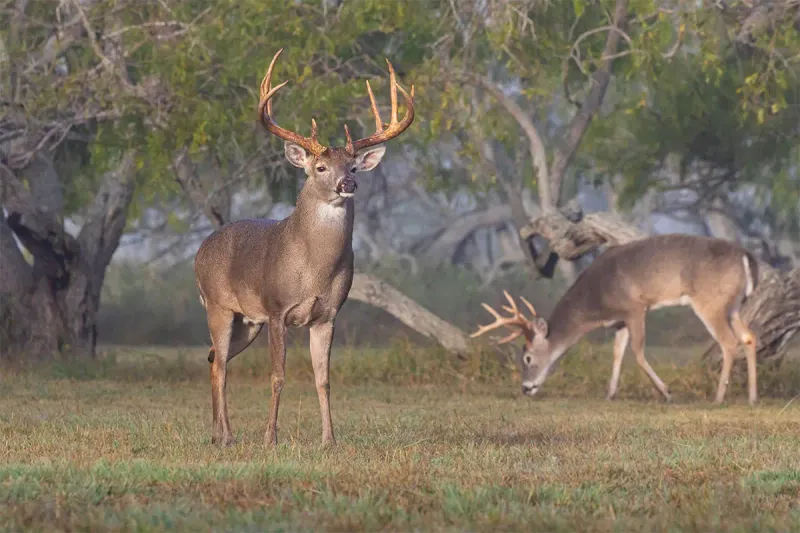
Texas summers can feel brutal, and deer struggle just as much as people do in the intense heat.
When temperatures start dropping in September, these animals become much more active and start moving around during daylight hours.
During the hottest weeks, deer often stay hidden in shady spots to save energy. They avoid long trips for food because moving around in the heat wears them out fast.
Once the mornings and evenings turn cooler, they feel comfortable roaming farther from their resting areas.
Your landscape becomes an easy target during these cooler stretches. Deer will happily wander into neighborhoods and yards, especially where sprinklers keep plants green and fresh. A watered garden looks like a buffet compared to dry, crispy grass in open fields.
You might notice deer showing up at dawn and dusk when the air feels pleasant. These are their favorite feeding times, and your soft, healthy plants make the perfect snack.
To protect your yard, try watering earlier in the day so plants are less appealing during peak deer hours.
Motion-activated sprinklers can also surprise curious deer and send them running. Planting tougher, less tasty shrubs near the edges of your property helps too.
Fun fact: white-tailed deer, the most common type in Texas, can smell water and fresh vegetation from surprisingly far away. That means your green oasis stands out even more when the surrounding land is dry.
Cooler weather simply gives deer the energy and comfort to explore. Knowing this pattern helps you stay one step ahead and keep your favorite plants safe.
2. Natural Food Sources Dry Up
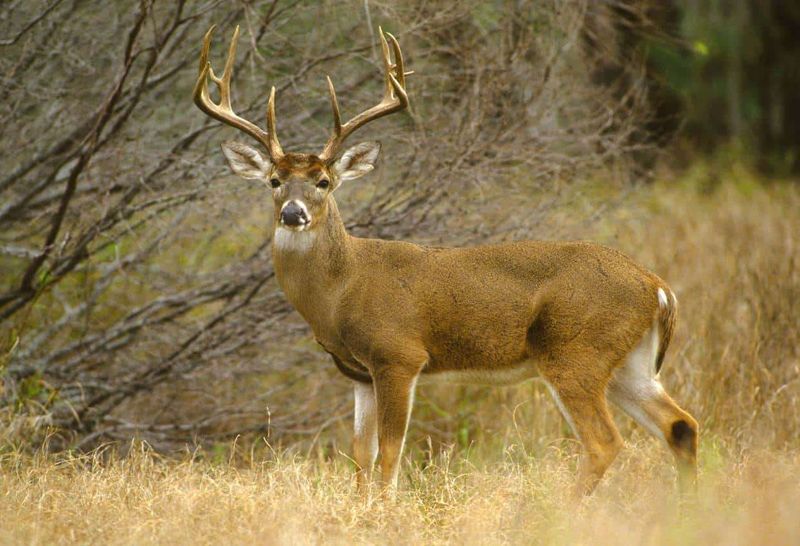
By the time September rolls around, much of the wild vegetation across Texas has turned brown and brittle. Months of scorching sun leave native grasses and plants dry and hard to eat.
Deer depend on tender leaves, buds, and greenery for most of their diet. When their usual food dries out, they get desperate and start searching for softer, juicier options. That search leads them straight to well-kept yards and gardens.
Homeowners who water their landscapes create little green islands in a sea of brown. To a hungry deer, your flower beds and vegetable garden look like the freshest meal around. They simply can’t resist plants that are still lush and full of moisture.
Your Texas Garden Changes Every Week. Your Plan Should Too.
Gardening in Texas changes quickly throughout the season. Every Friday you’ll receive a simple weekly plan showing exactly what to plant, prune, fertilize, harvest, and protect so you never miss the right timing.
This is one reason gardeners suddenly see damage in early fall. Roses, hostas, and young shrubs often become favorite targets because they stay soft and tasty.
You can fight back by choosing deer-resistant plants that have strong smells or fuzzy leaves. Herbs like rosemary, lavender, and sage tend to keep deer away. Adding these around the edges of your garden creates a natural barrier.
Fencing is another smart option, though it needs to be tall since deer can jump surprisingly high. A fence around six to eight feet usually does the trick for most yards.
Interesting note: a single deer can eat several pounds of plants in one day. That appetite grows even bigger as they prepare for the busy fall season ahead.
When wild food runs low, your landscape becomes the main attraction. Planning ahead protects your plants from these determined foragers.
3. Bucks Prepare For The Fall Rut
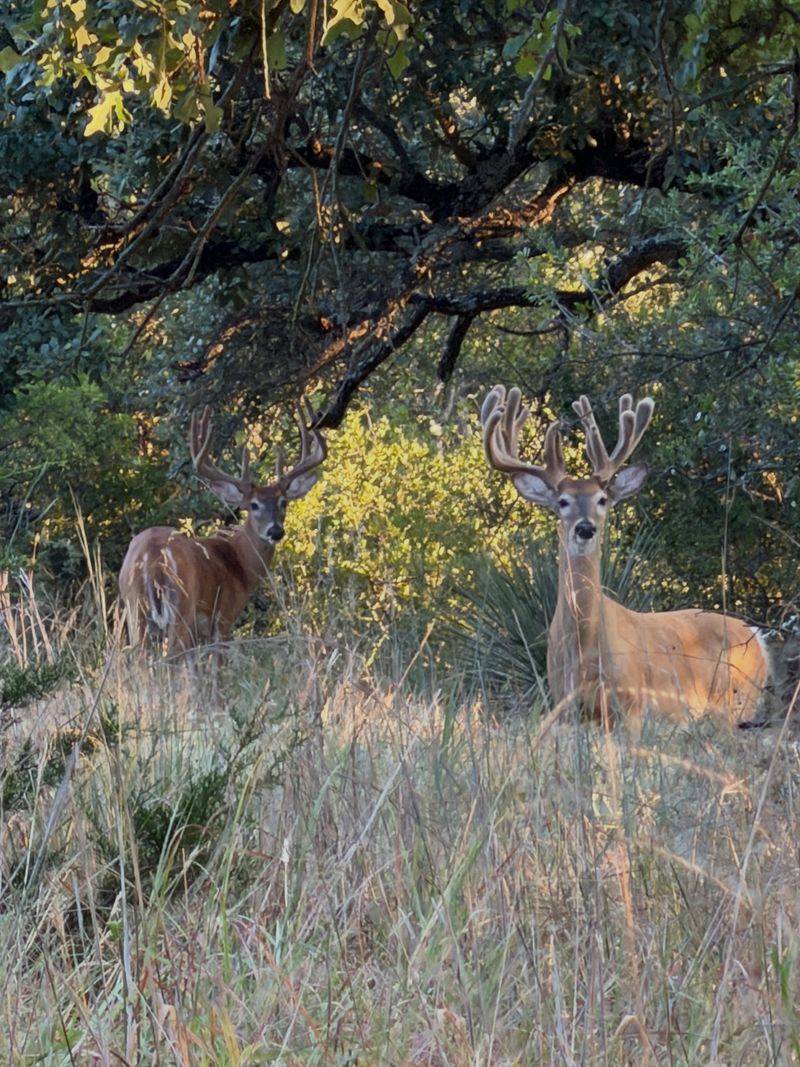
September marks the start of an exciting time for male deer as they gear up for the fall breeding season, often called the rut. During these weeks, bucks need lots of energy and start eating more than usual.
Their bodies work hard growing and hardening their antlers, which takes plenty of nutrients. To fuel all this, bucks look for rich, high-quality food. Your garden full of fresh greens fits the bill perfectly.
You may notice bigger deer showing up as fall approaches. These males are building strength and packing on weight before the busy season begins. That means more visits and more nibbling in your yard.
Bucks also become bolder during this period. They wander into areas they might normally avoid, including neighborhoods and open lawns. Hunger and instinct push them to take more risks.
Another sign of the rut is scraping and rubbing. Bucks rub their antlers on small trees and bushes to mark territory and remove velvet.
This can damage young trees in your landscape, leaving bark scraped and branches broken.
To protect saplings, wrap trunks with plastic guards or fencing. This simple step keeps bucks from ruining plants you’ve worked hard to grow.
Cool fact: a buck’s antlers can grow up to an inch per day during peak growth. All that fast growth explains their giant appetite.
Understanding the rut helps you predict when deer pressure will rise. Preparing your yard early means fewer surprises and healthier plants once these hungry bucks start roaming your property in search of food and energy.
4. Fawns Are Growing And Getting Hungrier
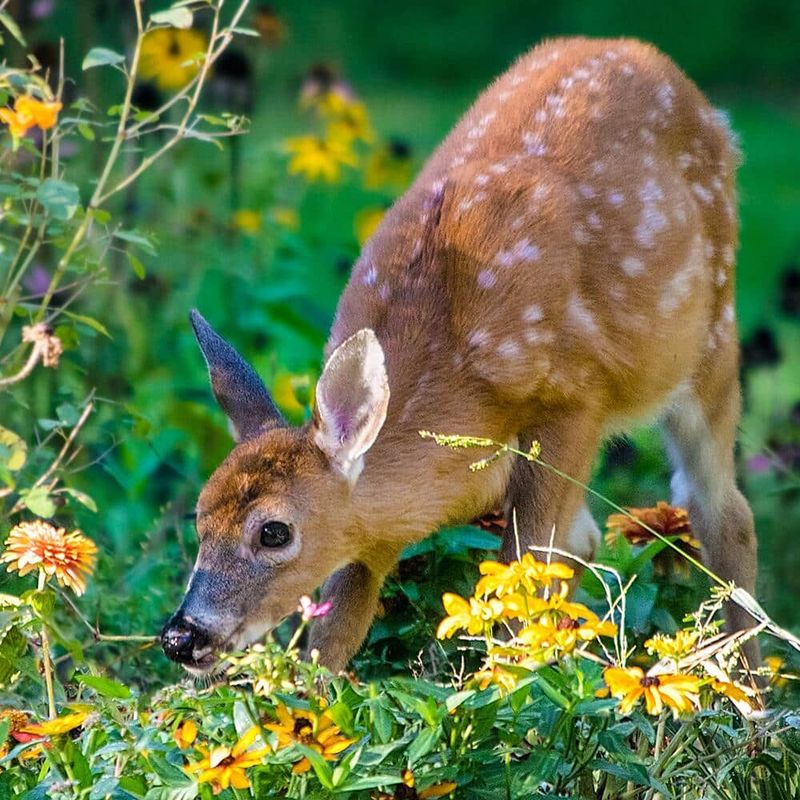
Spring babies, known as fawns, are getting bigger by September, and their appetites grow right along with them. These young deer need steady meals to build strong bodies before winter arrives.
Mother deer, called does, lead their fawns to the best food sources they can find. If your landscape offers tasty, easy meals, expect the whole family to come visiting together. Groups of deer can clear out plants quickly.
Fawns are curious and love exploring new areas. They often follow their mothers into yards and gardens, learning where the good food grows. Once they discover your plants, they tend to return again and again.
This time of year, you might spot small deer with fading spots munching alongside adults. They stick close to their mothers but grow braver each day. Their growing confidence means more foot traffic across your property.
Because fawns are still learning, they aren’t picky eaters. They’ll sample flowers, vegetables, and tender shoots that adults might skip. That makes gardens especially vulnerable during early fall.
To keep these families away, try scattering scent deterrents like soap shavings or predator sprays around plants. Deer have sensitive noses and often avoid strong or strange smells.
Rotating your deterrents helps too. Deer are smart and get used to the same tricks quickly, so switching things up keeps them guessing.
Sweet fact: fawns can walk within hours of being born, and they follow their mothers everywhere. That close bond means where one goes, the rest usually follow.
Feeding growing families drives deer toward reliable food. Your landscape becomes a classroom and a dining spot for the next generation.
5. Acorns And Wild Nuts Draw Them Closer
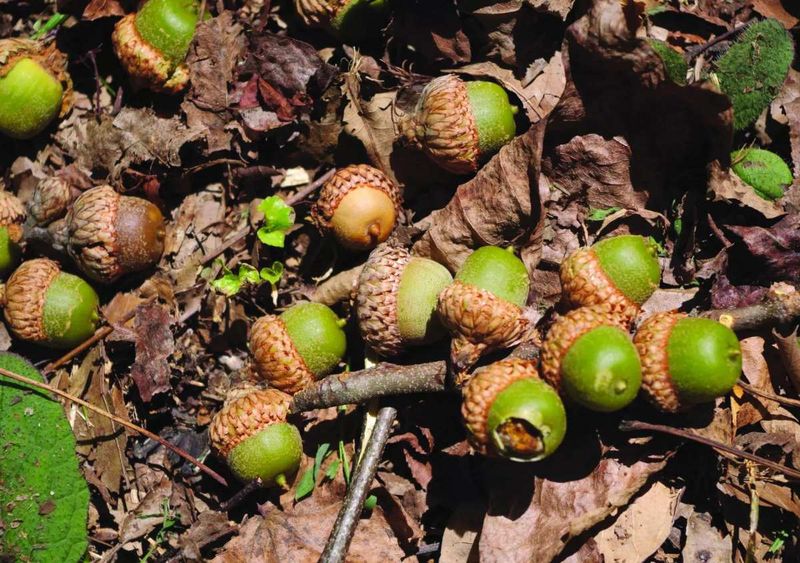
Something magical happens in Texas when oak trees start dropping acorns in early fall. These little nuts are like candy to deer, and they’ll travel far to find them.
Acorns are packed with fat and nutrients, making them a favorite food as deer bulk up for colder months.
Many Texas neighborhoods have oak trees planted right in yards and along streets. That puts deer directly onto residential property.
When acorns rain down, deer follow the feast into places they might normally avoid. Your yard becomes part of their feeding route, especially if oaks grow nearby. Once they arrive for acorns, they often sample your other plants too.
You might hear the soft crunch of deer munching under trees at dawn. They can spend hours searching the ground for every last nut. This behavior brings them closer to gardens and flower beds.
Raking up fallen acorns can reduce how attractive your yard becomes. Fewer nuts on the ground means fewer reasons for deer to linger near your plants.
Adding barriers around prized shrubs also helps once deer discover the acorn buffet. Combining cleanup with fencing offers stronger protection.
Neat fact: a single large oak tree can drop thousands of acorns in one season. That massive supply keeps deer coming back day after day.
Different oak types drop acorns at different times, so the feeding can stretch across several weeks. This gives deer a long window to visit your property.
When acorns fall, deer answer the call. Managing this natural food source helps keep hungry visitors from turning your whole landscape into their personal dining area.
6. Hunting Pressure Pushes Deer Into Neighborhoods
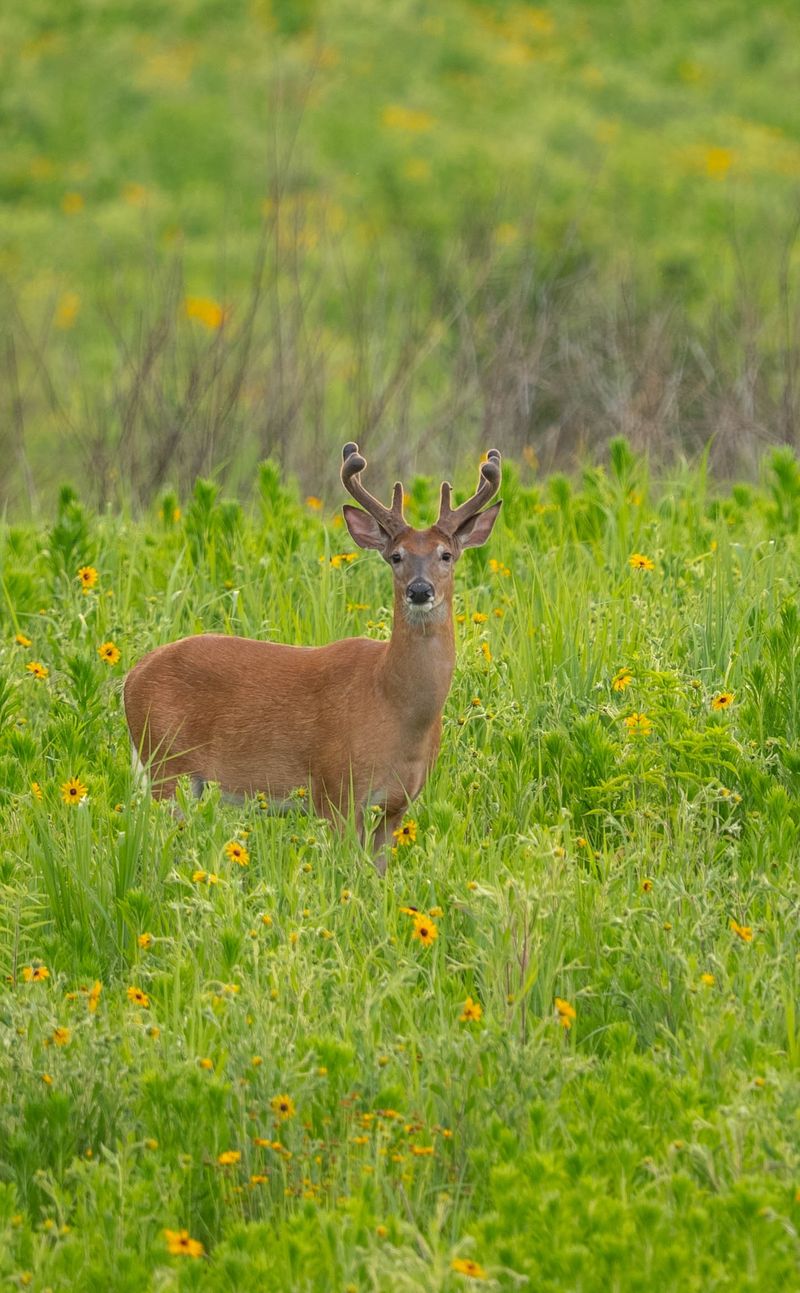
Fall hunting seasons start opening across parts of Texas in September, and deer notice the change fast. As more people head into fields and woods, deer look for safer places to hide and feed.
Neighborhoods and towns often become safe zones where hunting isn’t allowed. Deer quickly learn that these areas offer protection from danger. So they move closer to homes, parks, and gardens.
This shift means suburban yards see more deer activity as the season progresses. Animals that once stayed deep in the countryside suddenly show up on lawns and near driveways. They feel calmer and less threatened in these spots.
Your landscape offers both safety and food, a winning combination for nervous deer. Once they feel secure, they relax and start feeding freely on whatever plants they find.
You may notice deer becoming bolder and less afraid of people during this time. They might graze even while you watch from a window. That comfort leads to more damage to gardens and shrubs.
To discourage them, use motion lights or noise makers that startle deer without harming them. Keeping dogs in the yard can also help, since deer avoid areas where predators might roam.
Changing your tactics often works best. Deer adjust quickly, so mixing lights, sounds, and scents keeps them uneasy and less likely to settle in.
Curious fact: deer have excellent memories and remember safe feeding spots for a long time. Once they mark your yard as safe, they return regularly.
Seeking safety drives deer toward homes each fall. Understanding this movement helps you prepare and defend your plants during the busy September season.
7. Cooler Nights Boost Their Feeding Energy
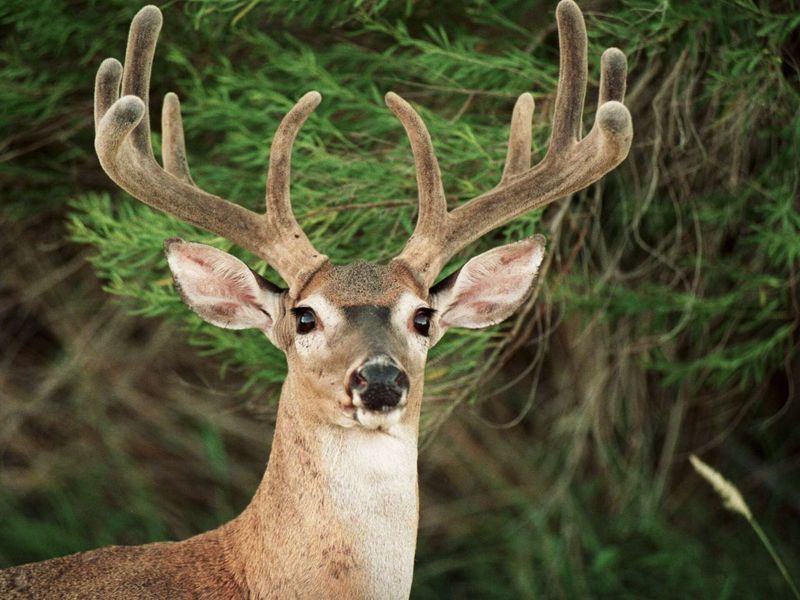
As September nights turn crisp and refreshing, deer suddenly find themselves with more energy to move and eat. Cooler temperatures make roaming feel easy instead of exhausting.
During hot spells, deer conserve energy and eat less to stay cool. When nights cool down, their bodies burn more calories to stay warm. That extra energy need pushes them to eat larger amounts of food.
Your garden becomes a nighttime hotspot as deer feed under the cover of darkness. They feel safer at night and take advantage of the cool, quiet hours to fill up. By morning, you might find plants stripped bare.
Longer feeding sessions mean more damage in less time. A single cool night can bring several deer through your yard, each grabbing mouthfuls of your favorite plants.
You may notice fresh hoof prints and nibbled leaves when you wake up. These signs show that deer visited while you slept. Nighttime feeding makes them harder to spot and stop.
Installing motion-activated lights or sprinklers works well against these nighttime visitors. Sudden light or water surprises deer and sends them running. Placing these near garden edges offers the best protection.
Wrapping delicate plants with netting at night also keeps hungry deer from reaching tender leaves. Removing the netting during the day keeps your garden looking neat.
Cool fact: deer have amazing night vision that helps them find food easily in the dark. Their eyes reflect light, which is why they seem to glow in headlights.
Refreshing autumn nights fuel bigger appetites. Knowing that deer feed hardest after dark helps you protect your landscape when they’re most active and hungry.