The Best Texas Plants For Rooms Without Windows
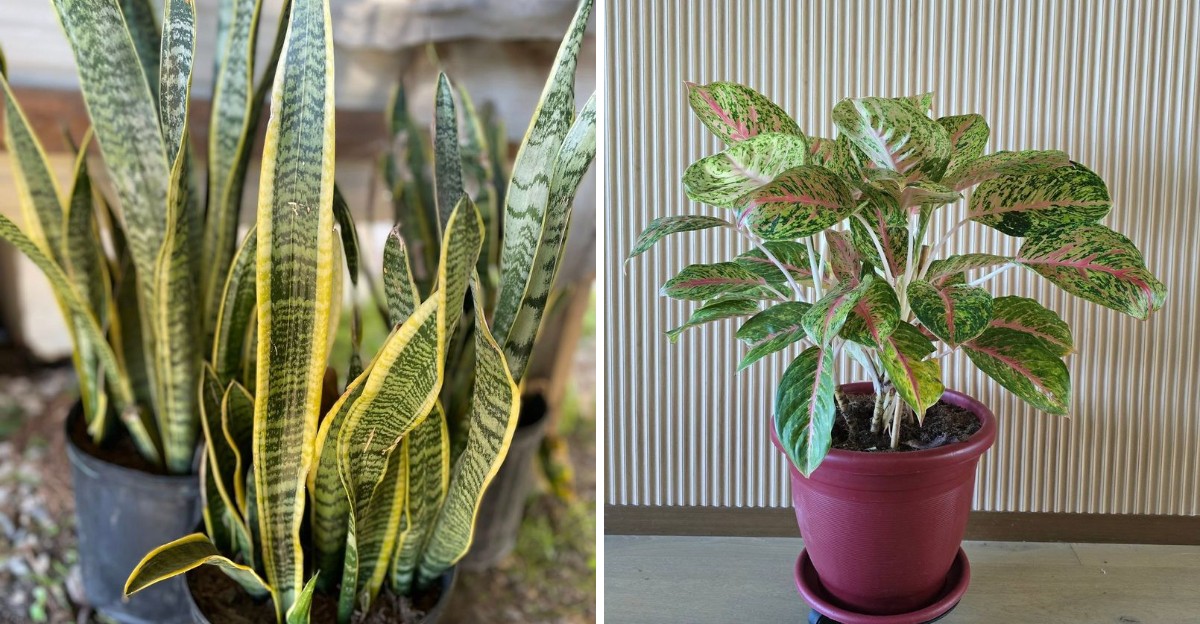
Almost every home has at least one room the sunshine never reaches. Maybe it’s a windowless bathroom, a cozy home office, a laundry room, or an interior hallway.
Those spaces can feel a little lifeless, and most plants placed there end up pale, leggy, and sad within weeks. But a dark room doesn’t have to stay plant-free.
A handful of tough houseplants can get by on much less light than you’d expect. With help from overhead lights, a simple desk lamp, or an affordable LED grow bulb, they can stay green and healthy for years.
Many of them also shrug off the dry air that Texas homes get from running the AC most of the year.
These low-light champions are the ones most likely to thrive where the sun never shines.
1. ZZ Plant
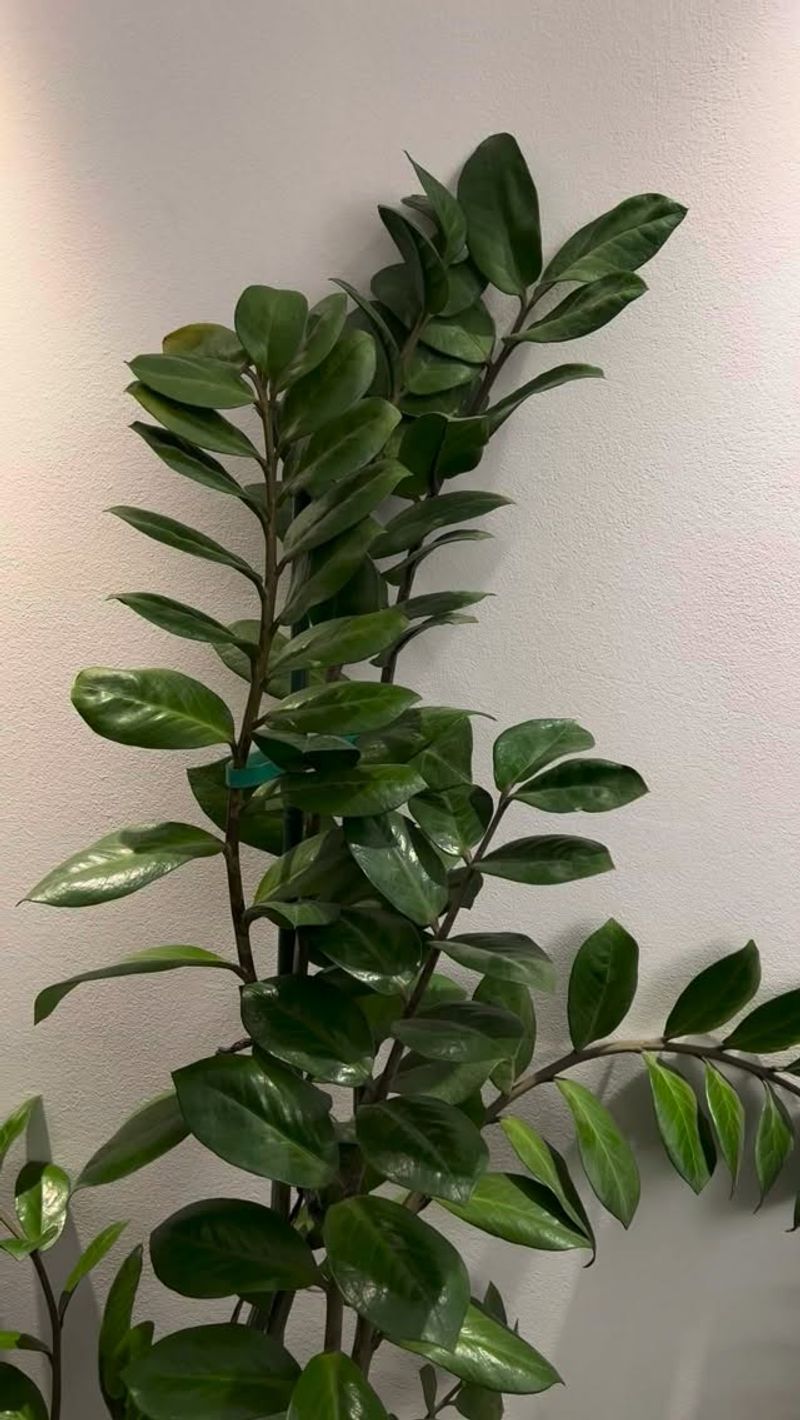
Some plants seem to thrive on being ignored, and the ZZ plant is the champion of that club. Its shiny, dark green leaves look almost fake. Many visitors will reach out to touch them just to check.
The secret to its toughness is hidden under the soil. A ZZ plant grows thick, potato-like roots called rhizomes. They store water, so the plant can go weeks without a drink.
That makes it a smart pick for busy Texans. If you travel for work or forget about chores, this plant will still be waiting for you. In fact, too much water is the most common way people harm it.
Here is a simple watering rule. Push your finger deep into the soil. If it feels completely dry, give the plant a good soak and let extra water drain out.
In a windowless room, plan on watering about once every three to four weeks. Plants under bright office lights might need it a bit more often. Always use a pot with a drainage hole to keep the roots healthy.
Light needs are very low. A ZZ plant can grow under regular ceiling lights or a lamp. Growth will be slow, but the leaves will stay full and glossy.
Dust can build up on those shiny leaves, especially in dry, air-conditioned homes. Wipe them gently with a damp cloth every month or so. Your plant will look fresh and breathe easier.
Fun fact: the ZZ plant comes from eastern Africa, where it handles long dry seasons. Keep it away from pets and small kids, though, since the leaves can upset stomachs if chewed.
2. Snake Plant
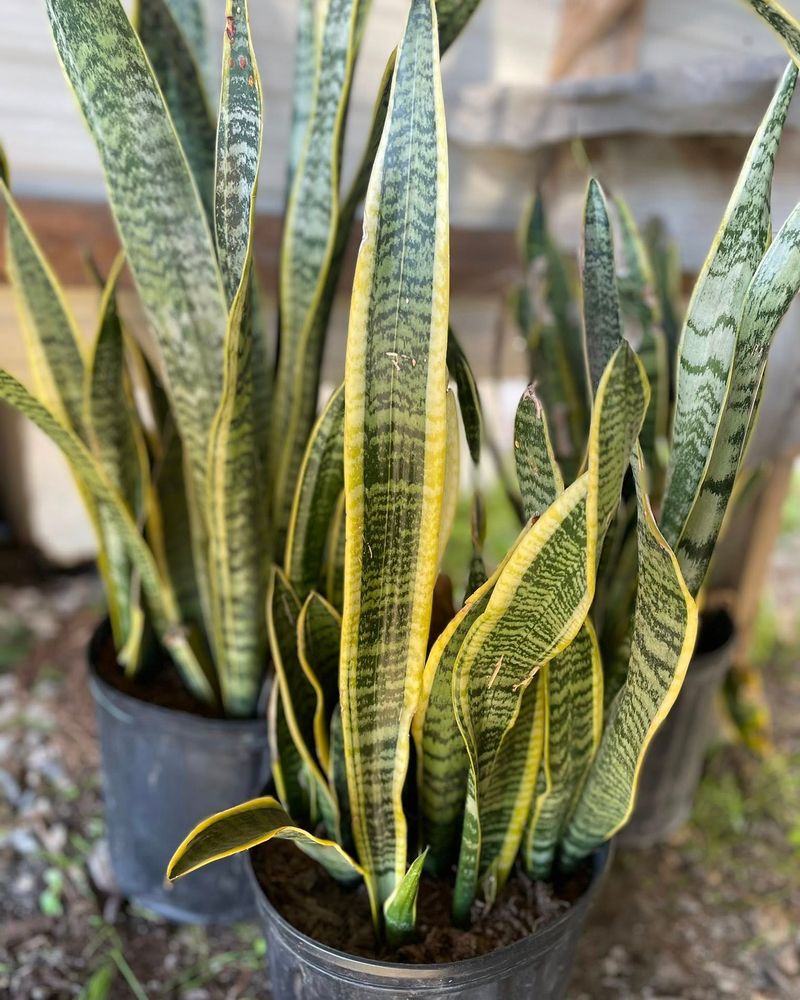
Stiff, tall, and a little bit bold, the snake plant stands at attention like a soldier guarding your room. Its sword-shaped leaves point straight up. Some have bright yellow edges, while others show silvery stripes.
Texas homes run the air conditioning for months at a time. That cool air is often very dry. Snake plants do not mind one bit, because they come from dry parts of Africa.
Watering is easy. Wait until the soil is dry all the way through, then water well. In a dim room, that might mean once every two to four weeks.
Your Texas Garden Changes Every Week. Your Plan Should Too.
Gardening in Texas changes quickly throughout the season. Every Friday you’ll receive a simple weekly plan showing exactly what to plant, prune, fertilize, harvest, and protect so you never miss the right timing.
Winter calls for even less water. When the plant is not growing much, it needs very little. Soggy soil is its biggest enemy, so a cactus or succulent mix works great.
Low light is fine for this plant. It will grow slowly under lamps or ceiling lights. If you want faster growth, add a small LED grow light nearby.
Snake plants also fit tight spaces. Their upright shape means they take up little floor room. Tuck one into a bathroom corner, beside a bookshelf, or next to your bed.
Repotting is rarely needed. These plants actually like being a little crowded in their pots. Every few years, move it to a slightly bigger container when roots start pushing out.
Did you know? Some people call it mother-in-law’s tongue because of the sharp, pointy leaves. It is mildly toxic to pets, so place it where curious cats and dogs cannot chew it.
3. Pothos
Ask any plant lover about their first houseplant, and there is a good chance they will say pothos. It is friendly, forgiving, and grows fast. Even beginners tend to have success with it.
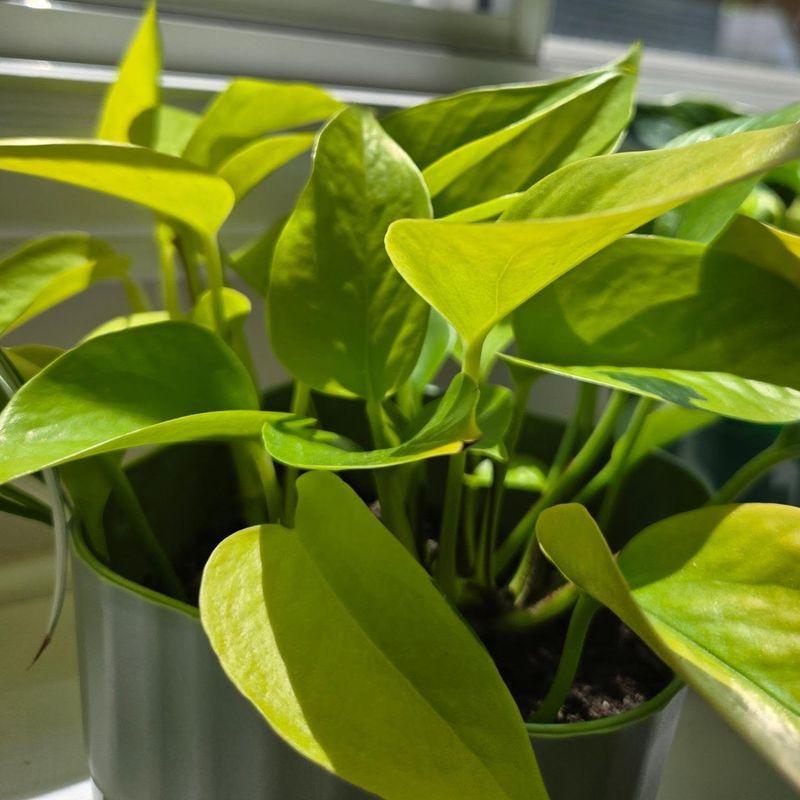
Pothos is a trailing vine with heart-shaped leaves. The vines can spill over shelves or hang from baskets. Over time, they can grow several feet long.
You can find many types. Golden pothos has green leaves with yellow streaks. Marble queen has creamy white patterns, and neon pothos glows a bright lime green.
For a windowless room, plain green or golden types work best. Varieties with lots of white or yellow need more light to keep their colors. Under weak light, they may turn mostly green.
Pothos grows well under regular household lights. Fluorescent office lights work nicely, too. If the vines get long and thin with few leaves, the plant wants more light.
Water when the top inch or two of soil feels dry. Drooping leaves are a clear signal that the plant is thirsty. Give it a drink, and it usually perks up within hours.
Trimming is simple and fun. Snip long vines just below a leaf. Place the cuttings in a glass of water, and roots will form in a few weeks.
Those new plants make great gifts for friends and neighbors. Just remember that pothos is toxic to pets if eaten. Hang it high or set it on a tall shelf to stay safe.
4. Cast Iron Plant
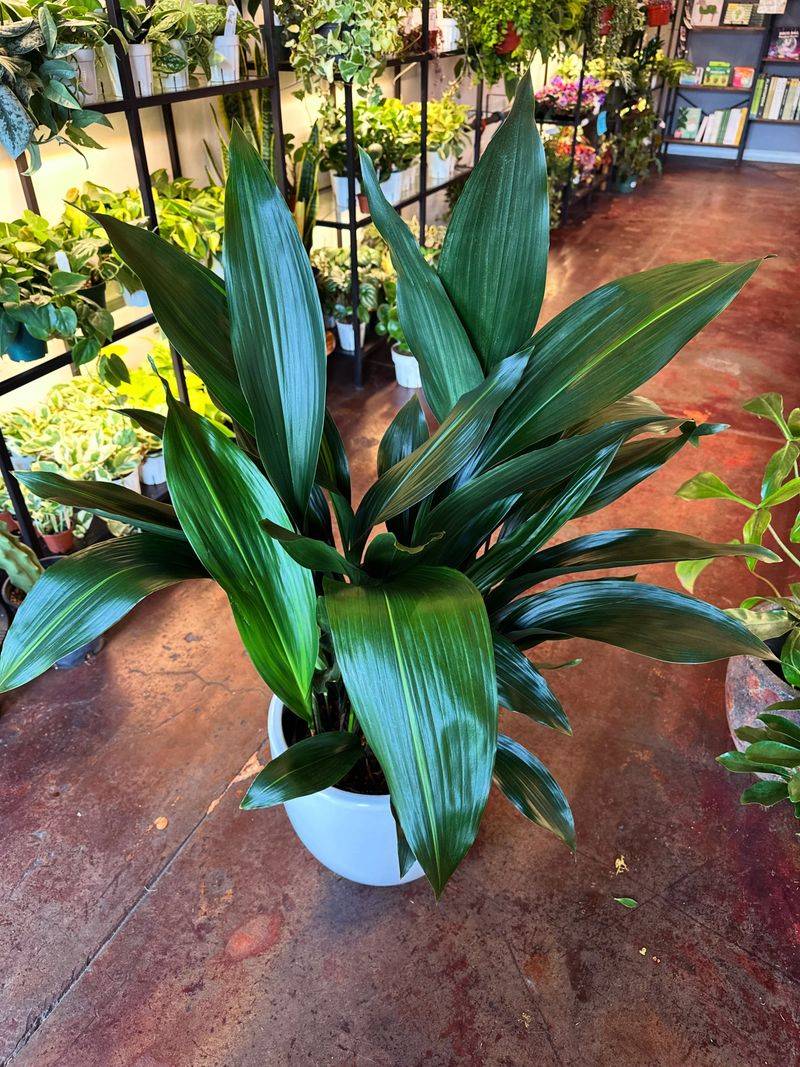
Back in the 1800s, cast iron plants filled dark parlors in old homes. Those rooms were lit by gas lamps and were often smoky and chilly. The plant stayed green anyway, which is how it earned its sturdy name.
Today it is still one of the hardest plants to harm. It handles low light, missed waterings, and temperature changes. Texas homes that swing from cool AC to warm afternoons are no problem.
The leaves are long, wide, and deep green. They grow straight up from the soil on short stems. Some types have tiny white or yellow speckles that look like stars.
Pet owners will love this plant. It is considered non-toxic to cats and dogs. You can set it on the floor without worrying about a curious pup.
Watering is relaxed. Let the top couple of inches of soil dry before watering again. In most windowless rooms, every two weeks or so is plenty.
Growth is very slow, so be patient. A new leaf or two each year is normal. Buy a bigger plant if you want a full look right away.
Brown leaf tips can show up in dry air. Using filtered or rain water can help. You can also trim brown tips with clean scissors for a neat look.
Many Texans already know this plant from shady garden beds outdoors. It grows well under live oaks across the state. Bringing one inside gives your darkest room a bit of that same easy charm.
5. Parlor Palm
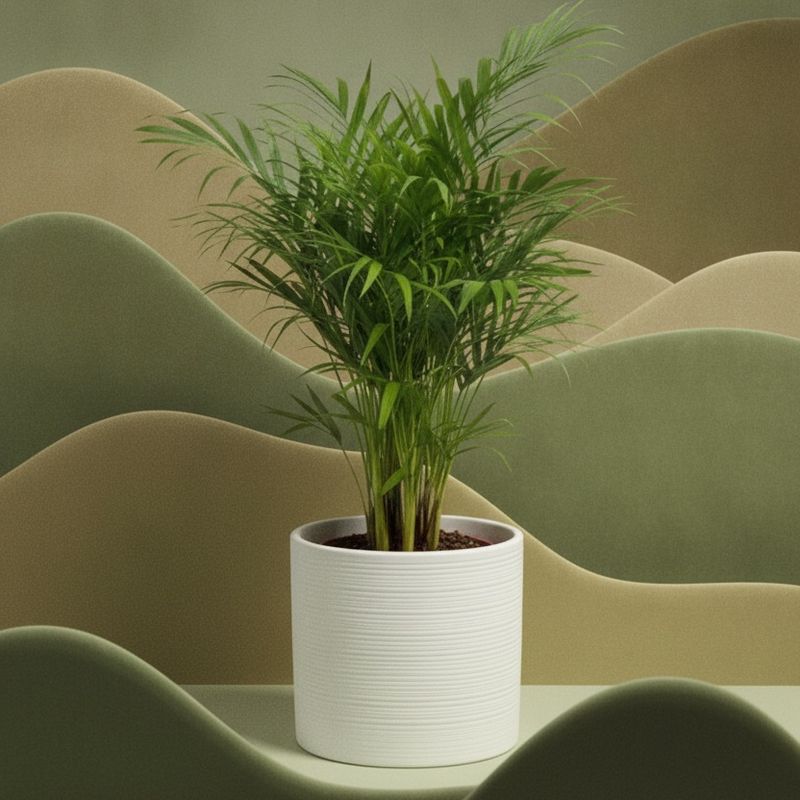
Your great-grandmother may have had one of these on her side table. The parlor palm became a favorite in Victorian homes more than a hundred years ago. Its soft, feathery fronds still bring a touch of old-fashioned charm.
This small palm grows slowly and stays compact. Most indoor plants reach two to four feet tall. That size fits nicely on a table, desk, or floor corner.
In the wild, parlor palms grow under taller trees in the rainforests of Mexico and Guatemala. They are used to shade. That is why they handle dim rooms better than most palms.
Give it soil that stays lightly moist but never soggy. Check it once a week. Water when the top inch feels dry to the touch.
Dry Texas AC air can cause crispy brown tips. Grouping plants together helps raise the humidity around them. A small pebble tray filled with water under the pot also helps.
Spider mites sometimes show up in dry indoor air. Look for tiny webs under the fronds. A gentle shower in the sink or tub usually washes them away.
Parlor palms are considered non-toxic to cats and dogs. That makes them a sweet choice for homes with furry friends. They give a beachy, tropical feel without any risk to pets.
Feed it lightly with a houseplant fertilizer in spring and summer. Skip feeding in winter when growth slows. With simple care, your palm can stay with you for many years.
6. Dracaena ‘Janet Craig’
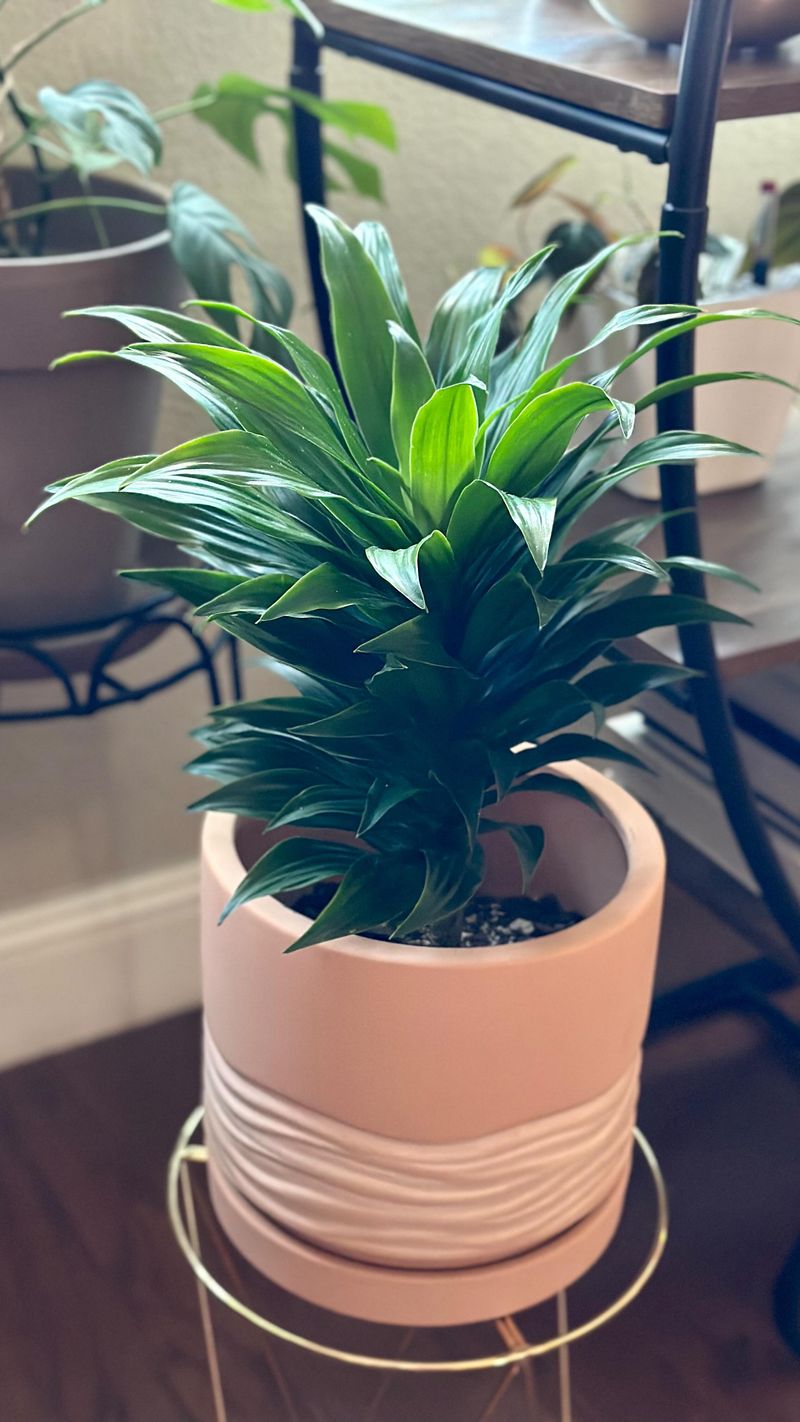
Office workers across Texas have probably walked past a ‘Janet Craig’ without knowing its name. It is a classic in lobbies and cubicles. That is because it handles weak fluorescent lighting better than most of its relatives.
The leaves are long, glossy, and deep green. They grow in neat clusters from a sturdy cane. Over time, the plant can reach five feet or more indoors.
A smaller version called ‘Janet Craig Compacta’ stays shorter and bushier. It works great on desks and shelves. Both types share the same easy care routine.
Placement matters a lot with this plant. Keep it away from air conditioning vents. Cold blasts of air can cause brown spots and droopy leaves.
Water when the top inch or two of soil dries out. Pour slowly until water drains from the bottom. Empty the saucer so the roots do not sit in water.
Dracaenas can be sensitive to fluoride in tap water. Brown leaf tips are a common sign. Try filtered water or let tap water sit out overnight before using it.
Wipe the leaves now and then with a soft, damp cloth. Clean leaves soak up more light. They also look much shinier and healthier.
The plant is named after Janet Craig, the daughter of a plant grower who lived over a century ago. It is toxic to cats and dogs, so keep it out of reach. For a pet-free office, it is a reliable, classy pick.
7. Chinese Evergreen
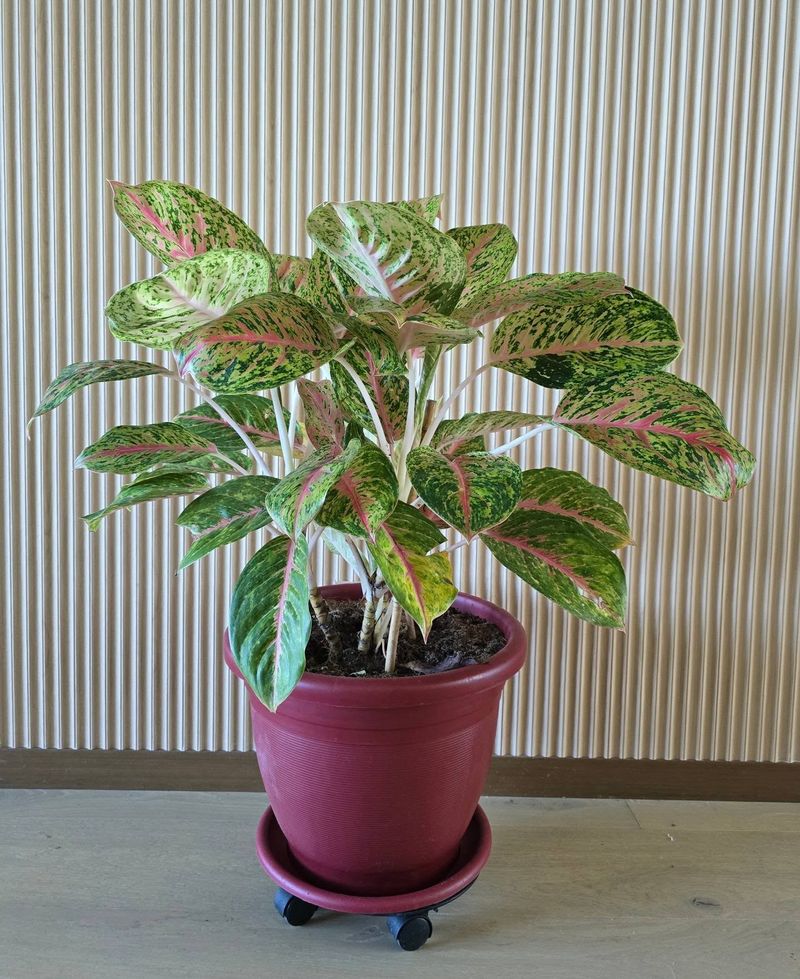
Who says low-light plants have to be plain green? Chinese evergreen proves that dim rooms can still have color. Its leaves come in shades of green, silver, pink, and even red.
Each variety has its own look. ‘Silver Bay’ has bright silver centers. ‘Siam Aurora’ shows pink and red edges, and ‘Maria’ features dark green with soft gray patterns.
Here is a helpful tip. Darker green types handle very low light best. Bright pink and red types prefer a little more light, so set them under a lamp you use often.
In many parts of Asia, this plant is seen as a symbol of good luck. People sometimes give it as a gift. It makes a thoughtful housewarming present for a new Texas apartment.
Chinese evergreen likes warmth. Keep it away from cold drafts and AC vents. Temperatures below 60 degrees can damage the leaves.
Water when the top inch of soil feels dry. The plant likes steady moisture but not wet feet. Yellow lower leaves often mean too much water.
Feed it every month or two during spring and summer. Use a basic houseplant fertilizer mixed at half strength. Skip feeding during the cooler months.
The plant grows slowly and stays a tidy, bushy size. That makes it easy to fit on a shelf or nightstand. Just keep it away from pets, since it can irritate their mouths.
With its bold patterns and easy care, Chinese evergreen turns a windowless space into something cheerful. It adds style without asking for much in return.