September Yard Projects Florida HOA Homeowners Should Get Approved Before Buying The Plants
Your cart’s full at the garden center, and you haven’t checked the one thing that could send every plant straight back for a refund.
You might assume buying first and asking questions later works fine in your own yard, but Florida HOAs often flip that order entirely.
Certain September projects, like new plantings along shared lines, fence-adjacent shrubs, or anything visible from the street, usually need a green light before you touch the soil, not after.
Skip that step and you could end up ripping out something you just spent real money on.
You’ll also run into rules around height, spacing, and even which species get approved near common areas, details that rarely show up until someone from the board sends a letter. Boards don’t always give a warning first either.
Pull out your HOA handbook before your receipt even hits the counter. One quick check now could save you a return trip, a fine, and a whole afternoon of digging things back up.
1. Check HOA Rules Before Bringing Home New Plants
Picture the cart: four hibiscus, a bag of soil, and a very optimistic weekend plan. Now picture the letter that arrives three weeks later asking you to remove all of it.
Florida HOAs keep written rules for one main reason, which is consistent curb appeal and steady property values.
Those rules live in your bylaws and architectural guidelines, and both documents are usually available through your management company or community portal.
Most associations ask you to submit a request to an Architectural Review Committee, often called the ARC, before any noticeable exterior change.
Reviews are supposed to follow objective written standards rather than one board member’s personal taste, which works in your favor when you have questions.
Timing matters more than people expect. ARC review timelines vary by community, and some governing documents include specific response endlines or approval procedures.
A smart move is to build your plant wish list first, then match it against the approved species and placement rules. If something is borderline, ask in writing and save the reply.
Fun detail worth knowing: garden centers stock heavily in September because fall planting season starts early here. Approval paperwork moves slower than inventory, so start the request before the sale tempts you.
2. Get Tree Approvals Before Roots Create Future Conflicts
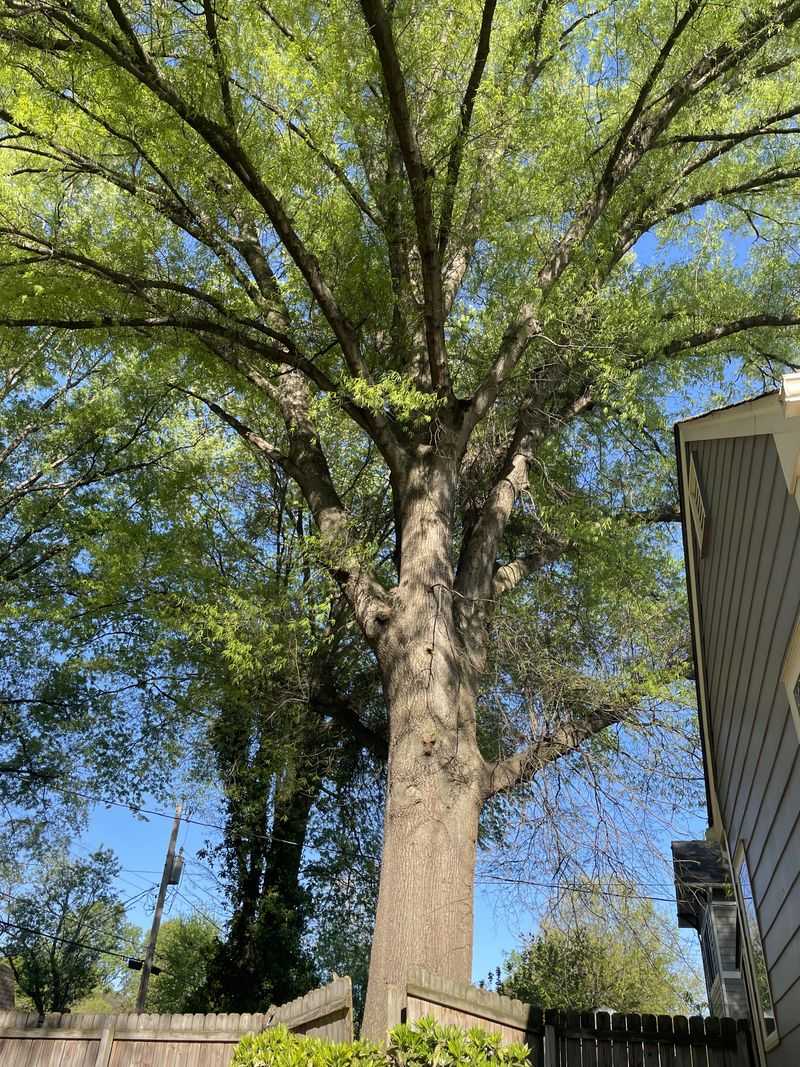
Trees are the one landscape choice that outlives the argument. A sapling you plant this September could be lifting a sidewalk slab by the time your kids graduate.
Florida associations often keep separate rules for planting, trimming, and removing trees. Even when state law gives you room, private community covenants still apply, so HOA sign-off stays part of the process.
Here is where folks get tripped up. Florida Statute 163.045 can exempt a homeowner from a city permit for a hazardous tree when documentation from a qualified professional supports it, yet your CC and Rs remain a separate contract you agreed to.
Many boards will ask for an arborist report, a site sketch showing distance from structures, and sometimes a replacement planting plan. Bring all three the first time and your review moves quickly.
Your Florida Garden Changes Every Week. Your Plan Should Too.
Gardening in Florida changes quickly throughout the season. Every Friday you’ll receive a simple weekly plan showing exactly what to plant, prune, fertilize, harvest, and protect so you never miss the right timing.
Root conflicts deserve extra thought. If roots from a tree on your lot create conflicts with shared areas or community infrastructure, the association may address the issue according to its governing documents and applicable rules.
Check mature spread, not just the tag height, before you fall in love with something at the nursery. Placing a wide canopy species fifteen feet from a driveway tends to create the exact conflict approval rules were written to prevent.
3. Clear Shrub Plans Before Building New Privacy Screens
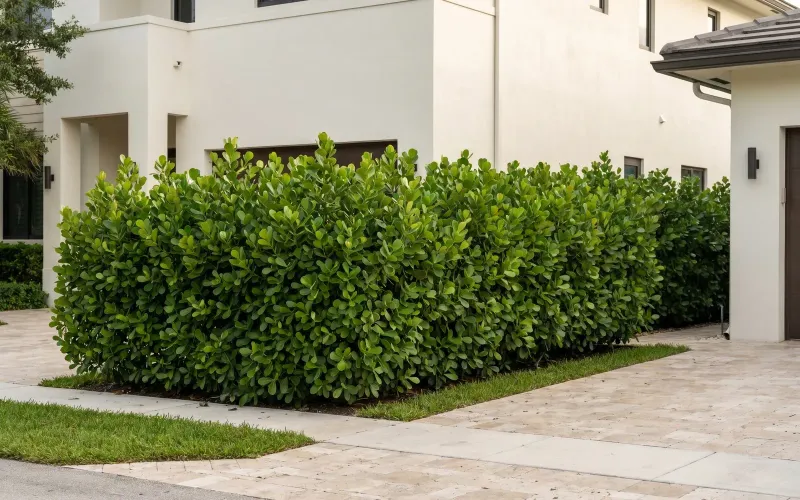
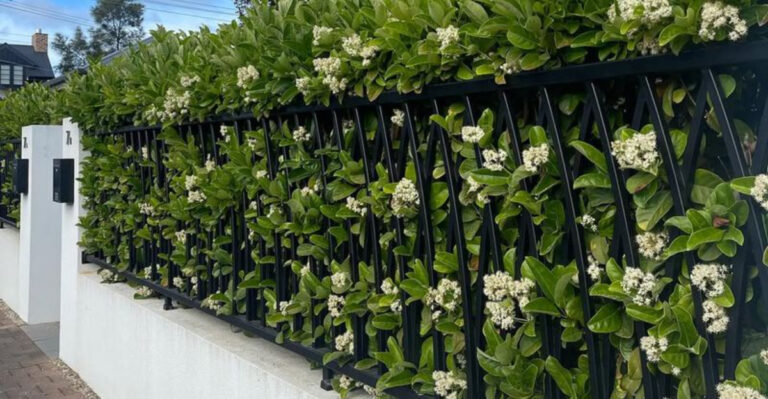
Wanting a little privacy from the neighbor’s lanai is completely normal. Turning that wish into a six foot green wall without asking first is where trouble starts.
Shrub and hedge rules in communities tend to be surprisingly detailed. Boards regulate height, style, color, spacing, and setbacks from property lines, sidewalks, and road edges.
Front yards almost always carry the tightest height limits, often lower than what side or rear yards allow. Corner lots face stricter standards still, since drivers need a clear sightline at intersections.
Good news for anyone dreading the paperwork: privacy hedges are one of the easier requests to get approved. Boards like them because they look tidy and soften fences.
Species choice smooths the path. Clusia and Podocarpus show up on approved lists across South Florida communities because they hold a clean shape and handle heat and salt air well.
Sketch your plan with real numbers. Note the planned mature height, spacing between plants, and distance from the lot line, then attach a photo of the area as it looks today.
One more practical tip. Ask whether trimming responsibility shifts to you or shared maintenance crews, because that answer changes how often you will be out there with the hedge shears.
4. Submit Flower Bed Changes Before Fall Color Arrives
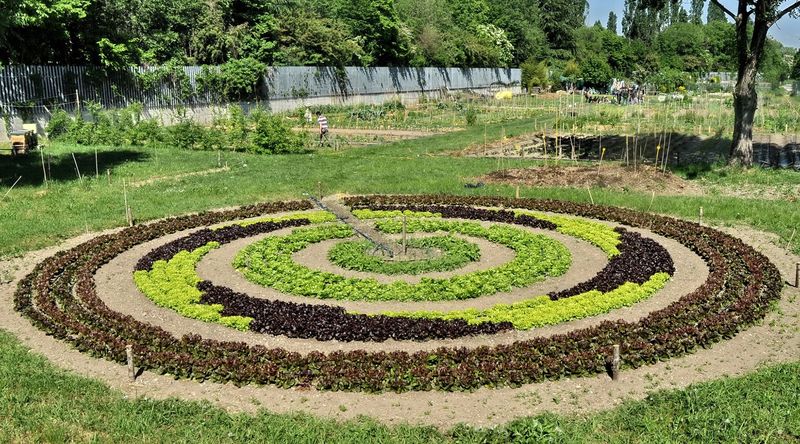
September is when the fall flower displays hit garden centers and everybody’s willpower evaporates. Those flats of color look harmless sitting in a cart.
Flower beds carry more rules than most homeowners guess. Associations frequently maintain approved species lists plus aesthetic standards covering bed shape, size, and location.
Adding a brand new bed usually needs ARC review, and reshaping an existing one often does too. Anything that changes the visible footprint of your landscaping counts as an exterior modification in most documents.
Watch for the oddly specific restrictions. Some Florida communities prohibit flowers, shrubs, or mulch rings around the base of trees owned by the association, mainly to protect trunks and mowing routes.
Seasonal plantings come with their own footnote. Certain neighborhoods require annuals to be pulled once the season ends so beds do not sit half empty and scruffy through the next stretch of weather.
My favorite shortcut here is the photo plan. Snap a picture of the bed, draw your proposed shape right on the printout, and list the plants by common and botanical name.
Reviewers appreciate clarity, and a sketch answers questions before they are asked. That single sheet of paper often turns a two round back and forth into a quick yes.
5. Ask About Native Plants Before Planting The “Wrong” Ones
Here is a fact that surprises plenty of homeowners. State law gives you real protection when you want to garden with native and water-wise plants.
Florida law provides protections related to Florida-Friendly Landscaping, including limits on how associations regulate certain landscaping choices. That program includes natives chosen to conserve water, support local wildlife, and handle drought.
The guiding idea behind it is simple: right plant, right place. Match a species to your sun, soil, and drainage, and it thrives with far less fuss and far less water.
Protection is not the same as a free pass, though. Boards may still review your plan and apply reasonable aesthetic standards like height limits, clear bed edging, and a maintained overall look.
So frame your request around tidiness. Show defined borders, note expected mature heights, and explain how you plan to keep things trimmed and intentional rather than wild.
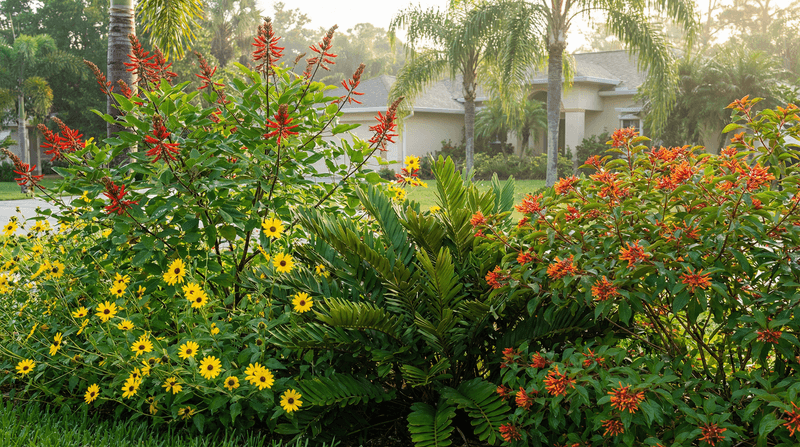
Species like muhly grass, firebush, coontie, and beach sunflower tend to read as ornamental to reviewers, which helps. They look designed, not neglected.
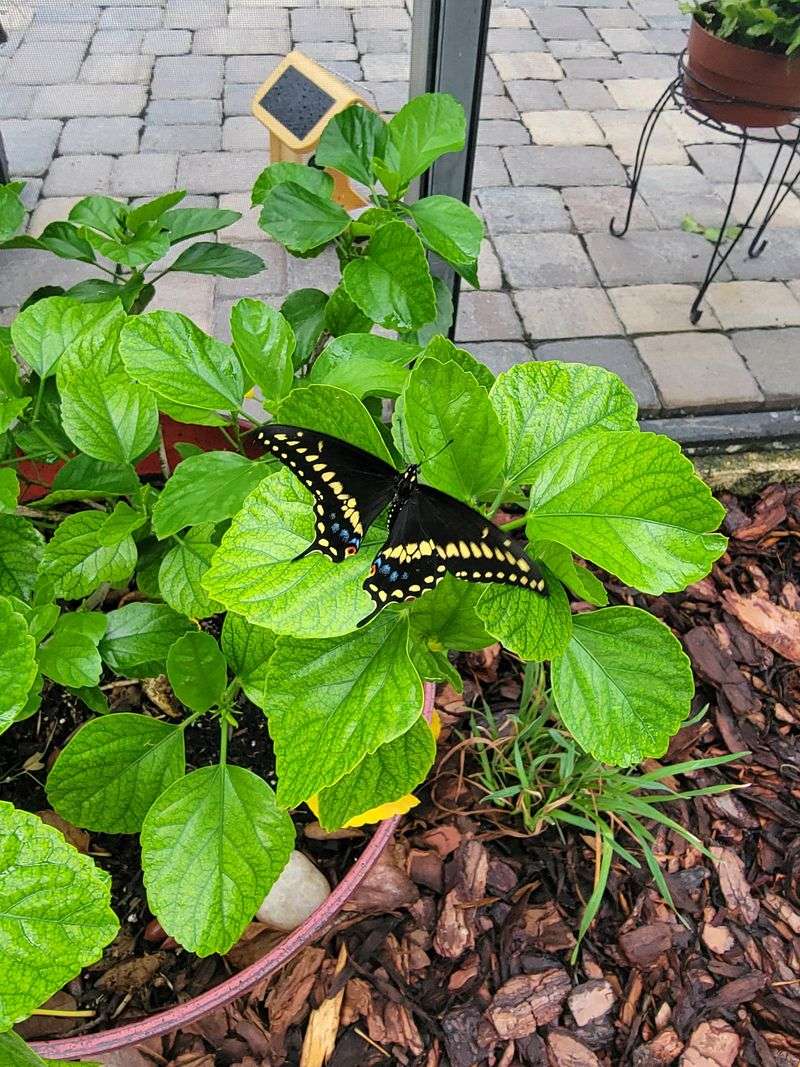
Quick bit of trivia: coontie is an ancient Florida plant and the only host for the rare atala butterfly. Plant a few and you may get winged visitors your whole street notices.
6. Confirm Mulch Borders And Edging Before Starting Work
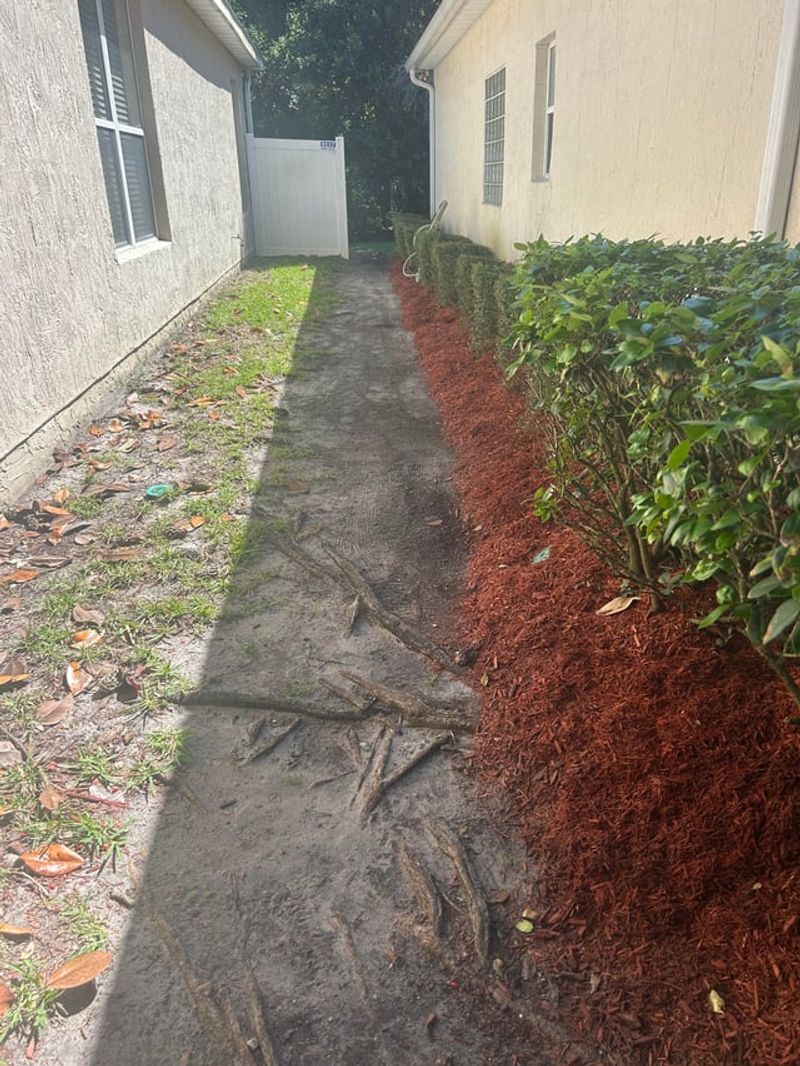
Fresh mulch is the landscaping equivalent of a haircut. Nothing changes structurally, yet the whole yard suddenly looks like it has its life together.
Mulch and groundcover rules appear in most HOA landscaping guidelines. Expect language about approved colors, how often beds should be refreshed, and what style of edging is acceptable.
Color is the sneaky one. A community that expects natural brown or pine bark may not welcome that bright red cypress blend you found on sale.
Edging rules are usually looser. Many associations simply want crisp, well defined bed lines and clear separation between planting areas and hardscape like driveways and walkways.
Boards treat consistent mulch as a signal of a cared for property, which is why refresh schedules show up in writing. Faded, thin mulch reads as neglect from the curb even when your plants are healthy.
Before hauling bags home, confirm three things: allowed material, allowed color, and whether stone or rubber options are permitted at all. Some communities restrict non-organic groundcover entirely.
A cheap trick for September projects is to cut your bed edge first, then mulch. The clean line does most of the visual work, and reviewers rarely object to a yard that looks sharply framed.
7. Review Irrigation Changes Before Digging Into The Yard
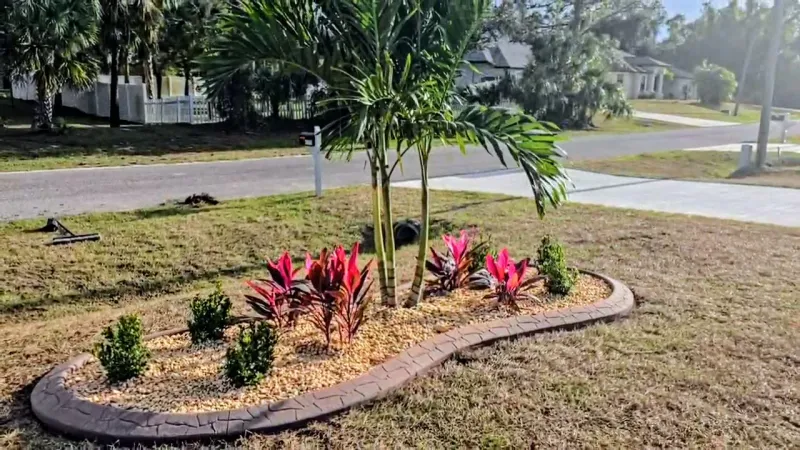
Shovels and buried pipes have a complicated relationship. One careless dig near a main line can flood a bed and soak a neighbor’s driveway by lunchtime.
Irrigation guidelines show up in most Florida community documents for good reason. Water is shared, expensive, and regulated at several levels around here.
Installing or significantly modifying irrigation systems may involve permits, licensing requirements, and HOA approval depending on the project and location. Paperwork feels tedious until you compare it to a repair bill.
Licensing matters as well. Irrigation work performed for an association, including installs, modifications, and major repairs, generally must be handled by a licensed irrigation contractor.
If your HOA manages the sprinkler system serving your lot, ask for an irrigation wet check before you start planting. Crews run every zone, mark heads, and show you exactly where coverage lands.
That one appointment saves real headaches. You will know which beds get soaked, which corners stay dry, and where a shovel should not go.
Worth watching too: proposed legislation like SB 508 aims to standardize irrigation practices statewide and push water-efficient technology. Rules in this area keep evolving, so confirm current requirements rather than relying on what a neighbor did three years ago.
8. Know The Rules Before Replacing A Tired Lawn
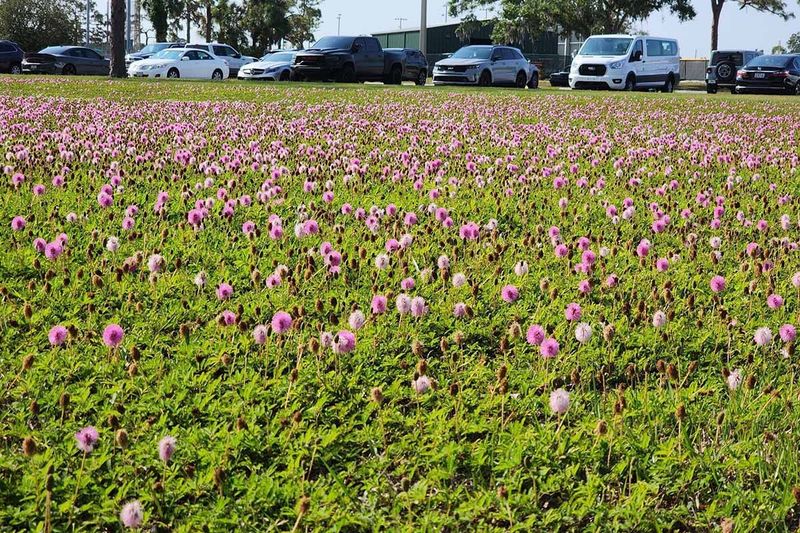
Some lawns just get tired. Thin patches, hungry roots, and a water bill that makes you wince every single month.
Swapping turf for something tougher is a legitimate option in the state, and the law backs you up. Under Statute 720.3075, associations cannot flatly prohibit Florida-Friendly Landscaping, which includes drought-tolerant groundcovers and natives in place of grass.
Boards keep real authority, though. They can require pre-approval for the change and enforce reasonable appearance standards such as clean edges and an overall neat presentation.
What they generally cannot do is demand one specific grass species or insist on wall-to-wall sod in a way that shuts out Florida-Friendly alternatives. That distinction is worth knowing before a conversation turns tense.
Approach it as a design proposal rather than a protest. Include a simple layout, plant names, mature sizes, and a note about how borders will be maintained.
Partial conversions often sail through fastest. Keep a modest turf panel near the walkway, then convert the hot, thirsty strip along the street where grass struggles anyway.
September timing helps here. Warm soil and regular afternoon rain give new groundcovers a head start, so by the time cooler months arrive your yard looks intentional instead of under construction.
9. Save Receipts Until Your Landscape Plan Gets Approved
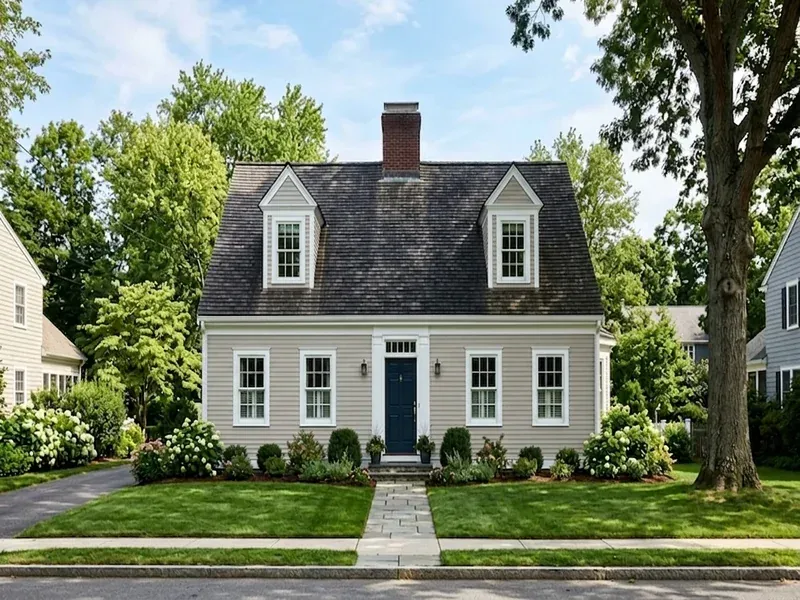
Paperwork is nobody’s favorite part of gardening. It is, however, the part that protects everything else you built.
Keep a single folder, digital or physical, for every landscaping project in an HOA community. Receipts, plant tags, contractor quotes, maintenance invoices, and photos all belong in it.
Most valuable of all are your ARC approvals. A dated written approval with the submitted plan attached settles disputes faster than any conversation at the mailbox.
Strong submissions share a pattern. Include a site plan showing where things go, contractor license and insurance information, and material samples or photos for mulch, edging, and hardscape.
Holding onto receipts until approval lands gives you flexibility too. Returns are far easier than removals, and garden centers are usually kind about unplanted stock in original containers.
Documentation pays off in other ways. Records help with warranty claims on plants and systems, and they give future buyers proof that changes were handled properly.
One habit worth copying: photograph the yard before, during, and after each project, with dates. If a question ever comes up about who planted what or when, images end the debate quickly.
Approval first, plants second. Boring order, happier September, and a yard you get to keep enjoying.