Plants You’ll Never Need To Replant In Your Florida Garden
Some plants earn a permanent spot in a Florida garden. Not because they are fussy or high maintenance, but because they figured out this climate a long time ago and never needed our help to stick around.
Florida gardeners who have been at this for a few decades know exactly which plants they put in once and never thought about again. No replanting after a rough summer.
No replacing after a bad storm season. No cycle of buying the same thing every couple of years hoping it performs better this time.
These plants just stay. They spread on their own terms, bounce back from hard weather, and fill a garden with reliable color and structure season after season.
New gardeners often overlook them because they are not always the showiest option at the nursery. But ask anyone with a mature Florida garden and these are the plants they point to first.
1. Plant Coontie Once For A Tough Native Foundation
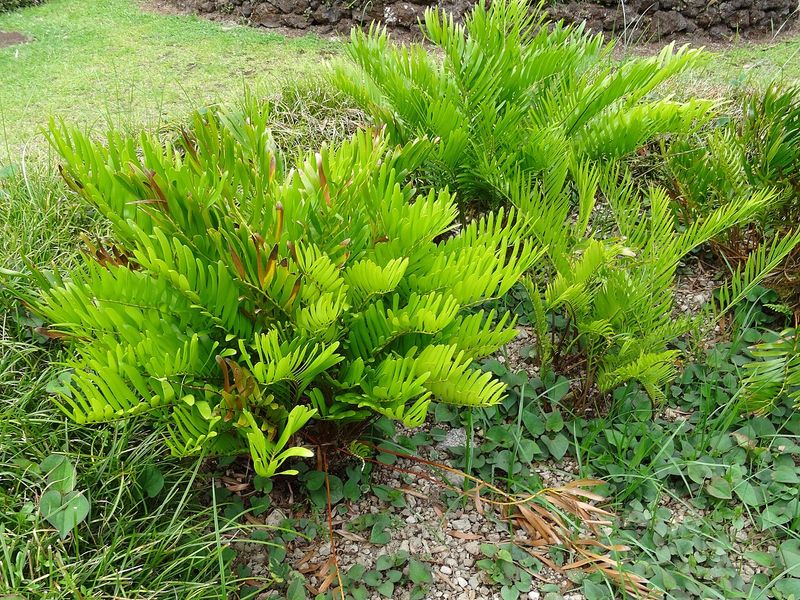
Picture a tidy, low-growing plant that holds its shape through summer heat and winter chill without asking for much. Coontie fits that bill beautifully.
This native cycad has been around for millions of years, and it shows in its rugged nature.
Coontie works well as a foundation plant, border accent, or low shrub-like feature when placed in the right spot. It tolerates drought once established and brings a neat, tropical look without the fuss of replanting.
According to UF/IFAS, coontie also serves as the larval host plant for the rare atala butterfly, adding wildlife value to your landscape.
Before you plant, know that all parts of coontie are toxic if eaten. The seeds and foliage contain compounds that can harm pets, children, or anyone who might nibble.
Place it thoughtfully, away from play areas or curious animals.
Give coontie well-drained soil and part shade to full sun, depending on your region. In southern parts of the state, it appreciates some afternoon shade.
In northern areas, it can handle more sun. Mature plants spread slowly and stay compact, making them easy to fit into beds without crowding.
Once settled, coontie asks for little beyond occasional cleanup of old fronds. It is a plant you can count on for years, not seasons.
2. Let Muhly Grass Return With Airy Fall Color
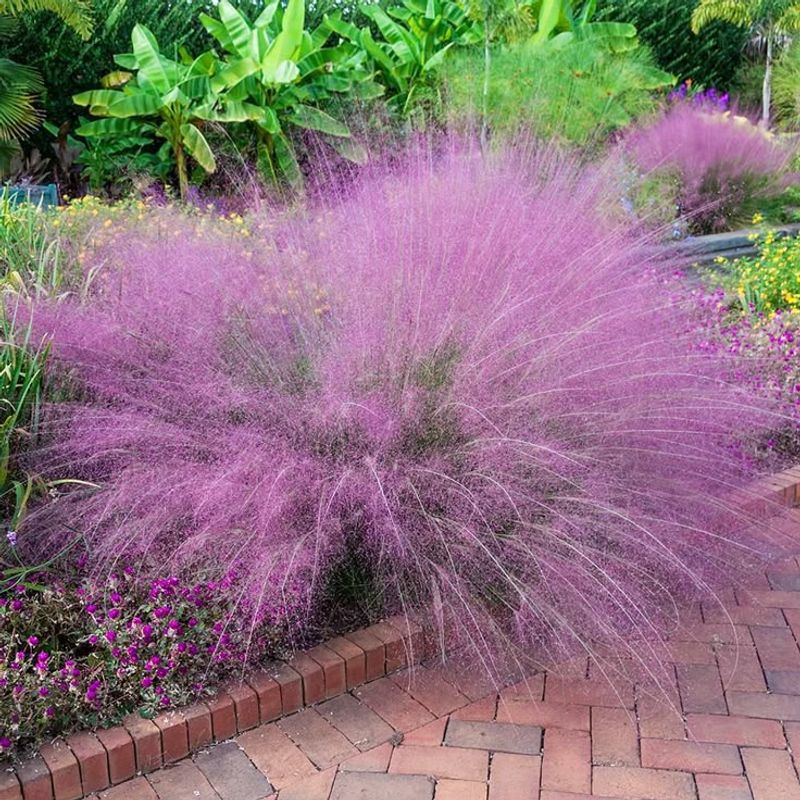
Soft pink plumes catching the late afternoon light can turn an ordinary Florida border into something magical. Muhly grass delivers that moment every fall, and it comes back to do it again year after year.
This native clumping grass forms neat mounds of fine-textured foliage that stay tidy through most of the year. When cooler weather arrives, airy flower plumes rise above the green, creating clouds of pink or purple that sway with the breeze.
UF/IFAS recommends muhly grass for sunny borders, mass plantings, and low-maintenance beds where its texture and color can shine.
Muhly grass needs well-drained soil and full sun to perform its best. Wet, shady spots will leave it looking weak and floppy.
Your Florida Garden Changes Every Week. Your Plan Should Too.
Gardening in Florida changes quickly throughout the season. Every Friday you’ll receive a simple weekly plan showing exactly what to plant, prune, fertilize, harvest, and protect so you never miss the right timing.
Plant it where water drains quickly and sunlight reaches for most of the day.
This grass is not maintenance-free. You will need to cut back old foliage in late winter to make room for fresh growth.
Some gardeners also divide clumps every few years to keep them vigorous. But you will never replant it from scratch, which is the real win.
In southern regions, muhly grass stays green through winter. In northern parts of the state, it may go dormant and look brown until spring warmth returns.
3. Use Firebush For A Long Lasting Pollinator Anchor
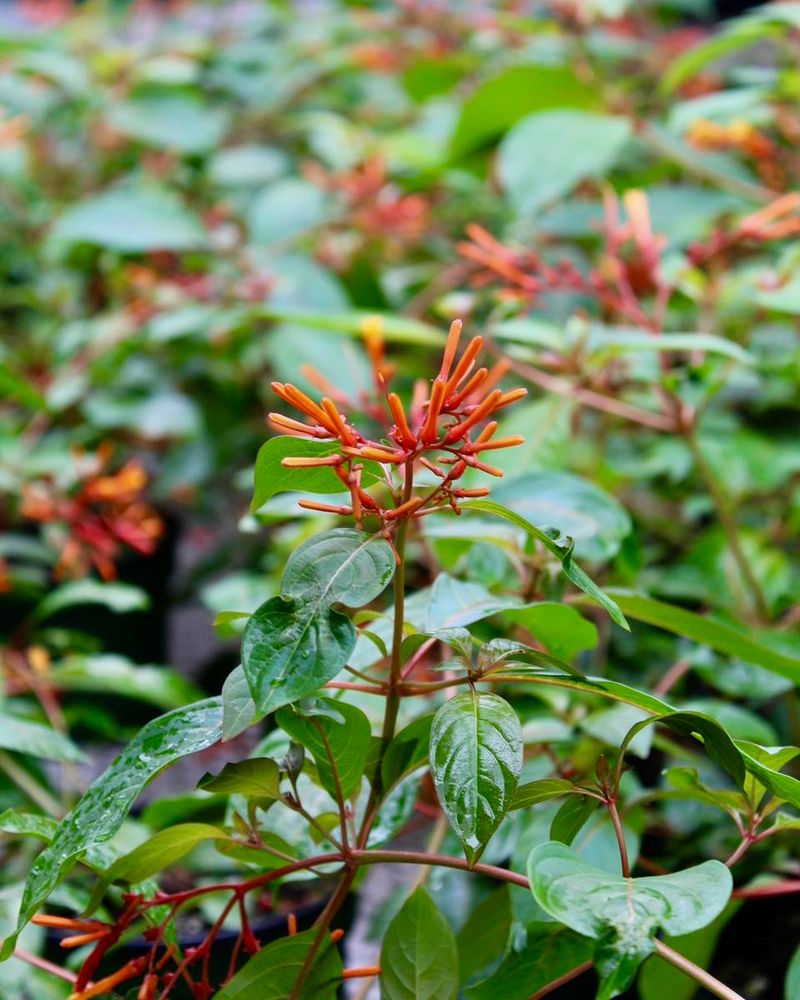
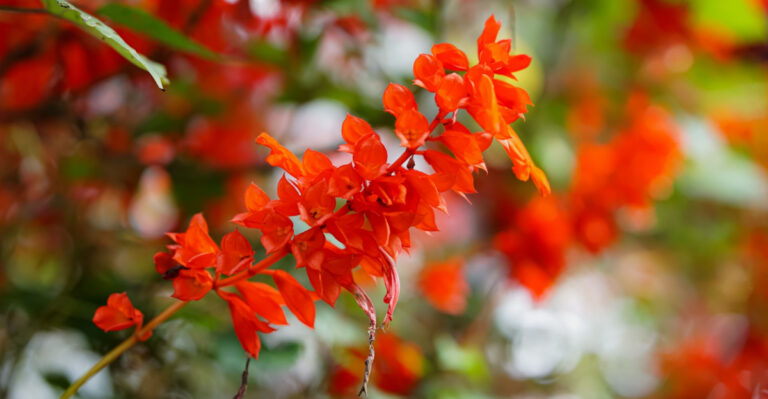
Hummingbirds darting between tubular orange flowers, butterflies pausing on bright blooms, and bees working the nectar-rich blossoms make any garden feel alive. Firebush brings that energy, and it can stick around for years when conditions suit it.
According to UF/IFAS, firebush is a durable native shrub that attracts hummingbirds and butterflies with its tubular flowers. In southern regions, it can grow into a large, woody shrub that blooms much of the year.
In central areas, it may behave more like a perennial, losing size in winter but returning from roots when warmth comes back.
In northern regions, expect firebush to act more like a root-hardy perennial. Cold snaps can cut it to the ground, but roots often survive and send up new growth in spring.
Do not count on year-round size or evergreen foliage in colder zones.
Firebush prefers full sun but tolerates part shade, though flowering may be lighter in shadier spots. It adapts to a range of soils and handles drought once established.
Regular watering during dry spells keeps blooms coming.
Prune firebush in late winter to shape it or remove frost-damaged stems. Fertilize lightly if growth seems slow, but avoid overfeeding, which can reduce flowering.
4. Choose Beautyberry For A Native Shrub That Comes Back Strong
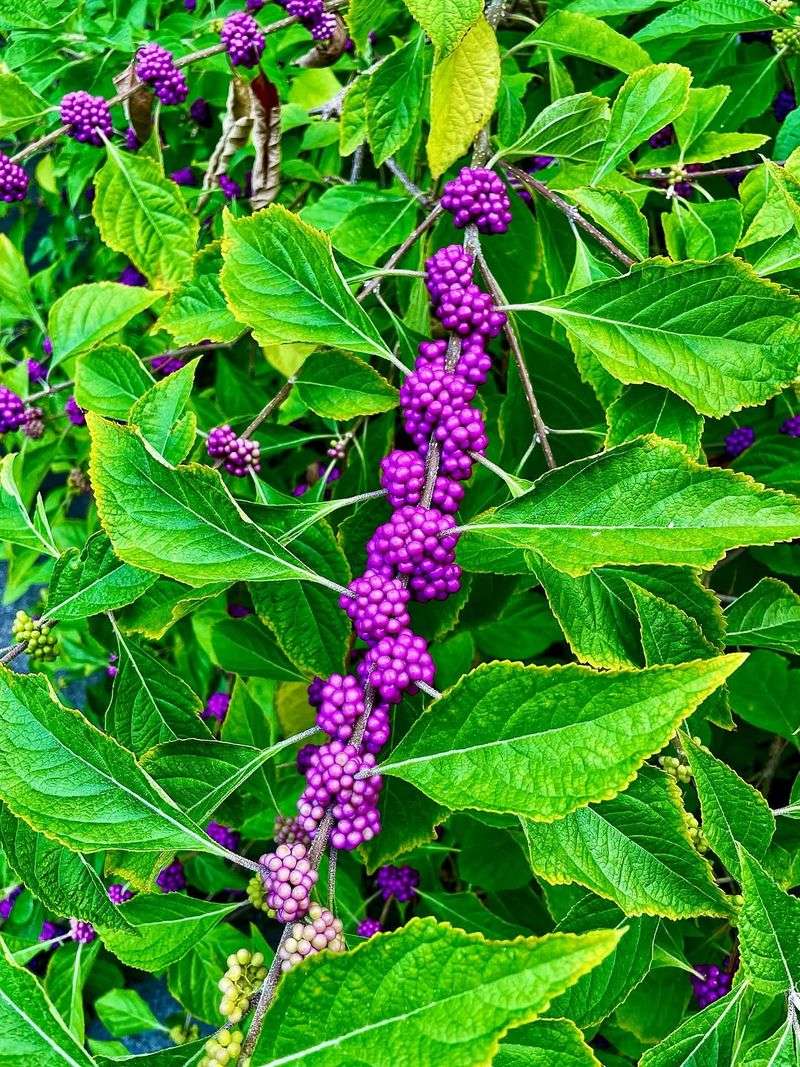
After the last summer flowers fade, clusters of bright purple berries appear along arching branches, catching the eye and feeding local birds.
American beautyberry, Callicarpa americana, brings that seasonal surprise, and it returns year after year without replanting.
This native shrub has a loose, natural shape that fits woodland edges, wildlife gardens, and informal borders better than tight formal beds. UF/IFAS notes that beautyberry produces purple fruit clusters in fall and can self-seed, so give it room to spread.
Do not confuse this plant with imported beautyberries or hybrids sold at some nurseries. The native species, Callicarpa americana, is the one adapted to local conditions and wildlife.
Check plant tags carefully before you buy.
Beautyberry grows best in part shade to full sun with moist, well-drained soil. It tolerates a range of soil types and can handle brief dry spells once established.
In shadier spots, expect a more open form and fewer berries.
Prune beautyberry in late winter to control size or remove old stems. Hard pruning encourages fresh growth and more berries, since flowers and fruit appear on new wood.
Birds love the berries, so expect some self-seeding if conditions are right.
5. Grow Sunshine Mimosa As A Spreading Native Groundcover
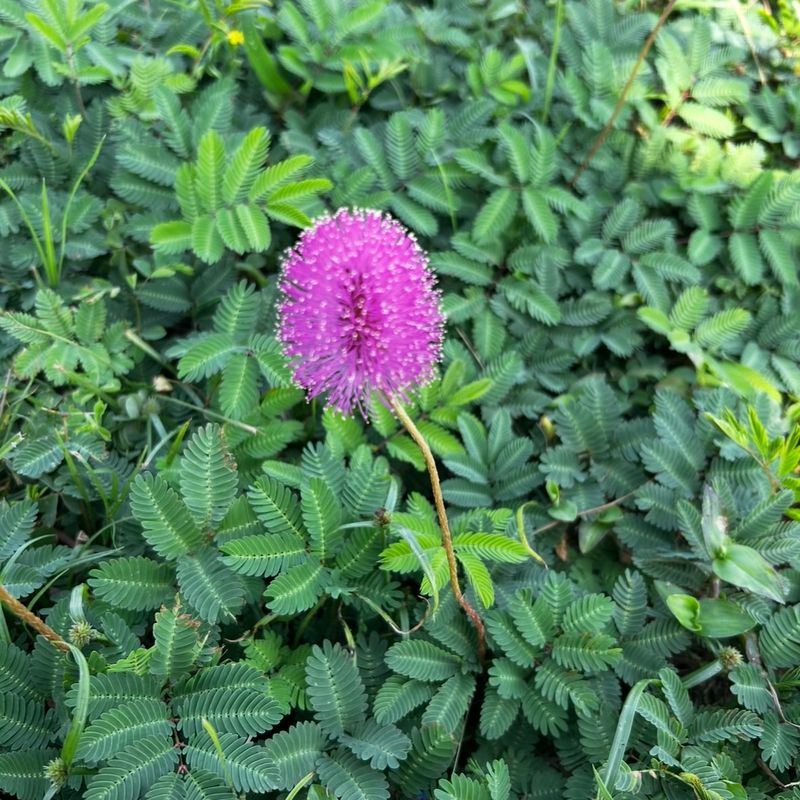
Bare soil baking in the sun or a hot edge that nothing seems to cover can frustrate even patient gardeners. Sunshine mimosa can solve that problem, spreading ferny foliage and pink powderpuff flowers across sunny patches where other plants struggle.
According to UF/IFAS, sunshine mimosa is a native groundcover that spreads by rhizomes and can persist for years when conditions fit. Its delicate-looking leaves and soft pink blooms add texture and color to sunny beds, slopes, and informal areas.
Understand that sunshine mimosa spreads. This is useful where you want groundcover to fill in, but it can become frustrating in a tightly controlled bed.
Do not plant it where you need sharp edges or precise spacing.
Sunshine mimosa needs full sun and well-drained soil. It tolerates sandy, dry sites once established and can handle heat that would wilt other groundcovers.
Avoid planting it in shade or wet areas, where it will perform poorly.
Mow or trim sunshine mimosa once or twice a year to keep it tidy and encourage fresh growth. It may look sparse in cooler months but rebounds quickly when warmth returns.
Check whether it suits your site before planting, especially if you prefer a more contained landscape.
6. Plant Perennial Peanut Where Turf Keeps Failing
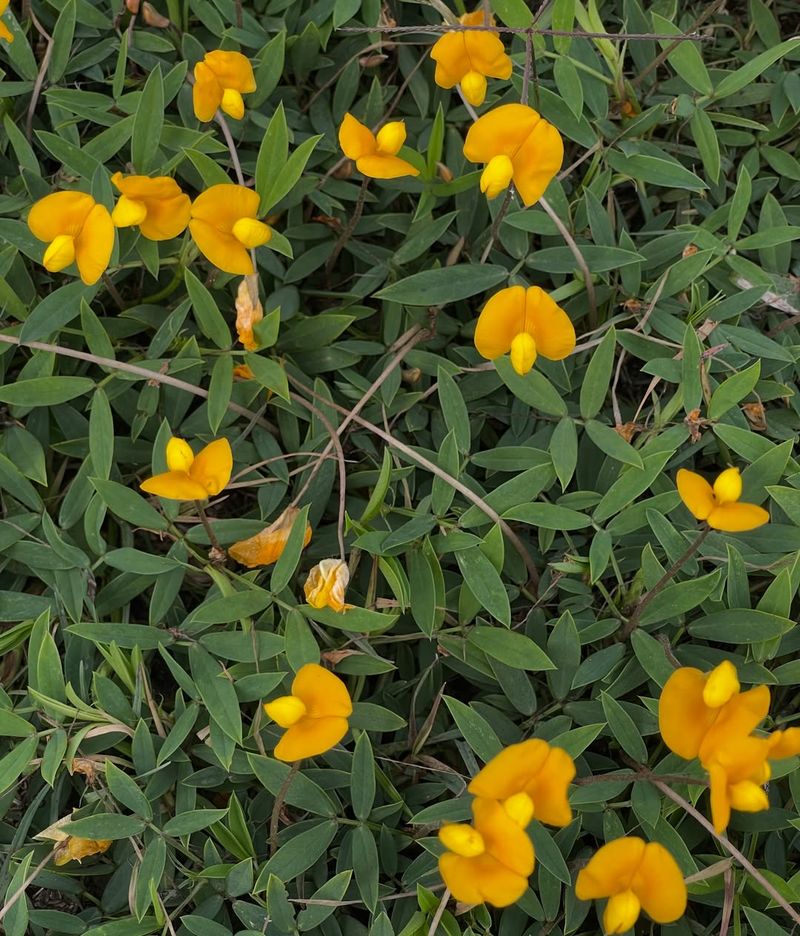
Brown patches, constant watering, endless mowing, and turf that never looks quite right can make lawn care feel like a losing battle. Perennial peanut offers a different path, especially in sunny spots where traditional grass struggles.
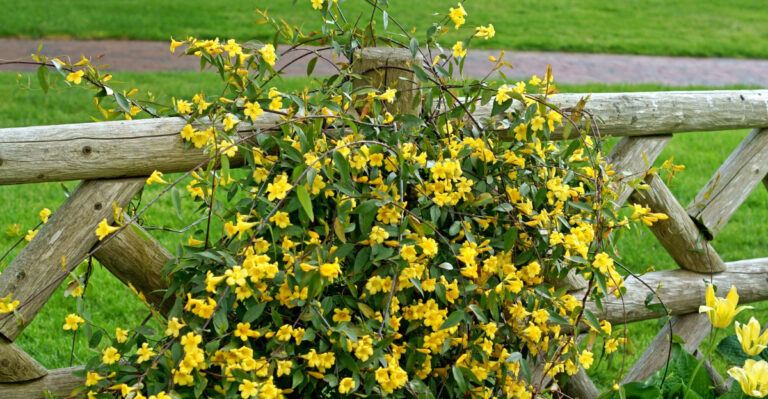
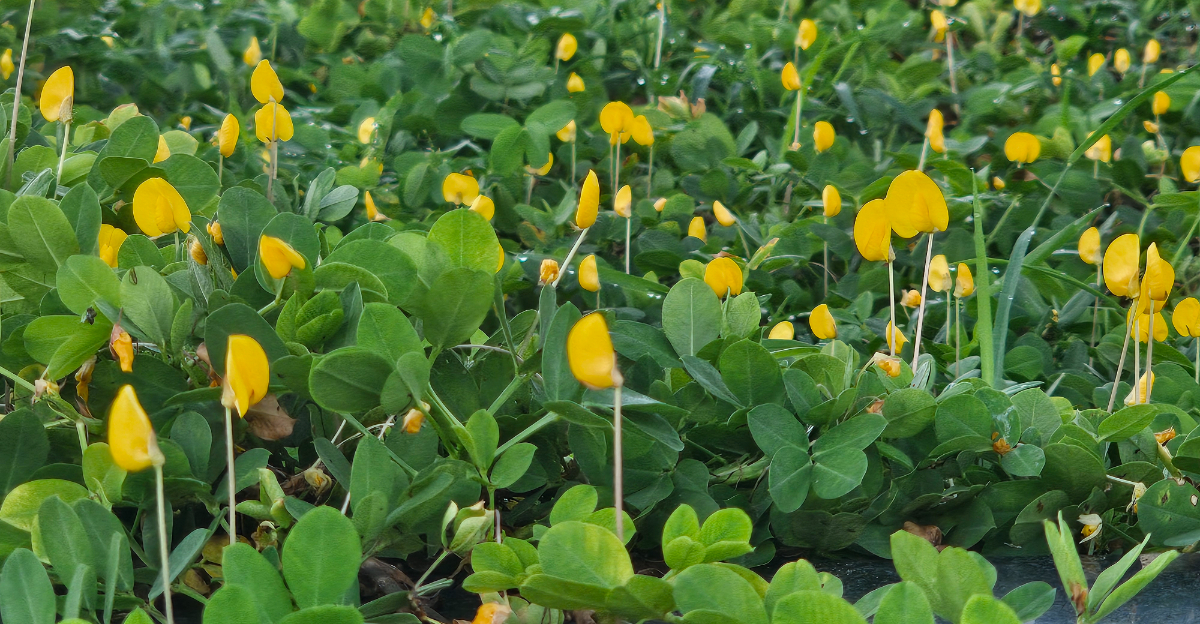
This warm-season groundcover spreads by rhizomes and can persist for years once established, according to UF/IFAS. It stays low, produces small yellow flowers, and requires far less mowing than turf.
Many homeowners use it as a lawn alternative in areas where grass refuses to thrive.
Perennial peanut is not native, so understand its limits. It goes dormant or looks thin in cooler months, especially in northern regions.
It needs full sun and good drainage to perform well. Shade or wet soil will leave it looking sparse and weak.
Do not expect perennial peanut to replace turf in every situation. It works best in sunny, well-drained areas where you want a low-growing groundcover that does not need frequent replanting.
It tolerates moderate foot traffic but not heavy wear.
Mow perennial peanut a few times each growing season to keep it tidy. Fertilize lightly in spring to encourage growth.
Water during establishment, then reduce watering once it spreads. In colder areas, expect dormancy and plan for seasonal color changes.
7. Use Saw Palmetto For Rugged Evergreen Structure
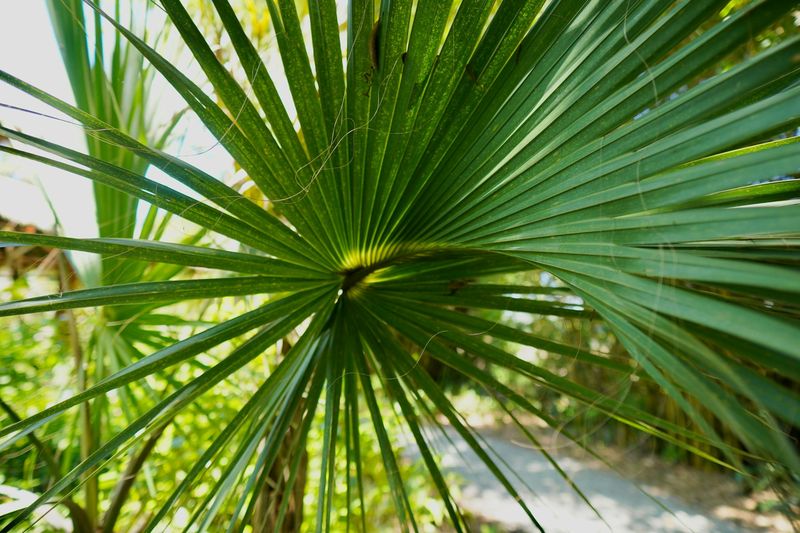
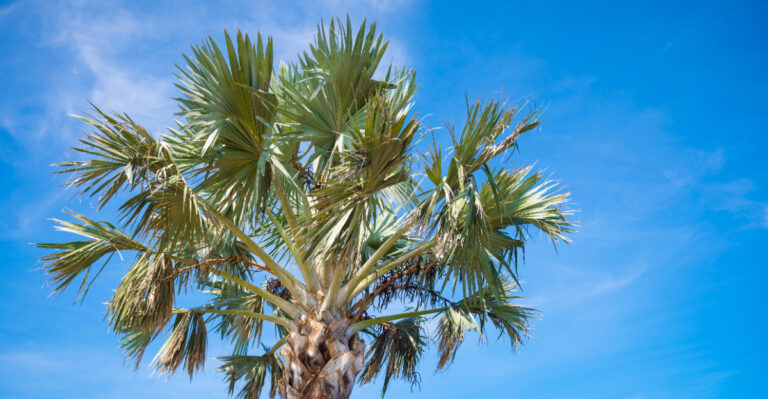
Harsh sun, sandy soil, dry spells, and salt spray can challenge even tough plants. Saw palmetto handles all of it without complaint, bringing year-round structure to landscapes that need rugged, low-maintenance greenery.
This native palm-like shrub forms broad, spreading clumps of fan-shaped fronds that stay green through every season. According to UF/IFAS, saw palmetto tolerates drought once established and provides wildlife habitat for birds, pollinators, and small animals.
Its dense form can anchor naturalistic plantings or fill large beds where other shrubs would need constant replacement.
Give saw palmetto plenty of room. It spreads wide with age and has sharp leaf stems that can scratch skin or snag clothing.
Do not plant it beside narrow walkways, small entry beds, or areas where people pass closely.
Saw palmetto grows best in full sun to part shade with well-drained soil. It adapts to sandy, dry sites and coastal conditions, making it ideal for challenging spots.
Avoid planting it in wet, shady areas where it will struggle.
This plant needs little care beyond occasional removal of old fronds. It grows slowly, so plan for long-term placement rather than quick results.
Saw palmetto is a plant you settle in once and leave to do its job for years.
8. Choose Simpson Stopper For A Lasting Native Hedge
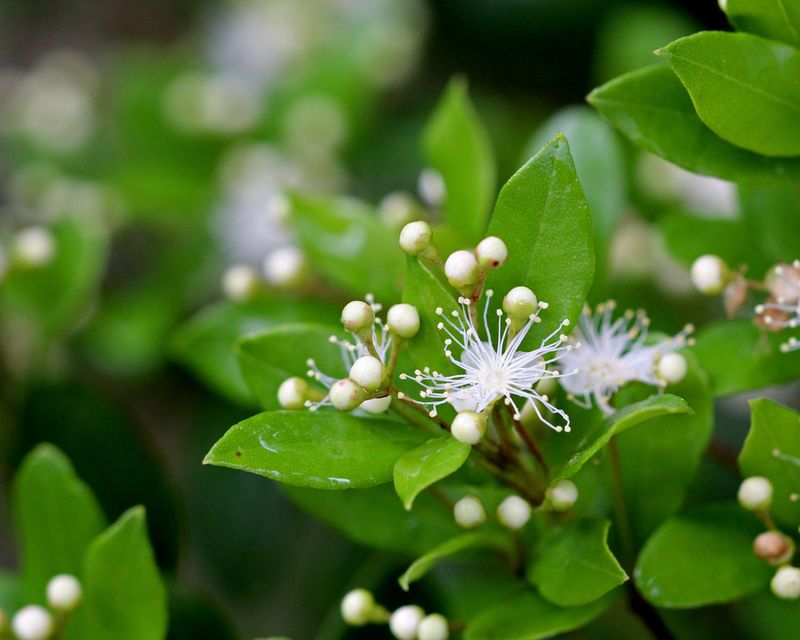
Privacy screens and hedges that need replanting after a few seasons waste time and money. Simpson stopper offers a better solution, growing into a dense, evergreen hedge or small tree that can last for years when placed well.
According to UF/IFAS, Simpson stopper is a native shrub or small tree that produces evergreen foliage, white flowers, and red fruit. It works well as a hedge, screen, or specimen plant in home landscapes.
Birds and pollinators appreciate the flowers and berries, adding wildlife value to your yard.
Simpson stopper adapts to a range of light conditions, from full sun to part shade. It tolerates various soil types and handles drought once established.
In coastal areas, it can tolerate some salt exposure, making it useful near the shore.
If you plan to use Simpson stopper as a hedge, expect to prune it regularly to maintain shape and size. Long-lived does not mean untouched.
Pruning in late winter or early spring keeps hedges tidy without sacrificing flowers or fruit.
Give Simpson stopper room to reach its mature size, which can be several feet tall and wide depending on growing conditions. Crowding it into small spaces will require constant pruning and reduce its natural form.
9. Plant Walter’s Viburnum For Dependable Native Screening
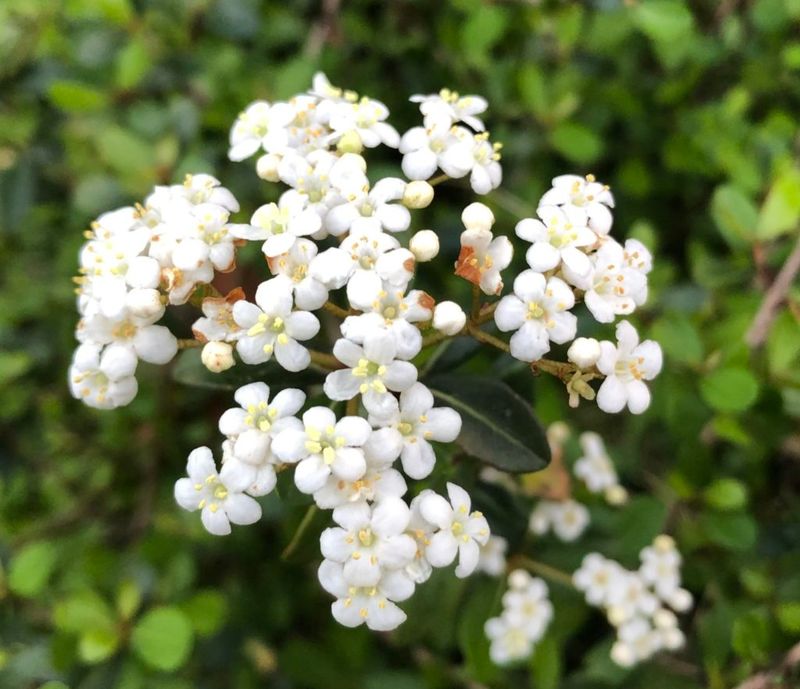
Blocking an unwanted view or creating a living wall between properties often means choosing plants that grow fast but fade quickly.
Walter’s viburnum takes a different approach, growing steadily into a dependable screen that can last for years without seasonal replacement.
This native shrub or small tree produces glossy evergreen foliage, clusters of white flowers in spring, and berries that attract birds. According to UF/IFAS, Walter’s viburnum works well for screening, hedges, and wildlife-friendly landscapes.
Its dense growth and year-round foliage make it a practical choice for privacy plantings.
Walter’s viburnum tolerates a range of conditions, including wet soils and part shade. It grows best in moist, well-drained soil with regular water, especially during establishment.
In drier sites, it may need supplemental watering during dry spells.
Choose the right form or cultivar for your needs. Some selections stay more compact, while others can grow into small trees.
Check mature size before planting to avoid constant pruning later.
Prune Walter’s viburnum carefully if you use it as a hedge. Heavy pruning can reduce flowering and fruiting.
Light shaping in late winter or after flowering keeps plants tidy without sacrificing too much wildlife value. Allow room for mature size to reduce maintenance over time.
10. Use Beach Sunflower For Self Renewing Coastal Color
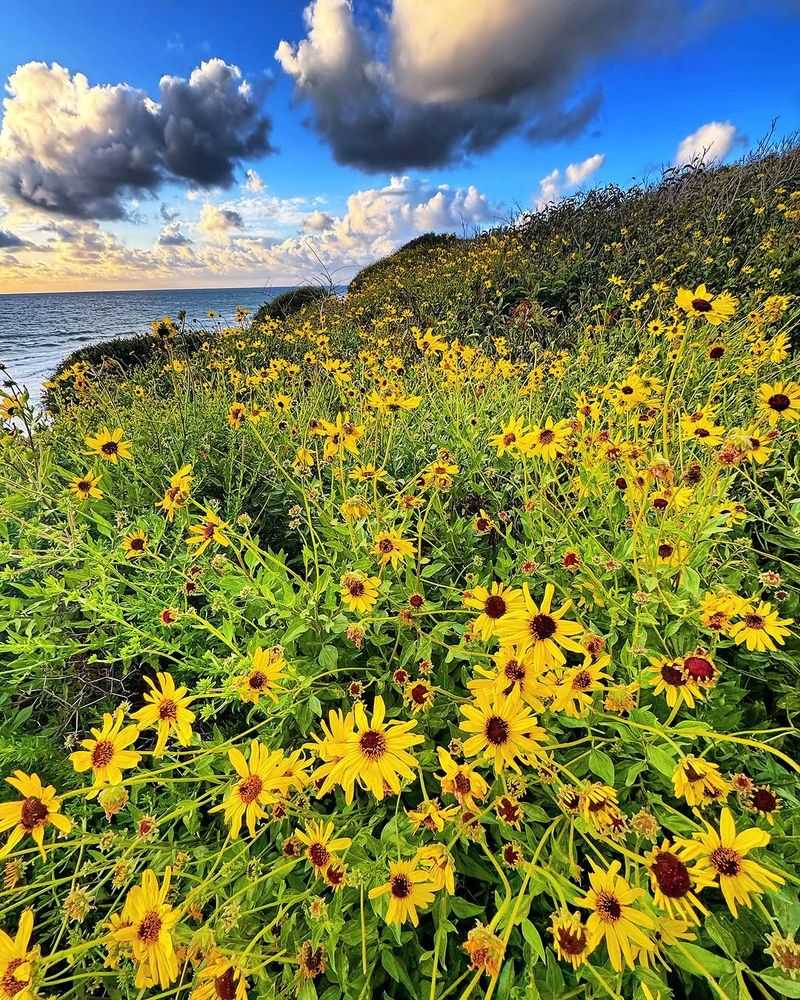
Bright yellow blooms spilling across sandy soil, catching sunlight and waving in the breeze, can turn a plain patch into a cheerful garden. Beach sunflower delivers that sunny look, and it can renew itself year after year in the right spot.
According to UF/IFAS, beach sunflower is a native groundcover that produces yellow daisy-like flowers and spreads across sunny, sandy sites. It tolerates salt spray, heat, and drought, making it ideal for coastal gardens and informal beds.
Its spreading habit can fill in bare areas without the need for replanting.
Beach sunflower may reseed or spread by runners, which is useful in informal plantings but less ideal for tight formal designs. Give it room to roam, and avoid planting it where you need strict boundaries.
This groundcover needs full sun and well-drained soil to thrive. It performs best in sandy, coastal-style sites and struggles in shade or soggy conditions.
Do not expect it to bloom heavily without plenty of sunlight.
Beach sunflower needs little care beyond occasional trimming to control spread or remove spent flowers. It may look sparse in cooler months but rebounds quickly when warmth returns.
Use it in areas where its spreading nature is an advantage, not a problem.
11. Plant Fakahatchee Grass For Big Native Texture Year After Year
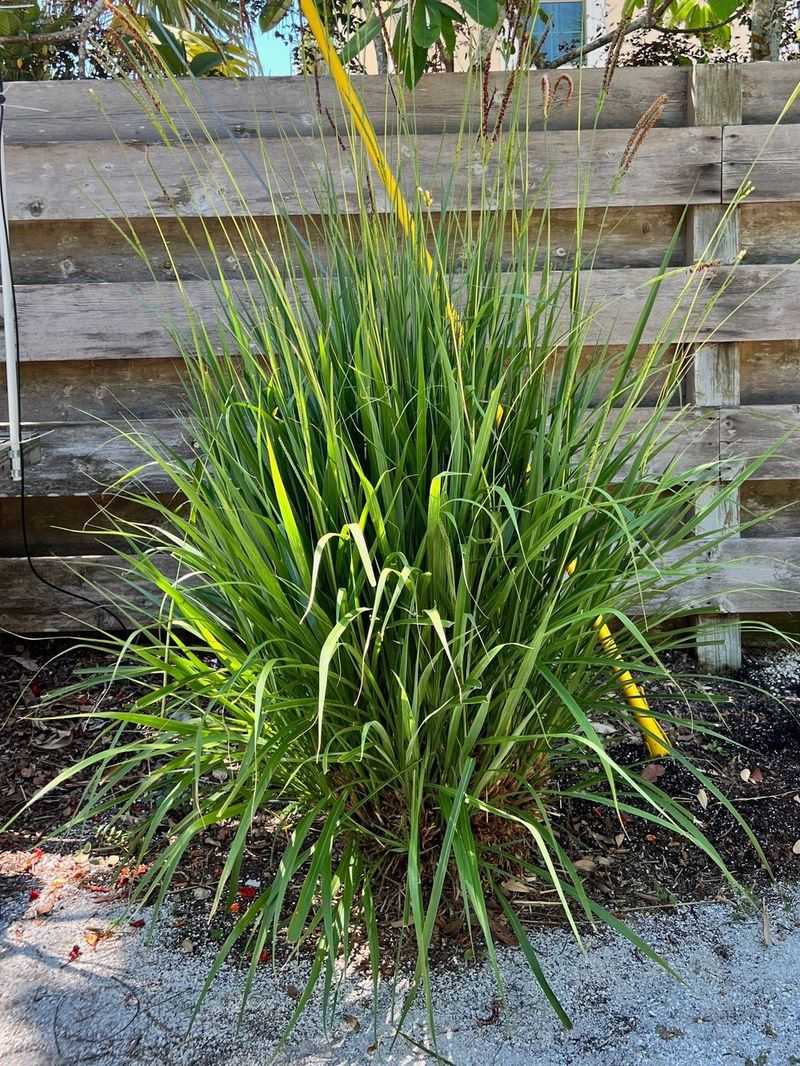
Height, movement, and bold texture can anchor a garden and give it a sense of permanence that small plants cannot match. Fakahatchee grass brings all three, forming large clumps that return year after year without the need for replanting.
This native clumping grass produces arching blades that can reach several feet tall and wide, creating a dramatic focal point or backdrop.
According to UF/IFAS, Fakahatchee grass works well in naturalistic plantings, rain gardens, and areas where its size and texture can shine.
Its long-lived nature makes it a practical choice for homeowners who want a settled, mature look.
Give Fakahatchee grass plenty of room. It grows into large clumps that can crowd paths, small beds, or foundation plantings if placed too close.
Plan for its mature size before planting to avoid constant pruning or transplanting.
Fakahatchee grass prefers moist to wet soils and tolerates part shade to full sun. It adapts to a range of conditions but performs best with regular moisture.
In drier sites, it may need supplemental watering during dry spells.
Cut back old foliage in late winter to make room for fresh growth. Divide clumps every few years if they outgrow their space.
Fakahatchee grass is a plant that rewards patience, growing more impressive with each season.