Never Leave Harvested Tomatoes In The Hot Ohio Sun
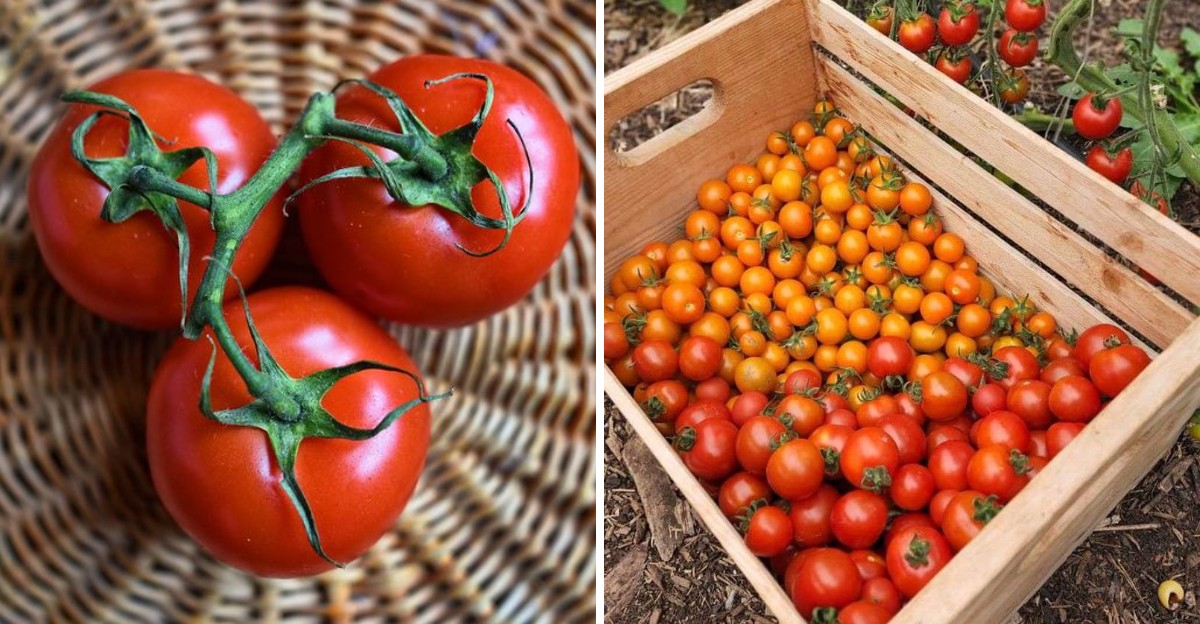
A basket of tomatoes sits on the porch step at eleven in the morning, picked and perfect, waiting for someone to carry it inside before the day gets busy.
By two o’clock the shoulders have gone dull, one fruit has a pale papery patch, and the whole basket smells a little too sweet already.
That kind of loss happens in a single Ohio afternoon, and it has nothing to do with how well the plants were grown all summer long.
Most gardeners never realize the damage is happening until it’s too late, since a tomato left in the sun looks fine right up until it suddenly doesn’t.
Handling fruit right in the first hour after picking protects every bit of work that came before it, from seed starting to the final harvest.
1. Direct Sun Speeds Up Overripening
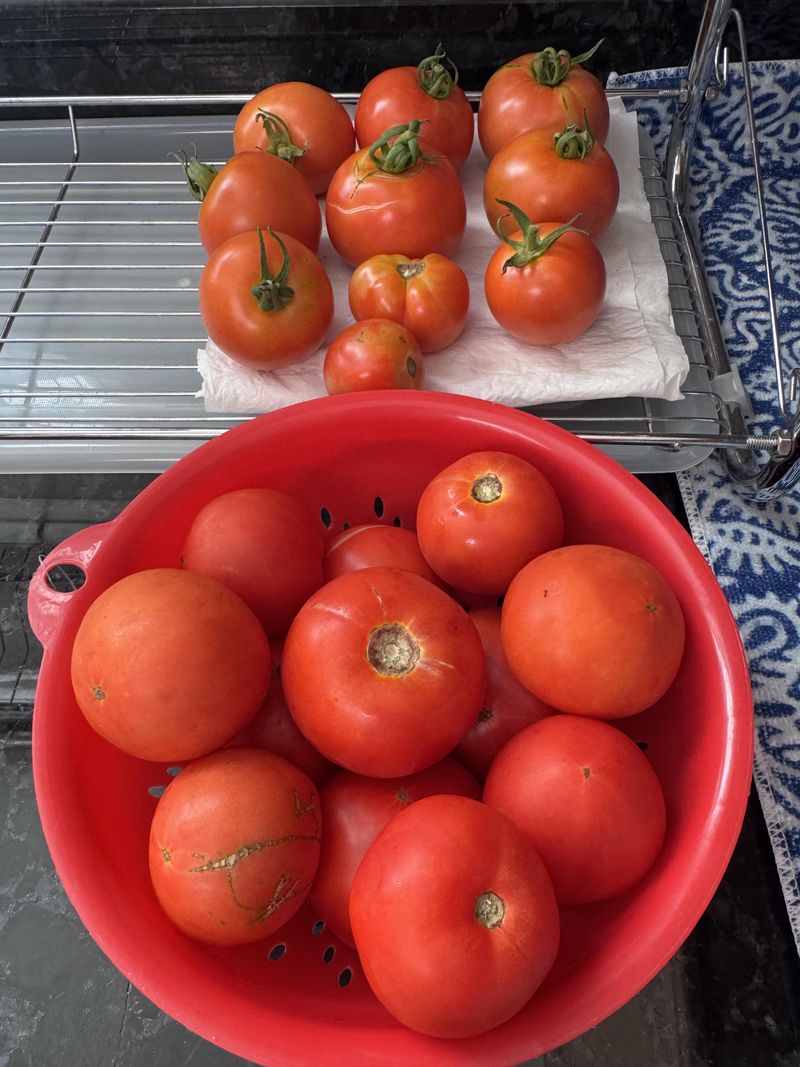
A tomato does not stop changing the moment you snap it off the vine at all. It keeps breathing, keeps producing ethylene, and keeps softening on its own schedule regardless.
Heat pushes that schedule into fast-forward mode quickly. Sitting in full sun, the inside of a tomato can climb well above the surrounding air temperature because dark red skin soaks up radiant energy.
OSU Extension guidance on handling ripe tomatoes points growers toward cool, shaded conditions rather than warm spots, because warmth speeds the breakdown of cell walls.
You can watch it happen over an afternoon without much effort. Shoulders lose their shine, skin wrinkles slightly near the stem scar, and a fruit that felt solid at breakfast dents easily.
Overripening matters for more than just looks either. Softened tissue leaks juice, invites fruit flies, and gives mold spores an easy entry point through tiny cracks forming.
Anyone planning to can, freeze, or sell the harvest loses the most from this kind of neglect. Processing works best with firm fruit that holds shape during slicing and blanching properly.
A quick habit fixes it easily enough. Carry a shallow container into the garden, fill it only one or two layers deep, and walk it straight into shade.
Never park full baskets on a driveway, truck bed, or porch step while finishing other chores around the house. Ten minutes turns into an hour fast, and August in Ohio rarely forgives that kind of forgetfulness.
2. Sunscald Shows Up Within Hours
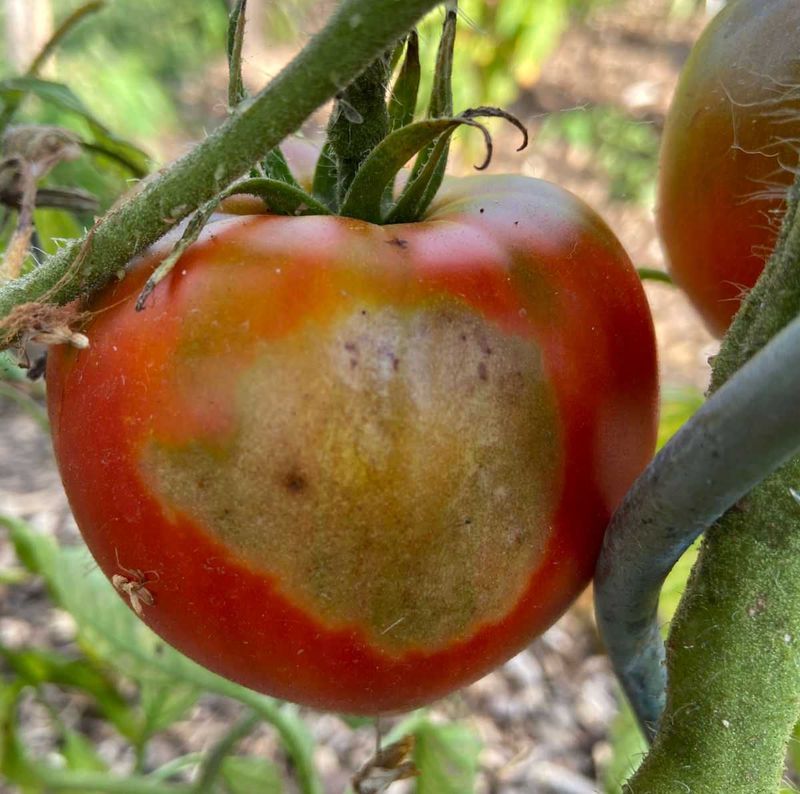
Sunscald is not only a field problem affecting plants still growing on the vine. Harvested fruit sitting exposed can develop the same pale, papery patch gardeners recognize elsewhere.
Damage begins where light hits hardest on the fruit’s surface. The spot first looks slightly yellow or whitish, then flattens, dries, and turns leathery with a grayish center.
Timing surprises people every year without fail. On a bright, still afternoon with temperatures in the high eighties, visible marks can appear within a couple of hours.
Extension horticulturists describe sunscald as tissue injury from combined light and heat, essentially a burn on the fruit’s delicate skin. Once skin cells are damaged, the area cannot heal properly.
Your Ohio Garden Changes Every Week. Your Plan Should Too.
Gardening in Ohio changes quickly throughout the season. Every Friday you’ll receive a simple weekly plan showing exactly what to plant, prune, fertilize, harvest, and protect so you never miss the right timing.
Secondary trouble follows fast after that initial damage occurs. Black mold often colonizes the damaged patch, and soft rot organisms move in through the weakened surface quickly.
Ripe fruit is more vulnerable than green fruit overall because the flesh underneath is already soft and full of sugars ready to spoil.
Checking the harvest carefully helps you salvage food rather than tossing it all. Cut away a small scalded area on an otherwise firm tomato and use that fruit first.
Toss anything with seeping juice, an off smell, or fuzzy growth without hesitation. Those go to the compost pile, not the kitchen counter for eating.
Prevention costs nothing at all in terms of time or money. A folded sheet, an old towel, or the shade of a maple tree keeps sunscald off picked fruit entirely.
3. Flavor And Texture Both Suffer
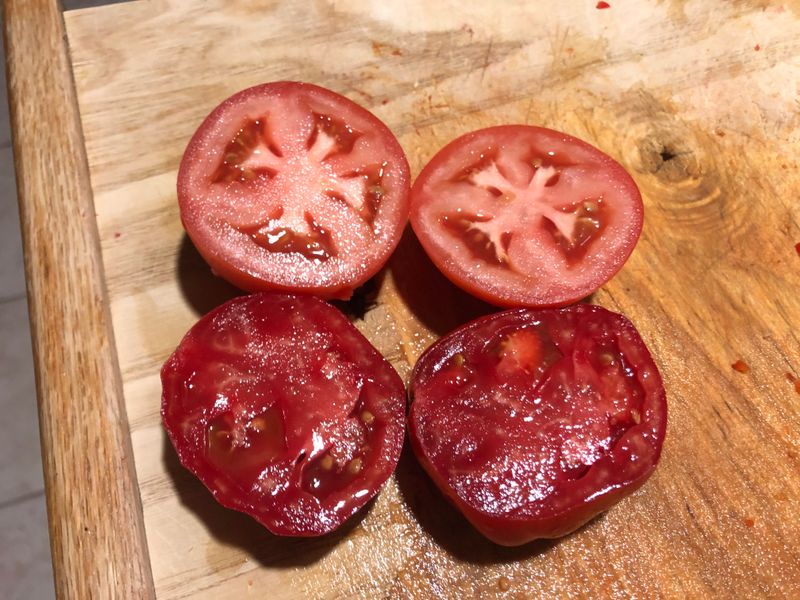
Ask anyone who grows heirlooms why they bother with the extra effort, and flavor comes up first every single time without exception.
Sun exposure after picking quietly undoes that flavor advantage though. Sugars and acids sit in balance inside a ripe tomato, and sustained heat pushes respiration higher, burning through sugars fast.
The result tastes flat and disappointing overall. Slices come out watery, a little bland, sometimes faintly sour without the sweetness that usually balances the bite properly.
Texture goes downhill along a similar path too. Pectin holding cell walls together breaks down when internal temperature climbs too high for too long.
Bite into a sun-baked slicer, and you get mush near the skin with juice running off the cutting board entirely. Sandwich builders know that disappointment well from experience.
Heat above roughly 85 to 90 degrees also interferes with lycopene production, the pigment behind deep red color in ripe fruit. Fruit can end up blotchy or unevenly colored.
Cooking cannot rescue what the sun already removed from the fruit’s cellular structure. Sauce made from heat-stressed fruit tends to taste thin and watery overall.
Side-by-side tasting makes believers out of skeptics fast. Pick six tomatoes, leave three in sun for three hours, keep three in shade, then slice both sets.
Differences in aroma and juiciness usually show up clearly within minutes of tasting each batch side by side. That small experiment tends to change harvest habits permanently for most gardeners who try it.
4. Shade Preserves Quality After Picking
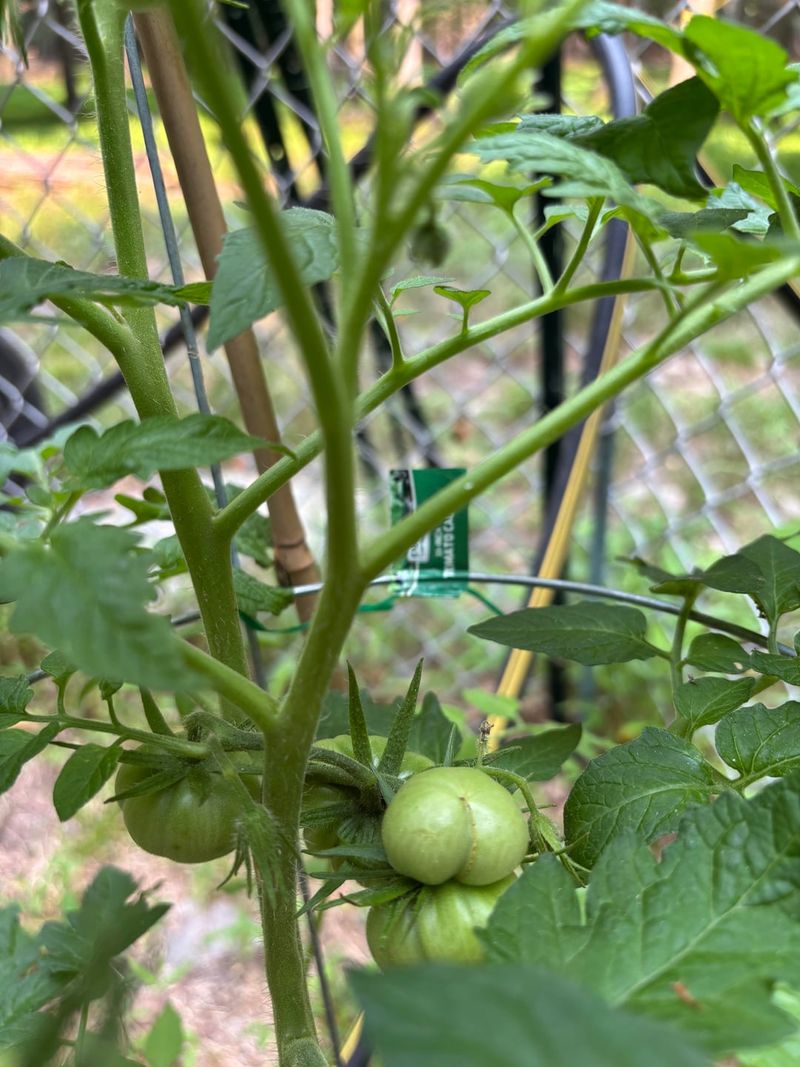
The fix here is almost embarrassingly simple: get the fruit out of the light.
Bring shade with you into the garden. A garden cart with a plywood lid, a cooler with the lid propped, or a cardboard box turned on its side all work.
Shade lowers the radiant load immediately. Fruit in open sun can run 10 to 20 degrees warmer inside than air temperature, while shaded fruit tracks close to ambient.
Set containers on grass or soil rather than concrete or metal. Driveways and truck beds store heat and radiate it upward long after noon.
Airflow matters as much as darkness. Stack no more than two layers deep, and skip sealed plastic bags, which trap humidity and encourage rot.
Timing the harvest helps too. Morning picking, right after dew dries, gives you the coolest fruit of the day and the widest safety margin.
Ohio afternoons in July and August often sit in the upper eighties with strong sun, so a shaded staging spot near the garden pays for itself.
Farmers market growers use the same trick at the stand. Canopies, shade cloth, and covered crates keep display fruit from cooking while customers browse.
Indoors, a garage floor, basement step, or shaded porch corner serves fine as the first stop. From there, sort for ripeness and damage.
Handle gently while sorting, since bruises and sun stress together shorten shelf life faster than either problem alone.
5. Cool Storage Extends Usable Life
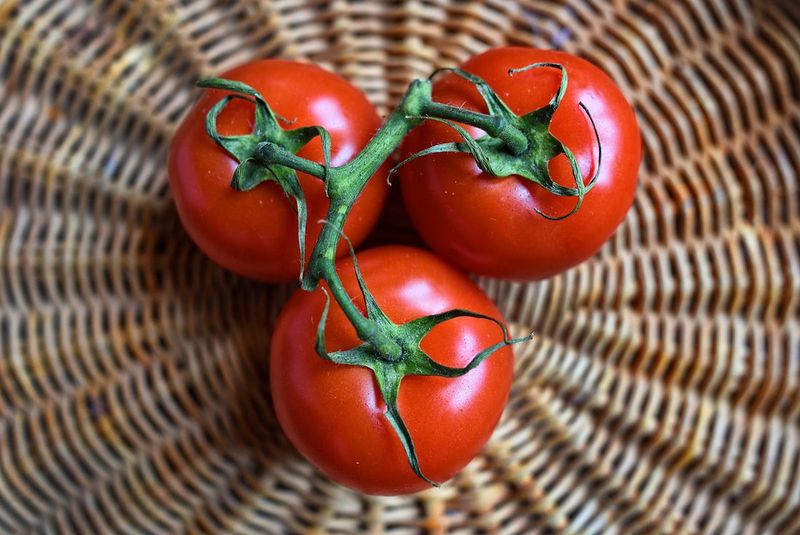
Here is where a lot of well-meaning gardeners take a wrong turn without realizing it. Fully ripe tomatoes hold best at cool room temperature, not colder storage.
Extension guidance commonly points to roughly 55 to 70 degrees, in indirect light with decent air movement circulating around the fruit.
That range works well because it slows softening without triggering the chilling damage that colder temperatures cause in ripe fruit tissue.
Good spots exist in most houses without much searching required. A north-facing counter, a pantry shelf, or a basement stairway all qualify nicely for this purpose.
Arrange fruit stem-end up in a single layer when storing. Stacking crushes lower tomatoes, and the stem scar is the softest entry point for spoilage organisms to enter.
Skip the sunny windowsill entirely, despite that old kitchen tradition many people still follow. Windowsills combine heat and light, exactly the pair that ruins texture fastest.
Green or partly colored fruit ripens well around 65 to 70 degrees specifically. Warmer than about 80 and color develops poorly across the fruit’s surface.
Expect roughly three days to a week of good eating from a ripe tomato held this way, depending on variety and handling during picking.
Check the bunch daily without skipping this step. One leaking fruit can spread soft rot through a whole tray within a day or two if left unchecked.
Use the softest ones first for sauce or salsa, and save the firmest for slicing fresh onto sandwiches or salads later in the week.
6. Skip The Fridge For Best Flavor
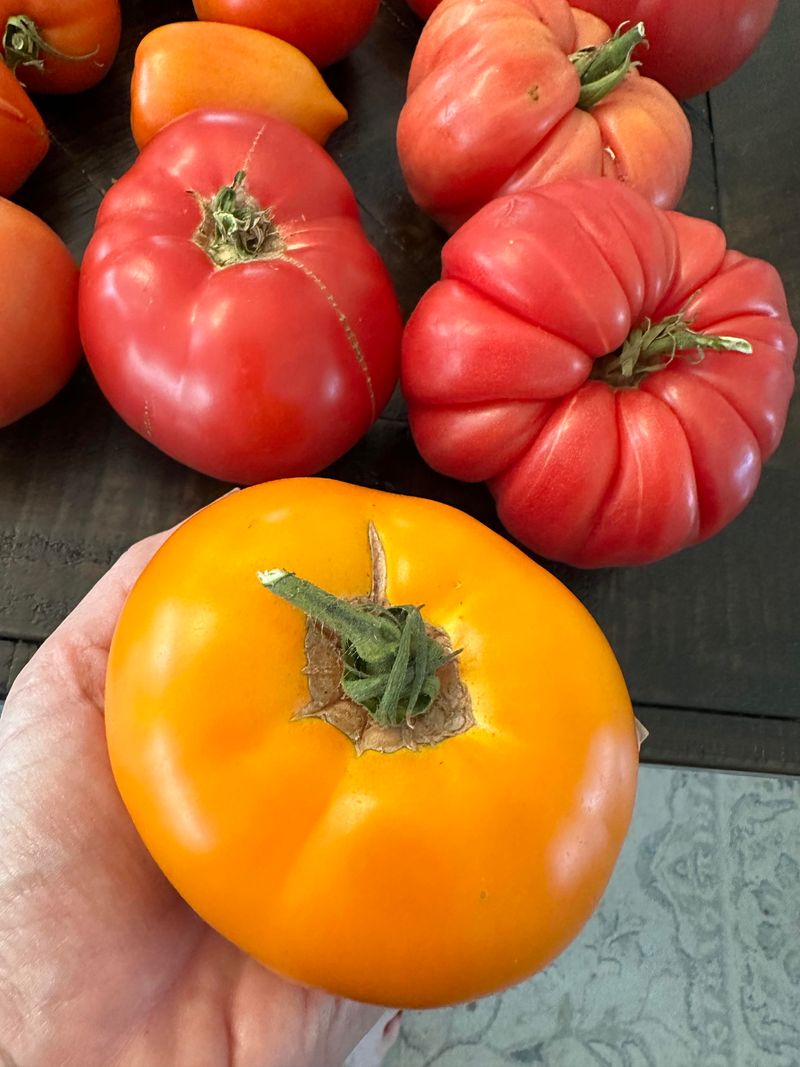
Rescuing a hot tomato by tossing it in the refrigerator feels like the responsible move to most people worried about spoilage. It usually makes things worse instead.
Chilling injury starts below roughly 50 to 55 degrees, and most home refrigerators run near 37 to 40 degrees, well into that damaging range.
Cold disrupts the enzymes that build aroma compounds inside the fruit’s cells. Research on tomato flavor has shown that refrigeration dulls volatile production noticeably over time.
Texture takes a hit at the same time as flavor suffers. Cell membranes leak, so chilled tomatoes turn grainy, dry, and oddly cottony inside the flesh.
Anyone who has bitten into a cold January supermarket tomato has tasted the outcome of this exact process happening at scale. Much of that blandness traces back to cold handling.
Exceptions exist though, and they are genuinely practical for real situations. Cut tomatoes must be refrigerated for food safety, covered, and used within a couple of days.
Fully ripe fruit you cannot use in time also belongs in the fridge rather than heading straight to the compost pile. Flavor loss beats total loss every time.
Set it out for an hour or so before slicing to take the chill off, which helps restore some aroma back to the fruit.
Better yet, plan ahead whenever possible during peak harvest season. Freeze whole washed tomatoes on a tray, then bag them for winter sauce later on.
Canning, roasting, and drying all preserve a surplus without the dull, mealy penalty that long refrigeration brings to fresh fruit stored too long.
7. A Few Minutes Of Care Pays Off
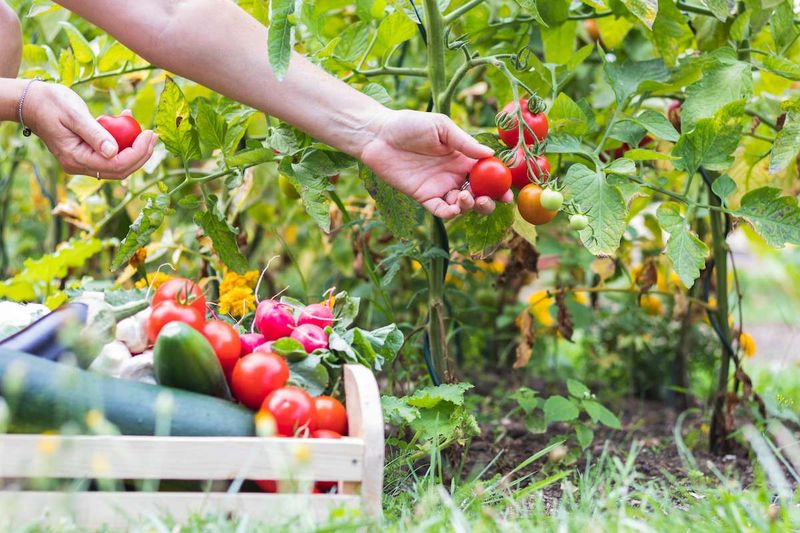
Think about everything that went into that basket sitting on the porch step right now. Seed starting under lights in March, hardening off, staking, and watching for hornworms all summer.
All of that effort can be undone in ninety minutes on a sunny step without anyone noticing until it’s too late to fix.
Build a short routine instead to protect that investment properly. Pick into shallow containers, move them to shade immediately, sort at the house, then store at cool room temperature.
Total added time runs maybe five minutes per harvest trip through the garden. Returns show up as firmer slices, sweeter sauce, and fewer fruit lost to the compost.
Kids and helpers pick up the habit quickly when you explain why it matters. Say sunburn, and the idea lands without needing a lengthy lecture on plant biology.
Keep a shaded holding spot ready before the season peaks in midsummer, since scrambling during peak harvest is how baskets get abandoned in the driveway.
Late summer in Ohio brings the heaviest picking and the strongest sun at the same time, which makes the habit worth locking in early.
Your reward is a tomato that tastes the way it did on the vine, still warm with flavor rather than cooked by neglect during transport inside.
Neighbors notice too when you share the harvest with them. Shared tomatoes that arrive firm and fragrant carry a reputation that lasts well past September each year.
8. Set Up A Dedicated Harvest Station
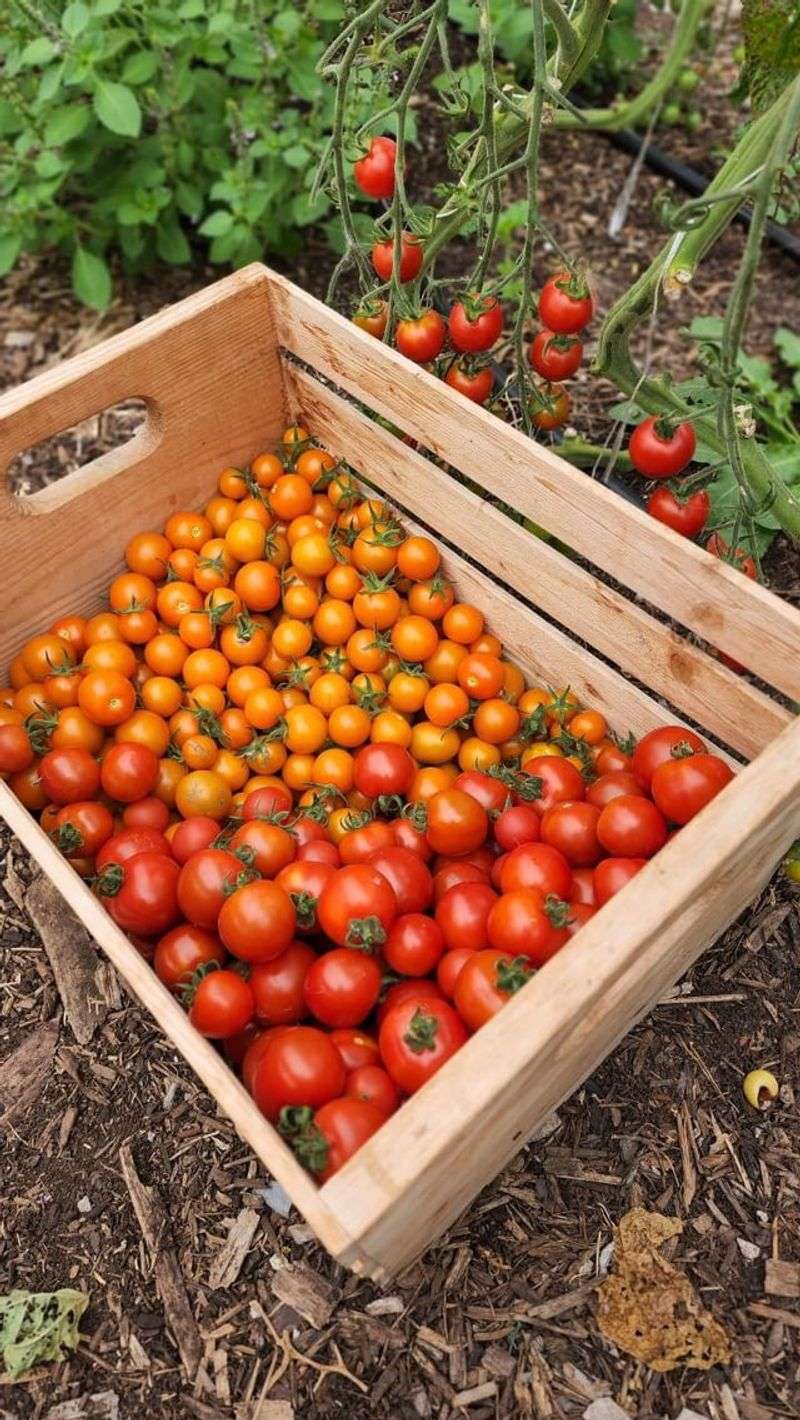
Most of the mistakes covered so far happen because there is no clear system in place, just good intentions that fall apart the moment a phone rings or a chore interrupts the picking trip.
A dedicated harvest station solves that problem by giving every tomato a clear, immediate destination the moment it leaves the vine, removing the guesswork that leads to baskets sitting forgotten in the sun.
Setting up a small table or bench in a shaded spot near the garden, stocked with shallow containers and a shade cloth or umbrella, creates a natural stopping point that takes the decision-making out of a hot, distracted afternoon.
Keeping the station stocked with clean containers ahead of time means there is never an excuse to grab whatever is nearby, whether that is a black bucket that traps heat or a deep basket that crushes fruit at the bottom.
A simple checklist posted nearby, even something as basic as containers, shade, sort, store, helps new gardeners or helpers build the habit without needing a full explanation every single time they head out to pick.
Locating the station between the garden and the back door means fruit spends the least possible time in transit, cutting down on the accumulated sun exposure that happens during multiple trips back and forth.
For gardeners harvesting daily during peak season, having this station already assembled removes the temptation to skip proper handling just because picking happened to interrupt something else on a busy day.
The investment here is minimal, just a folding table, a few containers, and something to block the sun, yet it turns careful post-harvest handling from an occasional good intention into a routine nobody has to think twice about.