Why Washington Tree Trunks Turn Pale Once The Rains Return
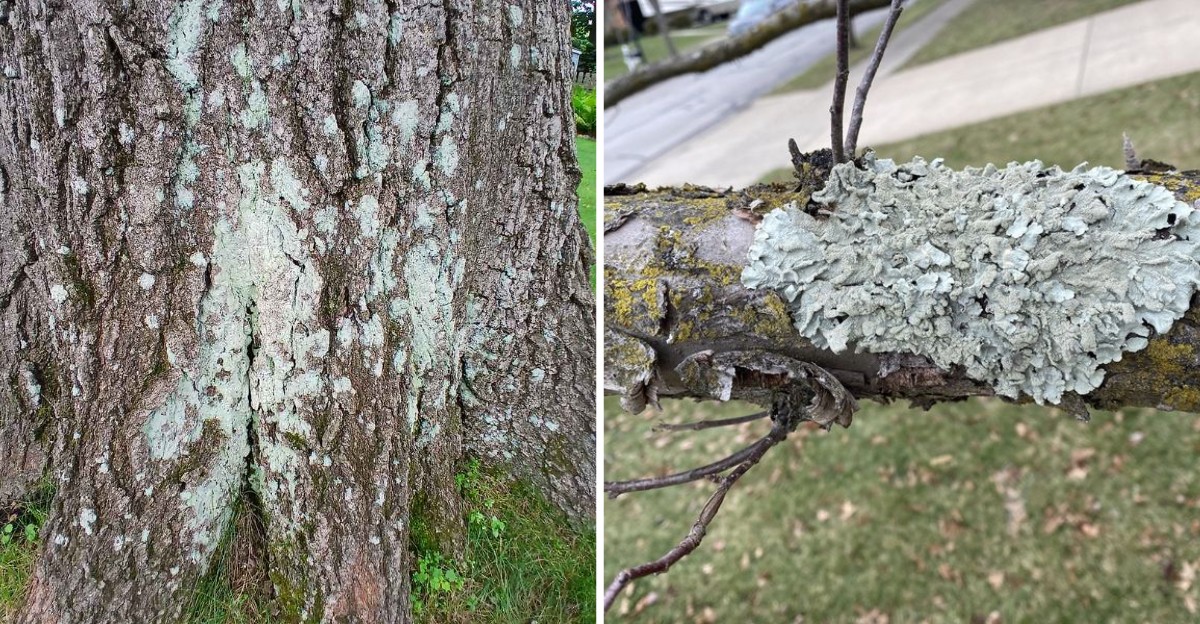
The first honest rain of September rolls across Washington, and the whole neighborhood smells like wet cedar bark. By morning, the trees along the driveway look like somebody quietly swapped them out overnight.
Trunks that sat plain and brown all August now wear chalky silver patches and soft mint-green ruffles. It looks like the whole forest quietly changed outfits while everyone was busy watching Sunday football.
Plenty of homeowners panic, grab a scrub brush, and assume their backyard tree caught something awful. The reality is far stranger, much older, and honestly a lot less alarming than it looks.
Bark around the Puget Sound keeps quiet secrets, and damp weather has a talent for spilling every one. Think of it as your favorite shade tree answering the front door in fuzzy pajamas.
The Gray-Green Crust That Wakes With Autumn Moisture
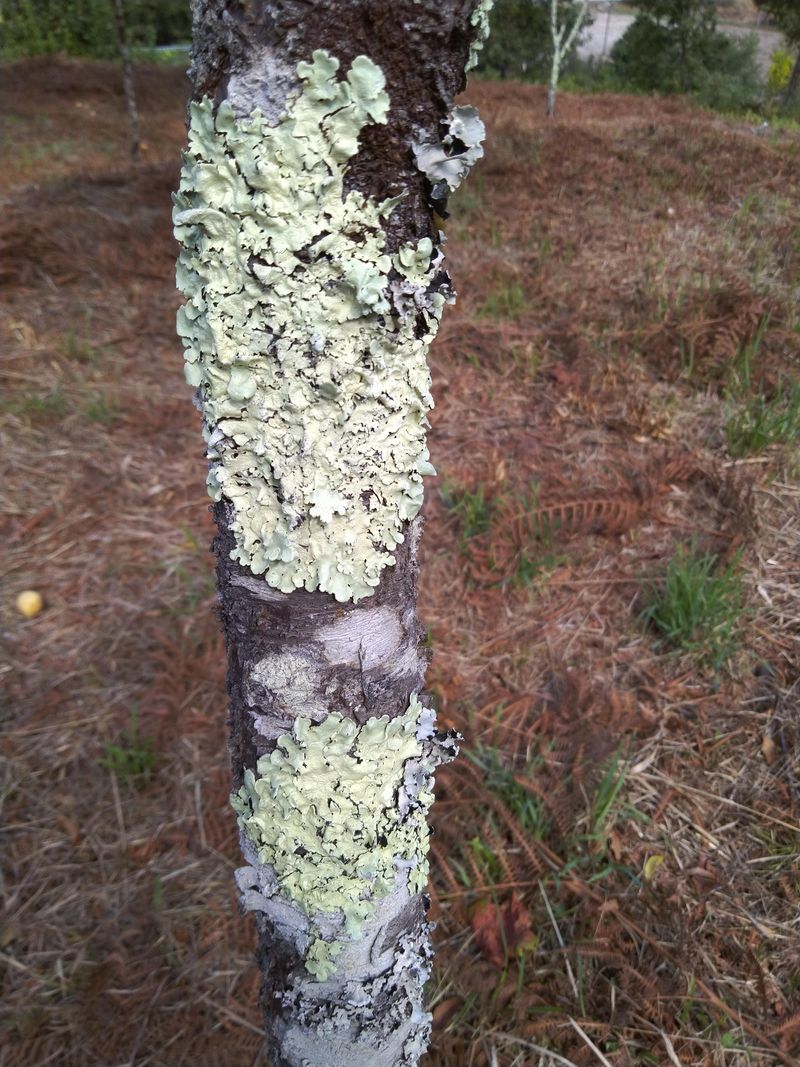
Walk under a bigleaf maple after the first September downpour and the bark almost seems to glow. That pale, silvery coating is lichen, and it has been waiting all summer for this.
Lichen is not one organism but two roommates, a fungus and an alga, living as a team. The fungus builds the crust, while the alga makes food from sunlight.
During dry Washington summers, that partnership shuts down and the crust turns brittle, dull, and easy to overlook. Water changes everything within minutes of the first serious rain.
Rehydrated lichen swells, brightens, and spreads its edges, so a brown trunk suddenly looks frosted. Nothing new grew overnight, because the crust simply woke up and took a long drink.
Bark also holds moisture longer in fall, and constant damp keeps the pale coating plump for months. Cool temperatures slow evaporation, so the color sticks around until spring.
Alders, maples, and old apple trees show the effect most clearly because their bark is rough and absorbent. Smooth-barked young trees usually stay cleaner looking for years.
Air quality plays a part too, since many lichens refuse to grow where pollution runs heavy. A frosted trunk in your yard quietly reflects clean air overhead.
Neighbors may swear the tree is sick and offer scrub brushes and bleach recipes. Politely decline, then enjoy the free seasonal show.
So the pale color is not a warning sign but a seasonal costume change. Washington bark simply wears white when the sky turns gray.
September Rains And The Timing Of The Shift
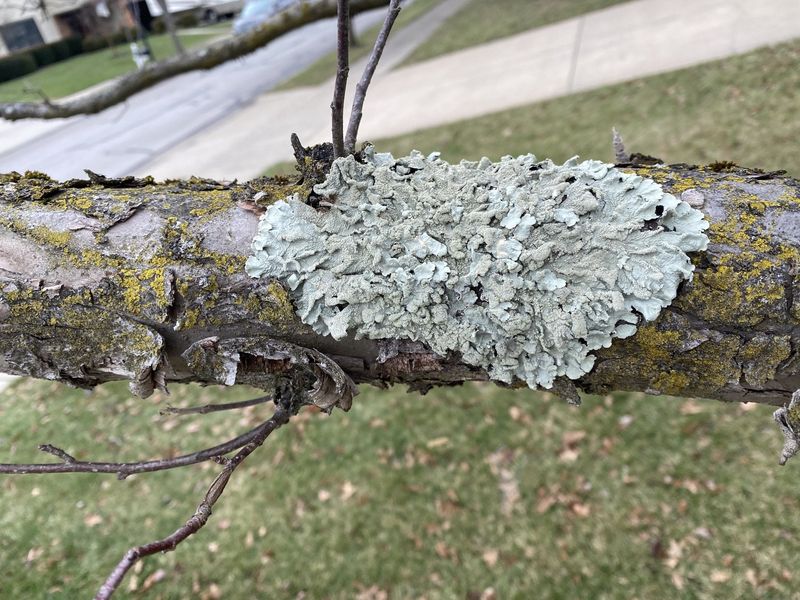
Timing feels almost suspicious, because the change shows up within days of the first steady rain. Late September is usually the tipping point across western Washington.
Summer drought pushes lichen into a paused state where it survives without water for many weeks. Rain restarts the whole system faster than most people expect.
Lichens can spring back to full activity within minutes of getting properly wet. Your trunk can shift color before the gutters finish draining.
Fog and heavy dew matter as much as rainfall, especially near Puget Sound and the coast. Morning moisture lingers on shaded bark long after the sky clears.
Shorter days help too, since weak autumn sun cannot bake the north side of a trunk. That shaded side often turns pale first and stays pale longest.
Your Washington Garden Changes Every Week. Your Plan Should Too.
Gardening in Washington changes quickly throughout the season. Every Friday you’ll receive a simple weekly plan showing exactly what to plant, prune, fertilize, harvest, and protect so you never miss the right timing.
Temperatures between forty and sixty degrees suit these organisms perfectly, which describes most of our rainy season. Growth continues quietly through winter, even during cold snaps.
By July the crust fades again, shrinking back to a dull gray that nobody notices. The cycle repeats every year without any help from you.
Knowing the schedule saves money, because worried homeowners often call arborists in October about a harmless seasonal change. Wait a week and watch the trunk instead.
Mark it on the calendar if you enjoy being right at dinner parties. The bark keeps better time than most weather apps.
Bark Damaging Missteps Homeowners Keep Making
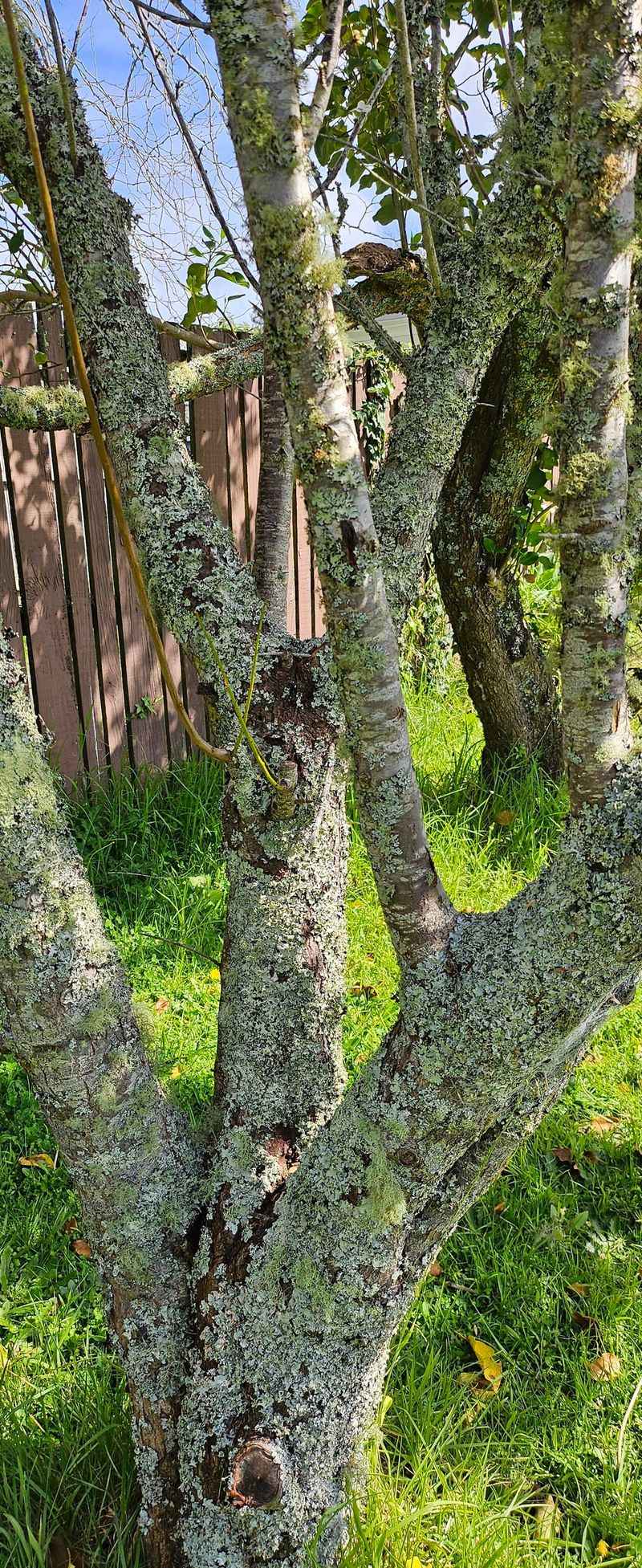
Every October, somebody in the suburbs blasts a trunk with a pressure washer and regrets it by spring. Bark is skin, and skin does not enjoy that treatment.
High pressure water strips the protective outer layer, opening doors for insects and rot fungi. The pale coating returns anyway, usually within a single wet season.
Bleach and copper sprays cause similar trouble, running down into the root zone where soil life matters. Harsh chemicals near trunks rarely end well.
Scraping with a metal blade leaves scars that stay visible for decades on slow growing bark. Those wounds attract borers that genuinely harm the tree.
Another frequent error involves treating the pale patches like a disease that needs fungicide. The fungus involved is not attacking anything living.
Lichen sits on the surface and takes nothing from the wood beneath it. Roots stay out of the picture entirely, since the bark keeps them out.
Some folks wrap trunks in plastic to keep them dry, which traps moisture and invites cankers. Trees breathe through their bark, so wrapping backfires quickly.
Power washing the deck is fine, but keep the wand pointed away from anything with leaves. Fence posts can take it, living trunks cannot.
If the pale color truly bothers you, a soft brush and plain water removes a little growth. Honestly though, the tree would rather be left alone.
Gentle Care For Trunks Already Wearing Pale Patches
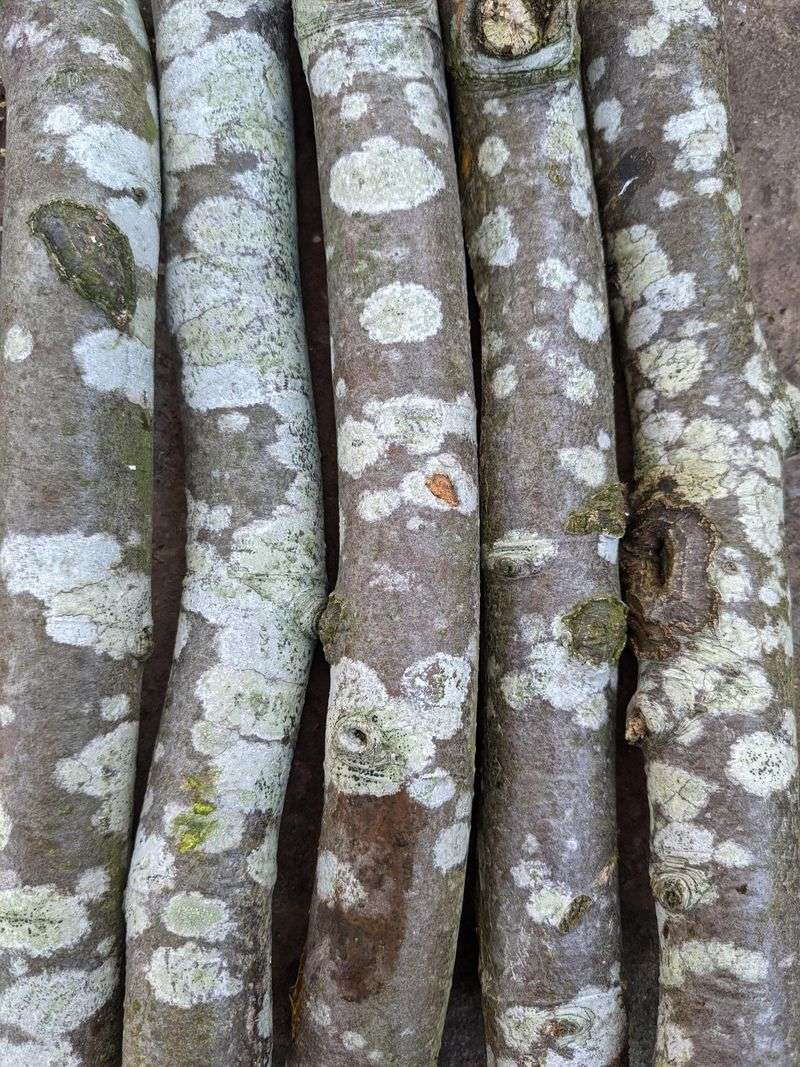
The best care plan here involves doing remarkably little. Trees handle this situation on their own.
Start by checking the canopy instead of the trunk, since leaves tell the honest story. Full, healthy foliage means the pale bark is purely cosmetic.
Rake heavy leaf piles away from the base so the root flare stays visible and airy. Buried trunks invite rot at ground level.
Mulch helps, spread two or three inches deep but pulled back a hand width from the bark. Volcano mulching causes more harm than any lichen ever could.
Prune crossing or crowded branches in late winter to let light and breeze reach inner limbs. Better airflow slows surface growth naturally.
Water young trees deeply during summer dry spells, because drought stress thins canopies and exposes bark to sun. Stronger trees shed old bark faster.
Fertilize only after a soil test, since guessing wastes money and pushes weak, floppy growth. Most soils around here want organic matter, not extra nitrogen.
For backyard fruit trees, a dormant oil spray in February tidies things while managing overwintering pests. Apply on a calm, frost free morning.
Skip the wire brush and enjoy the texture instead, especially on old apple and alder trunks. Photographers drive for hours to shoot bark that looks like that.
Real Health Clues Hidden Beneath The Pale Coating
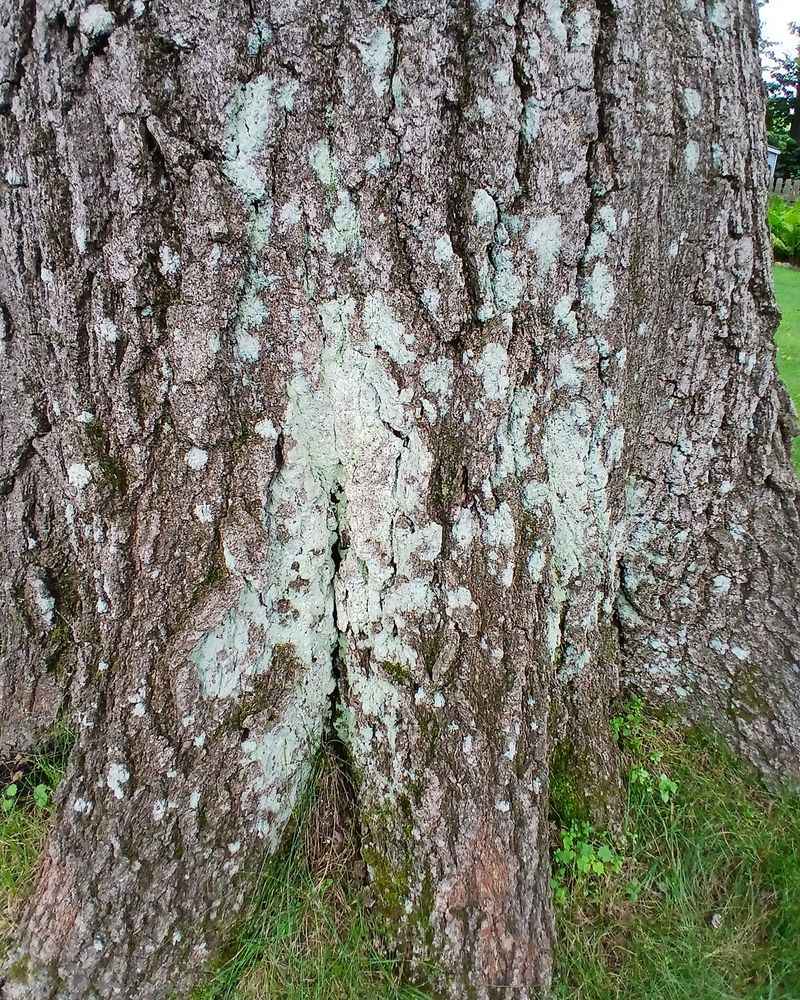
Here is the twist worth remembering, since lichen does not harm trees but sometimes hints at trouble. Reading the whole tree matters more than reading the bark.
Thick coverage often appears on branches that already thinned out, because extra sunlight reaches the wood. The lichen followed the problem rather than causing it.
A tree dropping leaves early, growing small pale foliage, or shedding twigs deserves a closer look. Those signals matter far more than trunk color.
Check for mushrooms at the base, soft spots, or vertical seams in cracked bark. Such findings point toward decay inside the trunk.
Old bigleaf maples across the region have struggled with hot, dry summers over recent years. Their thinning crowns make the pale coating look suddenly dramatic.
Fruit trees follow the same pattern, where an unpruned interior turns crowded, shaded, and unproductive. Frosted limbs there flag neglect, not infection.
Compare your tree with neighbors of the same species along the same street. Similar coverage across the block means weather is the real explanation.
Call a certified arborist if the canopy looks thin two seasons in a row. Photographs from past summers help enormously during that conversation.
Otherwise, treat the pale coating as a free air quality report posted on your trunk. Sensitive species settle only where the air runs clean.
Long Term Prevention Through Better Growing Conditions
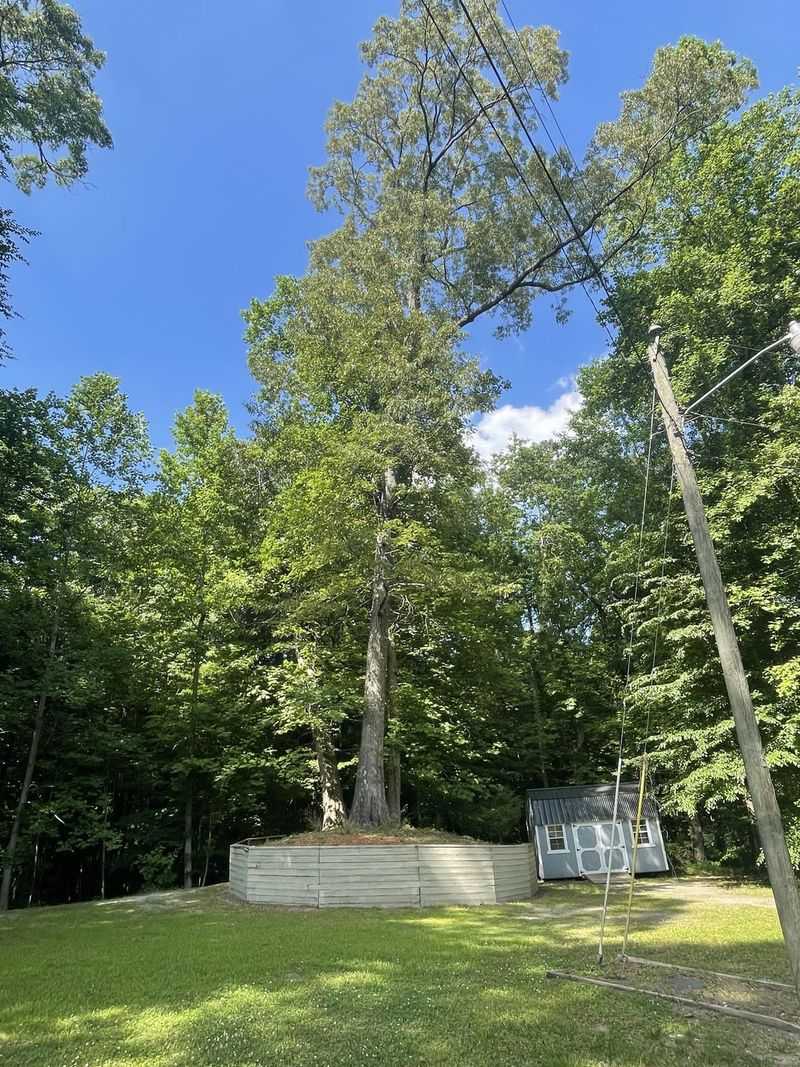
Prevention is a funny word here, because nobody eliminates lichen in a climate this damp. Reducing it is realistic, though erasing it is not.
Vigorous trees grow bark quickly, and fast growing bark sheds surface passengers before they settle in. Health is the real control method.
Sunlight limits coverage, so thinning overgrown shrubs near a shaded trunk brightens things considerably. South facing sides usually stay noticeably cleaner.
Spacing matters when planting, since crowded yards trap humidity and block the afternoon breeze. Give new trees the room they will need at full size.
Structural pruning during the first ten years pays off more than any spray ever will. Young trees forgive mistakes, older ones remember them.
Feed the soil with compost and wood chip mulch instead of quick release fertilizer. Roots respond first, and the canopy follows.
Protect trunks from mowers and string trimmers, because wounds slow growth and invite bigger problems. A simple mulch ring solves that headache permanently.
Choose species suited to your site, including natives that expect soggy winters and dry summers. Stressed transplants collect the heaviest coatings of all.
Accept a little silver and green on the bark as part of living here. Consider it rent the trees pay for all that rain.