Fluffy White Insects Drifting Through Alabama Air Are Not Falling Seeds At All
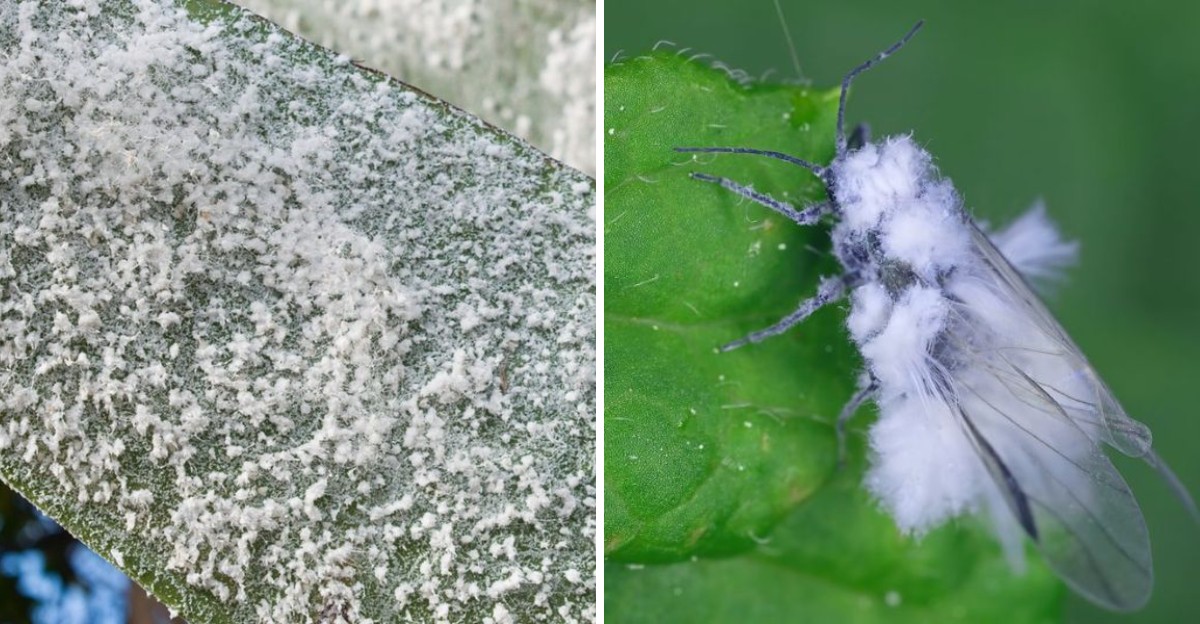
You spot something pale drifting sideways past your face at dusk. Alabama evenings turn oddly strange the instant that fluff starts moving on its own. Your closer look reveals wings, legs, and stubborn purpose.
These tiny insects mimic seed fluff to dodge predators. You’ll find them clustered on maples, hackberries, apples, and river birches. They look harmless until their feeding habits show otherwise.
Sap loss happens slowly while sticky residue builds beneath your branches. Ants soon arrive, drawn straight to that sugary mess you notice. Many Alabama gardeners respond quickly with sprays.
Patience serves you better than chemicals ever could here. Understanding their surprisingly short lifecycle changes how you respond. Timing alone separates a real threat from a passing nuisance.
Knowledge quickly turns your confusion into confident action within minutes. What you learn next about these drifting insects will decide your very next move outside.
Tiny Passengers Wearing Wax Coats
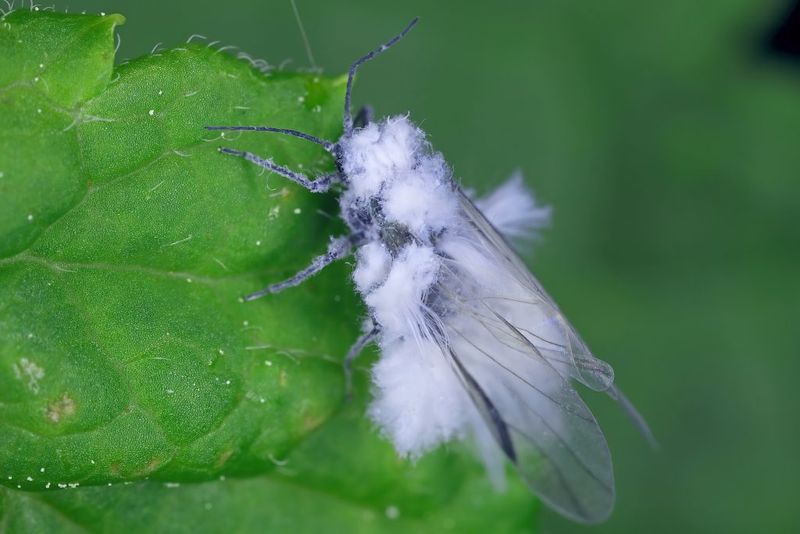
Pick up a magnifying glass and the picture becomes clear fast. Under that cloud of white fuzz sits a soft-bodied insect roughly the size of a pinhead.
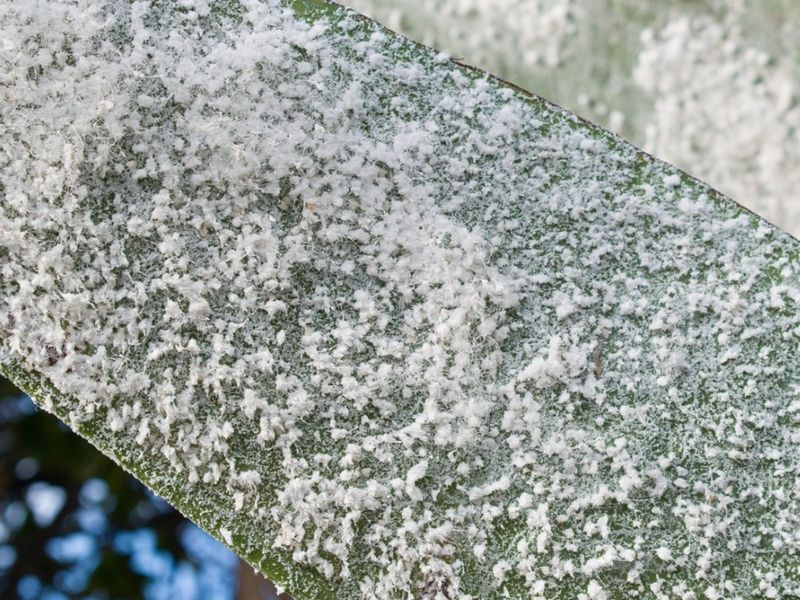
The fluff is not hair and not plant material. Woolly aphids produce waxy strands from special glands along their backs, and the wax hardens into curling threads.
Those threads do real work for the insect. They shed water, confuse hungry predators, and make the aphid look far less like a snack and more like a scrap of lint.
Alabama hosts several species, including the woolly apple aphid and the woolly alder aphid. Each one favors certain host plants, though they share the same powdery costume.
Body colors underneath range from pale green to dusty purple or reddish brown. You rarely see the color unless you rub the wax away with a fingertip.
The winged forms are the ones you spot floating around in September. Wings let them leave a crowded colony and search for a fresh host before cool weather arrives.
Their flight looks clumsy because it mostly is. A breeze carries them more than their own wingbeats do, which is why they seem to hover rather than travel with purpose.
Fun detail worth sharing at the dinner table: some people call them fairy flies or angel bugs because of that drifting, weightless look. Kids especially love watching one land on a sleeve and toddle around like a walking cotton ball before lifting off again.
Why September Turns Them Into Sky Traffic
Timing explains the sudden traffic jam overhead. Woolly aphids spend spring and summer feeding quietly in colonies, and populations build slowly while nobody pays attention.
By late summer the colonies grow crowded and the plant sap gets less appealing as leaves mature. Crowding triggers the production of winged individuals.
Those winged aphids launch during the mild, still hours of morning and evening. Warm afternoons with light breezes send the biggest waves drifting across yards and parking lots.
Many species also switch hosts seasonally. The woolly alder aphid, for example, moves between silver maple and alder, so autumn flights represent a scheduled commute rather than random wandering.
Your Alabama Garden Changes Every Week. Your Plan Should Too.
Gardening in Alabama changes quickly throughout the season. Every Friday you’ll receive a simple weekly plan showing exactly what to plant, prune, fertilize, harvest, and protect so you never miss the right timing.
Alabama weather makes the show especially noticeable. Long warm falls stretch the flight season well into October in the southern half of the state.
Humidity plays a role too. Damp, muggy stretches followed by clear days often coincide with heavier drifting, according to informal grower observations rather than formal data.
You may see them thickest near water, since alders and river birches like creek banks and pond edges. Neighborhoods with mature silver maples get their share as well.
Here is the practical part. Flight season is short, usually a couple of weeks in any one area, so the cloud you see today will thin out on its own.
If you enjoy the spectacle, grab a chair around six in the evening and face the low sun. Backlighting makes the drifting insects glow against the light.
Trees And Shrubs They Tend To Favor
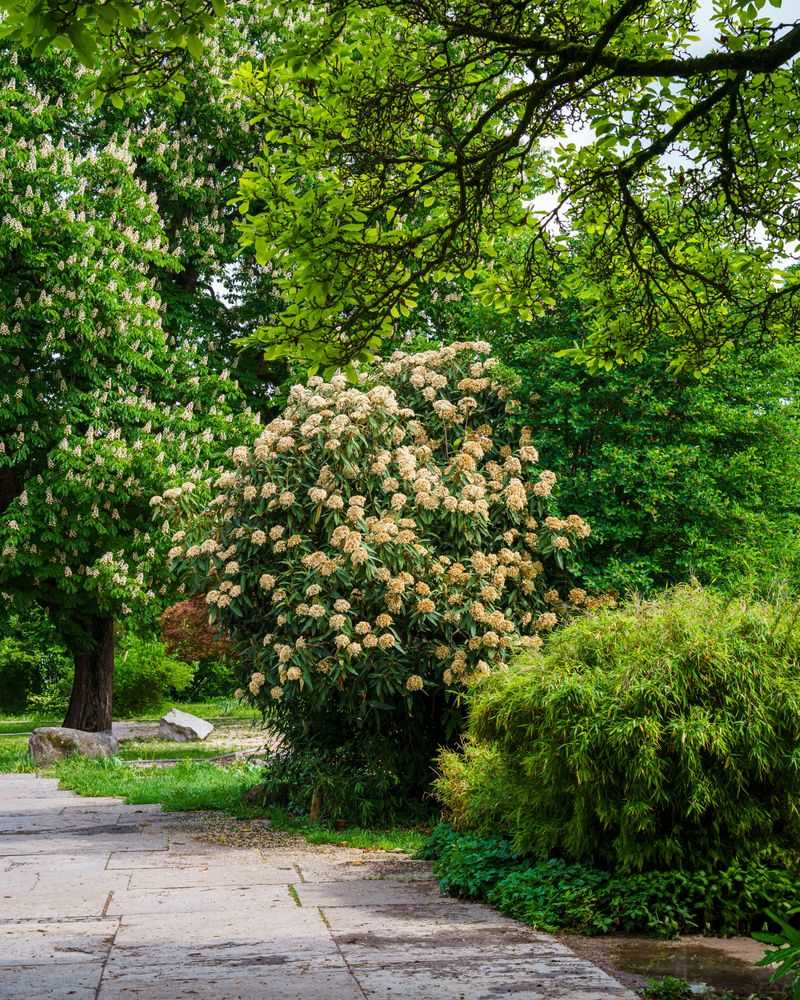
Gardeners often find the colonies before they find the fliers. Look underneath leaves, along young twigs, or at pruning scars where bark is thin.
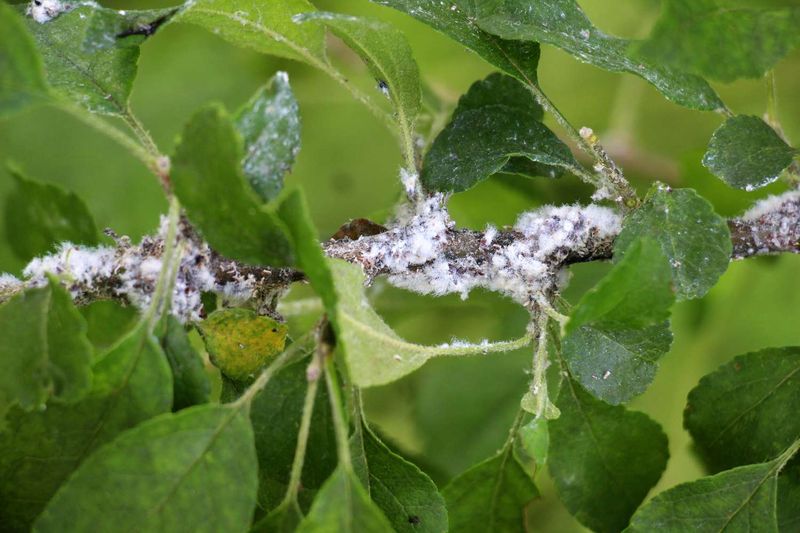
Silver maple and red maple rank high on the menu in Alabama. Colonies show up as white patches that look a bit like mold until you nudge one and it wiggles.
Alder, hackberry, and river birch also host large groups. Apple and crabapple trees attract the woolly apple aphid, which sometimes feeds on roots as well as branches.
Hawthorn, elm, and serviceberry appear on the list too. Ornamental pears occasionally host them, though usually in smaller numbers.
Root-feeding populations are the ones worth watching on young apple trees. Repeated feeding can create swollen knots on roots that slow a sapling down over several seasons.
On mature shade trees the story is much calmer. A big maple shrugs off a colony the way you shrug off a mosquito bite.
Checking your trees takes only a few minutes. Walk the drip line, flip a few leaves, and run your eye along the newest growth near branch tips.
Note what you find and the date in a garden journal. Patterns repeat, and knowing your maple hosts a colony each August helps you plan watering and mulching rather than panicking.
One quirky bit of history: the woolly apple aphid traveled from North America to Europe centuries ago on nursery stock, and orchardists there still breed rootstocks specifically resistant to it.
Sticky Sidewalks And Sooty Black Film
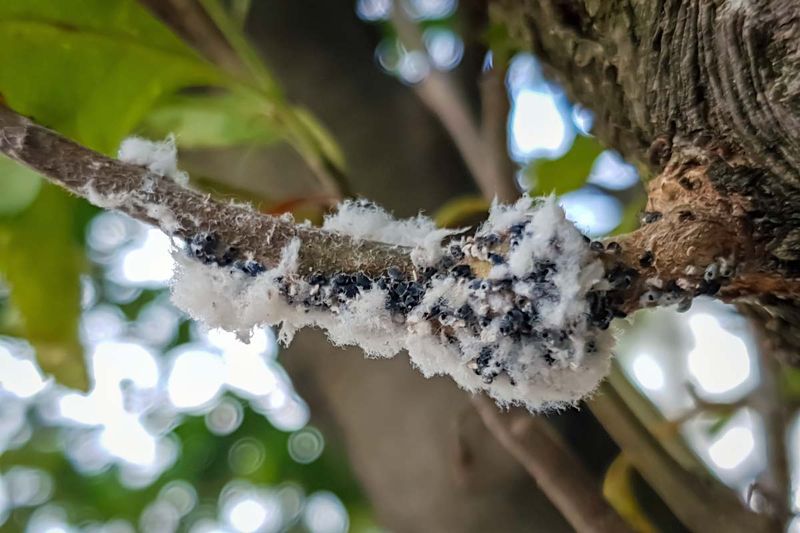
Park under an infested maple for an afternoon and your windshield tells the story. A fine, sticky mist coats the glass and turns dusty within hours.
Aphids drink sap, which carries far more sugar than protein. They pass the excess sugar out as a clear liquid called honeydew.
Honeydew drips onto leaves, cars, patio furniture, and anything else below. Ants love it, so a sudden ant highway up a tree trunk is a useful clue.
Black sooty mold moves in next. The fungus feeds on the sugar rather than the plant, but a heavy coating shades leaves and dulls their color.
Washing takes care of hard surfaces. Warm water with a little dish soap removes both honeydew and sooty mold from cars, railings, and glass tabletops.
For plants growing underneath, a strong hose rinse every few days handles the residue. Rain does the same job when Alabama gives you a good September thunderstorm.
Bees and wasps sometimes gather to sip honeydew, which surprises people who assume the insects are after something else. The visit is temporary and harmless.
Planning tip for future seasons: avoid parking or placing outdoor furniture directly beneath known host trees from July through October. A shift of ten feet saves a lot of scrubbing.
Sooty mold flaking off in winter is normal. Once the aphids leave, the fungus loses its food supply and weathers away over a few months.
Helpers Already Working In Your Yard
Nature keeps a pretty solid cleanup crew on payroll. Lady beetles, both adults and their spiky alligator-shaped larvae, hunt aphid colonies with enthusiasm.
Green lacewing larvae deserve a nickname like aphid lions, and that is exactly what entomologists call them. They pierce aphids and empty them out in seconds.
Hoverfly larvae work the same shift. The adults look like small bees visiting flowers, while their maggot-like young patrol stems.
Parasitic wasps add another layer. A female lays an egg inside an aphid, and the developing wasp turns the host into a papery brown shell called a mummy.
Then there is the harvester butterfly, a genuinely unusual insect for the region. Its caterpillar eats woolly aphids instead of leaves, making it one of the very few carnivorous butterfly larvae known in North America.
Spotting mummies or lady beetle larvae means the situation is already turning. Broad insecticide sprays wipe out these helpers and often lead to a bigger aphid rebound later.
Encouraging the crew is simple. Plant small-flowered natives like goldenrod, mountain mint, yarrow, and aster, which give adult lacewings and hoverflies nectar close to the action.
Skip the routine preventive spraying schedule. Let the predators find the buffet, and check back in a week or two.
Birds join in as well. Chickadees, titmice, and warblers pick aphids off twigs, especially during migration when Alabama yards fill with hungry travelers passing through.
Simple Steps If The Fuzz Gets Out Of Hand
In most cases, the right response is patience. Woolly aphids on mature trees cause cosmetic trouble and little else, and cold weather ends the season anyway.
Still, some situations call for action. Young apple trees, nursery stock, and heavily infested shrubs near a porch are fair candidates.
Start with water pressure. A firm spray from the hose knocks colonies off twigs, and dislodged aphids rarely climb back up.
Insecticidal soap or horticultural oil works when you need something stronger. Both smother soft bodies on contact, so thorough coverage under leaves matters more than volume.
Timing helps enormously. Treat in early morning or evening when temperatures are cooler, to protect foliage and give pollinators a break.
Pruning out badly coated twigs is quick and satisfying. Bag the clippings rather than tossing them in a brush pile near the same tree.
Watch your fertilizer habits too. Heavy nitrogen pushes soft, sappy new growth that aphids find irresistible, so a slow-release approach pays off.
Mulch and steady watering keep trees resilient. A well-hydrated maple handles feeding pressure far better than one stressed by a dry September.
For repeated problems on apples, ask a local extension agent about resistant rootstocks such as the Malling-Merton series bred specifically for this insect.
And if the fluff is just floating past your porch, enjoy it. The drifting show lasts a couple of weeks and then the air clears on its own.