What Happens If You Cut Florida Tropical Hibiscus Back Hard In September
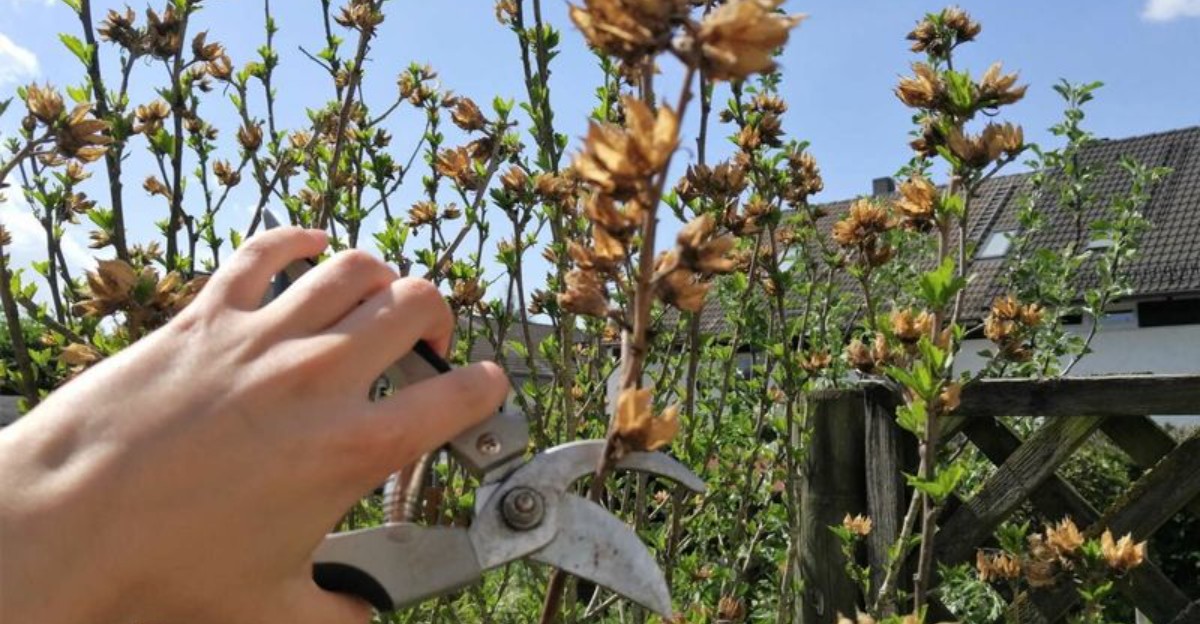
Grab your pruning shears for a hard cut right now, and you might be about to undo months of what your hibiscus has been working toward.
Tropical hibiscus doesn’t respond to hard pruning the way a lot of your other shrubs do.
Chop it back hard in September and you force the plant into a completely different mode than the one it’s counting on, right as it gears up for one of its best stretches of the year.
Florida’s warm fall temperatures keep hibiscus running on a schedule that colder climates never get to see, so timing your cut wrong hits pause on something that hasn’t even hit its peak yet.
You’ll also open the plant up to a kind of stress it struggles to bounce back from before winter rolls in, since anything new needs time to settle before conditions shift.
Save the hard cuts for another season entirely. Your hibiscus still has a lot more in store than you might think, and what happens next depends entirely on what you do right now.
1. Hard Cutting Tropical Hibiscus Can Reset The Flowering Schedule
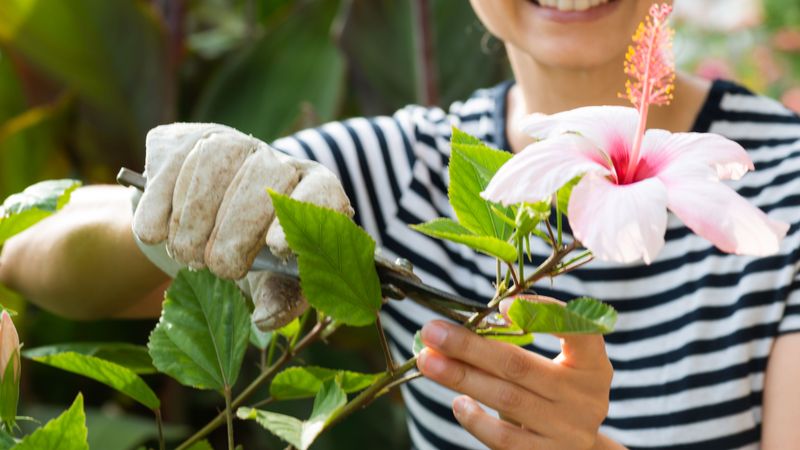
Here is the detail that surprises most folks: those glossy trumpet flowers form on new growth, which is why heavy pruning can delay the next flush of blooms. Cut away the new wood, and you have removed the factory floor along with the product.
When you shorten a tropical hibiscus severely, the plant shifts its budget. Energy that was funding flower buds gets redirected toward rebuilding stems and leaves instead.
That rebuilding phase takes time. Fresh shoots have to lengthen, firm up, and mature before they are ready to set buds again, which pushes your bloom show weeks or even months down the road.
Heavy pruning during the active growing stretch tends to reduce total flower count for the season, too. You are not harming the shrub in most cases, you are simply pressing pause on the part you enjoy most.
Gardeners who understand the reset often plan around it. They accept a quiet period in exchange for a bushier frame later, which is a fair trade if the plant has grown leggy and bare at the bottom.
If flowers matter more than shape right now, hold off. A lighter touch keeps some branches blooming while the shrub slowly fills in, and you skip that long stretch of green-only waiting.
2. September Pruning May Trade Current Blooms For Fresh Growth
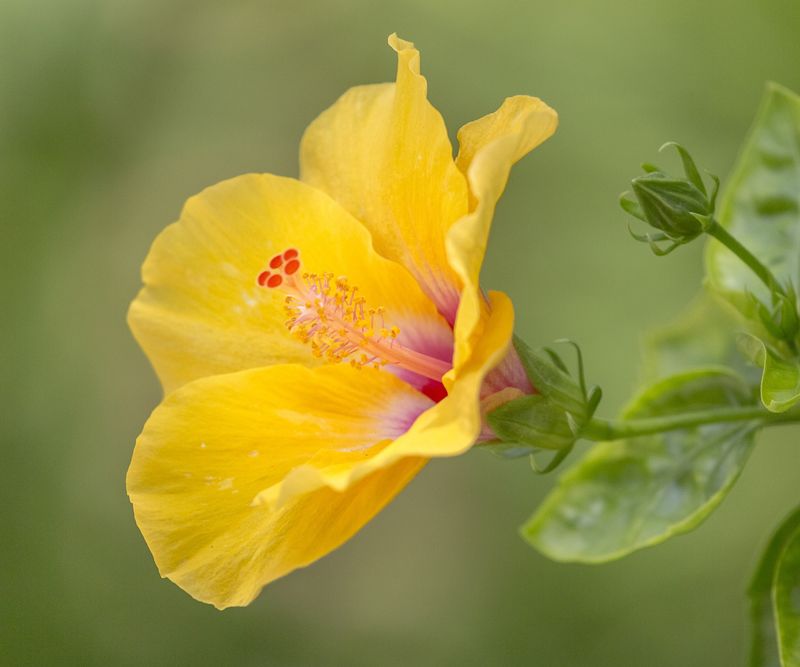
Picture a hibiscus in September that is still throwing out flowers every morning like clockwork. A hard cutback sweeps all of that away in about ten minutes.
Across Florida, many tropical varieties keep blooming happily into the middle of fall. Those weeks of color are part of what makes the plant worth growing in the first place.
Heavy pruning at this point also stresses the shrub at a slightly awkward time. Tender shoots will push out just as cooler nights start drifting in, and soft growth handles chilly snaps poorly.
Your Florida Garden Changes Every Week. Your Plan Should Too.
Gardening in Florida changes quickly throughout the season. Every Friday you’ll receive a simple weekly plan showing exactly what to plant, prune, fertilize, harvest, and protect so you never miss the right timing.
Think of it as a trade. You hand over flowers you already have for shoots that may not get a comfortable window to harden off before temperatures dip.
In warmer parts of the state, the risk is smaller, yet the flower loss is still real. Farther north, in areas that see occasional cold fronts, the gamble grows.
A smarter move is to enjoy the fall flush and jot a reminder for late winter. Snip off spent blooms, tidy a stray branch, and let the shrub coast through the season with its structure intact.
Patience here usually pays you back with a stronger spring rebound and a much better bud count.
3. Remove Weak Branches Without Erasing The Entire Canopy
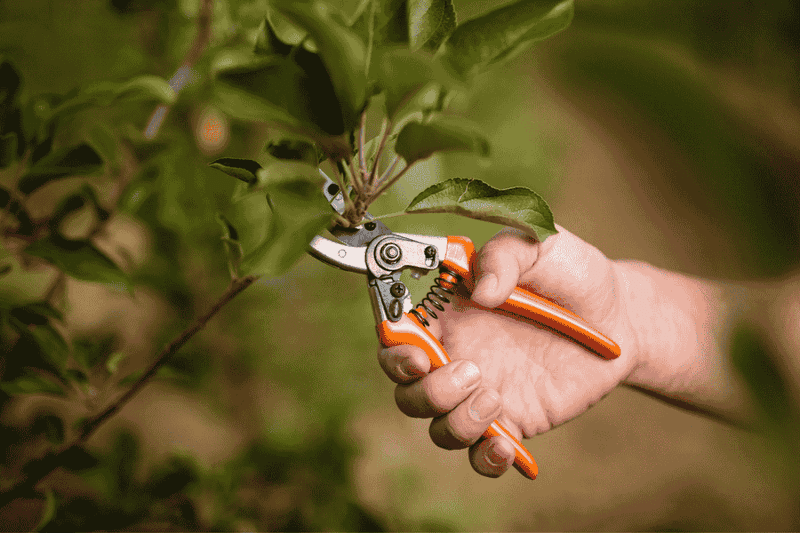
Selective thinning is the quiet hero of hibiscus care, and it works in any month. Damaged wood, branches that rub together, spindly twigs, and droopy stems can all come out without drama.
Start by looking inside the shrub rather than at the outline. Weak interior stems crowd the middle, block airflow, and rarely carry good flowers anyway.
A useful guideline is the one-third rule. Limit your cuts to a third or fewer of the stems rising from the base, and the plant keeps plenty of working parts.
That approach creates a rolling schedule inside a single bush. Some branches stay busy producing flowers while the pruned ones quietly push replacement growth.
Shape the outside gently after thinning. Trim a few long shoots back to just above a leaf node, and the shrub reads as tidy without looking scalped.
Clean tools matter more than people expect. Wipe blades between plants so you are not carrying trouble from one shrub to another.
Step back often while you work, since it is easy to get carried away once the clippings start piling up. A canopy that keeps most of its leaves keeps feeding itself, and that steady food supply is what fuels the next round of buds.
4. Watch New Shoots After A Heavy Hibiscus Cutback
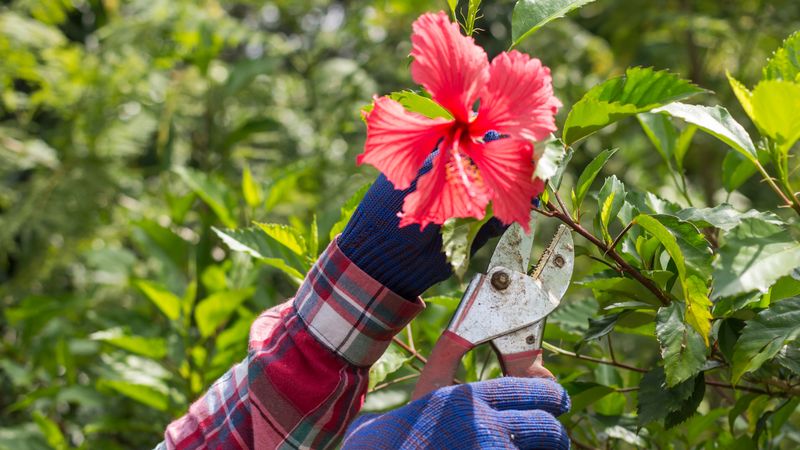
Two or three weeks after a big trim, tiny reddish buds start swelling along the stems. Watching those first shoots unfurl is honestly one of the better rewards in gardening.
Growth usually appears near the cut ends and at leaf nodes farther down. Uneven sprouting is normal, so give slower branches a bit more time before assuming anything.
Here is the catch: that soft new tissue is a magnet for trouble. Sap-feeding insects find tender tips far easier to pierce than tough, older leaves.
Get in the habit of checking new growth regularly. Flip a few leaves, peek at shoot tips, and glance at forming buds for sticky residue or curling edges.
Water steadily during this stretch. A shrub rebuilding its canopy cannot pull much moisture through reduced foliage, yet its roots still need consistent supply.
Skip any heavy-handed sprays on brand new growth. Tender leaves scorch easily, especially under strong Florida sun in the afternoon.
Keep notes if you like tracking progress. Marking the date of your cut and the date shoots appeared helps you predict timing next season.
Within a couple of months, those young stems firm up and start thinking about flowers again, which is when the payoff finally shows.
5. Give Pruned Hibiscus Enough Light To Rebuild Strong Growth
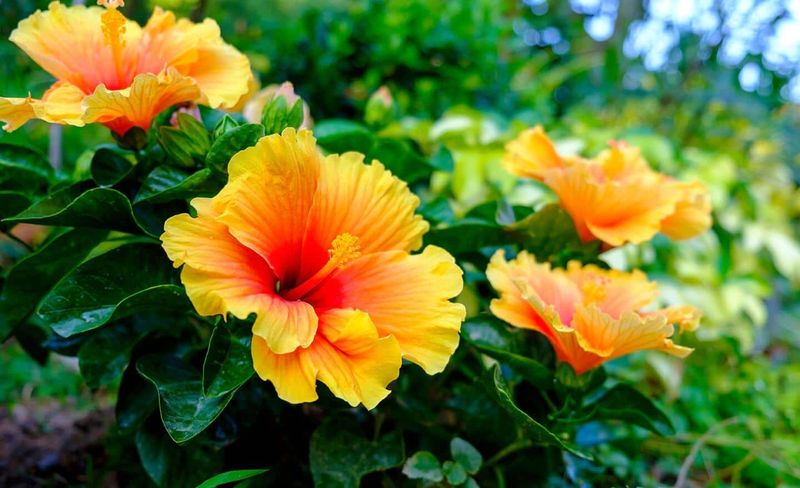
Sunlight is the engine behind every hibiscus flower, full stop. A freshly pruned shrub sitting in shade will limp along instead of bouncing back.
Aim for at least six hours of direct sun each day. Plants hitting that mark tend to produce the thickest growth and the heaviest bud set.
Shortchange the light and you get telltale signs. Stems stretch, spacing between leaves widens, and flowers show up in disappointing numbers.
Container growers have an easy fix. Slide the pot to a brighter spot once the cut is made, then check how shadows move across the area during the day.
In-ground shrubs need a different look. Overhanging palm fronds, an oak limb, or a neighbor’s fast-growing hedge may have crept over your hibiscus without you noticing.
Morning sun with a touch of filtered afternoon light works beautifully in hot inland spots. Full-day sun is fine too, as long as watering keeps up.
Do watch for sunburn on newly exposed inner stems. Bark that spent years shaded by leaves can scald when suddenly bare, showing pale patches.
Give the plant light, water, and a little time, and the regrowth will come in denser and sturdier than whatever you removed.
6. Avoid Excess Fertilizer After A Major September Pruning
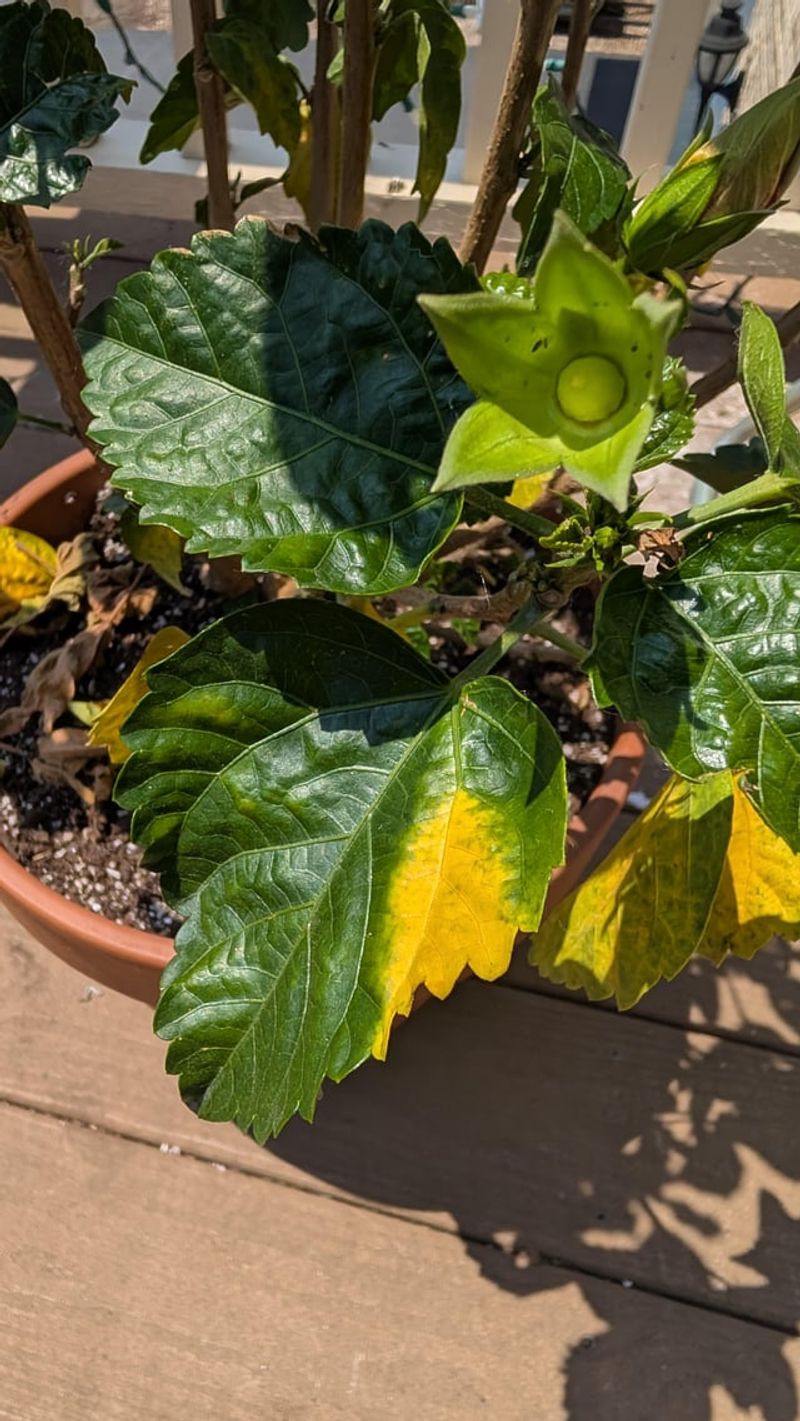
Resist the urge to dump food on a freshly pruned shrub. A plant with fewer leaves cannot use a heavy dose, and the extra just sits in the soil.
Water consistently first. Once the plant has resumed active growth, a balanced feeding schedule can help support new foliage and future blooms.
Tropical hibiscus are hungry bloomers by nature. Steady feeding from spring through fall supports the constant flower production they are known for.
Look for a balanced blend or one slightly lower in phosphorus. Decent potassium and a full set of micronutrients round out what these shrubs actually want.
Two products to pass on: anything with very high phosphorus, and lawn fertilizer loaded with nitrogen. Excess nitrogen builds lush leaves while flowers stay scarce.
Too much phosphorus causes slower trouble. Over time it throws nutrient balance off and can make other elements harder for roots to take up.
Frequent light feedings beat occasional heavy ones. Smaller amounts spread out match how the plant absorbs nutrients and reduce waste washing through sandy Florida soil.
Fun detail worth knowing: hibiscus specialists often favor formulas with modest phosphorus precisely because these plants evolved in soils where it was limited. Feeding gently respects that history and keeps buds coming.
7. Check Fresh Growth For Aphids And Other Garden Pests
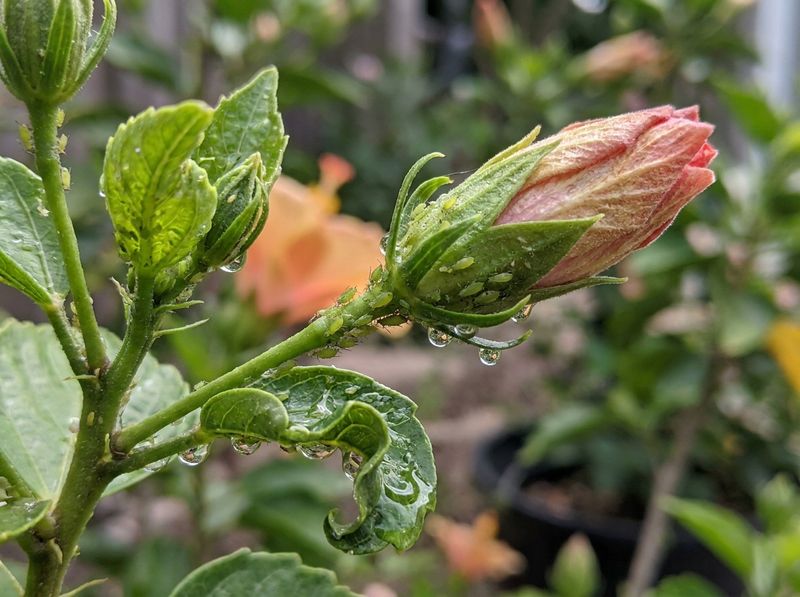
Soft shoot tips, baby leaves, and plump buds are basically a buffet sign for aphids. Those pinhead-sized insects cluster where tissue is thinnest and easiest to pierce.
Aphids drink plant sap, and the damage shows quickly. Leaves curl and twist, growth stays stunted, and buds may drop or refuse to open properly.
Other visitors show interest too. Whiteflies, spider mites, thrips, scale insects, and mealybugs all consider hibiscus worth a stop.
One to watch in warm regions is the pink hibiscus mealybug. It favors new twigs and leaves behind cottony white masses along with oddly twisted foliage.
Catching problems early makes control far simpler. Inspect shoot tips and leaf undersides every few days while fresh growth is soft.
A firm spray of water knocks many aphids loose with zero fuss. Persistent groups respond to insecticidal soap or horticultural oil applied in cooler morning hours.
Ants marching up stems are a helpful clue. They often protect sap feeders in exchange for the sweet honeydew those insects produce.
Beneficial insects deserve credit as well. Ladybug larvae and lacewings patrol hibiscus regularly, so easing up on broad sprays lets your free helpers stay on the job.
8. Shape Tropical Hibiscus Before Cooler Weather Changes Growth

Light shaping is welcome while temperatures are still mild. Snipping a few long shoots to even out the silhouette causes no real setback.
Big structural cuts belong on a different page of the calendar. Save the serious reshaping for early spring, when the plant has months of warmth ahead.
Late fall and early winter trimming invites a specific headache. Fresh shoots appear right when nights turn chilly, and soft growth handles cold poorly.
A practical rule works well here. Anything you can snip with one hand while holding a coffee cup is probably fine, while anything needing loppers can wait.
Focus on tidying instead of transforming. Clip spent flowers, shorten one wayward branch, and pull out obviously damaged wood.
Mulch helps too, spreading a couple of inches to steady soil temperature and moisture through cooler stretches.
Pay attention to your specific microclimate. A hibiscus tucked against a south-facing wall stays noticeably warmer than one out in an open, windy yard.
Come February or March, you can open up the shears with confidence. The shrub will rebound fast in lengthening days, filling out just in time for the long bloom season ahead.
9. Know When A Light Trim Beats A Complete Cutback
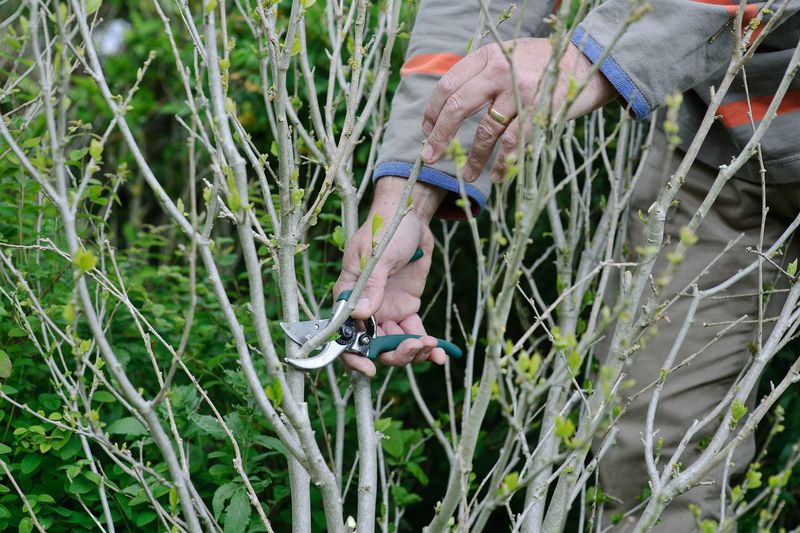
Two very different jobs hide behind the word pruning. Knowing which one your shrub needs saves you a season of waiting.
A light trim means shortening leggy stems, clearing weak sections, and cutting just above a leaf node. Each of those cuts encourages branching, which builds a fuller frame and more spots for flowers.
A hard cutback removes a substantial share of the plant, sometimes a third or more. That level of work suits overgrown, woody specimens or a rebuild after winter has roughed things up.
Expect a flowering delay whenever you go big. The shrub has to grow new wood before it can produce buds again.
Timing seals the decision. Light maintenance trimming is generally less disruptive than major cutbacks, while heavy reshaping is usually better saved for late winter or early spring.
Overdoing it carries a cost beyond lost flowers. Excessive pruning stresses the plant and often results in a thinner bloom season overall.
Ask yourself one question before starting. If flowers are the goal right now, keep the shears light and skip heavy cuts during peak bloom.
Save the bold reshaping for late winter, and your September self gets to enjoy the show instead of staring at bare stems.