The Time-Tested Composting Method Alabama’s Amish Growers Have Perfected Over Generations
Deep in Alabama soil, secrets thrive quietly. Amish farmers have refined this method for generations. This process remains less documented outside their community.
Layers matter more than luck in this practice. Patience replaces machinery, and results replace guesswork. Darkness in this soil signals something science still struggles to explain quickly.
You already own everything needed to attempt this yourself. Alabama’s climate plays a hidden role in the transformation. Few outsiders have documented these exact techniques before today.
Your compost pile could be missing important, overlooked steps. Every handful of this soil holds decades of accumulated wisdom. Understanding begins right where assumption usually ends.
Generations refined this into something resembling a science. Nothing about this process happens by accident. Farmers here trust rhythm over shortcuts.
Curiosity won’t explain what happens next. Answers wait inside soil most people ignore. The details ahead explain exactly how it’s done.
What Is This Old-World Composting Method
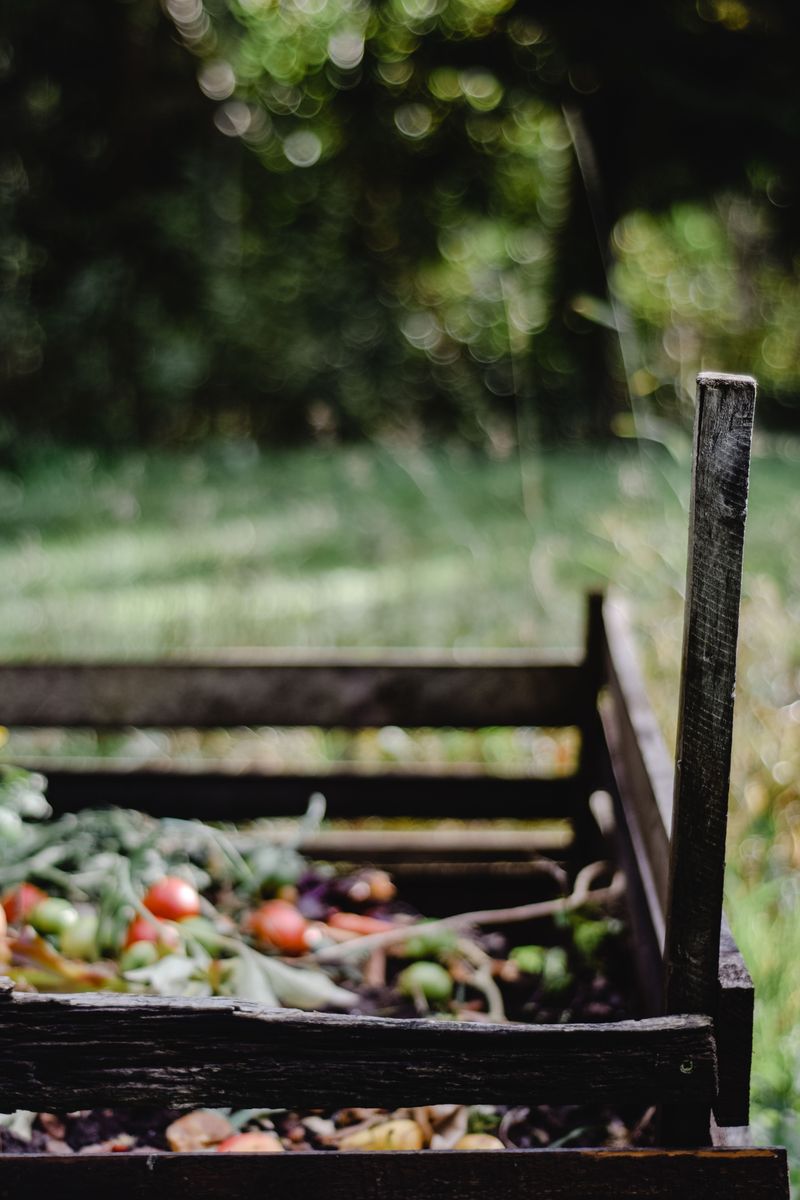
Farmers have been building soil for centuries without a single bag of fertilizer. The time-tested composting method Alabama’s Amish growers rely on is built on layering principles refined through generations of farming.
At its core, this approach stacks organic layers in a specific order. Each layer feeds the next, creating a cycle of decay and renewal well documented in soil science.
Amish farmers call this “building the pile.” It is not random dumping of scraps. Every ingredient has a purpose and a place in the stack.
Carbon-rich materials like straw and dry leaves go in first. Then nitrogen-heavy matter such as kitchen scraps and fresh grass clippings follow. The pattern repeats until the pile reaches a proper height.
What makes this method stand apart is its connection to the land’s own rhythm. Amish growers do not rush the process or force it. They trust the seasons to do the heavy lifting.
The result is a dark, earthy compost that smells like a forest floor after rain. Gardeners who have used it describe the texture as crumbly and alive.
Once you work it into your beds, your plants respond almost immediately. This technique has survived for generations because it works reliably when done consistently.
How Alabama’s Amish Growers Layer Manure And Organic Matter
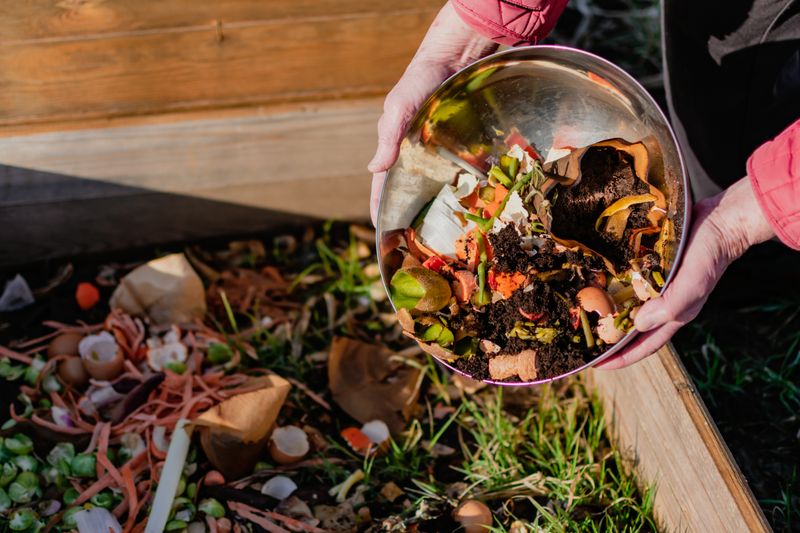
Grab a pitchfork and get ready, because the layering process is where this method truly shines. Alabama’s Amish growers follow a precise stacking order that creates the perfect environment for decomposition.
The base layer is always coarse and dry. Corn stalks, wood chips, or dry straw create airflow beneath the pile. Good airflow means faster breakdown and less odor.
Next comes a thin spread of aged manure. Amish farms often use horse or cow manure that has already sat for a few weeks. Fresh manure can burn plants, so aging it first makes a big difference.
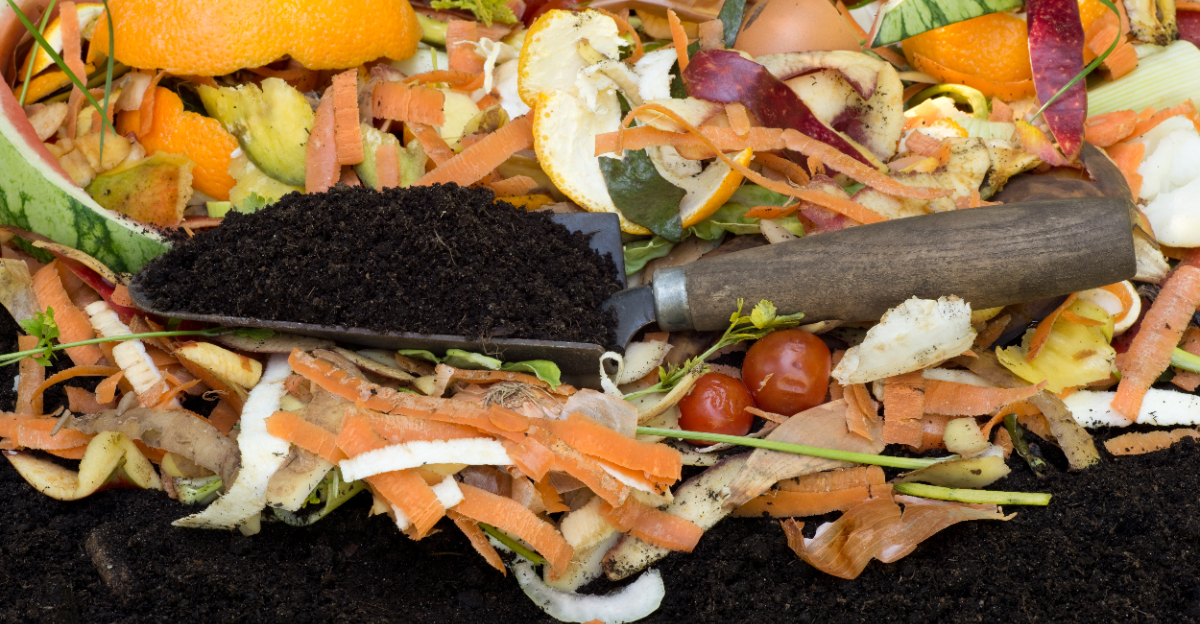
A layer of kitchen scraps or garden trimmings goes on top of the manure. Fruit peels, vegetable cuttings, and coffee grounds are favorites. These soft materials break down quickly and feed the microbes doing the real work.
Your Alabama Garden Changes Every Week. Your Plan Should Too.
Gardening in Alabama changes quickly throughout the season. Every Friday you’ll receive a simple weekly plan showing exactly what to plant, prune, fertilize, harvest, and protect so you never miss the right timing.
Then comes another dry carbon layer, and the pattern starts again. Think of it like building a lasagna, one purposeful layer at a time. Each new level traps heat and moisture from the one below.
Amish growers also add a light dusting of garden soil between layers. That soil carries a large population of beneficial bacteria and fungi that speed up the process. It is a small step with a massive payoff.
Water is added carefully to keep the pile as moist as a wrung-out sponge. Too wet and the pile turns sour. Too dry and nothing breaks down at all. Balance is everything here.
Richer Soil Comes From This Natural Technique
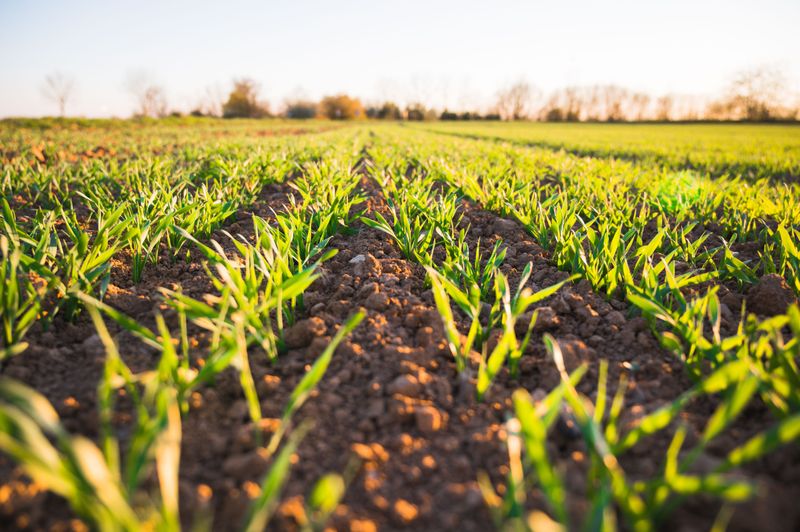
Pull a handful of finished compost from an Amish pile and you will feel the difference instantly. The time-tested composting method Alabama’s Amish growers rely on is based on layering principles used in traditional farming for generations.
Commercial fertilizers feed plants fast but leave the soil unchanged. Natural compost, on the other hand, rebuilds the entire structure of your ground. It adds life, not just nutrients.
Healthy compost teems with earthworms, fungi, and microscopic bacteria. These organisms break down minerals and make them available to plant roots. Synthetic products skip this living layer entirely.
Amish-style compost also improves soil texture in ways that fertilizers never do. Sandy soil holds water better after compost is added. Clay soil becomes looser and easier for roots to push through.
The organic matter in this compost acts like a sponge. It holds moisture during dry Alabama summers and releases it slowly to plant roots. That stored water can mean the difference between a thriving garden and a struggling one.
Trace minerals from manure and plant scraps end up locked inside the finished compost. Over time, crops grown in this soil show stronger stems and deeper color. Flavor improves too, especially in vegetables and herbs.
Gardens fed with this natural compost need fewer outside inputs each year. The soil becomes more self-sufficient with every new batch worked in.
That is the kind of long-term payoff that keeps Amish growers loyal to this approach season after season.
Patience And Timing Play A Key Role
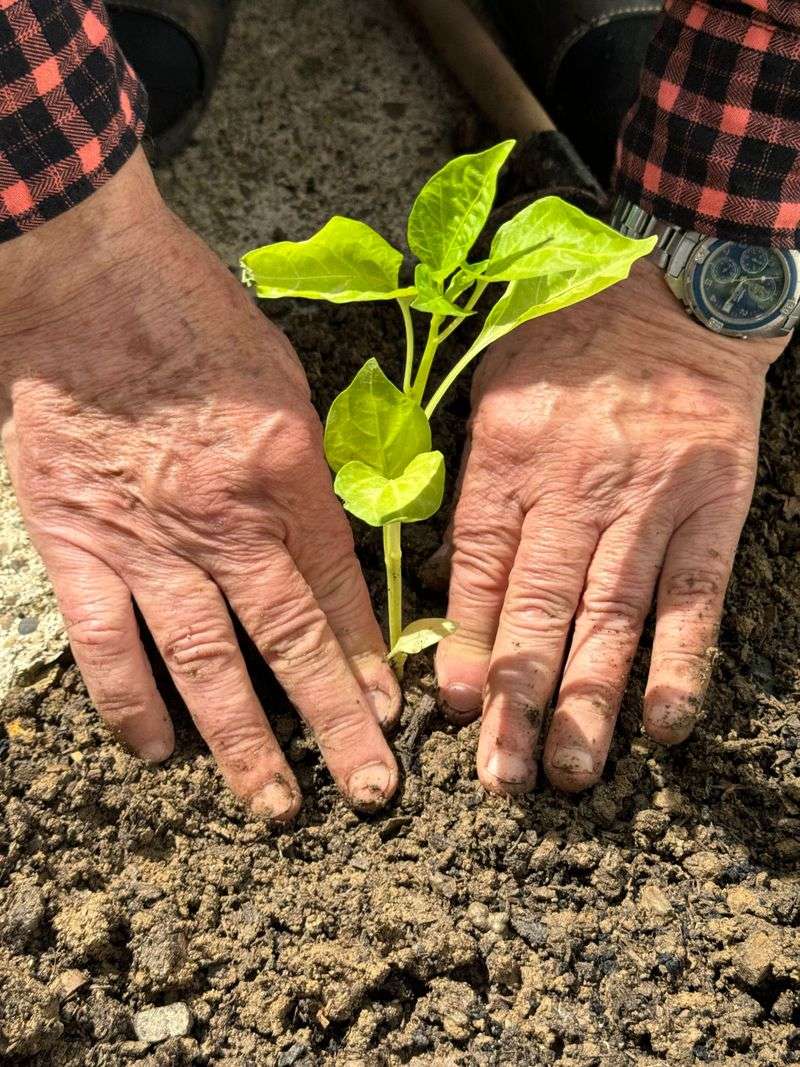
Nobody in an Amish community is in a hurry, and that mindset is exactly what makes their compost so good. Rushing the process is a common mistake many home gardeners make.
A properly built pile typically needs several months to fully mature, depending on materials and conditions. Turning it every two to three weeks speeds the process along. Each turn brings fresh oxygen to the center and reactivates the microbes inside.
Timing the start of your pile matters more than most people realize. Many growers begin building in early fall after the harvest wraps up. That gives the pile all winter to break down slowly and all spring to finish strong.
Cold temperatures slow the breakdown but do not stop it completely. A large, well-built pile generates its own internal heat.
That heat can reach 130 to 150 degrees Fahrenheit in the center, neutralizing weed seeds and harmful bacteria.
Spring piles are also common, started just after the last frost. These summer-season batches benefit from warm temperatures that speed up decomposition. A spring pile started in March can, under the right conditions, be ready by early summer.
Checking moisture levels every week is part of the routine for Amish growers. A dry pile stalls out and a soggy one smells terrible. Consistent attention to these small details separates good compost from great compost.
Patience is not passive here, it is an active choice. Watching a pile transform over months teaches you to trust the process. That trust is something no shortcut can ever replace.
Modern Composting Looks Different From This Method
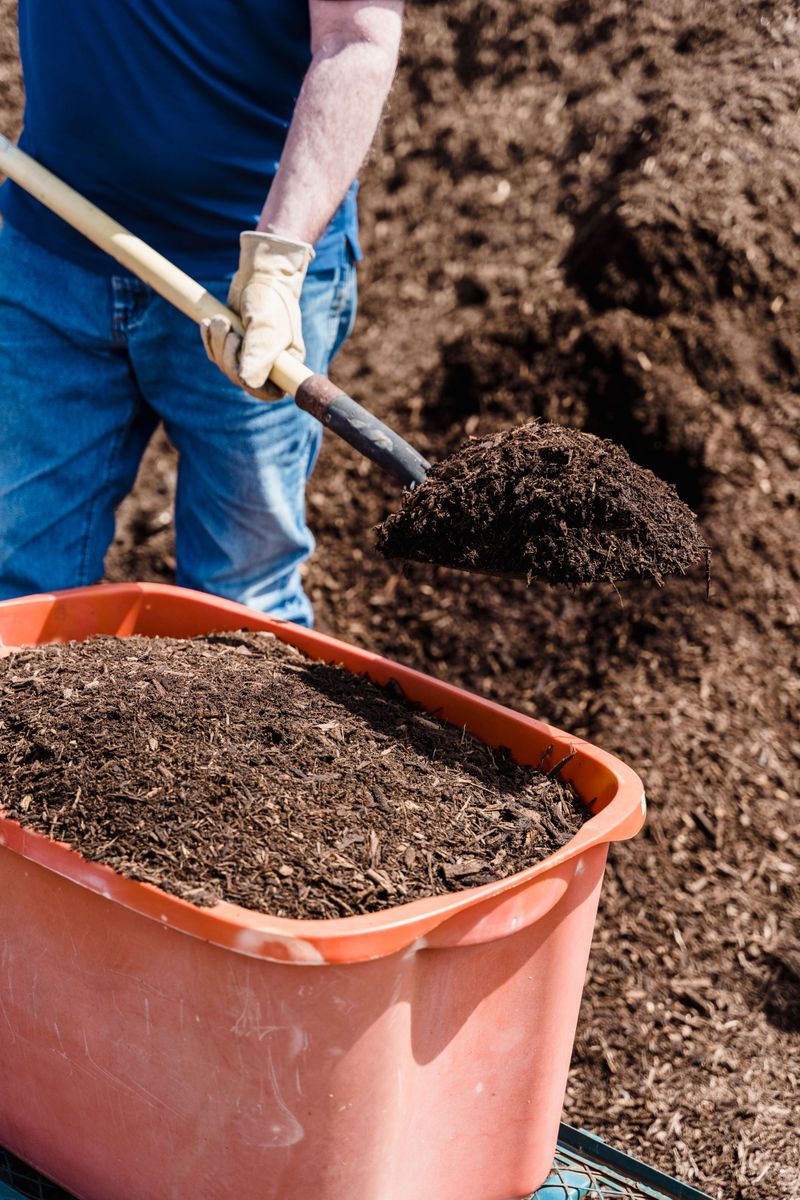
Walk into any garden center and you will see plastic tumblers, electric composters, and bokashi kits stacked to the ceiling. Modern composting has gone high-tech, but something important got lost along the way.
Tumblers are convenient and tidy. They keep pests out and speed up small batches. However, they limit the volume you can process at one time, which is a problem for serious gardeners.
Some electric composters claim to produce finished product within a day or two. That sounds appealing until you realize the output is more like a dried powder than rich, living compost. Speed has a cost when it comes to soil biology.
Traditional piles can be built significantly larger than typical backyard bins. That size creates the internal heat needed to properly break down tough materials. Few home composting machines replicate that thermal scale as effectively.
Modern methods also tend to strip out the diversity of ingredients. Many tumblers work best with just two or three materials.
Traditional layered piles welcome dozens of different inputs, and that variety creates nutritional complexity in the finished product.
Community also plays a role in the Amish system. Neighbors share manure, trimmings, and labor during pile-building season.
That shared effort reflects a relationship with food and land that many modern gardeners rarely experience.
Convenience is not always the best measure of quality. The old-world method demands more time and effort, but the rewards show up clearly in every harvest. Some things are simply worth doing the slow way.
Bringing This Approach Into Your Own Garden
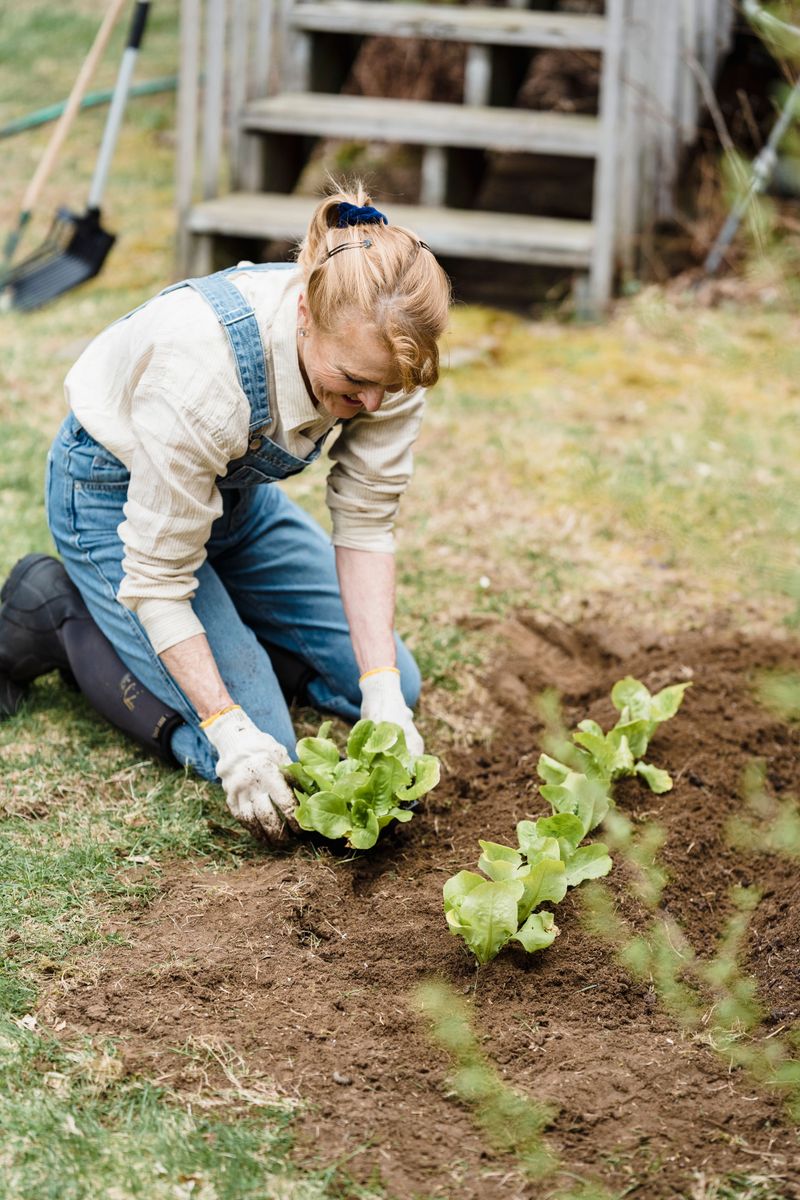
You do not need an Amish farm or acres of land to make this method work for you. A small backyard corner is enough to get started with the time-tested composting method Alabama’s Amish growers swear by.
Pick a spot that gets partial shade and has good drainage. Direct sun dries piles out too fast. Shade helps maintain the moisture balance your pile needs to stay active.
Start with a base layer of dry brown material about six inches deep. Cardboard, dry leaves, or straw all work well. This bottom layer keeps the pile from sitting in water after heavy rain.
Add your kitchen scraps next, spreading them evenly across the base. Cover them immediately with another thin layer of dry material. That covering prevents odors and keeps flies from moving in.
A small bag of garden soil from your yard is all you need for the microbial layer. Sprinkle it lightly over each organic layer as you build.
Those native bacteria are already adapted to your local climate. Water the pile gently after each new layer is added. You want it moist but not dripping.
A simple spray from a garden hose works perfectly for this step. Turn your pile every two weeks with a garden fork. Mark your calendar so you do not forget.
After three to four months, you will have dark, crumbly compost ready to transform your garden beds and honor a tradition worth keeping alive.