These Pennsylvania Shrubs Handle Wet Clay Soil Better Than Any Garden Plant
Wet clay soil is one of Pennsylvania’s most common and most frustrating growing challenges.
The drainage is poor, the compaction is real, and most plants placed in persistently wet clay either decline slowly or fail outright within a season or two.
Most homeowners either spend years amending soil that resists improvement or accept that certain areas of the yard will always be difficult. But certain Pennsylvania shrubs were practically made for these conditions.
They handle wet clay without the root rot, crown stress, or slow decline that affects most landscape plants in the same environment.
Some of them actively improve the soil structure around them as they grow. And several produce fruit, flowers, and shelter that Pennsylvania wildlife genuinely depends on.
Here are the Pennsylvania shrubs that handle wet clay soil better than almost anything else you could plant there.
1. Winterberry Holly
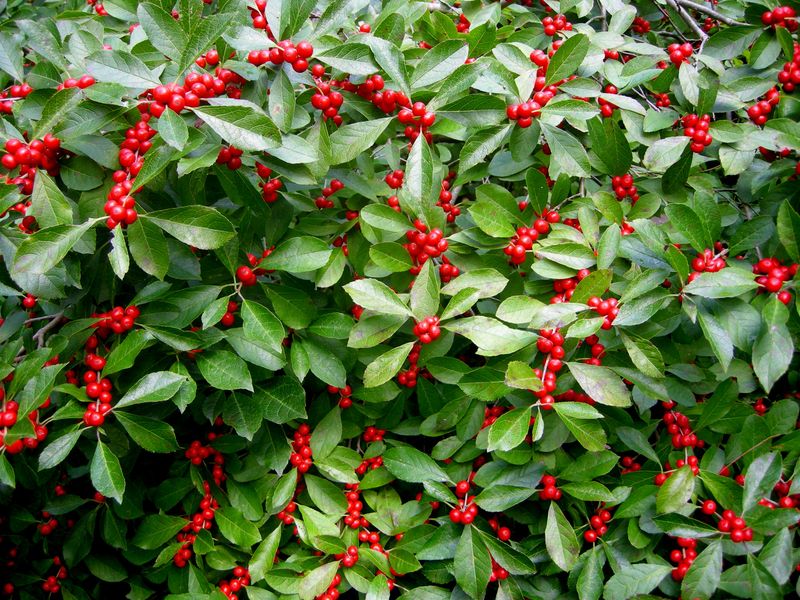
Picture a snowy Pennsylvania yard in December with bright red berries glowing against the white. That eye-catching sight comes from winterberry holly, a native shrub that loves soggy ground.
Unlike most hollies, this one drops its leaves in fall. What stays behind is a stunning show of scarlet berries that cling to bare branches all winter long.
Birds like robins and cedar waxwings depend on those berries when food gets scarce.
Winterberry grows naturally in swamps and along stream edges, so wet clay feels like home. It handles standing water in spring without any trouble. The roots actually prefer moisture that would rot other plants.
Here is something important to know. You need both a male and a female plant to get berries. The female produces the fruit, but she needs a male nearby to pollinate her flowers.
One male can serve several females. Plant it in full sun or part shade. More sun means more berries, so pick a bright spot if you can. It reaches about six to ten feet tall over time.
Care stays simple once it is established. You rarely need to water it, and pruning is optional. A light trim in late winter keeps the shape tidy.
Fun fact for you. Native tribes and early settlers used winterberry branches for winter decorations long before it became a garden favorite.
Today, florists still cut those berry-covered stems for holiday wreaths and arrangements. If you want winter color and happy songbirds in a wet corner, winterberry is a smart pick that rewards you year after year.
2. Red Twig Dogwood
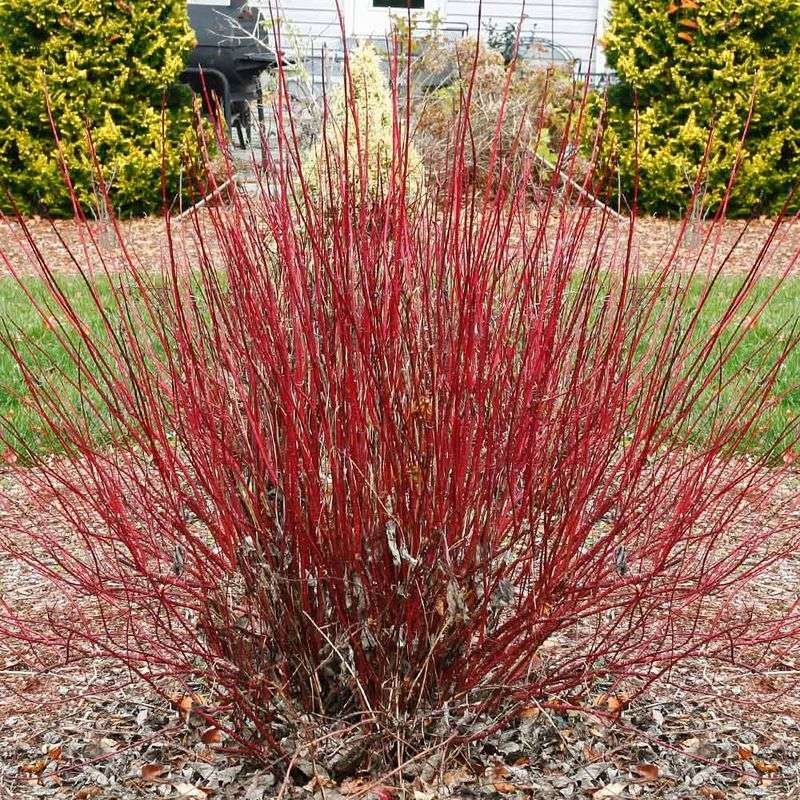
Some shrubs save their best trick for the coldest months. Red twig dogwood does exactly that, showing off glowing red stems when everything else looks gray and bare.
During spring and summer, this shrub wears green leaves and small white flowers. Then fall arrives, the leaves drop, and those famous crimson branches take center stage. Against a snowy backdrop, they look like they are painted on.
Wet clay soil suits this plant perfectly. It grows wild along ponds, ditches, and low wet areas across Pennsylvania. Soggy roots do not bother it one bit.
Your Pennsylvania Garden Changes Every Week. Your Plan Should Too.
Gardening in Pennsylvania changes quickly throughout the season. Every Friday you’ll receive a simple weekly plan showing exactly what to plant, prune, fertilize, harvest, and protect so you never miss the right timing.
The brightest stem color shows up on new growth. To keep that fiery look, cut about a third of the oldest stems down to the ground each spring. Fresh shoots will come up redder and bolder.
Birds enjoy the white berries that appear after the flowers fade. The dense branches also give small creatures a safe place to hide during storms.
Give it full sun for the strongest color, though it tolerates some shade. It grows six to nine feet tall and spreads out to form a thicket if you let it.
Here is a handy tip. Plant a group of them along a wet property line. They spread by sending out shoots, so a few plants can fill in a large damp area over time.
Gardeners love this shrub because it works hard in every season. Flowers in spring, berries in summer, colorful leaves in fall, and those unforgettable red stems in winter. For a wet, stubborn spot, few plants give you so much year-round beauty.
3. Buttonbush
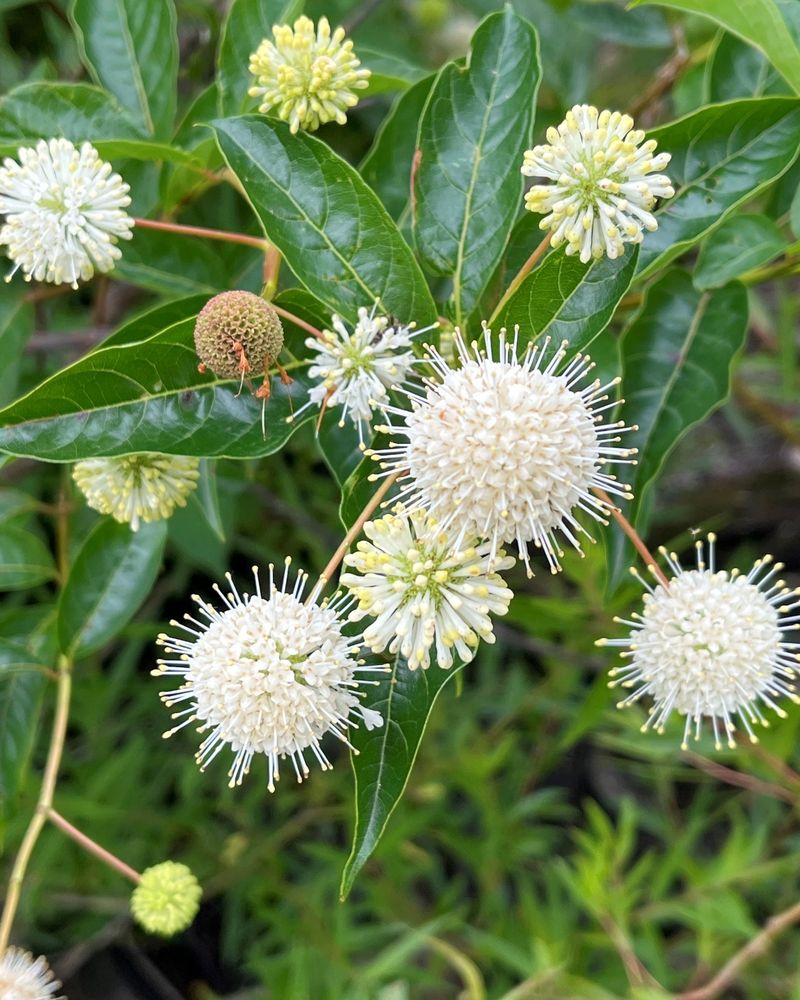
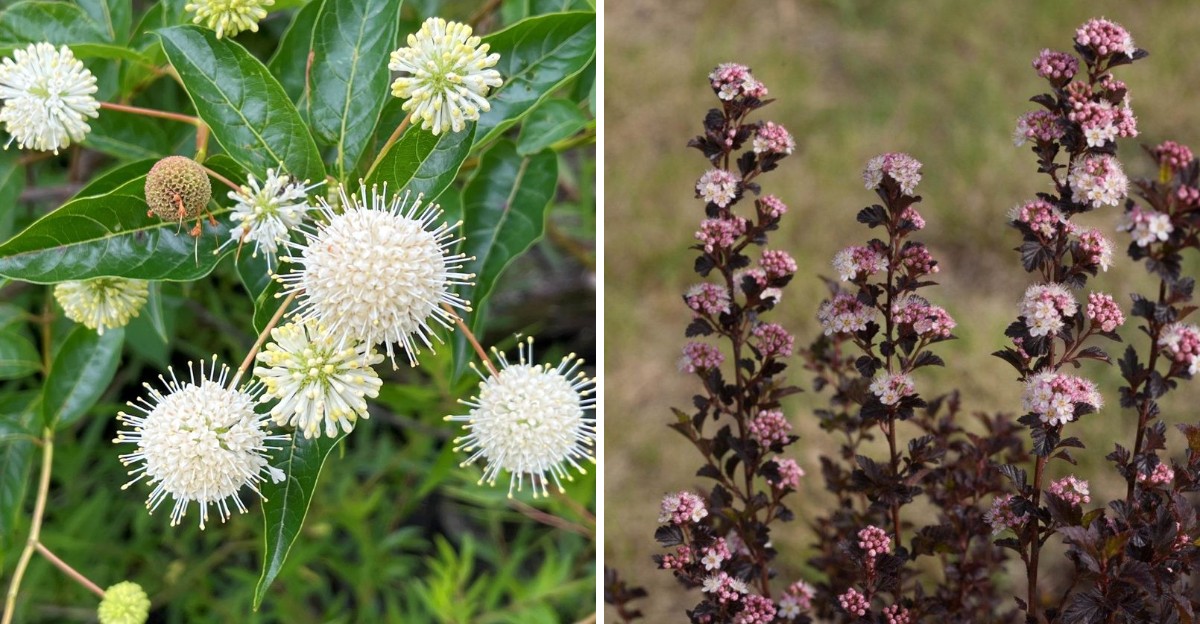
Ever seen a flower that looks like a tiny white pincushion floating in the air? That quirky bloom belongs to buttonbush, one of the toughest wetland shrubs around.
Its round, spiky flower balls appear in summer and buzz with life. Bees, butterflies, and even hummingbirds swing by for a sip of nectar. Few shrubs attract so many pollinators at once.
Buttonbush practically demands wet feet. It grows right at the edge of ponds and streams and can even sit in shallow standing water. Heavy clay that stays soggy is no problem at all.
After the flowers fade, they turn into ball-shaped seed clusters. Ducks and other water birds gobble these up, making the shrub a favorite for wildlife lovers.
Plant it in full sun to part shade. It grows five to twelve feet tall and can get a little wild and shaggy. A trim in late winter keeps it neater if you prefer a tidy shape.
One thing to remember is that the leaves are not safe for grazing animals to eat. Keep that in mind if you have livestock nearby, but for a backyard pond it is a wonderful choice.
This shrub is a champion at soaking up runoff. Gardeners often plant it in rain gardens or low spots where water collects after storms.
Did you know buttonbush is native across much of the eastern United States, including all of Pennsylvania? It has been feeding pollinators here for thousands of years.
If you want a lively, buzzing corner in the wettest part of your yard, buttonbush turns a muddy trouble spot into a pollinator paradise.
4. Summersweet
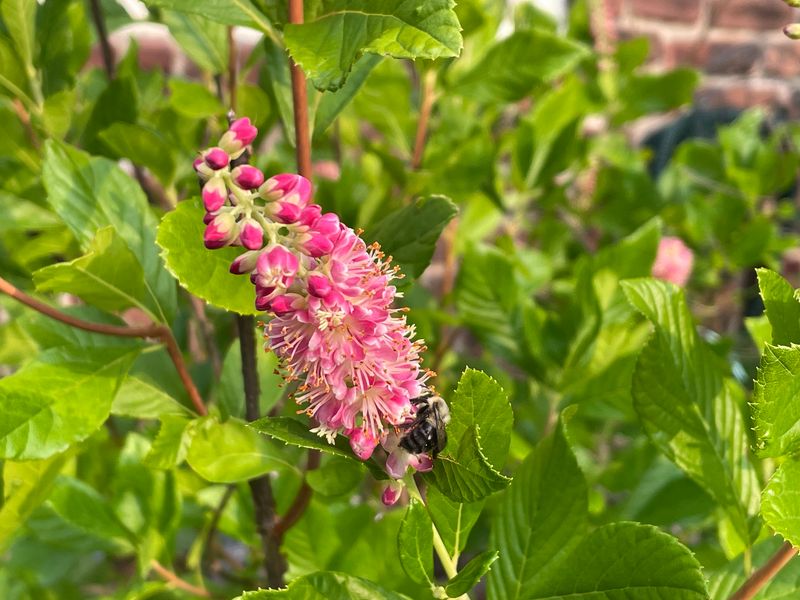
Walk past a summersweet shrub in July and you will stop in your tracks. The sweet, spicy scent of its flowers drifts through the air and pulls you in.
Also called clethra, this native shrub produces slender spikes of white or pink blooms in mid to late summer. That timing is a gift, since most other shrubs finish flowering long before.
Damp clay soil is right up its alley. Summersweet grows naturally in wet woods and along shady stream banks. It shrugs off soggy conditions that trouble fussier garden plants.
Bees and butterflies adore the fragrant flowers. On a warm summer day, the whole shrub seems to hum with visitors gathering nectar.
This plant is unusually happy in shade, which makes it special. Many wet spots also happen to be shady, and summersweet handles both at once. It still blooms well even without full sun.
In fall, the leaves turn a cheerful golden yellow before dropping. That autumn glow adds one more season of interest to your garden.
It grows three to eight feet tall depending on the variety. Compact types like Hummingbird stay small and fit neatly into tighter spaces.
Care is refreshingly easy. Summersweet rarely needs pruning, and pests mostly leave it alone. Just keep the soil moist, which is simple in clay that holds water anyway.
Here is a bit of trivia. The name summersweet comes from that unforgettable summer fragrance. Some gardeners plant it near patios and windows just to enjoy the smell.
For a shady, wet corner that needs late-season color and a delightful scent, this shrub delivers beautifully.
5. Elderberry
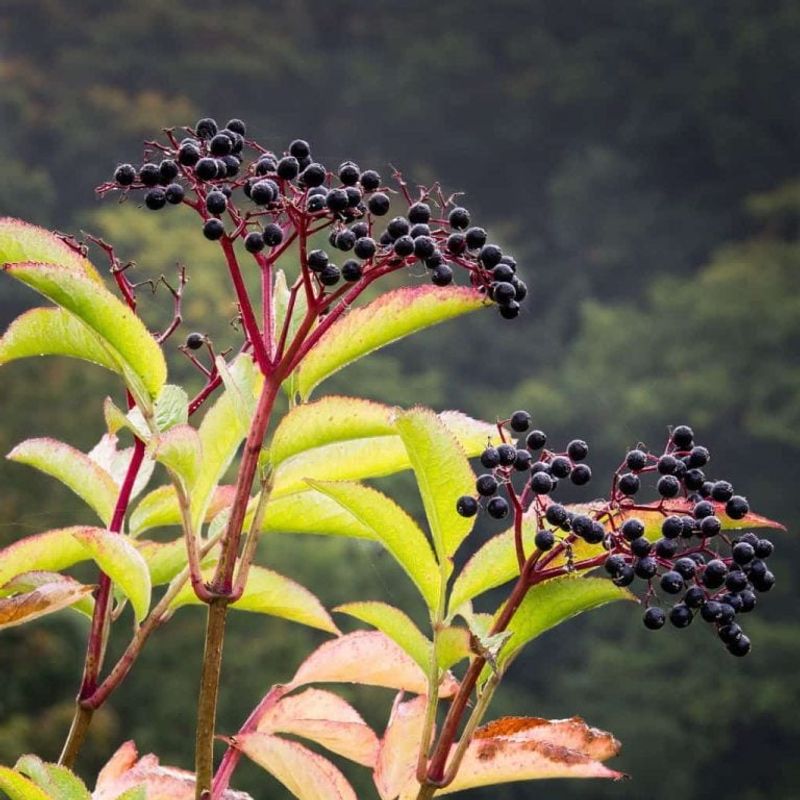
Grandmothers have been turning elderberries into syrup and jam for generations. This useful shrub does double duty, feeding both your family and local wildlife while thriving in wet ground.
In early summer, flat clusters of tiny white flowers cover the plant like lace. By late summer, those blooms turn into heavy bunches of dark purple berries that birds cannot resist.
Elderberry loves moisture. It grows along ditches, fence rows, and damp meadows throughout Pennsylvania. Clay soil that stays wet gives it exactly what it wants.
Keep in mind that raw berries and other parts of the plant should not be eaten straight off the shrub. Cooking the ripe berries makes them safe for syrups, pies, and jellies. Always cook them first.
The shrub grows fast and can reach five to twelve feet tall. It spreads readily, so give it room or plan to trim it back each year.
Plant it in full sun or part shade. More sun brings more flowers and a bigger berry harvest.
Pruning helps keep it strong. Cutting out old canes in late winter encourages fresh, productive growth and a tidier shape.
Pollinators visit the flowers, and dozens of bird species flock to the ripe fruit. Planting elderberry basically sets up a wildlife buffet in your backyard.
Here is something fun. People have used elderberry flowers and berries in folk remedies for centuries, and the plant remains popular for homemade syrups today.
If you want a shrub that turns a wet, unwanted corner into a source of food, flowers, and buzzing life, elderberry earns its place easily.
6. Inkberry Holly
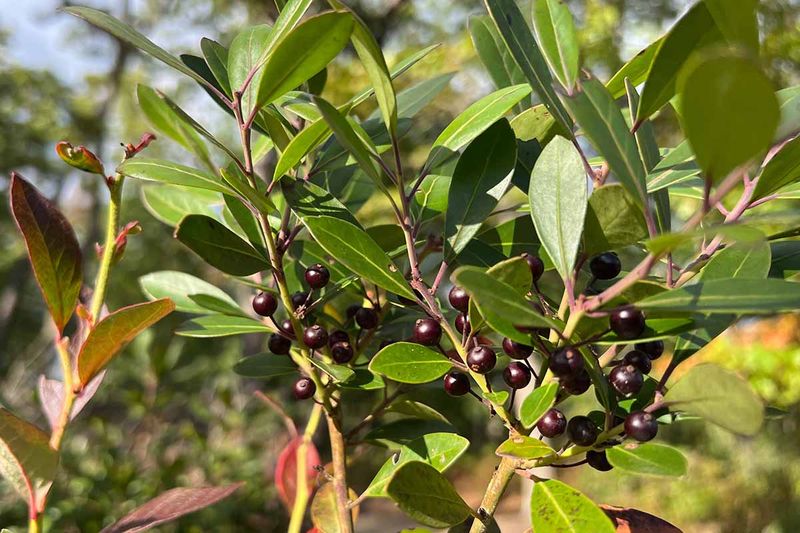
Not every shrub goes bare in winter. Inkberry holly keeps its glossy green leaves all year, giving your wet garden a splash of life even in January.
This native evergreen holly has smooth, rounded leaves without the sharp spines of other hollies. That makes it friendly to plant near paths and play areas.
Wet clay is no obstacle here. Inkberry grows in swampy coastal woods and low wet flats, so damp roots feel natural. It handles poor drainage that would trouble most evergreens.
Female plants produce small black berries in fall, which is how the shrub earned its name. Early settlers once used the dark juice like ink. Birds enjoy these berries through the cold months.
To get berries, you need a male plant nearby for pollination, just like with winterberry. If you only want the green look, a single plant works fine.
It grows five to eight feet tall but responds well to shearing. Many gardeners keep it clipped into neat hedges or rounded shapes.
Plant it in full sun or part shade. Sun keeps the growth dense, while shade makes it a bit looser and more open.
Because it stays green year-round, inkberry works great as a foundation plant or a low privacy screen. It fills the gap left by shrubs that lose their leaves.
One helpful tip is to mulch around the base to keep roots cool and moist, though your clay soil already holds plenty of water.
For a tough, tidy evergreen that thrives where others struggle, inkberry holly is a dependable and attractive choice for any wet spot.
7. Ninebark
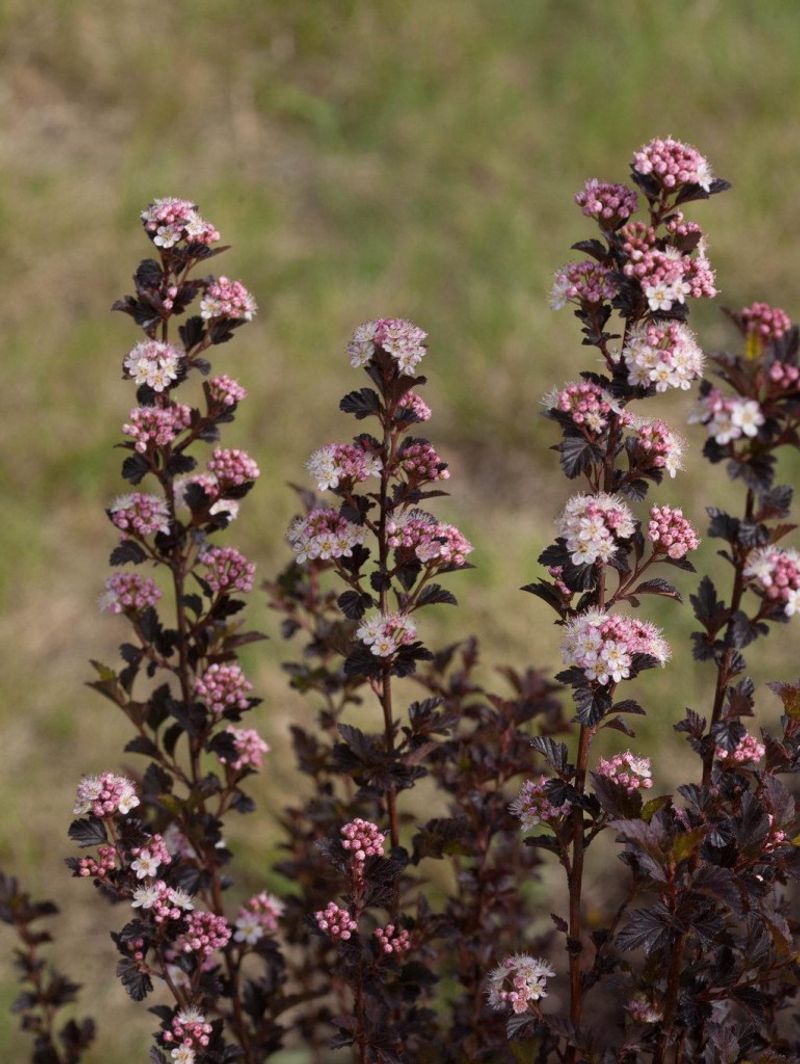
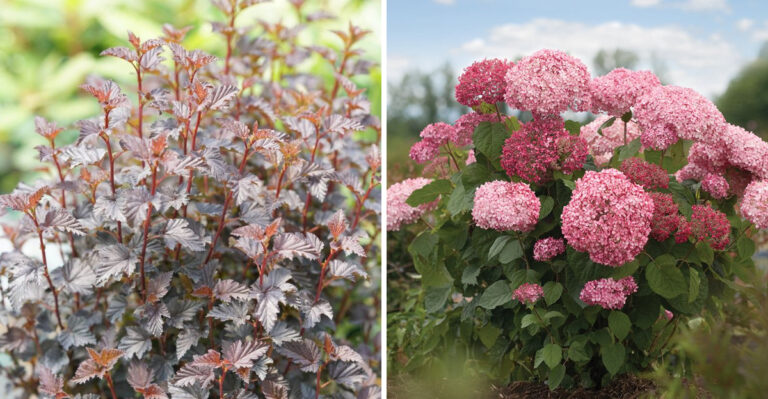
Bold color and toughness rarely come in the same package, but ninebark pulls it off. Its rich burgundy or golden leaves make it a standout while it quietly handles rough conditions.
In late spring, clusters of small pink or white flowers cover the branches. Bees and butterflies drop by, and the blooms later form reddish seed pods that add texture.
The name comes from the bark, which peels away in thin layers said to number nine. That flaky, shredding bark gives the shrub winter interest after the leaves fall.
Ninebark is remarkably adaptable. It grows along rocky stream banks and in damp thickets across Pennsylvania. Wet clay, dry soil, sun, or part shade, it takes them all in stride.
Colorful varieties are everywhere in garden centers now. Types like Diabolo bring deep purple leaves, while Amber Jubilee glows orange and gold. Both brighten a dull, wet corner instantly.
It grows five to ten feet tall and just as wide, so give it space to stretch out. If it gets too big, cut a third of the oldest stems to the ground in early spring.
This shrub asks for almost nothing once planted. It shrugs off drought, poor soil, and soggy patches without complaint.
Birds use its dense branches for shelter and nesting. The seed pods also offer a little food in fall.
Here is a neat detail. Ninebark is a member of the rose family, which explains its pretty clustered blooms.
For a colorful, low-effort shrub that survives Pennsylvania’s wettest, heaviest soil, ninebark brings both beauty and grit to your landscape.