Why New York Maples Can Turn Red Or Yellow At The Same Time
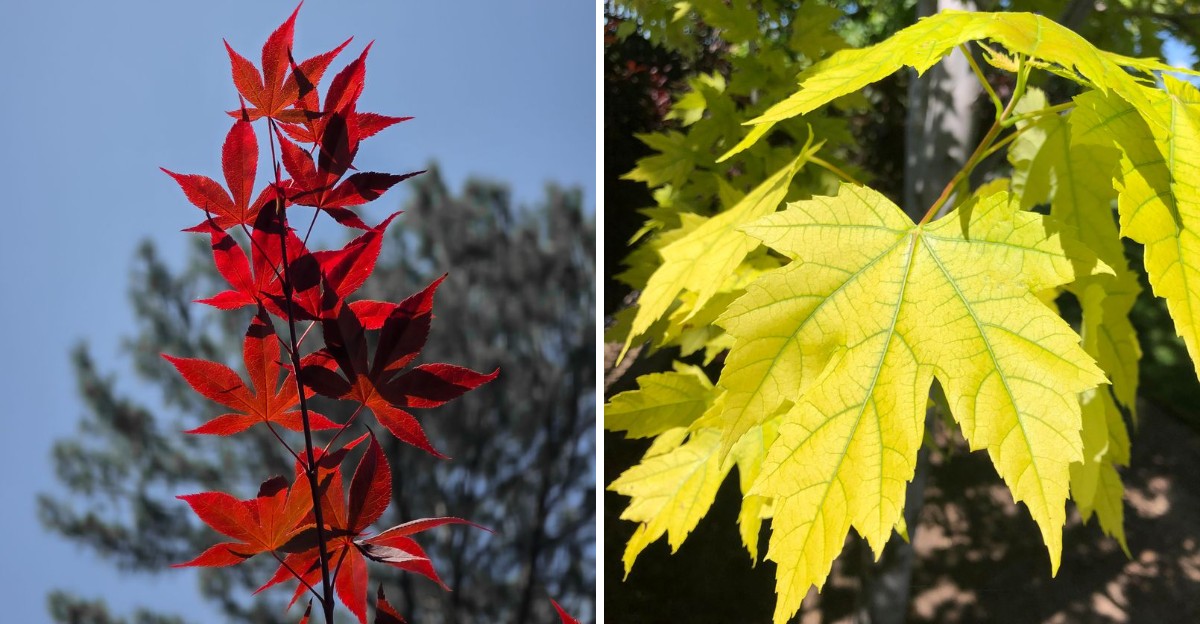
A maple tree in New York can look like it is wearing two different fall outfits at once. One side may glow fiery red while another stays bright yellow, and there is a reason behind that strange split.
Fall color comes down to what is happening inside the leaves. Sunlight, cool nights, soil conditions, and the tree’s genetics all influence which pigments appear as green fades away.
Some maples create new red pigments during autumn. Others simply reveal the yellow tones that were already hidden in their leaves.
That is why two branches on the same tree, or two maples growing side by side, can look completely different in October. Once you know what to look for, those mixed colors become clues instead of surprises.
Different Maple Species Create Different Fall Colors
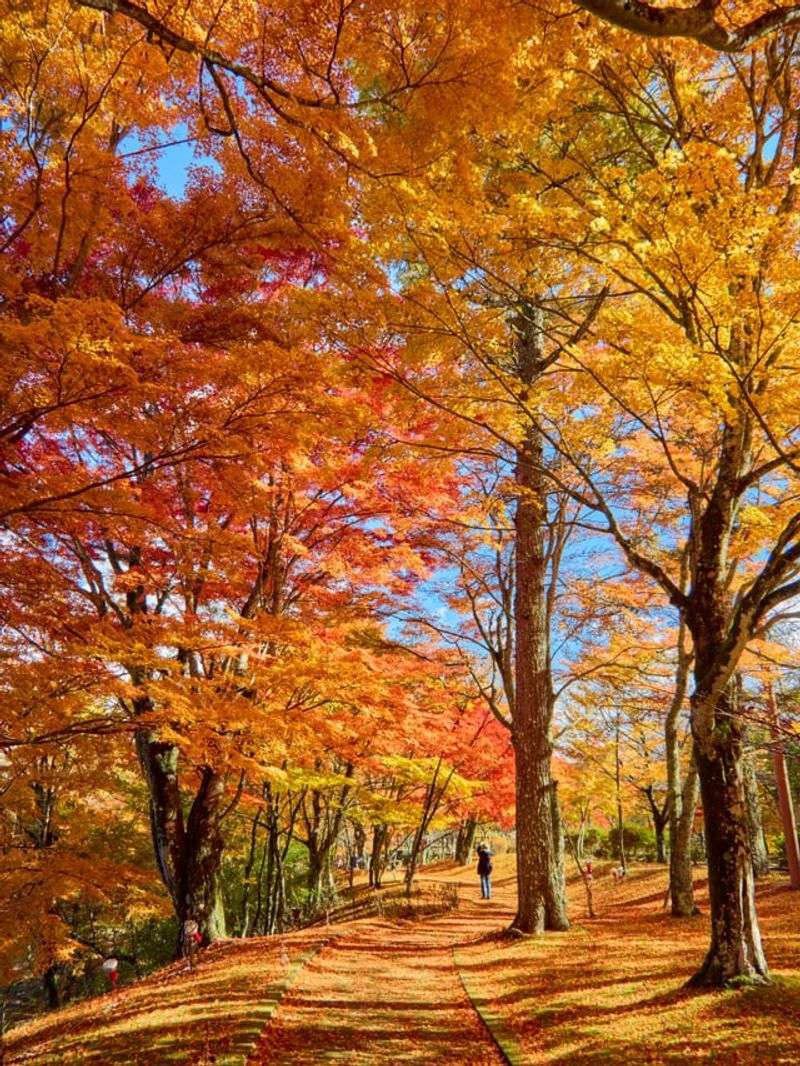
Walk down one block in New York and you might pass four maples wearing four different outfits. That’s because “maple” isn’t one tree, it’s a whole family with different habits.
Red maples, known by scientists as Acer rubrum, grow in all five boroughs of New York City. They’re famous for scarlet leaves, though plenty of them also show orange and yellow tones.
Sugar maples, or Acer saccharum, are the classic postcard tree. A single one can carry pumpkin orange, bright gold, and red-orange leaves at once, which is part of why people drive for hours to see them.
Black maples usually settle on a clean bright yellow. Silver maples lean pale and buttery, while striped maples glow with a vivid lemon shade that stands out in shady woods.
Norway maples, which came here from Europe and now grow all over the state, tend to hold their green longer. They shift to yellow later in the season, sometimes after the natives have already dropped.
So when you see red and yellow in the same view, you may simply be looking at two different species growing side by side. Timing varies too, since red maples often start coloring earlier than their cousins.
A handy tip for tree spotting: check the leaf shape and the bark before you guess. Sugar maple leaves have smooth-edged lobes, while red maple leaves show little jagged teeth along the edges.
Red Pigments Appear When Trees Make Anthocyanins
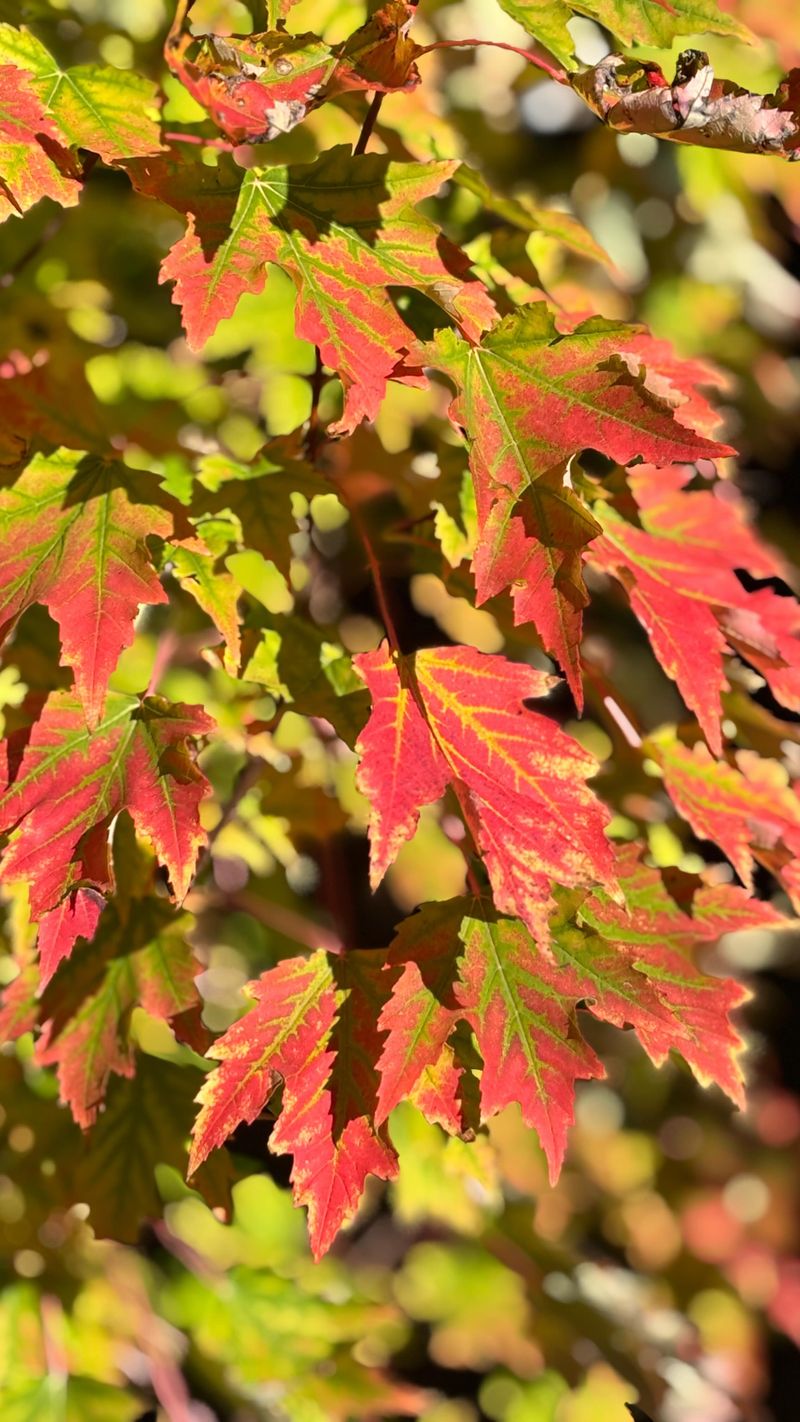
Red often appears because trees produce new anthocyanins in the fall as chlorophyll breaks down. These pigments build up as days shorten and the growing season winds down.
Scientists think anthocyanins act like sunscreen for tired leaves. They soak up extra sunlight so the leaf isn’t harmed while the green chlorophyll fades away.
That protection buys the tree time for an important chore. Before leaves drop, a maple pulls nutrients back into its branches and trunk to store for winter.
Sugar is the key ingredient. Leaves that hold onto more sugar from photosynthesis can build more red pigment, which is why sugary sugar maples put on such a show.
There’s an interesting side theory too. Some researchers believe the red color works as a warning sign that discourages certain insects from settling in for a snack.
Your New York Garden Changes Every Week. Your Plan Should Too.
Gardening in New York changes quickly throughout the season. Every Friday you’ll receive a simple weekly plan showing exactly what to plant, prune, fertilize, harvest, and protect so you never miss the right timing.
What does that mean for a leaf peeper in New York? Reds swing wildly from year to year because they depend on weather, sugar, and sunlight rather than something built in from spring.
Two autumns in the same spot can look totally different. One October the Hudson Valley may glow crimson, and the next it may lean orange and gold.
Keep a photo journal if you love tracking the change. Comparing shots from the same tree year to year makes the sugar and sunlight story easy to see with your own eyes.
Yellow Leaves Reveal Hidden Carotenoid Pigments
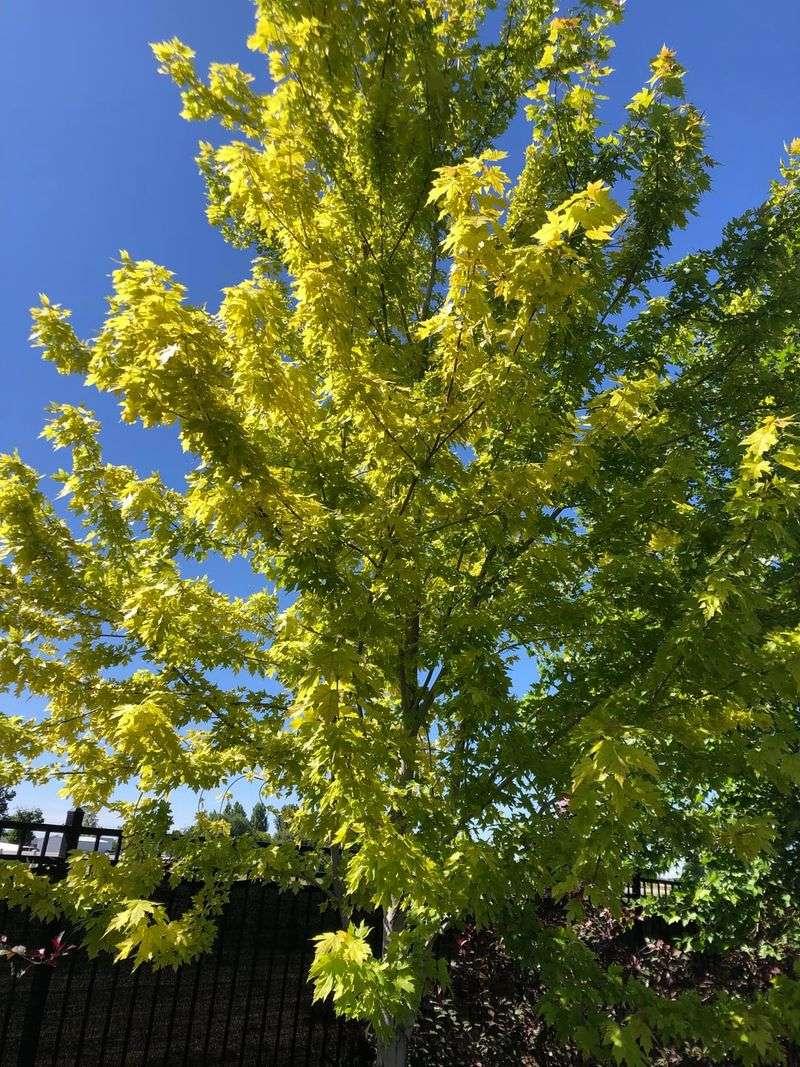
Yellow plays a completely different game than red. Instead of being built in autumn, it was hiding in plain sight the whole time.
Carotenoids are the pigments behind those golden tones. They live inside maple leaves during spring and summer, but the powerful green of chlorophyll covers them up.
When daylight shrinks and nights turn chilly, the chlorophyll in the leaf begins breaking down and disappearing.
Suddenly the curtain lifts. Xanthophylls bring the yellows and beta-carotene adds the orange, and both were sitting there all along.
You may recognize beta-carotene from a different place. It’s the same family of pigment that gives carrots and sweet potatoes their bright color.
Because carotenoids are stable, the yellow portion of fall is fairly dependable. Even in a soggy or cloudy year, New York still gets plenty of gold in the woods.
Tannins add another layer. These leftover compounds deepen yellows toward bronze and are responsible for the papery brown seen in trees like beech.
So a maple showing red on one branch and yellow on another isn’t broken at all. Some leaves are simply unveiling old pigment while others are manufacturing new pigment.
Want a simple experiment? Press a few leaves of different colors between paper towels inside a heavy book, then compare them after a week.
The yellows usually hold their tone longest. Reds often fade faster, which tells you a lot about how each pigment behaves.
Cool Nights Bring Out Stronger Red Shades
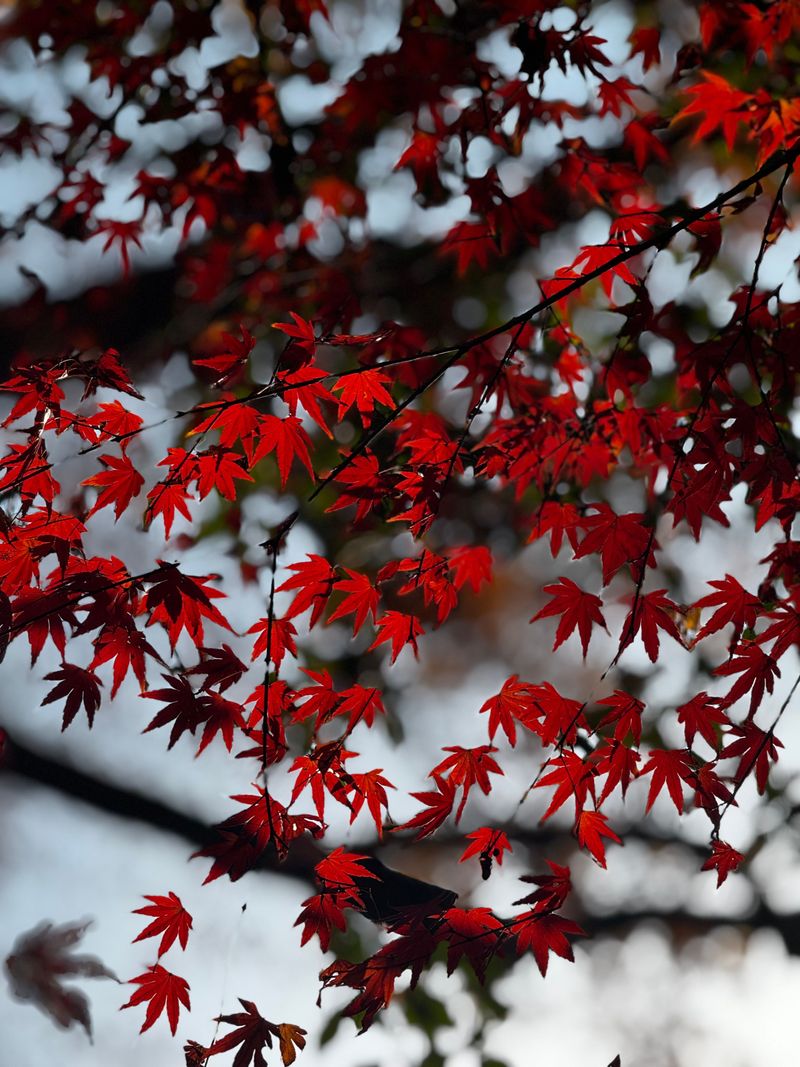
Ever notice how the best red years follow a stretch of crisp, sweater-weather evenings? That’s not a coincidence.
When nighttime temperatures turn cool but remain above freezing, maples get a clear signal. Winter prep begins, and leaf veins start closing off.
Cool air slows the rate at which leaves burn through their sugars overnight. More sugar stays trapped inside, and trapped sugar means more raw material for red anthocyanins.
Pair those chilly nights with bright afternoons and you get the recipe leaf watchers hope for every October. Reds turn deeper, oranges glow warmer, and the whole hillside looks lit from within.
Timing matters as much as temperature. An early hard freeze can harm leaf cells before pigment production peaks, which shortens the show and dulls the color.
Elevation adds another twist. Higher spots in the Adirondacks cool off sooner, so their maples often flush red while valley trees are still green or barely turning.
Planning a trip? Watch the overnight forecast rather than just the daytime highs, since nighttime temperatures are an important part of the pigment process.
A run of mild, muggy evenings usually means a softer, more yellow season. A run of brisk ones usually means fireworks.
Here’s a small practical note for photographers. Colors look richest in the first hour after sunrise, when cool air and low light make the reds pop against the frost-free ground.
Bring layers and a thermos, because the mornings that produce the best color are the ones that make your fingers cold.
Sunny Days Help Maples Show Brighter Colors
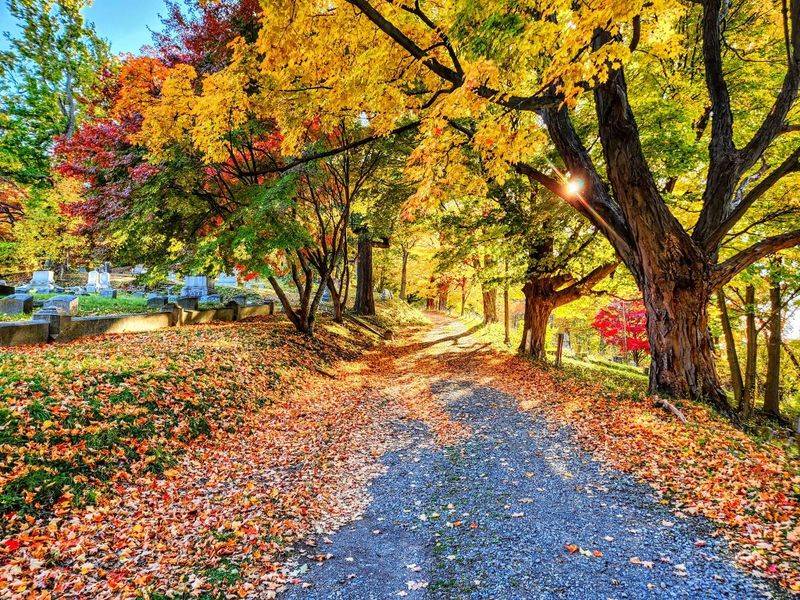
Sunshine is the engine behind the whole color show. Without it, the brightest shades simply don’t get built.
Leaves use sunlight to make glucose through photosynthesis. That sugar becomes the building block for anthocyanins, the pigments that paint leaves red and purple.
Give a maple a stretch of clear October afternoons and it has plenty of fuel to work with. Combine that with cool nights and hillsides light up.
Gray, drizzly weeks do the opposite. Less sunlight can reduce sugar production and may contribute to less intense red coloration.
Sunlight also speeds up the breakdown of chlorophyll. As the green fades faster, the yellow and orange carotenoids underneath become visible sooner.
That’s why a maple standing alone in an open field often turns before one tucked into thick woods. Exposure changes the schedule.
City trees show the same pattern. A red maple on a sunny corner in Brooklyn may blaze while a shaded twin down the block stays green for another week.
If you’re choosing where to plant a young maple, sun exposure is worth thinking about. A spot with six or more hours of direct light usually produces the boldest autumn display.
For leaf peeping, aim for the day right after a clear, cool stretch. The colors will be at their strongest and the light will be crisp.
Midday sun washes tones out, so shoot photos in the morning or late afternoon instead.
Soil And Growing Conditions Change Fall Displays
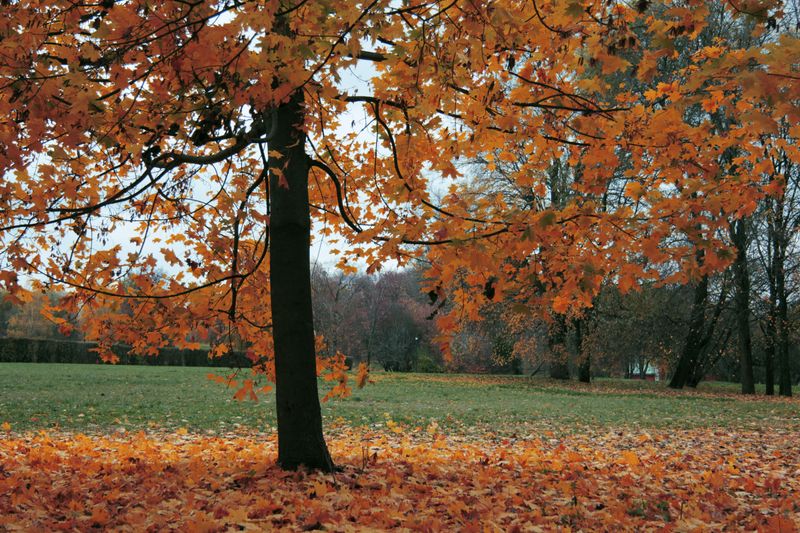
A tree’s autumn outfit starts underground, months before anyone thinks about foliage. Roots and soil quietly set the stage.
Moisture is the biggest factor. A dry summer stresses maples, which can lead to muted tones, an early switch, or leaves dropping before they finish coloring.
The happier pattern looks like this: steady rain through the growing season, then sunny and dry autumn days. Trees that get that combination usually put on the richest display.
Too much rain brings its own trouble. Damp conditions encourage leaf fungus, and spotted leaves tend to fall early and look tired.
Soil texture counts as well. Sandy ground drains so fast it dries out, while heavy clay holds water and leaves roots struggling for air.
Nutrients matter too. Shortages of nitrogen, magnesium, or iron can turn leaves pale yellow or reddish long before real fall color arrives.
Iron shortage is a common one in yards. Those maples look washed-out yellow with green veins all summer, which is a health signal rather than a seasonal change.
If you have a maple at home, mulch a wide ring around the base and keep it a few inches off the trunk. Mulch holds moisture and keeps mower blades away from bark.
Deep watering during a dry September helps more than frequent light sprinkles. Aim for slow soaking once a week.
Healthy roots give you better color, and they also give the tree a stronger start next spring.
One Maple Can Color Differently Across The Same Tree
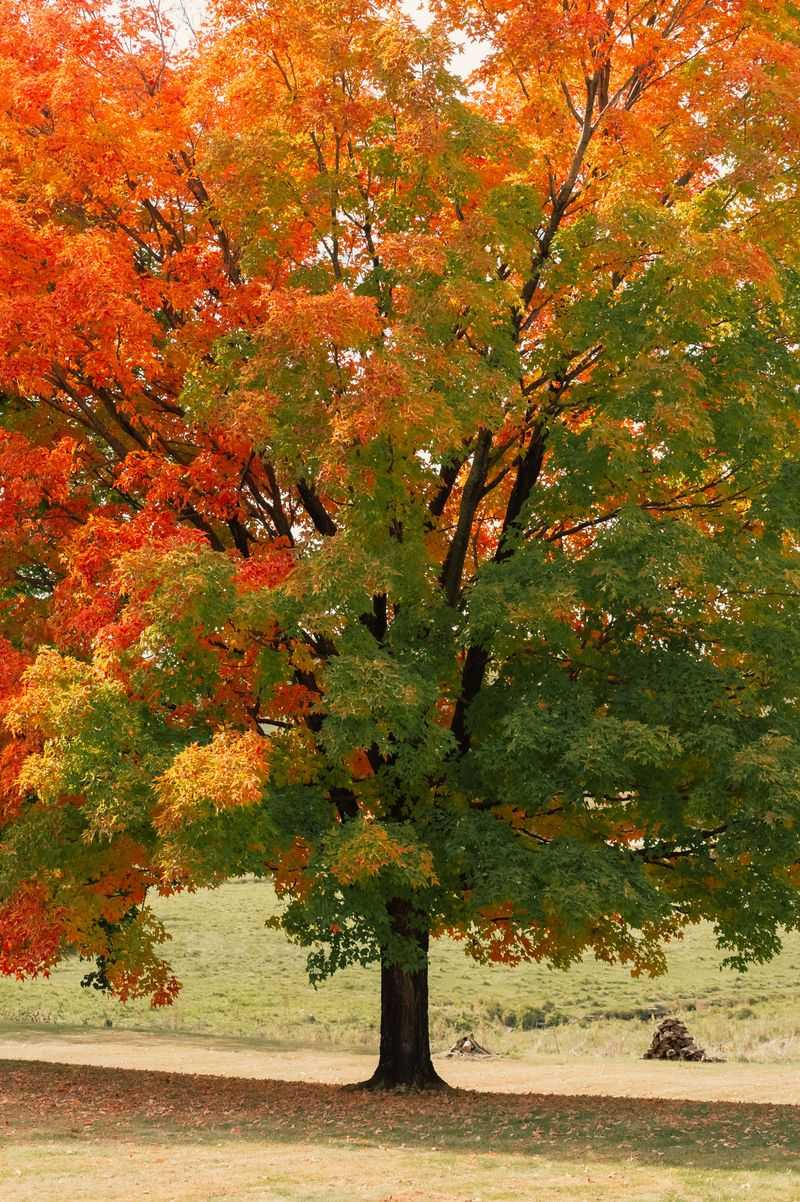
Sometimes the whole rainbow shows up on one trunk. A single sugar maple can wear scarlet up top and gold underneath on the very same afternoon.
Sunlight explains a lot of it. Branches facing open sky collect more light, make more sugar, and build stronger red pigment.
Shaded inner branches take a different path. With less sugar to work with, those leaves mostly just reveal their carotenoids and settle into yellow.
Each leaf really is running its own small project. The sugar trapped in that particular leaf determines how intense its final color turns out.
Wind exposure and branch height add more variation. Outer tips often turn first while the protected center hangs onto green a bit longer.
Genetics play a quiet role too. Two sugar maples growing twenty feet apart in the same woodlot can lean toward different tones because of subtle inherited differences.
Elevation and site conditions stack on top of that. A tree on a breezy ridge behaves differently from one beside a warm stone wall.
Sweetgums are the champions of this effect, sometimes carrying yellow, orange, red, and deep purple all at once. Maples just do a more subtle version.
Next time you’re under one, walk a full circle around the trunk and look up. The south-facing side may show different timing or intensity because it receives more sunlight and warmth.
It’s a free science lesson hanging right over your head. Once you spot the pattern, you’ll notice it on nearly every maple you pass.