The Most Underrated North Carolina Perennial To Plant Now For Spring Color
There is a shaded strip along the north side of countless North Carolina houses that gets skipped every single spring, too dim for tulips and too dry-looking for anything fussy.
Most gardeners give up and spread mulch over it, never realizing a native woodland perennial already thrives in similar conditions just a few miles away in the local forest.
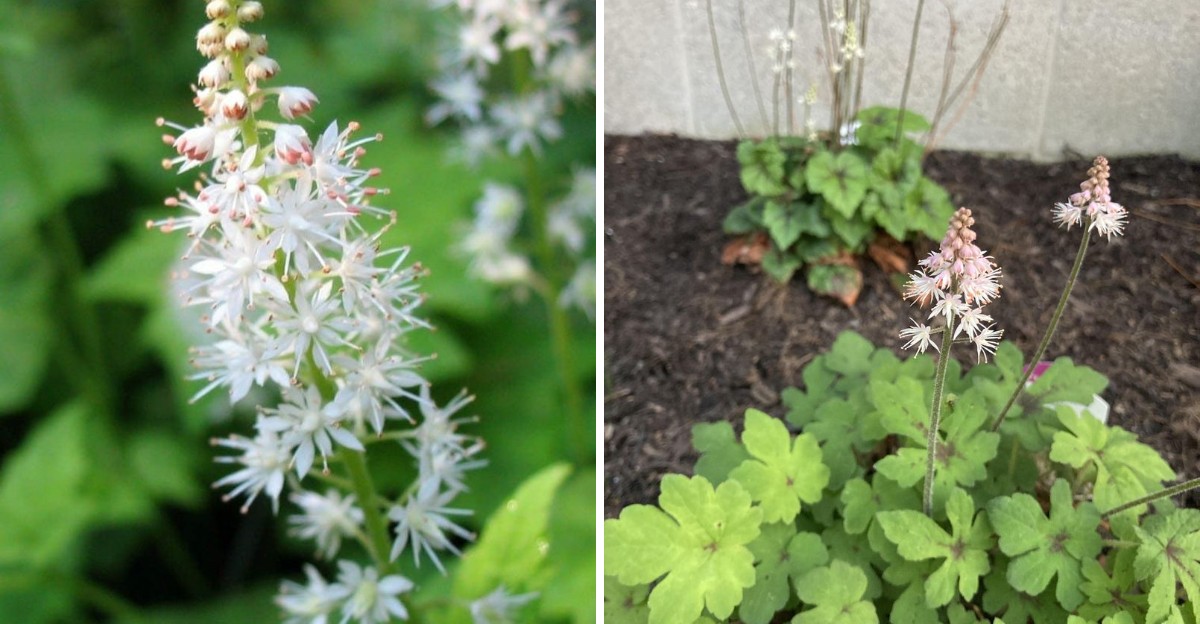
Foamflower, known to botanists as Tiarella cordifolia, throws up airy white spring blooms in exactly that kind of low-light corner without much fuss at all.
Planting it in fall gives the roots months to settle before the show starts, right when the rest of the yard is winding down for the season.
Meet Foamflower, The Overlooked Native
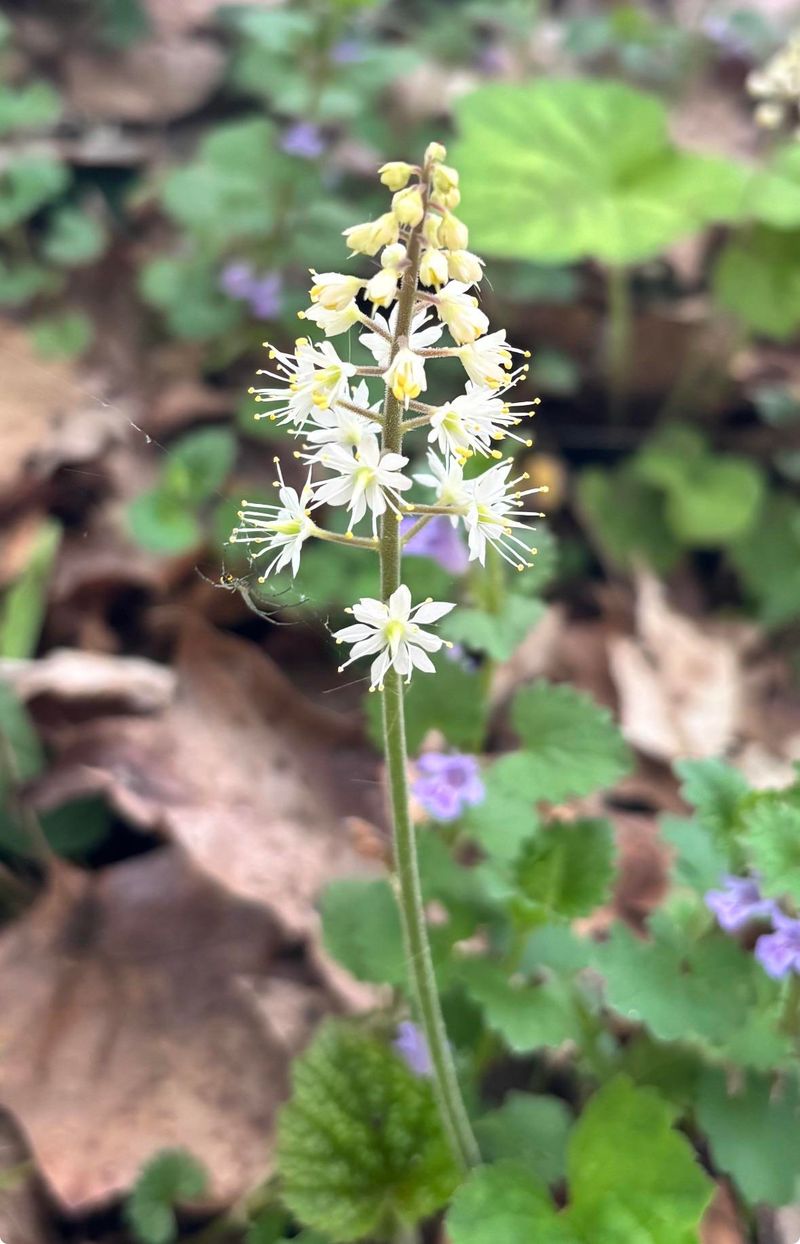
Tucked along creek banks and wooded slopes from the mountains into parts of the Piedmont, foamflower was growing in North Carolina long before anyone thought to sell it in a nursery pot.
Gardeners often walk right past it because the foliage looks modest next to azaleas or hellebores sitting nearby on the same nursery bench.
NC State Extension lists Tiarella cordifolia as a native perennial suited to partial or full shade, which happens to be the spot most people struggle to fill.
In spring, slender stalks lift clouds of tiny white to pinkish flowers above heart-shaped leaves, giving the plant its frothy name and delicate appearance.
Plant in fall, and the roots settle in through cool, moist months, so the crown is ready to push blooms early rather than recovering from shock.
Morning light with afternoon shade keeps leaves from scorching, and rich, well-drained soil with steady moisture suits it best throughout the growing season.
Foamflower spreads by stolons, short runners that creep across bare soil, filling in gaps over time without much intervention needed from the gardener.
Early flowers feed bees and other small pollinators weeks before most garden plants stir from winter dormancy, giving them a genuine head start.
Foamflower Fills The Gap English Ivy Left Behind
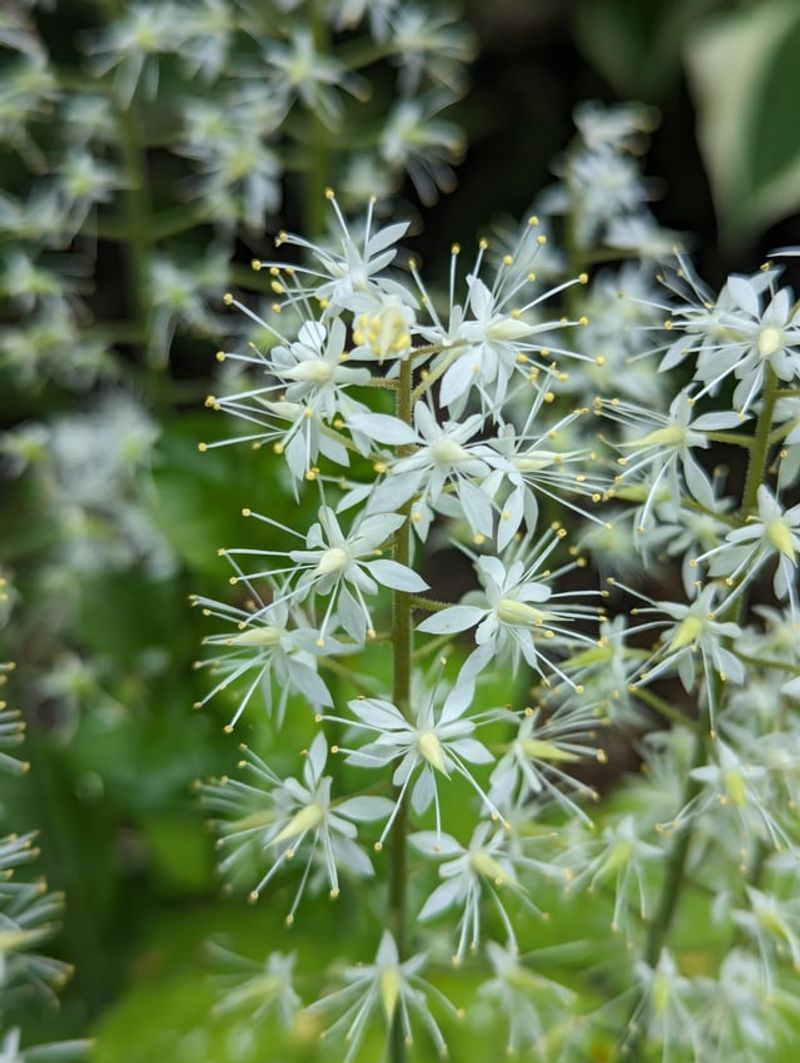
For decades, homeowners facing a dim, dry-looking strip along the north side of the house reached for English ivy or periwinkle almost automatically, since both tolerate shade and spread without much fuss.
That habit made sense on the surface, but both plants are non-native and offer almost nothing to local wildlife, quietly displacing native seedlings and tree saplings wherever they take hold over time.
Foamflower solves the exact same practical problem, covering bare shaded ground and suppressing weeds, while actually belonging to the ecosystem it grows in rather than working against it.
Its dense, low mat of heart-shaped leaves knits together within a couple of seasons, closing gaps just as effectively as ivy ever did, minus the aggressive climbing habit that damages siding and tree bark.
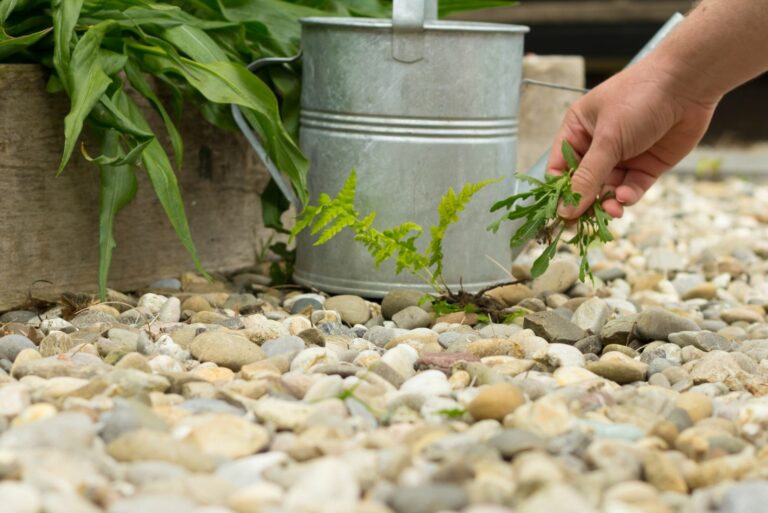
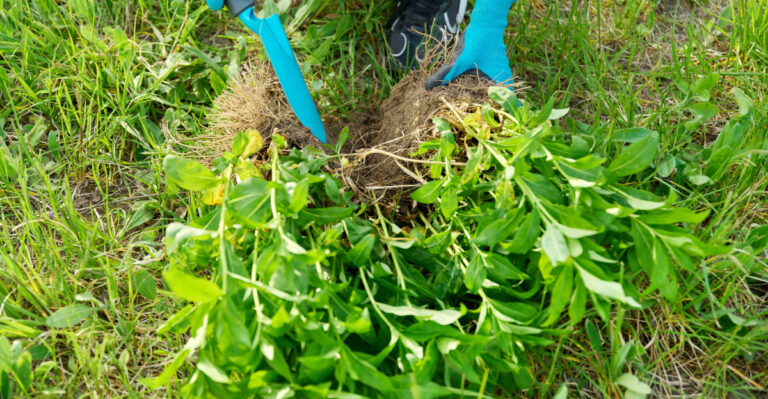
Removing an established ivy patch and replacing it with foamflower takes patience, since ivy roots run deep and persistent, but the payoff is a groundcover that actually feeds pollinators each spring instead of just sitting there green and silent.
Gardeners transitioning a bed this way often start by clearing a section at a time, working foamflower plugs into the cleared ground before ivy has a chance to creep back in from the edges.
Your North Carolina Garden Changes Every Week. Your Plan Should Too.
Gardening in North Carolina changes quickly throughout the season. Every Friday you’ll receive a simple weekly plan showing exactly what to plant, prune, fertilize, harvest, and protect so you never miss the right timing.
Within two or three years, a foamflower planting reads as intentional and finished, not like a struggling groundcover barely holding its own against weeds the way ivy sometimes looks in a neglected corner.
The swap costs some upfront labor pulling out the old ivy, but it trades a plant that quietly harms the landscape for one that actively supports it every spring.
Its Evergreen Foliage Earns Its Keep All Winter
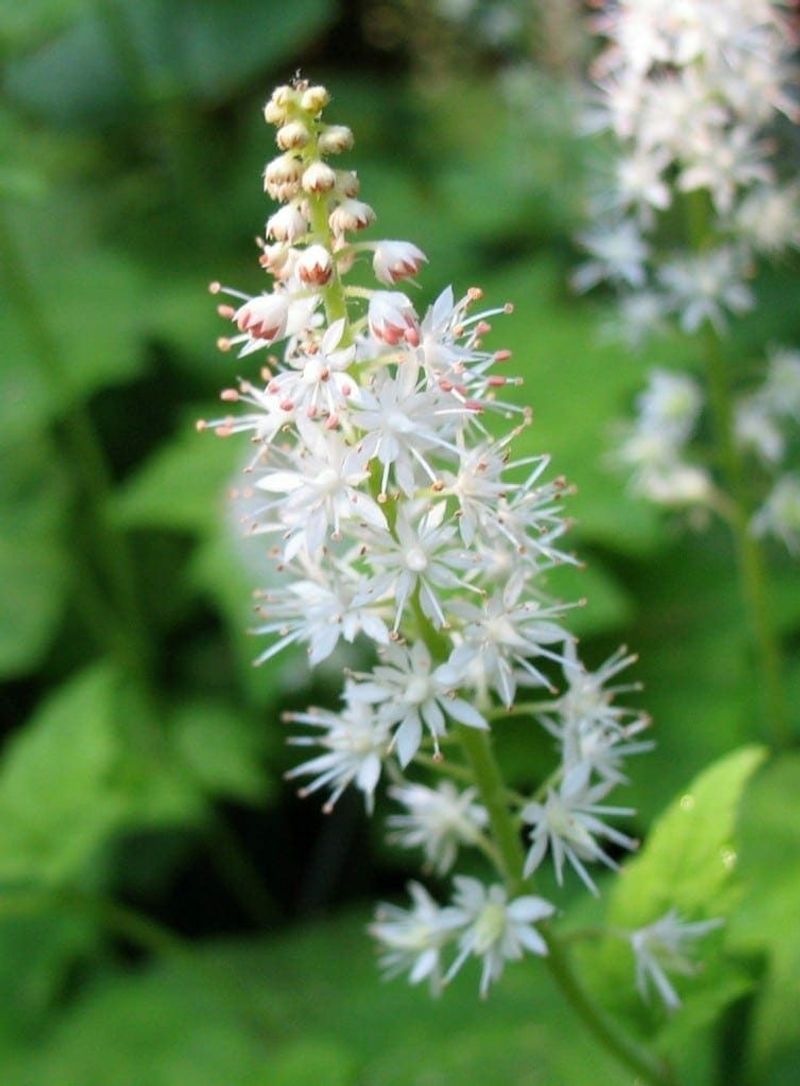
Most gardeners plant foamflower for the spring blooms and only later discover that the foliage itself keeps working long after the flowers fade, holding color through a North Carolina winter most perennials simply cannot manage.
In many parts of the state, particularly the Piedmont and lower elevations, foamflower leaves stay green or take on a deep bronze-purple tint through the coldest months rather than dying back completely like hostas or ferns nearby.
That evergreen habit means a shaded bed planted with foamflower never goes fully bare, holding visual interest through December, January, and February when most other perennials have vanished beneath the mulch.
Cold snaps can flatten or bronze the leaves temporarily, but the crown itself stays alive underground, ready to push fresh, glossy green growth again as soon as temperatures moderate in late winter.
This winter presence matters most in exactly the spot foamflower already prefers, that shaded north-facing strip where snow lingers longest and few other plants offer any color at all during the darkest months.
Gardeners who value a tidy look can simply leave the foliage alone through winter, since it rarely turns unsightly the way some perennials do, sparing an extra fall cleanup task on an already busy checklist.
Pairing foamflower with deciduous companions like Christmas fern or hellebore extends that winter interest even further, layering evergreen texture with early-blooming color that arrives before most of the yard has properly woken up.
For a plant often bought purely for its spring show, the quiet, steady presence it offers the rest of the year turns out to be just as valuable as the blooms themselves.
Deer And Rabbits Mostly Leave It Alone
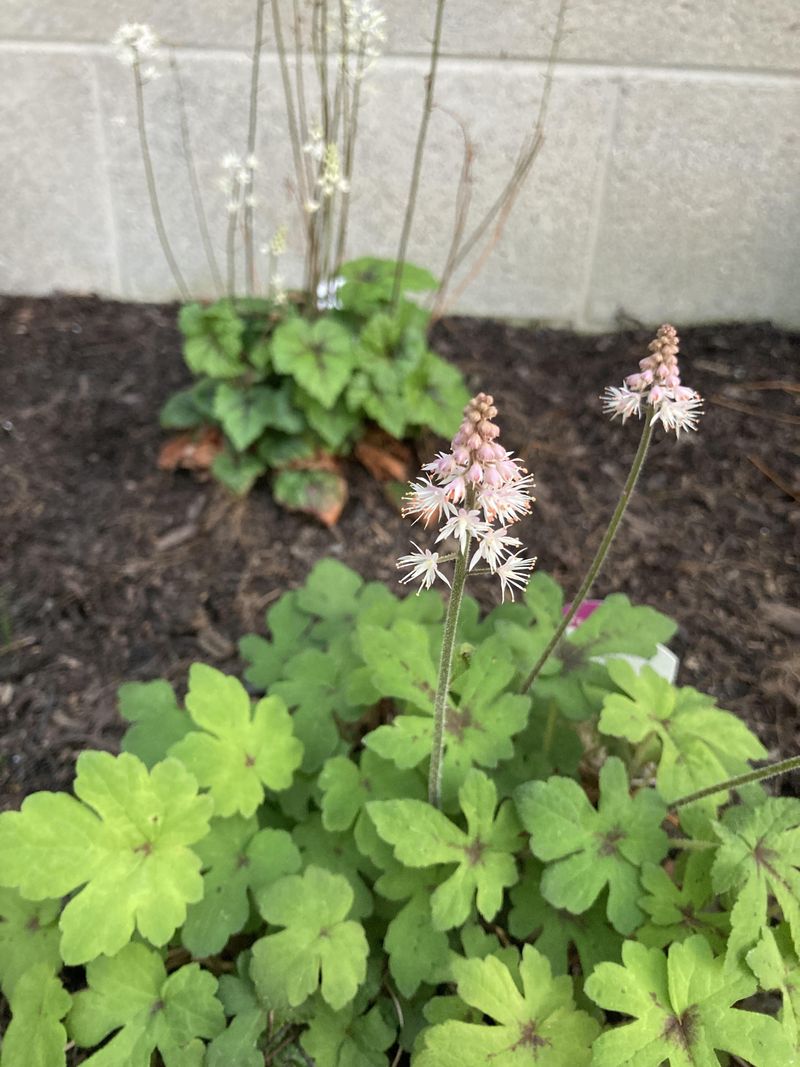
Homeowners near wooded lots across North Carolina know the frustration of watching a carefully chosen shade perennial get nibbled to stubs within a week of planting, and foamflower offers a genuine break from that particular headache.
Its slightly fuzzy, textured leaves and mild but noticeable bitterness make it a low-priority snack for deer, who tend to browse past it in favor of hostas, daylilies, or other tender perennials growing nearby in the same bed.
Rabbits show similar disinterest, particularly once the plant matures past its first tender season, making foamflower a reasonably safe choice for gardeners who have given up on other shade perennials after repeated losses.
Resistant remains the honest word here rather than immune, since a genuinely hungry deer during a hard winter will sample almost anything green within reach, including plants it would normally ignore under better conditions.
Young, freshly planted foamflower divisions are more vulnerable than established clumps, so a season of light protection, even just a loose wire cage, helps new plantings get past that early vulnerable stage.
This resistance opens up planting possibilities in exactly the wooded, deer-heavy areas where many North Carolina homeowners already struggle, letting foamflower work as a groundcover in spots where flashier perennials have failed again and again.
Combined with its native status and wildlife value elsewhere, that deer resistance rounds out a plant that asks for very little while giving back a surprising amount to both the gardener and the local ecosystem.
For anyone gardening at the edge of a forest or a greenway, foamflower represents one of the few genuinely low-drama options left on the shopping list.
Dividing Foamflower Multiplies Your Investment For Free
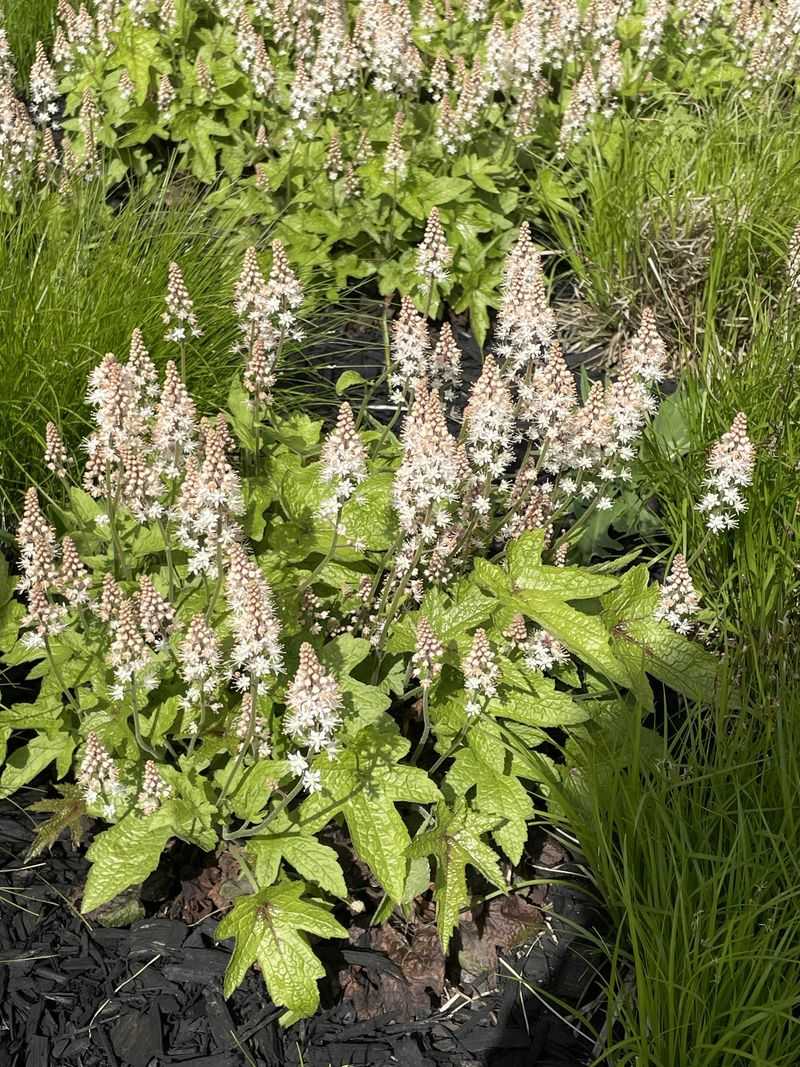
A single foamflower plant purchased from a nursery might feel like a modest investment for such a small perennial, but its spreading habit means that one plant can become many within just a few growing seasons without spending another dollar.
Because foamflower spreads by stolons, those short runners that creep across the soil surface and root as they go, an established clump naturally produces new plantlets around its edges that can be lifted and moved elsewhere in the yard.
The best time to divide foamflower falls in early fall, giving newly separated pieces the same cool, moist window the parent plant benefits from when first planted, well before the ground turns cold and roots stop actively growing.
Lifting a mature clump reveals numerous small rosettes connected by those thin runners, and separating them with a sharp knife or simply pulling gently apart usually yields several viable divisions from a single parent plant.
Each division, even a small one with just a few leaves and a bit of root, generally establishes quickly when replanted into similarly shaded, moist soil, often flowering the very next spring if conditions suit it well.
This multiplying habit makes foamflower an economical choice for filling a large shaded area over time, since a modest initial planting of a few pots can expand into a substantial groundcover within three or four years through simple division.
Sharing divisions with neighbors facing the same dim, north-facing strip along their own house extends the plant’s reach even further, turning one nursery purchase into coverage across an entire street if enough gardeners get interested.
For anyone hesitant about the upfront cost of filling a large shaded bed, foamflower’s willingness to multiply on its own turns that initial investment into something considerably more generous over just a few seasons.
Foamflower Pairs Beautifully With Other Woodland Natives
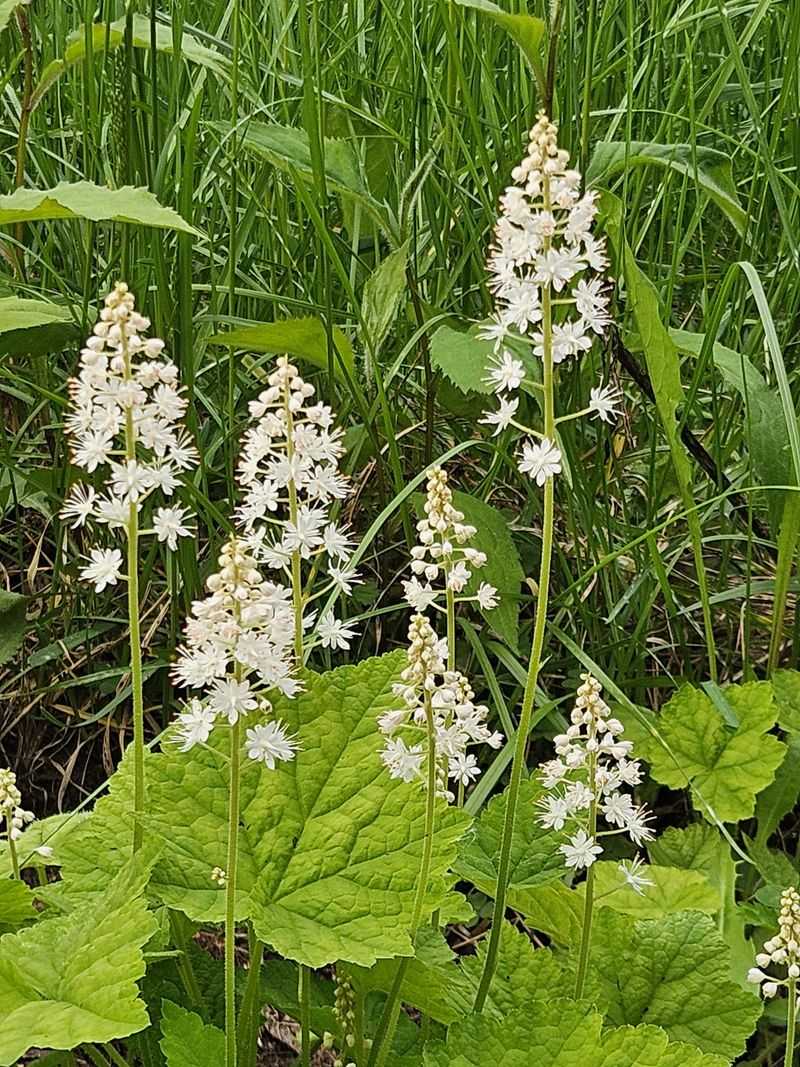
A single planting of foamflower looks nice on its own. Grouped with other shade natives, it becomes something more.
Christmas fern makes a natural partner. Its evergreen fronds add height and texture. Foamflower fills the gaps below with its lower, spreading mat.
Wild ginger works well too. Both plants like the same moist, shaded conditions. Their leaf shapes contrast nicely, heart-shaped against foamflower’s own.
Heuchera, sometimes called coral bells, brings color variety into the mix. Many cultivars carry deep purple or bronze foliage. That darker tone makes foamflower’s white blooms pop even more.
Wood poppy adds a burst of yellow in early spring. It blooms around the same time as foamflower. The combination reads as intentional rather than accidental.
Spacing matters when combining these plants. Give each species room to establish before they start competing. A gap of twelve to eighteen inches usually works well at planting time.
Layering height helps too. Taller ferns or heuchera go toward the back or center of a bed. Foamflower and wild ginger stay low near the edges.
This kind of grouping does more than look good. It also supports a wider range of pollinators and insects. Different bloom times mean nectar stays available longer through spring.
Gardeners often start with foamflower alone, then build outward. Once it establishes, adding companions becomes an easy next step. The whole bed starts to feel like a small woodland scene rather than a single struggling plant.