10 Spider Plant Watering Tips Michigan Houseplant Owners Should Know
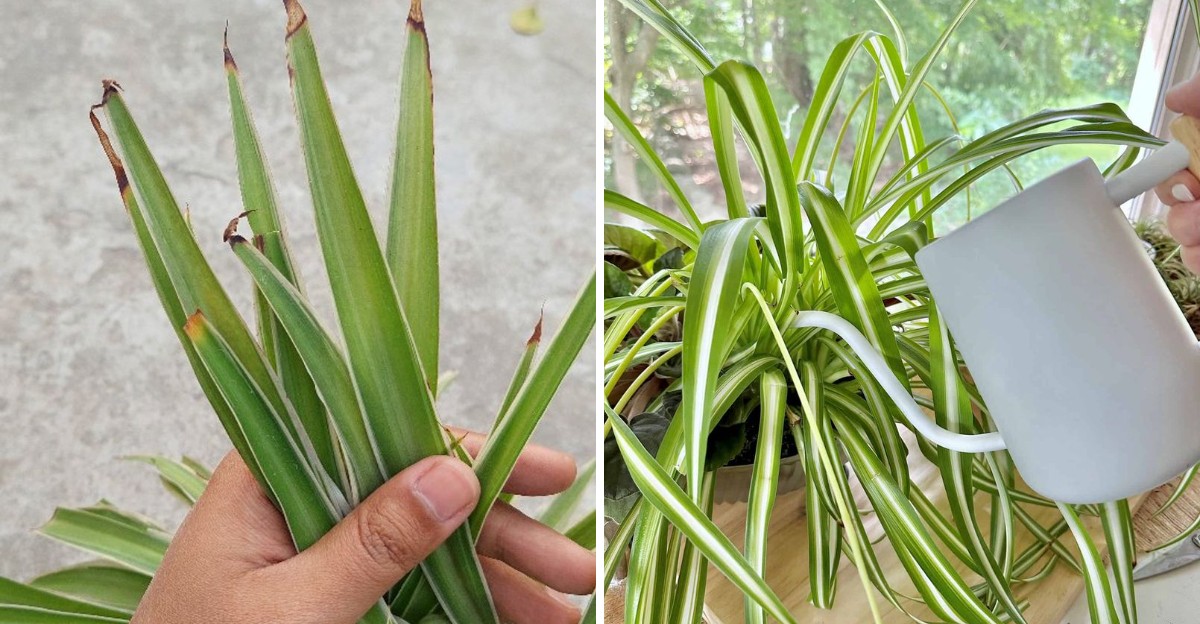
Spider plants have a reputation for being nearly indestructible, but Michigan’s shifting indoor conditions throughout the year can still throw off their watering needs in ways many owners don’t expect.
Indoor humidity and temperature swing noticeably between summer and winter, especially once furnaces start running, which directly affects how quickly soil dries out and how often watering is actually needed.
Overwatering tends to be a bigger risk than underwatering for this plant, since soggy roots can lead to rot far faster than a spider plant will suffer from occasional dryness.
Adjusting watering frequency with the seasons, rather than sticking to a fixed schedule year-round, tends to produce healthier, more vigorous growth.
These practical tips can help Michigan houseplant owners keep their spider plants thriving through every season indoors.
1. Check The Soil Before Watering
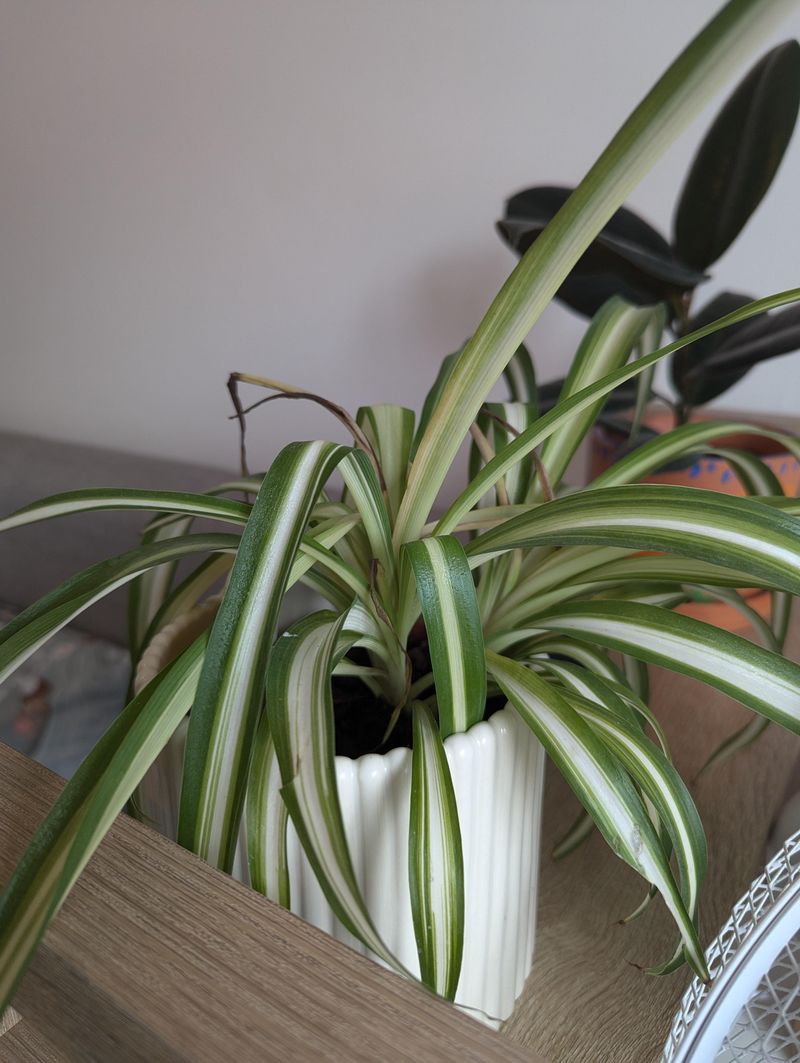
Before you reach for the watering can, take a quick second to feel the soil. Just press your finger about one or two inches into the potting mix. If it feels dry down there, your spider plant is ready for a drink. If it still feels damp, wait a few more days.
Spider plants like a little breathing room between waterings. They do not enjoy sitting in mud all the time. When the roots stay soaking wet, they can start to weaken and rot, which shows up as mushy stems or yellow leaves.
Michigan homes can swing between humid and very dry, so the soil dries at different speeds throughout the year. That is exactly why checking beats guessing. A pot near a sunny window will dry faster than one in a shady corner.
Some people like using a wooden stick or a cheap moisture meter instead of a finger. Both work fine. The goal is simply to know what is happening under the surface before you pour.
Once you get in the habit, this quick test becomes second nature. You will start to notice patterns, like how your plant needs water more often when the furnace is running hard.
Trust the soil more than the calendar. Your spider plant will reward you with bright, arching leaves and maybe even some baby plantlets. A simple touch test really is the smartest first move you can make.
2. Avoid Overwatering During Winter
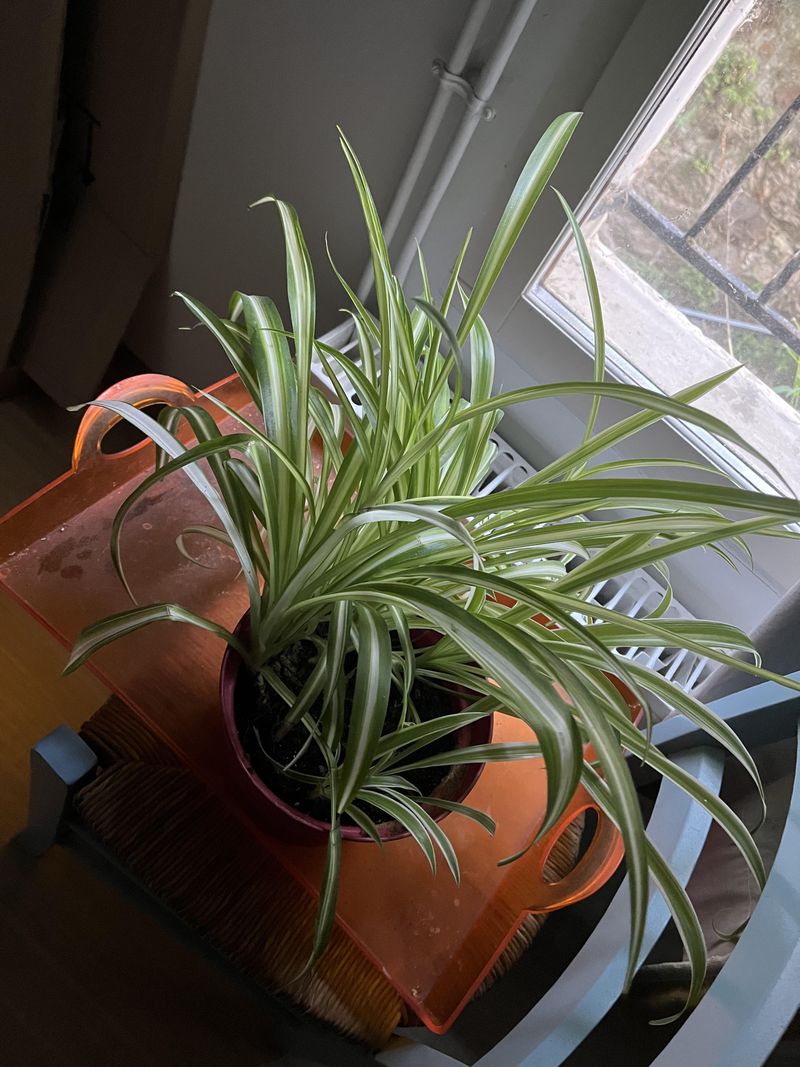
Winter in Michigan means short days, gray skies, and a lot less sunlight streaming through your windows. When light drops, your spider plant slows way down. It is not growing much, so it does not gulp water like it does in summer.
This is the season when many plant owners accidentally give too much. The soil takes longer to dry in cooler months because water evaporates slower. Pouring in the same amount you used in July can leave the roots swimming.
A soggy pot in winter is a recipe for trouble. Roots that stay wet and cold can start to weaken, and you might see leaves turn pale or limp. Stretching out the time between waterings helps a lot.
Instead of watering on a set schedule, let the top inch or two dry out first. During the darkest weeks, you might only water every ten days or even less. Every home is different, so keep watching your plant.
Your Michigan Garden Changes Every Week. Your Plan Should Too.
Gardening in Michigan changes quickly throughout the season. Every Friday you’ll receive a simple weekly plan showing exactly what to plant, prune, fertilize, harvest, and protect so you never miss the right timing.
Cooler rooms hold moisture even longer, so a plant in a chilly spot needs less than one sitting near a heat vent. Pay attention to where yours lives.
Think of winter as your spider plant’s quiet resting time. It is chilling out, not putting on new growth, so it simply needs less from you.
Once spring sunshine returns, you can slowly pick up the pace again. For now, going lighter with the watering can keeps your plant comfortable through the long Michigan cold.
3. Give More Water During Active Growth
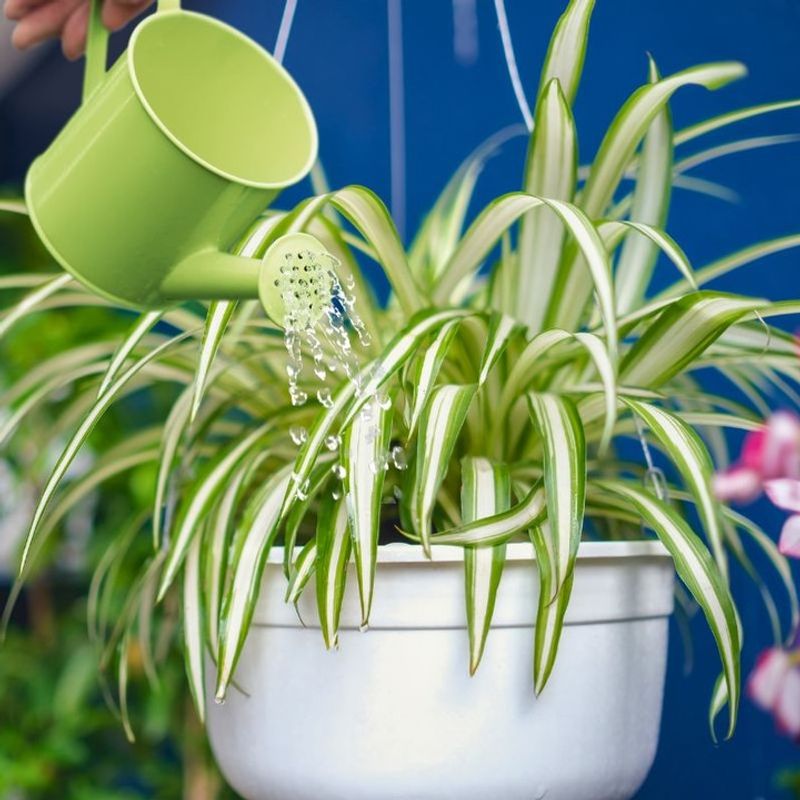
Spring and summer flip the switch for spider plants. Longer days and stronger sunlight wake them up, and suddenly they are busy pushing out fresh leaves and tiny baby plantlets. All that action makes them thirstier.
During these warm months, the soil dries out much faster. Warmer air pulls moisture from the pot quickly, and the plant itself is drinking more to fuel its growth. You might find yourself watering twice as often as you did in winter.
Keep checking that top inch of soil like always. In peak growing season, it may feel dry every few days. When it does, give a good, thorough soak until water runs out the bottom.
Those little spiderettes dangling off the sides are a sign your plant is happy and full of energy. They take extra resources to make, so steady moisture during this stretch really supports them.
Michigan summers can get warm and sometimes humid, which affects how fast pots dry. A plant on a sunny porch or bright kitchen window will need more attention than one tucked away in a dim room.
Do not go overboard, though. More water during growth means more often, not drowning the plant each time. The soil should still get a chance to dry between drinks.
Watch your spider plant closely as the seasons warm up. When it is growing strong and fast, matching your watering to that boost keeps it lush, green, and full of life.
4. Use A Pot With Drainage Holes
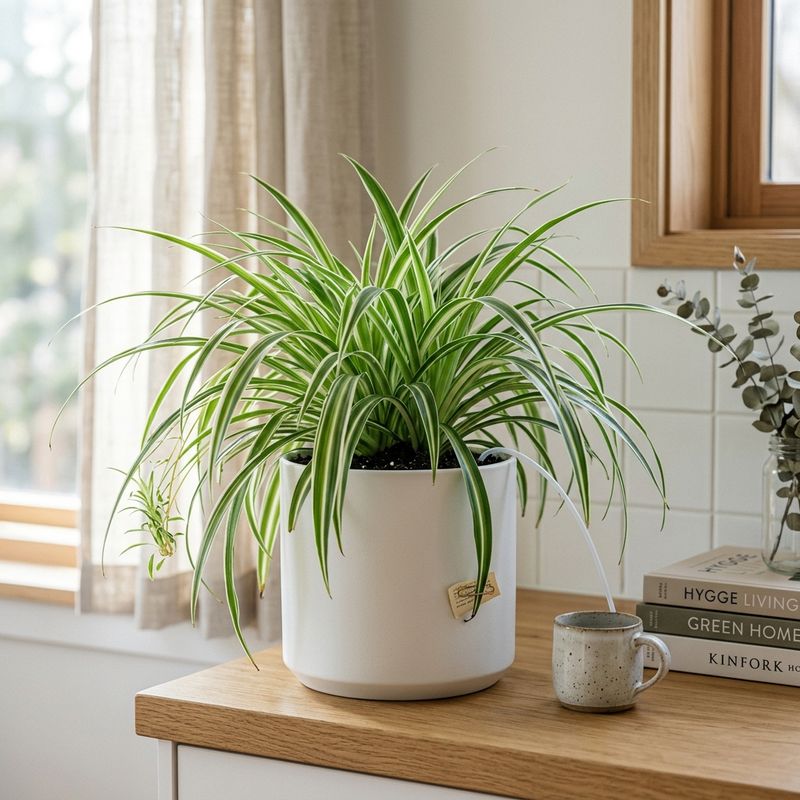
Here is a game changer that costs almost nothing: pick a pot with holes in the bottom. Those little openings let extra water escape instead of pooling around the roots. It sounds small, but it makes a huge difference.
Spider plants hate having wet feet. When water has nowhere to go, the soil stays soggy for days, and roots can start to weaken. Drainage holes solve that problem by letting gravity do its job.
When you water, you should see a little liquid trickle out the bottom. That tells you the whole root ball got a drink and the leftover moisture is leaving. It is a simple sign that things are working right.
A lot of decorative pots come with no holes at all. If you love the look of one, you can still use it. Just keep your plant in a plain nursery pot with drainage and set that inside the pretty container.
After watering, lift the inner pot out and let it drain fully before placing it back. That little step protects your plant from sitting in a hidden puddle.
Michigan basements and cool rooms already slow down drying, so good drainage matters even more here. It gives your plant a fighting chance in damp conditions.
Terracotta pots are a great pick too, since they breathe and let moisture leave through the sides. Whatever material you choose, holes are the must-have feature. Your spider plant’s roots will stay happier and healthier for it.
5. Do Not Let The Plant Sit In Standing Water
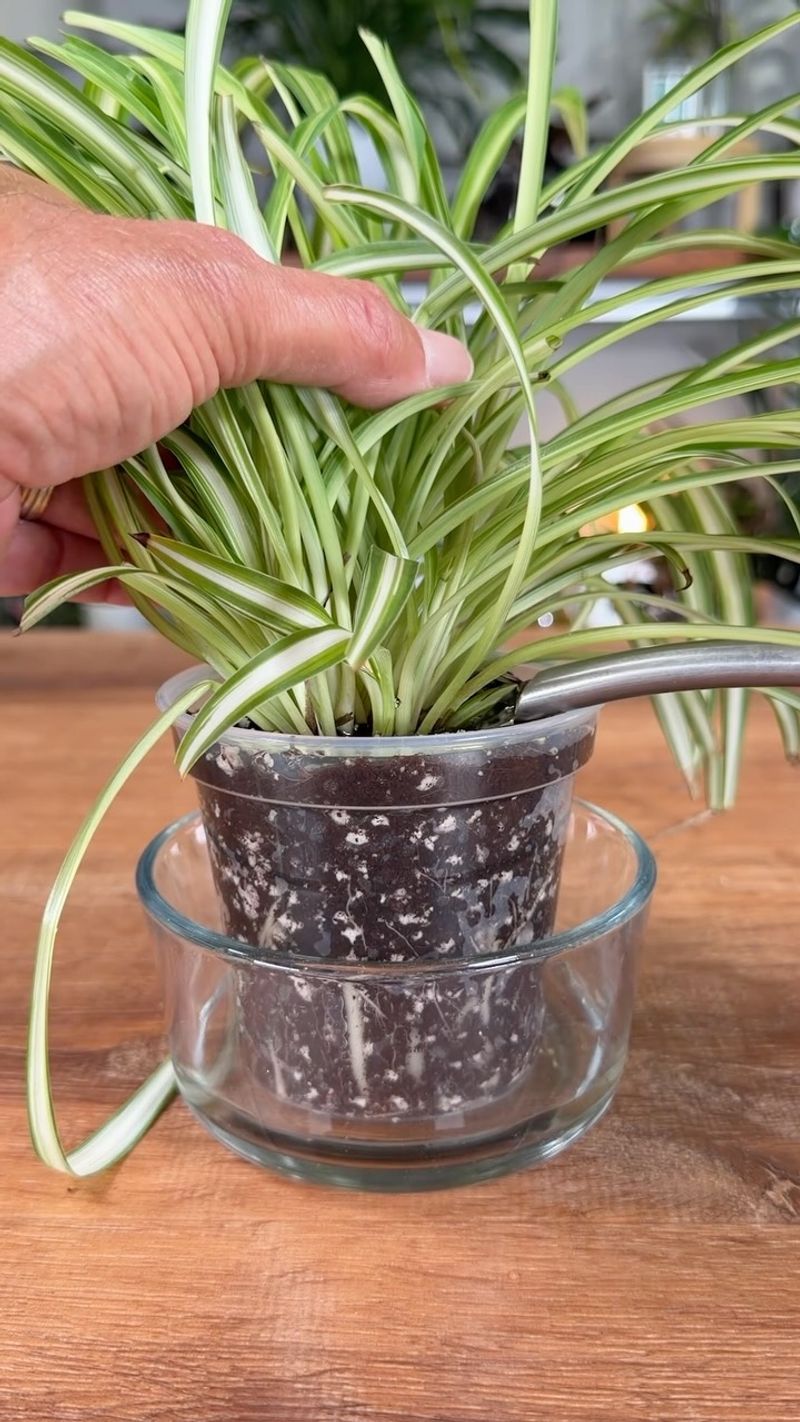
You watered your spider plant, saw it drain into the saucer, and walked away feeling good. But that leftover water in the tray can quietly cause problems. Roots sitting in a puddle stay too wet for comfort.
When the bottom of the pot soaks in standing water, the soil wicks it back up and never really dries. Over time, this constant wetness stresses the roots and can turn leaves yellow.
The fix is easy. About fifteen or twenty minutes after watering, dump out whatever collected in the saucer. Your plant already drank its fill, so the rest is just sitting there causing trouble.
Decorative pots without drainage are sneaky culprits too. Water hides at the bottom where you cannot see it, keeping roots damp for far too long. Always double-check these containers.
Some folks like to add a layer of pebbles at the bottom of a cachepot. This lifts the inner pot above the water line, so the roots stay out of the pool while humidity rises around the plant.
In cooler Michigan rooms, standing water hangs around even longer because drying slows down. That makes emptying the tray extra important during winter months.
Think of it like leaving wet socks on. A quick moment of moisture is fine, but staying soaked all day is not. Tip out that extra water and your spider plant stays comfortable, with strong roots and bright, healthy leaves ready to grow.
6. Watch For Brown Leaf Tips
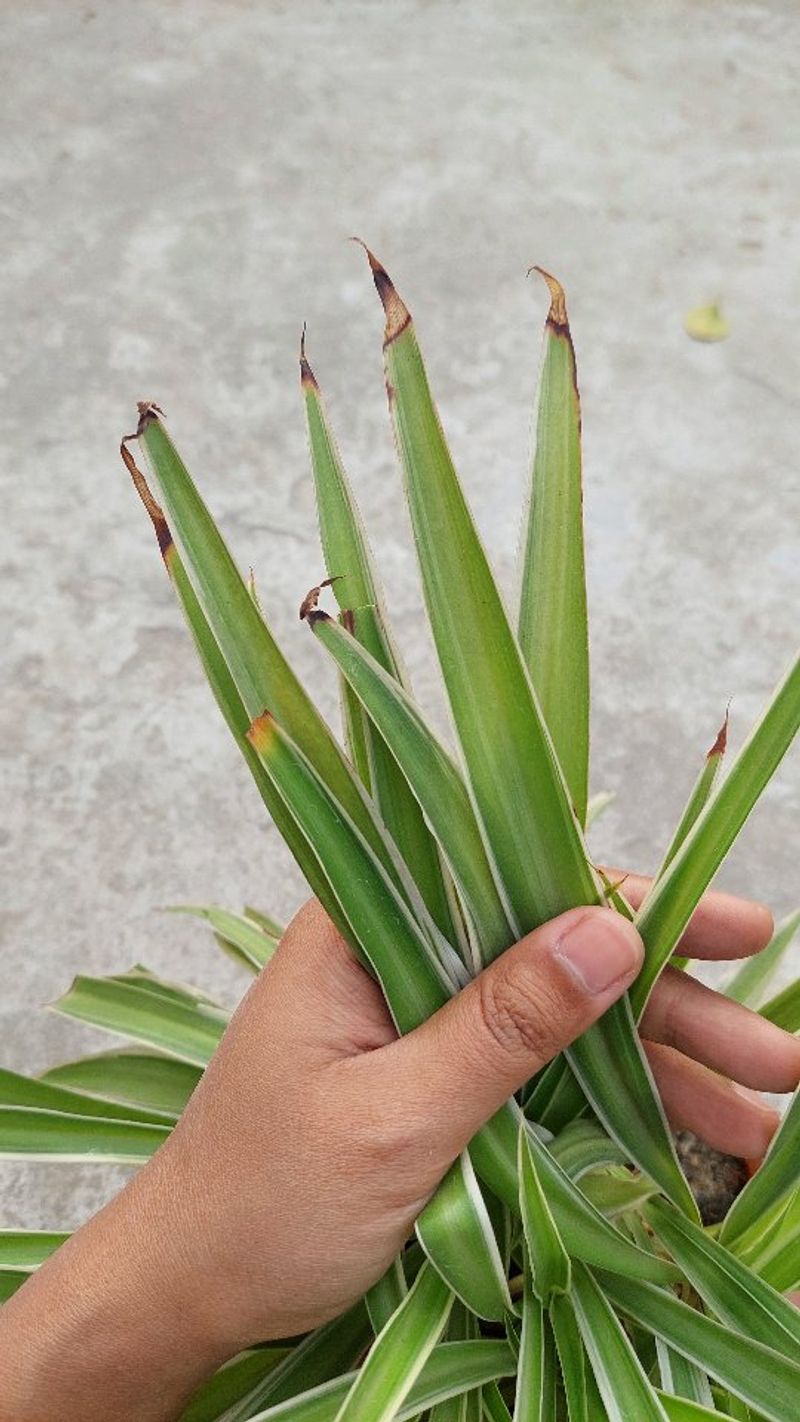
Brown, crispy tips on spider plant leaves are super common, and they can trick you. Many people see them and instantly grab more water, but that is not always the answer. Those tips are actually clues about several things.
Uneven watering is one big cause. If you let the soil go bone dry, then flood it, then forget again, the plant gets stressed and the tips pay the price. Steady, even watering helps prevent it.
Dry indoor air is another culprit, especially in Michigan winters when heaters run nonstop. Spider plants come from tropical places and enjoy a bit of humidity, so parched air can crisp their edges.
Tap water can play a role too. Many water supplies carry minerals, salts, or fluoride that build up in the soil over time. Spider plants are a little sensitive to this, and the buildup shows on the leaf tips.
You can help by using filtered water or letting tap water sit out overnight before pouring. Flushing the soil now and then also rinses away extra minerals.
Do not panic when you spot brown tips. Look at the whole picture first, including your watering habits, the air, and your water source. Then adjust one thing at a time.
If the browning bugs you, trim the crispy parts with clean scissors, following the natural leaf shape. New growth will still come in green and fresh. Reading these signs makes you a smarter plant owner overall.
7. Adjust Watering For Indoor Heat And Dry Air
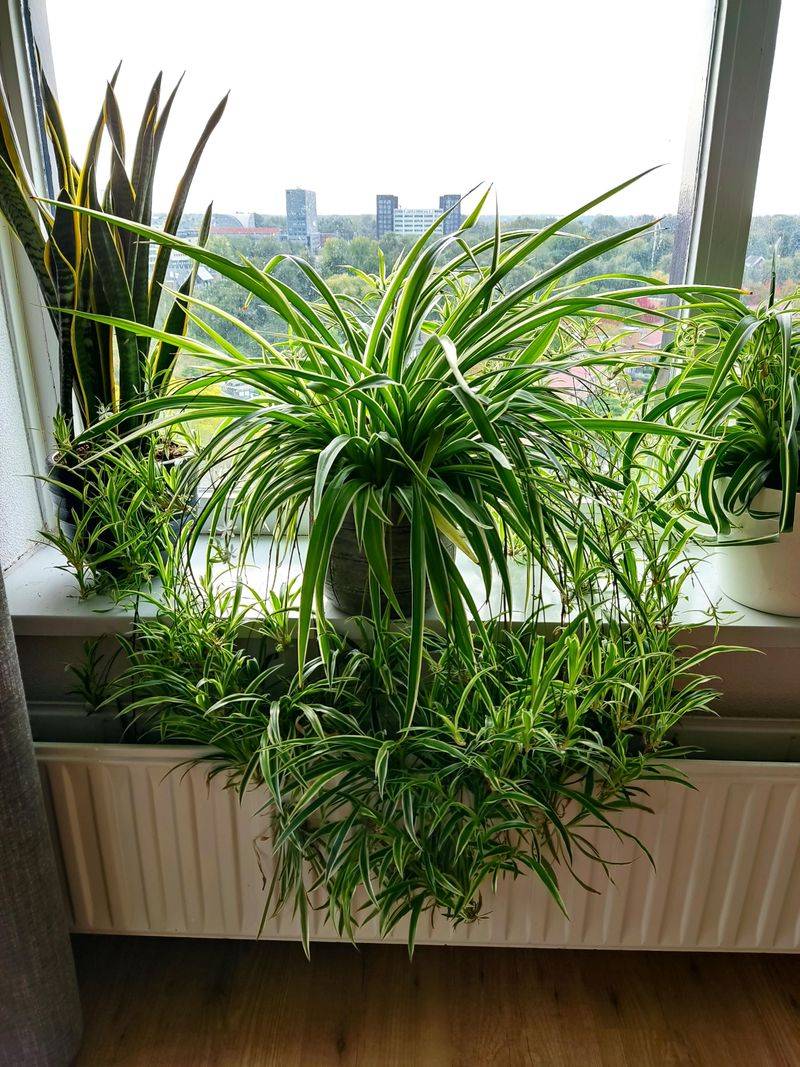
When Michigan winters roll in, furnaces kick on and stay running for months. That warm air keeps you cozy, but it also dries out your home in a big way. Your spider plant notices this change fast.
Heated air pulls moisture from soil and leaves alike. Even though your plant is growing slowly in winter, the dry conditions can leave it thirsty in surprising ways. This is where close observation really pays off.
A plant sitting right above a heat vent or near a radiator will dry out much quicker than one across the room. Move it a bit if it seems to be crisping up or drooping between waterings.
Because the air is so dry, you might also boost humidity around the plant. A small tray of water and pebbles nearby, or a nearby humidifier, can make a real difference for those tropical leaves.
Keep checking the soil often during heating season. You may find it dries at odd speeds, so the finger test matters more than ever now.
Grouping houseplants together also helps. When they sit close, they share moisture in the air and create a slightly more humid pocket that spider plants love.
Every home heats differently, so watch how yours behaves. Some rooms stay muggy while others feel like a desert.
Paying attention during the cold months keeps your spider plant looking fresh while the furnace hums along. A little extra care through winter goes a long way toward strong, green growth come spring.
8. Use Room-Temperature Water
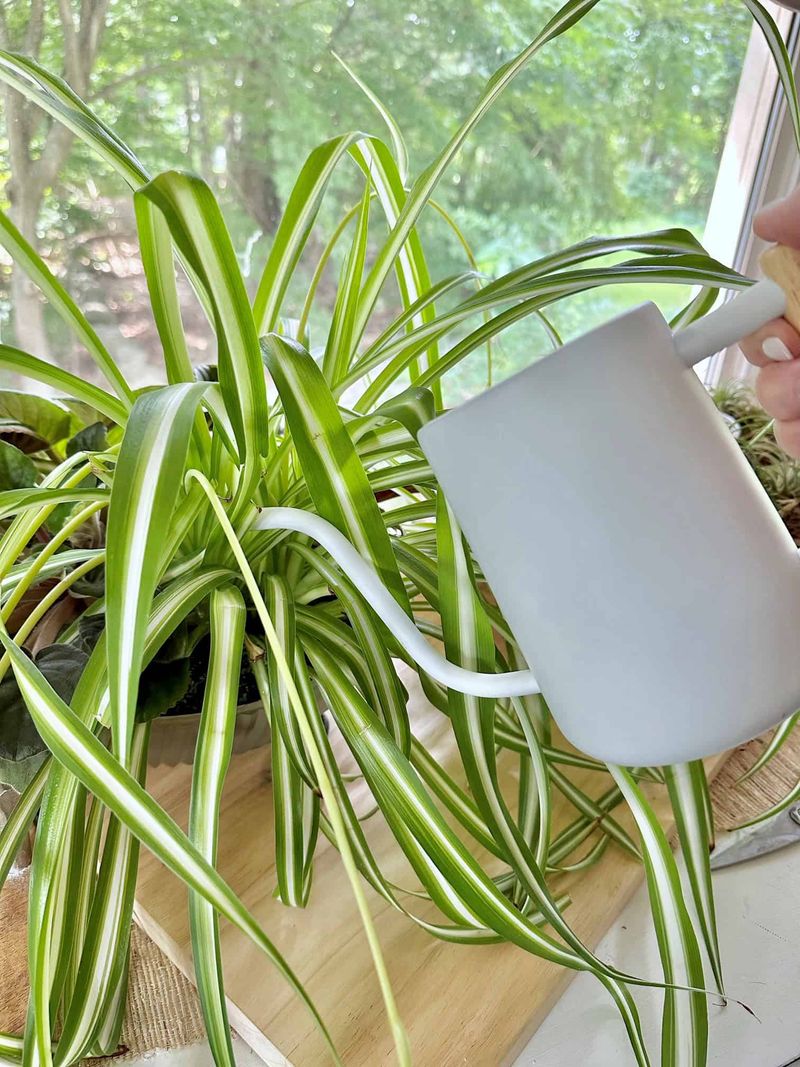
Grabbing ice-cold water straight from the tap seems harmless, but your spider plant might disagree. A sudden splash of chilly water can shock the roots, kind of like jumping into a freezing lake without warning.
Spider plants are tropical by nature, so they prefer things on the mild, cozy side. Water that matches room temperature feels much gentler to their roots and keeps them from getting stressed.
Very cold water can slow down how well the roots take in moisture. When the roots are chilled, they simply do not work as smoothly, and the plant may struggle to drink properly.
The fix could not be easier. Fill your watering can and let it sit out for a few hours or overnight before using it. By then it will match the air in your home.
Letting water sit may allow some chlorine to dissipate, but it will not remove most dissolved minerals. Filtered or treated water may help if your tap water causes persistent leaf-tip browning.
In Michigan, tap water can run icy cold during winter, so this tip matters even more in the colder months. Nobody likes a freezing surprise, plants included.
Skip the extremes on the hot side as well. Warm or hot water is just as jarring, so aim for that comfortable middle ground.
Keeping a filled can nearby makes this routine effortless. It is ready whenever your plant needs a drink, already at the perfect temperature. Small touches like this show your spider plant some love and keep its roots calm and content.
9. Avoid Watering On A Fixed Calendar
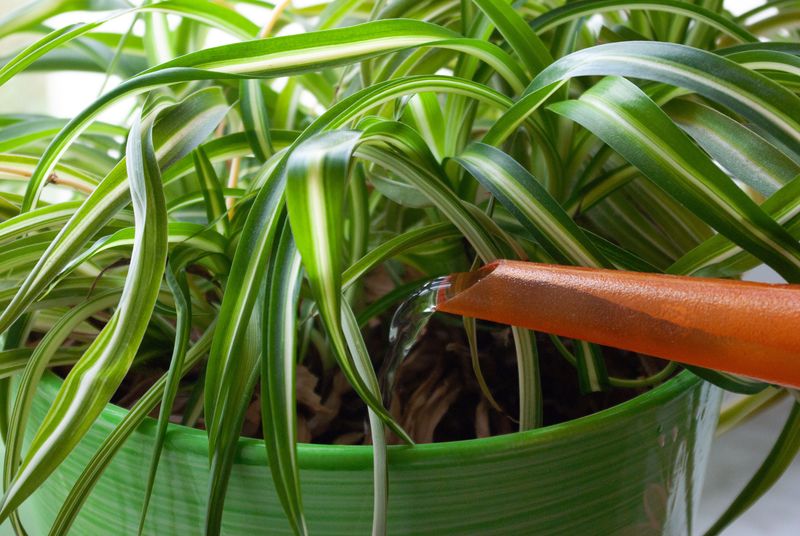
Watering every Sunday like clockwork sounds tidy, but it can actually work against your plant. A strict schedule ignores the one thing that matters most, which is what the soil truly needs on any given day.
Conditions inside your home shift all the time. Seasons change, light moves, and the air gets drier or more humid. All of these things change how fast the soil dries out.
Pot size plays a part too. A tiny pot dries quickly, while a big one holds moisture much longer. Soil type also matters, since some mixes drain fast and others stay damp.
Light exposure adds another twist. A spider plant basking in bright light drinks faster than one sitting in a dim corner. So the same calendar day can mean totally different needs.
Sticking to a rigid routine often leads to either soggy roots or a parched plant. Neither one keeps those leaves looking their best.
The smarter move is watering based on the soil, not the date. Check the top inch or two, and water only when it feels dry. Your plant will tell you exactly what it wants.
Over time, you will notice a natural rhythm anyway. You might water more in warm months and less in winter without forcing it.
Let go of the strict schedule and tune into your plant instead. This flexible approach fits Michigan’s changing seasons perfectly and keeps your spider plant thriving all year long, no matter what the calendar says.
10. Repot When Soil Stops Draining Well
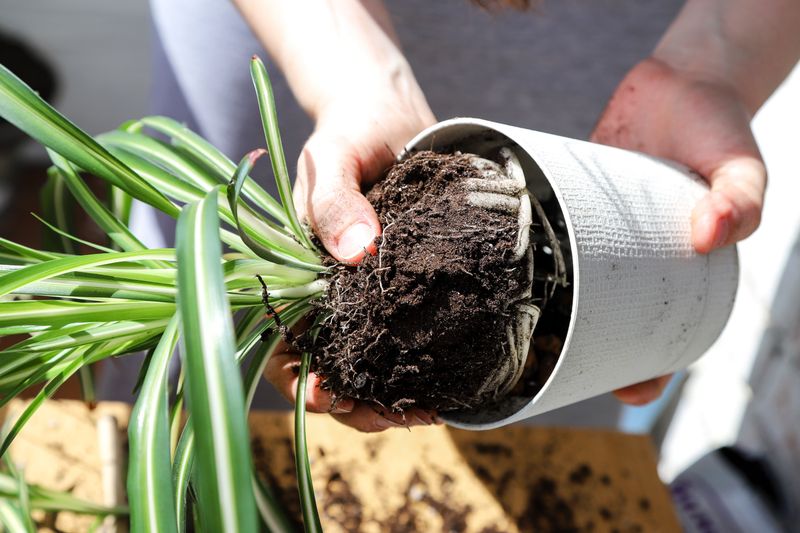
Over time, potting mix breaks down and gets packed tight. When that happens, water no longer flows through like it used to. Instead, it lingers and keeps the roots wetter than they should be.
You might notice water sitting on top of the soil for a while before it slowly sinks in. That is a clear sign the mix has grown old and compacted. Fresh soil fixes this fast.
Spider plants also grow roots quickly and can fill a pot until it is packed. When roots crowd out the soil, there is barely any room left to hold moisture properly, and drainage suffers.
Repotting gives your plant a fresh start. New, fluffy potting mix lets water move through easily and brings air back to the roots. This helps prevent that constantly soggy feeling.
Spring or early summer is the best time to repot, since the plant is growing and bounces back quickly. Pick a pot just one size larger with good drainage holes.
Gently loosen the roots when you move it, and shake off the old, tired soil. Then settle the plant into its new home and water it in.
If you spot thick white roots pushing out the drainage holes, that is another hint it is time. Your plant has simply outgrown its space.
Refreshing the soil every couple of years keeps drainage healthy and roots happy. It is one of the kindest things you can do for a spider plant, and it keeps those leaves growing strong.