Why Michigan Gardeners Are Bringing Potted Ferns Indoors And What It Means For Winter
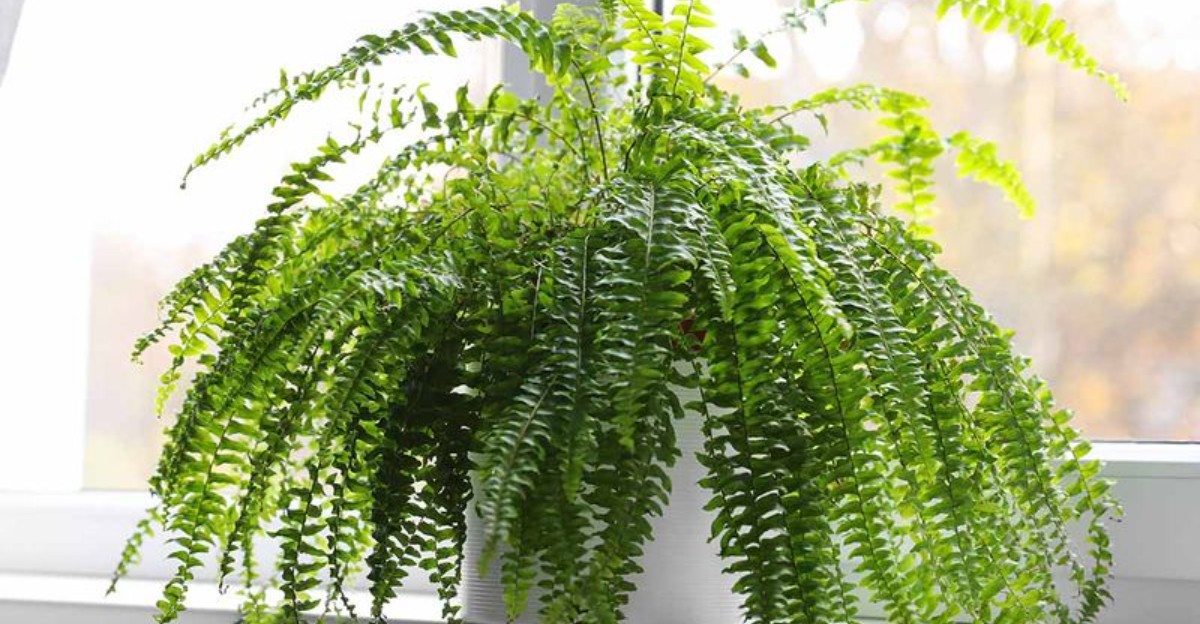
Potted ferns that spent all summer thriving in shaded patios face a real challenge once temperatures start dropping toward freezing, since most popular fern varieties simply aren’t built to handle an outdoor Michigan winter.
Bringing them indoors isn’t just a matter of timing, it also means adjusting to an entirely different set of conditions, with lower humidity and reduced light posing their own challenges once ferns move inside.
Many gardeners notice some browning fronds or a slower growth rate during this transition, which is a normal adjustment period rather than a sign of serious trouble.
Grouping ferns together or using a humidity tray can help offset the drier air that indoor heating systems create once furnaces kick on for the season.
Understanding what to expect during this shift helps Michigan fern owners avoid unnecessary worry while their plants settle into a very different winter routine.
1. Most Porch Ferns Are Tropical Plants
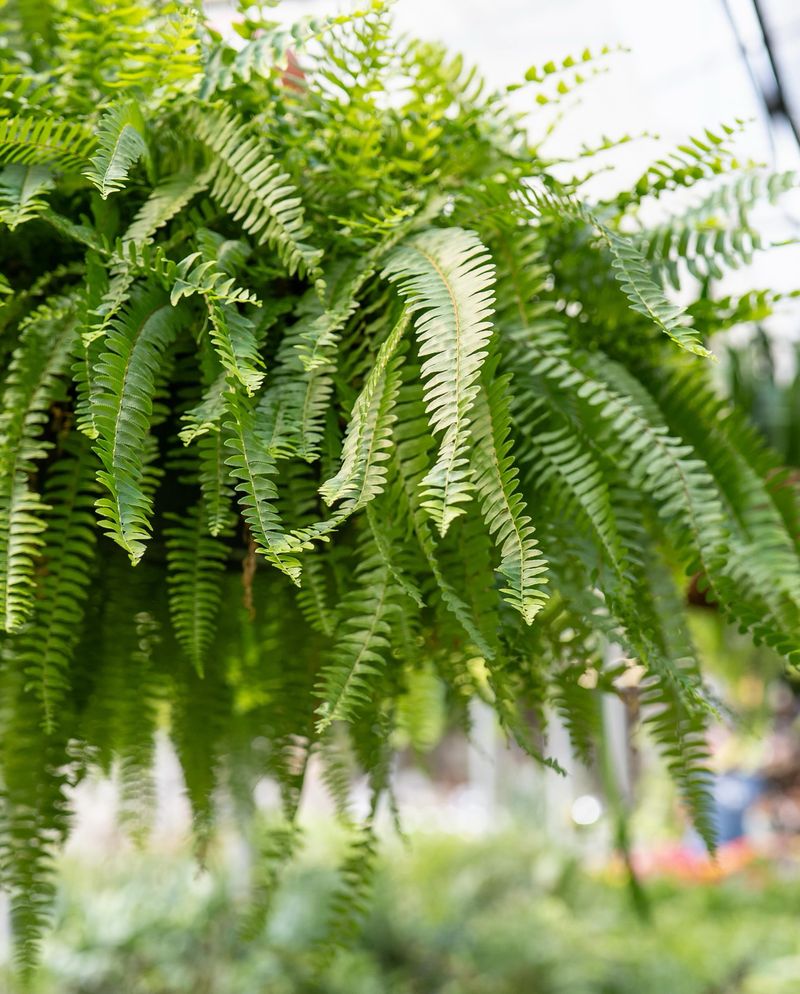
Those big, bouncy ferns hanging from Michigan porches all summer have a secret.
Boston ferns and Kimberly queen ferns come from warm, humid places far from the Great Lakes, where frost almost never shows up. In their home regions, they grow happily all year long.
Michigan winters are a whole different story. Frost damages their fronds quickly, and freezing weather ruins the plant for good.
Leaving them outside past fall means you will be buying new ones next spring, and large baskets can cost a surprising amount at garden centers.
Bringing them inside is a smart way to protect that investment. Still, not every fern deserves a spot in your living room. Start by looking over each plant with an honest eye.
Full, green, healthy ferns handle the move much better than thin or struggling ones. If a plant looked tired all summer, it may be better to let it go and start fresh.
Space is the next thing to think about. A fern that looked perfect on a wide porch can suddenly seem huge next to your couch.
Walk through your home before the weather turns and find spots with good light, away from busy doorways where fronds might get bumped.
Planning ahead makes the whole job smoother. Clear a window area, find a sturdy hook or plant stand, and gather saucers to catch water. Once cool weather arrives, you will be ready to move quickly.
Many Michigan gardeners find that a fern kept from year to year grows even bigger and fuller over time, making the effort feel very rewarding.
2. Cold Nights Arrive Before The First Frost
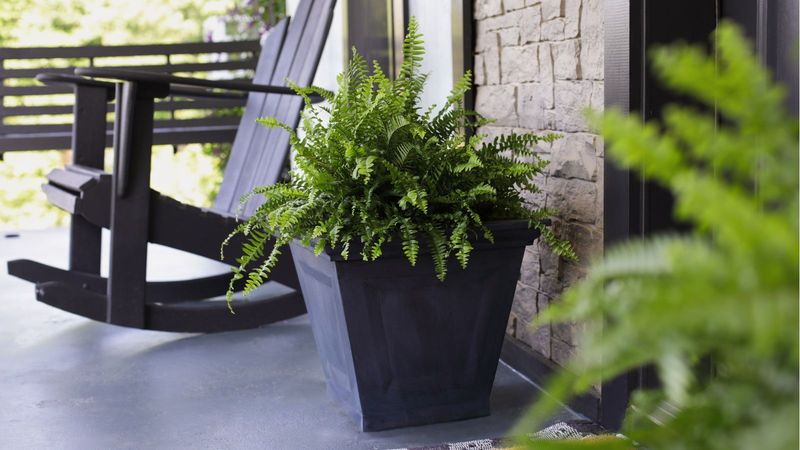
Frost gets all the attention, but it is not the first warning sign. Tropical ferns begin to struggle when nighttime temperatures slip below about 50°F. Long before your car windshield needs scraping, your fern may already feel the chill.
Waiting until the first frost is a common mistake. By then, many ferns are stressed, and some fronds may already be brown or limp. A stressed plant has a harder time adjusting to indoor life, so it tends to shed more leaves and look rough for weeks.
Your Michigan Garden Changes Every Week. Your Plan Should Too.
Gardening in Michigan changes quickly throughout the season. Every Friday you’ll receive a simple weekly plan showing exactly what to plant, prune, fertilize, harvest, and protect so you never miss the right timing.
A better plan is to watch the evening temperatures closely as summer fades. Once nights are regularly dipping into the low 50s, it is time to move your ferns inside.
Checking the weather forecast each day helps a lot, because Michigan can surprise you with a sudden cold snap after a string of warm afternoons.
Where you live in the state makes a big difference. Gardeners in the Upper Peninsula and the northern Lower Peninsula often see chilly nights by early September. Folks in southern Michigan usually get a few extra weeks of mild weather.
Areas near the Lake Michigan shoreline also tend to stay a bit warmer in fall, since the big lake holds summer heat and releases it slowly.
Keep an old sheet or a lightweight frost cloth handy just in case. If a surprise cold night pops up before you are ready, you can pull ferns into a garage for the night. That quick move can save your plant from a lot of damage.
3. Check For Pests Before The Move

Think of your fern as a tiny apartment building that has been open to guests all summer. Dense fronds give bugs plenty of places to hide, and a shady porch is a cozy home for all sorts of critters.
Carrying the plant inside without a check could invite them to spread to your houseplants. Mealybugs look like small bits of white cotton tucked into the fronds. Scale insects appear as tiny brown bumps stuck to the stems and leaves.
Spider mites are so small you may only notice fine webbing or speckled, faded foliage. Slugs, pill bugs, and other soil pests often shelter under pots or inside drainage holes.
Start your inspection outdoors on a mild day. Turn over several fronds and look closely at the undersides, where many pests like to gather. Then check the base of the plant, right where the fronds meet the soil.
A flashlight can help you spot small invaders. Next, give the fern a gentle shower with a garden hose. A soft spray knocks off many bugs without hurting the plant. Pick off any remaining pests by hand or wipe them away with a damp cloth.
Tip the pot carefully and peek at the bottom and drainage holes too. Michigan ferns often spend four or five months on porches and patios, which is a long time to collect hitchhikers.
A few minutes of checking now can prevent a big bug problem in January. Some gardeners even keep new arrivals in a separate room for a week or two, just to be sure.
4. Trim And Tidy Before Coming Inside
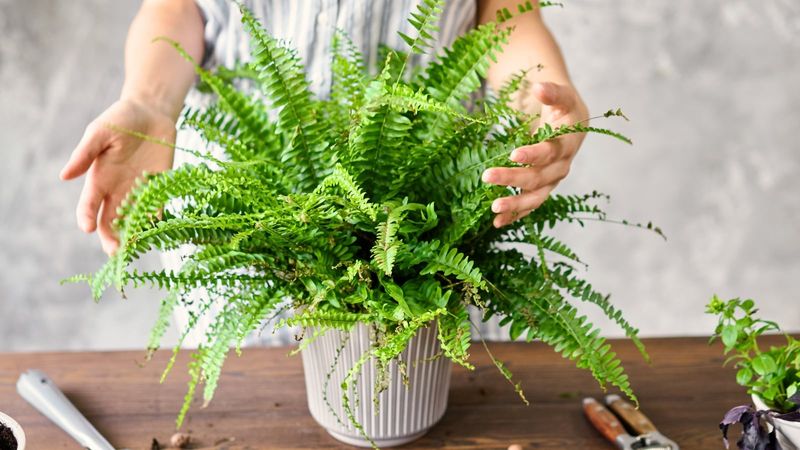
A little haircut goes a long way. By the end of summer, most porch ferns have a few brown, yellowing, or straggly fronds mixed in with the green ones. Clearing those out before the move makes indoor life easier for both you and the plant.
Old fronds do more than look messy. They shed bits of leaves all over your floor, and they block air from moving through the center of the plant. Better airflow helps keep the fern healthier indoors.
Once the tired fronds are gone, the plant can put its energy into fresh, healthy growth.
Grab a clean pair of scissors or pruning shears. Follow each brown or yellow frond down to the soil and cut it off at the base. Cutting it partway leaves an ugly stub, so going all the way down gives a much neater look.
Big Boston ferns may need more than a light tidy. If yours has grown too wide for its indoor spot, trim back some of the longest outer fronds to shrink it down. These ferns bounce back well, and new fronds will fill in over time.
Finish up by clearing fallen leaves and debris from the soil surface. That old litter can hold moisture and hide pests, so removing it keeps the pot clean. Many Michigan gardeners find that their ferns grew huge over a warm, rainy summer.
A thoughtful trim helps the plant fit into a living room or sunroom without taking over the whole space.
5. Some Leaflet Drop Is Normal At First
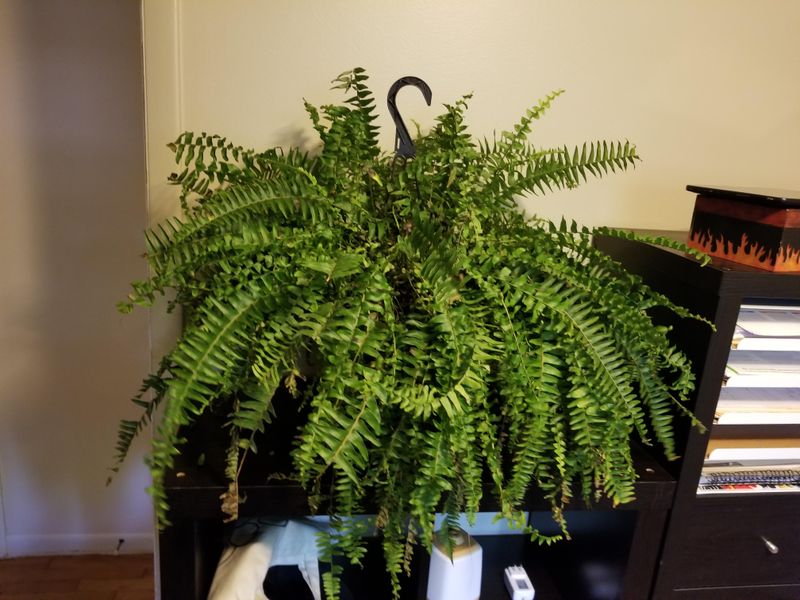
Don’t panic when tiny green and brown leaflets start sprinkling your floor. Almost every fern sheds a bit after moving indoors, and Boston ferns are famous for it.
Plenty of gardeners assume they did something wrong, but the plant is simply reacting to a big change.
Outside, your fern enjoyed bright sky light and humid summer air. Indoors, the light is weaker and the air is much drier. The fern responds by letting go of some foliage it can no longer support. Think of it as the plant packing lighter for a long trip.
Luckily, the shedding usually slows after a few weeks. As the fern settles in, it begins to grow new fronds. These fresh fronds form under indoor conditions, so they are better suited to your home than the old summer growth.
Over time, the plant starts to look fuller again. Cleanup can be a small chore during those first weeks. Placing a tray, an old sheet, or a large towel under hanging ferns makes it easy to catch falling leaflets. Simply shake it outside every few days.
Gently brushing the fronds with your hand now and then also helps loose bits fall in one spot instead of all over.
Michigan gardeners see a bigger shock than many others. Summer porches here can feel muggy and damp, while winter homes become very dry once the furnace kicks on.
That huge swing explains why ferns shed so much. With patience and steady care, most plants adjust nicely.
6. Dry Heated Air Is The Biggest Challenge
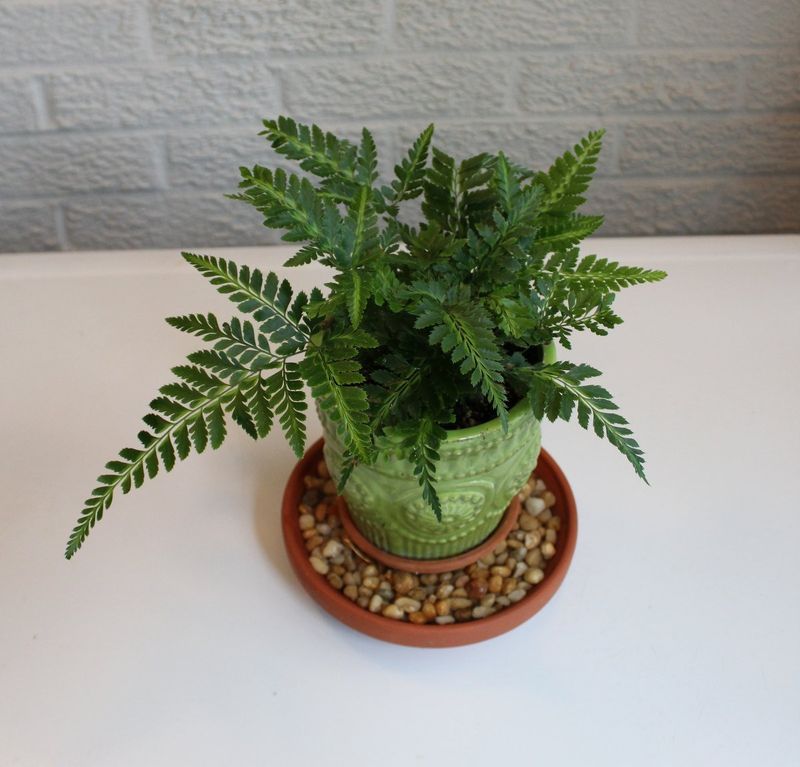
Your furnace keeps you warm, but your fern would rather it took a break. Ferns love moist air, and winter heating dries indoor air fast. That dry air leads to crispy fronds, brown tips, and extra leaf drop.
Placement is the first fix, and it costs nothing. Keep ferns well away from heat vents, radiators, and space heaters. Blasts of hot air dry fronds out in a hurry, so even a few feet of distance helps.
Grouping plants together is another easy trick. Plants release moisture through their leaves, so a cluster of greenery creates a small pocket of humid air. Your fern will appreciate its leafy neighbors.
A pebble tray adds even more moisture. Fill a shallow tray with pebbles, pour in water until it sits just below the tops of the stones, and set the pot on top. As the water evaporates, it raises humidity around the plant.
Just make sure the pot never sits in the water, since soggy roots cause trouble. For bigger results, run a small humidifier near your ferns.
Another option is keeping them in naturally steamy rooms. A bathroom with a bright window can make a wonderful winter home, thanks to warm showers and extra moisture.
Michigan heating season often runs from October into April, which is a long stretch. Cold outdoor air also holds very little moisture, so indoor air gets even drier. Taking steps to add humidity is the single best way to keep your fern looking green until spring.
7. Light And Watering Needs Change Indoors
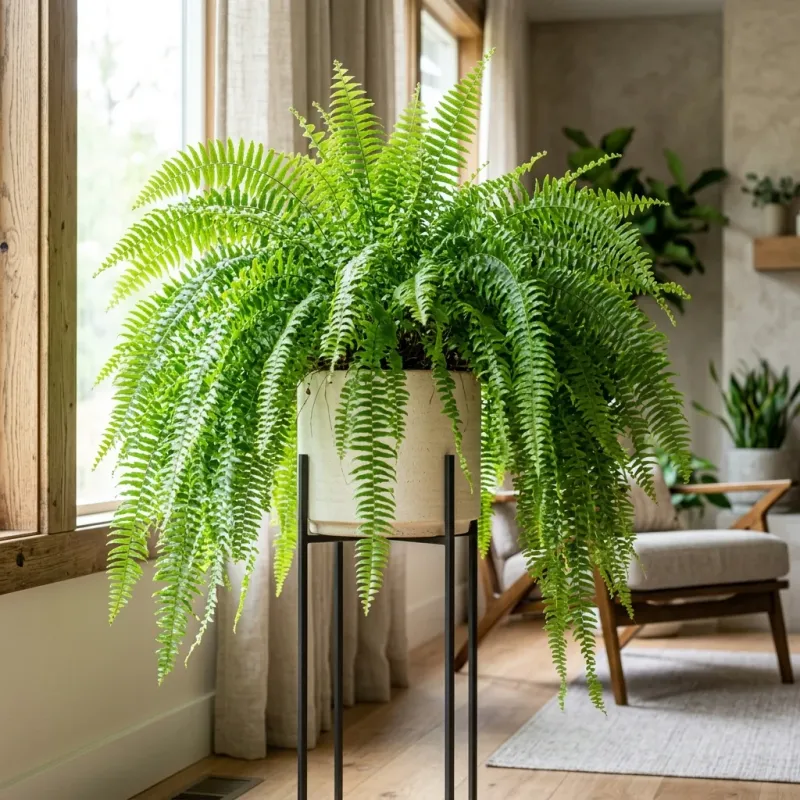
Winter sunshine in Michigan can feel like a rare treat. Short days and gray skies mean much less light reaches your windows. Your fern notices that change right away, and its needs shift along with it.
With weaker light, ferns grow more slowly. Slower growth means the plant drinks less water than it did on the porch. Still, there is a catch.
Most ferns decline quickly if their soil dries out completely, so you have to find a happy middle ground.
Start with a good spot. Bright, indirect light works best. An east-facing window is a great choice because it offers gentle morning sun.
South or west windows can work too, as long as the fern sits a few feet back so strong rays do not scorch the fronds.
Watering takes a little attention. Aim for soil that stays evenly moist, like a wrung-out sponge, but never soggy. Push a finger about an inch into the soil every few days.
If it feels dry, water slowly until a little drains from the bottom, then empty the saucer.
Fertilizer can wait. Ferns resting through winter do not need extra food, and feeding them now may harm the roots. Pick up the fertilizer again in spring once new growth takes off.
Cloudy weeks are common across Michigan, especially near the Great Lakes, where lake-effect clouds hang around for days. Rotating the pot every week or two helps all sides get their share of light, keeping your fern full and even.
8. Boston Ferns Can Rest In A Cool Spot Instead
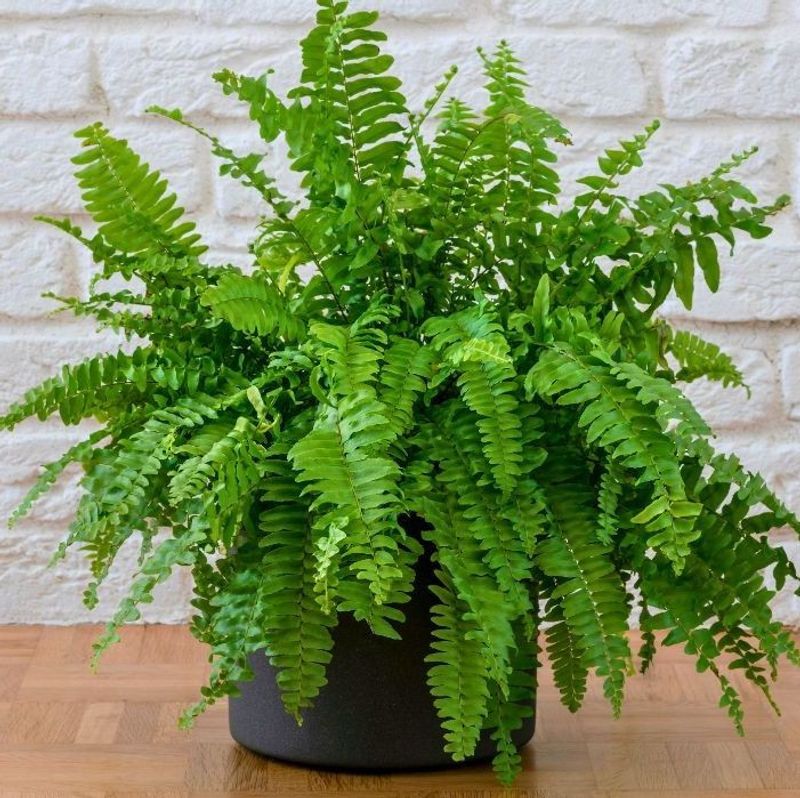
Not everyone has a sunny, humid room to spare, and that’s perfectly fine. Boston ferns have a handy trick up their sleeves. They can take a long winter rest instead of growing as busy houseplants.
In a cool spot with lower light, a Boston fern slows way down. It needs much less water and far less humidity than it would in a warm living room. Because it is resting, it also skips much of the leaf drop that happens in dry, heated spaces.
Getting started is simple. Cut the fern back, leaving a few inches of growth above the soil. It will look a bit bare, but that is part of the plan.
Then move it to a cool room or basement that stays above about 50°F and gets some light, such as a small window.
Watering becomes a light chore. Give the fern just enough water to keep the soil from drying out completely. Checking every week or two is usually plenty. Too much water in a cool spot can lead to soggy roots, so go easy.
Spring brings the wake-up call. A few weeks before outdoor weather warms up, move the fern into a warmer room with brighter light. New fronds will begin to appear. Once nights stay above 50°F, you can return it to the porch.
Michigan gardeners without bright, humid rooms love this method. Plenty of homes have a cool basement or spare room that works well. Your fern gets a quiet winter nap and comes back ready to shine.
9. Hardy Ferns In Containers Need Different Care

Native ferns like Christmas fern and ostrich fern are tough as nails in Michigan gardens. They shrug off snow and freezing temperatures year after year. Put those same ferns in a pot, though, and the rules change.
Garden soil acts like a thick blanket for roots. Deep underground, temperatures stay fairly steady even in January. A container offers no such cover.
Cold hits the roots from every side, so pots freeze much harder than the ground. Roots that would be safe in a garden bed can suffer serious damage in a frozen pot.
Gardeners have a few good options. One is moving potted hardy ferns into an unheated garage or shed after they go dormant in fall. The space stays cold but avoids the harshest swings.
Check the soil now and then and add a little water if it becomes bone dry. Another choice is sinking the pot into the ground up to its rim and covering it with a thick layer of mulch or leaves.
You can also transplant the fern into the garden in early fall, giving roots time to settle before winter arrives.
One rule matters most. Never bring hardy ferns into a warm house. These plants need a cold, dormant period to stay healthy and return strong in spring.
Hardy native ferns make a wonderful pick for shady Michigan containers. Christmas fern stays green even in snow, and ostrich fern adds tall, graceful fronds. With the right winter plan, both will reward you for many seasons.