Why You Might See More Rattlesnakes Moving Around California In Early Fall
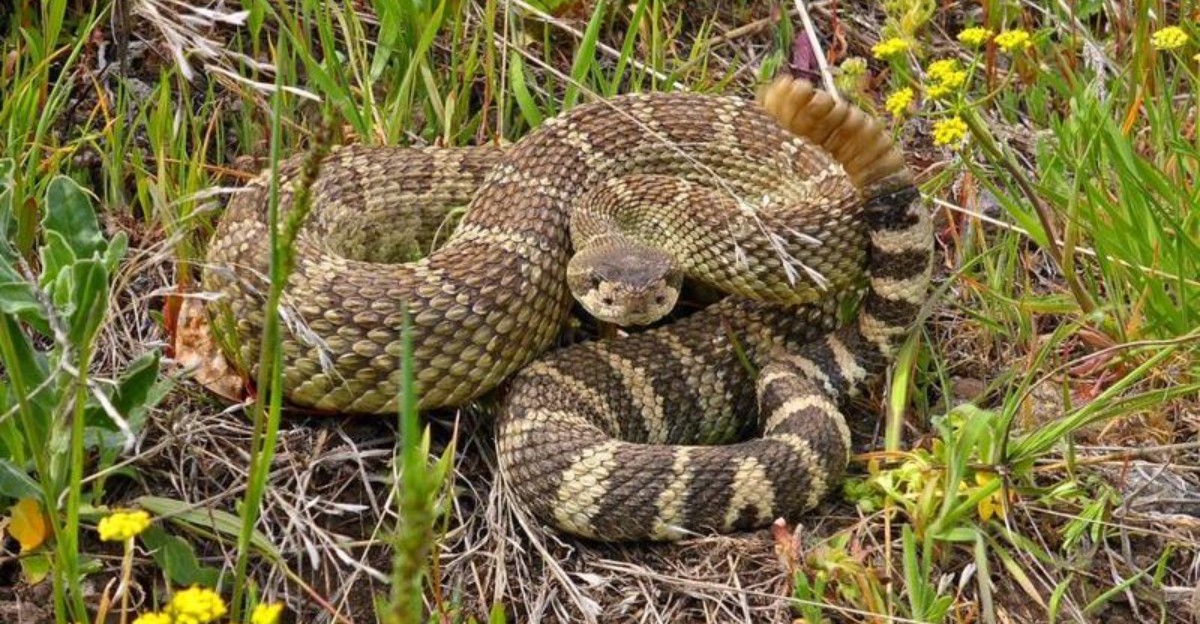
Early fall can bring a noticeable change in wildlife activity across California, and rattlesnakes may become more visible during this time.
A snake that was rarely seen during the hottest months may suddenly appear near trails, gardens, or outdoor areas where you spend time.
The shift has less to do with random encounters and more to do with seasonal changes. Cooler temperatures, changing food availability, and the search for suitable shelter can all influence where these reptiles move.
You do not need to avoid your outdoor spaces, but knowing what brings rattlesnakes closer can help you stay aware.
Understanding their seasonal habits can make it easier to recognize potential hiding spots and handle sightings more safely.
1. Warm Days Keep Snakes Active
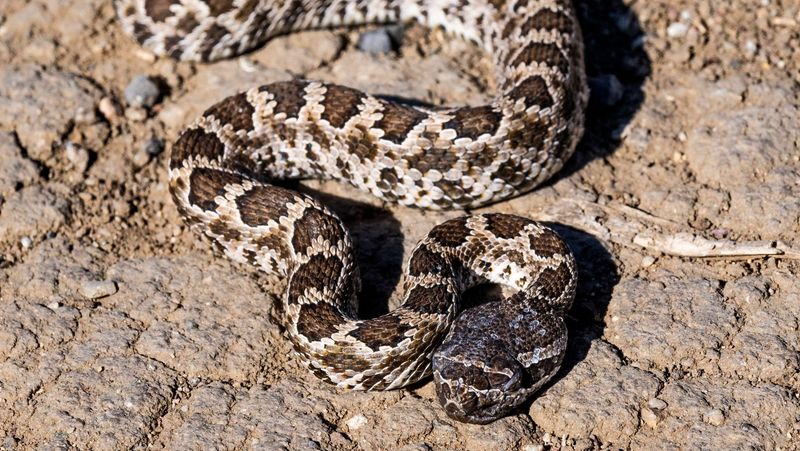
Snakes are cold-blooded, which means they cannot make their own body heat. They rely on the sun and warm ground to stay energetic and ready to move.
During early fall, California often gets those bonus warm afternoons that feel like July. These toasty days give rattlesnakes the perfect chance to bask, hunt, and travel while they still can.
You might notice them stretched across a sidewalk, trail, or driveway soaking up heat. Warm surfaces like pavement and flat rocks hold that warmth long after the sun starts to fade.
Because the temperature is comfortable for them, they stay busy longer through the day. That extra activity is a big reason people spot them more often this time of year.
When you are out walking, keep your eyes on the ground ahead of you. Snakes may not move quickly, and they can blend in with dry leaves and dirt.
Try to avoid stepping over logs or rocks without looking first. A resting snake soaking up sun might be tucked right on the other side.
Staying alert during warm afternoons is your best defense. The heat that feels nice to you feels just as good to a rattlesnake looking to stay active.
2. Cooling Nights Change Their Movement Patterns
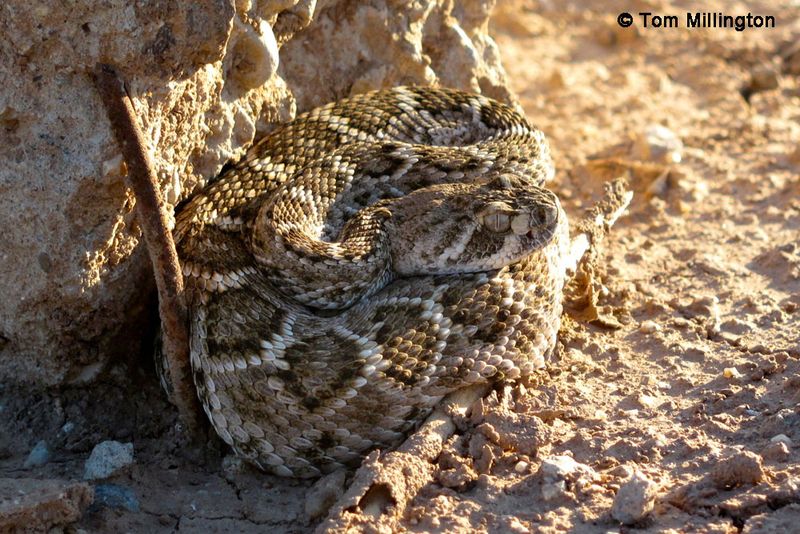
While the days stay warm, fall nights start to cool down fast. That drop in temperature changes when and how rattlesnakes choose to move around.
Instead of being out in the strong midday heat, many snakes shift their schedule. They come out during the warmer parts of the morning and evening when the air feels just right.
This means you might bump into one at times you did not expect. Early risers and evening walkers may cross paths with a snake looking for warmth.
Cooler nights also push snakes to search for cozy spots after dark. They often rest near sun-warmed rocks, walls, or patios that hold heat.
Because their routine shifts, people sometimes assume the snakes are behaving strangely. Really, they are just following the warmth like they always do.
If you head out during dawn or dusk, bring a flashlight. A quick sweep of the ground can reveal a snake before you get too close.
Wearing closed shoes on evening walks is a smart habit too. Sandals leave your feet exposed if you step near a hidden snake.
Your California Garden Changes Every Week. Your Plan Should Too.
Gardening in California changes quickly throughout the season. Every Friday you’ll receive a simple weekly plan showing exactly what to plant, prune, fertilize, harvest, and protect so you never miss the right timing.
Understanding this seasonal change helps you plan safer outdoor time. When you know when snakes are active, you can adjust and avoid surprises.
3. They Search For Food Before Winter
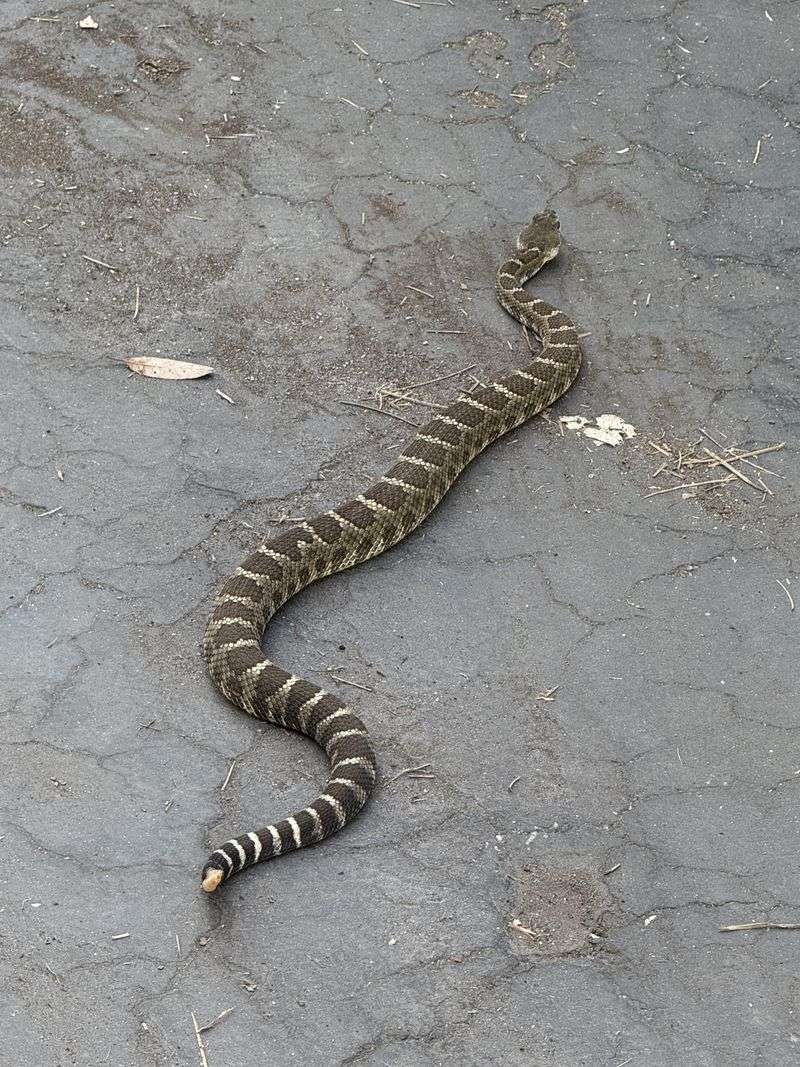
Colder months are coming, and rattlesnakes know they need to prepare. Before winter arrives, they spend early fall hunting to build up their energy.
A well-fed snake has a better chance of resting safely through the chilly season. So they become more focused on finding meals during these weeks.
This hunger drives them to travel farther than usual. A snake searching for food may cover more ground, which increases your chances of seeing one.
Their favorite meals include mice, rats, and other small creatures. Wherever these little animals gather, a hungry rattlesnake is likely to follow.
Because they are on the move, snakes may show up in places they normally avoid. Gardens, sheds, and yards can suddenly become hunting zones.
You can lower the chances of visits by keeping food sources away. Storing pet food indoors and sealing trash cans makes your space less tempting.
Keeping bird seed off the ground helps too, since spilled seed attracts rodents. Fewer rodents means fewer reasons for snakes to explore your property.
Being mindful of what draws prey animals is a simple, powerful step. When the buffet closes, the hunters usually move along somewhere else.
4. Rodent Activity Can Bring Them Near Homes
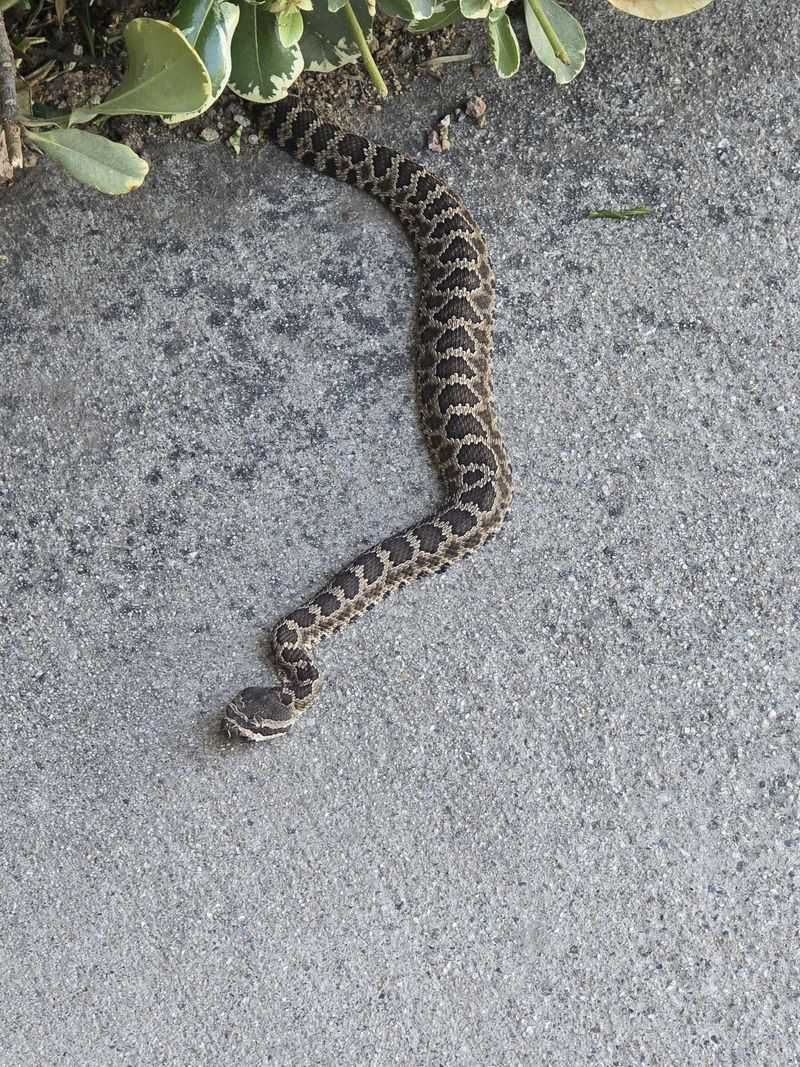
Fall is a busy season for mice and rats as well. As the weather shifts, these rodents look for warm shelter and steady food supplies.
Many of them head straight toward homes, garages, and sheds. And where the rodents go, rattlesnakes often follow close behind.
Snakes see a rodent-filled yard as an easy dinner spot. That connection is one of the biggest reasons people find them near their houses.
Little gaps around your foundation can invite both rodents and snakes. Sealing cracks and holes keeps the whole chain of visitors outside.
Keeping your yard tidy makes a real difference here. Piles of wood, clutter, and debris give rodents places to hide and nest.
When you remove those hiding spots, rodents have fewer reasons to stay. Fewer rodents naturally leads to fewer hungry snakes stopping by.
Check your garage and storage areas for signs of mice too. Droppings or chewed packaging mean it is time to clean and seal things up.
Think of it like breaking a food chain right at your doorstep. Cutting off the prey removes the reward that draws snakes closer.
A little prevention now saves you from surprise encounters later. Managing rodents is honestly the smartest snake defense you have.
5. Rock Piles Offer Good Hiding Spots
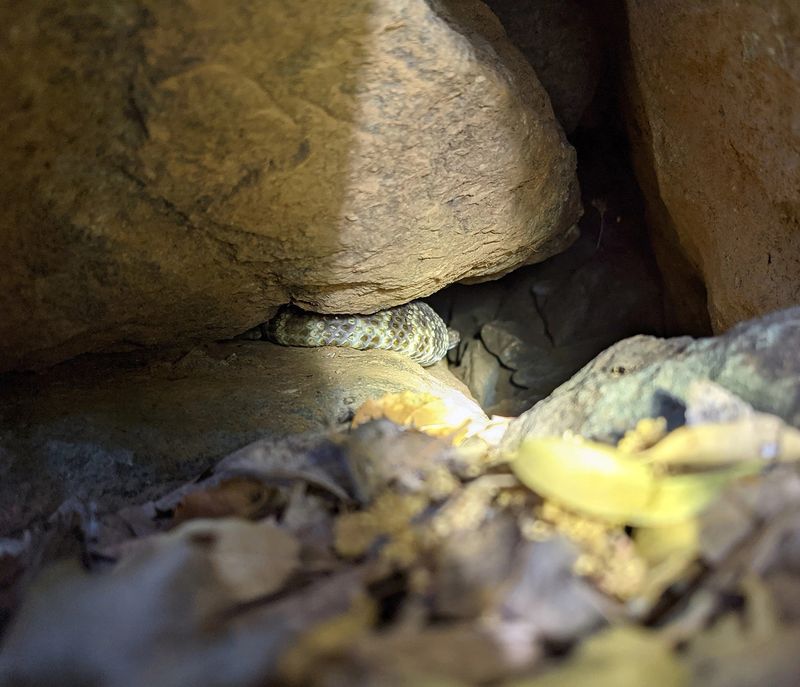
Rocks are like magnets for rattlesnakes, especially in fall. Stones soak up sunshine during the day and stay warm well into the evening.
That stored heat makes a rock pile a cozy resting place. Snakes tuck into the gaps to stay comfortable while hiding from view.
The spaces between stones also offer protection from predators. Hawks and other animals have a hard time reaching a snake wedged in tight.
Because these spots check every box, snakes return to them often. A quiet rock pile can host the same visitor again and again.
If you have decorative stones or old rock walls, stay alert around them. Reaching blindly into gaps is a risky move you want to avoid.
When gardening near rocks, use a long tool instead of your hands. Poking around first gives a resting snake time to slither away.
Keeping rock piles away from doorways and play areas is wise. Moving them to the edge of your property lowers the risk of contact.
Wearing gloves and boots adds another layer of safety while you work. Simple gear can protect you if you disturb a hidden snake.
Respecting these warm little shelters keeps everyone safer. Once you know snakes love rocks, you naturally treat those spots with care.
6. Tall Grass Creates Cover
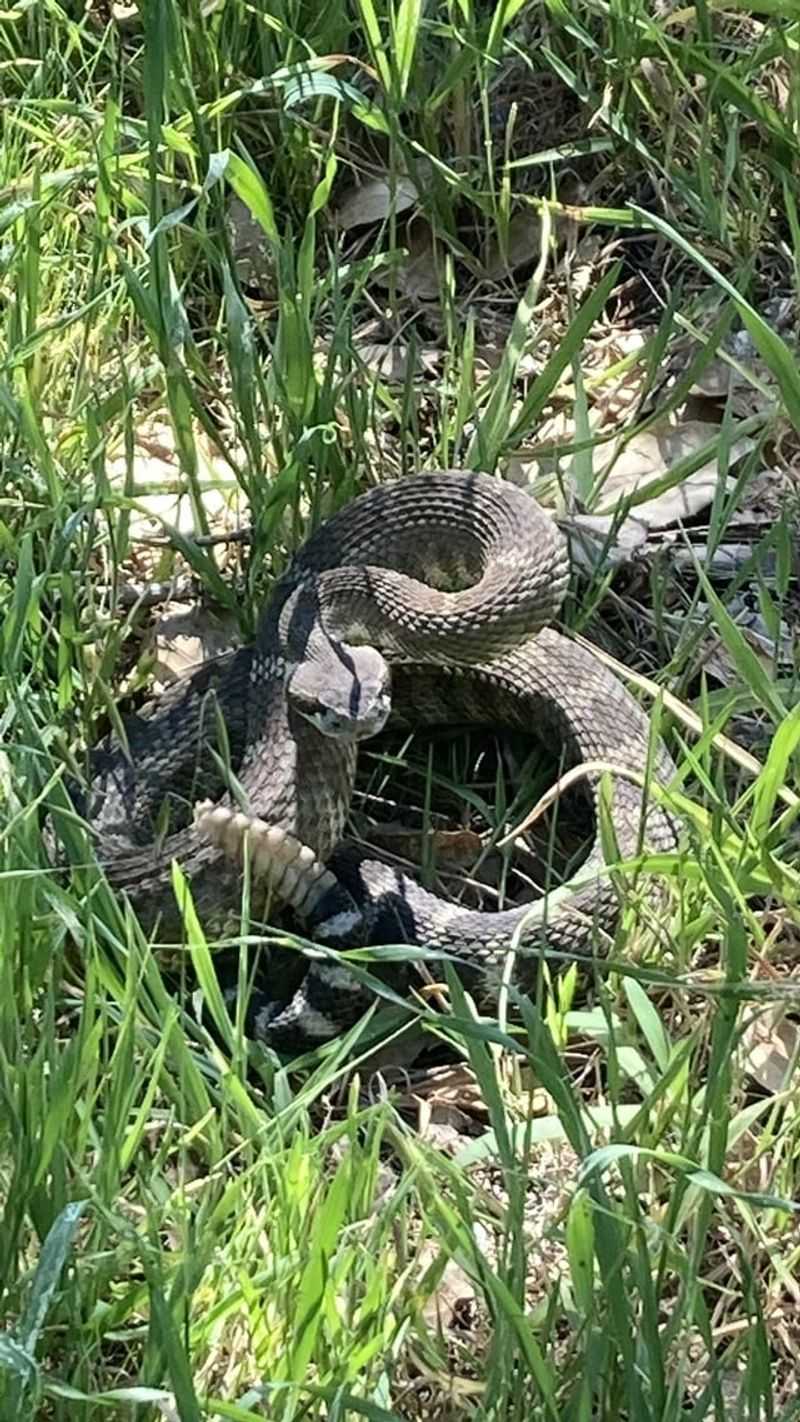
Long, dry grass gives rattlesnakes the perfect place to hide. The tall blades keep them cool and hidden from anything watching above.
By early fall, many California fields and yards have grown shaggy. All that overgrowth becomes a comfortable highway for snakes to travel through.
Because they blend into the grass so well, they are easy to miss. You could walk right past one without ever noticing it there.
This is exactly why unmowed areas can be a little tricky. A snake feels safe there, and you might not see it until you are close.
Keeping your grass trimmed short takes away that cozy cover. Snakes usually avoid open spaces where they feel exposed and unsafe.
Clearing weeds along fences and walkways helps a lot too. These edges are common travel routes when the growth is thick.
If you must walk through tall grass, stick to worn paths. Sticking to open ground gives you a clear view of the ground ahead.
Wearing tall boots adds solid protection in overgrown areas. Good footwear guards your legs if a hidden snake is startled.
Maintaining your yard is not just about looks here. Short grass genuinely makes your space less inviting to passing rattlesnakes.
7. Fall Cleanup Can Reveal Hidden Areas
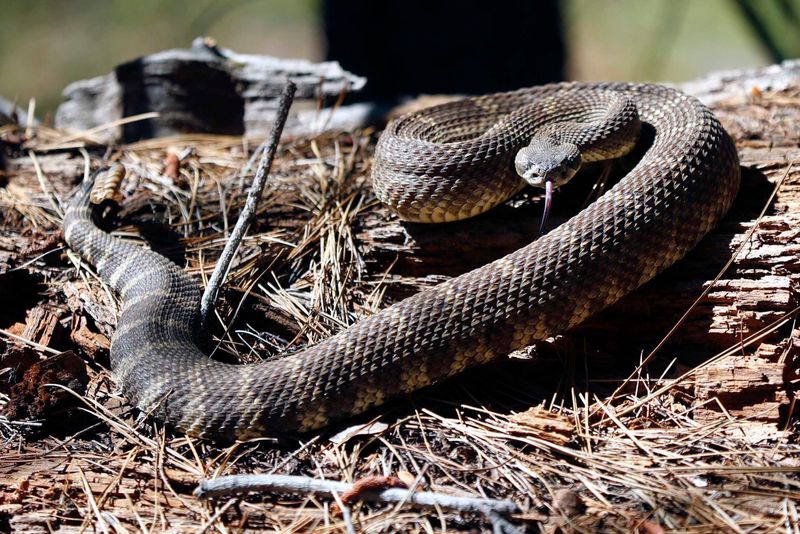
Autumn is prime time for yard cleanup, and that work can stir things up. Moving leaves, wood, and clutter often uncovers spots where snakes rest.
A snake may have been quietly tucked under that pile for days. When you shift it, you suddenly meet a surprised and startled visitor.
That is why cleanup season leads to more snake sightings around homes. People are simply looking in places they usually leave alone.
The good news is that cleaning up actually helps in the long run. Removing debris takes away the hiding spots snakes love most.
Before you dig in, gear up with gloves and closed boots. A little protection keeps your hands and feet safe from surprises.
Use a rake or long stick to shift piles from a distance. Giving a resting snake room to leave prevents a scary close encounter.
Work slowly and stay aware of what is under each layer. Rushing through piles is how people accidentally reach right toward a snake.
Clearing junk during the day is safer than at dusk. Better light lets you spot movement and colors more easily.
Tackling cleanup carefully protects you now and keeps snakes away later. A tidy yard is a less welcoming one for them.
8. Snakes May Move Between Shelter Sites
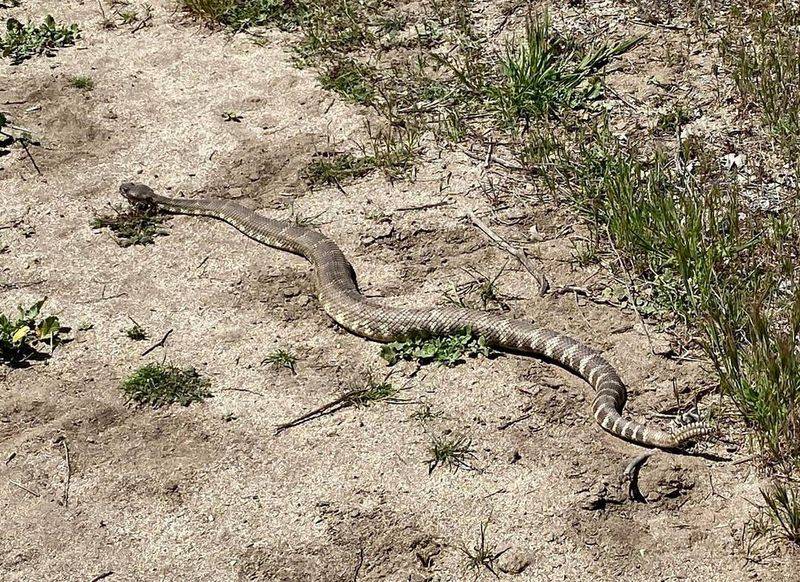
As winter creeps closer, rattlesnakes begin thinking about their resting spots. They travel to find safe places called dens where they wait out the cold.
This journey often means moving from one shelter to another. During these trips, they cross open ground where you can easily see them.
Some snakes even return to the same den year after year. Their path can lead them right through yards, trails, and roadsides.
Because they are traveling, sightings tend to spike during early fall. A snake on the move is far more visible than one hiding still.
You might spot one crossing a driveway or slipping along a fence line. These are just travelers heading toward their winter home.
Giving a moving snake plenty of space is the smart choice. Most will keep going on their own if you do not crowd them.
Never try to pick up or chase a snake you see traveling. Leaving it alone is safer for both you and the animal.
If one shows up near your door, calmly back away and wait. It is likely just passing through on its seasonal trip.
Knowing they are simply relocating makes these sightings less scary. They are not hunting you, just searching for a warm winter shelter.