The Fire Ant Mistake That Turns Small California Mounds Into Yard-Wide Colonies Overnight
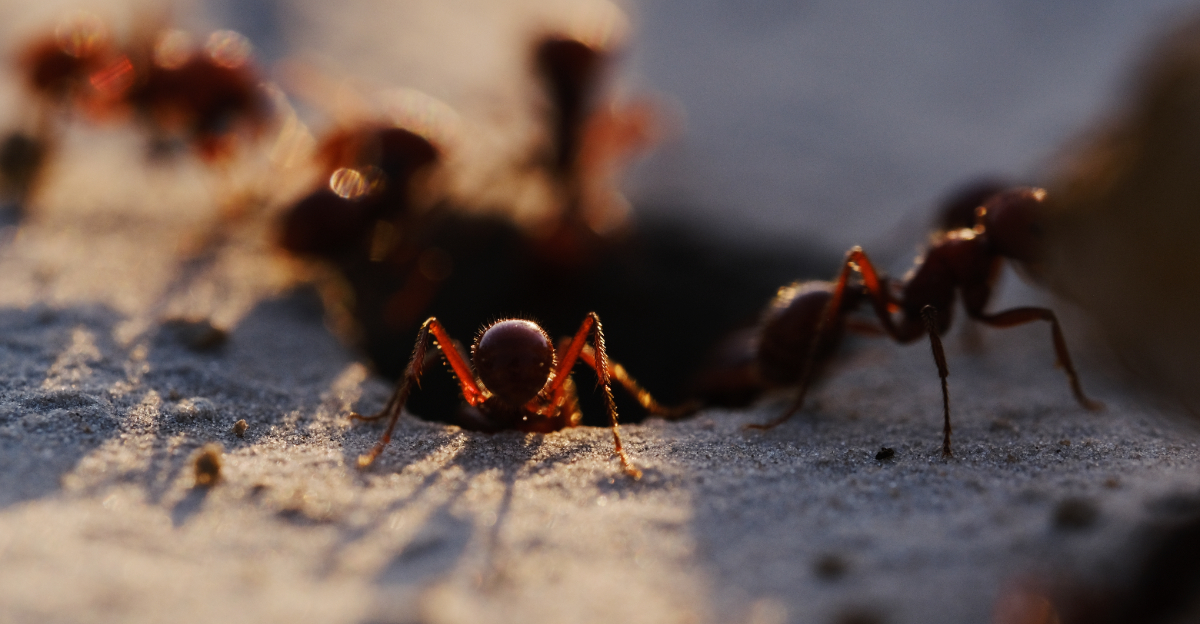
A tiny fire ant mound can look easy to handle. One quick fix seems like enough, especially when the rest of the yard appears clear. That confidence can disappear fast.
Fire ants rarely limit themselves to the patch of soil you can see. A careless response may scatter the colony and give it room to establish new nests across the property.
Suddenly, one mound feels like the opening act.
The mistake often comes from a perfectly reasonable urge to act fast. Unfortunately, the wrong approach can disturb the ants without reaching the colony’s core.
They do not surrender. They relocate. California heat can speed up the chaos and make repeat activity harder to track.
By the time fresh mounds appear, the original problem may have spread far beyond its starting point.
A smarter first move can keep a minor invasion from turning into a full-yard battle. With fire ants, strategy beats panic every time.
1. The Real Mistake Many Gardeners Make
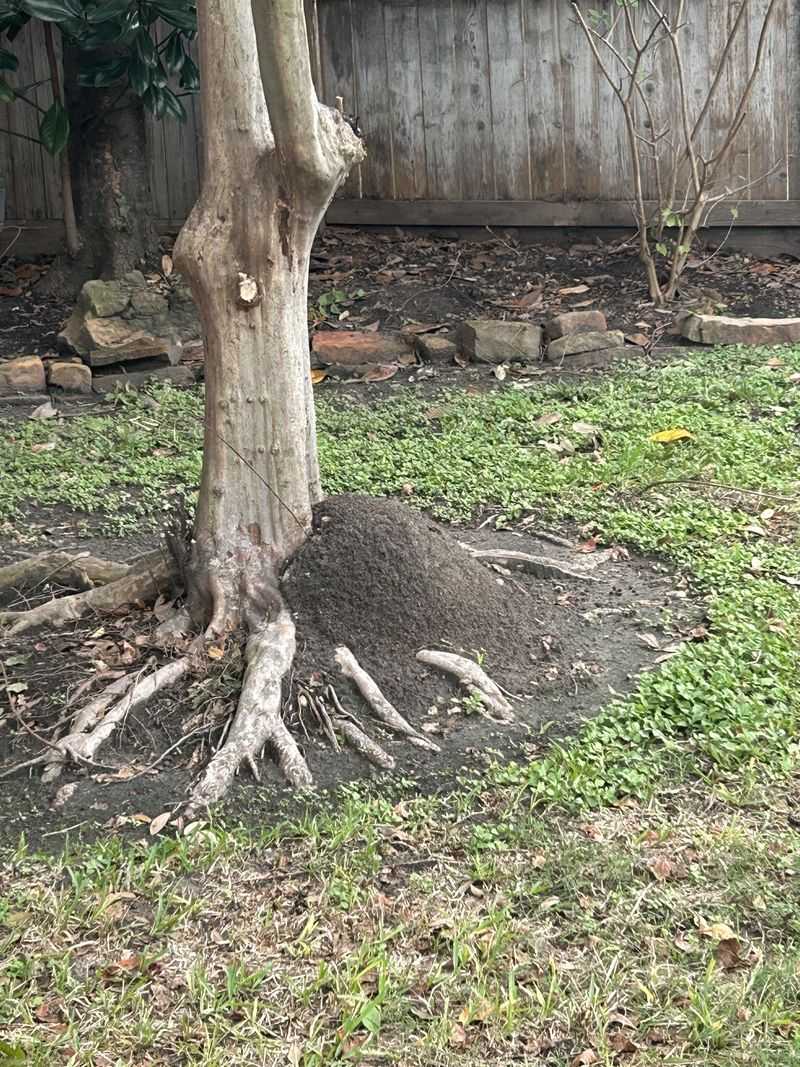
Most people see a fire ant mound and want to do something about it right away. That reaction makes total sense.
But acting too fast, without the right plan, is exactly what makes the problem worse.
Poking, kicking, or shoveling a mound sends a panic signal through the entire colony. Ants release chemical signals called pheromones.
Those signals tell every ant in the nest to move fast and protect the queen.
When that happens, ants scatter in every direction. Some go deeper underground.
Others rush outward across the yard. Within hours, what looked like one small mound can become several new ones popping up nearby.
Many homeowners in the southern and central parts of California discover this the hard way. They disturb a mound on Monday and wake up to three new ones by Wednesday.
The ants did not multiply overnight. They simply relocated and regrouped after feeling threatened.
The real mistake is not noticing the mound. The mistake is acting without a strategy.
Fire ants are incredibly organized. They respond to threats faster than most people expect.
Disturbing the mound without any treatment ready just gives them time to scatter and rebuild somewhere else in your yard.
The smarter move is to leave the mound completely alone until you have the right bait or treatment in hand. Calm ants are easier to treat than alarmed ones.
2. A Small Mound Is Not The Whole Colony
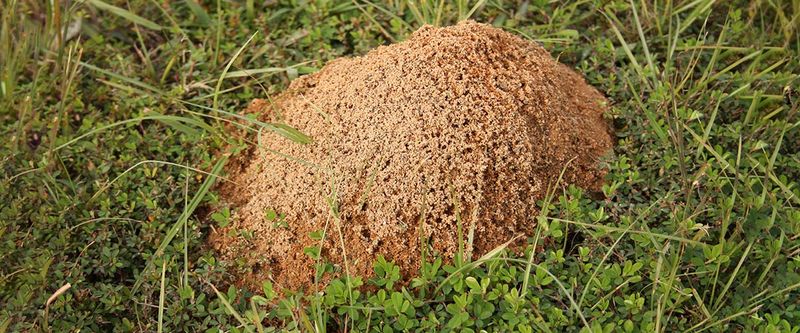
That small dirt pile in your lawn is just the tip of a very big problem. What you see above the soil is basically the roof of a massive underground city.
The real colony lives below.
Fire ant colonies can extend several feet deep and spread outward in ways that are hard to see from the surface. A mound that looks six inches wide might connect to tunnels spreading three feet in every direction underground.
Worker ants build the mound above ground to regulate temperature. They move eggs and larvae up and down depending on the heat.
So the mound is like a nursery building, not the whole neighborhood.
Your California Garden Changes Every Week. Your Plan Should Too.
Gardening in California changes quickly throughout the season. Every Friday you’ll receive a simple weekly plan showing exactly what to plant, prune, fertilize, harvest, and protect so you never miss the right timing.
In the warmer inland valleys, fire ant tunnels can go especially deep because the soil stays warm longer. That warmth keeps the colony active and growing even in cooler months.
Many people treat only the visible mound and wonder why ants come back in a week. The answer is simple.
They never left. The queen and most of the colony stayed safely underground while the surface was being treated.
Knowing this changes how you approach the problem. Surface treatments alone almost never work long-term.
Any effective approach has to reach deep into the tunnel system where the colony actually lives and where the queen keeps producing new ants every single day.
3. Breaking It Open Sends Ants Into Defense Mode
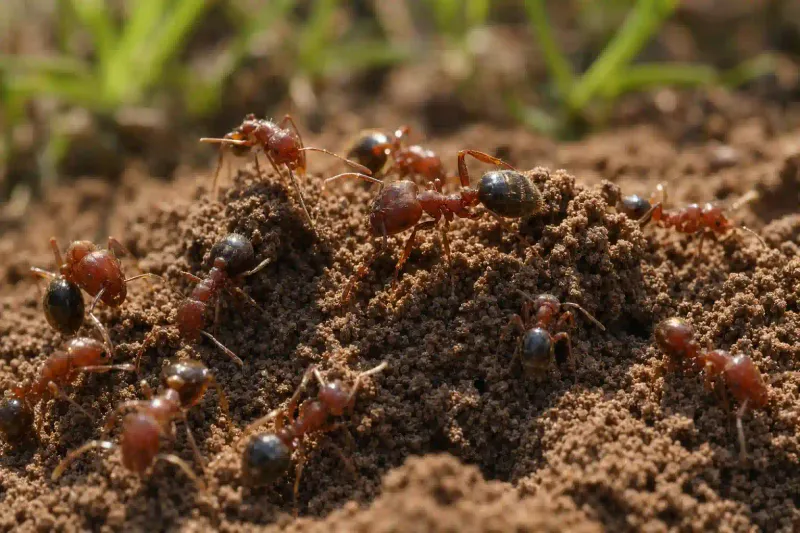
Fire ants are not passive insects. When their mound gets broken open, they switch into full defense mode within seconds.
Every ant in the colony gets a chemical message to attack or evacuate.
Worker ants rush to the surface first. They bite and sting anything nearby, including bare feet, garden tools, and pets.
Meanwhile, other ants grab the eggs and larvae and start moving them to safety deeper underground or into satellite mounds nearby.
This defense response is one of the most efficient survival systems in the insect world.
Researchers have studied it closely and found that fire ant colonies can relocate a significant portion of their population in under an hour when threatened.
In the hotter regions of California, where fire ant colonies stay active nearly all year, this defense response is especially fast. Warm soil temperatures keep the ants alert and ready to react at any moment.
Breaking open a mound also spreads the ants across a wider area. Instead of staying concentrated in one spot, they scatter.
That makes future treatments much harder because you no longer have one target. Now you have many.
Protecting yourself and your yard starts with understanding that fire ants are always ready for a fight. Respecting that instinct and working around it, rather than triggering it, is the key to actually getting rid of them for good.
4. Scattered Workers Can Make The Problem Look Bigger
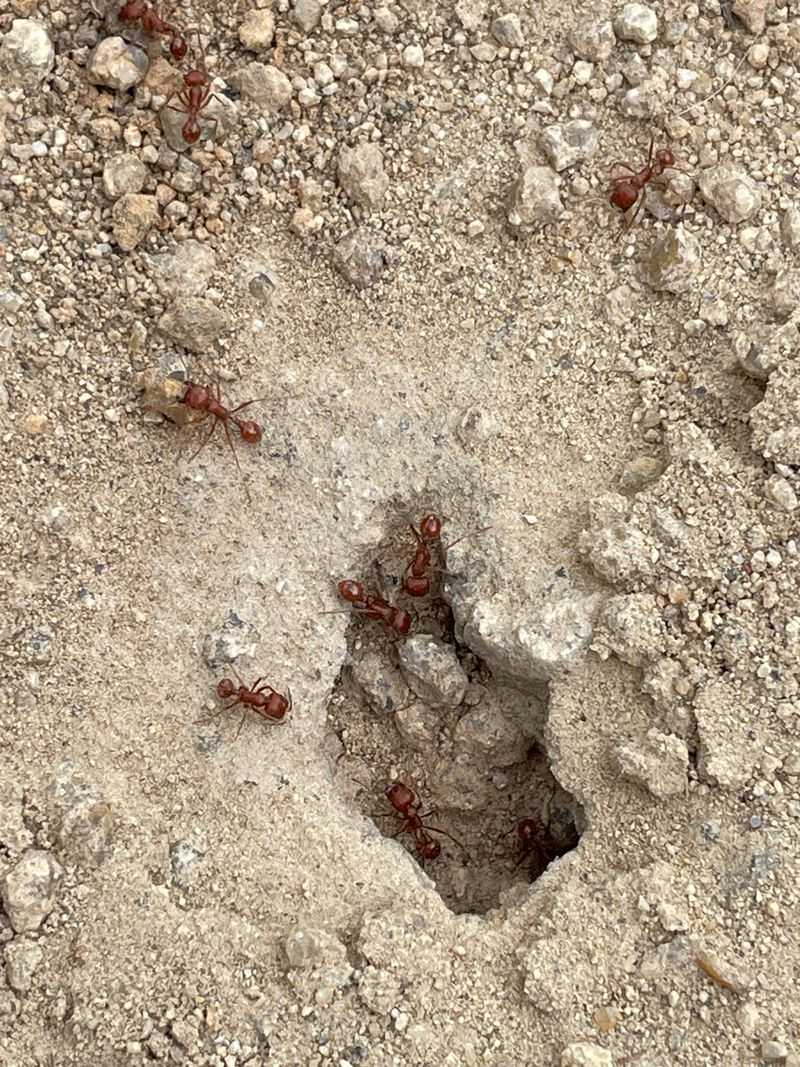
After a mound gets disturbed, ant workers scatter in every direction. A few days later, homeowners notice new mounds popping up all over the yard.
It can feel like the colony exploded overnight. But here is what actually happened. The original colony was already large.
Disturbing the mound just forced them to spread out and build new entry points. Those new mounds are not new colonies.
They are extensions of the same original one.
This is one of the most confusing parts of dealing with fire ants. The yard looks worse after treatment, so people assume the treatment failed or the ants multiplied.
In reality, the ants were already there. They were just hidden underground before.
In suburban neighborhoods across the northern and central parts of California, this pattern plays out all the time. A homeowner kicks a mound, then calls an exterminator a week later reporting ten new mounds.
The exterminator knows the truth. The population did not grow. It just became more visible.
Understanding this helps you stay calm and make better decisions. Seeing more mounds after disturbing one is actually a sign that you need to switch strategies, not escalate force.
Spreading bait across the whole yard at this point, rather than targeting individual mounds, is the smarter play. That way, no matter where the ants surface, they will find the bait and carry it back to the queen.
5. The Queen Stays Protected Below The Surface
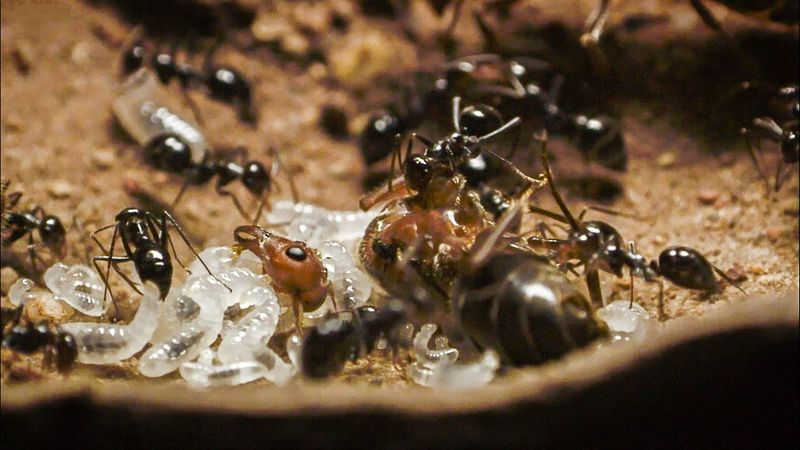
No matter what happens above ground, the queen is the one thing the colony works hardest to protect. She stays deep underground, surrounded by worker ants whose only job is to keep her safe and well-fed.
A fire ant queen can lay up to 1,500 eggs per day. As long as she is alive and protected, the colony will keep growing.
That is why surface treatments rarely solve the problem long-term. You can remove hundreds of worker ants and the colony simply produces more.
The queen rarely moves unless the threat is extreme. Even when a mound is disturbed, workers will shield her and guide her deeper into the soil before doing anything else.
She is the engine of the entire operation.
In the warm, dry regions, fire ant queens can live for several years. That means one queen can keep a colony thriving season after season without any help from outside the nest.
Getting rid of a fire ant problem permanently means targeting the queen. That sounds simple, but it is tricky because she is buried so deep and so well-guarded.
Bait products are currently the most effective tool for reaching her. Worker ants carry the bait back to the colony, where it is shared with the queen.
Once the queen is affected, the colony cannot sustain itself. That is how real, lasting control happens.
6. Panic Treatments Often Miss The Colony
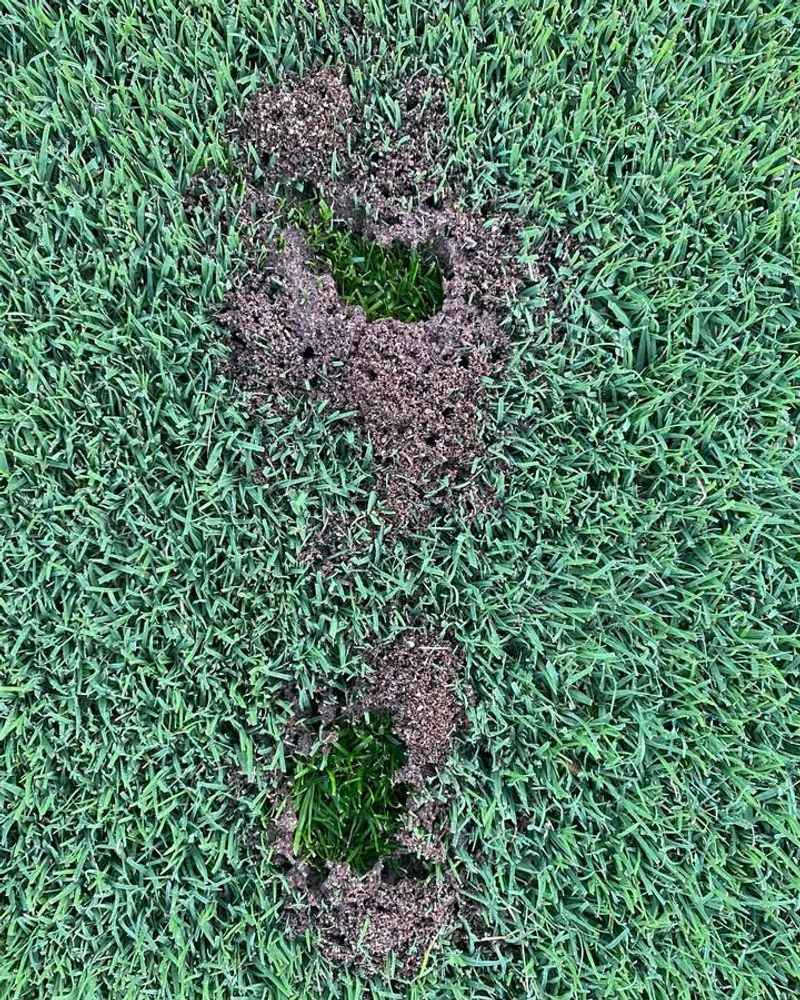
When fire ants sting someone or swarm across the patio, the first instinct is to grab whatever is available and attack the mound. People reach for boiling water, bleach, gasoline, or strong pesticide sprays.
These panic treatments feel satisfying in the moment. But most of them barely scratch the surface of the actual colony.
The ants you see on top are just a fraction of the total population living below.
Boiling water, for example, can reach a few inches into the soil. But fire ant tunnels can go much deeper than that.
The queen and the main colony stay safe while the surface ants absorb the damage.
Gasoline and bleach are not only ineffective, they are also harmful to the soil, surrounding plants, and local wildlife. Using these substances can create bigger environmental problems without solving the ant issue at all.
Strong pesticide sprays applied directly to a mound often have the same result as disturbing it physically. Ants scatter, relocate, and rebuild somewhere nearby.
You end up with the same colony in a slightly different location.
California residents across the warmer coastal and inland areas often repeat this cycle without realizing it.
The same colony keeps coming back because the root cause, which is the queen, was never reached.
Slowing down and choosing the right treatment from the start saves time, money, and frustration. Panic rarely produces good results when dealing with fire ants.
7. Bait Works Because Ants Carry It Back
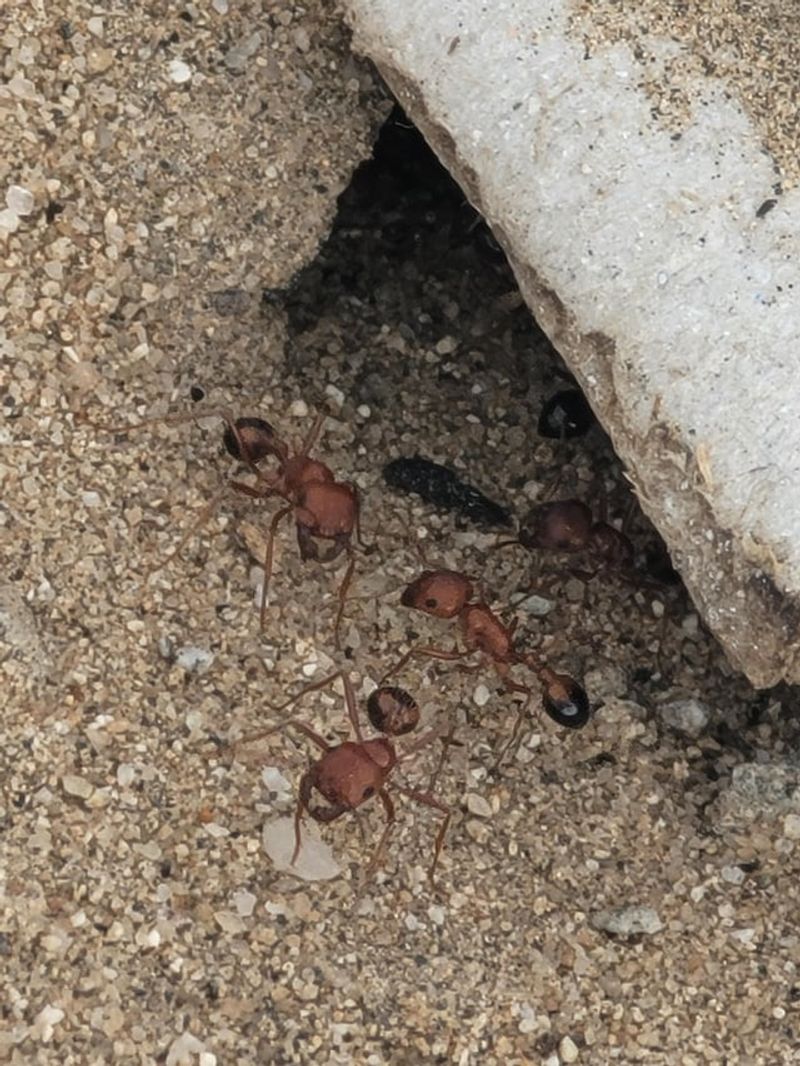
Fire ant bait is one of the smartest tools available for homeowners dealing with persistent colonies. It works with the ants’ natural behavior instead of fighting against it.
That is what makes it so effective. Worker ants are constantly foraging for food. When they find bait granules near the mound, they treat them like a regular food source.
They pick up the granules and carry them back into the colony to share with other workers and the queen.
The active ingredient in most baits is slow-acting on purpose. If it worked too fast, the foraging ants would be affected before they could carry the bait back underground.
A slow effect gives the bait time to travel deep into the colony.
Once the bait reaches the queen and she is affected, she stops producing eggs. Without a steady supply of new workers, the colony gradually shrinks and eventually collapses on its own.
This process takes time, usually a few weeks. But the results are far more thorough than any surface spray or quick-fix treatment.
The entire colony, from top to bottom, gets exposed to the bait through their own food-sharing system.
In the drier inland areas, bait works especially well during the cooler morning hours when ants are most active and foraging.
Applying it at the right time of day makes a noticeable difference in how quickly the ants pick it up.
8. Treat Calm Mounds Before You Stir Them Up
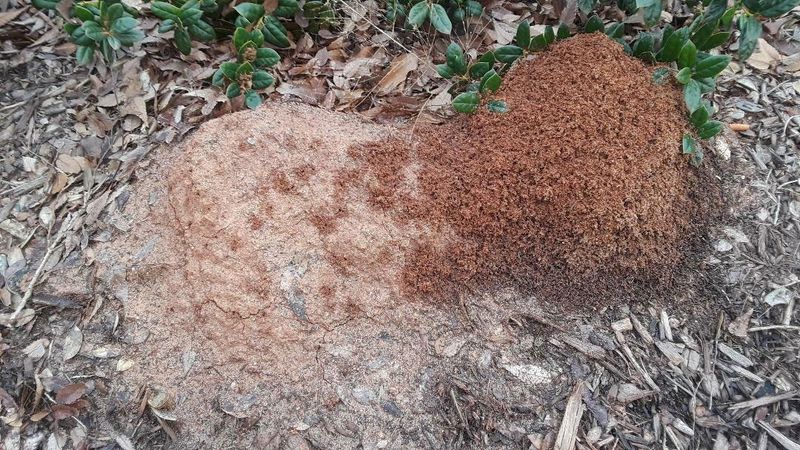
Timing and approach matter more than most people realize when treating fire ants. Applying bait or treatment to a calm, undisturbed mound is far more effective than treating one that has already been stirred up.
When ants are in defense mode, they stop foraging. They are focused entirely on protecting the queen and moving eggs to safety.
A colony in panic mode will not pick up bait sitting on the ground near them.
But a calm colony is in its normal routine. Workers are out foraging, moving food, and maintaining tunnels.
When bait is placed near an undisturbed mound, foraging workers find it quickly and carry it back without hesitation.
The best time to apply bait is in the early morning or late afternoon when temperatures are mild and ants are most active. In many parts of California, midday heat slows ant activity.
Treating during peak foraging hours gives the bait the best chance of being picked up fast.
Avoid watering your lawn right before or after applying bait. Moisture can break down the bait and make it less attractive to ants.
Dry conditions help the granules stay fresh and effective longer.
Walk around the yard before treating and note every mound you can find. Apply bait near all of them without disturbing any.
A calm, wide-area approach like this is far more effective than targeting one mound at a time after stirring it up.